Reviewed · TEA CEREMONY & MATCHA
Practicing Zen through Japanese Tea Ceremony
This is more than watching someone whisk matcha. A bilingual tea master first performs the ceremony, then guides you through making your own tea. That hands-on turn is the most memorable part, since you learn the careful movements instead of simply observing them.
In This Article
- Key points to know before booking
- A quiet hour near Shibakōen
- What happens when the tea master begins
- Matcha and wagashi, a carefully planned pair
- The hands-on tea ceremony
- Why the Zen connection matters
- The setting and group size
- How the 75-minute schedule fits a Tokyo day
- Is $64.50 a fair price?
- Who will enjoy this most
- Practical details before you reserve
- Should you book this tea ceremony?
- FAQ
- Where does the tea ceremony take place?
- How long does the activity last?
- What is included in the price?
- Do I get to make matcha myself?
- Is the tea master bilingual?
- Does the activity include Zen meditation?
- How many people can join the activity?
- Is transportation included?
- Can I cancel for a full refund?
I like the calm break from Tokyo’s busy streets, and I like the pairing of bitter matcha with traditional wagashi sweets. The English explanations also cover hanging scrolls, tea utensils, and Zen ideas, not just the mechanics of drinking tea. The main caution is that the Zen portion is brief, and the setting may be a basement room in an office building rather than a traditional tea house.
Key points to know before booking
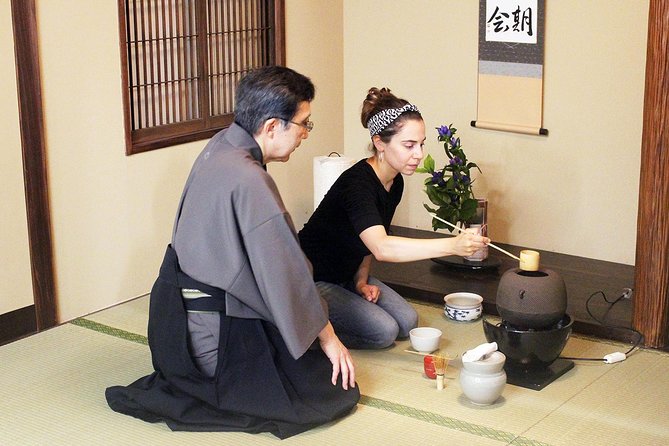
- You make your own matcha: After the tea master’s demonstration, you prepare a second bowl using the ceremonial method.
- Miyuki and Yuuko have led sessions: The bilingual instructors provide a warm welcome and explain the cultural meaning behind each step.
- Wagashi balances the tea: Traditional Japanese sweets are served specifically to soften matcha’s bitter flavor.
- The session lasts about 75 minutes: It fits well before or after sightseeing in Minato City.
- The group can reach 28 people: The format is participatory, but it may not feel like a private ceremony.
- Zen is part of the context, not the whole class: Expect more tea ceremony instruction than meditation or Zen practice.
A quiet hour near Shibakōen
Tokyo can keep you moving from one train platform, shrine, shop, and restaurant to the next. This ceremony gives you a reason to sit still. For about an hour and fifteen minutes, your attention narrows to a bowl, a whisk, a sweet, and the movements of the person preparing tea.
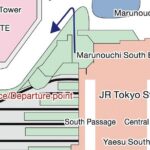
The meeting point is Kikai Shinkō Kaikan, at 3-chōme-5-8 Shibakōen in Minato City. The area is near public transportation, so you can place the activity into a day of sightseeing around Minato. The session returns to the same location, which makes the timing easy to manage.
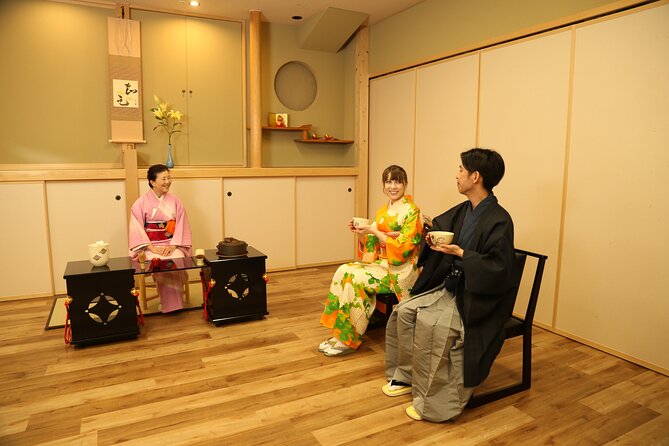
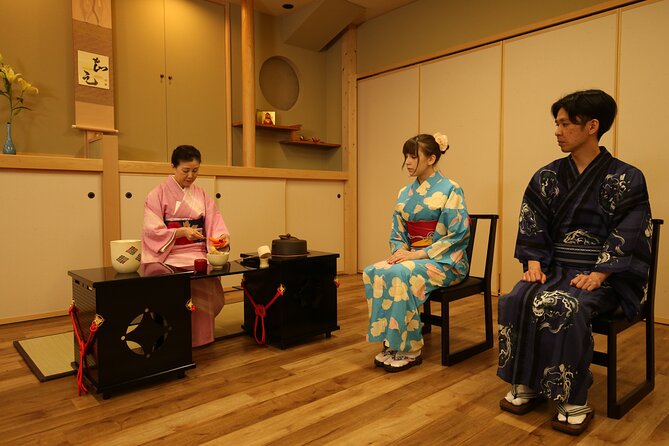
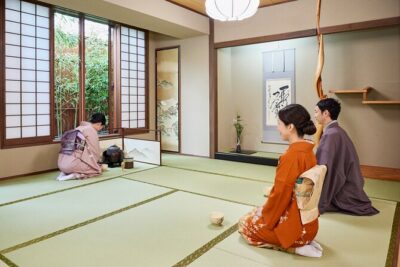
The setting is designed to recreate the atmosphere of a traditional ceremony. Still, you should set your expectations correctly. One account describes the room as a basement space in an office building. That does not erase the value of the teaching, but the surroundings may feel more functional than historic.
I see this as a cultural class rather than a grand architectural visit. You are coming for the ritual, the explanation, and the chance to prepare matcha yourself.
A few more Tokyo tours and experiences worth a look

What happens when the tea master begins
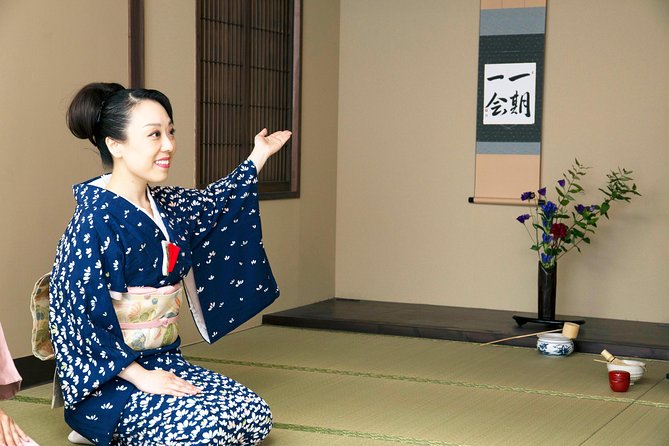
The tea master opens by explaining the ceremony and its place in Japanese culture. You learn that tea is not simply a drink served in a particular bowl. The order of actions, the handling of utensils, the scroll, the sweets, and the attention given to the moment all carry meaning.
The program is led by a bilingual licensed tea master, with at least five years of experience performing tea ceremonies. Miyuki and Yuuko are names associated with the instruction, and both are described as warm, attentive guides. You should expect English explanations throughout the session.
The first ceremony is performed for you. Watch the small details rather than waiting for a dramatic show. The appeal lies in the controlled pace and repeated actions. The tea master prepares authentic matcha and presents it with a traditional sweet, while explaining what you are seeing.
This first demonstration matters because the ceremony can seem mysterious if you only see the finished bowl. Once you understand the order, the second part becomes easier to follow. You can focus on your own movements instead of wondering what comes next.
Matcha and wagashi, a carefully planned pair
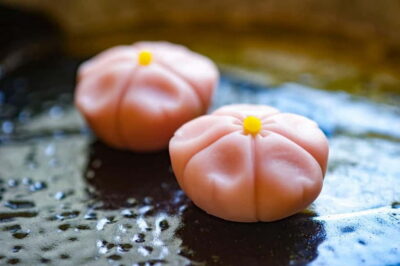
Matcha has a strong, grassy bitterness that may surprise you if you are used to sweetened green tea. The traditional sweet served with it is not an afterthought. Wagashi gives your palate a softer, sweeter note before or alongside the tea.
The sweets are selected to suit matcha’s flavor profile. That pairing helps explain why tea ceremony traditionally includes food, even when the portion is small. You are not attending a meal, and no extra food or drinks are included, but the sweet gives the tea a clear cultural and sensory setting.
I appreciate this part because it turns an abstract explanation into something you can taste. You learn with your palate as well as your eyes. If you have already tried matcha in a café, this gives you a better sense of how the drink works in a formal setting.
Do not book this expecting a full snack break. Traditional Japanese confections and one ceremonial tea are included. Additional food and beverages are not.
The hands-on tea ceremony
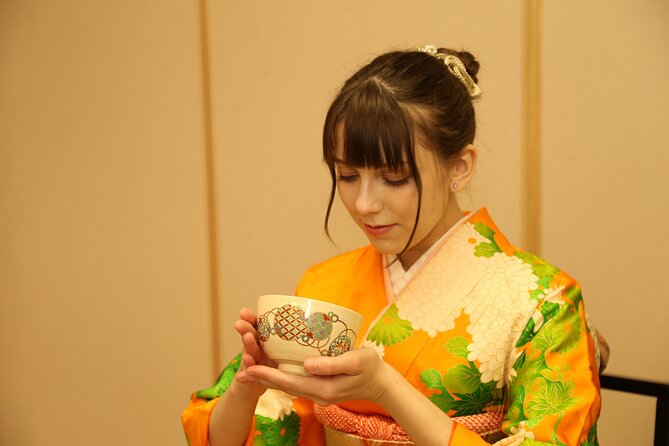
The strongest feature is the second tea ceremony, when you prepare tea yourself under instruction. The tea master guides you through the process, so you do not need prior experience or special knowledge of the ritual.
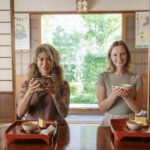
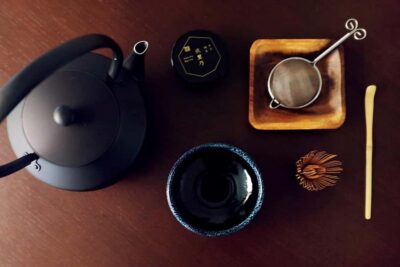
This is where the hour becomes more than a demonstration. You handle the utensils, follow the ceremonial sequence, and prepare matcha using the methods just explained. Your bowl will be your own small exercise in patience and precision.
The format also gives you a practical memory to take away. You may forget some dates and terms from the cultural explanation, but you are more likely to remember the feel of the whisk and the care required to complete each step.
A short meditation is also included. It adds a moment of quiet and connects the physical ritual with the idea of Zen practice. Still, the balance of the class leans toward tea ceremony. If you are booking this mainly for meditation, you may find the Zen element too limited. If you want tea instruction with a small amount of reflection, the balance should suit you.
Why the Zen connection matters
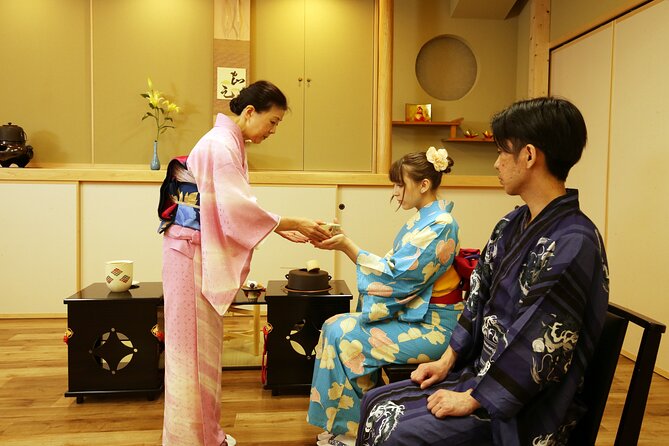
The ceremony’s connection to Zen is presented through attention, simplicity, and respect. The point is not to turn a short tourist activity into a full religious study. Instead, the tea ritual gives you a practical way to notice how Japanese aesthetics can shape an ordinary act.
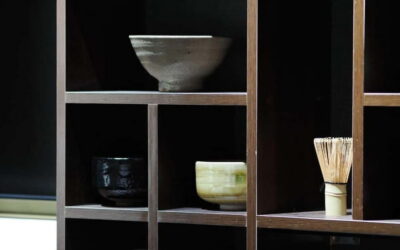
The class also discusses Japanese hanging scrolls and tea utensils. These objects help explain why the tea room is treated as a carefully considered space. A scroll can influence the mood of the gathering, while a utensil is handled with care rather than treated as a disposable tool.
You will not receive an academic course in Zen, and the supplied information makes that clear through the actual balance of the session. One Dutch-language assessment specifically found more tea ceremony than Zen theory or practice. I would take that as useful guidance, not criticism. The program uses Zen as a lens for understanding tea, not as its sole subject.
A few more Tokyo tours and experiences worth a look



The setting and group size
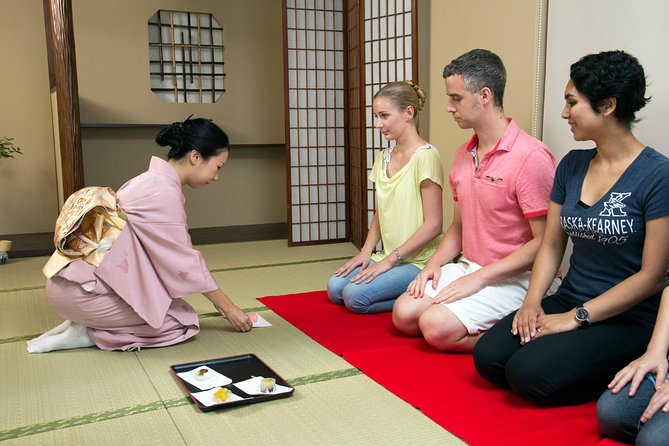
The maximum group size is 28 people. That is a useful number to know before paying for a quiet cultural activity. A group of that size can still follow a demonstration and take part in the preparation, but the atmosphere may be less private than a small tea room session.
The room itself recreates a traditional atmosphere, though it may be located in a basement office setting. That contrast is worth considering. You receive an authentic explanation of the ritual and use proper ceremonial methods, but you are not necessarily sitting inside an old wooden tea house or a famous historic garden.
For me, the setting would matter less if I wanted a practical introduction. It would matter more if I wanted beautiful architecture, outdoor scenery, or a polished photo backdrop. The activity is strongest as an intimate cultural pause, not as a sightseeing stop.
The calm atmosphere is helped by the format. You sit, listen, watch, taste, and practice. There is no long transfer, no complicated route between stops, and no packed sightseeing schedule inside the activity itself.
How the 75-minute schedule fits a Tokyo day
The duration is approximately one hour and fifteen minutes. That makes this easy to add to a half-day in Tokyo. You can schedule it between other activities in Minato City, provided you allow enough time to reach Kikai Shinkō Kaikan.
The meeting point and end point are the same. There is no hotel pick-up or drop-off, so you handle your own transportation. This is both a limitation and a benefit. You do not get door-to-door service, but you also avoid spending part of a short activity collecting people from different hotels.
The session has a clear rhythm:
- The tea master introduces the ceremony and its cultural background.
- A traditional tea preparation is performed for you.
- You taste matcha with wagashi.
- The instructor explains Zen connections, scrolls, utensils, and the meaning of the actions.
- You prepare tea yourself with guidance.
- A short meditation provides a quiet pause before the activity ends.
That structure gives you enough time to understand and practice without turning the session into a full-day commitment. It also means you should arrive ready to pay attention. This is not a drop-in tasting where you can wander in and out.
Is $64.50 a fair price?
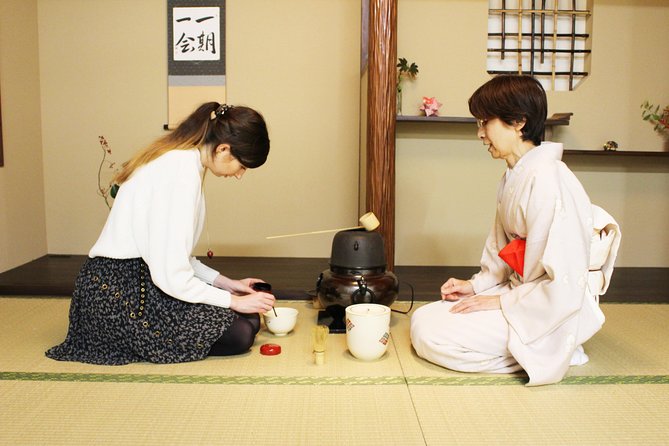
At $64.50 per person, this costs more than buying a matcha drink and sweet at a café. The comparison is not quite fair, though. You are paying for a bilingual licensed tea master, a performed ceremony, traditional confections, cultural instruction, and a second ceremony that you perform yourself.
I consider the price reasonable if you value participation and explanation. The most important value comes from the instruction. Without it, matcha preparation can look like a series of formal gestures. With it, the gestures become easier to understand and remember.
The value is less convincing if your main goal is a grand setting or a long meditation. The group may be as large as 28 people, and the room may be in a basement office building. You should also remember that extra drinks and food cost more because they are not included.
Group discounts are available, which may improve the price for families or companions booking together. Confirmation is sent within 48 hours, subject to availability. The activity is booked about eight days ahead on average, so I would not leave it until the last moment if it is important to your schedule.
Who will enjoy this most
I would recommend this to first-time visitors who want a guided introduction to Japanese culture beyond museums and major sights. You do not need to know the rules of tea ceremony before arriving. The instruction is built into the activity.
It also suits anyone looking for a slower hour during a packed Tokyo itinerary. After several crowded attractions, the chance to sit quietly and focus on one carefully ordered ritual can be a welcome change.
Families and small groups may appreciate the hands-on format, especially with the group discount. The practical element gives you something to do, rather than requiring you to sit silently for the entire session.
This is less suitable if you want a private ceremony, a historic tea house, extensive Zen instruction, or a full meal. It is also not the right choice if you dislike guided cultural demonstrations or have no interest in preparing the drink yourself.
Practical details before you reserve
The activity includes a bilingual licensed tea master, authentic matcha, traditional Japanese sweet confections, the first performed ceremony, and your own guided tea preparation. Pick-up and drop-off are not included.
The cancellation policy is generous if your plans change: you can receive a full refund by canceling at least 24 hours before the local start time. Changes or cancellations made within 24 hours are not accepted for a refund.
The activity is near public transportation and ends at the starting location. The maximum group size is 28 people. Mobile tickets are available, and group discounts may apply.
I would wear something comfortable enough for sitting and handling tea utensils. The supplied details do not specify a dress code or seating style, so you should not assume that formal clothing or a particular posture is required. If those points matter to you, ask the operator before booking.
Should you book this tea ceremony?
Book it if you want to understand matcha through practice, not just taste it. The best parts are the calm setting, the carefully paired wagashi, and the chance to prepare your own tea after watching the tea master. Miyuki and Yuuko are associated with warm, clear instruction, and the bilingual format helps you follow the cultural explanations.
Skip it if your priority is a historic room, a small private group, or a serious study of Zen meditation. The activity may take place in a basement office room, the group can reach 28 people, and the Zen material is shorter than the tea ceremony itself.
For most visitors, I see this as a useful 75-minute cultural stop at a fair price. It gives you a quiet hour, a new skill, and a better understanding of why Japanese tea ceremony is about attention as much as refreshment.
FAQ
Where does the tea ceremony take place?
It begins and ends at Kikai Shinkō Kaikan, 3-chōme-5-8 Shibakōen, Minato City, Tokyo 105-0011, Japan.
How long does the activity last?
The session lasts approximately 1 hour and 15 minutes.
What is included in the price?
The price includes a bilingual licensed tea master, authentic matcha, traditional Japanese sweets, a tea ceremony performance, your own guided tea preparation, and explanations in English.
Do I get to make matcha myself?
Yes. After the tea master performs the ceremony, you take part in a second tea ceremony and prepare tea yourself with instruction.
Is the tea master bilingual?
Yes. A bilingual licensed tea master leads the activity and provides explanations in English.
Does the activity include Zen meditation?
A short meditation is included, along with explanations of the ceremony’s connection to Zen. The main focus is the tea ceremony rather than extended Zen theory or practice.
How many people can join the activity?
The maximum group size is 28 people.
Is transportation included?
No. Pick-up and drop-off services are not included. The activity takes place near public transportation and ends back at the meeting point.
Can I cancel for a full refund?
Yes. You can cancel at least 24 hours before the local start time for a full refund. Cancellations or changes made less than 24 hours before the start are not accepted for a refund.
More Temples & Meditation in Tokyo
More Tea Ceremony & Matcha in Tokyo


More tours in Tokyo we've reviewed






Tea Ceremony & Matcha, compared.
 ★ 5.0Matcha Making Class in Tokyo with Authentic Japanese Sweets SetFrom $21
 ★ 5.0Kimono Tea Ceremony at Tokyo, Asakusa MaikoyaFrom $55
 ★ 5.0Tokyo: Traditional Tea Ceremony with a Tea MasterFrom $381 hour
 ★ 4.5Dynamic Tokyo: Tokyo Tower, Tea Experience, Bay Cruise Day TourFrom $99
 ★ 4.9Tokyo: Matcha Making Experience with Mochi Sweets in AsakusaFrom $221 hour
 ★ 4.7Tokyo: Matcha and Kimono ExperienceFrom $57