Reviewed · E-BIKES
Tokyo E-bike Rental: Let’s enjoy as a local!
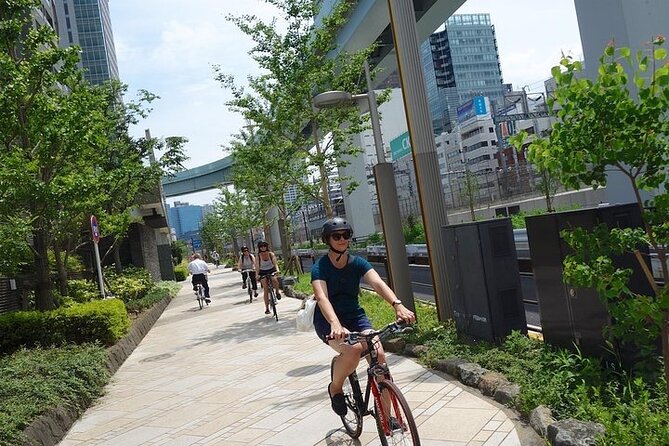
Tokyo becomes much more personal from an e-bike. From the Tsukiji shop, you can slip through narrow streets, pause at a temple, cruise past office towers, and reach sights that are awkward by train. The four-hour rental gives you time to build your own route rather than follow a fixed parade of landmarks.
In This Article
- Key points to know before you ride
- Why an e-bike fits Tokyo so well
- Starting in Tsukiji and getting your bearings
- Choosing between a free ride and guided help
- A four-hour route through central Tokyo
- What each type of stop adds
- Comfort, effort, and the best pace
- Is $25.02 good value for four hours?
- Booking details and weather rules
- Who should book this ride?
- Should you book Tokyo E-bike Rental?
- FAQ
- Where does the e-bike ride start?
- Where does the activity finish?
- How long is the rental?
- How much does it cost?
- Is the experience guided?
- Which guides may be involved?
- What equipment is provided?
- Can children take part?
- Is the experience available by mobile ticket?
- What happens if it rains?
- Can I cancel for a full refund?
I like the easy electric assistance, especially for slopes and longer stretches, and I like having the freedom to stop for photos, snacks, or a quick look at a quiet lane. Staff explain Japanese traffic rules and help you get used to the bike before you set off. The main catch is that this is an outdoor activity: rain can cancel it, city riding requires attention, and children under 15 cannot take part.
Key points to know before you ride

- Tsukiji is a useful starting point: The shop sits near public transportation and gives you a practical launch point for central Tokyo.
- You choose the route: Head toward Tokyo Station, the Imperial Palace, Asakusa, Akihabara, the bay, or another part of the city within your riding time.
- Electric assistance saves your legs: The bikes handle slopes more easily, making a long city ride possible without turning the outing into a workout.
- A short practice comes first: Staff explain the controls, provide a helmet and bike key, and give guidance on Japanese traffic rules.
- Some options include guidance: Names associated with the experience include Naomi, Miki, Jun, and Daichi, though you should confirm whether your booking is guided or self-guided.
- Weather matters: You can cancel for a full refund up to 24 hours ahead, and a poor-weather cancellation offers a new date or full refund.
Why an e-bike fits Tokyo so well

Tokyo is simple to cross by train, but trains give you stations rather than streets. Walking gives you the best close-up view, but the distances between neighborhoods can eat up a day. An e-bike sits neatly between the two.
You can cover more ground than on foot while still seeing shopfronts, side roads, small shrines, parks, and ordinary residential blocks. You are not sealed behind a bus window, and you do not have to return underground every time you want to move a few neighborhoods farther.
The electric motor matters more than the novelty. Tokyo is not a mountain town, but slopes and long stretches can wear you down, particularly in warm weather. The assistance lets you keep moving without arriving at each stop sweaty and tired. One ride included an easy climb around the Imperial Palace, while another reached Odaiba quickly from the city. Those examples show what the bike makes possible, though your exact route is your choice.
You still need to ride responsibly. An e-bike is not an automatic sightseeing machine. You must watch traffic, pedestrians, turns, and road conditions. The staff provide an introduction to local traffic rules, and the early practice time is important if you have not used an electric bicycle before.
Other cycling tours in Tokyo
Starting in Tsukiji and getting your bearings
Your ride begins at Compass Bike, at 2-14-4 Tsukiji in Chuo City. The location is near public transportation, which makes it practical to reach from other parts of Tokyo. Tsukiji also gives you an excellent first setting: food streets, market history, waterways, and central-city roads all sit nearby.
The first part is not sightseeing. Staff prepare the bike, explain how it works, and provide the equipment needed for the ride. Helmets and bike keys are supplied. Take this orientation seriously, even if you regularly cycle at home. Electric assistance can make a bicycle feel more powerful than expected, and one rider specifically noted the importance of practicing before setting off.
Use this time to ask questions. You want to understand the controls, how the assistance responds, and what the staff expect when riding in Tokyo. If you are nervous about navigating an unfamiliar city, ask for route suggestions before leaving. The staff can recommend sightseeing options, while you remain in charge of the itinerary for a self-guided rental.
The bikes are described as comfortable, modern-looking, and powerful without being too heavy. That is useful in practical terms. You have enough help for a long ride, but you are not dealing with an unwieldy machine at every stop.
Choosing between a free ride and guided help
The experience is presented as a self-guided outing, which is its greatest strength for independent riders. You can decide to spend more time at one place, skip a famous sight, or change course when a street looks interesting. You are not held to a group schedule.
At the same time, several ride accounts refer to guides named Naomi, Miki, Jun, and Daichi. Naomi is associated with clear explanations and historical information, while Miki is described as a Japanese guide with strong knowledge of Tokyo’s past. Daichi is praised for leading a comfortable ride and selecting good stops. Jun helped with instructions and was understanding when a rental ran slightly over time.
This suggests that Compass Bike may offer both rental-only and guided formats, or that different bookings have different arrangements. Do not assume a guide is included simply because a guide’s name appears in the tour information. Check the exact option you book.
A guided ride can help if you want the city’s story along with its streets. A self-guided rental is better if you already have a plan, want to stop often, or prefer to set your own pace. Either way, the staff’s route advice can save time at the start.
A four-hour route through central Tokyo

Four hours sounds generous, but Tokyo can stretch your plans quickly. The best use of the time is to pick a compact group of areas rather than attempt the whole city.
A common route described for this ride runs from Tsukiji toward Tokyo Station and Marunouchi, then onward to Asakusa before returning to Tsukiji. This gives you several distinct views of Tokyo in one outing. Marunouchi supplies broad office avenues and formal city architecture. Asakusa offers temples, older streets, and a very different mood. The return leg lets you enjoy the city without needing to organize another train connection.
Another possible route centers on the Imperial Palace. Cycling can be especially useful here because the grounds and surrounding roads cover more distance than a short walk from one station. A ride around the palace may reveal views that are difficult to fit into a standard train-based visit. Keep in mind that the palace area is not a single compact attraction, so allow time for stopping rather than treating it as a quick photo point.
Akihabara is another suggested stop. The ride there gives you a change from central business districts to electronics shops, arcades, and dense city streets. Asakusa and Akihabara can be combined, but you should leave enough time for the return to Tsukiji.
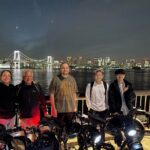
If you prefer open views, consider the bay area or Odaiba. One ride used the e-bike to reach Odaiba quickly, and another explored the bay with views of Tokyo skyscrapers and Tokyo Skytree. The bay can feel more spacious than central Tokyo, but wind and weather may affect your comfort.
You may also choose a sightseeing plan that includes Yoyogi Park and the Imperial Palace. A four-hour ride has been enough for some people to include both. That is possible only if you keep stops fairly short and do not spend too much time at each place.
What each type of stop adds

Tsukiji: This is your practical home base and a good place to begin with food, narrow streets, and central-city atmosphere. If you plan to eat, watch the clock. A leisurely meal can take a large share of a four-hour rental.
Tokyo Station and Marunouchi: This area shows Tokyo’s polished financial side. It is a useful contrast to older neighborhoods, and the wide streets can make a strong opening section of a central route.
Imperial Palace: The palace area offers greenery, stone walls, broad grounds, and a quieter break from traffic. The value of the e-bike here is coverage. You can see more of the surrounding area than you would on foot, but you should not expect to cycle everywhere without stopping or following local rules.
Akihabara: This is a lively urban stop with a strong pop-culture and electronics identity. It works well as a short visit between longer stretches of riding. If you want to browse shops, four hours may feel short.
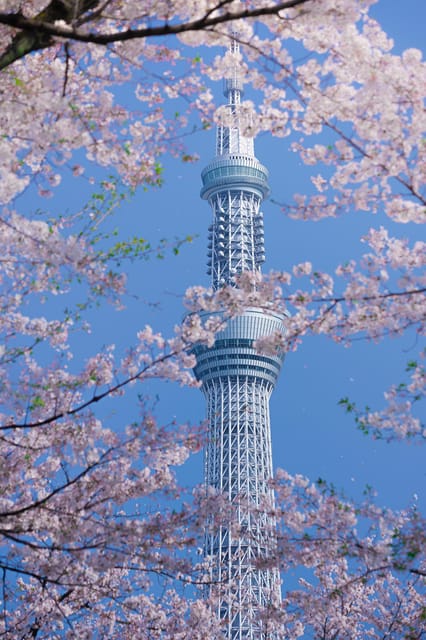
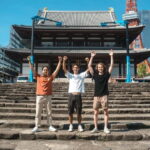
Asakusa: Asakusa brings temples, older Tokyo character, and memorable views toward Tokyo Skytree. It is one of the strongest choices for a first ride because it gives you a clear sense of how old and new Tokyo sit close together.
Odaiba and the bay: The bay provides skyscraper views and a different feel from the compact streets inland. It is appealing if you want pictures and fresh air, though the route may take more of your riding time.
Yoyogi Park: This is a useful green pause if you want a break from buildings and roads. Combining it with the Imperial Palace is possible, but your pace and number of stops will matter.
These are route ideas, not a fixed program. That distinction is important. You are buying mobility and choice rather than a guaranteed list of stops.
A few more Tokyo tours and experiences worth a look



Comfort, effort, and the best pace

The e-bike is a good fit if you want to be active without making exercise the main event. You still pedal and remain engaged with the street, but the motor helps on slopes and longer distances. Riders have found the bikes comfortable, fast, and easy to handle after a few practice attempts.
I would keep the pace moderate at first. The temptation is to use the power immediately and race toward the first landmark. A calmer start gives you time to learn how the bicycle responds, especially when turning or slowing in an unfamiliar traffic setting.
Wear sunscreen on sunny days. Bring water and dress for the forecast. One ride included a snack, but that should not replace your own plan for food and drinks. You can stop whenever you like, yet stopping is easiest when you have allowed time for it.
This is not the best pick for someone who dislikes city cycling or wants a quiet, fully escorted sightseeing experience. It also may not suit anyone with limited cycling confidence. Staff can explain the rules and controls, but they cannot remove the need to pay attention.
Is $25.02 good value for four hours?

At $25.02 per person, this is a low-cost way to add movement and flexibility to a Tokyo visit. The value is strongest when you use the full four hours and visit several areas that would otherwise require repeated train rides and walks between stations.
You are not paying only for a bicycle. The rental includes preparation, an explanation of the bike, a helmet, a key, and help with route planning. The main benefit is the time saved between sights. You can leave one district and reach another without descending into a station, waiting for a train, and walking from the next platform.
The price is less compelling if you intend to ride for only an hour or spend most of the booking eating and shopping. It also does not include a clearly fixed sightseeing itinerary, so the value depends on your willingness to plan.
For a couple or small group that wants to explore several central districts, the price feels reasonable. You get a memorable way to see Tokyo and control over the day. If you want detailed commentary at every stop, confirm the guided option before booking, since the basic description centers on self-guided riding.
Booking details and weather rules

You receive confirmation at booking, and the activity ends back at Compass Bike in Tsukiji. The mobile ticket makes it easy to keep the booking details on your phone.
Children under 15 are not permitted. Most people can participate, but you should be comfortable riding a bicycle and managing city streets. The experience requires good weather. If poor weather cancels the ride, you can choose another date or receive a full refund.
You can cancel for a full refund up to 24 hours before the local start time. Cancellations or changes made inside that 24-hour window are not refunded or accepted. Since rain can affect the outing, check the forecast before the deadline rather than waiting until the morning of the ride.
Who should book this ride?
I would choose this for an active couple, a small group of friends, or a solo visitor who wants to see Tokyo from street level without walking all day. It suits people who like freedom, can follow directions, and enjoy mixing major sights with whatever catches their eye along the way.
It is also a good choice for a repeat visitor. If you already know the major train routes, an e-bike can show you a less predictable side of the city. You can make a personal route around the bay, revisit Asakusa from a different angle, or connect districts that normally feel separate.
I would be more cautious if you have no cycling experience, dislike traffic, need a guaranteed schedule, or are visiting during uncertain weather. In those cases, ask about the exact level of guidance and have a backup plan.
Should you book Tokyo E-bike Rental?
Book it if you want four hours of flexible city exploration and like the idea of moving between Tokyo’s major districts under your own power. The comfortable electric bikes, helpful orientation, supplied helmet, and low price make this a practical way to cover more ground than walking.
Choose your route before you arrive, but leave room for surprises. A Tsukiji to Tokyo Station, Imperial Palace, and Asakusa loop offers a strong first ride. The bay and Odaiba work well if you prefer skyline views. Confirm whether your reservation is self-guided or includes a guide such as Naomi, Miki, Jun, or Daichi.
This is not a sightseeing bus with every minute arranged for you. That is exactly why I like it. You get a bicycle, a starting point, local cycling advice, and the freedom to make Tokyo your own for an afternoon.
FAQ
Where does the e-bike ride start?
It starts at Compass Bike at 2-14-4 Tsukiji, Chuo City, Tokyo, postal code 104-0045.
Where does the activity finish?
The activity finishes back at the Compass Bike meeting point in Tsukiji.
How long is the rental?
The experience lasts approximately four hours.
How much does it cost?
The listed price is $25.02 per person.
Is the experience guided?
The activity description presents it as a self-guided ride with route recommendations and advice about Japanese traffic rules. Some ride arrangements include guides, so confirm the option you book if you want a guide.
Which guides may be involved?
Guides associated with the experience include Naomi, Miki, Jun, and Daichi.
What equipment is provided?
The shop provides the e-bike, a helmet, and a bike key. Staff also explain how to use the bicycle before departure.
Can children take part?
Children under 15 are not permitted to participate.
Is the experience available by mobile ticket?
Yes. A mobile ticket is available, and confirmation is received at the time of booking.
What happens if it rains?
The experience requires good weather. If it is canceled because of poor weather, you can receive a full refund or choose a different date.
Can I cancel for a full refund?
Yes. You must cancel at least 24 hours before the local start time for a full refund. Cancellations or changes made less than 24 hours before the start time are not accepted for a refund.
More Scooter Rentals in Tokyo

More E-Bikes in Tokyo
More Cycling Tours in Tokyo
More tours in Tokyo we've reviewed












E-Bikes, compared.
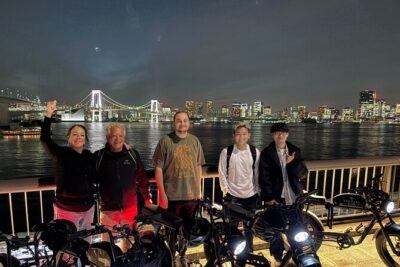 ★ 5.0Tokyo Top Highlights 3h Guided E-bike TourFrom $63
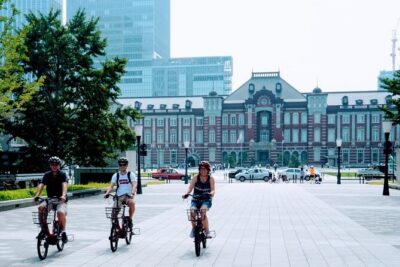 ★ 5.03h Tokyo E-Bike Tour: Hidden Gems, and Local Life with guideFrom $63
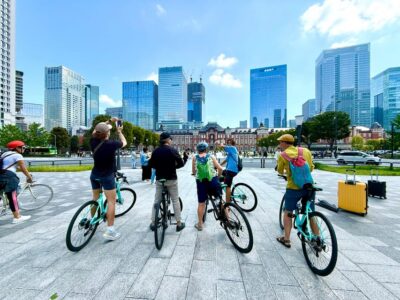 ★ 4.8Tokyo: 3-Hour Bike or E-Bike City Highlights TourFrom $453 hours
 ★ 4.8Tokyo: 3-hour Guided E-Bike Tour of the City’s Hidden GemsFrom $65
 ★ 5.0Tokyo: 3-Hour Bike/E-Bike Tour of the City’s HighlightsFrom $63
 ★ 5.03-Hour Tokyo Private E-Bike Tour Starting from Your HotelFrom $145