Reviewed · SHIBUYA TOURS
Shibuya & Harajuku: Hidden Gems & Highlights Private Tour
Shibuya and Harajuku are easy to visit, but they are not always easy to understand. This private walking tour gives you a local host, a flexible route, and a chance to move from Shibuya Scramble Crossing into quieter lanes, family-run cafés, shrines, shops, and food stops that you might miss alone. I especially like the pre-tour questionnaire and the host’s ability to change the plan as your interests become clearer.
In This Article
- Key points at a glance
- Why this private walk works in Shibuya and Harajuku
- Your questionnaire shapes the route
- Shibuya Scramble Crossing and Hachiko
- Harajuku, Meiji Jingu, and the area beyond Takeshita Street
- Food stops: taiyaki, crepes, ramen, and a café drink
- Side streets, cafés, arcades, and local Tokyo
- What the guides add to the experience
- How much time should you book?
- Is $64 per person good value?
- Who should book this Tokyo tour?
- Should you book it?
- FAQ
- Where does the tour meet?
- Can I arrange hotel pickup?
- How long does the tour last?
- Is this a private tour?
- Which languages are available?
- What food and drinks are included?
- Are public transport and taxis included?
- Can I cancel the booking?
I also like that the experience can include both famous sights and very personal touches, such as collecting goshuin stamps at Meiji Jingu, finding vegan ramen, browsing vintage shops, or stopping at a favorite convenience-store snack. The main consideration is that the tour is deliberately flexible, so it may feel less tightly planned than a standard sightseeing circuit, and transport costs are extra if you use trains or taxis.
Key points at a glance
- Start with Shibuya’s famous crossing: Get your bearings at Scramble Crossing and the Hachiko statue before heading into less obvious streets.
- Shape the day around your interests: Fashion, anime, food, history, shopping, cafés, photography, and local culture can all guide the route.
- Move beyond the main streets: You might visit quieter alleys, small cafés, vintage shops, arcades, shrines, or local eating areas.
- Taste Tokyo along the way: The tour includes one drink and a food tasting, with possible stops for taiyaki, crepes, ramen, or another local favorite.
- Expect strong host involvement: Guides including Shoko, Veronica, Alberto, Hiroko, Yuta, and Ayaka have been praised for personal planning, local tips, and help with trains.
- Choose the right length: Two hours works for a quick introduction, while four to six hours gives you room for both districts and a meal or wider detour.
Why this private walk works in Shibuya and Harajuku
The clever idea here is not simply to show you two famous Tokyo neighborhoods. It is to use them as a starting point for a day built around your version of Tokyo.
Shibuya is known for giant screens, department stores, music, nightlife, and the famous crossing. Harajuku brings youth fashion, Takeshita Street, cafés, Omotesando, and the wooded grounds of Meiji Jingu. Those headline sights are worth seeing, but they tell only part of the story.
A private host can connect the pieces. You might begin at the crossing, pause at Hachiko, then leave the crowds for small lanes where people eat and drink after work. Or you could spend more time on clothing and design, with stops around Harajuku, Cat Street, or Omotesando. If you have already seen the major sights, your host can avoid repeating them.
That flexibility is especially useful on a first visit to Tokyo. The stations and streets in this part of the city can feel confusing, and a local host can help you understand where Shibuya ends, where Harajuku begins, and how to move between them without wasting half the afternoon.
A few more Tokyo tours and experiences worth a look


Your questionnaire shapes the route
After booking, you receive a questionnaire about your personality and interests. This is more useful than it may sound. You are not just choosing a time and then receiving a fixed loop. Your answers help match you with a like-minded host and give that host a basis for planning.
Be specific. If you like streetwear rather than luxury shopping, say so. If you want anime and arcades but not shrines, say so. If you have dietary needs, mention them early. The planning has worked well for visitors interested in vegan food, fashion, art studios, family activities, photography, and Japanese customs.
You also communicate directly with the host before the walk. That gives you a chance to explain what you have already seen, how fast you like to walk, and what you want to avoid. One useful example is a guide changing the route because the group had already visited the most obvious sights the day before.
The host can make spontaneous changes during the walk, too. That is a real advantage in Tokyo, where a shop, café, shrine, or street may catch your attention unexpectedly. The tradeoff is simple: if you want a precise schedule with every stop fixed in advance, this may feel a little loose.
Shibuya Scramble Crossing and Hachiko
Most routes begin at SHIBU HACHI BOX near Shibuya Station, at 2 Chome-1-1 Dogenzaka. Hotel pickup can also be arranged from a central Tokyo hotel.
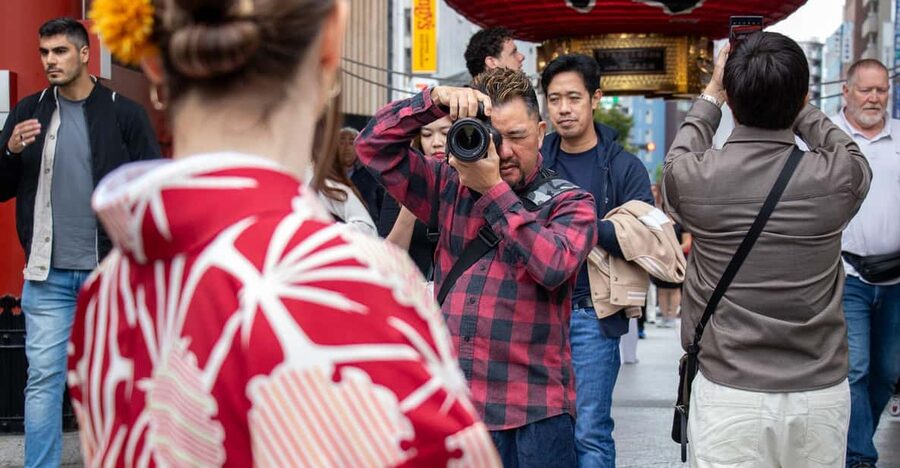
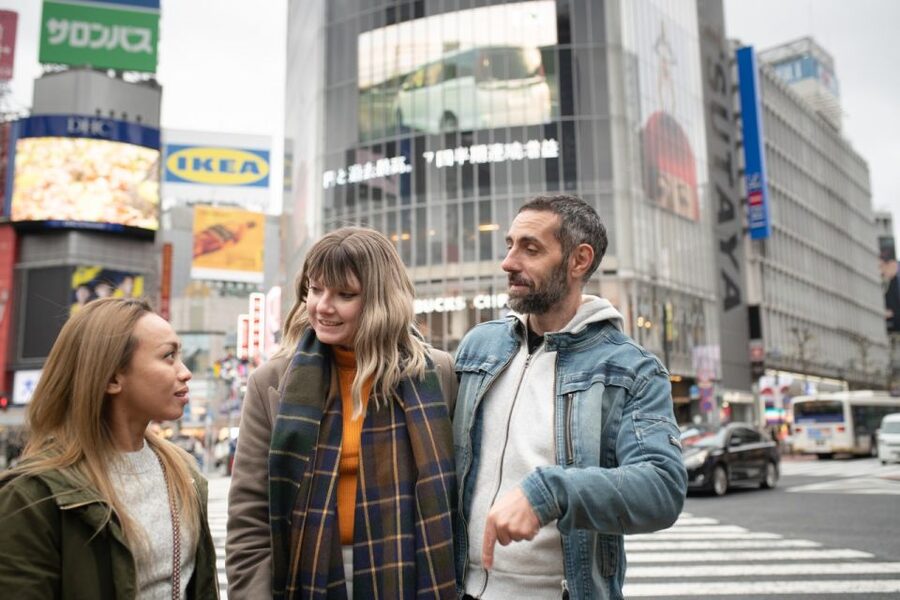
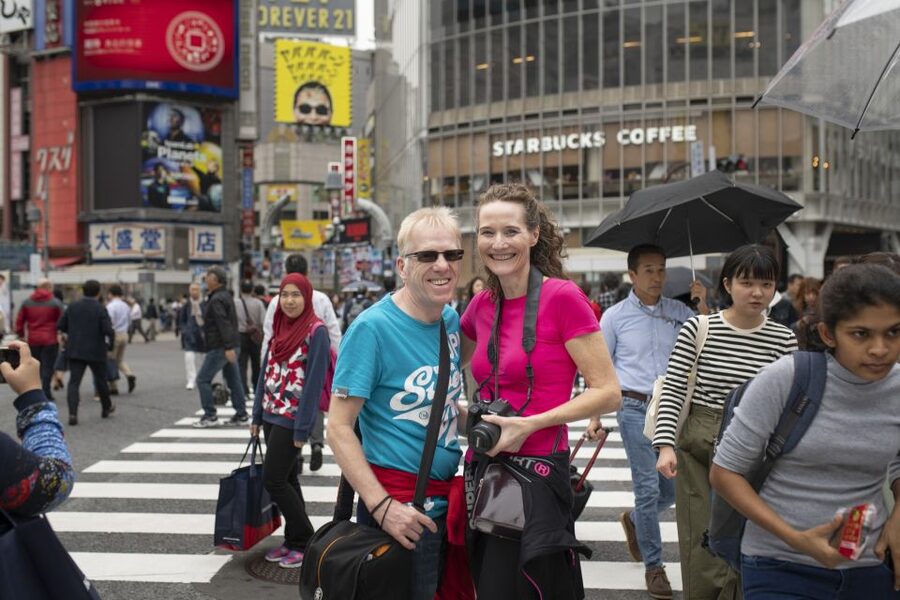
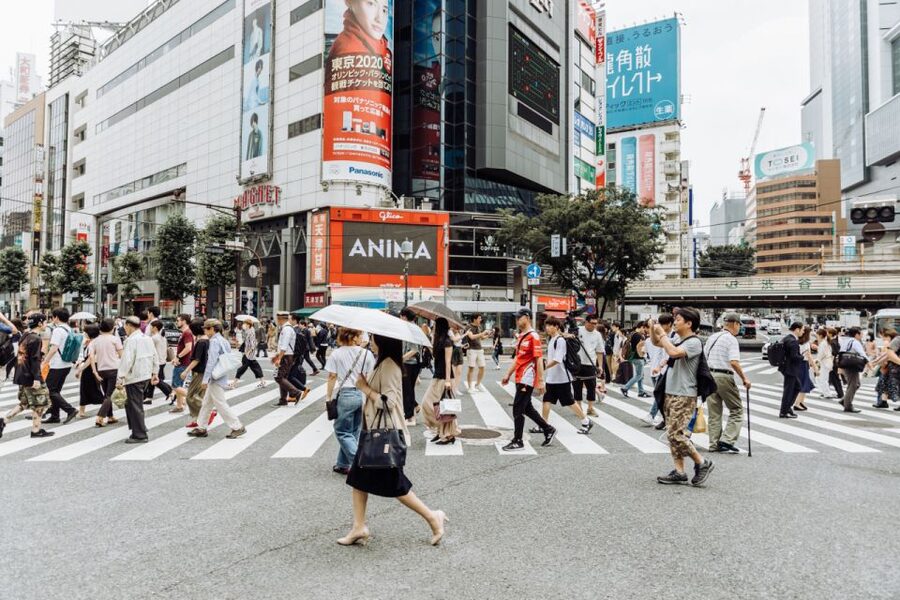
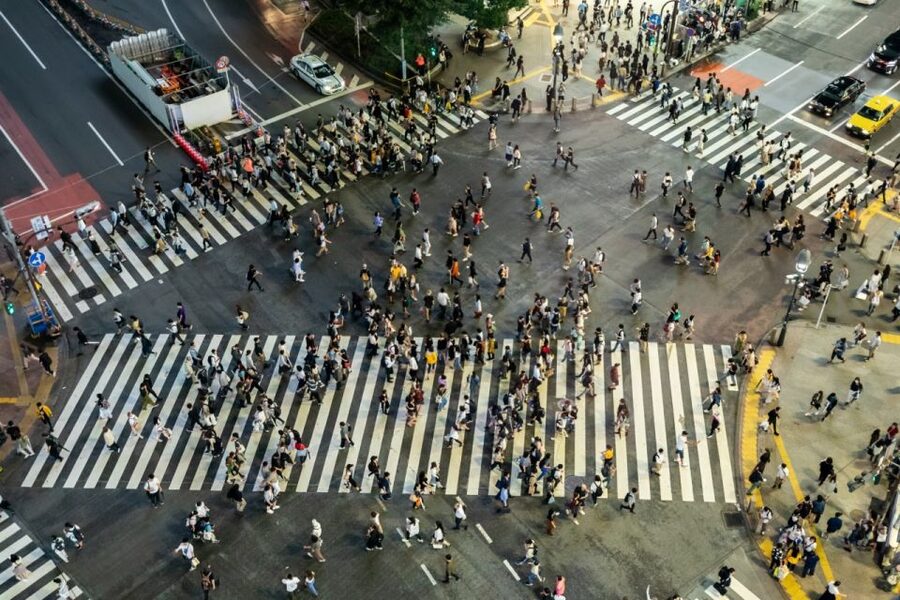
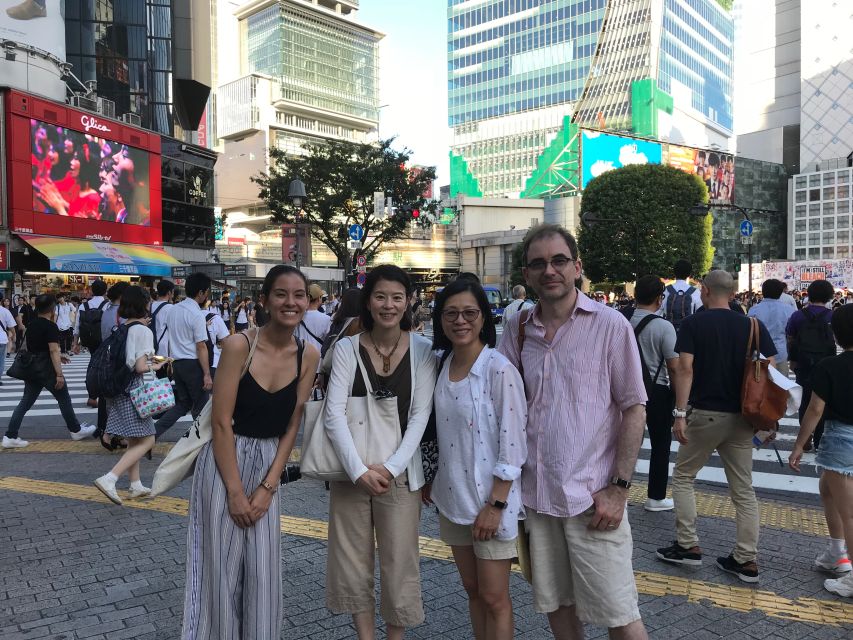
Starting at Scramble Crossing makes sense. It gives you an instant feel for Shibuya’s scale and energy, and your host can explain how the crossing fits into the district rather than treating it as a quick photo stop. The nearby Hachiko statue is another standard sight, but a guide helps give the area some context and can point out useful orientation markers.
Do not expect the crossing itself to take long. Its value is as a first reference point. From here, the tour can move in several directions depending on your interests. You might head toward shops and fashion, explore cafés and viewpoints, or turn into narrower streets where the atmosphere changes quickly.
Some hosts have also taken groups to a rooftop café for wide city views. The exact stop is not fixed, so consider telling your host if skyline photographs matter to you. If you want a relaxed start, ask for time to pause rather than rushing straight through the opening sights.
Harajuku, Meiji Jingu, and the area beyond Takeshita Street
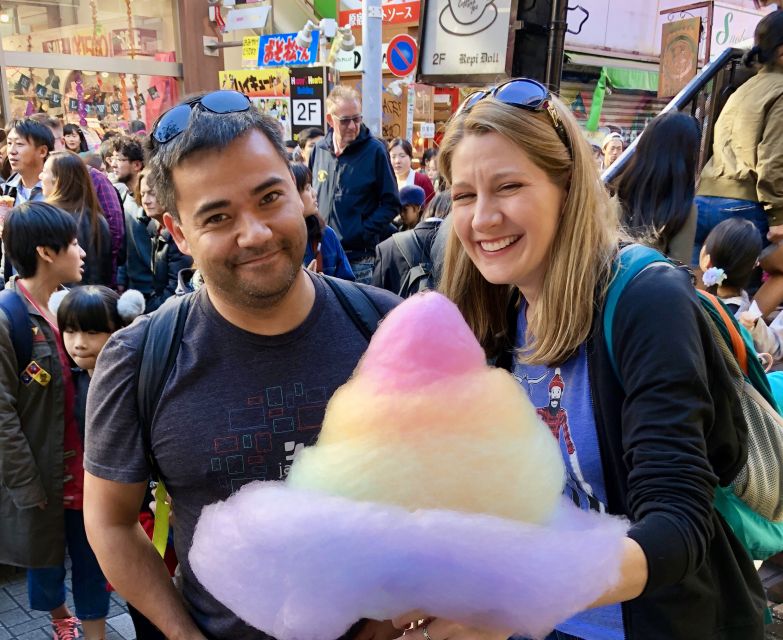
Harajuku can be loud and crowded, particularly around Takeshita Street. The street is worth seeing for its youth fashion, colorful shops, sweets, and people-watching, but it is only one slice of the district.
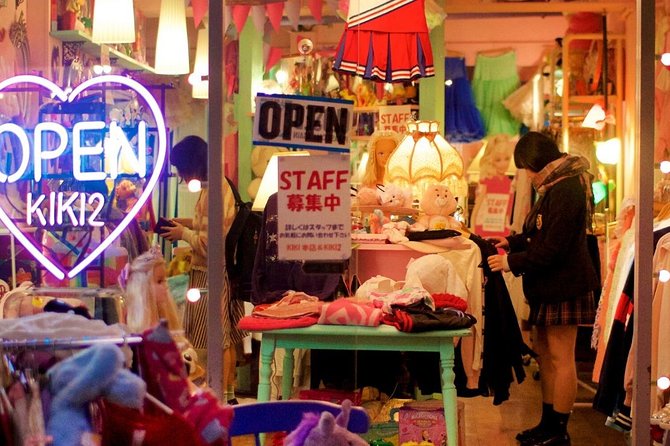
A private route can pair Takeshita Street with quieter areas such as Cat Street, Cat Town, or nearby shopping lanes. Depending on your interests, you might look for vintage clothing, independent stores, design shops, or cafés. I would tell your host whether you want to shop seriously or simply see the style of the neighborhood, since those require different amounts of time.
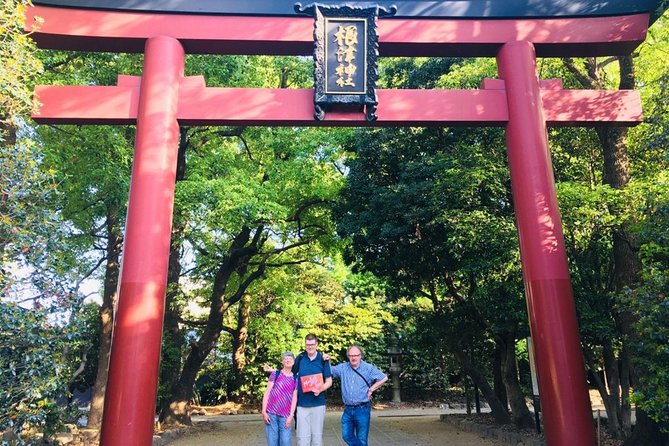
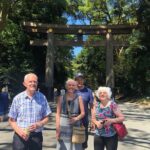
Meiji Jingu gives the walk a completely different mood. Its shrine setting offers a useful contrast to the signs, music, and crowded shopping streets. One guide suggested buying a goshuincho, a book used to collect shrine and temple stamps with calligraphy. That small purchase can turn into a lasting part of your Japan trip, since you can continue collecting stamps in Kyoto and elsewhere.
If you visit Meiji Jingu, ask your host to explain proper shrine etiquette and the meaning of the stamp collection. The value is not just seeing a religious site. It is understanding how the site fits into everyday Japanese practice.
The main drawback is time. Meiji Jingu, Takeshita Street, Cat Street, and Shibuya cannot all receive equal attention in a short tour. A two-hour booking may need to focus on a small section. For both districts, I would choose at least three hours, and preferably four or more if food and shopping matter.
Food stops: taiyaki, crepes, ramen, and a café drink
Food is built into the experience, with one drink in a café or izakaya and a tasting along the way. Additional meals and drinks are not included, so you should bring extra money if you want to keep eating.
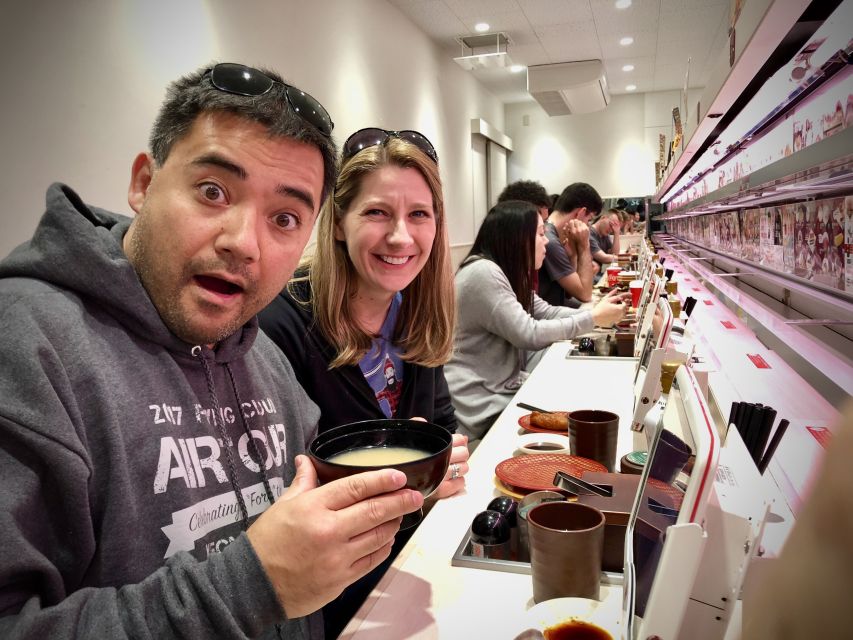
Possible tastings include taiyaki, the fish-shaped cake often filled with sweet bean paste, and Harajuku-style crepes. These are good choices for a walking tour because they are quick, local, and easy to share. You might also stop for ramen or another dish selected around your preferences.
I like the food element because it gives the walk a practical rhythm. Instead of hearing a long explanation and then moving on, you get to connect the neighborhood with something you can taste. A host can also help you choose a place that fits your diet or comfort level.
The food plan is not a guaranteed restaurant itinerary. If you want a specific ramen style, vegan meal, or traditional dish, explain that in the questionnaire and again in your pre-tour messages. Hosts have helped locate vegan ramen and have recommended restaurants for lunch or dinner, including places where they stayed to help with ordering.
You should also be clear about how much time you want to spend eating. A quick taiyaki stop suits a two-hour introduction. A sit-down ramen meal can use a large part of a short tour but may be worthwhile during a five or six-hour booking.
Other private tours in Tokyo



Side streets, cafés, arcades, and local Tokyo
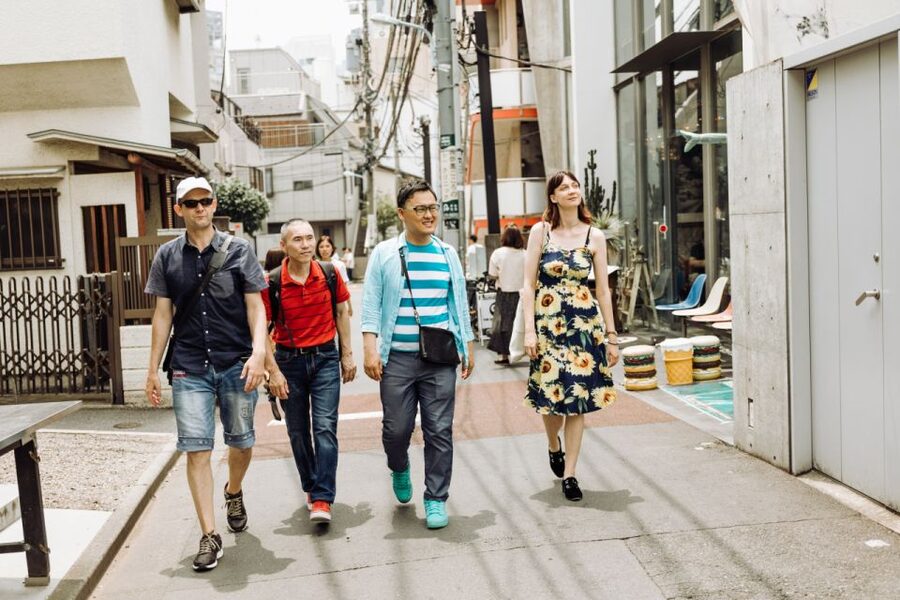
The strongest part of this experience is the shift away from the obvious route. Your host might take you through quieter lanes with older eating and drinking places, a family-run café, a gaming arcade, themed cafés, or stores that match your interests.
The exact discoveries depend on your host. One guide may focus on local food, another on fashion, another on art or youth culture. That variation is both the point and the uncertainty. You are paying for a person who can read the city with you, not for a fixed list of monuments.
Some routes have extended into Shinjuku by local train. That can work well if you want to compare the districts or see a wider range of Tokyo in one day. It also means you should allow for station time, transfers, and an additional fare. Public transport and local taxis are not included in the tour price.
The train ride itself can be part of the lesson. Tokyo’s stations are large and sometimes bewildering, especially when you are tired or carrying shopping bags. Guides such as Hiroko have helped groups navigate the metro and even accompanied them back to their hotel after the walk.
Still, do not assume every tour will include Shinjuku. The route is agreed with your host, and the advertised focus remains Shibuya and Harajuku. Ask before the day if you want to add another district.
What the guides add to the experience
A good private walk depends heavily on the person assigned to you. The guide names associated with this experience include Shoko, Seichi, Veronica, Leonardo, Alberto, Kay, Hiroko Kitagawa, Marc, Tomo, Yuta, Ayaka, and others.
The most praised traits are clear: friendly conversation, strong local knowledge, patience, and a willingness to adjust the day. Hosts have helped teenagers stay engaged, handled groups as large as 15 people, taken photos, suggested restaurants, and shared favorite snacks.
Yuta, for example, combined shrine visits, Harajuku, Takeshita Street, and Shinjuku with help ordering an authentic meal. Marc mixed metro rides, aerial café views, a vegan ramen stop, and assistance planning a later visit to the Hokusai Museum. Tomo added an art studio and special shopping areas for a group interested in those subjects.
These details show what you should ask for. If photography is important, say so. If you want help with dinner afterward, mention it. If you are traveling with children or teenagers, explain their interests rather than assuming a standard sightseeing walk will hold their attention.
Guides speak English or Japanese. Some hosts may have additional language skills, but you should confirm your needs when booking rather than assume a particular guide will be assigned.
How much time should you book?
The available duration is two to six hours. Your best choice depends on how much ground you want to cover and how much time you want for conversation.
A two-hour tour suits a first look at one district, a family with limited energy, or a stop between other plans. You could cover the crossing, Hachiko, part of Harajuku, or a focused shopping and food route. It will not allow a leisurely version of everything.
Three hours is a useful middle ground. You can connect Shibuya and Harajuku, include a shrine or shopping street, and stop for a snack without racing every minute. One group covered a great deal in three hours with careful guidance through crowded areas.
Four to six hours is best if you want several themes in one day: Meiji Jingu, Takeshita Street, fashion, back lanes, a café, a proper meal, and possibly another district. You will still walk a lot, so wear comfortable shoes and tell your host if you need regular pauses.
Start times are flexible, subject to availability. Hotel pickup is possible from central Tokyo hotels, or you can meet at SHIBU HACHI BOX. Because this is a walking experience, a private vehicle is not included.
Is $64 per person good value?
At $64 per person, the price is reasonable if you value personal planning and local help more than a low-cost group walk. You are paying for a private experience, a host who communicates with you before the tour, one drink, a food tasting, and practical assistance during the day.
The value rises for families, couples, and small groups with different interests. A host can keep children involved, adapt the pace, help with dietary needs, and avoid sights you have already visited. For a large private group, the price may also compare well with booking several separate guides, though you should confirm the final group arrangements.
The price does not cover extra food, drinks, attraction tickets, trains, or taxis. That matters in Tokyo because a flexible route may include public transport. Ask your host about the likely transport plan after your reservation so the final cost does not surprise you.
I would not book this solely to see Scramble Crossing and Takeshita Street. You can visit those on your own. I would book it for the explanations, route planning, local food advice, station help, and chance to find places that fit your interests.
Who should book this Tokyo tour?
I recommend it most for first-time visitors who want help getting oriented without spending a whole day on a rigid bus route. It also suits repeat visitors who have already seen the main sights and want updated shopping, food, or neighborhood ideas.
Families can benefit from the private format because the pace and stops can change. Teenagers may respond well to fashion, arcades, snacks, and pop culture, while adults can add a shrine, café, or historical stop.
Food-focused visitors should use the questionnaire carefully and state dietary needs early. Shoppers should name their preferred styles and budget. Photographers should ask for viewpoints and time for pictures. If you want a silent, highly structured procession from landmark to landmark, this is probably not the right format.
The tour is wheelchair accessible, but it remains a walking experience, and public transport may be used. Discuss your mobility needs and preferred route with the host before the day.
Should you book it?
Book this tour if you want Tokyo explained by a person who can adjust the day around you. The best version combines one or two famous sights with quieter streets, a useful food stop, and practical help navigating Shibuya and Harajuku.
Choose four or more hours if this is your main introduction to the area. Choose two or three hours if you want a focused orientation. The tour is especially worthwhile when you arrive with clear interests, since the questionnaire and direct host contact are central to the experience.
You can cancel up to 24 hours in advance for a full refund, and reserve now while paying later. That makes it easier to place the tour early in your Tokyo schedule, when local advice can help shape the rest of your trip.
FAQ
Where does the tour meet?
You can meet your host at SHIBU HACHI BOX, 2 Chome-1-1 Dogenzaka, Shibuya City, Tokyo 150-0043.
Can I arrange hotel pickup?
Yes. Hotel pickup can be arranged from any central Tokyo hotel.
How long does the tour last?
You can choose a duration from two to six hours, subject to available start times.
Is this a private tour?
Yes. It is a private group experience, so the route can be adjusted to your group’s interests.
Which languages are available?
The tour is offered in English and Japanese.
What food and drinks are included?
The experience includes one drink at a café or izakaya and a food tasting along the way. Additional food and drinks cost extra.
Are public transport and taxis included?
No. This is a walking tour, and public transport or local taxis may be used at an additional cost.
Can I cancel the booking?
Yes. You can cancel up to 24 hours in advance for a full refund. You can also reserve now and pay later.
More Private Tours in Tokyo
More Shibuya Tours in Tokyo


More tours in Tokyo we've reviewed












Shibuya Tours, compared.
 ★ 5.0Official Street Go-Kart in ShibuyaFrom $76
 ★ 5.0Shibuya Meltdown Nightlife Tour: All-You-Can-Drink Bar HoppingFrom $106
 ★ 4.9Tokyo: Street Kart Experience in ShibuyaFrom $99
 ★ 5.0Shibuya Official Street Go-Kart in Shibuya AnnexFrom $69
 ★ 5.0Tokyo: Shibuya Food Tour (13 dishes and 4 Eateries)From $77
 ★ 5.0Best of Shibuya Food TourFrom $217