Reviewed · FULL-DAY
Tokyo: Full-Day Japanese Garden Private Guided Tour
Tokyo’s best gardens are scattered across a huge city, and this private six-hour tour gives you a sensible way to connect them. You can follow a planned route through the Imperial Palace garden, Meiji-Jingu Shrine, a quiet teahouse garden, and Shinjuku Gyoen, or ask your guide to build the day around your interests.
In This Article
- A Six-Hour Introduction to Tokyo’s Garden Culture
- Imperial Palace Gardens and the Formal Side of Tokyo
- Meiji-Jingu Shrine Adds Forest and Ceremony
- Teahouses, Ponds, and Smaller Garden Stops
- Shinjuku Gyoen Brings Three Garden Traditions Together
- Alternative Gardens for a More Focused Day
- What the Guides Add to the Experience
- Getting Around: Walking, Trains, and Taxis
- Price, Extra Costs, and Real Value
- Weather, Confirmation, and Planning Tips
- Who Should Book This Private Garden Tour?
- Should You Book It?
- FAQ
- How long is the tour?
- Is the tour private?
- What languages are available?
- Where do I meet the guide?
- Is hotel pickup included?
- Are meals included?
- Are garden entrance fees included?
- Is transportation included?
- Can I choose the gardens?
- Is the tour wheelchair accessible?
- Does the tour operate in bad weather?
- When is the booking confirmed?
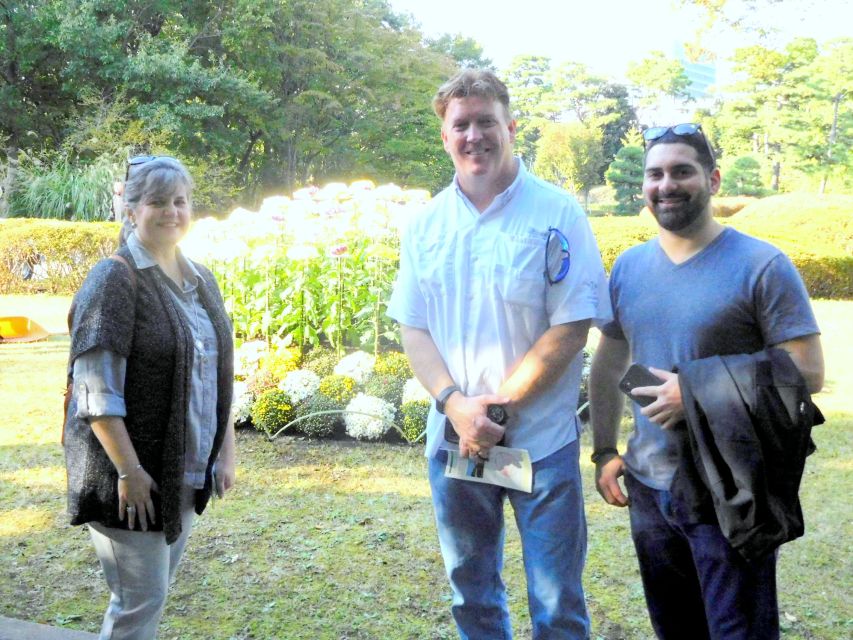
I like the one-to-one attention and the freedom to set your pace. Guides such as Yoshi, Kumi, Hiro, Tachi, and Yoko have helped guests adjust routes, find seasonal flowers, explain transport, and add restaurant suggestions. The catch is that six hours can disappear quickly, especially when you rely on trains and taxis between gardens.
- Choose your garden style: See Japanese ponds and teahouses, formal French rose beds, or broad English-style lawns.
- Meet at your hotel or station: Pickup is on foot when practical, with the meeting point confirmed in advance.
- Set the pace yourself: Your guide can shape the route around flowers, history, photography, architecture, or food.
- Expect a full walking day: Public transport between distant gardens takes time, and entrance fees, meals, and fares are extra.
- Plan for seasonal crowds: Cherry blossom can bring large crowds, but a guide may help you reach the best areas more efficiently.
- Keep plans flexible: The experience runs rain or shine, and the guide contacts you before the tour to confirm details.
A Six-Hour Introduction to Tokyo’s Garden Culture
This is not a bus tour that drops you at a gate and leaves you to wander alone. It is a private walking day with a licensed local guide, arranged around your interests and physical pace.
You meet at your Tokyo accommodation or another requested point, such as a train station. If the location is within a reasonable walking distance, the guide comes on foot and waits in the lobby or at the station about 10 minutes before the agreed pickup time.
From there, you decide what kind of day you want. You might focus on historic gardens, quiet ponds, seasonal flowers, shrine grounds, or a mix of major sights and less obvious stops. Your guide can also handle the planning if you would rather not spend your first morning in Tokyo studying rail maps.
The sample route gives you a good idea of the pace. It begins with the Imperial Palace garden, continues to Meiji-Jingu Shrine, adds a quieter garden with a teahouse and pond, pauses for lunch in Harajuku, and finishes at Shinjuku Gyoen. That is an ambitious route, but it shows how the experience combines gardens with central Tokyo neighborhoods.
Imperial Palace Gardens and the Formal Side of Tokyo
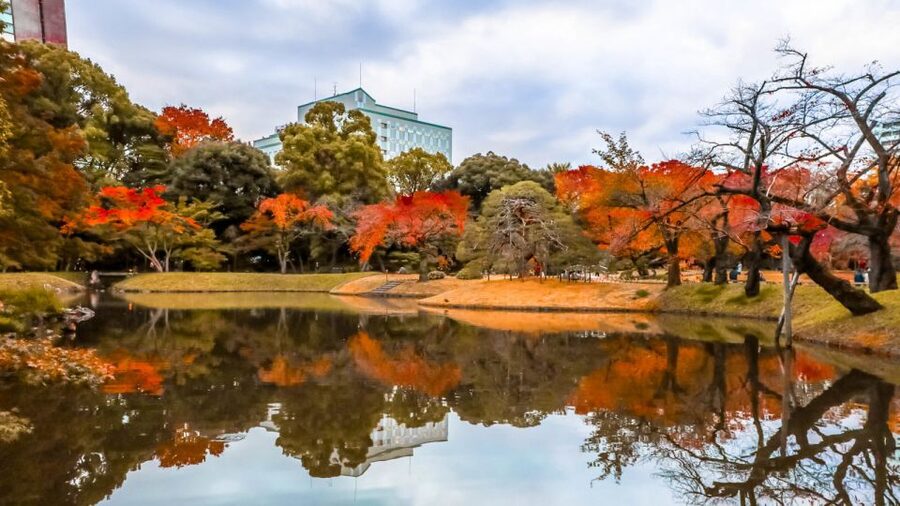
The Imperial Palace garden is a natural first stop for a visitor who wants a traditional Japanese setting without leaving central Tokyo. You get broad, carefully arranged grounds and a sense of the formal style associated with the Imperial household.
A guide can help you notice details you might otherwise pass without thought, such as the relationship between paths, water, trees, open space, and buildings. That human explanation is a major reason to consider a private tour. A garden in Japan is rarely just a collection of pretty plants. Its arrangement often controls how you move and what you see next.
The main limitation is time. The Imperial Palace area is large enough to absorb a good portion of the morning, and it is only one possible stop. If your priority is a relaxed visit with plenty of photographs, tell your guide before the tour that you would rather see fewer gardens properly than race through several.
Other guided tours in Tokyo
Meiji-Jingu Shrine Adds Forest and Ceremony
Meiji-Jingu is not a garden in the same narrow sense as a pond garden or a formal flower park, but it fits naturally into a day about Tokyo’s green spaces. The shrine is surrounded by a broad wooded area, creating a marked change from the city streets and shopping zones nearby.
The value here is contrast. You move from an imperial garden with formal design to a major Shinto shrine with a quieter, more ceremonial mood. Your guide can explain the cultural setting and help you understand why this stop belongs in a garden-focused itinerary.
Meiji-Jingu also pairs well with lunch in Harajuku. The area gives you many food choices, and lunch is not included, so you can choose the price and style that suits you. Kumi, one of the guides praised for her route planning, took one group to a favorite Roman restaurant. That detail points to one of the tour’s useful extras: the day can include local food advice rather than treating lunch as an afterthought.
Teahouses, Ponds, and Smaller Garden Stops
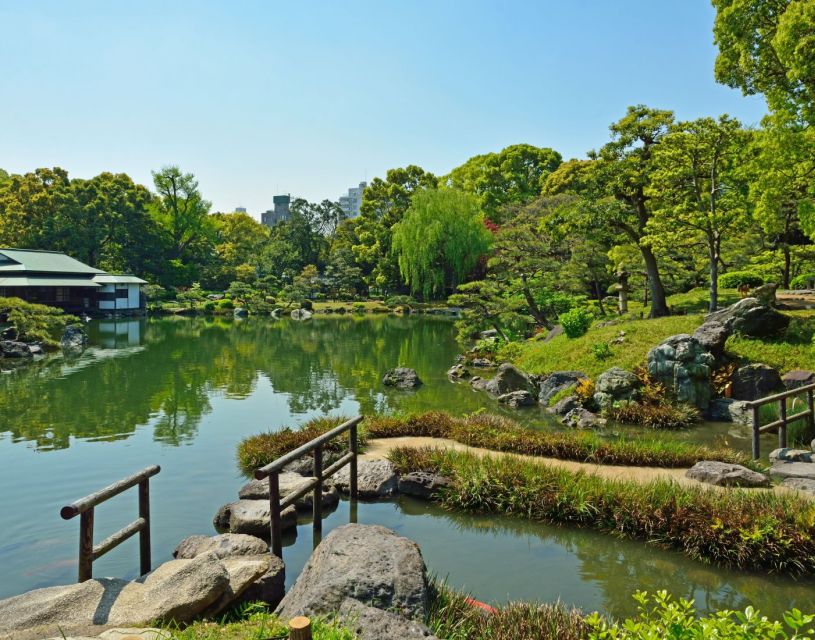
The sample itinerary includes a quiet garden with a charming teahouse and pond. The exact garden depends on the route you choose, so you should discuss your preferences before the day begins.
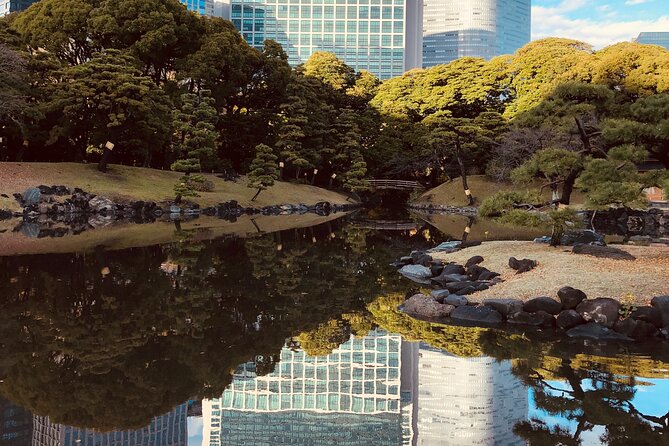
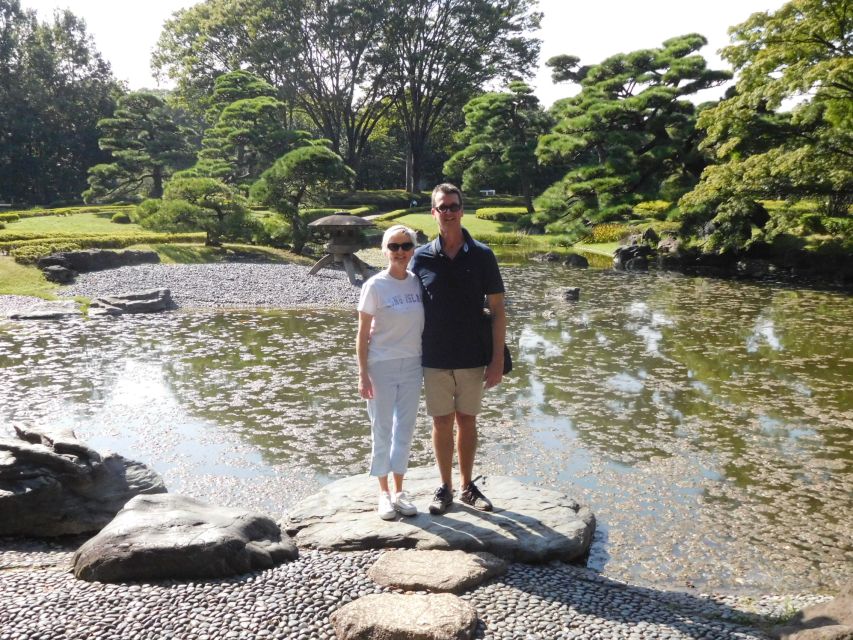
This type of stop can be especially appealing after the grand scale of the Imperial Palace or the long approach to Meiji-Jingu. A pond garden gives you a slower place to watch how Japanese design uses reflections, islands, bridges, stones, and clipped trees. You may find that a smaller garden offers a more restful visit than a famous park filled with people.
Ask your guide to explain the garden’s design rather than simply naming its plants. The tour promises cultural and historical context, and that context is most useful when it connects what you see to how the garden is arranged.
Shinjuku Gyoen Brings Three Garden Traditions Together
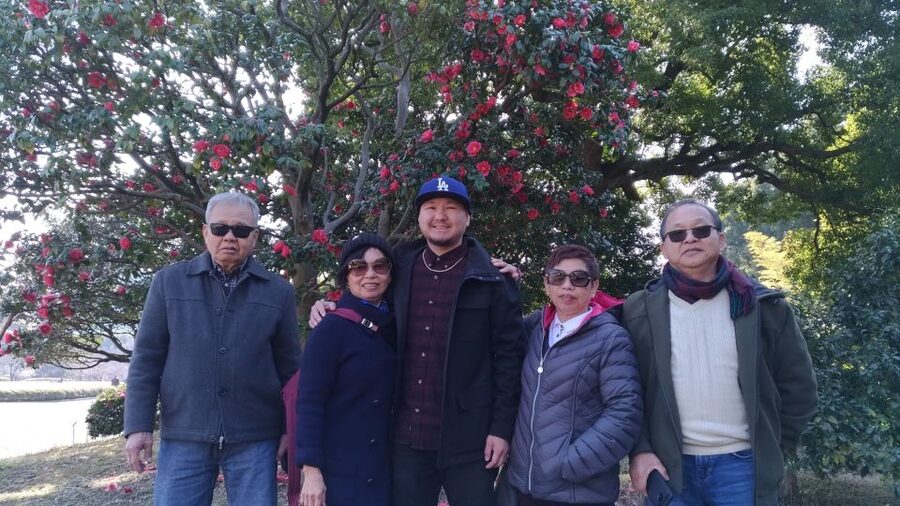
Shinjuku Gyoen is one of the strongest choices on this tour because it gives you several styles in one large park. You can see a Japanese garden, a formal French garden with roses, and an English garden with open lawns and broad views.
That variety makes the park a good final stop on the example route. After seeing more traditional Japanese design earlier in the day, you can compare it with European styles introduced and adapted in Japan. You are not simply ticking off another park. You are seeing how different ideas about public gardens can share one setting.
The park also changes with the seasons. During cherry blossom, it can be very crowded, but Hiro helped one group reach the best sakura areas more efficiently than they expected to manage alone. That does not mean you will avoid crowds, but a guide who knows the route may save time at a busy point in the season.
The drawback is that Shinjuku Gyoen is spacious. Add the earlier stops and transport between them, and the six-hour schedule can feel long. Wear comfortable shoes and tell your guide if you need regular breaks.
Alternative Gardens for a More Focused Day
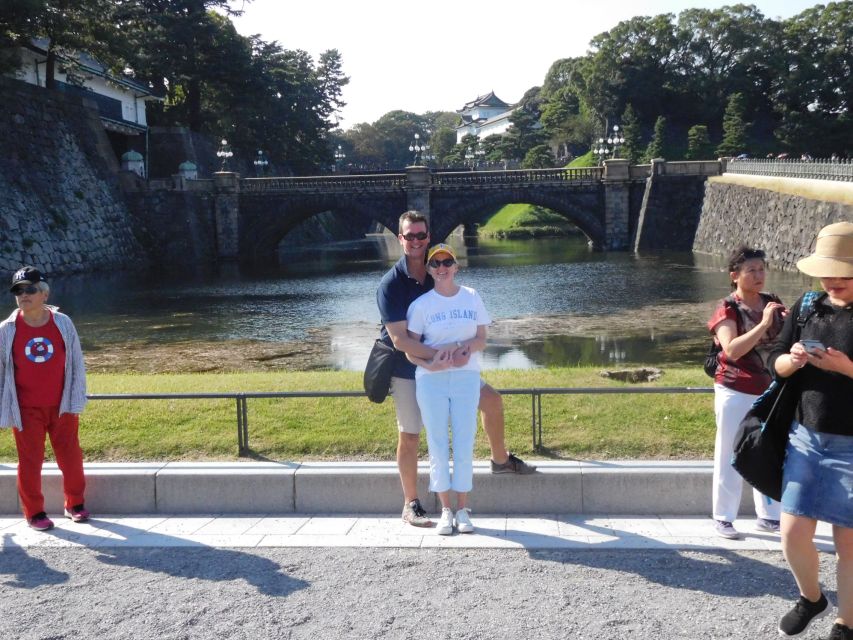
You are not locked into the example itinerary. Several alternatives are offered, each with a different feel.
Koishikawa Korakuen Garden is a strong choice if you want a classic Japanese garden with carefully framed views and water features. It may suit you better than a large public park if your main interest is traditional design.
Hama Rikyu Gardens gives you a historic garden setting close to Tokyo’s modern waterfront districts. It can make a useful contrast between old garden planning and the city around it.
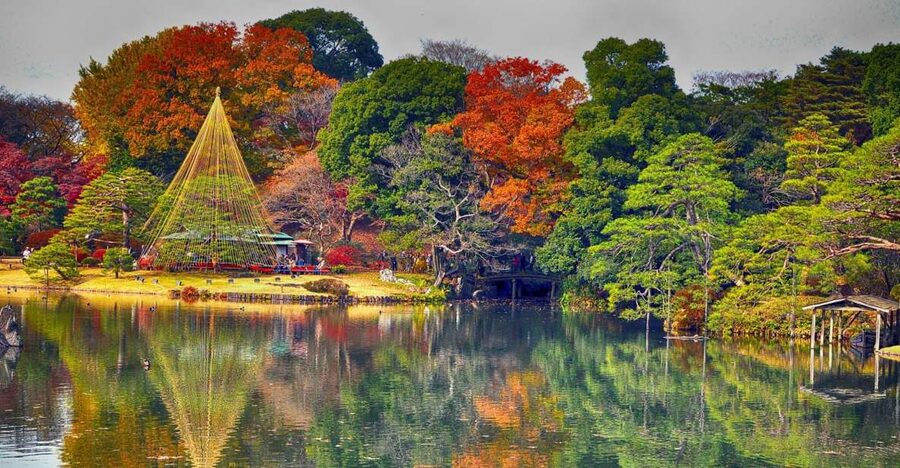
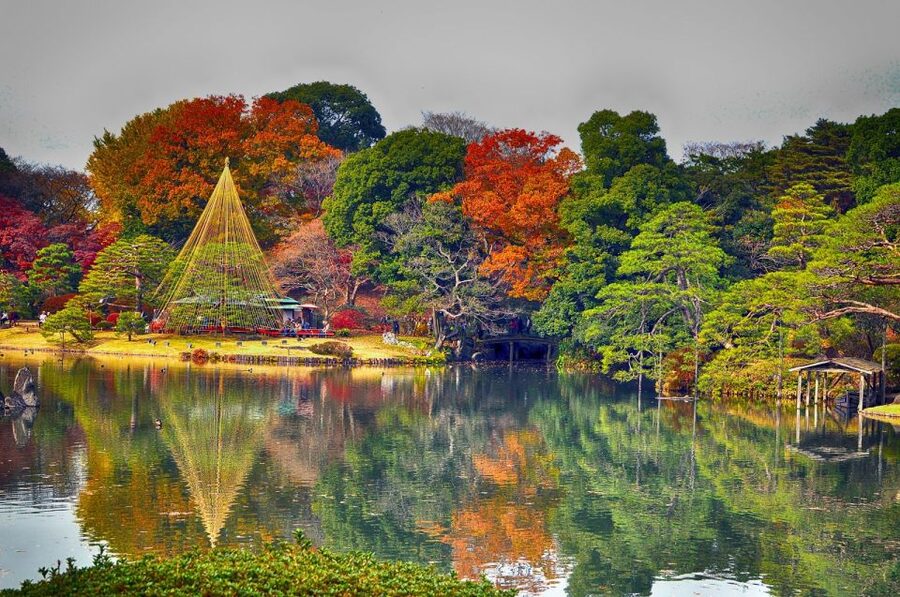
Rikugien Garden is another good option for a traditional Japanese garden experience. Ask your guide to include it if you prefer a quieter, more focused visit rather than a broad mix of shrine, park, and neighborhood stops.
Yoyogi Park provides open green space near the Meiji-Jingu and Harajuku area. It may be practical if you want to keep the route compact and reduce train time.
Ueno Park combines garden space with one of Tokyo’s major cultural districts. It may work well if you want gardens but also hope to connect the outing with nearby attractions.
Koishikawa Botanical Garden is a sensible pick for visitors more interested in plants than polished scenery. The listing does not promise a specialist botanical lecture, so make your interests clear if plant identification matters to you.
Kiyosumi Teien Garden is suited to people who enjoy pond-centered Japanese garden design and a calmer pace.
Former Shiba Rikyu Gardens can fit a route built around traditional design in central Tokyo.
Nezu Museum and Happo-en Garden offer additional garden settings, though the exact route and access arrangements should be confirmed with your guide. The key point is that you have choices, not that you can realistically see all of them in one day.
Other private tours in Tokyo




What the Guides Add to the Experience
The strongest part of this tour is the guide relationship. Yoshi took time before the outing to understand what his group hoped to see, then adjusted the timing and pace. He also shared advice about other Tokyo sights, transport, and restaurants.
Hiro was praised for prompt hotel pickup, clear explanations, and efficient movement through busy cherry blossom areas. Tachi was described as a wonderful host, while Yoko was noted for understanding what her group wanted to see and learn.
These details matter because the tour is not built around one fixed script. A good guide can turn a basic garden list into a day that fits you. You might want seasonal flowers, cultural background, photography time, or simply help making sense of Tokyo’s rail system. Say so early.
There is also a warning here. One poorly planned outing included only two gardens of little interest, found the final garden closed, and spent much of the day in the metro. The guide was courteous but moved too quickly. That experience shows why you should communicate clearly before the tour and confirm opening days, travel time, and your top priorities.
Getting Around: Walking, Trains, and Taxis
This is sold as a walking tour, but it is not a day spent walking from one garden to the next. Tokyo’s gardens are spread across the city, so public transport is part of the experience. A taxi can be arranged if you prefer, but transport costs are extra.
The tradeoff is straightforward. Trains keep the price under control and fit Tokyo’s daily rhythm, but transfers take time and stations can add a lot of walking. Taxis cost more, yet they may be worthwhile for a group that wants to protect its garden time or has mobility concerns.
The tour is marked wheelchair accessible, but the route is customizable and may include trains, station walks, and garden paths. If you use a wheelchair, tell the local partner and guide exactly what you need before the day is confirmed. Accessibility will depend on the chosen gardens and transport plan.
Price, Extra Costs, and Real Value
The price is $151 per person for six hours with a private licensed guide. That is a fair value if you are traveling as a small private group and want planning help, cultural explanation, and a route built around your interests.
Still, the headline price is not your full day’s cost. You pay separately for food, garden entrance fees, and public or private transport. The guide’s walking pickup from a nearby accommodation is included when practical, but trains and taxis during the tour are not.
I would compare the price with the cost of hiring a guide for a fixed route, then ask how much you value flexibility. This experience is strongest for people who want to ask questions, adjust the pace, and combine gardens with shrines, neighborhoods, and lunch. It is less attractive if you are happy to visit one or two gardens alone using a map.
The private format also protects your time. You do not have to wait for strangers, follow a group pace, or spend the day at sights that do not interest you. For a first visit to Tokyo, that can be worth more than a lower-cost group excursion.
Weather, Confirmation, and Planning Tips
The tour runs rain or shine. Tokyo’s gardens can be pleasant in light rain, but your day will still involve outdoor walking, so bring suitable clothing and shoes.
Your reservation is not fully confirmed until the guide contacts you. Guides usually make contact within seven days, though the local partner may continue searching if no guide has accepted the booking. If a guide cannot be found, you receive updates and can cancel without a fee if you do so at least 24 hours before the start time.
Because this is a non-refundable activity in normal circumstances, I would not book it until you are comfortable with the date. Check the starting time when you book, then answer the guide’s planning message promptly.
A few simple steps can improve the day:
- Name your top two gardens and one backup.
- Tell the guide how much walking you want.
- Ask about garden opening days before finalizing the route.
- Say if seasonal flowers or garden design matter more to you than famous names.
- Decide in advance if you prefer trains or taxis.
- Leave enough time for lunch and breaks.
Who Should Book This Private Garden Tour?
I would recommend it to couples, families, and small private groups who want a flexible day with local guidance. It is also useful for repeat visitors who have already seen Tokyo’s major temples and want a more focused look at gardens.
It suits you especially well if you enjoy asking questions and comparing styles. The chance to see a Japanese garden, a shrine forest, French rose beds, and an English-style park in one day gives the outing real range.
I would hesitate if you dislike public transport, want a slow visit to one garden, or expect entrance fees and taxis to be included. I would also avoid leaving the planning until the morning of the tour. The poor experience described above shows that a vague route can lead to too much metro time and too few worthwhile gardens.
Should You Book It?
Book this tour if you want a private garden day shaped around you, not a fixed sightseeing circuit. The strongest guides take time to understand your interests, manage Tokyo’s distances, and add useful advice about food and transport.
Before paying, send a clear priority list and ask the guide to confirm the route, garden hours, and expected travel time. If you do that, $151 per person can buy a well-organized introduction to Tokyo’s garden culture. If you want only an inexpensive park visit, use Tokyo’s excellent public transport and go independently.
FAQ
How long is the tour?
The private tour lasts six hours.
Is the tour private?
Yes. All bookings are for a private group.
What languages are available?
The tour is offered with a live guide in English or Japanese.
Where do I meet the guide?
You can meet at your accommodation or at a train station you request. If your accommodation is within a reasonable walking distance, the guide can meet you there on foot.
Is hotel pickup included?
Pickup from your accommodation on foot is included when it is within a reasonable distance. The guide waits in the hotel lobby or requested station about 10 minutes before pickup.
Are meals included?
No. Food and drinks are not included. The sample route stops for lunch in Harajuku, where you can choose from many food options.
Are garden entrance fees included?
No. Entrance fees are paid separately.
Is transportation included?
No. Public transportation and taxi fares during the tour are extra. The tour can use public transport, or you can request a taxi.
Can I choose the gardens?
Yes. The experience can be personalized. You can request gardens such as Koishikawa Korakuen, Hama Rikyu, Rikugien, Shinjuku Gyoen, Kiyosumi Teien, and others, or let the guide plan the route.
Is the tour wheelchair accessible?
The experience is listed as wheelchair accessible. Because the route may use trains, taxis, and different gardens, discuss your access needs with the local partner before the tour.
Does the tour operate in bad weather?
Yes. The experience takes place rain or shine.
When is the booking confirmed?
The tour is not confirmed until a guide contacts you. Most guides make contact within seven days, and the local partner communicates with you before the experience to confirm the arrangements.
More Full-Day in Tokyo




More Private Tours in Tokyo
More Guided Tours in Tokyo


More tours in Tokyo we've reviewed





Full-Day, compared.
 ★ 4.5From Tokyo: Mount Fuji Full-Day Sightseeing TripFrom $6810 hours
 ★ 4.9From Tokyo: Mount Fuji Full Day Customizable Private TourFrom $407
 ★ 5.0Tokyo Private Full-Day Tour by Car or VanFrom $321
 ★ 4.5Tokyo: Mt. Fuji and Kawaguchiko Full-Day English Guided TourFrom $82
 ★ 4.7From Tokyo: Must-Visit Mount Fuji Highlight Full-Day TourFrom $6911 hours
 ★ 4.5Mt. Fuji, Hakone Full-Day Private Tour with English Driver GuideFrom $495