Reviewed · CITY TOURS
Private Tokyo City tour With English Speaking guide
Tokyo is too spread out for a casual greatest-hits walk, so this private tour tackles the city by vehicle and connects famous districts in one long day. You can shape the route around your interests, with guides such as Maz or Johny available on some departures.
In This Article
- Key points at a glance
- What the 10-hour Tokyo day is really like
- Starting at Senso-ji in Asakusa
- Tsukiji for food and market atmosphere
- Paying extra for Tokyo Skytree views
- Seeing the famous Shibuya Crossing
- Harajuku from Takeshita Street to Meiji Jingu
- Akihabara in a short 30-minute visit
- Harajuku shopping at Tokyu Plaza
- The Imperial Palace’s East Gardens and Edo Castle ruins
- Finishing with Tokyo Tower
- The guide makes or breaks the day
- Is $395 a fair price?
- Who should book this Tokyo tour?
- FAQ
- How long does the private Tokyo tour last?
- Is the tour private?
- Is hotel pickup available?
- Is an English-speaking guide included?
- Is transportation included?
- Is bottled water provided?
- Is Tokyo Skytree admission included?
- Are meals included?
- What is the cancellation policy?
- Should you book it?
I like the private format, since your group gets direct help rather than following a flag through crowded streets. I also like the useful mix of old Tokyo, pop culture, shopping, shrines, markets, and high viewpoints. The catch is the pace: ten stops in about ten hours leaves limited time at each place, and the tour costs $395 before meals and Skytree admission.
Key points at a glance
- A full Tokyo sampler: Cover Asakusa, Tsukiji, Sumida, Shibuya, Harajuku, Akihabara, Marunouchi, and Minato in one day.
- Your own guide and vehicle: Private transport cuts down on transfers between far-flung districts.
- Flexible sightseeing: The route can be adjusted to suit your interests rather than locking you into every listed stop.
- Major costs remain separate: Tokyo Skytree admission, food, and all meals are not included.
- Strong overall rating: The experience is rated 4.7 out of 5, with 92 percent recommending it.
- A useful first-day option: It works best when you want orientation and landmark coverage more than slow, specialist sightseeing.
What the 10-hour Tokyo day is really like

This is a city sampler, not a deep study of one neighborhood. You move from temple grounds to seafood stalls, from anime shops to imperial gardens, then finish among Tokyo’s famous towers and crossing points.
That breadth is the main reason to book. Tokyo’s big sights are widely scattered, and a private vehicle makes the day simpler than piecing together several train rides. You still need to expect traffic and walking at each stop. The stated ten hours includes travel between places, so your actual time at each sight may be shorter than the timetable suggests.
The day is private, which matters if your group has children, older family members, or a strong preference for food, shopping, architecture, or Japanese pop culture. You can also ask to spend less time at a stop that does not interest you. A good guide should help turn the long list into a sensible day rather than simply rush you from one photo stop to the next.
Other guided tours in Tokyo
Starting at Senso-ji in Asakusa

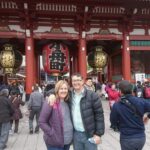
Senso-ji is an excellent opening stop because it gives you a clear sense of old Asakusa before the day shifts to Tokyo’s modern districts. It is Tokyo’s oldest and best-known temple, dedicated to Kannon, a Buddhist bodhisattva.
Plan on about an hour here. The temple is free to enter, but the supplied schedule identifies admission as included, so your guide can explain what you are seeing without leaving you to decode the grounds alone. Asakusa also puts Tokyo Skytree within view, creating a neat contrast between traditional religious buildings and the city’s tallest tower.
This stop can feel crowded, especially around the main approach. Your guide’s value is practical here: help with orientation, explain the temple’s role, and point out details you might otherwise pass without noticing. If you prefer quiet temple time, ask to protect some of the hour for wandering rather than filling it with explanation.
Tsukiji for food and market atmosphere
The next planned stop is Tsukiji Fish Market, with about an hour to explore. Tsukiji is known for seafood, vegetables, and the food stalls and shops that remain after Tokyo’s wholesale fish operations moved to Toyosu.
The appeal is less about seeing a modern auction floor and more about experiencing a traditional market district. You can look for seafood, prepared foods, and other Japanese ingredients, though breakfast, lunch, and dinner are not part of the tour price.
This is one place where your interests should shape the visit. If food is central to your Tokyo plans, tell the guide in advance. If you have dietary limits, the supplied information does not promise specific food arrangements, so you should handle those needs directly and clearly.
Paying extra for Tokyo Skytree views
Tokyo Skytree gets one hour, but the admission fee is separate. The listed prices are 2,100 Japanese yen for the Tembo Deck and 3,100 yen for the combo ticket, which includes the higher deck.
Skytree is Japan’s tallest tower and a broadcasting and observation tower in Sumida. On a clear day, the height gives you a broad view across Tokyo. The value depends heavily on weather and your appetite for paid viewpoints. You already have Tokyo Tower later in the day, so some groups may prefer to admire Skytree from ground level and save the extra fee.
If the view is a priority, confirm which ticket you want and budget the cost before departure. The tour price does not cover it. The one-hour slot also needs to include entry procedures and lifts, so you may not get a full hour at the viewing decks.
Seeing the famous Shibuya Crossing

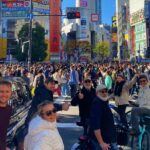
Shibuya Crossing is a quick lesson in Tokyo’s scale and order. When the signals change, pedestrians move across the entire intersection in several directions, while traffic pauses around them.
The scheduled hour gives you time to watch the crossing, take photographs, and see the area around Shibuya Station’s Hachiko exit. This is a high-energy stop, but it is also one of the places where the private vehicle cannot make the experience feel private once you step out. You will be sharing the pavement with a great many people.
I would ask the guide for a clear meeting point before leaving the vehicle. One poor experience with this tour involved difficulty finding the agreed rendezvous, so precise instructions matter in a district with several station exits and crowded streets. Punctuality has been praised, but your own preparation still helps.
Other city tours we've reviewed in Tokyo



Harajuku from Takeshita Street to Meiji Jingu
Takeshita Street is a 350-meter pedestrian shopping street and a center of Harajuku fashion and kawaii culture. The tour allows about an hour, with no admission charge.
This is the place to browse youth fashion, novelty foods, and colorful shops. It can feel commercial and crowded, so do not expect a quiet look at daily Tokyo life. Instead, treat it as a snapshot of the city’s playful pop culture.
The route then shifts to Meiji Jingu Shrine, dedicated to the deified spirits of Emperor Meiji and Empress Shoken. The shrine stop is also about an hour and is free. The contrast works well: Takeshita Street is loud and commercial, while Meiji Jingu offers a more solemn setting.
The two stops are close enough to make a sensible pair, but the day still moves quickly. If you have a strong interest in shrine customs, ask the guide to explain the proper visit sequence and the meaning of what you see. The supplied information confirms the shrine visit, but not a formal ceremony or special access.
Akihabara in a short 30-minute visit
Akihabara is Tokyo’s center for electronics retailers, specialty parts, and otaku culture. It is also the stop most likely to feel rushed, with only 30 minutes scheduled.
That is enough for a first look, a few photographs, or a fast visit to a shop that interests you. It is not enough for serious electronics shopping or a careful search through specialist stores. If anime, manga, games, or electronics are your main reason for booking, ask to exchange time from another stop.
This is where the tour’s flexible design matters. The listed route is wide-ranging, but you do not have to treat every stop as equally important. A private day becomes more valuable when you use it to cut places that do not fit your group.
Harajuku shopping at Tokyu Plaza

Tokyu Plaza Omotesando Harajuku adds another hour in the Harajuku area. The neighborhood is known for Japanese pop culture, unusual food, and offbeat style, while the shopping complex provides a more polished counterpoint to Takeshita Street.
You may find this stop useful for browsing, a break, or simply seeing how two sides of Harajuku fit together. It also gives your group a chance to slow down after several short sightseeing visits.
Because shopping time is personal, be clear about what you want. Some people will prefer retail browsing; others would rather use the hour for a garden or extra time at a shrine. The guide can help adjust the plan, but the best results depend on speaking up early.
The Imperial Palace’s East Gardens and Edo Castle ruins

The East Gardens offer a calmer change of pace near Tokyo Station. They occupy part of the historic Edo Castle site, with moats, garden areas, and castle ruins. The inner palace is closed to the public, so this is not a palace-interior tour.
The planned visit lasts 30 minutes and is free. That is enough for a look at the grounds, but it is a short window for anyone interested in Japanese political history or garden design. Free guided tours are available with advance reservation, but this private experience does not state that such a reservation is included.
I like this stop because it keeps the day from becoming only shopping streets and famous photo locations. If historic Tokyo matters to you, ask for more time here and trim a retail stop. If you have only one day and want maximum variety, the half-hour visit works as a brief pause.
Finishing with Tokyo Tower
The final stop is Tokyo Tower, a 333-meter red and white landmark in Minato, inspired by the Eiffel Tower. You get about 30 minutes, and entrance to the observation decks is not included.
Tokyo Tower offers Main and Top Deck views, plus shops, restaurants, and seasonal light displays. With only half an hour, you should decide in advance if you want to go up or simply see the tower from outside. Queues and elevator time can use much of the scheduled window.
There is also a practical question: after Skytree, do you need another paid tower? Some people will enjoy comparing two parts of Tokyo from above. Others will find the extra fee and short visit unnecessary. I would choose one tower for a view and use the other as an exterior landmark unless both are priorities.
The guide makes or breaks the day
A private Tokyo tour depends less on the vehicle than on the guide’s English, local knowledge, and ability to manage time. Maz has been described as well-spoken and able to tailor the day, while Johny has been praised for patience and strong explanations at several major sights.
The feedback is not uniformly positive. One poor experience raised concerns about English, Tokyo knowledge, and difficulty finding the agreed meeting point, although the guide was polite and punctual. That is a fair warning for a tour with many changes of district.
Before the day begins, confirm the pickup point, the guide’s name, the order of stops, and which sights you want to enter. Clear communication can prevent confusion and help the guide plan around your priorities. The tour offers pickup, but the supplied details do not specify every pickup location, so ask when booking.
Is $395 a fair price?
The $395 price covers a private 10-hour experience with an English-speaking guide, an air-conditioned vehicle, pickup offered, and bottled water. It does not cover meals or Tokyo Skytree and Tokyo Tower admission.
The value is strongest for a group that wants private transport and can divide the cost among several people. You are paying for convenience, a dedicated guide, and the ability to adjust the day, not simply for entry tickets. A solo visitor may find the price harder to justify, while a family or small group could appreciate the time saved between districts.
The rating is 4.7 out of 5 from 26 ratings, and 92 percent recommend the experience. That is encouraging, but the mixed feedback shows why guide quality and meeting-point clarity deserve attention.
Who should book this Tokyo tour?
I would choose this tour for a first visit, a short stay, or a group with mixed interests. It gives you temples, markets, shopping, pop culture, gardens, and skyline views without asking you to plan every train connection.
It suits people who value coverage and flexibility over slow exploration. Families and private groups may also like having a vehicle and a guide who can adjust the route.
I would not choose it for a specialist food tour, a slow photography day, or a focused visit to Akihabara. Ten stops sound impressive, but several are short. The tour works best when you see the route as an introduction, then return on your own to the places that deserve more time.
Free cancellation is available if you cancel at least 24 hours before the start time. Changes inside that window are not accepted and payment is not refunded. The experience requires good weather, with another date or a full refund offered if poor weather causes cancellation.
FAQ
How long does the private Tokyo tour last?
The tour lasts approximately 10 hours, and travel time between locations is included in that total.
Is the tour private?
Yes. Only your group participates in the private activity.
Is hotel pickup available?
Pickup is offered, but the supplied information does not specify the exact pickup locations. Confirm the meeting details when booking.
Is an English-speaking guide included?
Yes. The experience includes an English-speaking guide. Guides named Maz and Johny have delivered the tour on some departures.
Is transportation included?
Yes. An air-conditioned vehicle is included, and transportation between the stops is part of the tour.
Is bottled water provided?
Yes. Bottled water is included.
Is Tokyo Skytree admission included?
No. Tokyo Skytree admission is not included. The listed prices are 2,100 Japanese yen for the Tembo Deck and 3,100 Japanese yen for the combo deck.
Are meals included?
No. Breakfast, lunch, and dinner are not included in the price.
What is the cancellation policy?
You can cancel at least 24 hours before the start time for a full refund. Cancellations or changes made within 24 hours are not refunded or accepted. If poor weather cancels the tour, you will be offered another date or a full refund.
Should you book it?
Book this private Tokyo day if you want a broad first look, private transport, and a guide who can reshape the route around your group. The mix of Senso-ji, Tsukiji, Shibuya, Harajuku, Akihabara, imperial grounds, and Tokyo’s towers is hard to organize alone in one day.
Just keep your expectations realistic. This is a fast introduction, not ten separate tours, and paid tower tickets and meals add to the cost. Confirm the pickup point, ask for the guide’s name, and decide which three or four stops matter most to you. Do that, and the $395 price can buy a useful, well-organized start to Tokyo.
More Private Tours in Tokyo

More City Tours in Tokyo
More Guided Tours in Tokyo
More tours in Tokyo we've reviewed












City Tours, compared.
 ★ 4.8Tokyo: Private City Highlights Tour with Local GuideFrom $1064 - 8 hours
 ★ 4.8Tokyo: 3-Hour Bike or E-Bike City Highlights TourFrom $453 hours
 ★ 4.8Tokyo: Sumo Morning Practice Tour at Sumida CityFrom $1162 hours
 ★ 4.5Private Haneda Airport (HND) to Central Tokyo City TransferFrom $119
 ★ 4.8Tokyo: 3-hour Guided E-Bike Tour of the City’s Hidden GemsFrom $65
 ★ 5.0Tokyo: 3-Hour Bike/E-Bike Tour of the City’s HighlightsFrom $63