Reviewed · SAMURAI & NINJA EXPERIENCES
Tokyo Asakusa : Samurai School, Become a Samurai Warrior
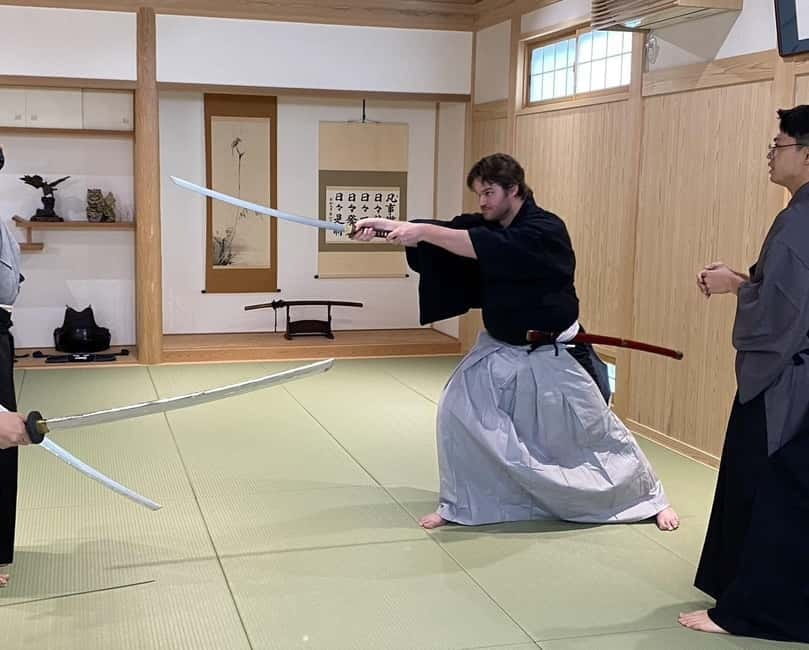
The best part of this experience is that you do not just watch a samurai demonstration. You dress in samurai clothing, take up a practice sword, and learn the formal movements that make the performance look convincing. The instructor has 25 years of samurai action experience and trained directly with the choreographer from Kill Bill.
In This Article
- Key points to know before booking
- What this samurai class really offers
- Arriving at the temporary dojo in Shimo
- Putting on the samurai costume
- Learning the bow, draw, and first strikes
- Choosing a practice sword and building a scene
- The optional choreographed battle
- Photos, video, and the certificate
- Is $98 a fair price?
- Who will enjoy this most?
- Practical tips for a smoother visit
- Should you book this samurai experience?
- FAQ
- How long does the samurai class last?
- Where does the class currently meet?
- Is the class still held in Asakusa?
- Is an English-speaking instructor available?
- What is included in the $98 price?
- What should I bring, and who should not participate?
I like the small group of up to six, which gives you room to ask questions and practice without getting lost in a crowd. I also like the mix of tradition and theater: you learn how to bow, draw, and strike, then pose for photos and may perform a choreographed battle. The main thing to check is the meeting location, since the class is currently being held at a temporary dojo in Shimo rather than the advertised Asakusa location.
Key points to know before booking
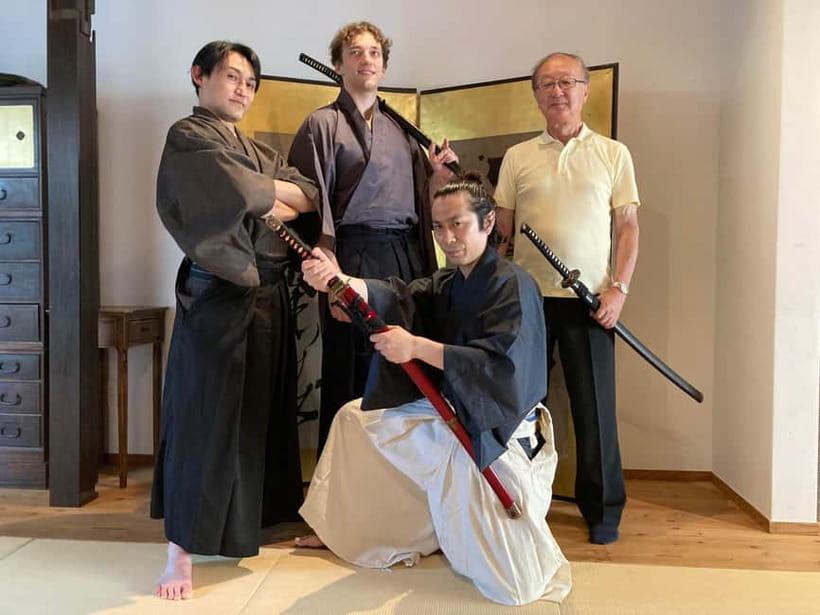
- A 25-year samurai action expert leads the class, with training connected to the choreographer of Kill Bill.
- You wear a traditional samurai costume before practicing with a safe practice sword.
- The class is limited to six people, making it easier to follow the movements and interact with the instructor.
- Photos and video are part of the fun, including a commemorative costume photo and the chance to record a samurai scene.
- The current dojo is in Shimo, a six-minute walk from Exit 2 of Shimo Station on the Namboku Line.
- The $98 price covers the class, interpreter, costume, practice sword, photos, and certificate, but not food or transportation.
What this samurai class really offers
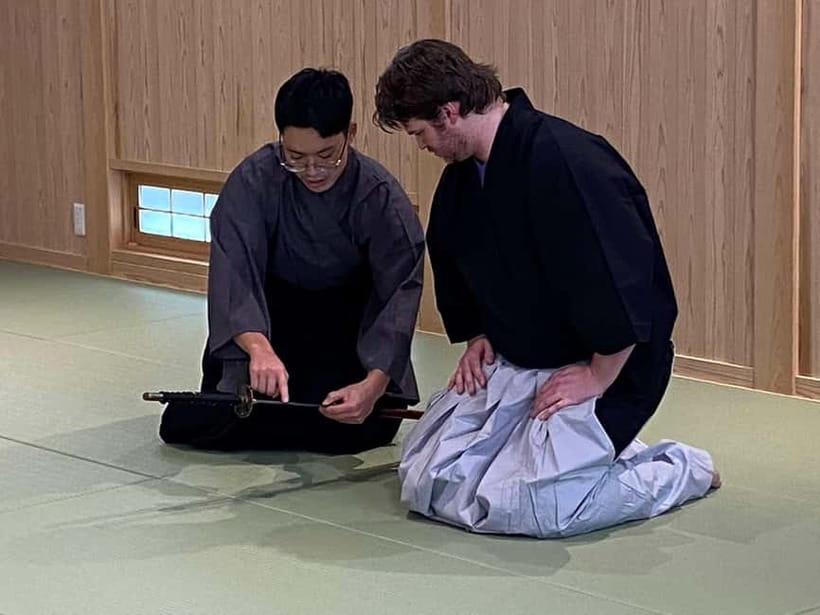
This is a short hands-on lesson, not a museum lecture or a historical walking tour. You spend about 1.5 hours learning the outward discipline of samurai swordsmanship, then use those movements in a staged and camera-friendly setting.
The focus is on stylized swordplay. You learn basic stances, strikes, sword drawing, and respectful bowing. That distinction matters. This is a controlled performance class using practice swords, not combat training and not a chance to handle a historical weapon.
The instructor also demonstrates swordsmanship for the group. That gives you something to watch before you try the movements yourself, and it helps explain why posture, timing, and clean gestures matter so much in a samurai performance.
An English-speaking interpreter is included, along with Japanese instruction. That is useful here because the lesson depends on small details, such as how you hold the sword, how you face your partner, and when you bow. The class is also limited to six participants, so this should feel more personal than a large cultural demonstration.
A few more Tokyo tours and experiences worth a look



Arriving at the temporary dojo in Shimo
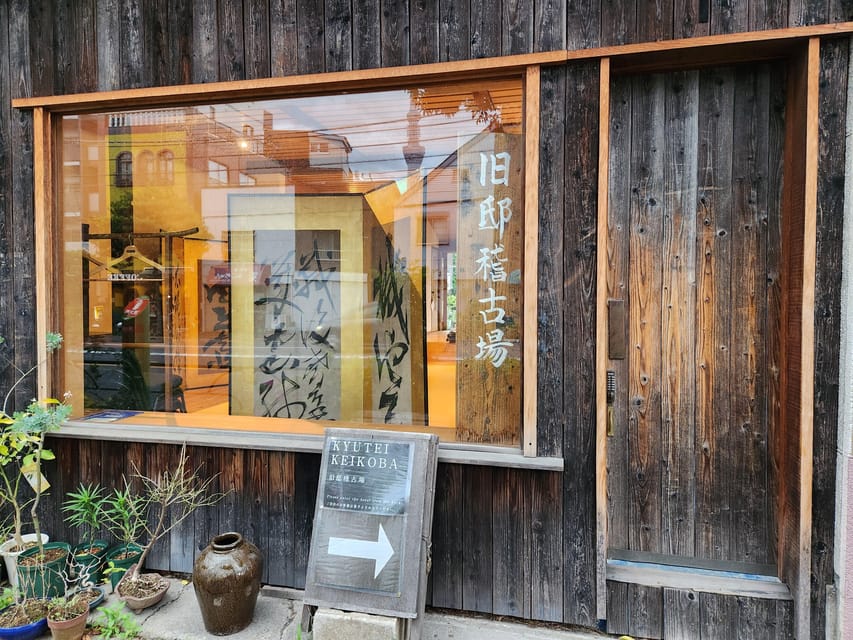
The listed meeting point is Soushi-Kan, at 4-6-2 Shimo, Kita City, Tokyo 115-0042. The nearest station is Shimo Station on the Namboku Line, and the dojo is about a six-minute walk from Exit 2.
The experience was originally associated with Asakusa, and the activity description refers to a dojo near Tokyo Skytree. At present, sessions are temporarily being held at a different dojo because the Asakusa location is unavailable. Check the meeting point carefully before you leave, and use the supplied map rather than assuming the class starts near Senso-ji or Tokyo Skytree.
One family booking had trouble with a map sending them to the wrong side of the street, though they found the entrance quickly. Arriving early is sensible, especially if you are traveling with children or carrying luggage. The dojo itself is the place to meet, and the class ends back there.
Private transportation is not included. You will need to make your own way to Shimo Station, and there is no food or snack service. Bring water and a towel, since sword practice in costume can be warm and active. A T-shirt is also requested. If you cannot prepare one of these items, contact Smile Vista before the class for an alternative.
Putting on the samurai costume
Your transformation begins when you arrive. You put on samurai attire before the lesson starts, so the costume is not just reserved for a final photo. It helps set the tone and gives the class a clear sense of occasion.
Choosing an outfit is part of the appeal. One parent said the favorite part for their 10-year-old son was picking his samurai clothing, then taking part in the recorded scene. That tells you what kind of fun this is: active, visual, and a little theatrical.
The costume also changes the way the lesson feels. Bowing and drawing a sword can seem abstract in ordinary clothes. In costume, those actions become part of a role, and it is easier to understand the care given to posture and presentation.
You should still wear something comfortable underneath. The activity specifically asks you to bring a T-shirt, and water is a good idea. Food is not allowed, and smoking is not allowed during the activity.
Learning the bow, draw, and first strikes
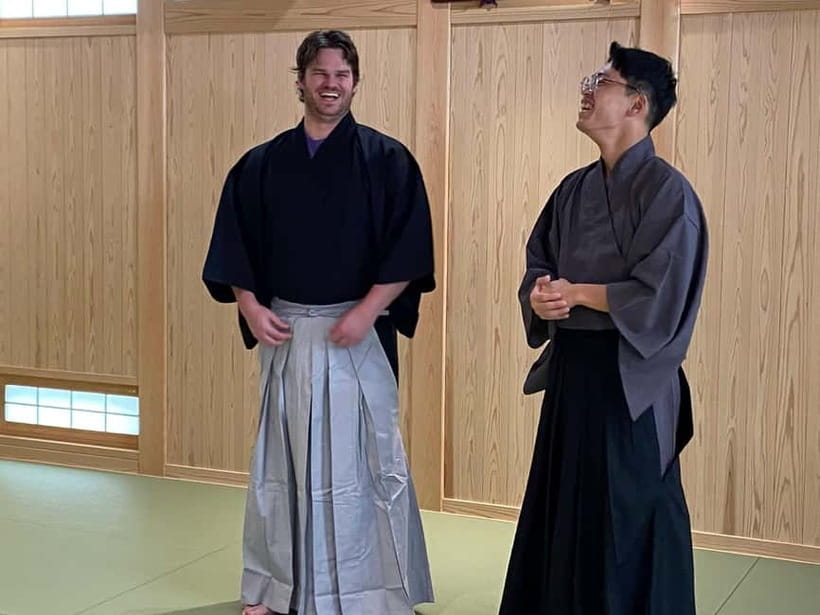
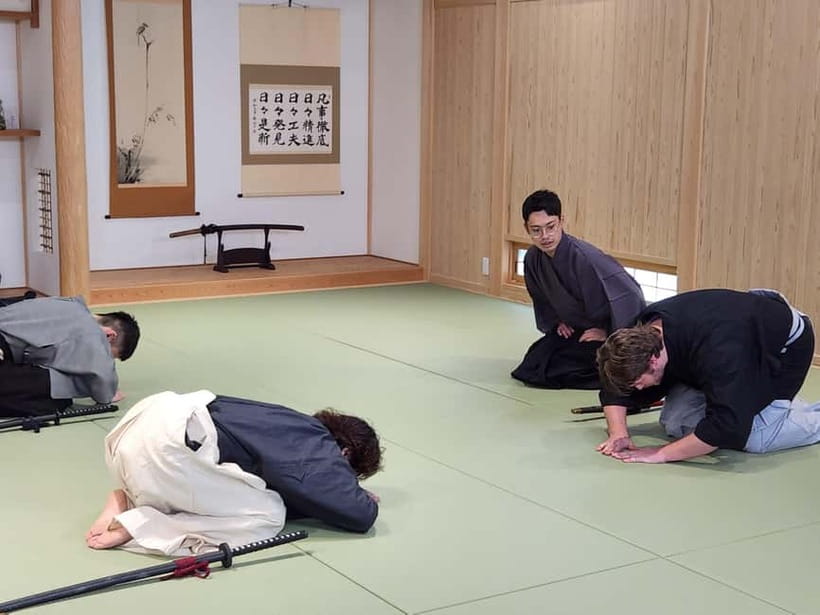
The class begins with an introduction to samurai culture and basic conduct. You learn how to bow to your opponent and master, then move into the mechanics of drawing the sword.
The bow is more than a quick greeting. It establishes respect and gives the lesson a formal rhythm. You are shown how to approach the practice, how to acknowledge the person in front of you, and how to handle the sword with care.
Next come the fundamental positions and movements. Expect instruction in stance, sword drawing, strikes, and other stylized actions used in samurai performance. You are not simply waving a prop around. The goal is to make each movement controlled and deliberate.
The instructor’s professional action background is important here. A sword scene only looks convincing when the performers understand distance, timing, and body position. The class gives you a simplified version of that work, taught in a safe setting with practice swords.
The English interpreter helps make this section accessible, though you should still expect to watch closely and copy the demonstration. These movements are physical, so a little patience will help more than trying to rush through them.
Choosing a practice sword and building a scene
At some point, you choose a sword from the available practice swords. This is a small detail, but it adds a personal touch. You are not handed the same object and sent through a fixed routine. You get a moment to select the prop that will become part of your samurai role.
The swordplay workshop then brings the earlier lessons together. You practice the main stances, strikes, and movements under the instructor’s direction. The class is designed for beginners, so you do not need previous sword experience.
The strongest value here is the guided correction. In a large group, you might copy the wrong posture and never know it. With only six people, the instructor can keep an eye on how you stand and move. That small-group format also makes it easier to interact with the master and ask for another demonstration.
You should not expect a full martial arts course in 90 minutes. The lesson introduces the basic language of samurai action, rather than building long-term technical skill. If you want serious swordsmanship training, this is too short. If you want a memorable introduction with real instruction, the length works well.
A few more Tokyo tours and experiences worth a look



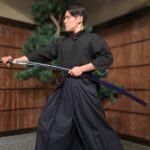
The optional choreographed battle
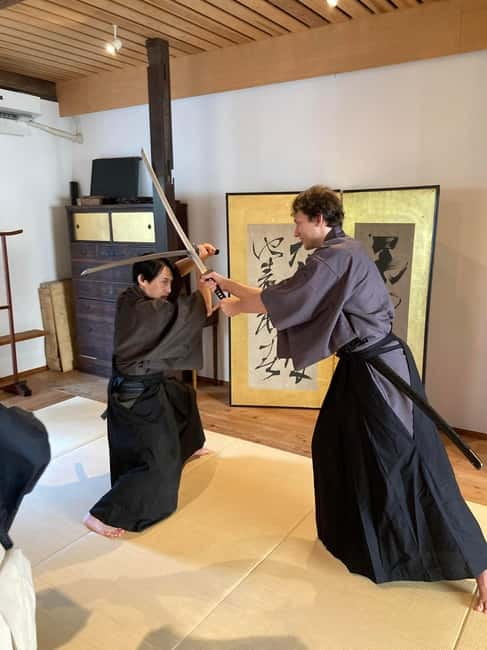
The activity may include an optional choreographed battle. This is a staged sword fight designed to echo the excitement of historical samurai duels while remaining controlled and safe.
The word choreographed is key. You are performing a sequence, not fighting another participant. You will use the movements learned earlier, follow the instructor’s directions, and concentrate on timing and presentation.
For many people, this is likely to be the high point. It gives the lesson a clear payoff and creates the kind of short video or photo that is difficult to make during an ordinary sightseeing day. The class also offers the chance to capture your own samurai video or photo with the master.
If you are shy about performing, remember that the activity is built around this kind of participation. You do not need acting experience, but you do need to be willing to follow instructions and make the movements with some energy. The small group can help, since you are not facing a large audience.
Photos, video, and the certificate
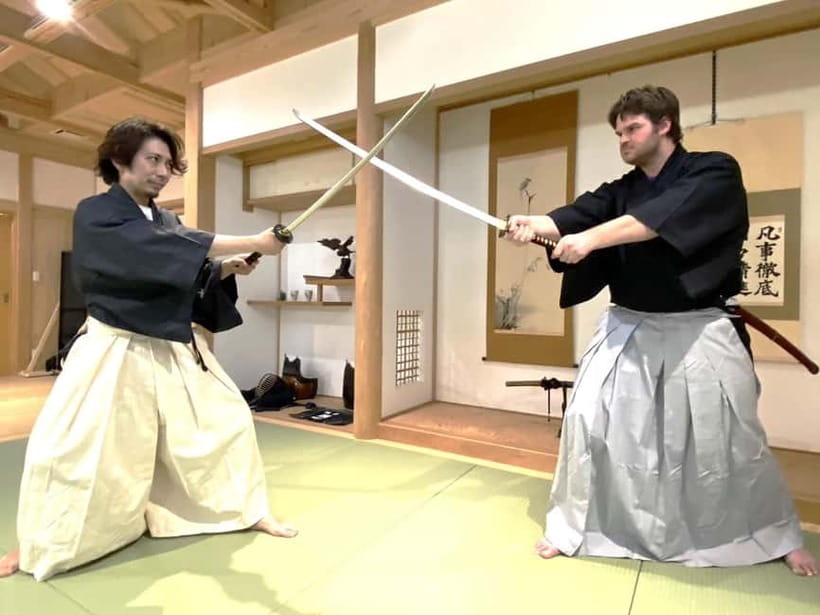
The final part is designed for memories. You can have a commemorative photo taken in costume, and the class includes a photo session. You may also record a samurai scene or take a photo with the instructor.
The photos matter because the costume and swordplay are temporary. They let you show friends and family what you did, rather than simply describing a short lesson after the fact. If you are booking for a child, the recorded scene may be especially worthwhile.
You also receive a completion certificate. It is a simple keepsake, but it gives the activity a satisfying finish. After bowing respectfully to the master, you receive the certificate and end the class back at the dojo.
Do not expect a professional film production. The supplied information promises photos and the chance to capture video, but it does not specify editing, a full-length film, or a particular number of images. Think of this as a personal souvenir from a hands-on class.
Is $98 a fair price?
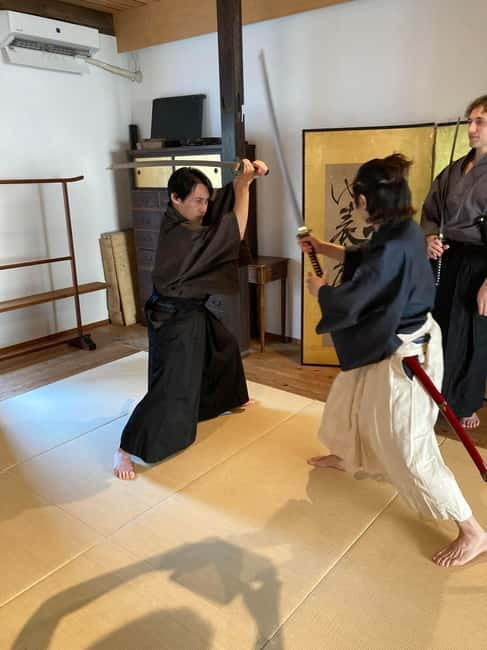
At $98 per person, this is not a bargain activity in the usual Tokyo sightseeing sense. You are paying more than you would for a casual cultural demonstration or a visit to a historical site.
The value comes from what is bundled into the 1.5 hours. Your price includes the instructor, English interpretation, samurai costume, practice sword, photo session, and completion certificate. You also get direct participation rather than a seat in the audience.
The group limit improves the value. With no more than six people, the lesson has a better chance of feeling like instruction rather than a quick photo opportunity. The instructor’s 25 years of professional samurai action experience also gives the class a specific focus that a generic costume rental would not provide.
I would consider the price reasonable if you care about guided participation, costume photos, and a polished samurai performance. It is less attractive if you mainly want to see a sword demonstration or if you are looking for a long cultural tour. The class is short, and the main reward is the activity itself, not a broad lesson about Japanese history.
Who will enjoy this most?
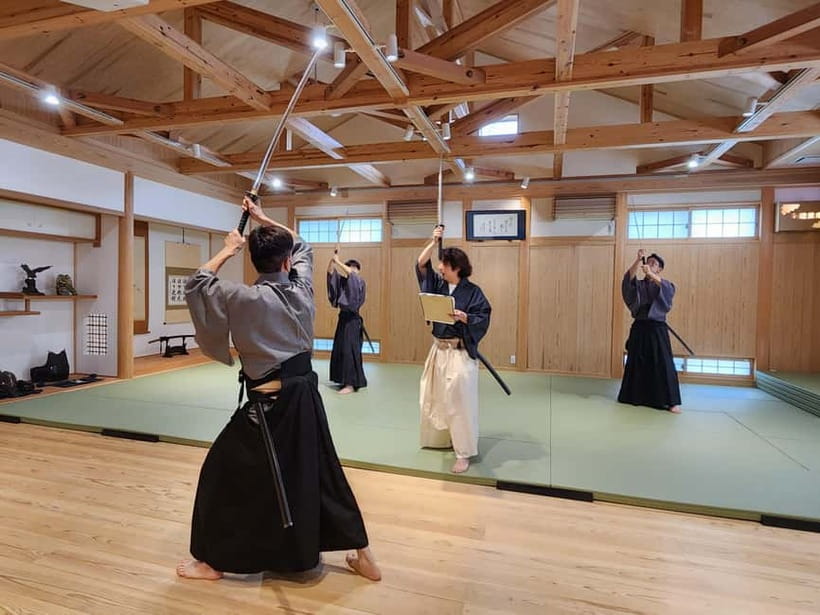
This works particularly well for families, first-time visitors who want a distinctly Japanese activity, and anyone who enjoys theater, film stunts, or costume photography. The family booking that included a 10-year-old found the choreography, outfit choice, photos, and certificate especially engaging.
Couples and solo visitors can also fit well because the group is small. You will have direct contact with the master and opportunities to practice rather than simply watch. The English interpreter makes the class more approachable for people who do not speak Japanese.
You should be comfortable with light physical activity and repeated sword movements. Pregnant women and people with back problems are specifically advised not to take part. The activity is listed as wheelchair accessible, but it is still wise to contact the provider ahead of time if you need particular assistance.
This is not the right pick if you want a quiet, academic look at samurai history, a real-blade demonstration, or a full-day cultural program. It is a performance-based introduction with a strong visual element.
Practical tips for a smoother visit
Give yourself extra time to find the temporary venue. Shimo is not the same area as central Asakusa, and the current location can be easy to confuse if you rely only on the experience title.
Wear a T-shirt beneath the costume, bring water and a towel, and avoid bringing food into the dojo. Since the class ends where it begins, you can leave larger sightseeing plans for afterward rather than expecting transportation between locations.
The activity offers free cancellation up to 24 hours before the start time, and you can reserve now and pay later. Starting times depend on availability, so check the schedule before arranging your day.
The class is taught in English and Japanese, with an English-speaking interpreter included. That combination should work well for international visitors, especially during the more technical sword movements.
Should you book this samurai experience?
Book it if you want to be part of a samurai scene, not merely watch one. The costume, practice sword, small group, instructor demonstration, photos, and certificate make this a focused and memorable 1.5-hour activity.
I would book with two cautions. First, confirm the temporary Shimo meeting point, since the Asakusa dojo is currently unavailable. Second, understand that this is stylized sword performance for beginners, not formal martial arts training.
For families, film fans, and visitors who want an active cultural memory, the $98 cost can make sense. If you are comparing it with a historical tour, choose the historical tour instead. If you want to bow, draw a sword, learn a few controlled strikes, dress the part, and leave with photos and a certificate, this class is a strong choice.
FAQ
How long does the samurai class last?
The activity lasts 1.5 hours. Starting times vary, so check availability when booking.
Where does the class currently meet?
It currently meets at Soushi-Kan, 4-6-2 Shimo, Kita City, Tokyo 115-0042, Japan. The dojo is about a six-minute walk from Exit 2 of Shimo Station on the Namboku Line.
Is the class still held in Asakusa?
The Asakusa dojo is currently unavailable, so sessions are temporarily held at the Shimo dojo. Confirm the current meeting point before attending.
Is an English-speaking instructor available?
An English-speaking interpreter is included. The listed teaching languages are English and Japanese.
What is included in the $98 price?
The price includes the samurai class, interpreter, samurai costume, practice sword, photo shoot, and completion certificate. Food, snacks, and private transportation are not included.
What should I bring, and who should not participate?
Bring a towel, water, and a T-shirt. Smoking and food are not allowed. The activity is not suitable for pregnant women or people with back problems.
More Samurai & Ninja Experiences in Tokyo
More Asakusa Tours in Tokyo

More tours in Tokyo we've reviewed






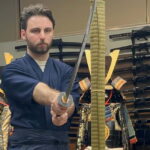



Samurai & Ninja Experiences, compared.
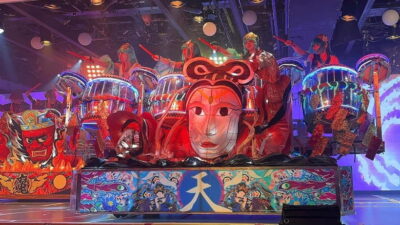 ★ 4.5Tokyo: Samurai Restaurant Show Ticket with 2 DrinksFrom $551h 30m
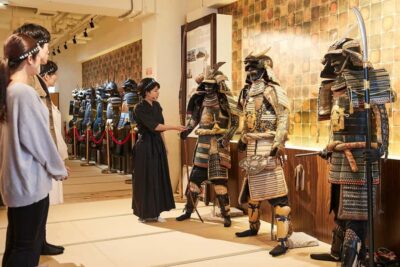 ★ 4.6Tokyo: Samurai Ninja Museum Guided tour and ExperienceFrom $27
 ★ 5.0Skip the lines Basic Ticket at SAMURAI NINJA MUSEUM TOKYOFrom $28
 ★ 5.0Tokyo: Authentic Samurai Training at a DojoFrom $211
 ★ 5.0Best Samurai Experience in TokyoFrom $65
 ★ 4.6Tokyo: Legend Samurai Entertainment Night in Kanda ShrineFrom $44