Reviewed · SUSHI MAKING CLASSES
Learn How To Make the Sushi Art
Learning sushi in Tokyo takes on a playful, hands-on form at this small workshop in Sumida City. In about an hour, you work through the basic steps with an English-speaking female instructor, then eat the sushi you made for lunch. The class also includes traditional Japanese tea and a surprise gift connected to the tools used during the lesson.
In This Article
- Key points to know before booking
- What the one-hour sushi class is really about
- Meeting the instructor at EdoHakuyoJapan
- First steps: simple preparation and knife work
- Making vegetarian and nonvegetarian sushi
- Why the small details matter
- Tea, lunch, and the complimentary gift
- How the private format affects the experience
- Is $60 a fair price?
- Who will enjoy this sushi-making experience
- Should you book this Tokyo sushi class?
- FAQ
- Where does the sushi-making class take place?
- How long does the experience last?
- Is the activity private?
- Is the class taught in English?
- What food is included?
- Are alcoholic drinks included?
- Does the experience include a souvenir?
- Where does the activity end?
- What is the cancellation policy?
I like the clear step-by-step teaching and the chance to prepare both vegetarian and nonvegetarian sushi. I also like the private format, since only your group takes part, and the instructor adds humor rather than treating the class like a stiff cooking lecture.
The main consideration is the short length. One hour gives you a useful first lesson, but not a full chef-training session. You should also expect a workshop focused on practical sushi-making, not a restaurant meal with alcoholic drinks or a broad food tour.
Key points to know before booking
- One-hour private class: Only your group participates, so the pace can feel more personal than a large cooking school.
- English instruction: The female instructor demonstrates each step and explains the process entirely in English.
- Vegetarian and nonvegetarian sushi: You make different types of sushi, then eat what you prepare for lunch.
- Traditional tea included: Japanese tea gives the meal a simple cultural touch without adding another charge.
- Practical surprise gift: You receive one of the tools used during the class, giving you something useful to remember the lesson.
- Sumida City setting: The workshop is near public transportation at Tokyo EdoHakuyoJapan, in Narihira.
What the one-hour sushi class is really about
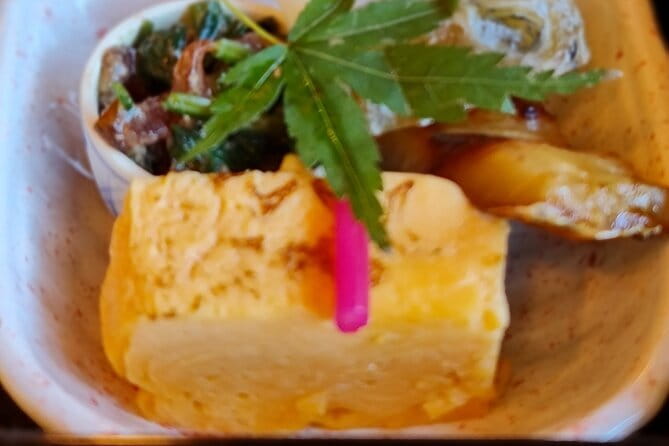
This experience is less about mastering every part of sushi cuisine and more about learning the building blocks in a friendly setting. You receive complete guidance from the instructor, with the lesson designed to be simple, useful, and easy to follow.
That matters if you have never made sushi before. Japanese food can look precise and intimidating, especially when neat cutting and careful shaping are involved. Here, the aim is to show you how small details affect the finished piece without turning the hour into a technical examination.
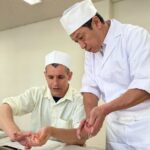
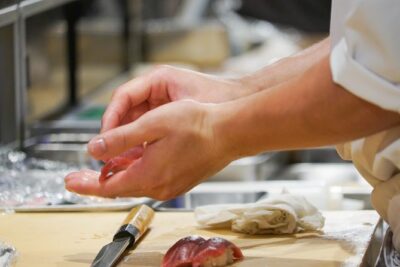
The teaching is entirely in English. The instructor demonstrates each stage, then gives you the chance to try it yourself. You are not simply watching someone assemble sushi while you take photographs. The useful part is doing the work with your own hands, even if your first pieces look less tidy than the instructor’s.
The tone also appears to be deliberately light. Humor is part of the teaching style, which helps make a short class feel relaxed. You can expect practical instruction, but not a solemn ceremony.
A few more Tokyo tours and experiences worth a look
Meeting the instructor at EdoHakuyoJapan
Your meeting point is Tokyo EdoHakuyoJapan, located at 2-chōme 19-4, Narihira, Sumida City, Tokyo 130-0002. The address also identifies the workshop as being at 業平ハイツ 203, or Narihira Heights, room 203.
The experience begins and ends at this same meeting point. It is near public transportation, which makes it easier to fit into a day of sightseeing around Tokyo. Still, you should allow enough time to find the specific building and room. A private workshop in a residential-style address can require more attention than a class held in a large, clearly marked commercial venue.
This location also gives the activity a different feel from a polished restaurant kitchen. The setting is described as a traditional Japanese workshop, and that atmosphere is part of the appeal. You are visiting a working cultural space rather than simply sitting at a dining counter.
The instructor also offers Japanese character drawing on T-shirts, according to the experience details shared by previous participants. Treat this as a possible extra feature rather than the main purpose of your booking. The advertised focus remains sushi-making.
First steps: simple preparation and knife work
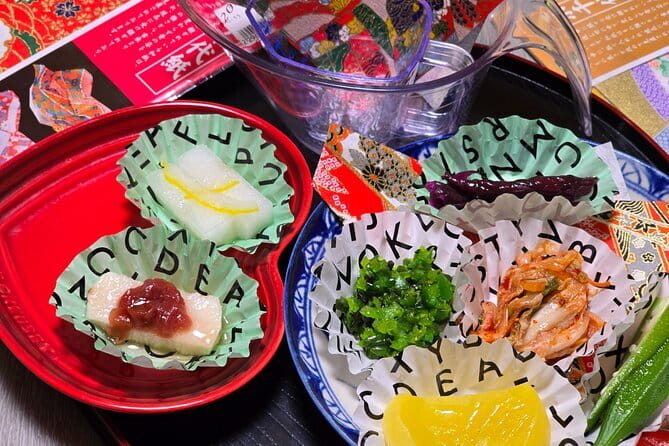
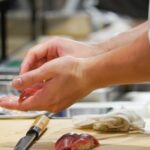
One of the most useful lessons is likely to come from the preparation stage. A participant found that practicing knife skills made a large difference, especially when cutting fish and vegetables with precision. That is good advice for you too.
You do not need to arrive as a trained cook. The class is built for a first attempt, and the instructor guides you through the process. Still, pay close attention when she demonstrates how to handle and use the knife. Even simple sushi depends on pieces being cut cleanly and consistently.
The instructor’s own technique can make the point quickly. Watching her work shows how controlled movements affect the final result. You may discover that the hard part is not the idea of sushi itself, but repeating small actions with care.
The instructor also explained that knife skills are important, but not the only thing that matters. That is a helpful balance. You should practice cutting, but you should not leave thinking that sushi-making is nothing more than knife work. Shaping, arranging, and paying attention to small details are also part of the lesson.
Because the class lasts only about an hour, expect an introduction rather than long practice sessions with every ingredient. The value comes from learning a method you can repeat later.
Making vegetarian and nonvegetarian sushi
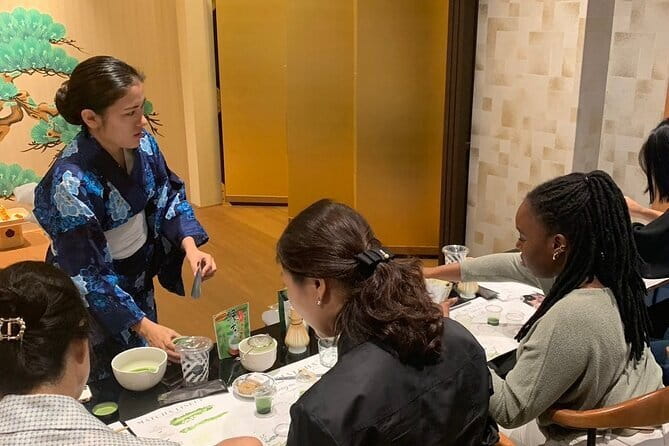
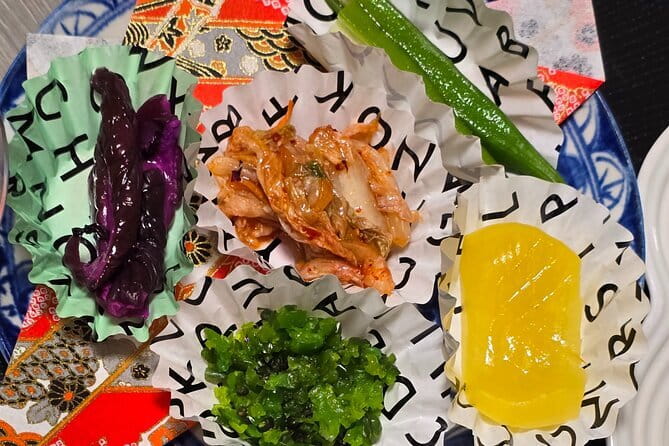
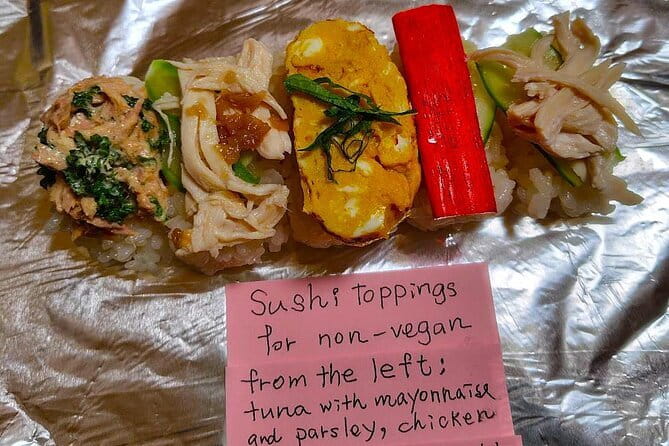
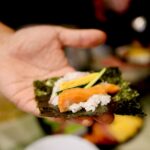
The included food covers vegetarian sushi as well as nonvegetarian versions. This gives the class a wider appeal and lets you compare different approaches to the same basic craft.
For a vegetarian eater, the inclusion is important because you are not limited to watching other people prepare the main part of the meal. You take part in sushi-making and have a suitable lunch included. For mixed groups, the combination means people with different eating preferences can share the same activity.
You create the sushi yourself, then eat it as lunch. That changes the experience from a demonstration into a complete little meal. The food has a clear connection to your work, so the final tasting becomes part of the lesson rather than a separate restaurant course.
Do not expect the class to function as a full menu tasting. The information describes sushi you create, vegetarian and nonvegetarian options, and Japanese traditional tea. It does not promise a long list of dishes, premium ingredients, or alcoholic pairings.
The strongest reason to book is the process. If you want a polished sushi dinner, choose a restaurant. If you want to understand how sushi comes together and enjoy your own results, this format makes better sense.
Why the small details matter
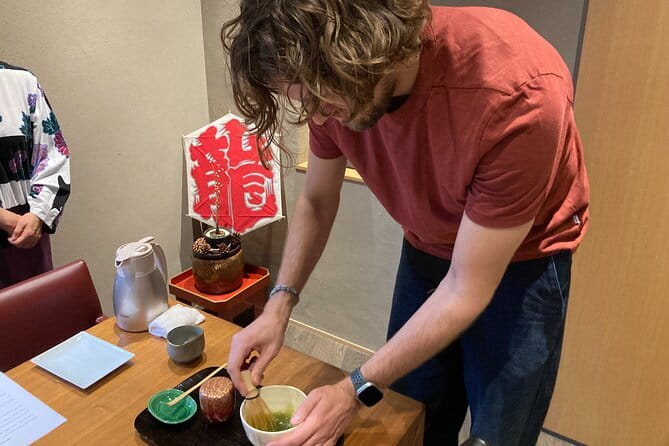
The class places unusual emphasis on small details. That may sound minor, but it is exactly what makes sushi a useful cultural introduction. Neat cutting, careful handling, and balanced presentation can change how the finished food looks and feels.
You might notice this when your own sushi is compared with the instructor’s example. A small difference in cutting or shaping can make a piece look more orderly. The lesson gives you a chance to see the reason, not just the result.
This kind of instruction is valuable for beginners because it connects Japanese food with patience and repetition. You are not expected to become a sushi chef in one visit. You are learning why careful actions matter.
The teaching also leaves room for creativity. The experience is presented as a way to learn how to make delicious and unique sushi, not merely to copy a single rigid design. That creative angle suits people who want a cultural activity with a personal result.
At the same time, you should keep your expectations realistic. A one-hour class cannot cover every sushi style, ingredient, storage rule, or professional kitchen technique. Think of it as a compact introduction that gives you a foundation to practice at home.





Tea, lunch, and the complimentary gift
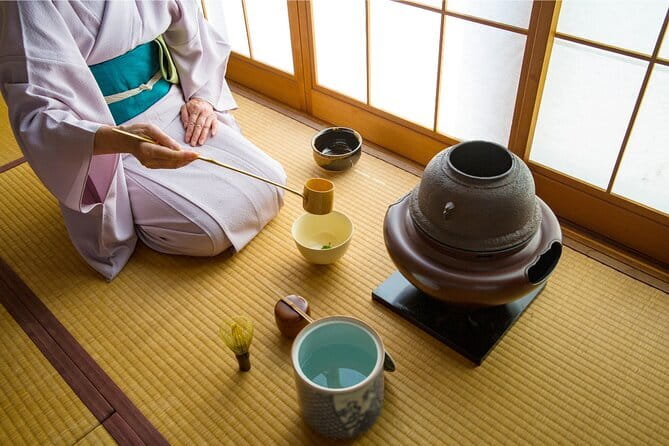
Japanese traditional tea is included with the sushi you prepare. It is a modest detail, but it helps the meal feel connected to Japanese food culture rather than like a basic craft lesson followed by a snack.
The lunch is vegetarian and nonvegetarian sushi made during the class. Since you prepare it yourself, the meal offers a satisfying end to the activity. You get to see the finished pieces, taste the results, and judge what you learned in a very direct way.
You also receive a surprise free gift at the end. It is described as one of the tools used during the class, making it more useful than a generic souvenir. You can continue practicing with it after you leave, assuming it suits your cooking needs.
The gift is not a reason to book on its own. Its value is in extending the lesson beyond the workshop. You leave with both a memory and a physical reminder of the techniques covered.
The exact gift is not specified in advance, so do not book expecting a particular knife, mold, or other item. The surprise is part of the format.
How the private format affects the experience
Only your group participates in the activity. That private arrangement is a real advantage for a short class because there is less need to wait for a large group to catch up.
You can focus on the instructor’s demonstration and then work through the steps at your own level. Beginners may appreciate the chance to ask questions without speaking in front of a room full of strangers. Families, couples, and friends can also share the activity without being mixed into a public class.
The tradeoff is that the experience may feel less social than a larger cooking school. You will not automatically meet a room full of other people from different countries. If your main goal is making new friends, a group class could offer more interaction.
For an hour-long activity, however, the private setup keeps the focus where it belongs: on learning, preparing, and eating. It also makes the class a practical choice for people with a tight Tokyo schedule.
Is $60 a fair price?
At $60, this is not the cheapest way to eat sushi in Tokyo. You can find a meal for less, and you can certainly buy prepared sushi without spending an hour making it.
The price makes more sense when you count what is included: private instruction, English guidance, the sushi you prepare for lunch, traditional tea, and a complimentary tool-related gift. You are paying for an activity as well as food.
The one-hour duration keeps the total commitment manageable. You can place it between other plans without giving up half a day. That short format also limits the amount of instruction, so the value depends on your priorities.
I would consider $60 reasonable for someone who wants a hands-on cultural activity with personal instruction. It is less compelling for someone who only wants a large meal or a detailed professional cooking course.
The free cancellation policy improves the booking value. You can cancel for a full refund up to 24 hours before the local start time. Cancellations or changes made within 24 hours are not refunded or accepted, so keep your Tokyo schedule firm once the deadline passes.
Who will enjoy this sushi-making experience
This class suits first-time cooks, food lovers, and anyone who wants a practical activity tied to Japanese culture. You do not need prior sushi experience, since the instructor leads you through the process in English.
It also works well for a private group that wants something more active than sightseeing. You and your companions make the food together, share the lunch, and leave with a tool from the lesson.
Vegetarian participants are well served by the included vegetarian sushi. Mixed groups also have a clear reason to choose this class, since both vegetarian and nonvegetarian options are part of the meal.
The experience may be less suitable if you want a long lesson, advanced knife training, alcoholic drinks, or a restaurant-style tasting menu. Alcoholic beverages are not included, and the one-hour schedule leaves limited time for detailed culinary theory.
You should also be comfortable with an informal workshop setting. The address is in a building at Narihira, not a grand hotel or famous restaurant. That modest setting is part of the character, but it may not match expectations for a luxury cooking school.
Should you book this Tokyo sushi class?
Book it if you want to make sushi rather than simply eat it. The English instruction, private format, vegetarian and nonvegetarian options, traditional tea, and practical gift give the hour a clear purpose.
I especially recommend it for people who value small details. The lesson can help you understand why knife control, shaping, and careful preparation affect the result. You will not become a sushi chef in one session, but you will leave with a method to practice.
Skip it if you want a broad food tour, a long professional course, or included alcohol. For everyone else, this is a compact and approachable way to add hands-on Japanese culture to a Tokyo itinerary.
FAQ
Where does the sushi-making class take place?
The class takes place at Tokyo EdoHakuyoJapan, 2-chōme 19-4, Narihira, Sumida City, Tokyo 130-0002. The room is listed as 業平ハイツ 203.
How long does the experience last?
The class lasts approximately one hour.
Is the activity private?
Yes. Only your group participates in this private activity.
Is the class taught in English?
Yes. The instruction and guidance are provided entirely in English.
What food is included?
You make vegetarian and nonvegetarian sushi, which you then eat as lunch. Traditional Japanese tea is also included.
Are alcoholic drinks included?
No. Alcoholic beverages are not included.
Does the experience include a souvenir?
Yes. You receive a surprise complimentary gift connected to one of the tools used during the class.
Where does the activity end?
The activity ends back at the meeting point.
What is the cancellation policy?
You can cancel up to 24 hours before the local start time for a full refund. Cancellations or changes made less than 24 hours before the start time are not accepted, and the amount paid is not refunded.
More Sushi Making Classes in Tokyo
More tours in Tokyo we've reviewed







Sushi Making Classes, compared.
 ★ 5.0Sushi Making Tokyo Roll and Authentic Japanese Sushi ClassFrom $59
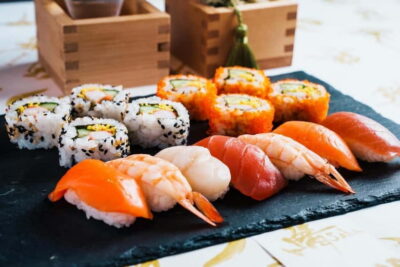 ★ 4.9Tokyo: Roll and Authentic Sushi Making Class in AsakusaFrom $581h 40m
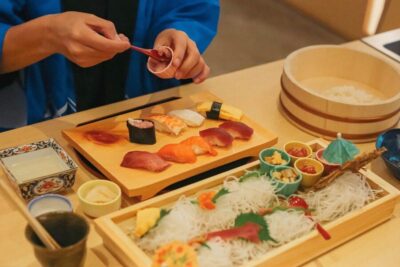 ★ 4.9Tokyo: Sushi Making Class in a Happi Coat near a Famous SpotFrom $421h 30m
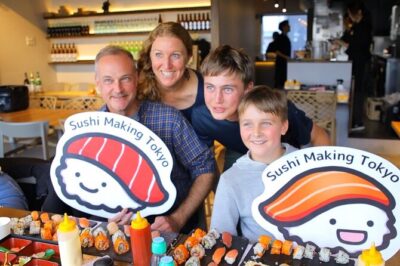 ★ 5.0Sushi Making Tokyo! Popular Maki Sushi & Japanese Sushi(+Recipe!)From $63
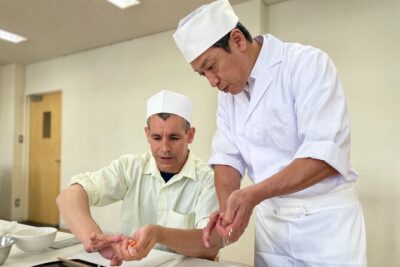 ★ 5.0Tokyo Sushi Making Class in Tsukiji with Professional ChefFrom $49
 ★ 5.0Tokyo Night Foodie Tour in Shinjuku – Seasonal Sushi, Wagyu BeefFrom $111