Reviewed · SHOPPING TOURS
Tokyo Shopping Street Hopping Private Tour with Government Licensed Guide
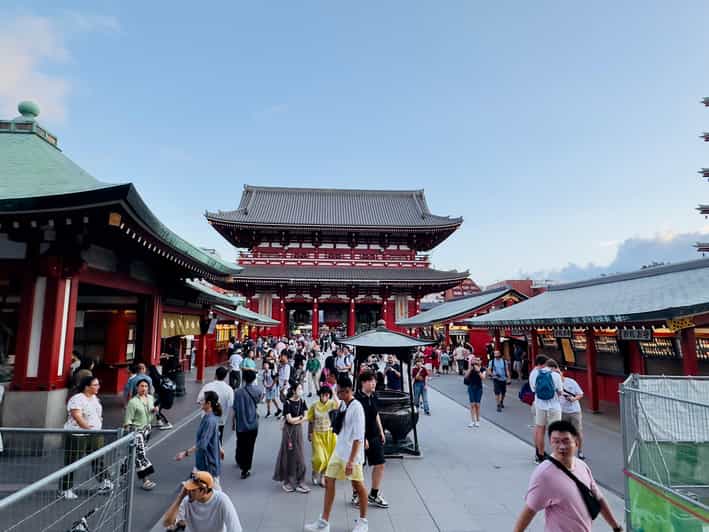
Tokyo shopping is not one experience. It shifts from market stalls and fishmongers to kitchen-tool shops, old-town lanes, anime stores, and youth fashion streets. This private tour lets you choose three or four areas with a government-licensed English-speaking guide, rather than rushing through a fixed route.
In This Article
- Key points to know before booking
- Tokyo shopping becomes more interesting when you connect the districts
- Ameyoko: Tokyo market energy beside the train tracks
- Kappabashi: the place for cooks, restaurant goods, and odd souvenirs
- Yanaka Ginza: a slower look at old-town Tokyo
- Tsukiji: food, market culture, and a useful lunch stop
- Cat Street: youth fashion between Harajuku and Shibuya
- Takeshita Street: Harajuku’s loud, youthful shopping strip
- Shibamata: an old-school neighborhood away from central Tokyo
- Akihabara: electronics, anime, and modern Japanese pop culture
- How the six-hour private format works in practice
- What the $154.37 price buys you
- The guides are part of the value
- Who should book this Tokyo shopping tour?
- Should you book it?
- FAQ
- How long is the Tokyo Shopping Street Hopping tour?
- How many shopping areas can I choose?
- Which shopping districts can be included?
- Is hotel pickup included?
- Is transportation included in the price?
- Is lunch included?
- Is the tour private?
- Can I cancel for a full refund?
I like the built-in flexibility, especially if you have a clear shopping goal. Guides such as Izumi, Sam, Noripy, Steve, Hiro, Ayako, and Kazuo have helped visitors focus on cooking goods, anime, souvenirs, food, or less familiar parts of the city. I also like the practical help with subway routes, translation, lunch choices, and meeting-point planning.
The main tradeoff is cost and transport. At $154.37 per person, this is a serious spend before train fares, meals, and entry fees, and the tour is not a private car ride. Pickup means meeting your guide on foot within the designated Tokyo area, so you still need to walk and use public transit.
Key points to know before booking
- Choose three or four shopping districts: You shape the day from options such as Ameyoko, Kappabashi, Yanaka Ginza, Tsukiji, Cat Street, Takeshita Street, Shibamata, and Akihabara.
- Get practical shopping help: Your guide can assist with subway navigation, shop communication, and finding places that match your interests.
- See different sides of Tokyo: The route can mix old Shitamachi neighborhoods, food markets, kitchenware shops, youth fashion, and pop culture.
- Expect a walking tour, not a car tour: Pickup is on foot, and transportation costs are separate.
- Use the private format well: You can adjust the day for your family, including food needs, souvenir shopping, or a teenager’s interests.
- Plan your priorities early: Six hours is enough for three or four areas, but not for all eight listed districts in any useful way.
Tokyo shopping becomes more interesting when you connect the districts
A shopping street, or shotengai, is more than a place to buy things. It is where local food, small businesses, neighborhood routines, and Tokyo’s different eras meet. This tour uses those streets as a way to see the city without treating it as one giant department store.
The private format matters here. You are not tied to a large group that must stop at every landmark or wait for a slow shopper. You can tell your guide that you want cooking supplies, edible souvenirs, anime goods, youth fashion, traditional streets, or help choosing a lunch spot.
The strongest use of the tour is to set your priorities before the morning starts. A family interested in food might choose Ameyoko, Tsukiji, and Kappabashi. A teenager might prefer Takeshita Street, Cat Street, and Akihabara. Someone looking for an older side of Tokyo could combine Yanaka Ginza and Shibamata with one market district.
You should not treat the eight listed areas as an eight-stop promise. Each stop is described as roughly 30 minutes, but moving between distant parts of Tokyo, shopping, eating, and asking questions all take time. The service is designed around three or four selected sites.
Other guided tours in Tokyo
Ameyoko: Tokyo market energy beside the train tracks
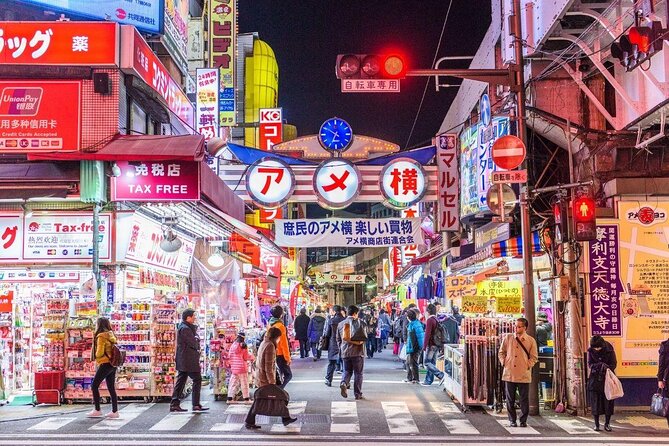
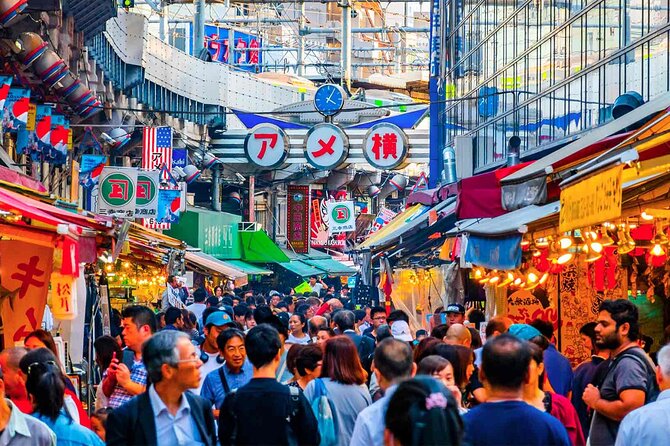
Ameyoko runs along the Yamanote Line between Okachimachi and Ueno stations. Its name is commonly linked to Ameya Yokocho, or candy store alley, and the area has a market feel rather than the polished order of a large shopping mall.
I would choose Ameyoko if you want a lively first look at Tokyo’s everyday shopping culture. You might find food, small goods, and a wide mix of shops packed into a short stretch. The setting beside the railway tracks gives the area a distinctly urban character.
The listed visit is about 30 minutes, which is enough for a quick introduction but not a long shopping session. If you have a particular purchase in mind, tell your guide before arriving. That gives the guide a chance to focus the stop instead of simply walking the length of the street.
Ameyoko pairs well with Ueno or Kappabashi. It is less useful if your main goal is quiet old Tokyo streets or specialist pop-culture shopping.
Kappabashi: the place for cooks, restaurant goods, and odd souvenirs
Kappabashi Dogugai sits between Ueno and Asakusa and is lined with shops supplying restaurant operators. This is one of the most distinctive choices on the tour because it is built around professional kitchen needs, not just tourist shopping.
You might find cookware, tableware, knives, restaurant supplies, and the familiar plastic food displays associated with Japanese eateries. The exact shops and products you visit depend on your interests, so be clear if you are shopping for home cooking, gifts, or something more specialized.
This stop is especially useful with a guide because shopping for kitchen goods can raise questions about quality, price, use, and how to communicate in a shop. A guide may also help you avoid buying something impractical for your luggage or home.
The 30-minute estimate is short for serious kitchen shopping. If Kappabashi is your main reason for booking, make it one of your top priorities and ask how much time can be given to it. It is not the best selection for someone who only wants general souvenirs.
Yanaka Ginza: a slower look at old-town Tokyo
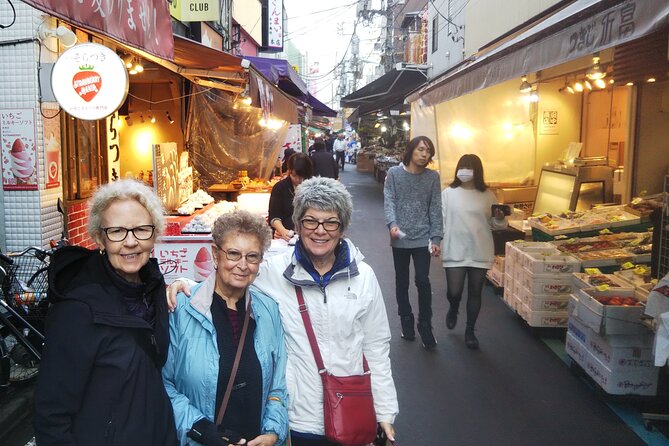
Yanaka Ginza is one of the clearest choices for an older Shitamachi atmosphere. The street has a more nostalgic feel than Harajuku or Akihabara, and it offers a chance to see Tokyo through neighborhood shops rather than major commercial brands.
I would choose Yanaka Ginza when you want your shopping day to include atmosphere and local character. You can browse small stores, look at everyday foods, and enjoy a change of pace from crowded market streets and youth fashion zones.
A guide adds value here by explaining how this part of Tokyo differs from newer commercial districts. You are not simply collecting purchases. You are seeing how an older neighborhood fits into a modern capital.
The drawback is distance and time. Yanaka Ginza does not naturally sit next to every other possible stop, so combining it with far-flung districts can reduce time for shopping. Choose it because you want the old-town setting, not just because it appears on a list.
Tsukiji: food, market culture, and a useful lunch stop
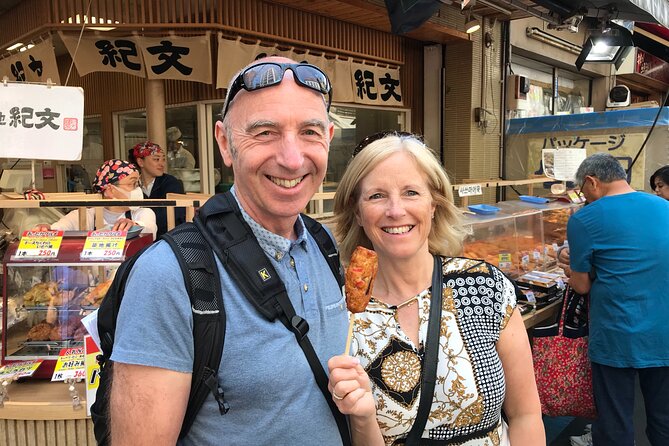
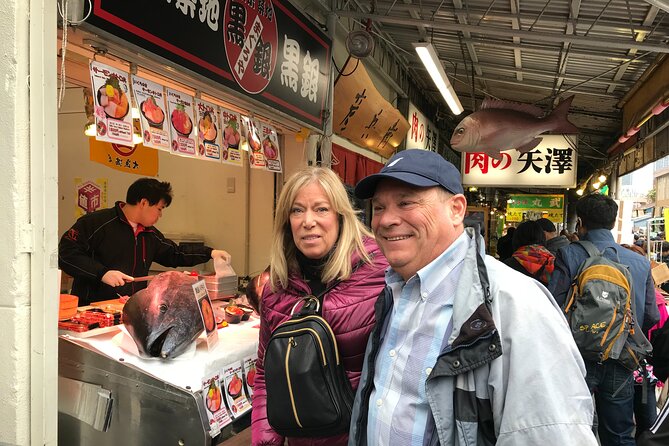
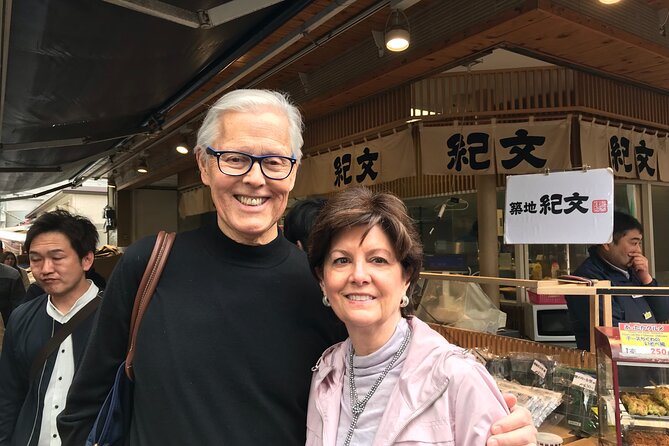
Tsukiji Fish Market is a natural choice for anyone interested in Japanese food. The tour description presents it as a way to explore Tokyo efficiently, with the guide meeting you at your hotel and then moving to the areas you choose.
A 30-minute stop gives you a taste of the market area, but it is not a long food tour. You may want to use this stop for a focused food browse, a few purchases, or a meal plan rather than expecting a full market exploration.
One guide helped a family find a lunch place with options for a picky teenager. That detail is useful because food preferences can shape a six-hour outing. Tell the guide about dietary needs or family concerns at the start, so lunch does not become an afterthought.
Tsukiji works well with Ameyoko for a food-centered day. It may be less appealing if you want fashion, anime, or traditional neighborhood streets.
Other private tours in Tokyo



Cat Street: youth fashion between Harajuku and Shibuya
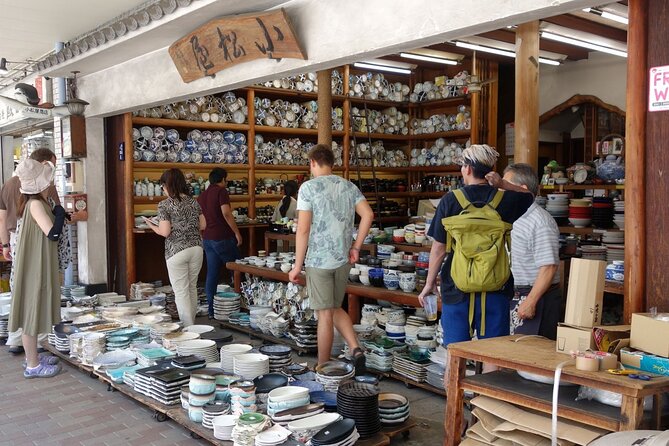
Cat Street is a mostly pedestrianized route between Harajuku and Shibuya. Its appeal is youth fashion and hip culture, with a different mood from the large-scale crowds and bright signs of nearby Takeshita Street.
Choose Cat Street if you want a more style-focused shopping stop. It can give your group a chance to browse fashion and walk between two major Tokyo districts without spending the entire day inside department stores.
The main point to understand is that Cat Street is about browsing and street atmosphere, not historic Tokyo. If you are looking for food markets or specialist kitchenware, use your limited time elsewhere.
Its location makes it easy to think of Cat Street and Takeshita Street as a pair. That can work for a fashion-centered itinerary, but you should ask your guide to distinguish the two rather than spending the whole morning on similar shopping.
Takeshita Street: Harajuku’s loud, youthful shopping strip
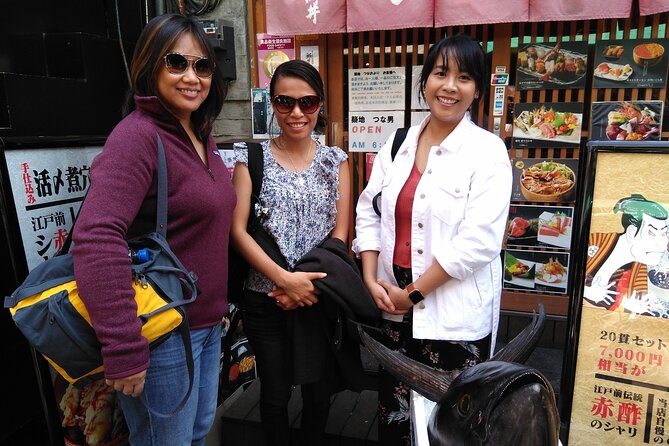
Takeshita-dori is a pedestrian shopping street where youth culture takes center stage. The options listed for this area include Calbee chips, candy floss, and crepes, along with the colorful fashion and snack culture associated with Harajuku.
This is a strong pick for families with teenagers or anyone who wants a playful, high-energy contrast to old Tokyo neighborhoods. It is also an easy place to turn shopping into a food stop.
You should expect a busy, highly commercial street rather than a quiet local market. That is not a flaw if you want Harajuku’s famous youth scene, but it may feel too hectic for shoppers who prefer specialist stores and calmer lanes.
A guide can help you make sense of the area and keep the stop focused. With only about 30 minutes listed, decide in advance if you care more about snacks, fashion, or simply seeing the street.
Shibamata: an old-school neighborhood away from central Tokyo
Shibamata lies at Tokyo’s eastern edge near the Edogawa River, which forms the natural boundary with Chiba Prefecture. It retains an old-fashioned character and offers one of the clearest changes of mood on the possible route.
I would choose Shibamata if you have already seen central Tokyo and want a neighborhood with a slower, more traditional feel. It is a good match for visitors who value local atmosphere as much as buying things.
The practical issue is travel time. Shibamata is not close to Harajuku, Shibuya, or central shopping streets, so the six-hour limit matters. A stop here makes more sense when your group specifically wants old-school Tokyo, rather than trying to squeeze it between several central districts.
This is also a good place to tell your guide that you prefer less familiar areas. Hiro, for example, focused a tour on off-the-beaten-path parts of Tokyo, while other guides adjusted routes around specific requests.
Akihabara: electronics, anime, and modern Japanese pop culture
Akihabara is famous for electronics shops and has also become a center for Japanese anime and related pop culture. It is the obvious choice for anyone shopping for electronics, anime goods, or a particular interest connected to modern Japanese entertainment.
The district can be overwhelming if you do not know what you want. A private guide can help you use the time well, especially when your group has a clear interest. One shopping day combined cooking goods in one part of Tokyo with anime shopping in another, using the subway between them.
That example also shows why transport planning matters. Tokyo is large, and the guide’s help with subway routes can save time and reduce stress. Train fares remain your responsibility, and this is not private transportation.
Akihabara is a poor fit if your priority is traditional Tokyo or food markets. It is a very good fit if one person in your group has a strong pop-culture shopping goal and you want help navigating the district.
How the six-hour private format works in practice
The tour lasts about six hours and offers several morning start times. Pickup is included in the sense that your guide meets you on foot at your hotel or an agreed location within the designated Tokyo area. You do not get a private vehicle, and transportation fees are not included.
That distinction should shape your expectations. You are booking a guide and a customized walking plan, not a chauffeured sightseeing day. You will walk, use public transportation, and pay your own train fares, lunch costs, entrance fees, and personal purchases.
The private setup is useful for families and mixed-interest groups. One person can focus on cooking, another on anime, and a teenager on fashion or snacks. A guide can also help translate in shops, find a lunch spot with several choices, and make subway connections less intimidating.
The meeting point deserves attention. One guide was praised for arriving on time, being easy to spot with a sign, and checking the meeting place in advance. Give the operator clear hotel details and read the pickup wording carefully, since the tour is on foot.
What the $154.37 price buys you
At $154.37 per person, the value depends on your group size and how much help you need. You are paying for about six hours of one-to-one guiding, route planning, local context, shopping assistance, and the ability to shape the day around your interests.
The price is easier to justify if you would otherwise lose hours finding the right districts, working out subway routes, or trying to explain shopping needs in stores. It is also more useful early in your Tokyo visit, when a guide can help you understand the city and point you toward areas that fit your plans.
The cost is harder to justify if you already know Tokyo well, speak enough Japanese for your shopping needs, or only want to browse one neighborhood. In that case, public transit and a self-guided outing will cost much less.
Group discounts are available, but the supplied details do not state the discount amount. Transportation, lunch, admission fees, and personal expenses are extra, so budget for those on top of the booking price.
The guides are part of the value
The experience is built around the individual guide, and the named guides bring different strengths. Izumi began one outing by laying out options and letting the family choose. Sam matched the route to a shopper’s specific needs. Noripy helped with subway navigation, shop translation, and lunch for a family with a picky teenager.
Steve was noted for careful attention, local information, and warmth. Hiro focused on less familiar Tokyo areas. Ayako helped with a shopping day that moved between different parts of the city, while Kazuo prepared by checking the meeting place and the planned stops in advance.
You cannot necessarily request every named guide, but these examples show what to ask for. State your shopping purpose, preferred pace, family needs, and must-see districts before the tour. The clearer you are, the more useful the private format becomes.
The tour is offered with a licensed local English-speaking guide. English ability and guiding style can vary by person, but the experience is designed for cultural explanation and practical help, not just escorting you from one station to another.
Who should book this Tokyo shopping tour?
This tour suits you if:
- You want a private day built around your own shopping interests.
- You are nervous about Tokyo’s subway system or large central districts.
- Your group has different priorities.
- You want help communicating in shops.
- You prefer local streets and markets to a standard sightseeing circuit.
- You need assistance choosing a lunch stop for a mixed group.
- You want to combine food, fashion, traditional neighborhoods, and pop culture in one day.
It may not suit you if you want a fixed sightseeing tour with guaranteed stops, private vehicle transport, or a low-cost way to browse one shopping street. It is also not ideal for trying to visit all eight possible areas in six hours.
Most people can participate, and service animals are allowed. Since this is a walking tour, consider your group’s comfort with walking and public transit before booking.
Should you book it?
Book this tour if your best Tokyo day would include three or four very different shopping areas and you want a local guide to connect them. The strongest reasons are the private planning, subway help, shop translation, and the chance to tailor the outing for food, cooking, fashion, anime, or old Tokyo.
I would book it early in a Tokyo stay, especially if you are visiting for the first time. You will get the most value by sending a short wish list before the day begins and choosing priorities that are close enough to make six hours count.
Skip it if you only want a single market or shopping street, or if the added price feels high once train fares and meals are included. For the right group, though, this is a practical way to turn Tokyo’s size from a problem into part of the experience.
Free cancellation is available up to 24 hours before the start time. Changes or cancellations made less than 24 hours ahead are not accepted for a refund.
FAQ
How long is the Tokyo Shopping Street Hopping tour?
The tour lasts approximately six hours.
How many shopping areas can I choose?
The tour includes a customizable itinerary of three or four sites from the listed options.
Which shopping districts can be included?
Possible stops include Ameyoko Shopping Street, Kappabashi Street, Yanaka Ginza, Tsukiji Fish Market, Cat Street, Takeshita Street, Shibamata, and Akihabara.
Is hotel pickup included?
Your guide meets you on foot at your hotel or within the designated Tokyo area. This is not private vehicle pickup.
Is transportation included in the price?
No. Transportation fees are not included, and private transportation is not provided.
Is lunch included?
No. Lunch is an additional personal expense.
Is the tour private?
Yes. Only your group participates in the private tour, and multiple tour groups cannot be combined.
Can I cancel for a full refund?
Yes. You can cancel up to 24 hours before the experience start time for a full refund. Changes or cancellations made less than 24 hours before the start time are not accepted.
More Shopping Tours in Tokyo

More Private Tours in Tokyo
More Guided Tours in Tokyo

More tours in Tokyo we've reviewed












Shopping Tours, compared.
 ★ 5.0Tokyo Tsukiji Fish Market Food and Culture Walking TourFrom $99
 ★ 5.0Tokyo: Tsukiji Fish Market Food and Walking tourFrom $30
 ★ 4.9Tokyo: Tsukiji Fish Market Guided Walking TourFrom $222 hours
 ★ 5.0Tsukiji Fish Market Guided Tour and Sushi Making with Pro ChefFrom $104
★ 4.7Tokyo: Tsukiji Fish Market Food and Culture Walking TourFrom $963 hours
★ 5.0Tsukiji Fish Market Guided Tour and Sushi Making with Pro ChefFrom $104
★ 4.7Tokyo: Tsukiji Fish Market Food and Culture Walking TourFrom $963 hours
 ★ 5.0Tsukiji Fish Market: Street Food & Culture Walking TourFrom $33