Reviewed · HAKONE DAY TRIPS
From Tokyo to Hakone: Train Tickets and Hakone Free Pass
Hakone gives you a full day of hot springs, mountain transport, sculpture, and Lake Ashi scenery without the fuss of arranging each ticket yourself. The best part is the mix of round-trip Odoriko train travel and the Hakone Free Pass, which lets you shape the day around your own interests. I also like the seven-hour window, long enough for a focused route without turning the outing into an overnight stay.
In This Article
- Key points at a glance
- Why this Tokyo to Hakone package works
- The 9:00 AM departure from Tokyo Station
- Odawara is your gateway to Hakone
- The Hakone Open-Air Museum
- Riding the Tozan Cable Car and ropeway
- Owakudani and the famous black eggs
- Lake Ashi and the Hakone Pirate Ship
- How to use the seven-hour window
- What the lack of a guide means
- Tickets, hotel delivery, and the details that matter
- Who should book this day trip?
- Is the $103 price good value?
- My verdict on the Hakone package
- FAQ
- Where does the experience begin?
- Which train takes you to Hakone?
- How long do I have in Hakone?
- Is a tour guide included?
- What does the Hakone Free Pass cover?
- How do I receive the train tickets?
The catch is simple: this is not a guided tour. Your seats are assigned, your trains are fixed, and you must make the connections yourself. If you prefer to follow a leader and hear explanations along the way, this package may feel too hands-off.
Key points at a glance
- Reserved Odoriko trains: Leave Tokyo Station at 9:00 AM and reach Odawara at 10:01 AM on the designated limited express.
- Seven hours in Hakone: Use the time for the Open-Air Museum, Owakudani, the cable car and ropeway, or Lake Ashi.
- Hakone Free Pass included: The pass covers fares for most facilities in Hakone, making a multi-stop day easier to budget.
- Owakudani eggs: Try the famous hard-boiled eggs cooked in the valley’s hot volcanic waters.
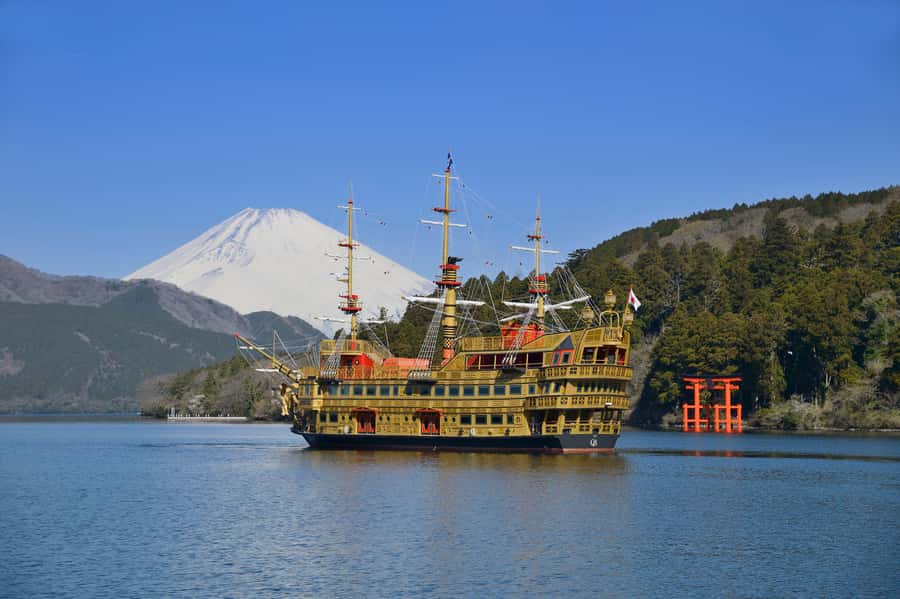
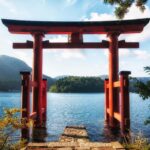
- Pirate Ship cruise: Sail across Lake Ashi for views of Mt. Fuji and the torii gate of Hakone Shrine.
- Independent travel: No guide accompanies you, and the reserved return train cannot be changed.
Why this Tokyo to Hakone package works
This experience is best understood as a transport-and-access package, not a traditional sightseeing tour. You receive a round-trip limited express fare from Tokyo Station to Odawara Station, plus a Hakone Free Pass for getting around the area.
That division matters. The train handles the long trip from Tokyo, while the pass gives you options once you reach Hakone. You can visit one major sight at a relaxed pace, or link several stops by train, cable car, ropeway, and boat.
I like this setup for independent visitors who already know what they want to see. You do not have to wait for a group at each stop, and you are free to spend more time at the places that interest you most.
The price is $103 per person. That is not a bargain for a simple train ride, but the value improves if you use the Hakone Free Pass for several forms of transport and attractions during the day. A short visit centered on one stop may not make the package feel as worthwhile.
You also need to accept the limits. The trains are reserved and assigned. The departure time is fixed, and the return train is selected in advance. This is freedom within a schedule, not a fully flexible day.
A few more Hakone tours and experiences worth a look

The 9:00 AM departure from Tokyo Station
Your day begins at Tokyo Station at 9:00 AM. There is no guide waiting to lead you to the platform, so you must board the designated limited express train by yourself.
The train listed for the outbound trip is the Limited Express Odoriko. It is scheduled to reach Odawara at 10:01 AM. That gives you a useful start in Hakone, but you should treat the boarding instructions seriously. A reserved seat does not remove the need to find the right train.
The final express departure and arrival times are confirmed about 10 days before the activity. You receive those details by email after the schedule is finalized. The return departure falls within the stated window of 2:49 PM to 5:48 PM, but your exact train is determined in advance.
This arrangement is practical if you like a clear plan. It is less suitable if you want to decide at the last minute when to leave Hakone. You cannot reschedule the designated train.
Odawara is your gateway to Hakone
The train ends at Odawara Station rather than taking you directly to every Hakone sight. From here, the Hakone Free Pass becomes the useful part of the package.
Hakone is spread across several areas, so your route matters. A day can include museums, mountain railways, volcanic viewpoints, and a lake cruise, but trying to do everything may leave you rushing from one connection to the next.
For that reason, I would choose a main route before leaving Tokyo. The sample plan links the Hakone Open-Air Museum, the Hakone Tozan Cable Car and ropeway, Owakudani, and Lake Ashi. You can follow that pattern, shorten it, or focus on only the stops that suit you.
The Free Pass covers fares for most facilities in Hakone. It is designed for movement around the area and can make a multi-stop day simpler than buying individual fares. Still, check what is covered as you plan, since the wording is most facilities rather than every possible service or purchase.
The Hakone Open-Air Museum
The Hakone Open-Air Museum is a strong first stop if you enjoy art but do not want to spend the morning inside a conventional gallery. The setting combines 20th-century sculptures with open space and views around the museum grounds.
This stop gives your day a slower beginning. Instead of immediately chasing the next cable car or boat, you can walk among large works and take in the connection between sculpture and the surrounding scenery.
I would allow enough time to see more than the first few pieces near the entrance. The museum is one of the places where rushing defeats the point. At the same time, you have only seven hours in Hakone, so an extended visit may force you to cut Owakudani or Lake Ashi.
The museum is also a sensible choice for mixed-interest groups. One person can focus on the art, while others can enjoy being outdoors. Since you travel independently, you decide when the visit is complete.
Riding the Tozan Cable Car and ropeway
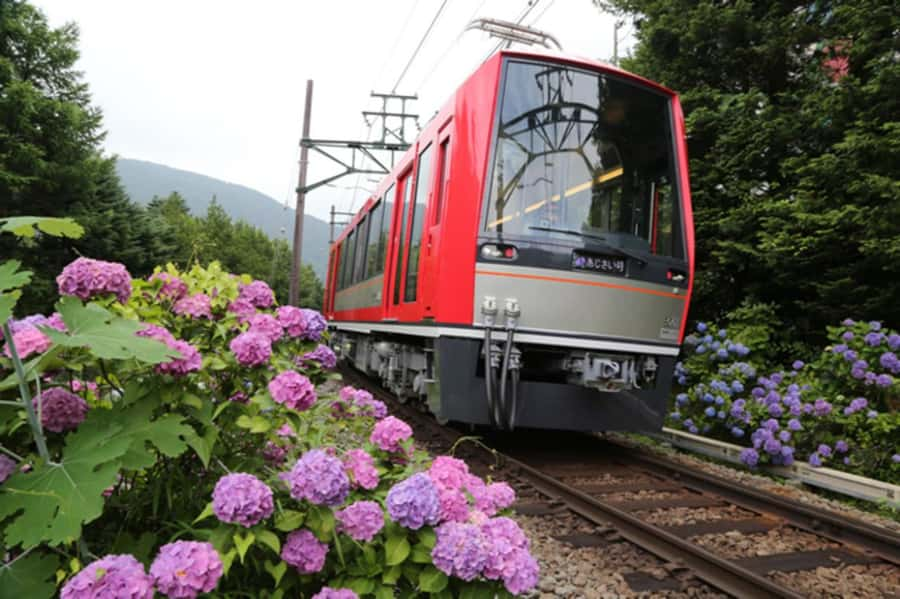
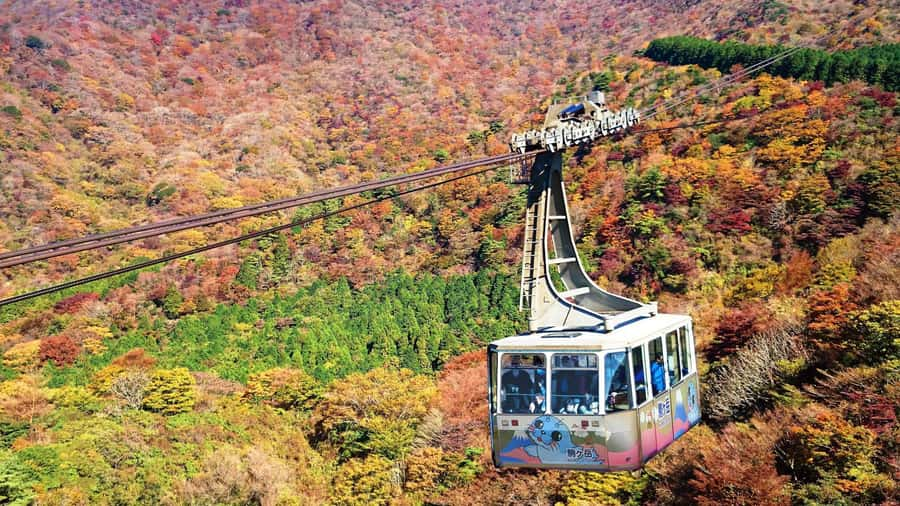
The Hakone Tozan Cable Car and ropeway provide the most memorable transport section of the suggested route. Instead of treating the journey as dead time between attractions, you get a changing view as you move higher into the Hakone area.
The cable car is part of the Hakone experience itself. The ropeway then carries you toward Owakudani, the volcanic valley known for hot springs and steaming ground. The Free Pass is particularly useful here because your day can include several linked transport segments.
Keep an eye on the clock. Cable cars, ropeways, and boats each run on their own timetable, and the return train from Odawara is fixed. A long stop at the museum or Owakudani can affect the rest of your route.
The route is also worth considering for accessibility. The activity is listed as wheelchair accessible, but the practical ease of each transfer can depend on station conditions and the exact route you choose. If you use a wheelchair, confirm the intended transport sequence before setting out.
Owakudani and the famous black eggs
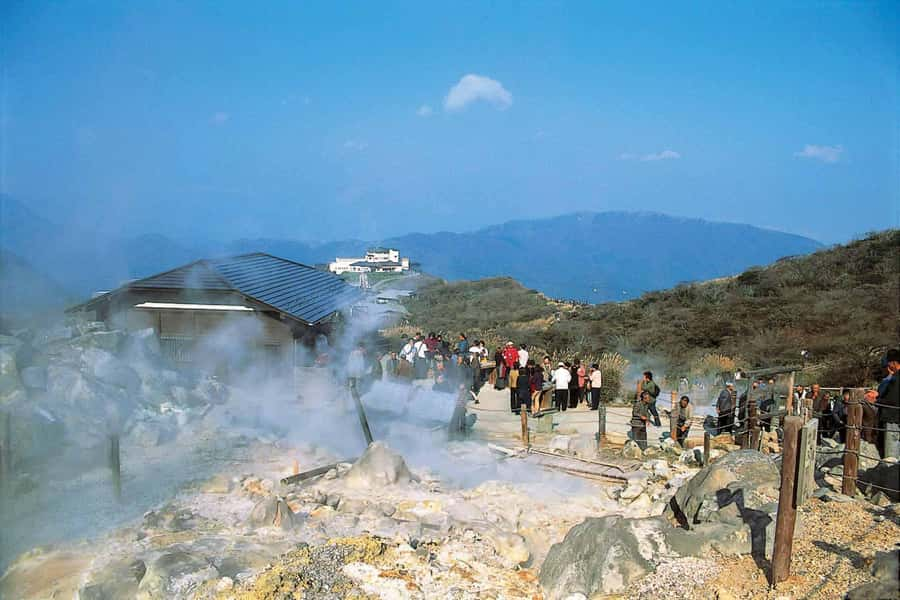
Owakudani is the most unusual stop on the suggested plan. It is known for hard-boiled eggs cooked in the valley’s volcanically hot waters. The local saying gives eating them an extra seven years of life, which adds a touch of Japanese folklore to the stop.
The eggs are a small experience, but they give Owakudani a clear sense of place. You are not simply looking at a viewpoint or buying an ordinary snack. The food is tied directly to the volcanic activity beneath the valley.
You should think of Owakudani as a short, distinctive stop rather than the whole day. The appeal comes from the combination of the ropeway ride, the volcanic setting, and the eggs. Food and drinks are not included in the package, so anything you buy there is your own expense.
Conditions around a volcanic area can affect how much you see, but no specific operating restrictions are provided here. Keep your plans flexible enough to move on if access or transport changes.
Lake Ashi and the Hakone Pirate Ship
Lake Ashi brings a different mood to the day. After the museum and mountain transport, the Hakone Pirate Ship cruise gives you time on the water and a chance to see the area from another angle.
The cruise is included in the suggested route, and the Hakone Free Pass helps make this multi-part day possible. You can look for views of Mt. Fuji and the torii gate associated with Hakone Shrine from the lake.
Mt. Fuji views are never something to treat as guaranteed, so I would consider them a bonus rather than the sole reason to book. Even without a clear view, the boat ride adds a pleasant change of pace and helps connect the mountain area with the lake.
The cruise does require careful timing. You need to fit the boat into the wider sequence of cable car, ropeway, and return train connections. A plan that looks easy on paper can become tight if you linger too long at an earlier stop.
How to use the seven-hour window
Seven hours sounds generous, but Hakone spreads its sights across a network of transport lines. Your real sightseeing time includes the movement between stops, waiting for departures, and finding the correct platform or pier.
A sensible approach is to choose two major stops and treat the others as optional. For example, the Open-Air Museum and Owakudani create a solid art-and-volcanic day. Adding Lake Ashi makes the day more varied, but it also leaves less room for a long museum visit.
If the lake cruise matters most to you, build the day around its departure time and work backward. If Owakudani is your priority, reach it before spending too long elsewhere. The package gives you choices, but it does not remove the need to rank them.
The final return train is the most important fixed point. Leave enough margin to reach Odawara without relying on the last possible connection. Missing a reserved train would be far more stressful than skipping one optional stop.
What the lack of a guide means
No guide accompanies you from Tokyo or around Hakone. That is the main difference between this package and a standard guided excursion.
The advantage is privacy and control. The booking is listed as a private group, so you are not tied to a larger sightseeing party or a guide’s speaking schedule. You can move at your own speed and spend your time on the sights you chose.
The tradeoff is that explanations are limited to whatever information you gather on your own. You must handle the train, read the instructions, keep track of your pass, and watch the time.
I would recommend this package to confident visitors who are comfortable using public transport. It also suits repeat visitors who want a practical way to reach Hakone without paying for a full guided day.
First-time visitors can still enjoy it, but you should plan the route before departure. The strongest experience comes when you know which stop matters most and which one you are willing to drop.
Tickets, hotel delivery, and the details that matter
The itinerary and limited express tickets are sent to your hotel accommodation. They are not delivered to Airbnb accommodations or certain private residences, so you need a hotel that can accept the package at reception.
When booking, provide the hotel name, full address, phone number, check-in and check-out dates, and the reservation name. You are expected to collect the materials from reception after checking in.
This requirement is more important than it may first appear. The train tickets are for designated departures, and the package provider needs accurate delivery details. If the hotel information is not received, the booking is treated as canceled without a refund.
You can cancel for a full refund up to 10 days in advance. After that point, the fixed-ticket arrangement gives you little room to change plans, so book only after your Tokyo and hotel schedule is firm.
Who should book this day trip?
I would choose this experience if you want to see Hakone independently and value transport convenience more than personal guiding. It is especially useful for someone who wants several Hakone activities in one day and can keep a close eye on the clock.
The package suits:
- Independent visitors comfortable boarding trains alone
- Art lovers who want time at the Hakone Open-Air Museum
- People interested in volcanic scenery and Owakudani’s eggs
- Anyone who wants to combine mountain transport with a Lake Ashi cruise
- Small private groups that prefer their own pace
I would hesitate if you dislike fixed schedules, need help with every transfer, or want to decide your return time after arriving. The seven-hour visit is workable, but it rewards clear choices rather than spontaneous detours.
Is the $103 price good value?
At $103 per person, the package asks you to pay for convenience and coverage, not luxury. The round-trip limited express fare removes the need to arrange the Tokyo to Odawara journey separately, while the Hakone Free Pass can support a full day of local transport and sightseeing.
The value depends on how much of Hakone you use. A day that includes the museum, cable car, ropeway, Owakudani, and Pirate Ship makes better financial sense than a day built around a single location.
You also save planning effort. Instead of working out every local fare in advance, you have one pass for most facilities and a reserved train in each direction. That is useful in a region where several types of transport form one sightseeing route.
Food, drinks, and personal purchases are extra. The package also does not include a guide, so the price should be compared with other independent day-trip options rather than with a fully escorted tour.
My verdict on the Hakone package
Book this experience if you want a structured but independent day from Tokyo. The best features are the reserved Odoriko train, the Hakone Free Pass, and the chance to combine sculpture, volcanic scenery, and a Lake Ashi cruise in one outing.
Do not book it expecting a guided tour or a flexible return. You must collect the tickets at your hotel, board the designated trains alone, and manage a busy seven-hour route yourself.
For an organized independent day, the package offers a practical way to see Hakone’s main attractions. For a slower visit, choose fewer stops and accept that you may not fit everything into the schedule.
FAQ
Where does the experience begin?
You begin at Tokyo Station and must board the designated limited express train by yourself. The stated departure time is 9:00 AM.
Which train takes you to Hakone?
The outbound journey uses the Limited Express Odoriko from Tokyo Station to Odawara Station. The scheduled arrival is 10:01 AM.
How long do I have in Hakone?
You have seven hours to explore Hakone before returning to Odawara for the designated train back to Tokyo.
Is a tour guide included?
No. This is an independent experience, and no guide accompanies you on the train or during your time in Hakone.
What does the Hakone Free Pass cover?
The pass covers fares for most facilities in Hakone. Food, drinks, and personal expenses are not included.
How do I receive the train tickets?
The itinerary and limited express tickets are sent to your hotel accommodation. Delivery is not available to Airbnbs or private residences, and you must provide accurate hotel and reservation details.
More Hakone Day Trips in Hakone
More tours in Hakone we've reviewed
Hakone Day Trips, compared.
 ★ 5.0Mt Fuji and Hakone 1-Day Bus Tour Return by Bullet TrainFrom $163
 ★ 4.0Mt Fuji & Hakone Cruise, Drum Show Bullet Train 1 Day from TokyoFrom $149
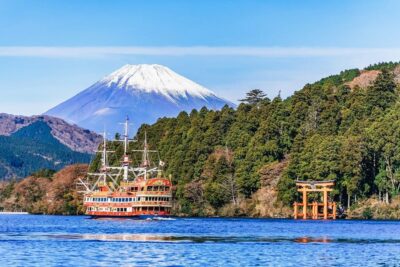 ★ 4.4Tokyo Mt Fuji 5th St & Hakone Cruise Bus Tour w/Bullet TrainFrom $15410 hours
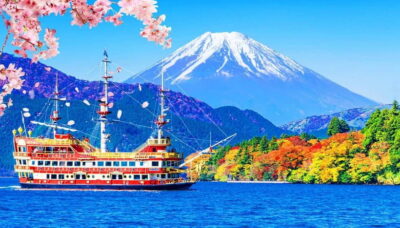 ★ 4.7Tokyo: Mt. Fuji Tour, Hakone Ropeway, Owakudani, Lake AshiFrom $5410 hours
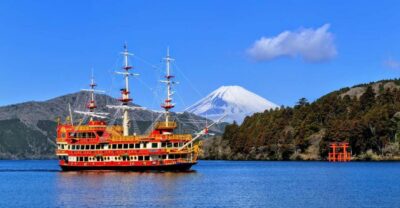 ★ 4.2Tokyo: Mt. Fuji 5th Station & Hakone Cruise 1-Day Bus TourFrom $12911 hours
 ★ 5.0Private Tour to Mt. Fuji and Hakone (Fully Licenced Operator)From $497