Reviewed · TEA CEREMONY & MATCHA
At an Antique Shop, Tea Ceremony and Japanese Sweets Forming
A 100-year-old antique tableware shop is an unusual place for a Japanese tea ceremony. Here, you first browse cups and dishes, then make colorful nerikiri wagashi before moving into a dedicated tea room for matcha and sweets. The shop’s distinctive setting even brought a CNN interview.
In This Article
- Key points to know before booking
- Why this antique shop changes the experience
- Starting with a slow look at the tableware
- Making seasonal nerikiri with your hands
- Choosing a cup that may be centuries old
- Sitting in the dedicated tea room
- What the English support is really like
- Is $57 a fair price in Tokyo?
- Getting to the meeting point near Nippori
- Who should book this experience
- Practical booking advice before you pay
- Should you book the antique shop tea ceremony?
- FAQ
- Where does the tea ceremony and wagashi activity take place?
- How far is the venue from Nippori Station?
- What kind of Japanese sweet will I make?
- Do I get to choose the teacup?
- Is the tea ceremony performed while sitting on the floor?
- Is English available during the activity?
- Is the activity suitable for children?
- Is the venue wheelchair accessible?
- Can I cancel for a full refund?
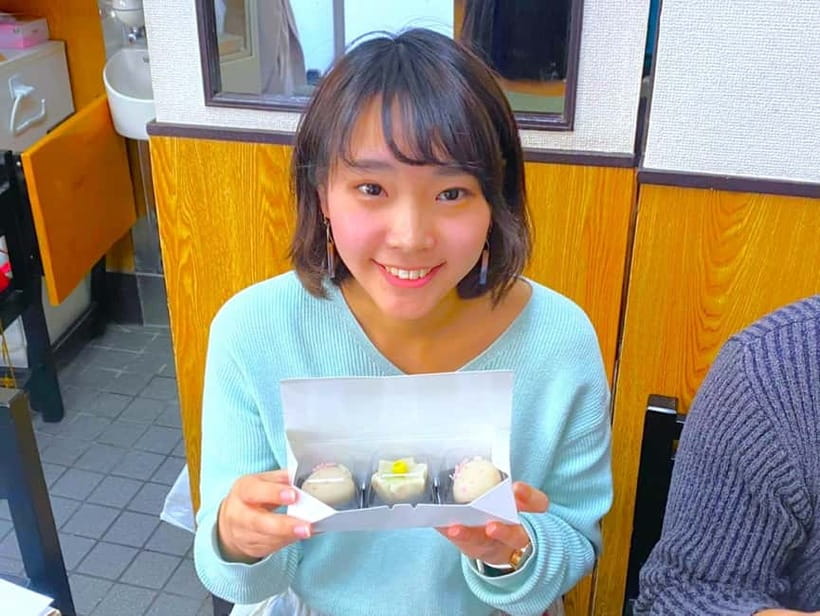
I like that you can choose the teacup used during the ceremony, with some cups several hundred years old. I also like the hands-on sweet-making, which gives you something to do rather than asking you to sit quietly through a formal demonstration.
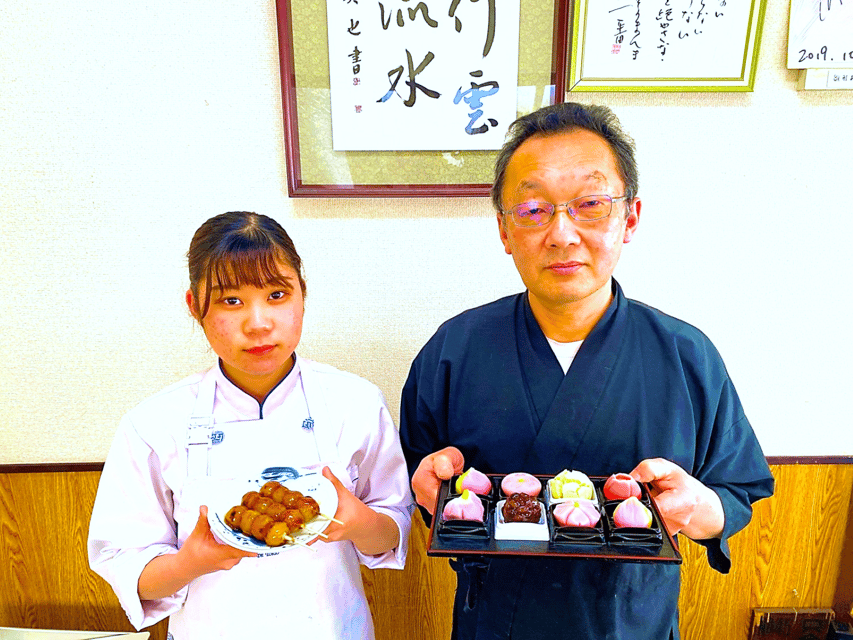
The main consideration is communication. The host is a Japanese artisan, not a polished commercial presenter, and English may be limited. That can make explanations less fluid, but it also keeps the experience personal and unforced.
Key points to know before booking
- A century-old shop replaces the usual apartment classroom: You spend the activity among antique tableware rather than in a plain rented room.
- You choose your own teacup: Some available cups are several hundred years old, adding a real sense of place to the tea service.
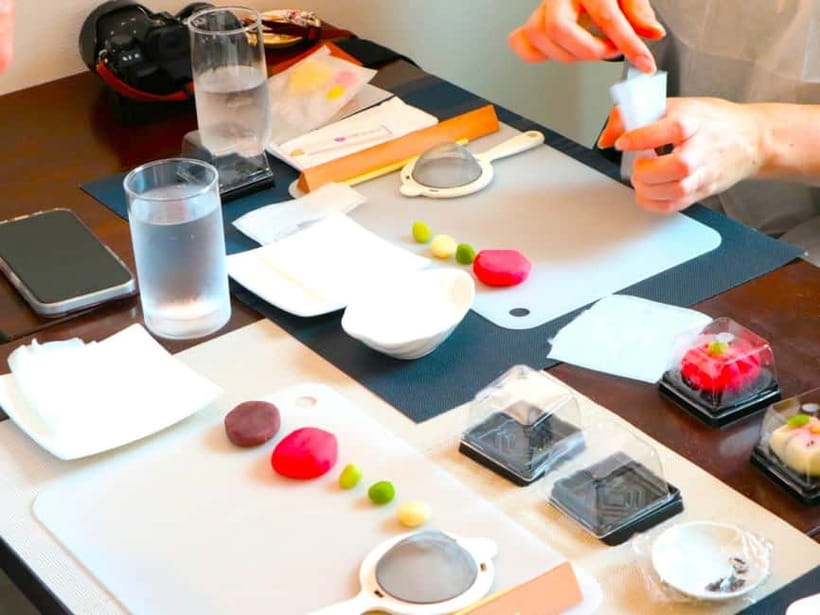
- Nerikiri is made by hand: You shape colored mochi-based materials into a seasonal Japanese design using simple tools.
- The tea room uses chairs: You do not need to sit on the floor, which makes the ceremony easier for many people.
- The experience is near Nippori Station: The meeting point is about a 10-minute walk from the station.
- The price is $57 per person: That covers the activity, materials, tools, facility use, matcha, wagashi, and consumption tax.
Why this antique shop changes the experience
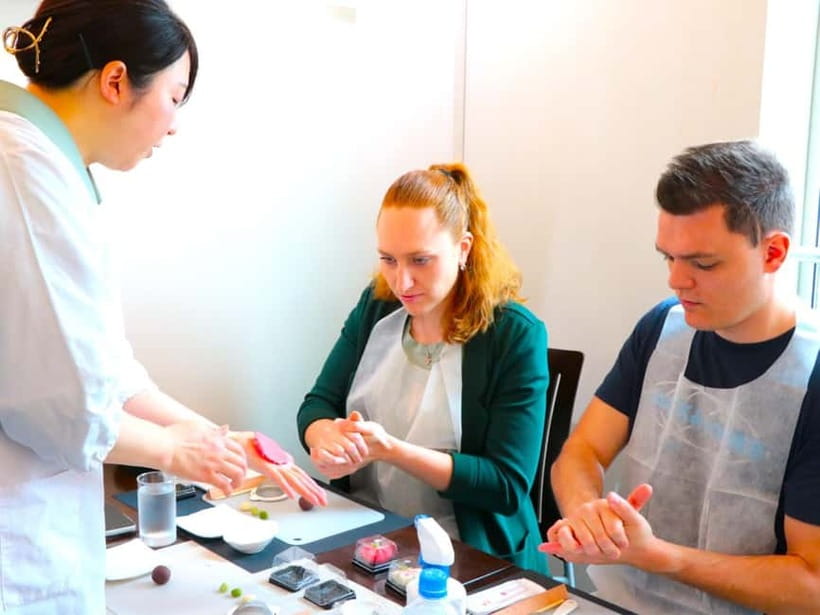
Many Tokyo tea activities take place in an apartment room or a modern studio. This one begins in a working antique tableware shop, where the surroundings are part of the lesson.
You can take time to inspect old plates, bowls, and teacups before the activity starts. That matters because Japanese tea is not only about the drink. The bowl, the sweets, the season, the movement of the host, and the setting all work together. In a regular classroom, those objects might be props. Here, they are the shop’s main stock.
The shop is described as roadside and about a century old. That gives the experience a less staged feel. You are not simply looking at a recreated tea room built for tourists. You are entering a place connected to Japanese tableware, with pieces that have been collected and cared for over many years.
The shop was also featured in a CNN interview. That does not automatically make the activity better, but it confirms that the setting has attracted attention beyond the local neighborhood. I would treat the CNN connection as an interesting detail, not the main reason to book. The stronger reason is the chance to handle and use historic tableware in the place where it is kept.
A few more Tokyo tours and experiences worth a look

Starting with a slow look at the tableware
When you arrive, the first part is not a lecture or a hurried introduction. You have time to look around the antique shop and settle in.
That opening is useful after a busy morning in Tokyo. Nippori is convenient, but the experience is not built around racing from one sight to another. You can shift your attention from city traffic to small details: the shape of a cup, the decoration on a dish, or the wear that shows an object has been used and preserved.
If you enjoy antiques, allow yourself time to look carefully. The shop may also offer tableware for purchase, but buying anything is optional and not part of the $57 fee. I would not book this mainly as a shopping stop unless you are comfortable treating the activity and any purchase as separate expenses.
The antique surroundings also give the host something meaningful to talk about, even if the English explanation is not extensive. Ask questions. The host welcomes them, and conversation is presented as an important part of the tea ceremony.
Making seasonal nerikiri with your hands
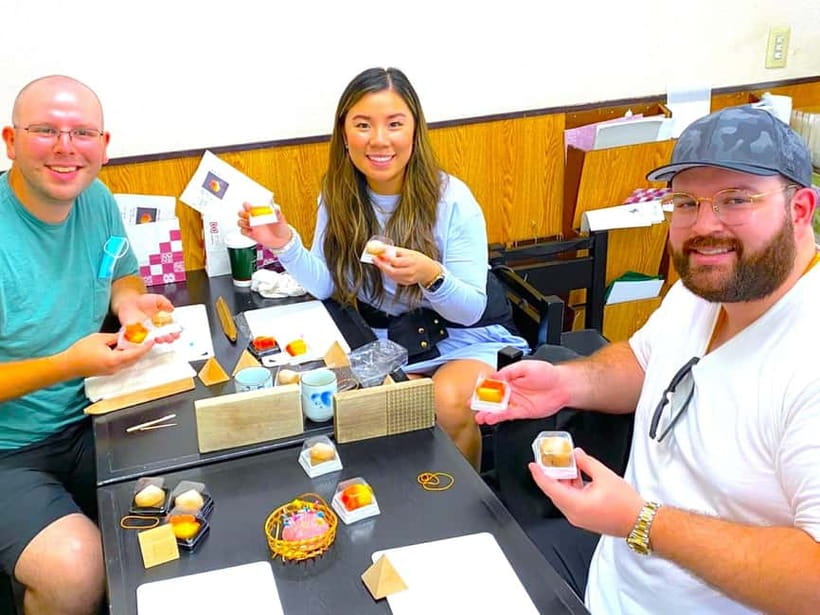
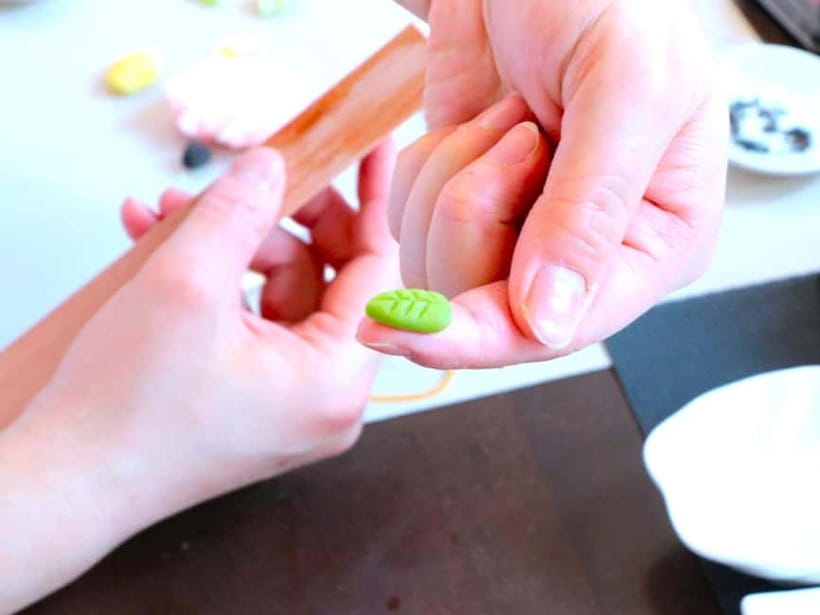
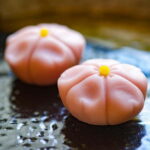
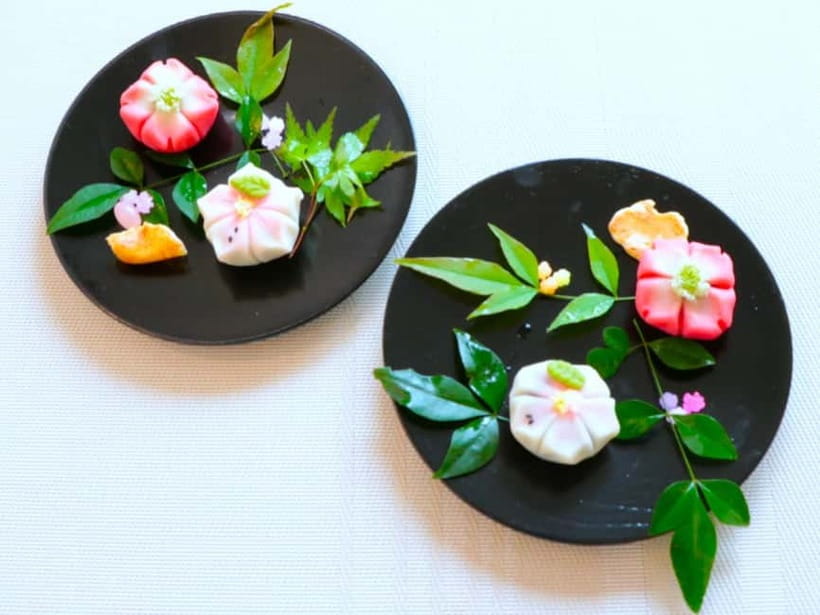
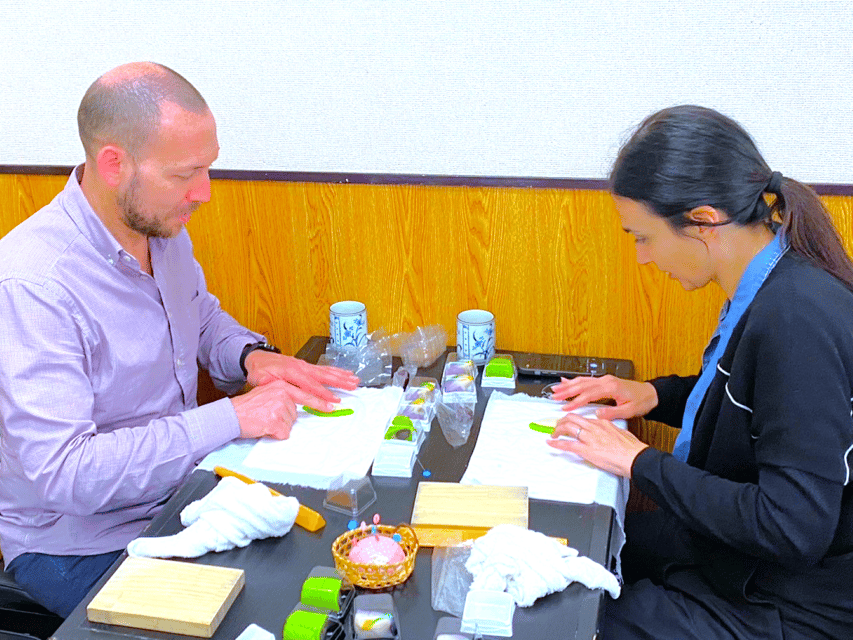
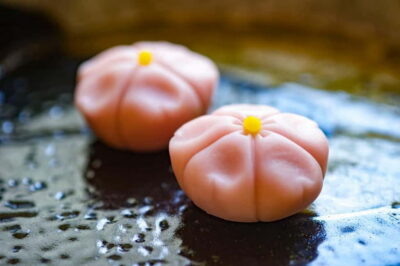
The sweets portion centers on nerikiri, a Japanese wagashi made with mochi flour. You work with several colored materials and shape them by hand into the design chosen for that day.
The process is compared to working with colorful clay. That is a helpful way to picture it. You are not expected to be an experienced cook or a skilled artist. Instead, you form the soft materials, add details, and use small tools to create lines and patterns that suggest the seasonal theme.
This is the most active part of the experience. You are not just watching a Japanese craft. You are making something that will later be served with your matcha.
The forming process sounds simple, but it rewards patience. Small changes in pressure can alter the shape, and the fine lines help turn a plain piece of colored dough into a flower or another seasonal figure. Do not expect every sweet to look exactly like the host’s sample. The value is in seeing how the finished design is built from basic shapes.
I especially like the order of the activity. You make the sweet first, then eat it during the tea ceremony. That creates a clear connection between the craft and the formal service. You understand the work behind the confection, and you are more likely to notice its texture and appearance when it reaches the tea room.
The activity is suitable for people with little cooking experience, but it does require handwork and attention. If you want a purely passive cultural show, this may feel too involved. If you like making something small and personal, it is a strong part of the program.
Choosing a cup that may be centuries old
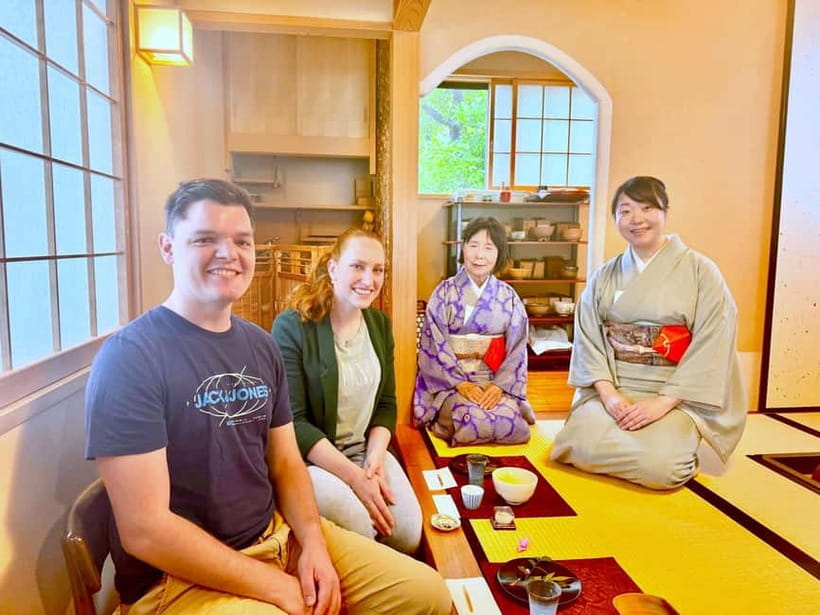
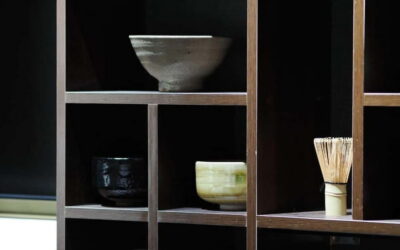
After making your wagashi, you choose the teacup used for the tea ceremony. Some of the cups are several hundred years old.
That choice is a small detail with a big effect. Instead of receiving a standard cup selected in advance, you get a moment to consider the object in your hands. You may notice its color, shape, glaze, or decoration before deciding which one feels right for your tea.
Of course, an old cup should be handled with care. I would expect the host to guide you, and you should follow those instructions closely. The point is not to treat the cup like a souvenir prop. It is to use a genuine piece of tableware in the way it was intended to be used.
This also gives the tea ceremony a more personal rhythm. The same matcha served in a modern cup would still be Japanese tea, but selecting an old cup makes the service feel connected to the shop’s purpose.
Antique lovers may be tempted to buy something after the activity. The shop allows purchases, but the experience fee does not include tableware. Keep that distinction clear when planning your budget.
Sitting in the dedicated tea room
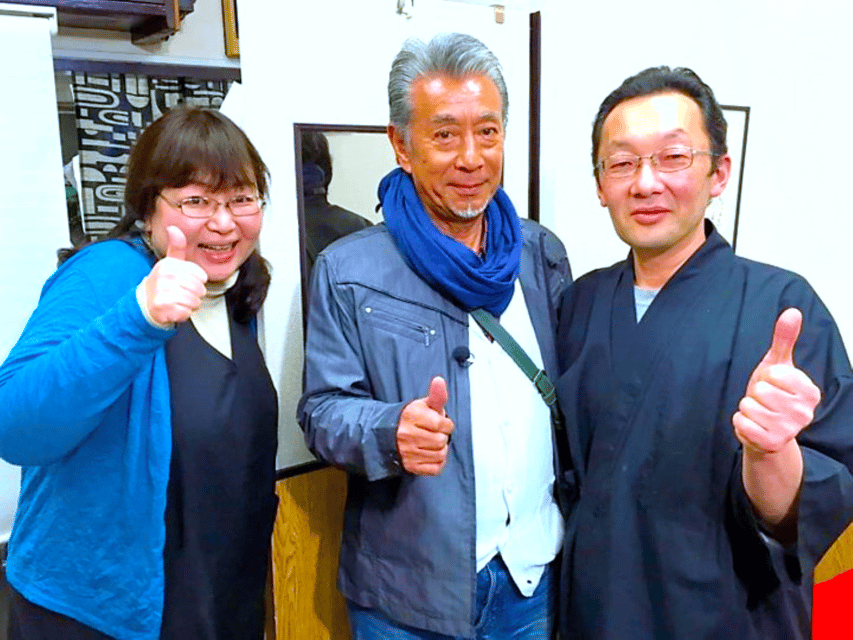
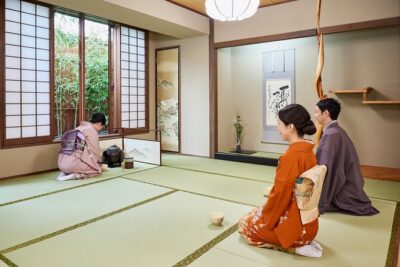
The ceremony takes place in a dedicated tea room within the shop. The room is arranged with chairs, rather than requiring you to kneel or sit on the floor.
That is good news if you have stiff knees, limited flexibility, or simply prefer a more comfortable seated position. The activity is not wheelchair-friendly, but the chair-based arrangement may make it easier for some people who find traditional floor seating difficult.
The host serves the confection first, followed by real matcha. The tea is described as not sweet, so do not expect the sugary green tea drinks common in cafes outside Japan. The wagashi provides the sweet contrast.
This order is part of the experience. The confection prepares your palate for the matcha, and the tea balances the sweetness. Since you made the nerikiri yourself, you have a better sense of how the two are meant to work together.
The ceremony also includes a chance to ask questions. That is important for anyone new to Japanese tea customs. You can ask about the tea, the cup, the sweets, or the meaning of a movement that seems unfamiliar.
Do not expect a large scripted show with constant narration. The host is described as an artisan, and the English level may be limited. The program is available in English, but some explanations may come through simple phrases, gestures, or demonstration. Bring curiosity and patience. A relaxed exchange may teach you more than a polished speech.
A few more Tokyo tours and experiences worth a look



What the English support is really like
The activity is offered in English, but the host does not speak English fluently. This is the clearest point where the experience may differ from a standard commercial tour.
If you need every step explained in detailed English, you may find the communication frustrating at times. The description makes clear that the host will do their best, but also asks you to understand that a Japanese artisan may not have strong English skills.
I would approach this as a demonstration supported by conversation, not as a long English-language lesson. Watch the host’s hands during the sweet-making. Ask short, direct questions. Be willing to repeat yourself or use simple wording.
That limitation has a practical upside. The program is not presented as a slick performance built around a memorized script. The personal exchange is part of the experience, and questions are encouraged. One particularly useful point from the feedback is that the instructor remained friendly despite English not being their first language.
Is $57 a fair price in Tokyo?
At $57 per person, this is not the cheapest way to drink matcha in Tokyo. You can find a tea or wagashi snack for much less. The price makes more sense when you count the complete activity: access to a historic shop, use of the facility and tools, sweet-making materials, the tea ceremony, matcha, wagashi, and tax.
You are paying for time and setting as much as for food. The antique tableware shop gives you a place you would not normally enter for a standard cafe visit. The nerikiri lesson adds a practical craft, and the tea ceremony gives you a cultural context for eating what you made.
I consider the price reasonable for someone who wants a focused Japanese activity near Nippori, especially if you value small groups and personal attention. The available feedback repeatedly praises the calm instruction, the friendly approach, and the quality of the wagashi and tea.
The value is weaker if you only want a quick taste of matcha or a photo in a traditional room. In that case, a simpler tea stop may suit you better. Book this when you want the full sequence: antique shop, hands-on sweets, selected cup, and tea service.
Getting to the meeting point near Nippori
The activity site is about 10 minutes from Nippori Station. Exact location details are provided after you reserve, so allow enough time to find the shop and arrive before the start.
Nippori is a useful area for this kind of visit because the activity is not tied to one of Tokyo’s major tourist attractions. You are going to a local shop rather than adding another crowded landmark to your day.
Late arrival will not extend the program. It ends at the scheduled time, so arriving late means losing part of the sweet-making or tea ceremony. I would avoid scheduling this directly before a timed train, restaurant booking, or major sightseeing ticket.
The activity returns to the same meeting point. There is no separate drop-off or onward transportation included.
Who should book this experience
I would recommend it to adults and older teenagers who enjoy craft, food, antiques, and quiet cultural activities. The minimum age is 13, and anyone under 18 must attend with an adult.
It is also a good choice if you have already seen Tokyo’s large temples and shopping districts and want something smaller in scale. The program gives you a close look at objects, food, and ceremony rather than a broad tour of the city.
It may suit you especially well if you:
- Like making things with your hands
- Want to taste real matcha rather than a sweetened cafe drink
- Enjoy antique tableware
- Prefer chairs to sitting on the floor
- Are comfortable with a host whose English may be limited
- Want an activity that works in a compact part of Tokyo
I would not choose it for children under 13, wheelchair users, or anyone who needs a fully accessible venue. It is also not suitable if you are unwell, have a cold, have epilepsy or vertigo, or plan to arrive under the influence of alcohol or drugs.
The rules are strict about smoking, chewing gum, bare feet, baby strollers, and baby carriages. Unaccompanied minors are not accepted.
Practical booking advice before you pay
The experience costs $57 per person, and anyone entering the venue must pay even if they do not take part. If you plan to bring someone who only wants to watch, include that person in the booking request.
You can cancel up to seven days in advance for a full refund. After that point, the policy is less flexible, so do not reserve until your Tokyo schedule is fairly firm.
Wear something comfortable and suitable for handling food and antiques. The information does not specify a dress code beyond no bare feet, but clean, covered feet are required.
Most important, arrive ready to participate. The best part of this program is not simply being served tea. You shape the sweet, choose the cup, observe the service, and ask questions. Your interest will help make the conversation work even if English is not perfect.
Should you book the antique shop tea ceremony?
Book it if you want a personal, hands-on cultural experience with a setting that feels connected to Japanese tableware. The nerikiri workshop gives you an easy creative task, while the antique cup and chair-based tea ceremony add depth without demanding formal expertise.
I would also book it if you value calm instruction over a polished tourist show. The host may not explain everything in fluent English, and that is the main drawback. Still, the warm guidance, the chance to ask questions, and the unusual shop make this a strong choice for curious visitors aged 13 and up.
Skip it if you only want a quick drink, need wheelchair access, or prefer a fully scripted English presentation. For everyone else, $57 buys more than tea and sweets. It buys a small look at Japanese craft, hospitality, and tableware in a place with real character.
FAQ
Where does the tea ceremony and wagashi activity take place?
It takes place in a 100-year-old roadside antique tableware shop near Nippori Station in Tokyo. The exact location details are provided after booking.
How far is the venue from Nippori Station?
The experience site is approximately 10 minutes from Nippori Station.
What kind of Japanese sweet will I make?
You will make nerikiri, a wagashi made with mochi flour. You shape several colored materials by hand into the day’s seasonal design.
Do I get to choose the teacup?
Yes. You can choose the teacup used during the tea ceremony, and some cups are several hundred years old.
Is the tea ceremony performed while sitting on the floor?
No. The dedicated tea room is designed for the ceremony to be experienced while sitting in a chair.
Is English available during the activity?
English is the listed language. The host is a Japanese artisan and may not speak English fluently, but they will do their best to guide you and answer questions.
Is the activity suitable for children?
Participants must be at least 13 years old. Anyone under 18 must be accompanied by an adult.
Is the venue wheelchair accessible?
The activity is not suitable for wheelchair users. It is also not suitable for people with vertigo, epilepsy, a cold, or those who are unwell.
Can I cancel for a full refund?
You can cancel up to seven days in advance for a full refund. Late arrivals do not extend the scheduled activity, and people who are unwell or under the influence of alcohol will not be admitted without a refund.
More Dessert Tours in Tokyo
More Tea Ceremony & Matcha in Tokyo


More tours in Tokyo we've reviewed












Tea Ceremony & Matcha, compared.
 ★ 5.0Matcha Making Class in Tokyo with Authentic Japanese Sweets SetFrom $21
 ★ 5.0Kimono Tea Ceremony at Tokyo, Asakusa MaikoyaFrom $55
 ★ 5.0Tokyo: Traditional Tea Ceremony with a Tea MasterFrom $381 hour
 ★ 4.5Dynamic Tokyo: Tokyo Tower, Tea Experience, Bay Cruise Day TourFrom $99
 ★ 4.9Tokyo: Matcha Making Experience with Mochi Sweets in AsakusaFrom $221 hour
 ★ 4.7Tokyo: Matcha and Kimono ExperienceFrom $57