Reviewed · TAITO CITY
Tokyo: Private Tour with Hotel Pickup and Drop-off
Tokyo is a city where a private car can save your feet and your patience. This 10-hour private tour lets you choose the stops, then provides hotel pickup, transport, bottled drinks, and Wi-Fi while an English or Hindi-speaking semi-guide helps connect the dots.
In This Article
- Key points to know before booking
- Why a private car helps in Tokyo
- Building a 10-hour Tokyo route
- Asakusa and Senso-ji Temple
- Tsukiji, Hamarikyu, and Tokyo’s food side
- Meiji Jingu, Takeshita Street, and Shibuya
- Tokyo Skytree and Tokyo Tower
- Imperial Palace gardens, Ginza, and Roppongi
- Shinjuku, Akihabara, and the city’s modern side
- What the guide can and cannot do
- Price, group size, and overall value
- Who should book this Tokyo tour?
- Final call: choose freedom over fixed sightseeing
- FAQ
- How long is the private Tokyo tour?
- How many people can join the private group?
- Does the tour include hotel pickup and drop-off?
- Which languages are available?
- Can I create my own sightseeing route?
- Which Tokyo sights can I request?
- Is the guide with me at every attraction?
- Are food and shopping included?
- Are entrance tickets included?
- Is Wi-Fi available in the car?
- Can I cancel for a full refund?
- Do I have to pay when I book?
I like the freedom to build a day around your own interests, and I like the easy pickup and drop-off for families or older visitors. The main catch is that the guide may not accompany you inside every sight, and the quality of explanations can depend on who drives your car.
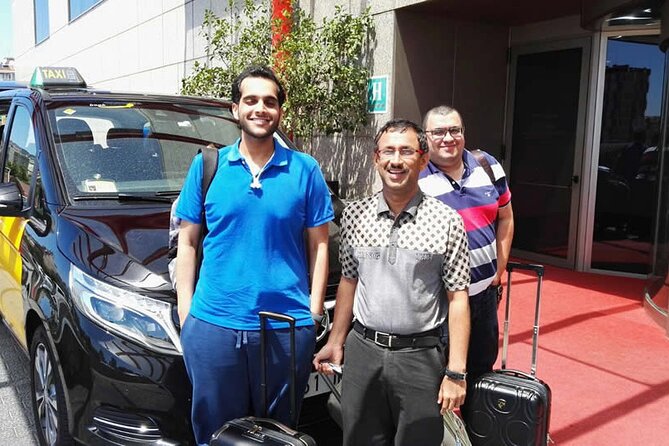
The strongest praise centers on flexibility and patience. Guide and driver Yasir waited at several stops for a slower-moving group and adjusted the pace, while another guest appreciated being taken to places outside the usual route. Still, clear communication matters, since one booking had trouble with English and site explanations.
Key points to know before booking
- You design the route: Choose from Tsukiji, Asakusa, Shibuya, Shinjuku, Ginza, Tokyo Tower, Skytree, Meiji Jingu, and other major sights.
- The day lasts 10 hours: Pickup and return are in Tokyo, with the starting time selected when you check availability.
- You get private transport: The group can include up to six people, with a car and driver reserved for your party.
- Some stops are self-guided: The guide may not enter Skytree, Roppongi Hills, or the Imperial Palace grounds with you.
- Comfort extras are included: Wi-Fi onboard and bottled drinks make a long city day easier.
- The guide experience can vary: English and Hindi are offered, but you should make your requests clear and confirm the plan early.
Why a private car helps in Tokyo
Tokyo’s rail network is excellent, but a sightseeing day that crosses the city can still involve stairs, platform changes, crowded trains, and long walks between stations and attractions. A private vehicle removes much of that work.
You can get picked up at your hotel, visit several districts, and return without repeatedly finding your way back to a station. That is especially useful if your group includes older adults, children, or anyone who cannot walk quickly for long periods.
The car does not turn Tokyo into a traffic-free city. Parking and road delays remain real concerns, and the driver may need time to find a legal place to stop. You are asked to cooperate when parking takes time, so this tour works best when you accept a little waiting between stops.
The private format is also useful for mixed interests. One person can focus on temples, another on shopping, and someone else on food or city views. You need to agree on priorities, since a 10-hour day cannot cover every major area at a relaxed pace.
If you're still narrowing it down, here are other tours in Taito City we've reviewed.


Building a 10-hour Tokyo route
You can request a custom plan featuring sights such as Tsukiji Fish Market, Tokyo Skytree, Tokyo Tower, Meiji Jingu Shrine, and the Tokyo National Museum. You can also focus on districts, including Shibuya, Shinjuku, Akihabara, Ginza, Roppongi, and Asakusa.
I would choose three or four main areas rather than trying to collect every famous name. Tokyo is large, and a route that jumps from west to east and back again may leave you sitting in the car instead of seeing the city.
A sensible plan might pair Asakusa and Skytree, then continue to Meiji Jingu, Takeshita Street, and Shibuya. Another route could link Tsukiji, Ginza, the Imperial Palace area, and Tokyo Tower. Your guide can help shape the order, but you should state your must-see stops before departure.
The flexible timetable is valuable. You can spend longer at a temple, shorten a shopping stop, or skip an attraction that does not suit your group. One guest was taken exactly where requested, even when the destination was outside the driver’s normal route, which shows what this private setup can do at its best.
Asakusa and Senso-ji Temple
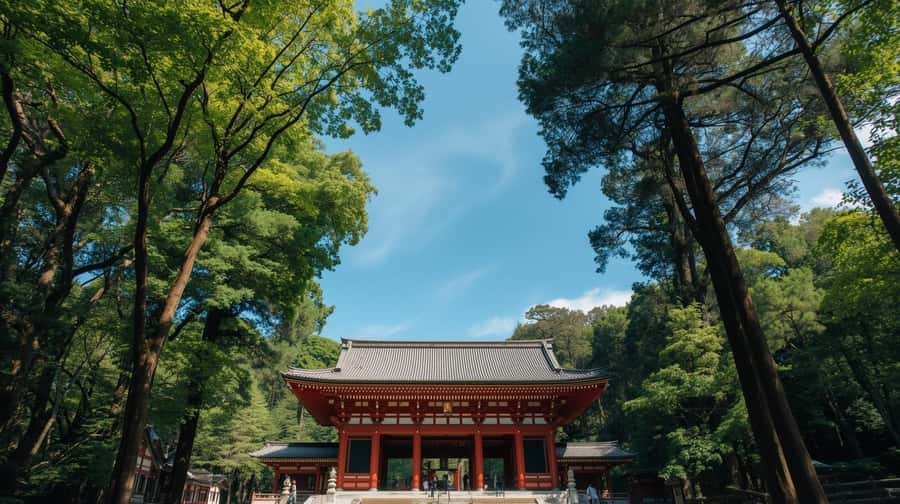
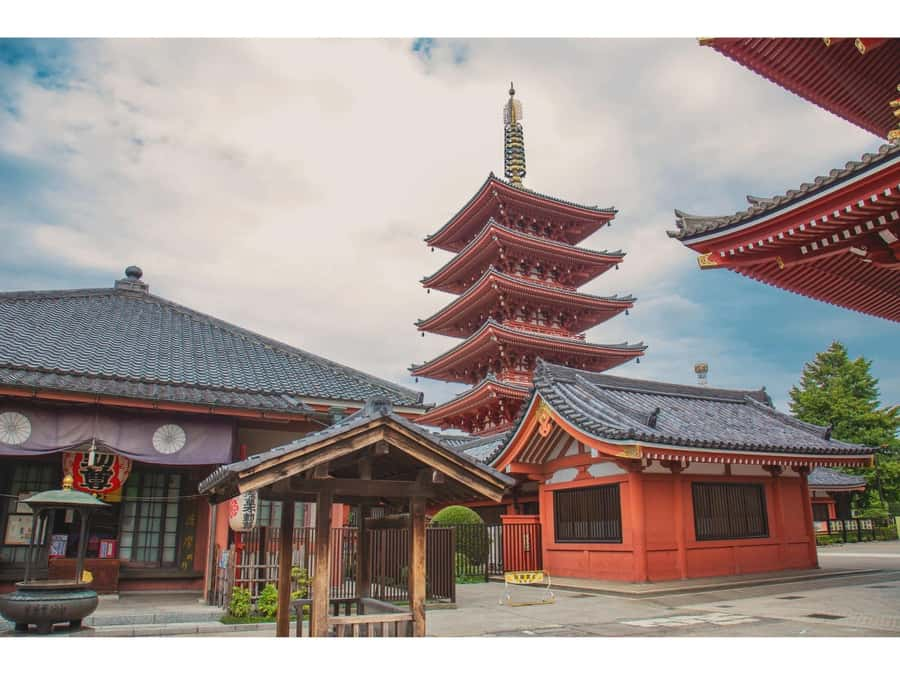
Asakusa gives you one of Tokyo’s clearest introductions to older religious and commercial traditions. Senso-ji Temple is the main draw, and Nakamise Shopping Street leads toward it with shops selling food, souvenirs, and traditional items.
This is a good early stop if you want a strong visual contrast with modern Tokyo. The temple area provides a quieter change of mood, though Nakamise can be crowded and the shopping street is not a silent approach to the temple.
The car is useful here because your guide can drop you near the area, then wait while you explore. You may not have the guide beside you for every step, so ask for a short orientation before walking off. If your group moves slowly, say so clearly at the start. Yasir received particular praise for waiting at each location and collecting a senior group after its visit.
Tsukiji, Hamarikyu, and Tokyo’s food side
Tsukiji Fish Market is offered as a possible stop, giving you a chance to see one of Tokyo’s best-known food districts. Food purchases are not included, so plan to pay separately for anything you eat or buy.
The nearby Hamarikyu Garden can add a calmer stop to the same part of the city. One custom route included Hamarikyu, Senso-ji, Skytree, Meiji Jingu, Takeshita Street, and Shibuya Crossing, showing how the tour can combine gardens, temples, shopping, and major city scenes in one day.
I would not try to force a long market visit, a full meal, and several distant districts into the same hour. Tsukiji works best when you allow time to look around and choose food at your own pace. If eating is a priority, make that clear when arranging the route.
Meiji Jingu, Takeshita Street, and Shibuya
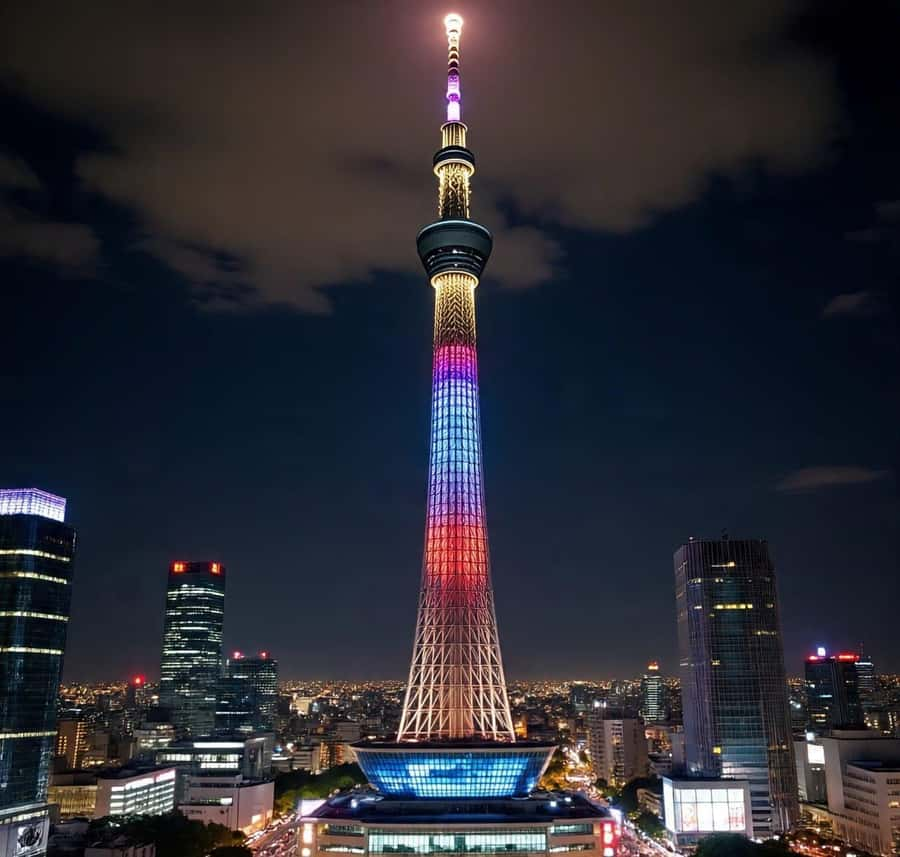
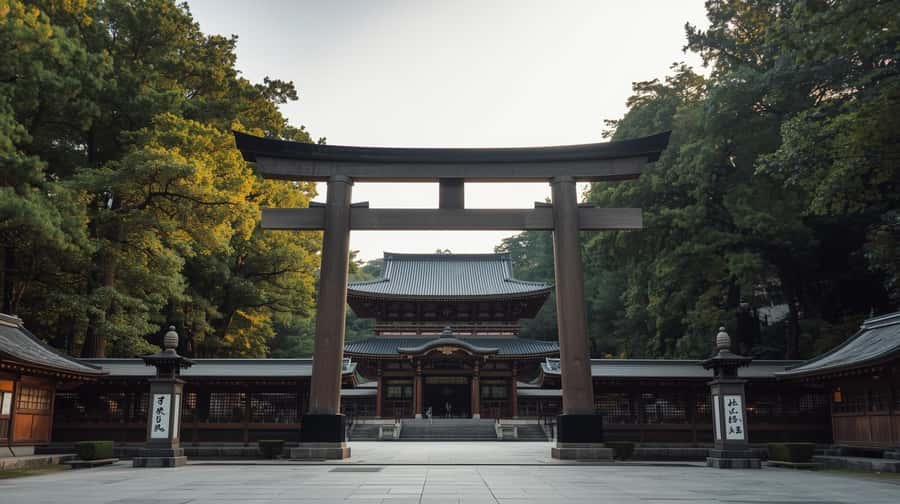
Meiji Jingu Shrine offers a green break within central Tokyo. It is paired naturally with Harajuku’s Takeshita Street, where the mood changes from shrine grounds to youth fashion and shopping.
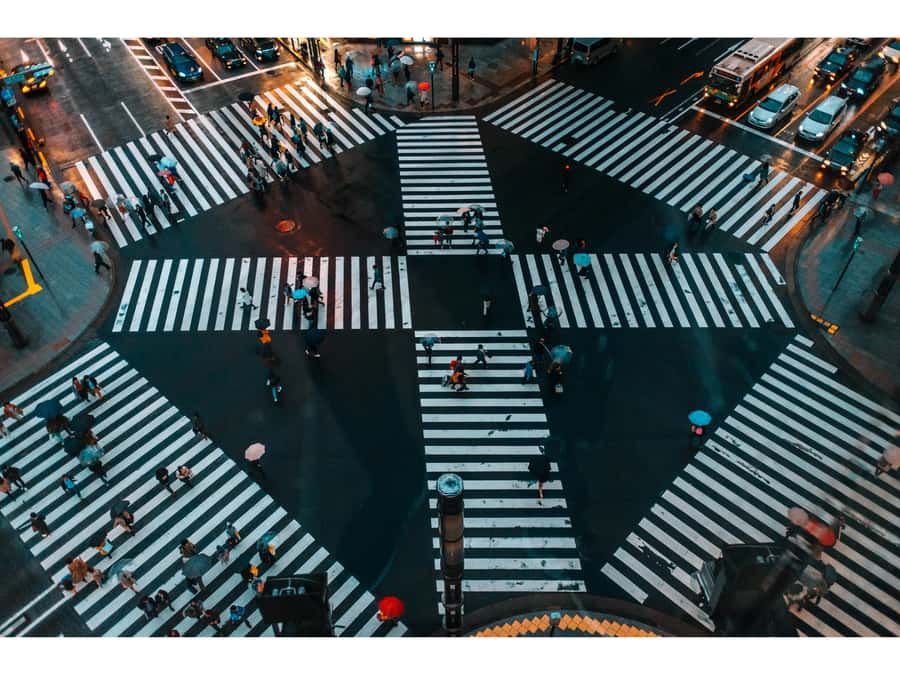
From there, Shibuya adds one of the city’s most recognizable urban scenes: the famous scramble crossing. You can watch the crossing, explore nearby shops, and get a feel for Tokyo’s modern energy without having to work out another train connection.
This section can become a full half-day if you enjoy shopping or photography. If your priority is simply to see the crossing, tell the driver you want a short stop rather than an extended retail visit. The private car gives you that control, but only if you use it.


Tokyo Skytree and Tokyo Tower
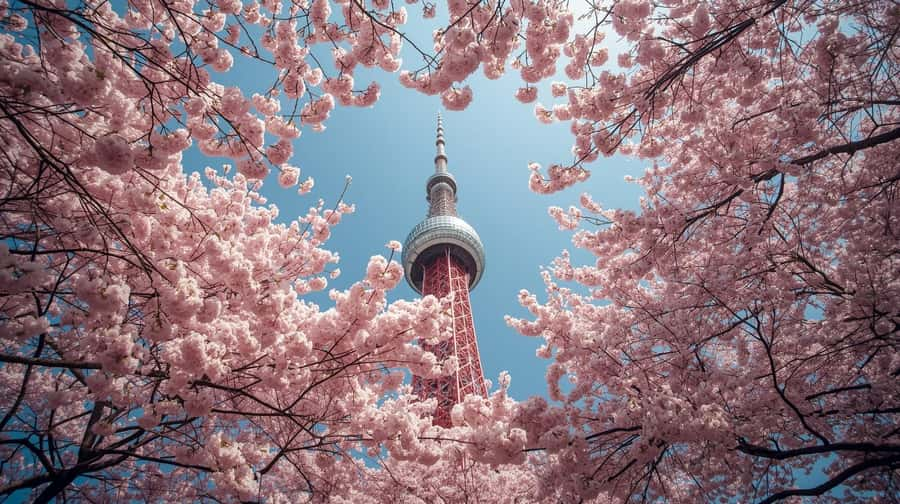
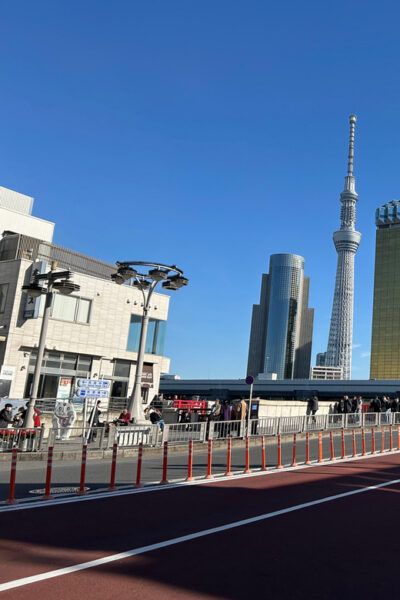
Skytree and Tokyo Tower offer different versions of Tokyo’s skyline. Skytree brings a newer, taller observation experience, while Tokyo Tower is an instantly recognizable city landmark with a more classic feel.
Entry tickets are not included, and the supplied information places these tickets at less than $20. Check the current price and availability before committing to a tower visit, especially if you want to go up rather than view the structure from outside.
The guide may not accompany you into Skytree. You should expect the driver or semi-guide to provide directions and background, then wait while you visit the attraction. That arrangement is convenient, but it is not the same as having a guide beside you inside an observation deck.
You may want to choose one tower and use the saved time for another district. Seeing both can work if skyline views are central to your plans, but the car still has to contend with Tokyo traffic and parking.
Imperial Palace gardens, Ginza, and Roppongi
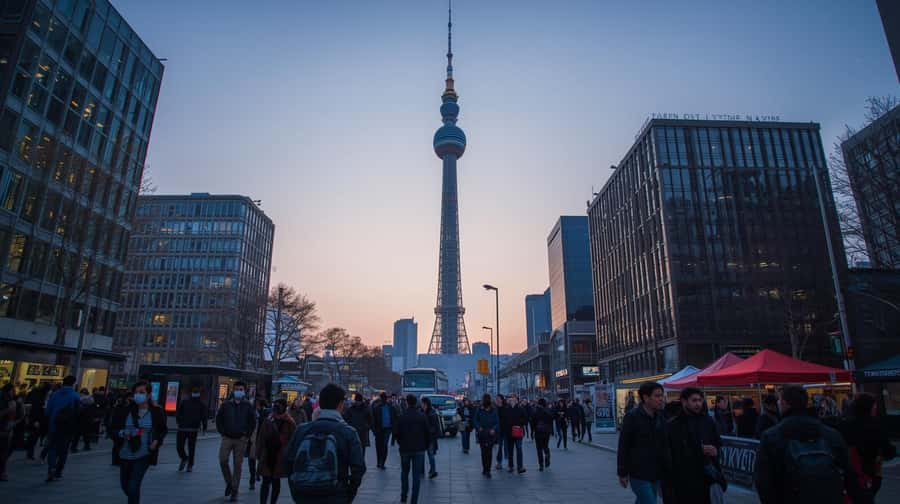
The Imperial Palace area gives you a pause from commercial Tokyo, with gardens and open spaces that suit a slower walk. The guide may provide information but will not necessarily join you at the site, so prepare to explore independently.
Ginza offers department stores, polished streets, and higher-end shopping. It pairs well with Tsukiji because the two areas are relatively close compared with a cross-city trip, though you still need to decide how much shopping time your group wants.
Roppongi Hills is another possible modern city stop. As with Skytree and the Imperial Palace, the guide may not accompany you inside. This is an important distinction for anyone choosing the tour mainly for detailed commentary at every attraction.
Shinjuku, Akihabara, and the city’s modern side
Shinjuku shows a different side of Tokyo, with dense streets, tall buildings, and plenty of places to shop or eat. Akihabara is the better choice if your group is interested in electronics, anime, manga, or related retail.
The supplied information also refers to the Gonza district, though it does not provide additional detail about that stop. If this area is important to you, confirm the exact destination and what you want to see before the day begins.
These districts can easily absorb several hours. I would choose Shinjuku for broad city atmosphere or Akihabara for a specific interest, rather than trying to give both only a rushed visit.
What the guide can and cannot do
This is not presented as a fully guided walking tour at every stop. The guide is described as a semi-guide, and the service notes that they may not be with you at Skytree, Roppongi Hills, and the Imperial Palace.
That makes the tour strongest as private transport with local assistance and route planning. You get help deciding where to go, but you should not book it expecting a formal lecture inside every museum, garden, temple, or tower.
The guide languages are English and Hindi. One guide named in the booking feedback is Yasir, who was praised for being friendly, accommodating, and patient with a slower group. Another booking had difficulty with English communication and site explanations, so I would send a written list of your priorities and confirm each stop as you go.
There was also an unusual communication issue at the end of one day. The group told the driver it was fine to leave, but the driver waited and called later that day and again the next day. To avoid confusion, state clearly whether you want the car to remain available after a stop and confirm the final meeting place and time.
Price, group size, and overall value
The price is $399 per group of up to six people. For six, that works out to $66.50 per person before any separate food, shopping, or entry costs. For two people, the same vehicle costs $199.50 each, so the value improves sharply as your group gets larger.
That price covers hotel pickup and drop-off, transportation, a custom plan, bottled drinks, and onboard Wi-Fi. It does not cover meals, shopping, or attraction tickets. The package makes the most financial sense for a family or group of friends who would otherwise need several taxis or want to avoid a long day of public transport.
For a couple seeking detailed guiding at every stop, the value is less clear. You may prefer a specialist walking guide for one neighborhood, then use Tokyo’s trains for the rest of the day. For six people, or for a group with limited walking speed, the private vehicle becomes easier to justify.
The 10-hour length also matters. This is a full sightseeing day, not a quick orientation. You should arrive with a practical wish list, not an attempt to see all of Tokyo.
Who should book this Tokyo tour?
I would recommend it most strongly to groups of three to six, families, older adults, and anyone who wants hotel-to-hotel transport. It is also a good fit if you already know your must-see locations and want control over how long you stay.
It suits visitors who value comfort and flexibility more than formal guiding. Wi-Fi and drinks are small additions, but they help during a long day, especially when your group is coordinating stops and meeting back at the car.
I would hesitate if your main goal is expert commentary at temples, museums, and observation decks. The guide may offer useful information, but the format does not promise constant accompaniment. I would also think twice if your group has no clear priorities, since too many distant stops can turn a private tour into a traffic tour.
Final call: choose freedom over fixed sightseeing
Book this experience if you want a private Tokyo day shaped around your own list, especially if you are traveling with up to six people or need to limit walking. The best parts are the hotel pickup, flexible route, patient pacing, and the ability to link districts that are awkward to cover in one day.
Before booking, write down your top three stops, your preferred pace, and any food or shopping plans. Confirm the guide’s language, ask how much commentary to expect, and agree on where the car will wait at each attraction.
If you want a polished, fully narrated tour with the guide beside you everywhere, choose another format. If you want a comfortable private vehicle and a flexible helper who can make Tokyo easier to manage, this tour offers practical value.
FAQ
How long is the private Tokyo tour?
The tour lasts 10 hours. Check availability for the specific starting times.
How many people can join the private group?
The private group can include up to six people.
Does the tour include hotel pickup and drop-off?
Yes. Hotel pickup and drop-off in Tokyo are included.
Which languages are available?
The live tour guide service is available in English and Hindi.
Can I create my own sightseeing route?
Yes. You can design a custom route and choose the sights and timetable that suit your group.
Which Tokyo sights can I request?
Possible stops include Tsukiji Fish Market, Tokyo Skytree, Tokyo Tower, Meiji Jingu Shrine, Tokyo National Museum, Senso-ji Temple, Shibuya, Shinjuku, Akihabara, Ginza, Roppongi Hills, and the Imperial Palace area.
Is the guide with me at every attraction?
No. The guide may not accompany you at Skytree, Roppongi Hills, or the Imperial Palace. They can provide information, but you should expect to explore some stops independently.
Are food and shopping included?
No. Food and shopping costs are separate.
Are entrance tickets included?
No. Entry tickets are not included. The supplied information notes that these tickets cost less than $20, but you should check the current price for each attraction.
Is Wi-Fi available in the car?
Yes. Wi-Fi onboard and bottled drinks are included.
Can I cancel for a full refund?
Yes. You can cancel up to 24 hours in advance for a full refund.
Do I have to pay when I book?
The reserve-now, pay-later option lets you book without paying anything today.
More tours in Taito City we've reviewed
Taito City, compared.
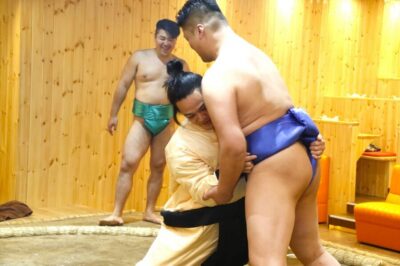 ★ 4.8Tokyo: Sumo Show Experience with Chicken Hot Pot and a PhotoFrom $1032 hours
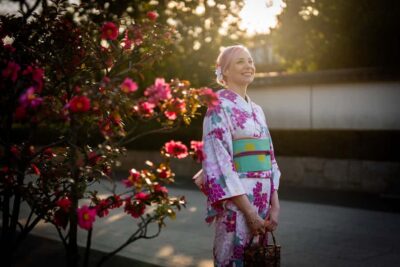 ★ 4.9Tokyo Asakusa: Miu Kimono Rental and Optional PhotoshootFrom $32
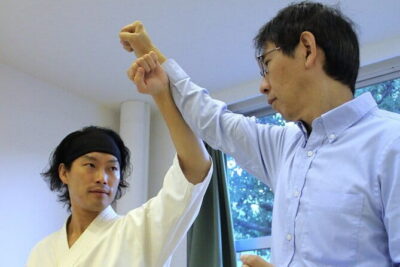 ★ 4.9Tokyo: Karate Experience with Former All-Japan ChampionFrom $581 hour - 90 minutes
 ★ 4.4Tokyo : Kimono Rental in Asakusa Provided by KanoWafukuFrom $191 hour
 ★ 4.7Tokyo Asakusa sightseeing and history walking tourFrom $191h 30m
 ★ 4.5Tokyo : Kimono Rental in Asakusa Provided by RikaWafukuFrom $42