Reviewed · TAITO CITY
Tokyo: Karate Experience with Former All-Japan Champion
Tokyo’s karate lesson with Ryo gives you more than a quick tourist workout. You learn how a Japanese martial arts class begins, from the opening bow and controlled breathing to basic strikes, defensive movements, kata, and non-contact sparring. Ryo has trained in Kyokushin Karate for 20 years and teaches in clear English and Japanese.
In This Article
- Key Points
- A Real Karate Lesson, Not a Photo Opportunity
- Bowing, Breathing, and the First Lesson in Karate Manners
- Stretching That Prepares You for the Work
- Breaking Down Punches, Blocks, and Kicks
- Kata Demonstration and the Shape of Karate
- Safe Sparring Without Full Contact
- What the Asakusa Setting Adds
- Choosing Between 60 and 90 Minutes
- Who Will Get the Most From This Class
- My Take: Book It If Karate Matters to Your Japan Trip
- FAQ
- Where does the karate experience take place?
- How long does the class last?
- Who teaches the class?
- Is this activity suitable for beginners?
- Is sparring full contact?
- Is a karate uniform provided?
- What is included in the price?
I like the careful step-by-step teaching, especially for first-timers, and the way the class can still challenge people who already practice karate, taekwondo, Muay Thai, or another style. I also like the personal feel of private and small-group sessions. The main drawback is that a standard 90-minute booking does not necessarily include a karate uniform, so check the option carefully and bring workout clothes if needed.
Key Points

- Train with a proven instructor: Ryo is a 2nd Dan black belt who became an All-Japan Kyokushinkan champion and placed third at a 2013 world championship.
- Learn karate etiquette first: The class begins and ends with a bow, along with belly breathing to build focus and calm.
- Build skills in clear stages: You practice stance, punches, blocks, and kicks as separate movements before putting them together.
- Practice safely: Non-contact kumite teaches defense against punches, front kicks, and low kicks without full-force sparring.
- Suitable for mixed abilities: Beginners and experienced martial artists can train together because Ryo adjusts the pace and technique level.
- Know the clothing detail: A karate gi is included only with the private 90-minute option that specifically lists the uniform.
A Real Karate Lesson, Not a Photo Opportunity

Many martial arts activities in Tokyo are brief demonstrations with a few token movements for visitors. This class takes a different route. You work through a real lesson structure, warm up properly, learn basic form, and finish with applied partner movements and pad work.
That structure matters. You do not simply throw a few punches and leave with a souvenir photo. You learn why karate begins with respect and control, then build physical skills from a stable stance. Even in one hour, the class gives you a useful sense of how a dojo lesson works.
Ryo’s background also changes the tone. He has practiced Kyokushin Karate since 2006, taught since 2010, and earned his 2nd Dan black belt in 2020. His competition record includes third place at the 2013 Kyokushin World Union World Karate Championship in the under-75-kilogram division and an All-Japan championship title in the under-80-kilogram Kyokushinkan category.
You do not need to know those details to enjoy the class, but they help explain why the instruction feels serious without becoming stiff or intimidating. Ryo has worked with children and adults, complete beginners, and people coming from other martial arts styles.
If you're still narrowing it down, here are other tours in Taito City we've reviewed.


Bowing, Breathing, and the First Lesson in Karate Manners
The class starts with the bow. That is not a decorative gesture added for visitors. In karate, the lesson begins with a bow and ends with a bow, placing respect and self-control before physical effort.
Ryo also introduces breathing from the belly. This helps you settle your attention before the workout begins. If you arrive from a day of Tokyo sightseeing, this short pause can be useful. You shift from crowded streets and train schedules to a more focused state of mind.
I like this opening because it gives the activity cultural value without turning it into a lecture. You learn an important part of karate practice by doing it, not by hearing a long explanation about it.
The etiquette also helps children. A parent traveling with two boys, ages eight and ten, found that Ryo explained the movements clearly enough for them to follow despite the language difference. A 14-year-old participant also had a strong session, while a 10-year-old with taekwondo experience was eased into the lesson at a comfortable pace.
You should still expect discipline. This is a martial arts class, not a free-form play session. Ryo is friendly and patient, but you will be asked to listen, copy movements carefully, and show control.
Stretching That Prepares You for the Work

Next comes a full warm-up aimed at the parts of your body that karate uses most. You stretch the legs, hip joints, shoulder blades, and chest before moving into strikes.
This part can feel modest compared with the more dramatic sections later, but it is important. Karate kicks require hip movement and leg flexibility. Punches and blocks use the shoulders, chest, and upper back. A proper warm-up also gives beginners time to get comfortable before they start striking pads.
The class is described as offering exercises for flexibility and muscle strength, so you should expect a real physical session. The intensity can vary with your age, fitness, and experience. Ryo adjusts the lesson rather than forcing everyone through the same pace.
If you have trained in another style, do not assume your familiar warm-up or stance will carry over exactly. Participants with Shotokan, Goju Ryu, Kenpo, taekwondo, and Muay Thai backgrounds found useful differences in how Kyokushin approaches movement and technique. That makes the warm-up a good chance to reset your habits and pay attention to the details.
Breaking Down Punches, Blocks, and Kicks

Once you are warm, Ryo teaches the basic stance and core techniques. Punches, blocks, and kicks are divided into several smaller movements, which lets you learn them one step at a time.
This is where the class works best for beginners. You are not expected to remember a complete sequence after seeing it once. Ryo demonstrates the movement, explains the purpose, watches your form, and offers corrections when needed.
The stance comes first because balance affects everything that follows. A punch from an unstable position loses force and leaves you poorly prepared to move. A kick requires even more control, since one leg must support your body while the other moves.
You will practice basic punches and blocks before adding kicks such as front kicks and low kicks. The techniques are taught for precision and efficiency, not simply for speed. That focus makes the class useful even if you never plan to compete.
People with previous training should not expect a full advanced seminar in 60 to 90 minutes. The lesson is designed to work across different levels, so experienced participants may spend more time refining posture, timing, and application rather than learning a large number of new techniques.
That is a fair trade. A short class can give you a sound introduction, but it cannot replace regular dojo training. Think of it as a focused introduction to Kyokushin fundamentals, not a complete belt-level course.
Kata Demonstration and the Shape of Karate

The experience includes a kata demonstration. Kata are organized patterns that link karate techniques into a set sequence. They show how stance, direction, balance, blocks, strikes, and breathing fit together.
For someone new to karate, kata can look formal at first. The value becomes clearer when you watch the precision of each movement. A small change in foot position or shoulder angle can affect the whole pattern.
For experienced martial artists, this may be the most interesting part of the lesson. Kyokushin differs from Shotokan, Goju Ryu, taekwondo, Muay Thai, and other systems in its training habits and technical choices. Seeing Ryo demonstrate the pattern gives you a direct comparison with your own style.
Ryo also won first place in a kata competition organized by Kyokushin Kenbukai in January 2026, according to the supplied instructor information. His competition background means you are seeing kata from someone who takes form seriously, not just someone reciting a sequence for tourists.
You may not learn a complete kata in one session. Instead, you gain a better sense of how karate techniques connect and why repetition matters.

Safe Sparring Without Full Contact

The class ends with an introduction to kumite, or sparring. The key point is that this is non-contact practice. You learn how to respond to attacks such as punches, front kicks, and low kicks without taking full-force blows.
That makes the activity accessible to families and beginners. You can work on distance, timing, footwork, and defense without worrying about a hard match. It also lets Ryo correct your movements while you are using them in a more realistic sequence.
The defensive exercises are taught with tips for precision and efficiency. You might block, shift position, or respond to an attack, but the point is control rather than winning. You should not book this expecting a full-contact Kyokushin fight.
Pad work adds a more physical finish. You get to punch and kick pads, which gives you feedback that shadow practice cannot. It also makes the workout feel satisfying, especially if this is your first martial arts lesson.
Ryo pays close attention to movement and adjusts the exercises to your level. A nervous child can begin slowly, while an experienced martial artist can work with more technical detail. That flexibility is one of the strongest reasons this class suits mixed groups.
What the Asakusa Setting Adds

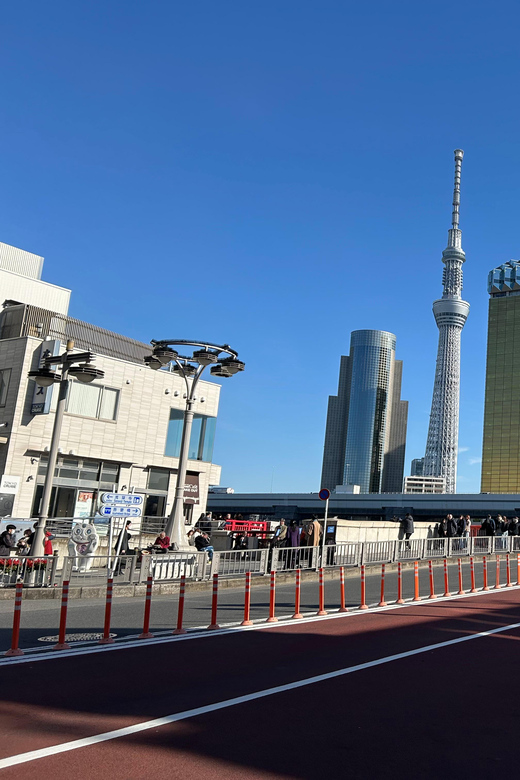
The experience takes place in central Asakusa for at least some booking options, an easy area to reach during a Tokyo sightseeing day. One session described by a participant took place inside a martial arts store, which added an unusual local touch.
Do not assume every booking uses exactly the same meeting point. The location can vary by option, so check your confirmation before setting out.
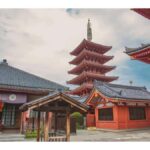
Asakusa is a useful place to fit this activity into your plans. You can pair it with the district’s temples, shopping streets, and traditional atmosphere, then trade sightseeing shoes for a karate workout. The class gives you a different view of Japan than a shrine visit or food tour, while still connecting directly to a Japanese tradition.
The setting may not feel like a grand movie dojo. That is part of the appeal, but it also means you should focus on the lesson rather than expecting a staged historic setting.
Choosing Between 60 and 90 Minutes

The listed price is $58 per person, with sessions lasting from one hour to 90 minutes depending on the option. For a private or small-group lesson with a qualified instructor, pads, water, and a structured class, that can be good value, especially if karate is a major interest for you.
The 60-minute format should suit a first introduction or a tightly planned day. You can learn the bow, warm up, practice the basic movements, and try non-contact exercises without giving up half a day.
The 90-minute session gives you more room for corrections, pad work, kata discussion, and sparring practice. I would choose it if you already train in martial arts, if your family wants a more complete lesson, or if you want time to settle in rather than rush through the basics.
Pay close attention to the clothing option. The karate uniform is included with the private 90-minute session specifically labeled PRIVATE/90min Session with Karate Gi. A 90-minute option without that wording may not provide a gi. One participant booked the longer class expecting a uniform and had to use workout clothes instead.
A bottle of water, punching and kicking pads, the interactive lesson, and the kata demonstration are included. Cancellation is free up to 24 hours before the activity, and you can reserve now and pay later, which is useful when your Tokyo plans are still shifting.
Who Will Get the Most From This Class

This is a strong choice if you have always wanted to try karate in Japan but do not want to commit to a long course. You get a genuine introduction with enough structure to feel meaningful.
It also suits children and teenagers. Ryo has experience teaching kids, and the lesson can be adjusted for age and confidence. Parents can take part or leave children with the instructor, according to the activity information, though you should decide what works best for your family.
Martial artists from other systems will find useful comparisons. Participants with Shotokan, Goju Ryu, taekwondo, Kenpo, Muay Thai, and other backgrounds can focus on differences in stance, kicking, kata, and application.
You may want to skip it if you are looking for a high-contact fight, a long technical seminar, or a formal belt examination. This is a compact introduction, not a substitute for months of regular practice.
The activity is taught in English and Japanese. Ryo’s English is strong enough for clear instruction, and the lesson relies on demonstration as well as spoken explanation. That combination helps when technical terms become difficult.
My Take: Book It If Karate Matters to Your Japan Trip
I would book this class if you want a hands-on cultural activity and have even a small interest in martial arts. The bowing, breathing, kata, basic techniques, and controlled sparring give the lesson more substance than a quick photo stop.
The best reason to choose it is Ryo himself. His competition record gives him real authority, but his teaching style is patient and adaptable. You can arrive as a complete beginner, a nervous child, or a martial artist with years of experience and still receive a useful lesson.
At $58, the value is strongest for a private or small group, where you can receive direct corrections. Check the duration, meeting point, and uniform option before booking. If you want a serious but approachable introduction to Japanese karate in Tokyo, this is a worthwhile addition to a day in Asakusa.
FAQ
Where does the karate experience take place?
The activity is in Tokyo, and the meeting point can vary by the option you book. Some sessions take place in central Asakusa.
How long does the class last?
Available sessions last from one hour to 90 minutes. Starting times depend on availability.
Who teaches the class?
Ryo teaches the class. He is a Japanese black belt with 20 years of Kyokushin Karate experience, teaching experience since 2010, and a 2nd Dan promotion earned in 2020.
Is this activity suitable for beginners?
Yes. The lesson is designed for complete beginners as well as people with previous karate or other martial arts experience.
Is sparring full contact?
No. The kumite section teaches defensive responses to punches, front kicks, and low kicks without physical contact.
Is a karate uniform provided?
A karate gi is included when you choose the private 90-minute session option specifically labeled with Karate Gi. A gi is not included with every 90-minute option, so check the booking details and bring workout clothes when needed.
What is included in the price?
The experience includes the interactive karate lesson, kata demonstration, punching and kicking pads, and a bottle of water. The private 90-minute option with the specified Karate Gi also includes the uniform.
More tours in Taito City we've reviewed
Taito City, compared.
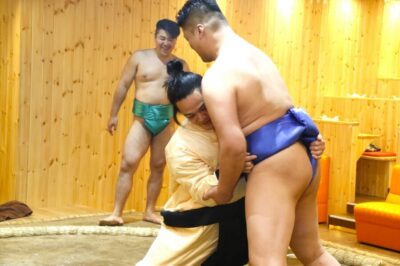 ★ 4.8Tokyo: Sumo Show Experience with Chicken Hot Pot and a PhotoFrom $1032 hours
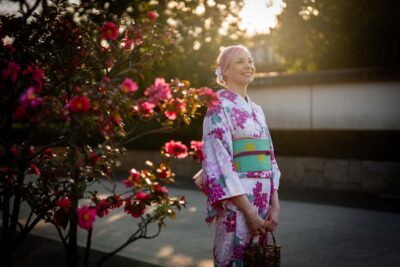 ★ 4.9Tokyo Asakusa: Miu Kimono Rental and Optional PhotoshootFrom $32
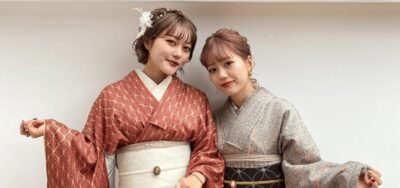 ★ 4.4Tokyo : Kimono Rental in Asakusa Provided by KanoWafukuFrom $191 hour
 ★ 4.7Tokyo Asakusa sightseeing and history walking tourFrom $191h 30m
 ★ 4.5Tokyo : Kimono Rental in Asakusa Provided by RikaWafukuFrom $42
 ★ 4.0Tokyo: Private Tour with Hotel Pickup and Drop-offFrom $399