Reviewed · SUMO EXPERIENCES
Private Ryogoku Walking Tour with Sumo Wrestler and Master Guide
Tokyo’s sumo district makes a fine stage for a small walking tour, especially when your guide is a sumo wrestler. You’ll visit the Ryogoku Kokugikan stadium, learn how wrestlers train, and see Nomi Sukune Shrine, where new yokozuna champions pay their respects.
In This Article
- Key points at a glance
- Why Ryogoku is the right place to learn about sumo
- Starting at the restored Ryogoku station building
- Seeing Ryogoku Kokugikan and the world of tournament sumo
- Nomi Sukune Shrine and sumo’s older roots
- A brief look at Hokusai in the same neighborhood
- Crossing into Asakusa and Senso-ji Temple
- Sampling Nakamise Street without rushing the decision
- What the small private format changes
- How much value do you get for $402.32?
- Timing, meeting point, and practical planning
- Who will get the most from this walk?
- Should you book the Ryogoku and Asakusa walk?
- FAQ
- How long does the tour last?
- Where does the tour begin?
- Where does the tour end?
- What time does the tour start?
- How many people can join the private tour?
- Is the tour led by an active sumo wrestler?
- Are food, drinks, and transportation included?
I like the personal scale, with no more than five people, and the smart pairing of Ryogoku with Asakusa. I also like the chance to ask direct questions through a local translator. The main drawback is price: at $402.32 per person, this is a costly two-hour outing, and the sumo guide may be recently retired if an active wrestler is unavailable.
Key points at a glance
- A sumo wrestler leads the walk: You get an insider’s view of Japanese wrestling, with a translator included.
- Ryogoku has real sumo landmarks: See Kokugikan, a stadium seating more than 10,000 people, plus Nomi Sukune Shrine.
- Asakusa adds variety: Senso-ji Temple and Nakamise Street bring temple sights, snacks, and shopping into the same afternoon.
- The group is genuinely small: A maximum of five people makes it easier to ask questions and keep the walk personal.
- The tour is short but well packed: The advertised duration varies between two and two and a half hours, so plan for a brisk introduction rather than a full day.
- The price needs careful thought: This works best if meeting a sumo wrestler matters more to you than getting the lowest cost per hour.
Why Ryogoku is the right place to learn about sumo
Sumo is not just a sport you watch for a few minutes in a stadium. It has its own neighborhoods, shrines, training stables, rituals, and visual symbols. Ryogoku is the best part of Tokyo for putting those pieces together, and this tour gives you a local guide who has lived within that world.
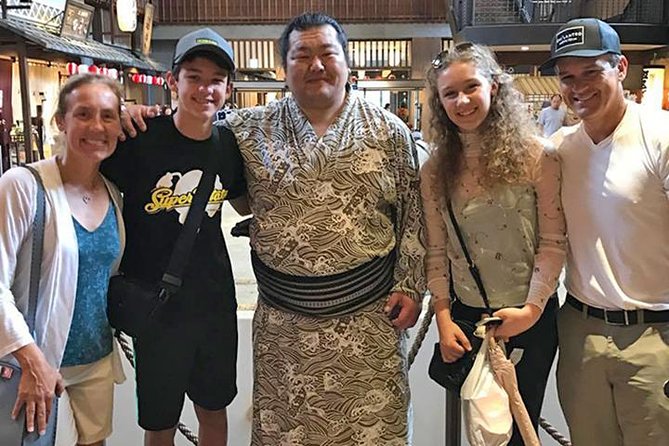
Your sumo guide explains the sport while walking through its home district. That personal contact is the heart of the experience. A translator joins the tour, so you can ask questions rather than simply listen to a prepared talk.
The tour is private, with a maximum of five people per booking. That matters here. Sumo can raise basic questions about rankings, training, daily life, and tournament customs, and a tiny group gives you a better chance to ask the questions that interest you.
The guide may be an active wrestler or a just-retired wrestler. The operator notes that availability can change during tournaments or for other reasons. If meeting an active wrestler is essential to your plans, keep that condition in mind. A retired wrestler can still explain the sumo world, but the nature of the encounter may feel different.
A few more Tokyo tours and experiences worth a look
Starting at the restored Ryogoku station building
The meeting point is Ryogoku Station, at 1-chōme-3-20 Yokoami in Sumida City. The walk begins at 1:30 pm, and the first stop is Ryogoku Edo Noren, a shopping and dining center housed in the restored former station building.
The original station façade dates to 1929, while the present complex opened in 2016. That combination gives you a quick look at how Tokyo uses old structures without freezing them in time. The building now has a nostalgic design and food outlets, making it a useful place to get your bearings before the walk begins.
About 30 minutes are planned here. That is a fair amount of time for a short tour, though the stop is not the main reason to book. Think of it as a gentle introduction to Ryogoku rather than a major attraction on its own.
The setting also helps explain the practical appeal of the tour. You begin near public transportation, in a recognizable place, instead of searching for a small side street. Transportation to and from the meeting point is not included, so you should allow time to reach the station on your own.
Seeing Ryogoku Kokugikan and the world of tournament sumo
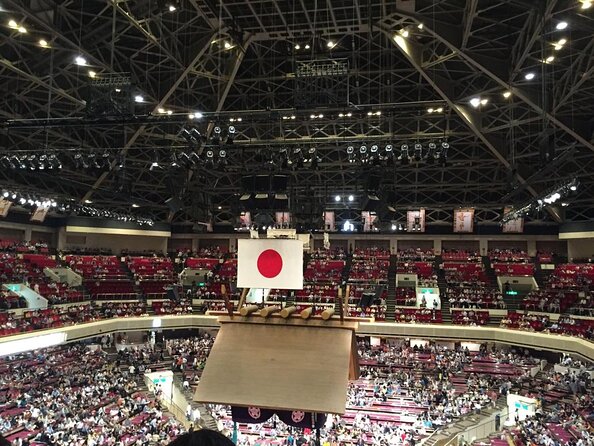
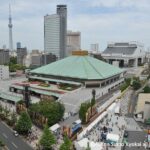
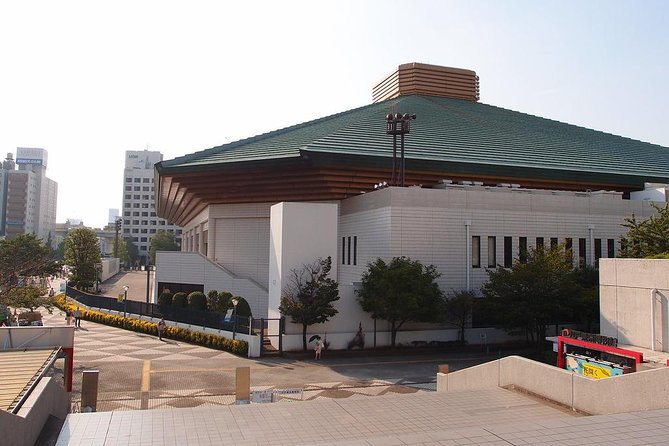
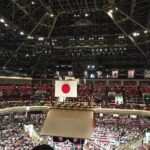
Ryogoku Kokugikan is the district’s great sumo landmark. Built in 1985, the large stadium holds more than 10,000 people. During a tournament, its size and crowd energy give you a strong sense of how important sumo remains in Japan.
This walking tour is not a substitute for a tournament ticket. Instead, it gives you context for the building and the sport. Your guide can explain what takes place here and how wrestlers fit into the wider sumo system.
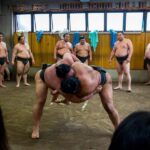
The tour also points you toward wrestlers’ stables, where sumo wrestlers practice. The exact access and viewing conditions can depend on the day, the training schedule, and the rules of the stable. Treat this part as an opportunity to learn about the training world, not as a guarantee that you will watch a full practice session.
A sumo goods shop is also part of the route described for the experience. This can be a useful stop if you want a souvenir tied to the sport rather than a generic Tokyo item. Food and drinks are not included, so any snack or purchase comes from your own budget.
Nomi Sukune Shrine and sumo’s older roots
Nomi Sukune Shrine is a small but meaningful stop. It honors the deity associated with the beginnings of sumo in ancient Japan, and it connects the modern stadium nearby with the sport’s traditional side.
The shrine is also linked to the highest rank in sumo. A new yokozuna champion visits to worship there, and a stone statue in the garden carries the names of yokozuna champions. Those details make the stop more than a quick photo opportunity.
You have about 20 minutes here. That is enough for an explanation, a look at the statue, and a quiet pause, but not a long shrine visit. I like this part of the route because it gives the tour a sense of continuity. You are not only seeing where sumo is performed today. You are also seeing how the sport honors its past.
If you are new to sumo, this is the kind of detail that can make a later tournament, broadcast, or museum visit easier to understand. The guide’s presence is especially useful because the meaning of a small shrine and a list of names can otherwise be easy to miss.
A brief look at Hokusai in the same neighborhood
The route information also points to a Hokusai museum stop for visitors who like his work. Details about the visit are limited, so you should not assume that a museum admission or extended gallery tour is part of the experience.
Still, the reference is useful. Ryogoku has strong connections to the ukiyo-e artist Katsushika Hokusai, and adding an artistic note to a sumo-focused walk gives the district more depth. If Hokusai is a priority, check the exact plan before booking, since the tour is only about two to two and a half hours and the museum portion may be brief or optional.
Other walking tours we've reviewed in Tokyo


Crossing into Asakusa and Senso-ji Temple
The second half takes you from sumo country to Asakusa, one of Tokyo’s best-known historic districts. The change of mood is one of the tour’s strongest features. You begin with a specialized subject, then move into a broader introduction to temple culture, street food, and old Tokyo.
Senso-ji is the centerpiece. Its large temple grounds and famous approach make it one of the easiest places in Tokyo to recognize, but a guide can help you read the site rather than simply photograph it. You can learn what you are seeing, how the temple fits into Asakusa, and which details deserve your attention.
The tour does not present Asakusa as a separate full-day visit. You get a compact introduction after the Ryogoku portion. That makes the timing practical for a first afternoon in Tokyo, but it also means you will not have hours to explore every lane, shop, or temple building.
I would plan to return to Asakusa later if you want a slower visit. Use this tour to connect the major sights and learn the setting, then come back for more shopping or temple time if the neighborhood appeals to you.
Sampling Nakamise Street without rushing the decision
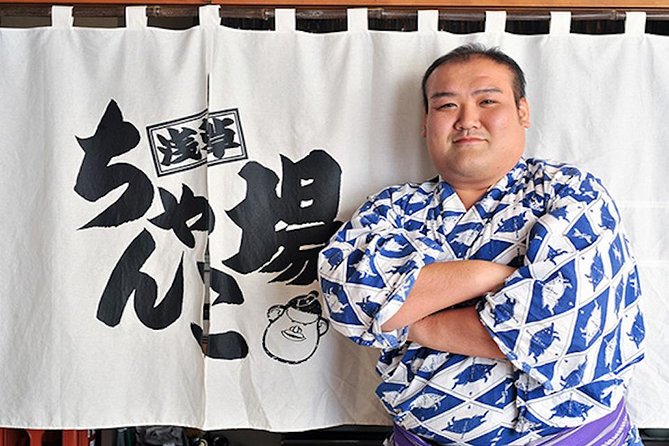
Nakamise Street leads toward Senso-ji and is known for snacks, small gifts, and traditional-style shopping. The tour includes time to sample some of what the street offers, but food and drinks are not included in the price.
That detail affects the value. You are getting an introduction and the chance to choose what interests you, not a prepaid tasting menu. Bring some yen or another accepted payment method for purchases, and do not assume every snack is covered.
Nakamise works well as the relaxed counterpoint to the sumo stops. You can ask the translator about unfamiliar foods, browse souvenirs, and enjoy a more casual part of the walk. The downside is that shopping time can feel short when the entire activity lasts only a couple of hours.
If you are hoping to buy sumo goods, the earlier shop is likely the better focus. If you want sweets, street snacks, and temple souvenirs, save room in your schedule and budget for Nakamise Street.
What the small private format changes
A private tour for up to five people is not the same as joining a large walking group. You do not have to compete with a crowd to hear the translator, and the guide can adjust the conversation to your interests.
This is especially valuable for a subject like sumo, where questions often lead to the best information. You may want to ask about the wrestler’s career, training, ranks, or the difference between active and retired professionals. The format gives you a better chance to do so.
The private setup also suits families and small groups who want one shared activity. The minimum age is 10, and most people can participate. The walk is not presented as a physically demanding excursion, though you should still be comfortable walking between city stops for the duration.
The limitation is cost. A private group can be a good use of money when several people share the booking, but the listed rate is $402.32 per person. For one or two people, that is a serious expense for a short tour. Group discounts are available, so check how the rate changes for your party before deciding.
How much value do you get for $402.32?
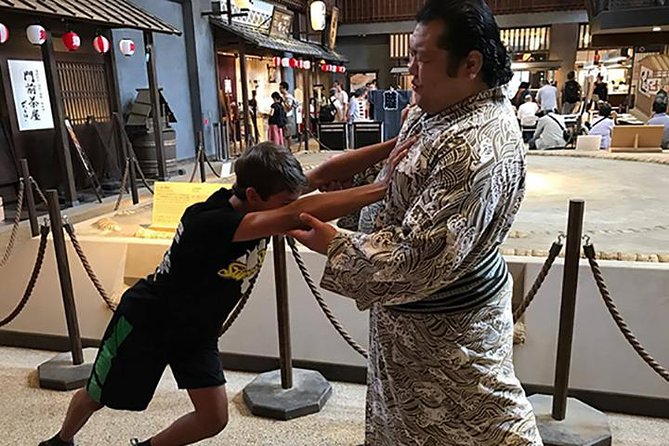
At this price, you are not paying only for a route between attractions. You are paying for access to a sumo wrestler, a translator, a private group, and a carefully chosen introduction to two districts.
That can be worthwhile if sumo is one of your main reasons for visiting Japan. The direct conversation and local explanation are difficult to reproduce with a guidebook. The tour also saves you from planning a route between Ryogoku and Asakusa while trying to understand what you are seeing.
The value is weaker if you mainly want temple sightseeing. You can visit Senso-ji and Nakamise Street without this tour, and the activity does not include food, drinks, or transportation to the meeting point. Likewise, visitors who already understand sumo may find the information less useful than someone encountering the sport for the first time.
The strongest value comes when you want both a personal sumo connection and a short cultural walk. The high rating of 4.3 from seven posted ratings suggests a generally positive response, but the sample is small. One detailed account found the tour informative and enjoyed the conversation with a retired wrestler, while also calling the price high. That is a fair warning, not a minor footnote.
Timing, meeting point, and practical planning
The advertised duration appears in two forms: about two hours in the basic details and about two and a half hours in the main description. I would reserve at least two and a half hours, then avoid booking a train, meal, or show immediately afterward.
The start time is 1:30 pm. That gives you the morning for another Tokyo sight, but it also places the Asakusa portion later in the afternoon. Since the exact pace can vary, keep your evening plans flexible.
You must make your own way to Ryogoku Station. The area is near public transportation, which helps, but transportation from your hotel is not included. The walk ends back at the meeting point, so you can continue exploring afterward or return by train.
Confirmation is sent within 48 hours of booking, subject to availability. The experience is non-refundable and cannot be changed after booking, so I would not reserve it until your Tokyo schedule is firm. That policy matters more here than with a low-cost attraction because the per-person price is high.
Who will get the most from this walk?
I would choose this tour for:
- First-time visitors who want a guided introduction to sumo
- Couples or families willing to pay for a private experience
- People curious about the difference between sport, ritual, and daily training
- Visitors who want to combine Ryogoku and Asakusa in one afternoon
- Anyone who values conversation with a specialist more than a long list of sights
I would think twice if you are watching your budget closely, want a full tournament experience, or prefer to explore temples and shopping at your own pace. The activity gives you a strong overview, but it cannot provide an extended visit to every stop in such a short window.
It is also worth remembering the active wrestler condition. The tour remains focused on sumo if the guide is recently retired, but you should book with that possibility in mind.
Should you book the Ryogoku and Asakusa walk?
Book it if meeting a sumo wrestler is a major highlight of your Tokyo plans and you value direct questions, a tiny group, and a translator. The pairing with Senso-ji and Nakamise Street makes the afternoon more varied than a sumo-only walk, while Nomi Sukune Shrine adds a meaningful link to the sport’s older traditions.
Skip it if $402.32 per person feels out of proportion to a two-hour activity, or if your main goal is simply to see Senso-ji. For the right audience, this is a memorable specialist-led introduction. For everyone else, Tokyo offers cheaper ways to visit the same districts.
FAQ
How long does the tour last?
The experience is described as lasting about two to two and a half hours. Plan for the longer estimate so you are not rushed afterward.
Where does the tour begin?
It begins at Ryogoku Station, at 1-chōme-3-20 Yokoami, Sumida City, Tokyo 130-0015, Japan.
Where does the tour end?
The activity ends back at the meeting point.
What time does the tour start?
The listed start time is 1:30 pm.
How many people can join the private tour?
A maximum of five people can participate in one booking, and only your group takes part.
Is the tour led by an active sumo wrestler?
A sumo wrestler leads the experience, but the guide may be a just-retired wrestler if an active wrestler is unavailable because of tournaments or other reasons.
Are food, drinks, and transportation included?
No. Food and drinks are not included, and you must arrange your own transportation to and from the meeting point.
More Guided Tours in Tokyo


More Walking Tours in Tokyo
More Sumo Experiences in Tokyo

More tours in Tokyo we've reviewed












Sumo Experiences, compared.
 ★ 4.8Tokyo: Sumo Show Experience with Chicken Hot Pot and a PhotoFrom $1032 hours
 ★ 4.8Tokyo: Sumo Show and Dining ExperienceFrom $7990 minutes - 2 hours
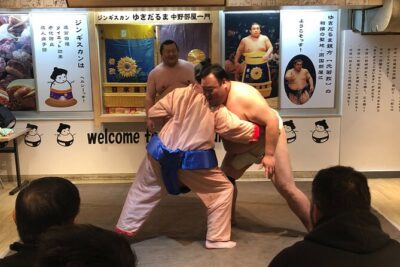 ★ 5.0the SUMO showFrom $89
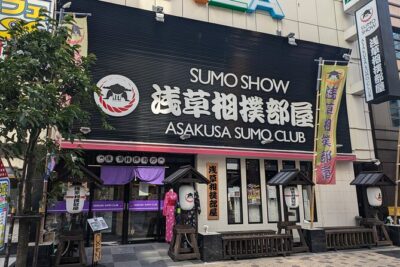 ★ 5.0Tokyo Sumo Entertainment Show with Chicken Hot Pot and PhotoFrom $106
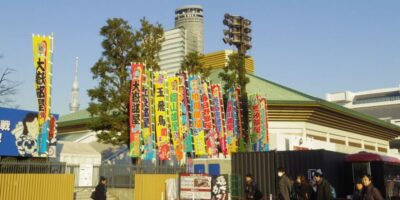 ★ 4.6Tokyo: Sumo Tournament Tour with Chair Seat TicketsFrom $141
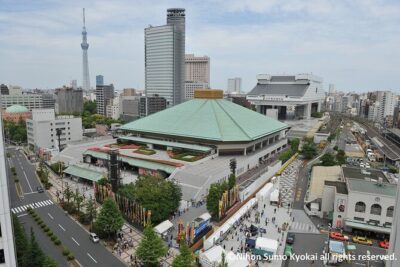 ★ 5.0Tokyo Grand Sumo Tournament Viewing Tour with TicketsFrom $124