Reviewed · GINZA TOURS
Private Ginza Architecture Tour
Ginza’s best sights are not all found in shop windows. This private walk links a temple with an Indian-style facade, a traditional Kabuki theater, major modern buildings, and a few quieter side streets. The real subject is how Tokyo mixes old and new without asking either one to leave.
In This Article
- Why This Ginza Walk Is About More Than Shopping
- Tsukiji Hongwan-ji: A Surprising Place to Start
- Kabuki-za and the 2013 Link to Older Theater
- Nicolas G. Hayek Center and Ginza’s High-End Modern Face
- Maison Hermès and the Art of a Quiet Landmark
- Tokyu Plaza Ginza and Mikimoto Ginza 2
- The Okuno Building and Ginza’s Older Texture
- The Backstreet Detour: A Useful Change of Pace
- Wako at Ginza 4-chome: A Clear Finish
- What $129 Per Person Buys You
- Who Will Get the Most From This Private Tour
- Booking Advice and Practical Details
- Should You Book the Ginza Architecture Tour?
- FAQ
- Where does the Ginza Architecture Tour begin?
- How do I reach the meeting point?
- How long does the tour last?
- What language is the tour offered in?
- Is this a private tour?
- What buildings are included?
- Is a break included?
- Are meals and transportation included?
I like the strong architectural range, from Tsukiji Hongwan-ji and Kabuki-za to the sleek Nicolas G. Hayek Center and Maison Hermès. I also like the private format, which gives you room to ask why a building looks the way it does. The main drawback is the price: at $129 per person, this makes the most sense if architecture is a serious part of your Tokyo plans.
- Tsukiji Hongwan-ji begins the walk with an unusual Indian-style exterior and church-like interior
- Kabuki-za connects a 2013 building with older Japanese theater traditions
- Ginza’s modern icons include Maison Hermès, Tokyu Plaza Ginza, and Mikimoto Ginza 2
- The Okuno Building offers a look at an older side of Ginza
- A backstreet detour shows more than the polished main avenues
- The 210-minute private tour includes an English-speaking guide and drinks break
Why This Ginza Walk Is About More Than Shopping
Ginza is usually sold as Tokyo’s luxury district, but this route asks you to look up. Department stores, watch brands, jewelry houses, and fashion labels become examples of architectural ideas rather than simple places to spend money.
That change in focus is useful. You will see how a single district can hold religious architecture, performance space, postwar design ideas, polished corporate buildings, and small side streets within one walk. The experience also gives you a clear theme: traditional forms are not treated as museum pieces, and modern buildings are not presented as cold objects with no connection to Japan.
Because this is a private group, the pace can suit your interests better than a large walking tour. If you want to ask about the Japanese Metabolism movement, compare two facades, or spend longer at a particular building, a private guide is the more comfortable setup. The English-speaking guide can also explain the route as you move between stops.
The tour lasts 210 minutes, or three and a half hours. That is long enough for a serious look at the district, but you should still expect a walking-focused experience rather than a quick photo stop at each building. Comfortable shoes matter. The route begins near Tsukiji and finishes at Ginza 4-chome, so you are not simply circling one block.
Tsukiji Hongwan-ji: A Surprising Place to Start
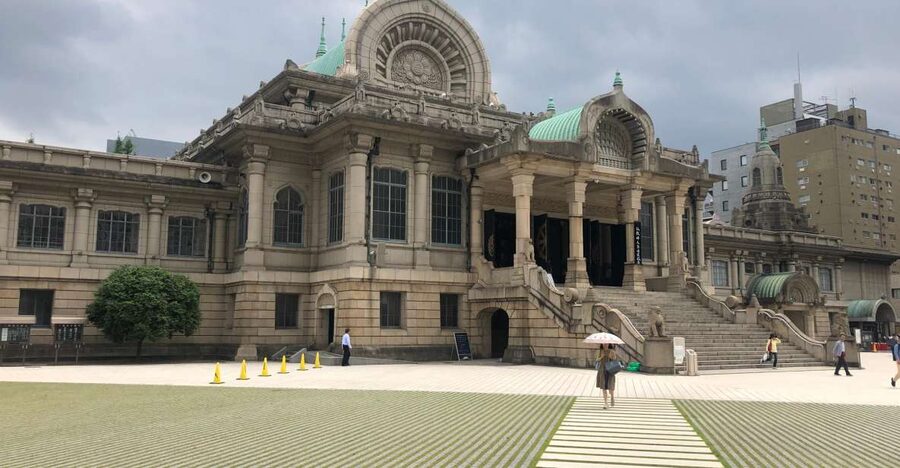
Meet in front of the main gate of Tsukiji Hongwan-ji temple. From Exit 1 at Tsukiji Station on the Tokyo Metro Hibiya Line, turn left and walk straight for less than a minute. This is one of the easiest meeting points in the tour details, which helps when you are still finding your feet in Tokyo.
The temple is an excellent opening stop because it immediately breaks the usual picture of Japanese religious architecture. Its exterior uses an Indian-inspired style, while the inside has the feel of a European church. That contrast gives your guide plenty to explain before the tour even reaches Ginza proper.
I like this first stop because it tells you not to rely on labels. A temple does not have to look like the wooden buildings many people picture, and a modern Tokyo district does not have to be read only through its shops and signs. Tsukiji Hongwan-ji makes the point in a direct, visual way.
The temple also reminds you that architecture can carry several influences at once. You are not just looking at a facade. You are being asked to compare the building’s outside and inside, and to notice how different design traditions can be used in one place.
A few more Tokyo tours and experiences worth a look


Kabuki-za and the 2013 Link to Older Theater
From Tsukiji, the route continues to the Kabuki theater. The current building was newly built in 2013, but it inherited the traditional style associated with earlier generations. That makes it a useful bridge between preservation and new construction.
Kabuki-za is not presented simply as an old theater that survived unchanged. Instead, it shows how a newer building can keep familiar visual ideas while serving a current city. This is one of the strongest parts of the route for anyone interested in the practical problem of rebuilding in a place with strong traditions.
You can expect the guide to draw your attention to the relationship between the theater and its setting. The point is not only that the building looks traditional. It is that Ginza allows a major contemporary structure to retain a recognizable cultural identity.
This stop may appeal especially to you if you enjoy Japanese theater, but you do not need prior knowledge of kabuki to appreciate it. The building works as architecture first. The theater’s role adds another layer, showing how design can help a modern city keep a connection with older forms.
Nicolas G. Hayek Center and Ginza’s High-End Modern Face
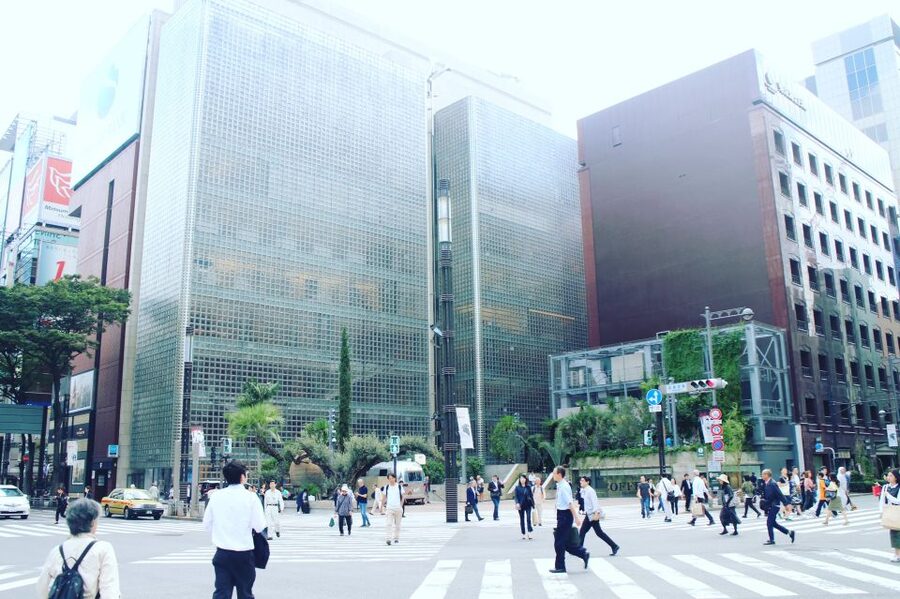
The Nicolas G. Hayek Center shifts the mood. Here, the route moves toward modern commercial architecture and the polished image that Ginza presents to the world.
The name is closely linked with watchmaking, and the building belongs to the district’s luxury retail character. Yet this tour is not about shopping. You are looking at how a brand uses architecture to create an identity, and how a building fits into one of Tokyo’s most carefully watched streets.
This is where a guide adds value. A quick walk past the building might leave you with a glass-and-steel impression and not much else. With an architecture-focused explanation, you can consider proportion, materials, visibility, and the way commercial buildings compete for attention without turning the street into a collection of unrelated objects.
The broader lesson is that Ginza’s design is not limited to grand public monuments. Private companies also shape the area. Their buildings help create the district’s polished character, and each one makes a different choice about how much to announce itself.
Maison Hermès and the Art of a Quiet Landmark
Maison Hermès provides another modern counterpoint. It is one of the famous buildings on the route, but its appeal comes from more than its luxury name.
You will have a chance to consider how a single building can make a mark through restraint. In a district filled with signs and retail displays, a carefully designed facade can be just as recognizable as a large advertisement. This is the kind of detail that is easy to miss when you are focused on Ginza’s shopping.
I would pay attention to how the building meets the street and how it presents the brand without needing a traditional monument form. The guide can help you compare it with the other commercial buildings along the route, which is more useful than treating every stop as an isolated photo opportunity.
The tour’s traditional-to-modern balance works well here. After the temple and Kabuki-za, Maison Hermès shows a different kind of cultural confidence. It does not copy an older Japanese style. It uses a modern architectural language to claim a place in a district with a strong visual identity.
Tokyu Plaza Ginza and Mikimoto Ginza 2
Tokyu Plaza Ginza and Mikimoto Ginza 2 continue the look at newer commercial architecture. These stops help you compare buildings that serve similar urban purposes but use different design approaches.
Tokyu Plaza Ginza is known on this route as one of the district’s notable modern works. Mikimoto Ginza 2 adds another example, giving you a chance to see how a jewelry brand uses a building as part of its public image. You are not just collecting famous names. You are comparing the ways retail architecture handles scale, facade, and street presence.
This part of the walk is especially useful if you like contemporary design but do not want a tour limited to one architectural movement. The buildings are placed within a wider story that includes traditional forms, the Japanese Metabolism movement, and emerging architectural work.
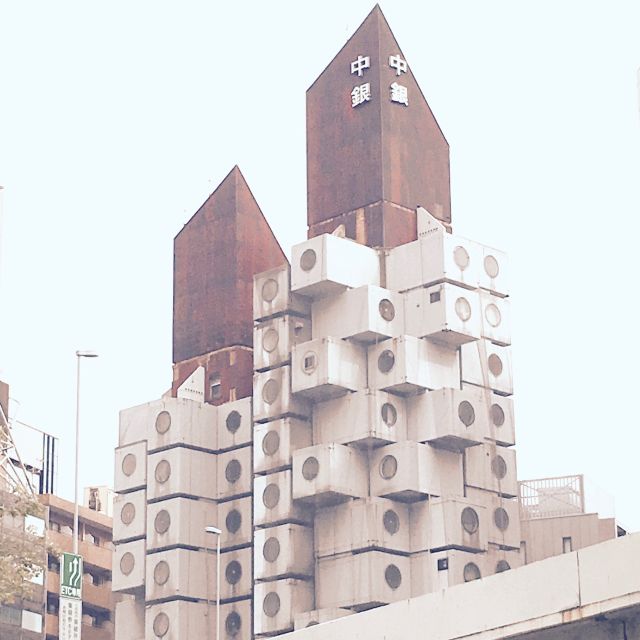
The Japanese Metabolism movement is an important thread in the tour. In the 1960s and 1970s, architects associated with Metabolism proposed new forms of urbanism that could respond to a growing, changing city. The tour includes a masterpiece connected with that movement, giving you a chance to place Ginza’s buildings in a larger conversation about how cities might be designed for the future.
You do not need to arrive with a textbook knowledge of Metabolism. The value is in seeing one of its major works in person and then comparing that idea with the more polished commercial buildings around it. A guide can make the connection between theory and the actual street easier to follow.
Other private tours in Tokyo



The Okuno Building and Ginza’s Older Texture
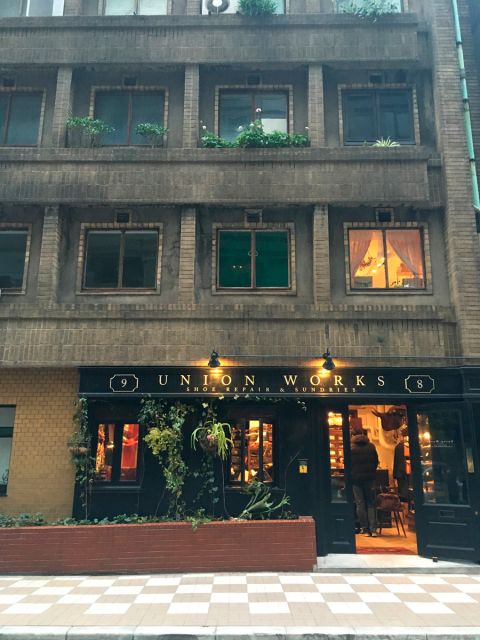
The Okuno Building gives the route a change of age and atmosphere. After the clean lines and brand-focused buildings, this stop helps you see a different side of Ginza’s built environment.
It is an important inclusion because a district is not defined only by its newest landmarks. Older buildings carry a sense of how the area has changed over time, even when the tour does not turn into a full social or political history lesson. The contrast with Maison Hermès, Tokyu Plaza Ginza, and Mikimoto Ginza 2 makes the building more meaningful.
I would treat this as a comparison stop. Look at the building’s scale and character beside the newer commercial works. The tour’s strength is not simply the number of buildings you see. It is the way the sequence lets you notice differences that would blur together on an unstructured walk.
The Backstreet Detour: A Useful Change of Pace
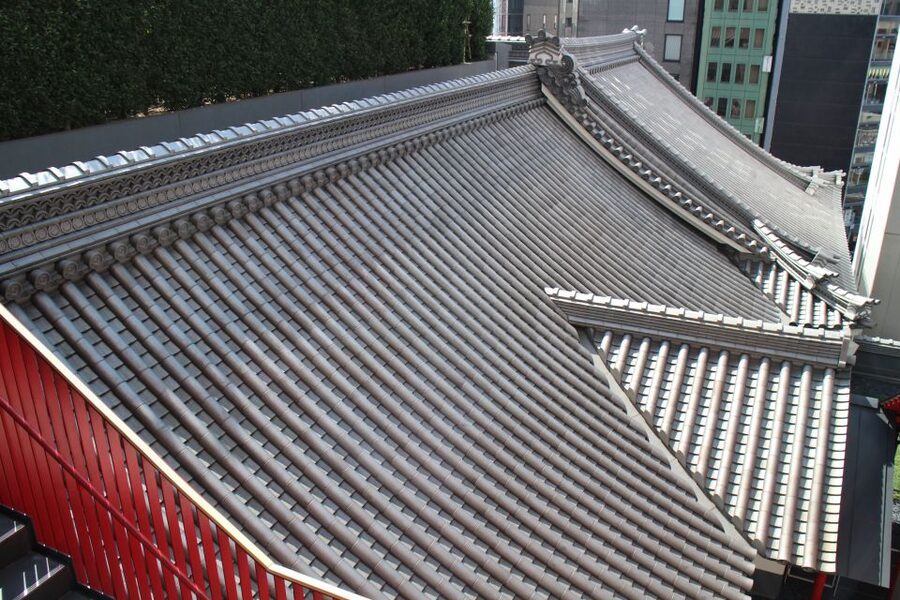
The route includes a secret side trip into a backstreet neighborhood. That detour matters because Ginza’s main avenues can give you a very controlled version of the district. The side streets offer a chance to consider what sits behind the grand retail frontage.
The details of the detour are not specified, so I would not book this expecting a particular restaurant, workshop, or hidden landmark. Think of it as a change in scale and mood. You may find a quieter neighborhood pattern, smaller buildings, and a more everyday view of the area.
This is also a good reason to choose a private walk instead of relying only on a self-guided architecture list. The guide can decide how to use the side trip within the three-and-a-half-hour route and explain why the contrast matters.
The detour keeps the tour from becoming a procession of famous facades. You get the polished Ginza that appears in guidebooks, then a glimpse of the less formal streets nearby. That balance helps you understand the district as a working urban area, not only a showroom for global brands.
Wako at Ginza 4-chome: A Clear Finish
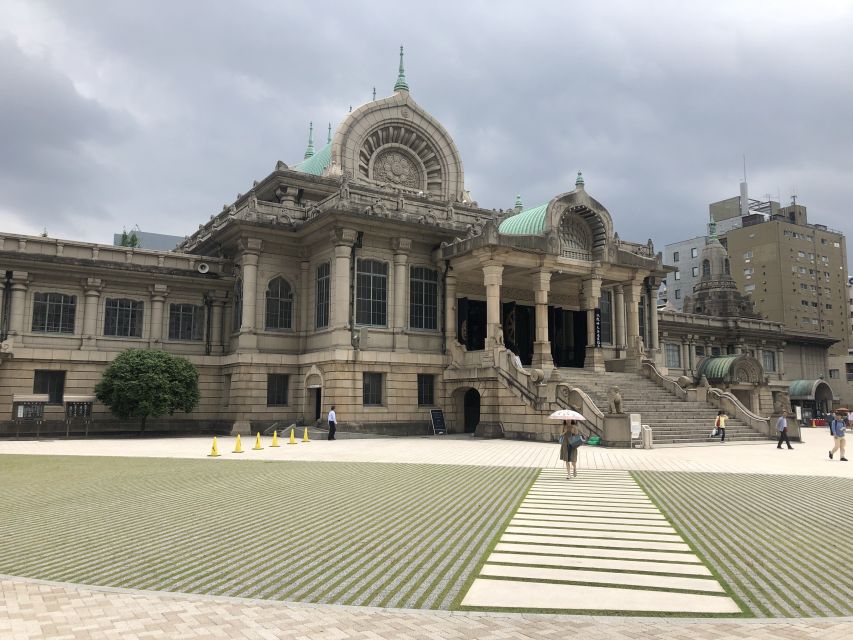
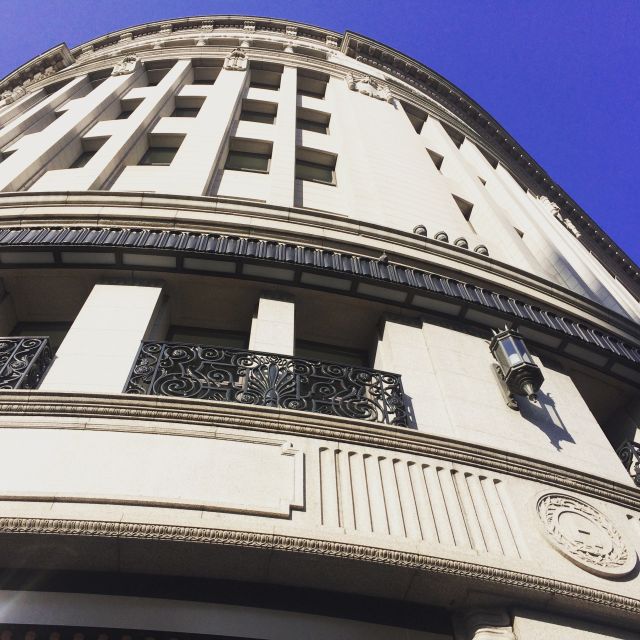
The tour finishes at the intersection of Ginza 4-chome, where the Wako building, associated with SEIKO watches, provides a strong closing point. This is one of Ginza’s best-known visual markers and a fitting end to a route built around architecture and commercial identity.
By the time you reach Wako, you will have seen a temple, a theater, a Metabolism-era masterpiece, major retail buildings, an older structure, and a backstreet area. The final intersection brings those ideas back into the public view. Ginza’s image is built from many periods and many design choices, not one single style.
Ending here is also practical. You finish in a major Ginza location rather than returning to the starting point near Tsukiji. You can continue exploring the area afterward, though transportation from the Ginza area is not included in the tour price.
What $129 Per Person Buys You
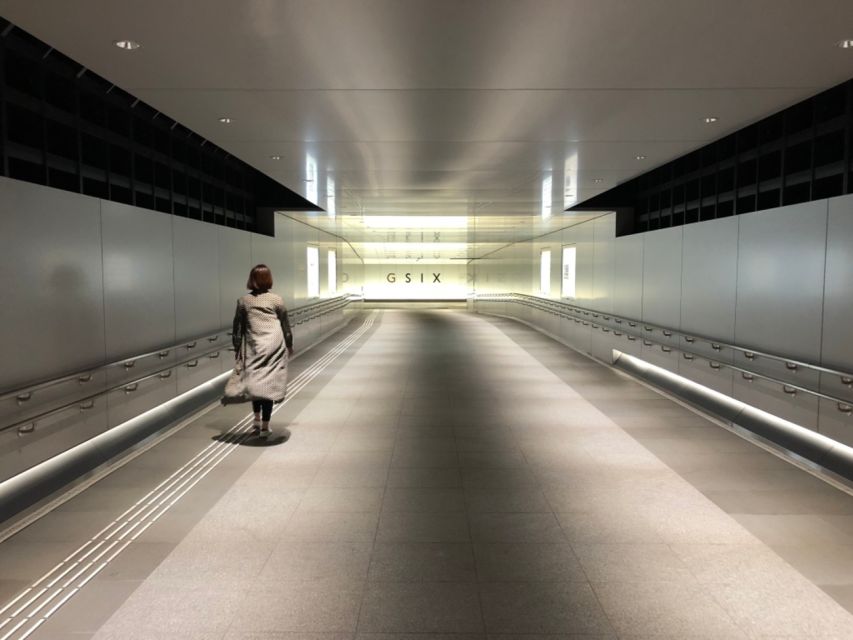
The cost is $129 per person. That is not a casual add-on for someone who only wants a quick look at Ginza’s main intersection. It is a substantial fee for a 210-minute private walking tour, so the value depends on how much you want interpretation and flexibility.
For an architecture enthusiast, the price has a clear logic. You get a private English-language guide, a focused route, access to several major examples, a Metabolism connection, a backstreet detour, and a break with drinks. You are paying for the structure and conversation as much as for the buildings themselves.
For a first-time Tokyo visitor with limited time, the calculation is less certain. If your main goal is shopping or taking a few photos, you can see parts of Ginza without booking a private tour. If you want to understand why the buildings matter and compare traditional and contemporary design, the experience offers more.
Meals are not included, and transportation to and from the Ginza area is also your responsibility. The meeting point is simple to reach, but you should plan your own way onward from the final stop.
Who Will Get the Most From This Private Tour
I would recommend this experience to you if you enjoy cities through buildings, streets, and design choices. It is also a good fit if you want a private format where your questions can shape the conversation.
The tour suits:
- Visitors who want more than Ginza shopping
- Architecture students and design fans
- People interested in the Japanese Metabolism movement
- Repeat Tokyo visitors looking for a new way to read a familiar district
- Private groups that prefer an English-speaking guide
- Anyone who likes seeing traditional and modern work in one compact route
It may be less suitable if you dislike walking, want a food-centered tour, or prefer a short sightseeing circuit. The 210-minute length gives the subject room, but it also asks you to give the experience most of a morning or afternoon.
One verified booking from Martinique described the guide as very capable and pleasant, and praised the overall time spent on the tour. That matches the design of the experience: the guide is central, not decorative. No guide name is provided, so you should not book expecting a particular named host.
Booking Advice and Practical Details
The tour is offered in English and is for a private group. The starting point is in front of the main gate of Tsukiji Hongwan-ji temple, close to Tsukiji Station Exit 1 on the Hibiya Line.
A drinks break is included, which is welcome during a three-and-a-half-hour walk. Meals are not included, so plan food separately before or after the experience.
You can cancel up to 24 hours before the start for a full refund. The reserve-now, pay-later option lets you hold a place without paying at the time of booking, which is useful when your Tokyo schedule is still changing. Starting times depend on availability.
Should You Book the Ginza Architecture Tour?
Book it if you want Ginza explained rather than simply photographed. The route has an unusually good sequence: Tsukiji Hongwan-ji’s cross-cultural design, Kabuki-za’s traditional renewal, modern commercial architecture, a major Metabolism work, the Okuno Building, a backstreet detour, and Wako at Ginza 4-chome.
At $129 per person, it is best viewed as a specialist private tour, not a budget introduction to Ginza. You will get the most from it if you care about architecture, want to ask questions, and value a balanced look at Tokyo’s traditional and modern sides. If that sounds like your kind of city walk, the private format and clear meeting point make this a strong choice.
FAQ
Where does the Ginza Architecture Tour begin?
It begins in front of the main gate of Tsukiji Hongwan-ji temple.
How do I reach the meeting point?
Exit at Exit 1 of Tsukiji Station on the Tokyo Metro Hibiya Line, turn left, and walk straight for less than a minute.
How long does the tour last?
The tour lasts 210 minutes, or three and a half hours.
What language is the tour offered in?
The live tour guide speaks English.
Is this a private tour?
Yes. It is offered for a private group.
What buildings are included?
The route includes Tsukiji Hongwan-ji, the 2013 Kabuki theater, Nicolas G. Hayek Center, Maison Hermès, Tokyu Plaza Ginza, Mikimoto Ginza 2, the Okuno Building, and Wako at Ginza 4-chome.
Is a break included?
Yes. The tour includes break time with drinks.
Are meals and transportation included?
No. Meals and transportation fees to and from the Ginza area are not included.
More Private Tours in Tokyo
More Ginza Tours in Tokyo


More tours in Tokyo we've reviewed












Ginza Tours, compared.
 ★ 4.8Chopstick Making Workshop in GinzaFrom $251 hour
 ★ 4.5Tokyo: Art Aquarium Museum GINZA Entry TicketFrom $171 day
 ★ 5.0Tokyo: Best Ginza Food Tour at 3 Local EateriesFrom $150
 ★ 4.5Official Japan Go-Kart Through Tokyo Bay / Ginza (IDP Required)From $85
 ★ 5.0Private Ginza Architecture Walking TourFrom $132
 ★ 4.8Tokyo GINZA: KONPARU Japanese Cabaret Show with DrinkFrom $502 hours