Reviewed · GUIDED
Tokyo: Customized Private Tour with a Local Guide
Tokyo rewards curiosity, but its size can make a first visit feel like a game of chance. This private tour gives you a local guide and a flexible route through places such as Shinjuku’s old black markets, Golden Gai, Meiji Jingu, Akihabara, and Yanaka. I like the chance to shape the day around food, shopping, anime, history, nightlife, or neighborhood life. I also like that guides such as Claire, Lilian, Lily, and Vivian have helped visitors use Tokyo’s train system and find small cafes and bars they might have passed by.
In This Article
- Key points at a glance
- A Tokyo day built around your interests
- Shinjuku, from black markets to Golden Gai
- Meiji Jingu and the calm side of Harajuku
- Akihabara for retro games and pop culture
- Asakusa, Senso-ji, and the older street plan
- Yanaka and Koenji for quieter streets
- What the guide adds to a day in Tokyo
- Four, six, or eight hours?
- Is $85 per person good value?
- Practical details before you book
- Who should book this private Tokyo tour?
- FAQ
- How long is the private Tokyo tour?
- Which languages does the guide speak?
- Can I choose the neighborhoods and sights?
- Can the guide meet me at my hotel?
- Are transport, food, and entrance fees included?
- Is the tour suitable for children and wheelchair users?
- What happens if I need to cancel?
The main caution is that transportation, meals, entrance fees, and the guide’s admission costs are extra. Four hours will also force some hard choices. This is not the best pick if you want a fixed sightseeing route, a low-walking day, or an outing suited to children under 10.
Key points at a glance
- Choose your Tokyo: Set the route around Shinjuku, Akihabara, Harajuku, Asakusa, Yanaka, Koenji, or other interests.
- Go beyond major sights: Pair Meiji Jingu or Senso-ji Temple with quiet streets, small shrines, old shopping lanes, and local cafes.
- Use a bilingual guide: English and Japanese support makes it easier to ask about customs, daily life, food, shopping, and transport.
- Pick the right length: Four hours works for a focused neighborhood plan, while eight hours allows several parts of the city.
- Meet where it helps: Pickup can be arranged at your hotel or a station if you provide the details in advance.
- Plan for walking costs: Wear good shoes and budget separately for trains, drinks, food, entry tickets, and any admission fee for the guide.
A Tokyo day built around your interests
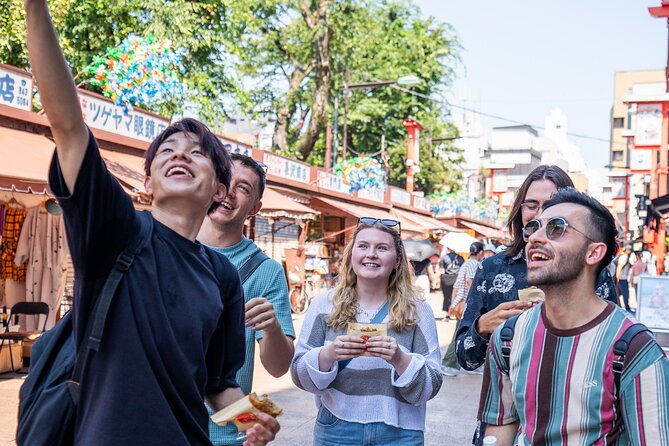
The best feature here is not a particular monument. It is the ability to tell your guide what you want before the day starts, then adjust as you go.
You might ask for postwar Tokyo, Japanese shrines, retro video games, vegan food, fashion, photography, shopping, or the goth and metal scene. You might prefer a day split between famous sights and less familiar neighborhoods. The guide can work in both English and Japanese, which gives you room to ask about small details that are easy to miss when you explore alone.
This matters in Tokyo because the city does not present itself in one neat historic center. Its character changes from station to station. A polished shopping avenue can sit close to a quiet shrine. A huge railway interchange can lead to a narrow lane lined with tiny bars. A private guide can help you connect those pieces instead of spending half your day deciding where to go next.
The experience has received a 4.7 rating from 17 reviews, with particular praise for flexible planning, clear explanations, local tips, and the ability to combine famous places with quieter areas. Guides named in the feedback include Claire, Lilian, Lily, and Vivian, so your guide may vary. Give your guide a clear wish list, but leave a little room for suggestions.
Other guided tours in Tokyo
Shinjuku, from black markets to Golden Gai
Shinjuku gives your guide plenty to work with. The area can introduce you to several versions of Tokyo in a compact outing: postwar black-market lanes, the electric streets of Kabukicho, and Golden Gai, where small bars occupy tightly packed alleyways.
The old black-market material is valuable because it helps explain how Tokyo changed after the war. Rather than seeing only bright signs and department stores, you get a sense of the city’s rougher and more improvised past. Ask your guide to connect the older lanes with the modern district around them.
Kabukicho brings a different mood. It is known for nightlife, entertainment, and a large concentration of bars and clubs. If you want to see this area, tell your guide how much nightlife you actually want. A short walk through the district may suit you better than building the whole tour around it.
Golden Gai is made up of very small bars, and that scale is part of its appeal. It is also a place where you should follow your guide’s advice on which venues welcome visitors. Drinks are not included, and small bars may have their own charges or rules. I would treat this part as a look at Tokyo’s nightlife rather than a promise of a full evening out.
A four-hour tour focused on Shinjuku can give you a useful introduction to the district. Add Meiji Jingu or another neighborhood only if you are comfortable keeping each stop brief.
Meiji Jingu and the calm side of Harajuku
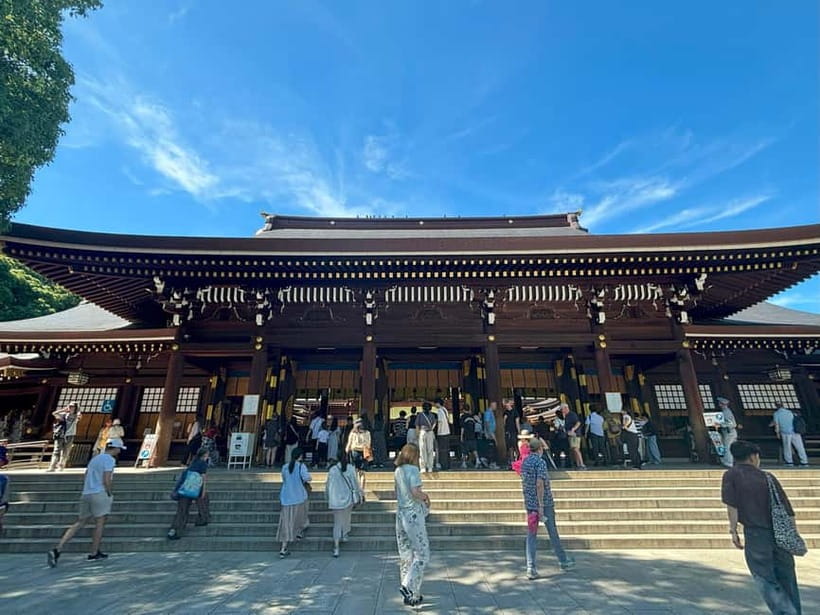
Meiji Jingu offers a sharp change from Shinjuku’s city noise. The shrine is set within a large wooded area, and the approach gives you time to slow down and learn about Shinto customs, shrine etiquette, and the role of the site in Tokyo life.
A guide adds value here by explaining what you are seeing rather than turning the visit into a quick photo stop. You can ask about the shrine’s rituals, offerings, gates, and proper behavior. The information is especially useful if this is your first visit to Japan and you want to avoid treating a working religious site like a museum.
Nearby Harajuku and Omotesando show another side of the city. Harajuku is associated with youth fashion and subcultures, while Omotesando is known for fashion, design, and striking architecture. The tour can connect the traditional shrine with modern streets, making the contrast easy to understand.
Small cafes may be worked into the route, depending on your interests and timing. Food and drinks are extra, but a guide can help you make choices that match your diet or curiosity. If you want vegan food, say so before the day begins. If shopping is your priority, ask for time rather than trying to fit every district into one long march.
Akihabara for retro games and pop culture
Akihabara is the natural choice for visitors interested in anime, manga, electronics, and old video games. The suggested route may include rare consoles, vintage game shops, retro arcades, and unusual pop culture museums.
This section works best when you name your interest precisely. Do you want to browse old hardware, look for a particular game, visit arcades, or simply understand why Akihabara became so closely linked with Japanese pop culture? The more specific you are, the less time you will lose in shops that do not suit you.
Shopping here can also be unpredictable. Availability changes, prices vary, and a short visit may not allow time to compare everything. A guide can help you understand what you are looking at, but purchases remain your responsibility. Plan for personal spending beyond the tour price.
If Akihabara is your main goal, four hours may be enough for a focused visit. Combining it with Asakusa or Yanaka is possible on a longer tour, but you will need to allow for train fares and travel time between districts.
Asakusa, Senso-ji, and the older street plan
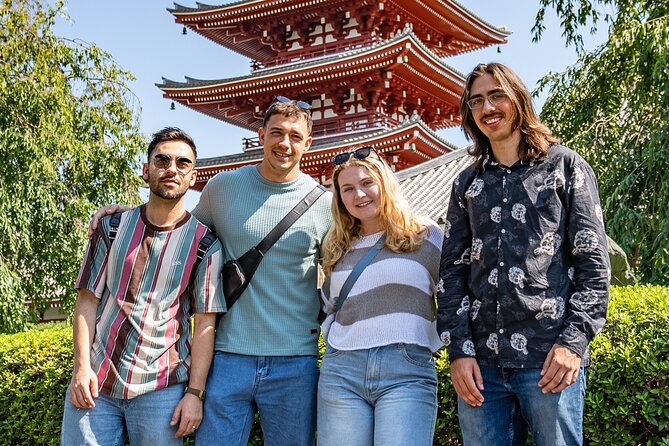
Asakusa gives you one of the clearest introductions to Tokyo’s traditional side. Senso-ji Temple is the major draw, and Nakamise-dori leads toward it through a busy line of shops and food stalls.
The temple is a popular sight, so it can feel crowded. That is not a flaw, but it does affect the pace. Your guide can explain the gates, the temple grounds, and the customs you see along the way. You may also visit smaller shrines nearby if you want a quieter religious stop.
Asakusa is a good choice for a first orientation because it offers visible links to older Tokyo, local religious practice, shopping traditions, and street food. It is also easier to appreciate with context. Without explanation, the route can become a series of attractive buildings and snack counters. With a bilingual guide, you can ask what is appropriate to touch, eat, photograph, or skip.
The tour does not include food, so decide in advance how much time you want for tasting. If you are trying to cover several districts in one day, a sit-down meal can reduce your sightseeing time. On an eight-hour plan, though, a food break can make the day more comfortable.
Other private tours in Tokyo


Yanaka and Koenji for quieter streets
Yanaka is useful when you want to see a slower, more residential side of Tokyo. Yanaka Ginza offers a local shopping-street feel, while the surrounding lanes may include small shrines, older buildings, and independent shops.
This area can be a good answer to the feeling that central Tokyo is all stations, towers, and giant stores. You can walk at a gentler pace and ask about everyday Japanese life. The trade-off is that Yanaka may feel less dramatic than Shinjuku or Akihabara. Its appeal comes from small details, not a single blockbuster sight.
Koenji suits a different set of interests. The area is associated with independent galleries, punk fashion, and Tokyo subcultures. If you care about music, alternative clothing, or neighborhood creativity, tell your guide. If your priority is temples and traditional architecture, Yanaka may be a better fit.
The guide can add extra points of interest along the way, as one visitor’s day included. That flexibility is useful, but it also means you should keep your schedule realistic. Tokyo’s districts are spread out, and a generous wish list can turn a relaxed walk into a race between stations.
What the guide adds to a day in Tokyo
A good private guide does more than lead you to a station exit. The strongest part of this experience is the chance to ask practical questions as they occur.
You can ask how the train system works, how to order food, what to look for while shopping, or how a shrine differs from a temple. Guides have also provided local dining tips and helped people feel more comfortable continuing on their own after the tour. That makes this useful as an opening day in Tokyo, especially if you have never used the city’s rail network.
The bilingual format matters even if your English is strong. Japanese signs, menus, social rules, and small shop customs can still be confusing. Your guide can explain the setting in plain terms and help you decide when to enter a place, what to expect, and when to move on.
Do not expect the same guide every time. Claire, Lilian, Lily, and Vivian are among the names associated with the experience, but assignment depends on availability. The service is described as a private group, so you are not sharing the route with a large coach party.
Four, six, or eight hours?
The four-hour option is best for one main district with perhaps one nearby addition. Choose Shinjuku and its lanes, Meiji Jingu with Harajuku and Omotesando, or Asakusa with nearby sights. Trying to cover all of these in four hours will leave you with snapshots rather than understanding.
Six hours gives you a more balanced day. You can combine a major sight with a contrasting neighborhood, but transport and meal breaks still matter. A plan such as Meiji Jingu, Harajuku, and Shinjuku is more realistic than adding Akihabara and Yanaka too.
Eight hours offers the most useful version of the tour. You can spend proper time in several districts, pause for a cafe or meal, and still ask questions along the way. One eight-hour outing included Meiji Jingu, Harajuku, quieter areas, small cafes, and bars. That kind of day is possible because the route is not locked to a standard list.
Long does not always mean better. Tokyo involves a lot of walking, stairs, station corridors, and transfers. If you choose eight hours, wear comfortable shoes, carry water, and tell the guide if you need regular breaks.
Is $85 per person good value?
At $85 per person, this tour is not the cheapest way to see Tokyo. You still pay for trains, food, drinks, and attraction tickets, and you may also need to cover the guide’s entry fee. The value comes from time saved, personal planning, translation help, and access to places you might not choose alone.
I see the strongest value for first-time visitors with limited time, people with a specific interest, and anyone who wants to understand the train system before exploring independently. It can also work well for solo visitors who want company without joining a large group.
The price is harder to justify if you already know Tokyo well, enjoy planning every stop yourself, or only want to visit major sights with no added context. In that case, public transport and a self-guided route may cost less.
To make the price work, prepare a short list before booking. Put your top two priorities first, then add optional ideas. Tell the guide about food restrictions, shopping goals, photography interests, and your preferred pace.
Practical details before you book
Pickup is included, and the guide can meet you at your hotel or a station if you give the location in advance. Starting times depend on availability, so check the schedule before committing to a tightly timed day.
Bring comfortable walking shoes, water, sunscreen, a camera, and a charged smartphone. A phone is especially useful for navigation and photos. Check the forecast and dress for the day, since much of the experience takes place on foot.
Smoking, littering, and flash photography are not allowed. Flash restrictions matter around religious sites and in places with delicate displays. Carry local currency for personal expenses, since meals, drinks, transport, and entry fees are not covered.
The tour is not suitable for children under 10, people with mobility impairments, or wheelchair users. If you need an easy walking route, this is not the right fit based on the stated restrictions.
You can cancel up to 24 hours before the activity for a full refund, and the reserve-now-pay-later option lets you hold a place without paying immediately.
Who should book this private Tokyo tour?
Book it if you want Tokyo explained as you move through it, not just photographed from the outside. It is especially helpful at the start of a trip, when a guide can show you how the train system works and point out food, shopping, and neighborhood options for later.
I would also recommend it for visitors with a clear interest in retro games, anime, fashion, shrines, nightlife, vegan food, photography, or local subcultures. The private format lets you spend more time on what matters to you.
Skip it if you prefer a fixed itinerary, dislike walking, need wheelchair access, or want every cost included in the upfront price. If you do book, choose your duration carefully. Four hours is a sampler, six hours is a practical middle ground, and eight hours gives the guide enough room to build a real Tokyo day rather than a quick checklist.
FAQ
How long is the private Tokyo tour?
You can choose a duration of 4, 6, or 8 hours. Starting times depend on availability.
Which languages does the guide speak?
The tour provides a live guide who speaks English and Japanese.
Can I choose the neighborhoods and sights?
Yes. The tour is tailored to your interests. Possible areas include Shinjuku, Akihabara, Harajuku, Omotesando, Asakusa, Yanaka, and Koenji.
Can the guide meet me at my hotel?
Yes. Pickup is included, and the guide can meet you at your hotel or a station if you provide the details in advance.
Are transport, food, and entrance fees included?
No. Transportation, meals, beverages, attraction entrance fees, and any applicable admission fee for the guide are not included.
Is the tour suitable for children and wheelchair users?
The activity is not suitable for children under 10, people with mobility impairments, or wheelchair users.
What happens if I need to cancel?
You can cancel up to 24 hours in advance for a full refund. The reserve-now-pay-later option allows you to book without paying immediately.
More Private Tours in Tokyo
More Guided Tours in Tokyo


More tours in Tokyo we've reviewed












Guided, compared.
 ★ 5.0Tokyo 6hr Private Tour with Government-Licensed GuideFrom $155
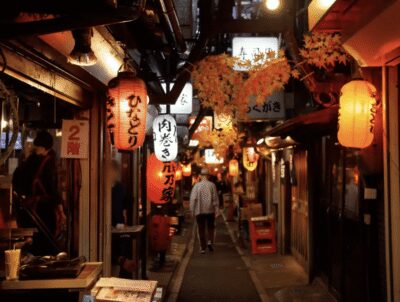 ★ 4.9Tokyo: Shinjuku Local Bar and Izakaya Guided Walking TourFrom $343 hours
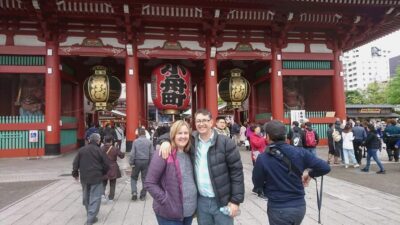 ★ 4.8Tokyo: Private City Highlights Tour with Local GuideFrom $1064 - 8 hours
 ★ 4.9Tokyo: Tsukiji Fish Market Guided Walking TourFrom $222 hours
 ★ 5.0Tokyo 4hr Private Tour with Government-Licensed GuideFrom $109
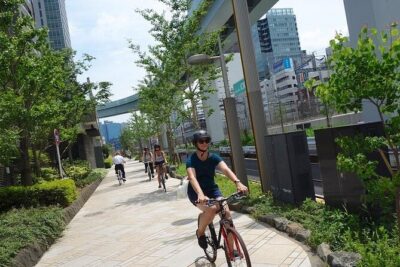 ★ 5.0Tokyo Guided Small-Group Biking TourFrom $106