Reviewed · TOKYO FOOD TOURS
NO DIET CLUB – Unique local food tour in Tokyo !
Sangenjaya gives you a very different Tokyo: old neighborhood lanes, long-running local eateries, and Japanese comfort food just one station from Shibuya. This three-hour food walk trades famous tourist stops for everyday places where the food does the talking.
In This Article
- Key points at a glance
- Why Sangenjaya makes a smart food-tour base
- What the three-hour walk is really like
- Takoyaki, omurice, and curry pan
- The neighborhood between the bites
- The guides and the value of a small group
- How much food do you get for $68?
- Who will enjoy this tour most
- Practical points before you book
- How this compares with a standard Tokyo food tour
- Should you book the Sangenjaya food walk?
- FAQ
- Where does the food tour take place?
- How long does the experience last?
- How many tastings are included?
- What foods might I try?
- Are drinks included?
- Is the tour available in English?
- How large is the group?
- Can pescatarians join the tour?
I like the generous amount of food and the mix of savory and sweet tastings. I also like the small group size, capped at 10, which makes it easier to ask questions and keep up with the guide. The main consideration is simple: drinks other than water cost extra, and the exact tastings change with the seasons.
Key points at a glance

- Sangenjaya instead of central tourist stops: See a calmer side of Tokyo close to Shibuya.
- At least five food tastings: Expect a substantial spread of savory and sweet Japanese favorites.
- Classic soul food: Takoyaki, omurice, curry pan, and other local specialties may appear on the route.
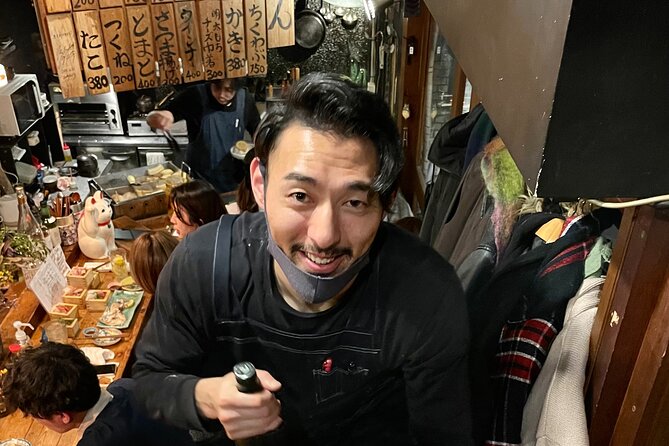
- Small groups of 10 or fewer: Guides such as Marie and Valentin can give the walk a personal feel.
- English and French tours: Choose the language that makes food explanations easiest to follow.
- Pescatarians can join: Tastings may vary by season, so confirm your needs when booking.
Why Sangenjaya makes a smart food-tour base
Tokyo is so large that a food tour can easily become a march between famous districts. This experience takes a different approach. Sangenjaya is only one station from Shibuya, yet the setting feels more residential and less aimed at short-term visitors.
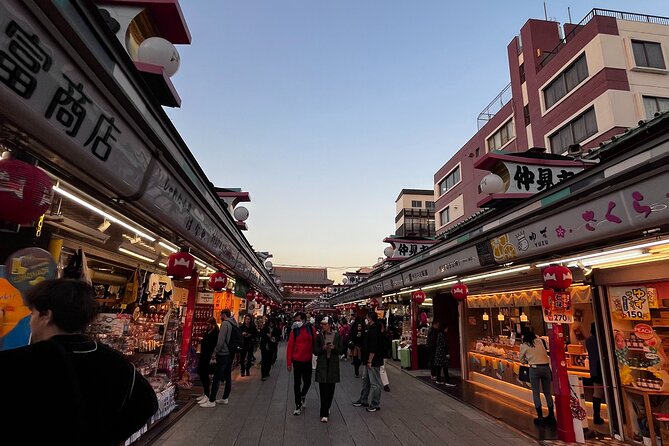
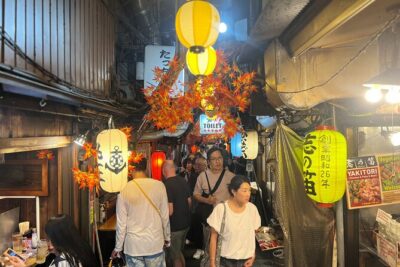
That contrast is the point. You get the convenience of reaching the area from one of Tokyo’s best-known centers, then spend three hours walking through an older part of the city. The route includes narrow alleys, nostalgic shops, and local eateries that have served food for generations.
I like this setup for your first or second day in Tokyo. It helps you get your bearings through food rather than through a list of landmarks. You see how people eat in a neighborhood, not just what appears on a citywide must-eat list.
The route is also useful late in a trip, when you have already visited the major sights and want a quieter change of pace. Sangenjaya gives you a chance to slow down, look around, and make room between tastings with short walks.
A few more Tokyo tours and experiences worth a look

What the three-hour walk is really like
This is a strolling tour with food stops, not a sit-down meal at one restaurant. The pace matters. You sample something, walk through the neighborhood, hear more about the food, and then stop again.
That rhythm makes the meal feel less heavy than five dishes served at one table. One participant specifically appreciated having time to walk and let the food settle between stops. I think that is an important detail if you enjoy tasting a lot but do not want to spend three hours seated indoors.
The exact order and menu are not fixed. Seasonal availability affects the tastings, so you should think of the examples as a guide to the style of food rather than a guaranteed checklist. The focus remains on Japanese soul food, with both savory and sweet items included.
The tour description promises a minimum of five tastings in many spots. Since all food is included, you can budget for the tour without adding separate food costs at every stop. The amount is one of the strongest reasons this experience feels useful for the price.
Takoyaki, omurice, and curry pan
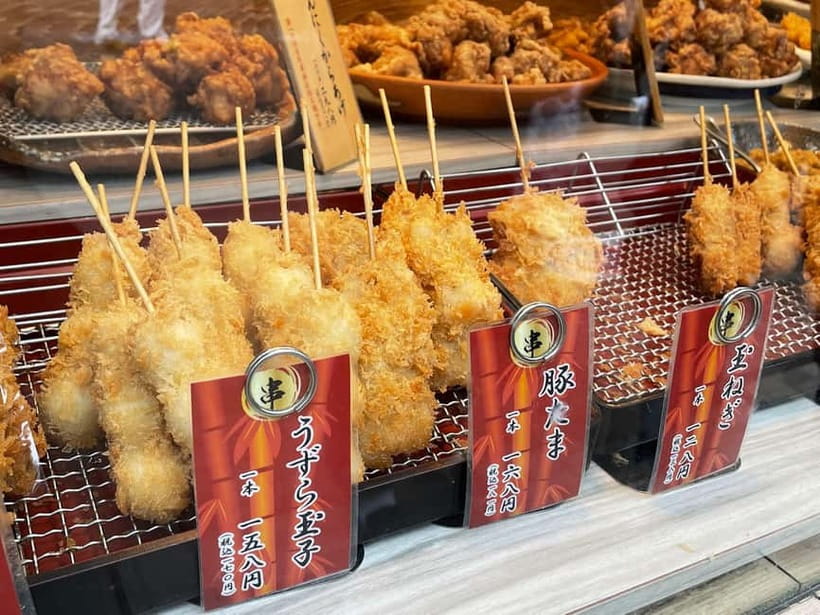
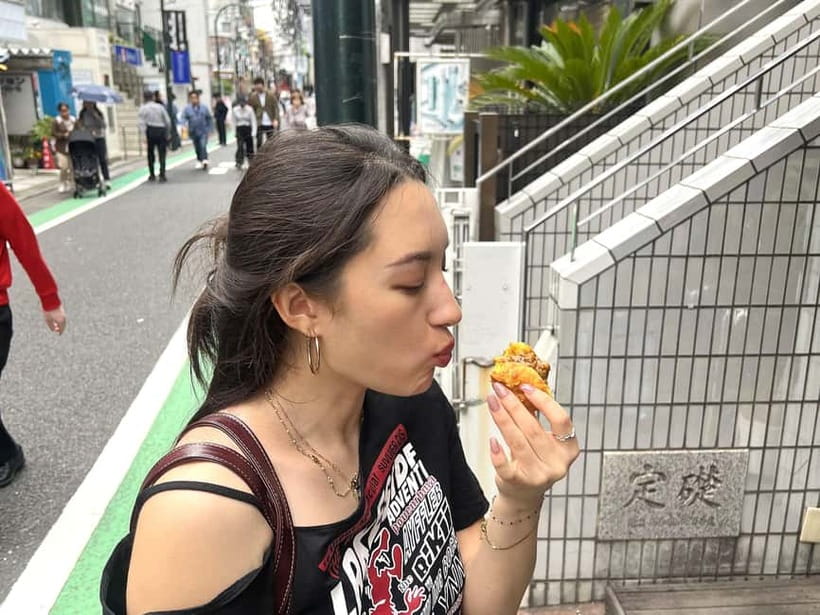
The named specialties give you a good idea of the tour’s character. Takoyaki is a hot octopus-filled snack cooked in round molds, usually served in a casual setting. It is a classic example of Japanese street food: quick, filling, and best understood as part of daily eating rather than formal dining.
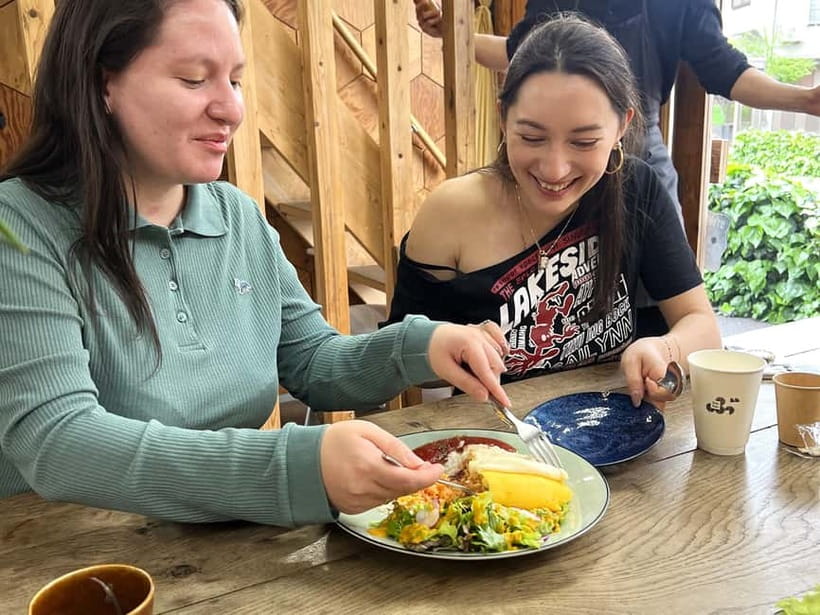
Omurice brings a different kind of comfort. The dish combines omelet and rice, often with a soft, familiar texture that makes it popular across Japan. It is not an elaborate fine-dining course, and that is precisely why it belongs on this route.
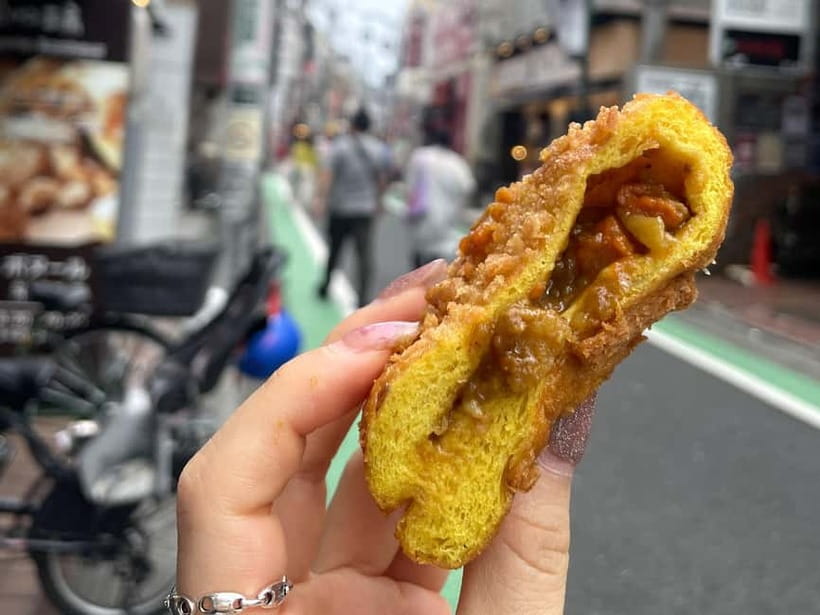
Curry pan is another practical favorite: Japanese curry tucked inside bread and fried. It is portable, rich, and satisfying. If you have mainly associated Japanese food with sushi or ramen, these stops broaden the picture quickly.
You may also try other local foods and sweets. Since the menu shifts with the season, you should arrive ready for discovery rather than expecting one fixed sequence. That flexibility is good for repeat visitors and anyone who prefers local recommendations over a rigid tasting menu.
The neighborhood between the bites
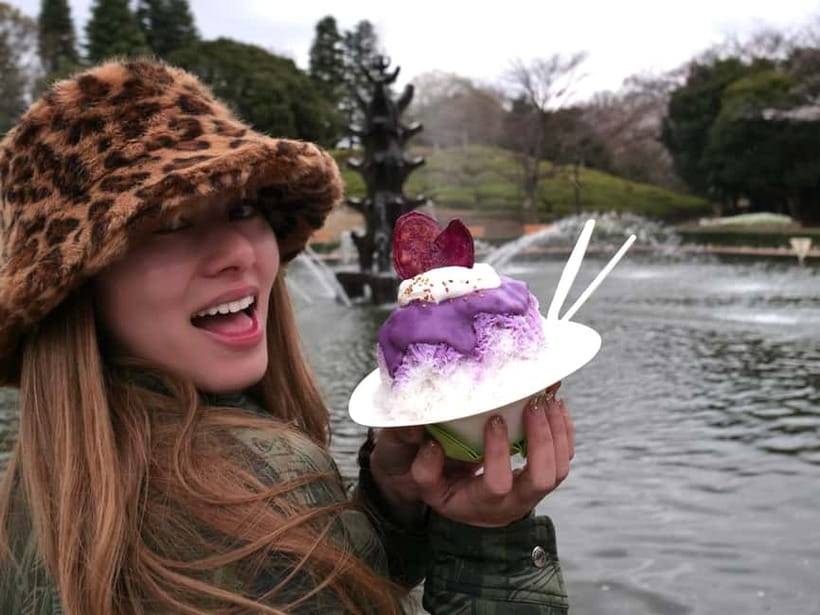
The food is the headline, but the walking gives the experience its shape. Sangenjaya’s alleys and older shops provide the setting for the meal. You are not simply transferred from one restaurant to the next and asked to focus only on the plate.
I find the neighborhood element especially valuable because food makes more sense when you see where it is bought and eaten. A guide can point out the difference between a place designed for quick everyday meals and one with a more formal dining role. The available information does not promise specific historical stops, so you should not book this as a history tour. It is a food walk with local atmosphere and context.
The area is also a practical choice for anyone who finds Tokyo’s biggest districts tiring. You remain close to Shibuya, but the experience centers on a calmer part of the city. That gives you a break from major shopping streets without sending you far across town.
Do not expect a grand sightseeing circuit. The reward is smaller and more personal: a good alley, an old shop, a tasty snack, and an explanation that helps you notice what you might otherwise pass by.
The guides and the value of a small group
The tour runs in English and French. Guide names that appear with this experience include Marie and Valentin, so you may meet one of them depending on the date and language you choose.
The strongest praise has centered on the guides’ attention and explanations. Marie has been noted for taking time to introduce less familiar foods and for offering helpful advice. Valentin has been praised for showing participants local food spots and for listening to what the group wanted from the tour.
That matters more than it may sound. A food tour can become a rushed sequence of bites if the guide simply hands you something and names it. Here, the useful part is the context around familiar dishes and the chance to try specialties you might not find on your own.
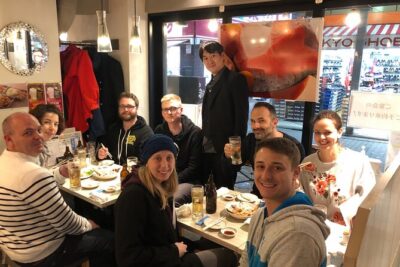
The group limit is 10 people. That is not a private tour, but it is small enough to keep the walk manageable and make questions practical. A smaller group also helps when entering compact local eateries, though the information provided does not promise reserved seating or exclusive access.
If you have specific interests, tell the guide early. Past comments point to guides who listen to expectations, but the tour still follows seasonal availability and the food found along the route.
A few more Tokyo tours and experiences worth a look


How much food do you get for $68?

At $68 per person, this is not the cheapest way to eat in Tokyo. You can buy individual snacks for less, especially if you already know where to go and are comfortable ordering without much explanation.
The better comparison is the cost of several tastings plus three hours of guidance. All food is included, and the tour offers at least five tastings in many spots, with savory and sweet choices. You are paying for both the meal and the work of finding places that may not be obvious to a first-time visitor.
I see good value here for people who want a large tasting meal with local context. The value improves if you would otherwise book several separate restaurants, make ordering mistakes, or spend time searching for suitable places. It is less compelling if your main goal is a single signature dish or the lowest possible food budget.
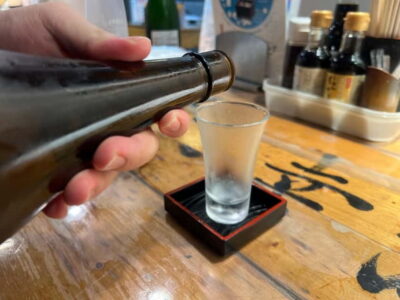
Drinks are the one clear extra. Water is included, but other beverages are not. Keep that in mind if you usually pair every course with beer, tea, or soft drinks.
The word quality also matters. The experience is not built around expensive ingredients or formal dining. Its appeal is tasty, filling local food in casual places. If that sounds better than a polished restaurant meal, the price is easier to justify.
Who will enjoy this tour most
I would recommend it to first-time Tokyo visitors who want a gentle introduction to everyday Japanese food. You get familiar names such as takoyaki and omurice, plus a chance to try foods that may not be on your personal list yet.
It also suits repeat visitors who have already done the major central districts. Sangenjaya offers a change of scene without requiring a long trip, and the guide can add detail to foods you may already recognize.
Pescatarians are welcome, which makes the tour more flexible than many food walks. Still, the tastings vary by season, and no detailed dish-by-dish pescatarian menu is provided. Tell the organizer about your needs before the tour so you can understand what is possible on your date.
This is a good fit for couples, friends, and solo visitors who like eating in a small social group. The food quantity also helps if you want to use the tour as a substantial lunch or early meal, though the start time and exact meal placement depend on availability.
I would be more cautious if you need a fully fixed menu, have serious allergies, avoid all animal products, or want a drinks-focused experience. The supplied information confirms pescatarians are welcome, but it does not promise vegan, allergy-specific, or other dietary arrangements.
Practical points before you book
The tour lasts three hours, so wear shoes you can comfortably walk in. That is basic advice for Tokyo, but it matters here because the food is spaced through neighborhood streets and alleys rather than served in one place.
Check the available starting times before you reserve. The duration is fixed, but the schedule is not listed as one universal departure time. You can reserve now and pay later, which helps if your Tokyo plans are still shifting.
Free cancellation is available up to 24 hours before the tour for a full refund. That gives you some room to adjust plans, but the cutoff is firm enough that you should not leave changes until the last moment.
The tour is offered in English and French. Confirm your preferred language when selecting a date, especially if food explanations are a major reason you are booking.
Bring room for food. The appeal is quantity as well as variety, and the route includes at least five tastings in many spots. Since drinks beyond water are extra, carry a little money if you want something more than the included water.
Finally, do not plan a tight appointment immediately afterward. The tour is three hours on paper, but allowing a little extra time is sensible when food stops and neighborhood walking are involved. No exact end point or delay policy is provided, so leave breathing room.
How this compares with a standard Tokyo food tour
Many Tokyo food tours focus on famous markets, major entertainment zones, or one well-known dish. This experience is narrower in geography but broader in the idea of Japanese comfort food.
You will not get a grand tour of the whole city. Instead, you get one neighborhood seen through several plates. That makes the experience more coherent. You can notice the streets, shops, and local rhythm instead of treating the city as a series of disconnected restaurant addresses.
The tradeoff is predictability. A fixed market tour may promise specific ingredients or stalls. Here, seasonal changes mean your tasting list can vary. I see that as a positive if you enjoy surprise, but a drawback if you have booked because one particular dish is your top priority.
The guide also plays a central role. The best part may be the explanation of foods you already know, not simply the first bite. Comments about Marie and Valentin point to guides who pay attention, answer questions, and adjust to the group. That personal quality is hard to reproduce with a self-guided food map.
Should you book the Sangenjaya food walk?
Book it if you want a generous, neighborhood-based food experience near Shibuya, with several tastings, useful explanations, and a small English or French-speaking group. The mix of takoyaki, omurice, curry pan, sweets, and changing seasonal dishes gives you a wider view of casual Japanese eating than a single restaurant visit.
The $68 price makes sense if you value the food, the guide, and the time saved finding local places. It is less suited to a strict budget, a fixed menu request, or anyone hoping for drinks to be included.
For most food-focused visitors, the strongest reason to choose it is the setting. You get to eat through Sangenjaya at a slower pace, close to Shibuya but away from the usual tourist circuit. If you want Tokyo to feel a little more local and a lot more edible, this is a sensible three-hour choice.
FAQ
Where does the food tour take place?
The tour takes place in Sangenjaya, an older Tokyo neighborhood located one station from Shibuya.
How long does the experience last?
The food walk lasts three hours.
How many tastings are included?
All food is included, with a minimum of five tastings in many spots. The selection may change with the seasons.
What foods might I try?
Possible tastings include takoyaki, omurice, curry pan, and other savory and sweet Japanese specialties.
Are drinks included?
Water is included. Drinks other than water are not included.
Is the tour available in English?
Yes. The tour is offered in English and French.
How large is the group?
The tour is a small-group experience limited to 10 participants.
Can pescatarians join the tour?
Yes, pescatarians are welcome. Tastings may vary by season, so you should communicate your dietary needs when booking.
More Food Experiences in Tokyo
More Tokyo Food Tours in Tokyo
More tours in Tokyo we've reviewed






Tokyo Food Tours, compared.
 ★ 5.0Tokyo: Shinjuku Food Tour (13 Dishes at 4 Local Eateries)From $86
 ★ 4.9Tokyo: Shinjuku Food Tour (13 Dishes and 4 Eateries)From $97
 ★ 5.0Tokyo Night Foodie Tour in Shinjuku – Seasonal Sushi, Wagyu BeefFrom $111
 ★ 5.0Eat and Drink Like a Local: Tokyo Ueno Food Tour-Taverns&RamenFrom $95
 ★ 5.0Tokyo: Shibuya Food Tour (13 dishes and 4 Eateries)From $77
Tokyo: Shinjuku Food Tour – 15 Dishes, 3 Drinks, 4 EateriesFrom $723 hours
★ 5.0Tokyo: Shibuya Food Tour (13 dishes and 4 Eateries)From $77
Tokyo: Shinjuku Food Tour – 15 Dishes, 3 Drinks, 4 EateriesFrom $723 hours