Reviewed · ASAKUSA TOURS
Tokyo, Asakusa: Tea Ceremony and Sweets Making Class
The most appealing part of this Asakusa experience is its calm, personal rhythm. You choose a kimono, shape your own nerikiri wagashi, then prepare matcha with an English-speaking tea expert rather than being hurried through a large group activity. I especially like the creative sweet-making and the chance to ask questions while drinking tea. The main drawback is the short one-hour schedule, which leaves little room for a slow, elaborate ceremony.
In This Article
- Key points to know before booking
- A quiet tea experience in busy Asakusa
- Finding the fifth-floor meeting point
- Choosing and wearing the kimono
- Making nerikiri wagashi by hand
- Preparing matcha with an English-speaking expert
- What the $67 price includes
- Who will enjoy this class most
- Timing your Asakusa plans around 15:30
- My verdict on the Asakusa tea ceremony
- FAQ
- Where does the tea ceremony and sweets class take place?
- How long does the activity last?
- What is included in the price?
- Is transportation included?
- Do I need previous tea ceremony experience?
- Is the wagashi suitable for vegan and halal customers?
- Where does the activity end?
- Can I cancel for a full refund?
I also like that the wagashi ingredients and colorings are vegetable-based, making the class suitable for vegan and halal customers. At $67 per person, the price is reasonable if you value the kimono dressing, guided activity, and intimate setting, but it may feel high if you want a long formal tea ceremony or a full meal.
Key points to know before booking
- The session runs from 15:30 to 16:30: Plan carefully, since the fixed one-hour schedule moves quickly.
- You wear a traditional kimono: Staff help you choose and dress in one from the available collection.
- You make nerikiri wagashi: You choose colors and shapes, turning the sweets into small edible designs.
- The tea portion is hands-on: An English-speaking expert guides you through making matcha.
- The sweets suit vegan and halal diets: The listed colorings and ingredients are vegetable-based.
- Finding the venue takes attention: Use the elevator beside Lawson to reach the fifth floor of the Heiwa Building.
A quiet tea experience in busy Asakusa
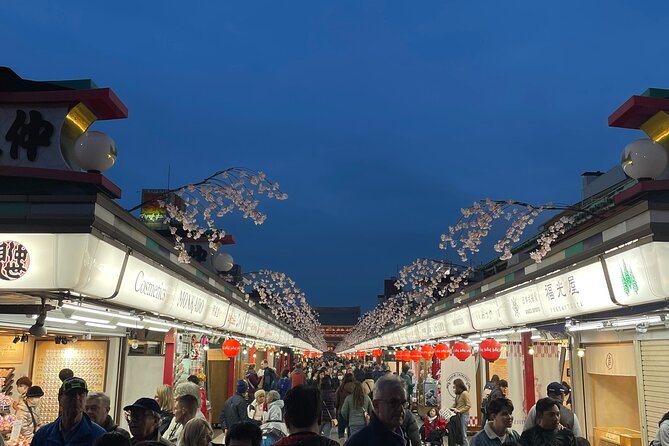
Asakusa is known for major sights and crowded streets, so this class offers a useful change of pace. Inside the Heiwa Building, the focus shifts from sightseeing to small details: the feel of a kimono, the shape of a handmade sweet, and the steady motion of a bamboo whisk.
I like the fact that the activity combines several parts of Japanese culture without requiring previous experience. You do not simply watch a tea ceremony. You dress in traditional clothing, make wagashi yourself, prepare matcha, and talk with an English-speaking tea expert.
The format is intimate rather than grand. That matters because tea culture is easier to understand when you can ask direct questions. You can use the conversation to learn about the meaning of the ceremony, the role of wagashi, or the proper way to enjoy matcha.
Still, keep your expectations realistic. This is a one-hour cultural class, not a full afternoon in a tea house. If you want a long, highly formal ceremony with extended quiet time, this session may feel compressed. If you want a friendly introduction that fits neatly into an Asakusa sightseeing day, the timing works well.
A few more Tokyo tours and experiences worth a look

Finding the fifth-floor meeting point
The meeting instructions are specific, but you need to follow them closely. Take the elevator to the fifth floor of the Heiwa Building. The elevator is beside the Lawson store, near the ramen restaurant, in the same building as a karaoke venue.
This is not the sort of meeting point where you should rely on a large street sign or a guide waiting outdoors. I would arrive with the building details open on my phone and allow a few extra minutes to locate the correct entrance and elevator.
If you have trouble, contact BUB Activity Center rather than wandering around the area. The activity begins at 15:30, and a one-hour class has no spare time for a late start.
Transportation to the venue is not included. You make your own way there, and the class ends back at the same meeting point. That return arrangement is convenient because you do not need to coordinate a second pickup or find a new end location.
Choosing and wearing the kimono
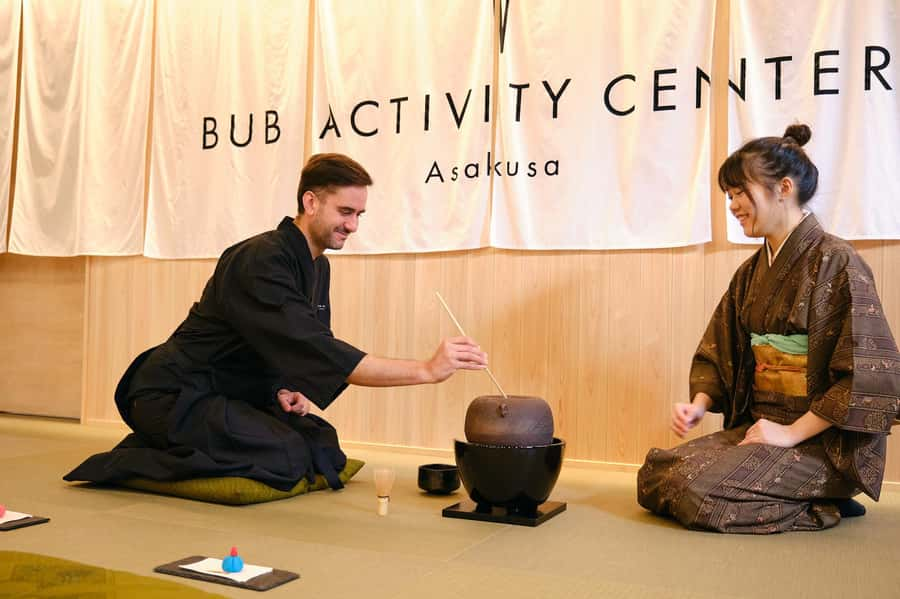
The class begins with kimono dressing. You select a kimono from the available collection, and staff assist with putting it on so you can feel comfortable during the class.
This part does more than provide a photo opportunity. Wearing a kimono changes how you move and sit, giving you a small but useful sense of the care involved in traditional dress. Staff assistance also matters because the clothing needs to be arranged properly for comfort and appearance.
The kimono is one of the strongest reasons to book this activity instead of a basic matcha lesson. You get a visual memory as well as a taste of Japanese culture. The supplied information does not specify how many styles, colors, or accessories are available, so do not book expecting a particular pattern or exact outfit.
Photography is encouraged as part of the experience. Your handmade sweets and kimono create natural subjects for pictures, especially if you enjoy recording small details from your trip. The class does not promise a professional photographer or a formal photo package, so think of this as time to take your own elegant snapshots.
Making nerikiri wagashi by hand
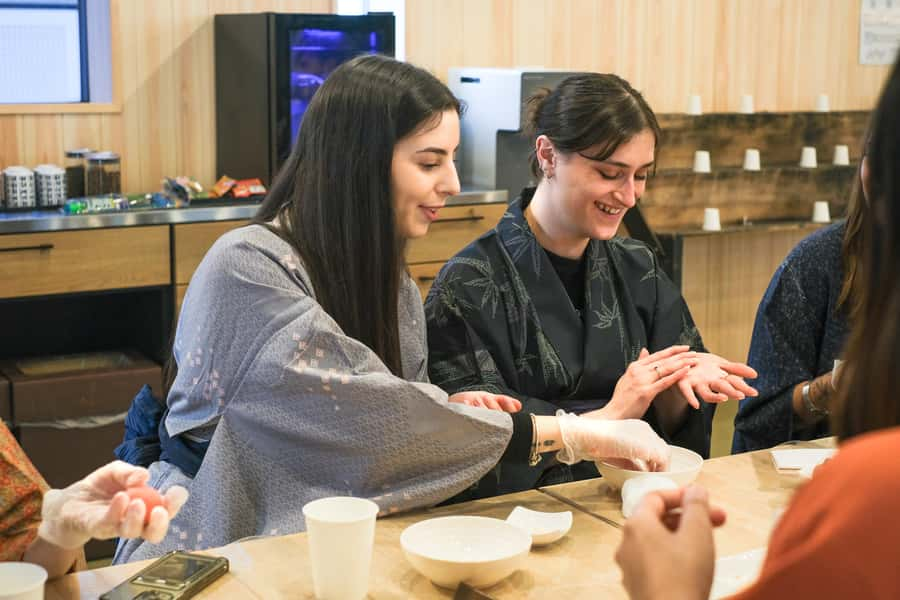
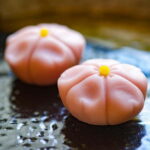
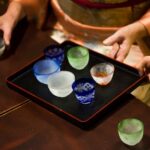
Nerikiri is a delicate Japanese sweet often shaped into seasonal or nature-inspired forms. Here, you make your own pieces by selecting colors and shapes, then treating each sweet as a small work of art.
I like this section because it gives you something active to do with your hands. Matcha preparation has a clear rhythm, but wagashi making lets you make choices. The final result reflects your color sense and shaping skills, even if your first attempt is not perfectly symmetrical.
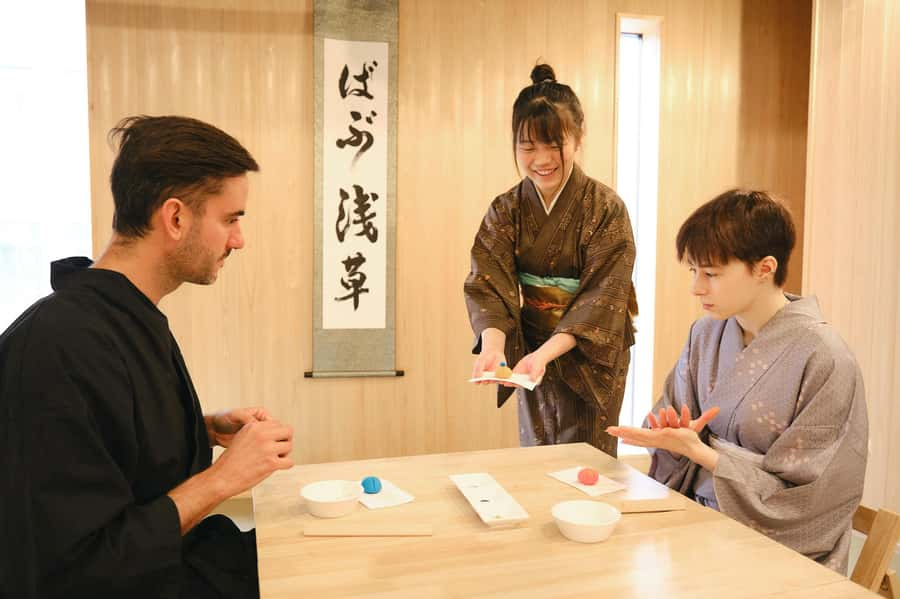
The visual side is important. Nerikiri is designed to be admired before it is eaten, and that makes it a natural partner for matcha. You can photograph the finished sweets in your kimono, then taste them during the tea portion.
No prior experience is needed. That makes the activity suitable for first-time visitors who may worry about getting the shape wrong. The class is guided, so you should receive help as you work, though the exact level of individual instruction is not specified.
The sweets are suitable for vegan and halal customers because the listed ingredients and colorings are vegetable-based. If you have an allergy or a dietary concern beyond those categories, ask BUB Activity Center before booking. The information provided confirms the ingredient style, but it does not give a full allergen list.
Preparing matcha with an English-speaking expert
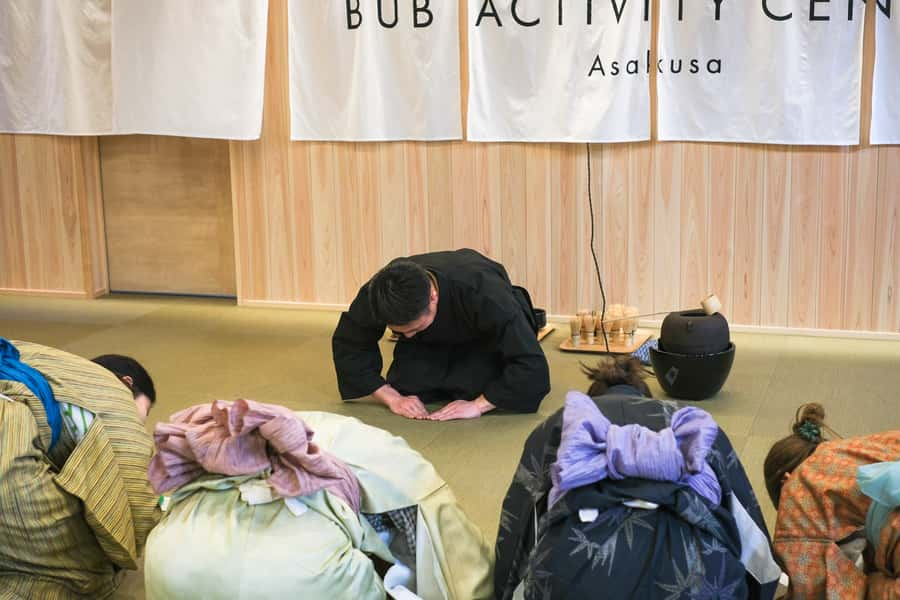
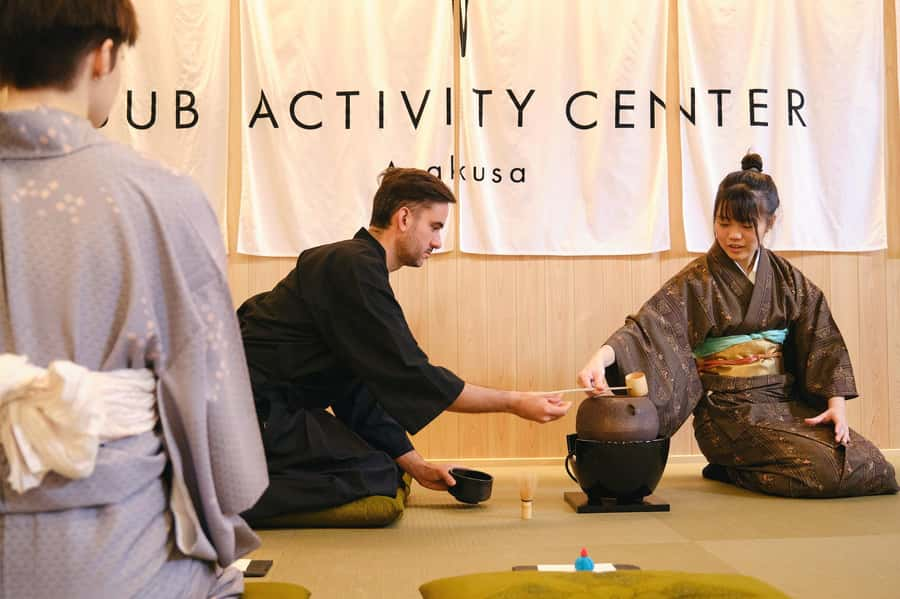
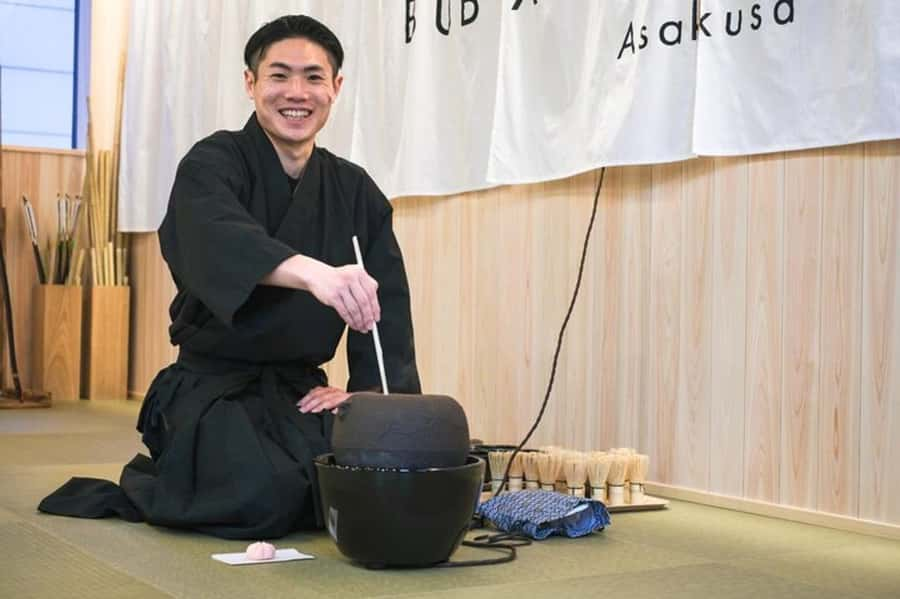
After making the sweets, you prepare matcha with guidance from an English-speaking tea expert. The process is intended to be serene rather than rushed, with time for conversation about Japanese culture.
This is where the class gains much of its personal value. A tea ceremony can seem mysterious if you only watch from the side. When you whisk your own tea, you can connect the movements with the final taste and ask questions as they come up.
The session is not presented as an advanced lesson, and you do not need prior tea experience. The expert guides you through the process, making it a comfortable introduction for beginners. You will likely appreciate this most if you want cultural context along with the activity itself.
The tea is served with the wagashi you made. The sweet and slightly bitter matcha are meant to balance each other, so the tasting has a clear purpose rather than feeling like a separate snack break.
Because the entire class lasts one hour, the tea conversation cannot cover everything. You will get a compact introduction, not an in-depth study of Japanese tea schools, utensils, or ceremony etiquette. That is a fair trade for a short activity that fits into a packed Tokyo schedule.
A few more Tokyo tours and experiences worth a look



What the $67 price includes
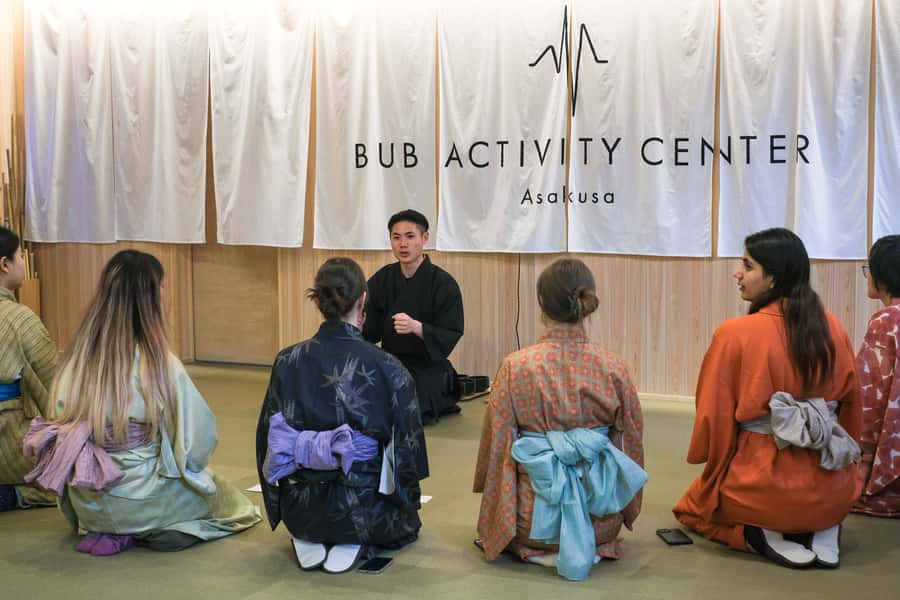
At $67 per person, the cost covers four main elements: kimono dressing, wagashi making, the matcha tea ceremony, and an English-speaking expert guide.
I see the value in the combination. Paying for a simple cup of matcha would not justify this price, but the class includes clothing, instruction, hands-on food preparation, and a guided cultural exchange. You are paying for a structured experience rather than for refreshments alone.
The price is strongest for visitors who want photographs and participation. The kimono adds visual appeal, while wagashi making gives you a personal souvenir that you can eat. The English-speaking guidance also removes the language barrier during the cultural explanation.
The value is weaker if your main goal is simply to taste matcha. You receive wagashi, but no other meal is included, and the experience lasts only one hour. I would compare it with the price of other kimono rentals or tea classes in Tokyo, especially if you are watching your budget.
There is no transportation included, so add the cost of reaching the Heiwa Building to your plans. You also do not receive a full meal, which means you should eat separately if you need something substantial before or after the class.
Who will enjoy this class most
I would recommend this experience to first-time visitors who want a manageable introduction to Japanese customs. You do not need specialist knowledge, and the English-speaking expert gives you a clear way to ask questions.
It also suits photographers and anyone who enjoys small creative activities. The kimono, colorful wagashi, and matcha tools provide plenty of visual detail without turning the class into a staged photo session.
Couples, friends, and solo visitors can all fit the format. The conversation element is especially useful if you prefer a personal lesson to a large demonstration. Families may also appreciate the hands-on sweet making, though the supplied details do not state a minimum age or child policy, so confirm that before booking for young children.
Vegans and halal customers have a clear reason to consider it, since the listed sweet ingredients and colorings are vegetable-based. If you follow another restricted diet, check first rather than assuming the wagashi meets every requirement.
I would hesitate to recommend it to someone seeking a formal, lengthy tea ceremony. The one-hour schedule is efficient, but it is not designed for a slow half-day cultural program.
Timing your Asakusa plans around 15:30
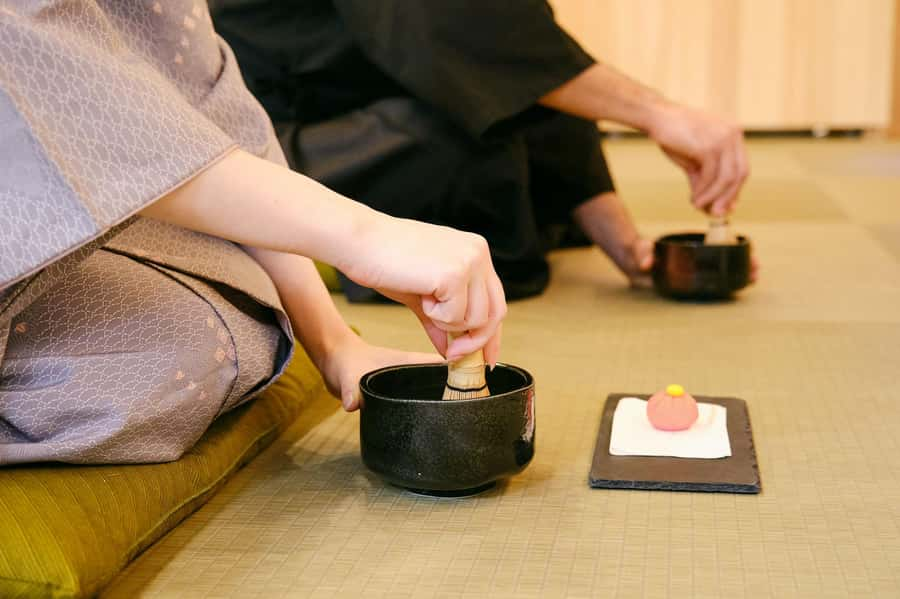
The fixed 15:30 start makes this easy to place in an afternoon itinerary, but you should not plan a major attraction immediately before it. Asakusa streets can take time to navigate, and the meeting point is inside a building rather than at a prominent outdoor landmark.
The class ends at 16:30 at the same place. That leaves you free to continue exploring Asakusa afterward, though the activity itself does not include transport to your next stop.
I would treat the start time as firm. Arriving early gives you time to find the Lawson, locate the elevator, and reach the fifth floor without cutting into kimono dressing or wagashi making.
The booking terms also offer some flexibility. You can reserve and pay later, and cancellation is allowed up to 24 hours in advance for a full refund. Those policies are useful if your Tokyo schedule is still shifting, but they do not change the need to arrive on time once you keep the reservation.
My verdict on the Asakusa tea ceremony
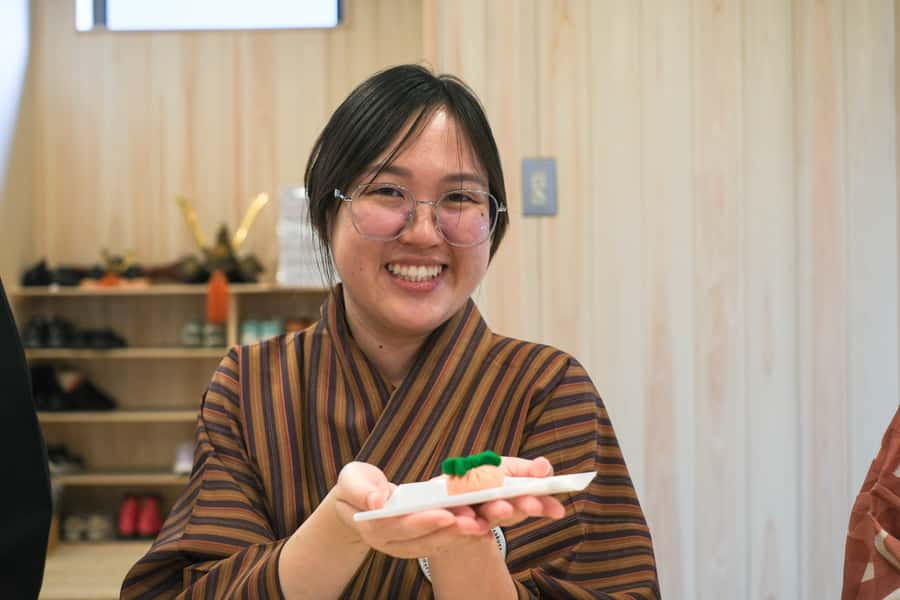
I like this class because it delivers several authentic-feeling activities in a short, tidy package. The best parts are the kimono dressing, the chance to shape your own nerikiri, and the direct conversation with an English-speaking tea expert.
The main question is what kind of tea experience you want. At $67, it is a fair buy for a beginner who values clothing, photos, food craft, and guidance in one session. It is less compelling for someone who wants a long ceremony, extensive historical explanation, or a full meal.
Book it if you want a calm break from sightseeing and enjoy learning by doing. Skip it if your schedule cannot comfortably reach the fifth-floor meeting point by 15:30, or if matcha tasting alone is your main priority.
FAQ
Where does the tea ceremony and sweets class take place?
The meeting point is on the fifth floor of the Heiwa Building in Asakusa. Take the elevator located beside the Lawson store, near the ramen restaurant and in the same building as karaoke.
How long does the activity last?
The experience lasts one hour, from 15:30 to 16:30.
What is included in the price?
The price includes kimono dressing, nerikiri wagashi making, a matcha tea ceremony, and an English-speaking expert guide.
Is transportation included?
No. Transportation to the venue is not included, and you make your own way to the meeting point.
Do I need previous tea ceremony experience?
No. Prior experience is not necessary.
Is the wagashi suitable for vegan and halal customers?
Yes. The listed ingredients and colorings for the sweets are vegetable-based, making the activity suitable for vegan and halal customers.
Where does the activity end?
The class ends back at the meeting point in the Heiwa Building.
Can I cancel for a full refund?
Yes. You can cancel up to 24 hours in advance for a full refund. You can also reserve and pay later.
More Dessert Tours in Tokyo



More Tea Ceremony & Matcha in Tokyo
More Asakusa Tours in Tokyo

More tours in Tokyo we've reviewed


Asakusa Tours, compared.
 ★ 4.8Tokyo: Japanese Dance Cabaret Theater Asakusa-Kaguwa TicketFrom $492 hours
 ★ 4.7Tokyo: Meiji Shrine, Asakusa, Skytree Bus Tour and CruiseFrom $12210 hours
 ★ 4.9Tokyo: Roll and Authentic Sushi Making Class in AsakusaFrom $581h 40m
 ★ 4.8Tokyo: Asakusa Walking Tour with Sensoji Temple VisitFrom $222 hours
 ★ 5.0Tokyo Asakusa Rickshaw TourFrom $42
 ★ 4.5Tokyo Panoramic 1 Day: Meiji Shrine, Asakusa, Odaiba and SKYTREE®From $85