Reviewed · TOKYO
Tokyo’s Neighborhood Digs: Coffee, Records & Vintage Vibes
Tokyo’s alternative side comes into focus on this four-hour walk through Shimokitazawa, Kichijoji, Koenji, and Nakano. You move from vintage clothing and coffee to tattoo culture, anime, manga, cameras, and retro games, with public transit linking the neighborhoods.
In This Article
- Key points at a glance
- Four Tokyo neighborhoods, four different versions of the city
- Starting at Shimokitazawa Station
- Kichijoji brings coffee and a slower rhythm
- Koenji and Tokyo’s changing street style
- Nakano Broadway and the collector’s Tokyo
- How the guide shapes the experience
- Is $83 a fair price?
- Walking, weather, and practical comfort
- Who will enjoy this Tokyo outing?
- Should you book Tokyo’s Neighborhood Digs?
- FAQ
- Where does the tour begin?
- How long does the experience last?
- Which neighborhoods does the tour visit?
- Is coffee included?
- Is transportation included?
- What language is the tour offered in?
- Can I cancel the booking?
I like the way the tour connects shopping with Tokyo’s social story, especially the postwar growth of Shimokitazawa and the bubble-era influence on Kichijoji and Nakano. I also like that coffee and transit are included, so the $83 price covers more than a guided stroll.
The main consideration is the pace. Four neighborhoods in four hours means plenty of walking and short visits, not long browsing sessions. You should wear good shoes, and this outing is not suitable for wheelchair users or people with mobility impairments.
Key points at a glance
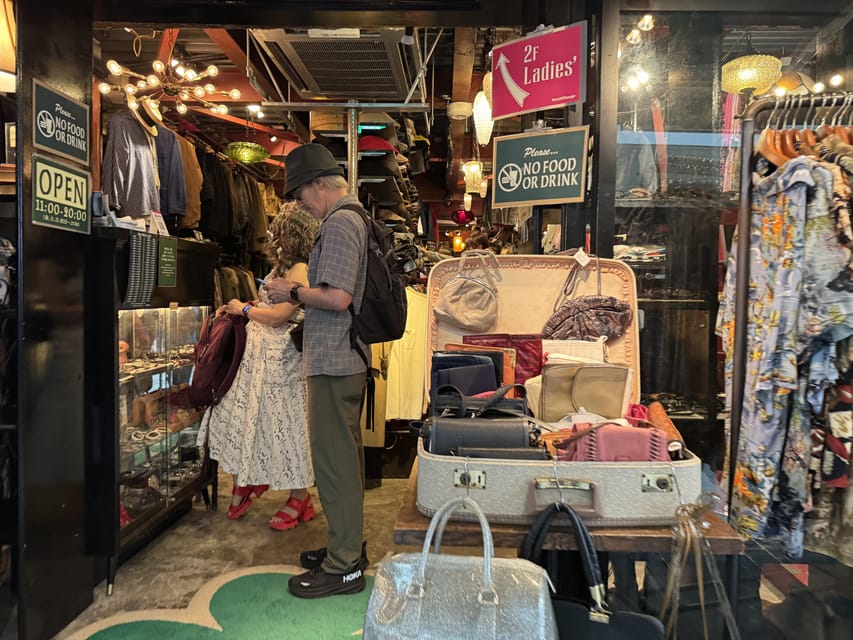
- Shimokitazawa’s vintage maze: Browse secondhand fashion and hear how the neighborhood became a center for independent artists.
- Kichijoji coffee break: Stop at an independent cafe for locally roasted coffee while discussing the area’s relaxed subculture and bubble-era architecture.
- Koenji’s changing style: Explore indie boutiques and learn how shifting social attitudes helped tattoo parlors find a place in the district.
- Nakano Broadway’s collector culture: Search for anime, manga, vintage cameras, and retro games in one of Tokyo’s best-known pop-culture shopping centers.
- Friendly, flexible guiding: Ryuhki and Hiro are named guides associated with the experience, and the tour can be arranged privately or in a small group.
- Simple four-hour format: Meet at Shimokitazawa Station’s Odakyu Line East Exit, then use included transit between districts.
Four Tokyo neighborhoods, four different versions of the city
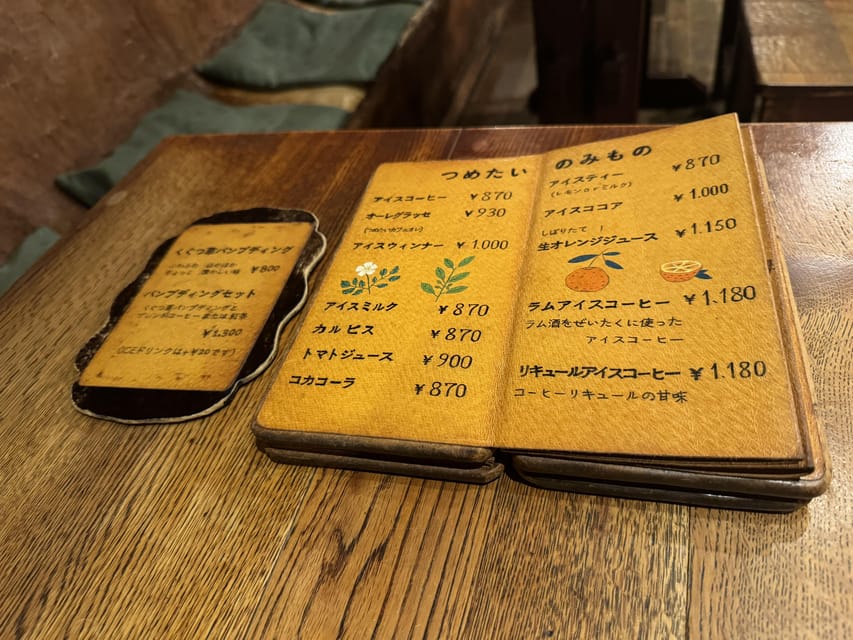
Many Tokyo tours focus on famous sights, but this one looks at the city through its local districts. That matters because Tokyo is not one single place with one style. Its character changes sharply from station to station.
Here, each neighborhood has a clear role. Shimokitazawa is linked with vintage clothing and independent arts. Kichijoji brings coffee and a slower pace. Koenji shows present-day street style and changing social norms. Nakano turns toward collectors, anime, manga, cameras, and games.
I find that structure useful if you have already seen Tokyo’s major temples, crossings, and observation decks. You get a look at daily city culture without spending the whole day inside a museum or following a standard sightseeing route.
The guide provides the thread connecting these places. You are not simply taken from one shop to another. The tour explains how postwar change, the economic bubble, independent art, coffee culture, and Japanese entertainment shaped the districts you see today.
A few more Tokyo tours and experiences worth a look

Starting at Shimokitazawa Station
The tour begins at Shimokitazawa Station, Odakyu Line East Exit. Take care at the meeting point, since Tokyo stations can have several exits and station areas can feel confusing at first. Arriving with your guide’s meeting instructions ready will save time.
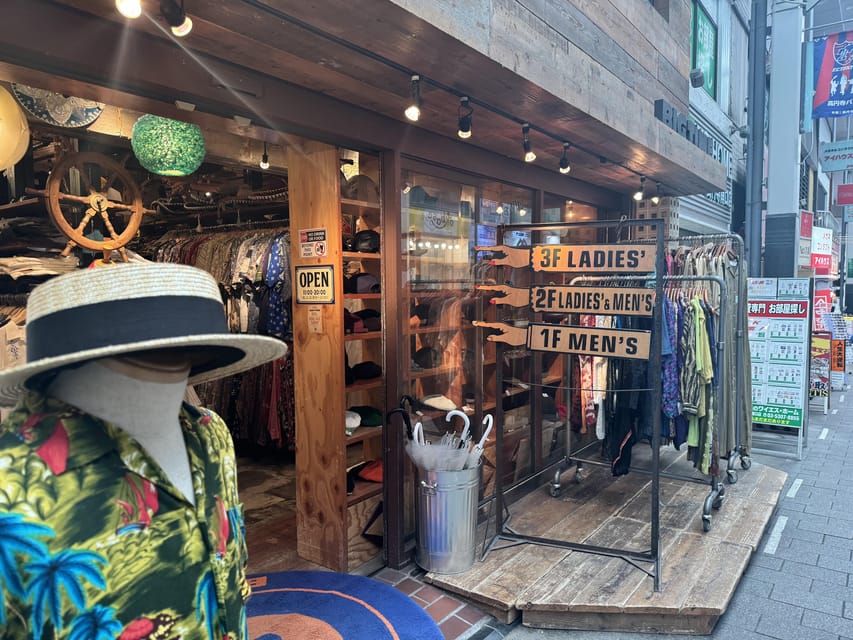
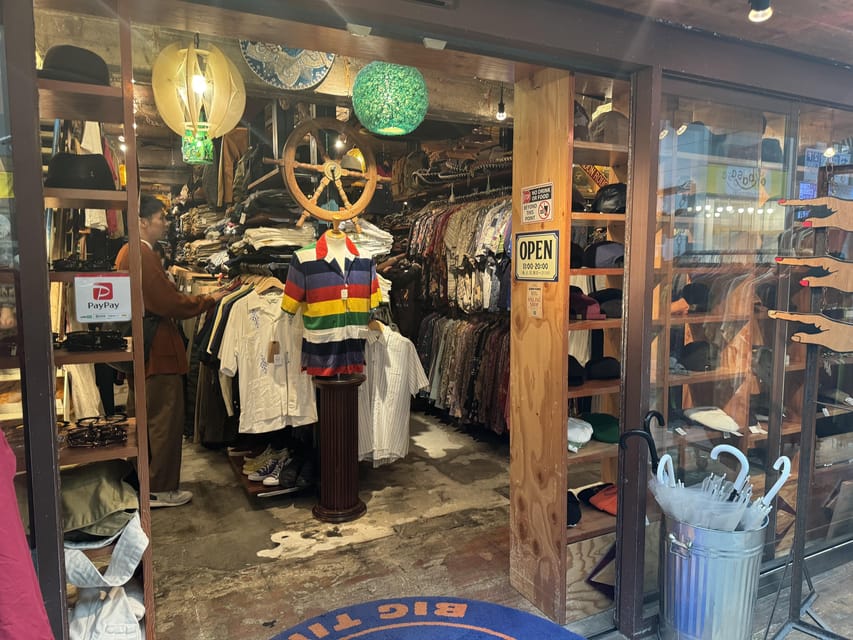
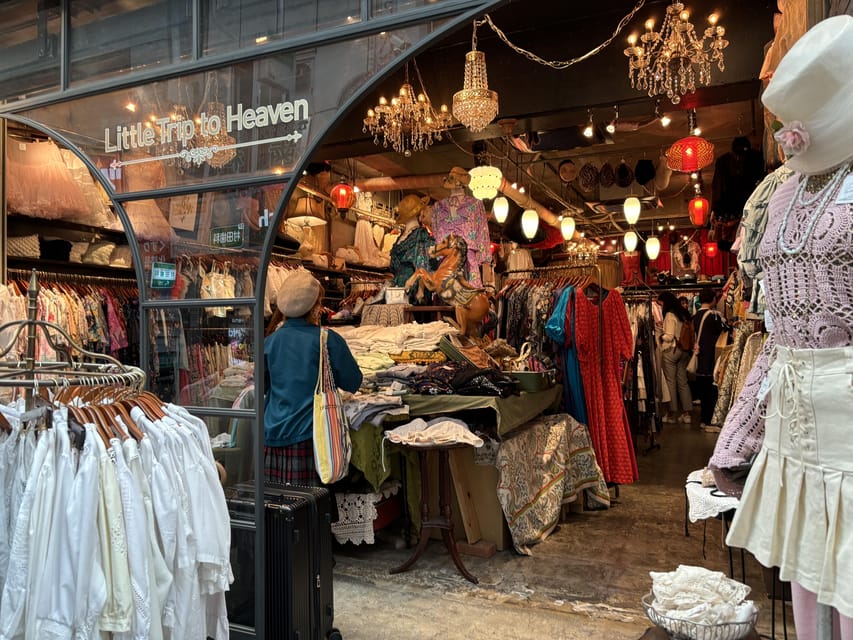
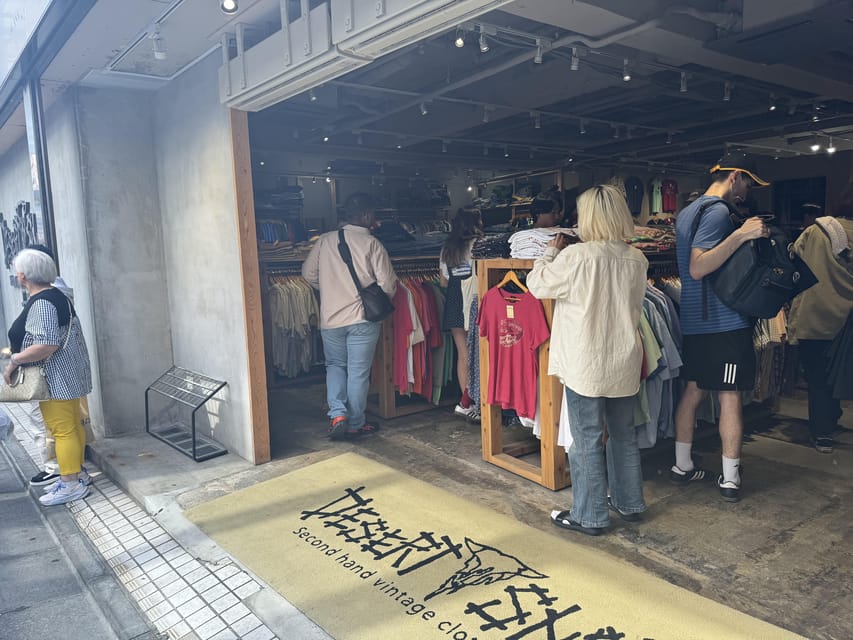
Shimokitazawa is the longest stop, with about an hour for guided sightseeing and shopping. Its narrow streets and low-key creative feel make it a good opening chapter. The district is known for vintage shopping, and you will have a chance to look for secondhand clothing and other Japanese vintage pieces.
The appeal is not just the chance to buy something. Vintage stores give you a quick way to see how fashion, music, and independent creativity meet in Tokyo. The guide also explains the neighborhood’s postwar transformation and how it grew into a home for artists and other independent makers.
You should set a budget before you arrive. Personal purchases are not included, and the tour can introduce you to shops where it is easy to lose track of time or money. The hour is enough to get a feel for the area and look for a special item, but not enough for a serious shopping expedition.
I would come here with an open mind rather than a fixed list. You might find clothing, music-related items, or other vintage pieces, but the exact selection will depend on the shops and the day. The value is in having someone point out the character of the area instead of wandering without context.
Kichijoji brings coffee and a slower rhythm
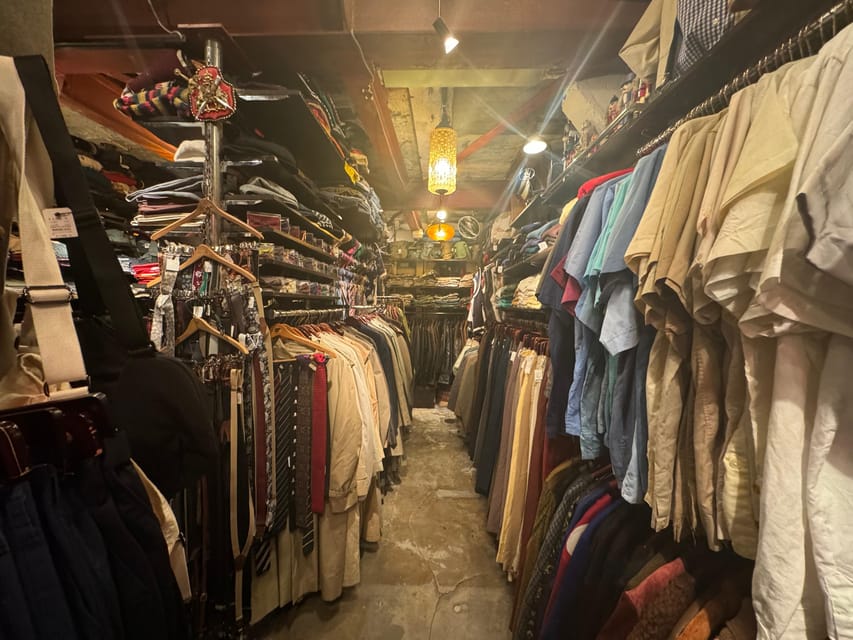
The next stop is Kichijoji, with roughly an hour for sightseeing, shopping, guiding, and coffee. The included coffee at a local cafe is a practical touch. Tokyo has a strong independent coffee scene, and sitting down for a locally roasted cup gives you a needed pause after the first neighborhood.
The guide uses Kichijoji to explain the city’s changing coffee culture and the district’s relaxed subculture atmosphere. You also hear how the economic bubble era affected the neighborhood’s architecture and helped shape the look and feel you see today.
This stop should appeal to you if you like understanding a place through ordinary habits. A cafe can tell you something about local taste, design, and pace without requiring a formal cultural lecture. It also breaks up the shopping, which is welcome on a walking tour that keeps changing districts.
The phrase relaxed escape should not make you expect a rural retreat. Kichijoji is still part of Tokyo, and the tour remains a city outing. The point is the contrast with the more sharply styled districts around it.
Coffee is included, but other food and purchases are not listed as included. If you need more than a drink, bring the means to pay for it. The schedule gives you time to enjoy the cafe, but it does not promise a long meal.
Koenji and Tokyo’s changing street style
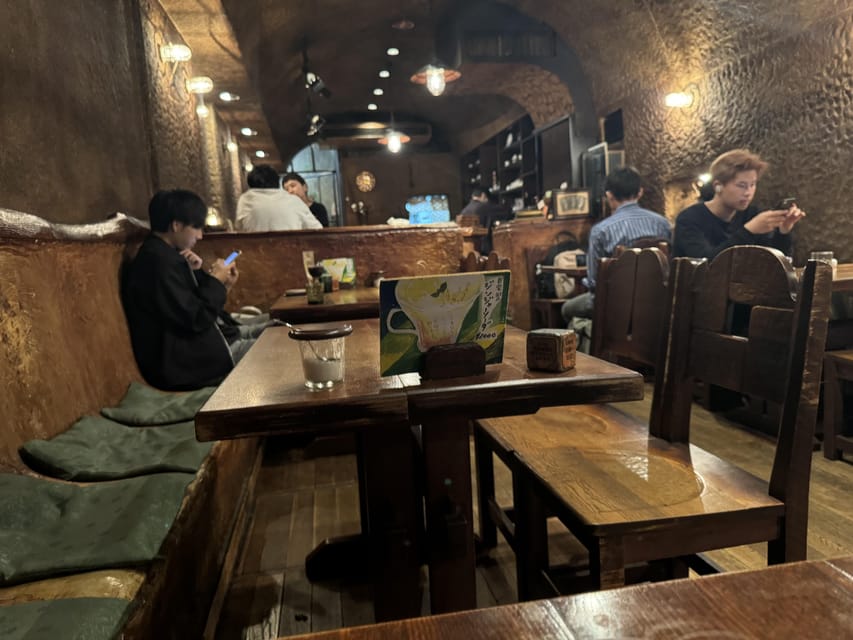
Koenji, or Koenjikita, receives about 40 minutes. This is the shortest stop, so expect a focused look rather than a full afternoon of browsing. The neighborhood is presented as a center of creativity, with maze-like streets and independent boutiques.
The guide points out clothing and shops connected with Tokyo’s current style culture. This makes Koenji different from Shimokitazawa. Shimokitazawa leans toward vintage and postwar artistic identity, while Koenji is used to discuss present-day fashion and changing social habits.
One especially unusual topic is the growth of tattoo parlors in the district. The tour connects this to changing social norms, giving you a look at how parts of Tokyo’s culture have shifted over time. That is a useful detail because it moves beyond the usual discussion of food, shopping, and neon signs.
Forty minutes goes quickly here. If you find a shop you like, you may have to choose between browsing and keeping up with the group. You can ask your guide for recommendations, but personal shopping time is limited by the overall route.
This is where a private or small-group format may help. A smaller group can make it easier to ask questions and adjust the focus, though the exact amount of flexibility depends on the guide and timing. One guide, Ryuhki, is specifically noted for being open to changes and showing especially interesting shops, while Hiro is described as warm and personable.
Nakano Broadway and the collector’s Tokyo
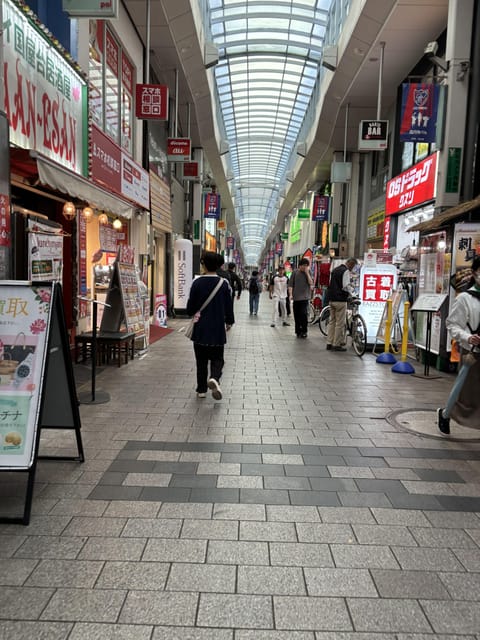
The final neighborhood is Nakano, with about 40 minutes at Nakano Broadway and nearby streets. This is the stop for Japanese pop culture, with shops devoted to anime, manga, vintage cameras, and retro games.
Nakano Broadway can feel like a concentrated lesson in collecting. Instead of seeing anime and manga only as screen entertainment, you see the objects, artwork, cameras, games, and older pieces that support a collecting culture.
The guide also discusses the economic bubble and its lasting effect on anime and manga. That context helps you understand why this stop is more than a shopping center. It reflects the way Japanese entertainment developed into a major part of the country’s modern identity.
If you collect something specific, keep expectations sensible. The experience gives you a chance to search, but it does not guarantee that a particular character, camera, game, or manga title will be available. Prices are separate from the tour cost, and rare items can be expensive.
For many people, Nakano will be the most memorable stop because the shops are so specialized. For others, it may feel crowded with visual information and too short for careful shopping. The best approach is to enjoy the atmosphere, ask questions, and make a note of shops you might want to revisit later.




How the guide shapes the experience
The guide matters a great deal on this tour. Four districts in one morning or afternoon could otherwise become a tiring series of station transfers. A good guide gives each stop a purpose and helps you see connections between the neighborhoods.
Ryuhki is associated with a warm, personal approach and detailed information about Tokyo’s culture, people, and places. The tour can also be led by Hiro, who is described as personable and friendly, with a good eye for shopping and restaurant areas.
You should feel free to ask for changes, especially if you book a private or small-group option. The experience is built around local shops and current neighborhood culture, so your interests can help shape the conversation. Still, do not assume every request can be added. The route has four fixed districts and a firm four-hour length.
The English-language guiding is important here. Some of the value comes from explaining social changes and local context that you might not pick up while walking alone. The guide can also help you understand what makes one neighborhood different from the next.
Is $83 a fair price?
At $83 per person, this is not the cheapest way to see Tokyo’s neighborhoods. You can visit all four areas independently for less, especially if you skip the cafe stop and simply walk through the streets.
The question is what you want from the outing. The price includes an English-speaking guide, transit, coffee at a local cafe, and guided visits to four districts. It also saves you the time of planning a route through several parts of western Tokyo and working out which areas best match your interests.
I see the strongest value in the interpretation. A self-guided visit might show you vintage shops in Shimokitazawa and anime stores in Nakano, but it may not explain the postwar changes, bubble-era influence, coffee culture, or shifting attitudes toward tattoos. If those subjects interest you, the guide adds real substance.
The value is lower if you want long, uninterrupted shopping sessions. The schedule gives about an hour each to Shimokitazawa and Kichijoji, then 40 minutes each to Koenji and Nakano. Transit takes place within the four-hour window, so browsing time is limited.
Private or small-group availability may also affect the price and feel of the experience. The supplied details do not give a different price for those formats, so check the exact option before booking. If you prefer personal questions and a more flexible pace, the smaller format may suit you better.
Walking, weather, and practical comfort
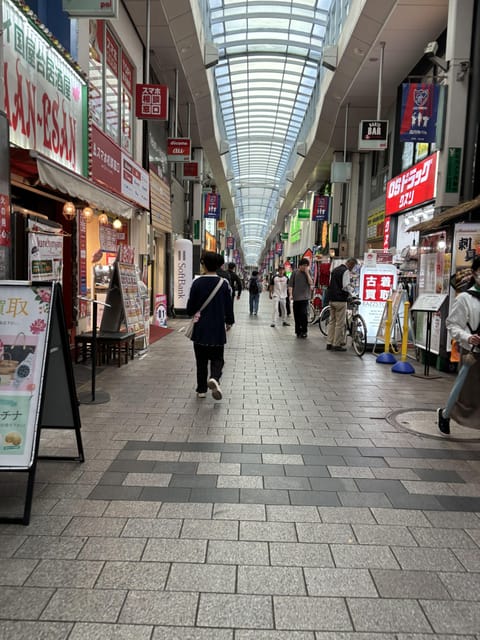
Bring comfortable walking shoes. You will walk through station areas, neighborhood streets, shopping arcades, and commercial buildings, with transit between districts. The tour is not suitable for wheelchair users or people with mobility impairments.
Pack water, sunscreen, and a camera. Smoking and flash photography are not allowed. Flash restrictions are especially relevant in shops with collectibles, vintage items, or delicate displays, so follow the guide’s instructions.
The experience runs for four hours, but starting times vary. Check availability before booking. Since you move between several districts, allow enough time to reach Shimokitazawa Station’s Odakyu Line East Exit without rushing.
The route is more practical in comfortable weather, though the provided information does not specify a rain plan. If the forecast is poor, ask the provider about arrangements before you commit. A compact umbrella and shoes with good grip would be sensible additions, but the required packing guidance is simply comfortable shoes, water, sunscreen, and a camera.
Who will enjoy this Tokyo outing?
I would recommend this tour to you if you like local shopping districts, Japanese subcultures, and guided context more than major landmarks. It is a good fit for first-time visitors who want a quick introduction to alternative Tokyo, and for repeat visitors who have already seen the city’s standard sights.
It also suits people with mixed interests. One person can browse vintage clothing, another can focus on coffee, and a third can ask about anime, manga, or cameras. The range of neighborhoods keeps the outing from relying on one interest alone.
The tour is less suitable if you dislike walking, need a fully accessible route, or want to spend hours in one shop. It is also not ideal if your main goal is a full meal, a long cafe visit, or a carefully planned collector’s hunt.
The small number of published ratings gives the experience a strong 4.8 score, including praise for friendly guiding, personal attention, useful local information, and flexibility. That is encouraging, but the limited number of ratings means you should still judge the tour by its format and your own interests.
Should you book Tokyo’s Neighborhood Digs?
Book it if you want a four-hour introduction to Tokyo’s alternative districts and value a guide who can explain what you are seeing. The combination of vintage shopping, independent coffee, current street style, and Japanese pop culture is well chosen.
I would especially consider it early in a Tokyo stay. You can use the tour to learn which neighborhoods deserve a later return visit. Nakano may call you back for collectibles, Shimokitazawa for vintage shopping, or Kichijoji for another cafe stop.
Skip it if you prefer to explore at your own speed or already know these four districts well. The schedule is tight, personal shopping costs extra, and the walking may be demanding.
For the right person, $83 buys orientation, local context, transit help, coffee, and a practical route through four very different parts of Tokyo. That is a fair trade for a half-day, provided you treat the tour as an introduction rather than a complete shopping day.
FAQ
Where does the tour begin?
It begins at Shimokitazawa Station, at the Odakyu Line East Exit.
How long does the experience last?
The tour lasts four hours.
Which neighborhoods does the tour visit?
It visits Shimokitazawa, Kichijoji, Koenji, and Nakano.
Is coffee included?
Yes. Coffee at a local cafe is included.
Is transportation included?
Yes. Transit between the neighborhoods is included.
What language is the tour offered in?
The live tour guide speaks English.
Can I cancel the booking?
You can cancel up to 24 hours in advance for a full refund. A reserve now and pay later option is also available.
More Coffee Experiences in Tokyo
More tours in Tokyo we've reviewed












Tokyo, compared.
 ★ 5.0Mt Fuji and Hakone 1-Day Bus Tour Return by Bullet TrainFrom $163
 ★ 5.01-Day Tokyo Bus TourFrom $129
 ★ 4.6Tokyo: teamLab Planets TOKYO Digital Art Museum Entry TicketFrom $251 day
 ★ 4.0Mt Fuji & Hakone Cruise, Drum Show Bullet Train 1 Day from TokyoFrom $149
 ★ 5.0Tokyo: Shinjuku Food Tour (13 Dishes at 4 Local Eateries)From $86
 ★ 4.4Tokyo Mt Fuji 5th St & Hakone Cruise Bus Tour w/Bullet TrainFrom $15410 hours