Reviewed · GO-KART TOURS
Tokyo: Original Street Kart Experience from Akihabara
Tokyo traffic becomes your theater on this one-hour go-kart ride from Akihabara. You steer your own custom kart through central Tokyo, dressed in an anime or game costume, while a guide leads the group and keeps everyone together. It is part city sightseeing, part street-level spectacle.
In This Article
- Key points to know before you book
- What this Tokyo kart ride is really like
- The paperwork can make or break your booking
- Leaving Akihabara in costume
- Marunouchi gives the ride a grander view
- Tokyo Station is the photo stop to watch for
- Ginza adds polished shopping streets
- The guide makes the difference
- What is included, and what costs extra
- Who will enjoy this most
- Timing, cancellation, and what to wear
- Should you book the Akihabara Street Kart experience?
- FAQ
- How long does the Tokyo Street Kart experience last?
- Where does the tour start?
- Where does the activity end?
- Is a guide included?
- How many people can join the group?
- What driving documents do I need?
- Are costumes and photos included?
- What footwear is not allowed?
I like the small groups, limited to six people, and the guides’ hands-on approach. Usama, Mike, Mark, Khan, and others are praised for clear signals, landmark tips, careful pacing, and heaps of photos. I also like that the route links very different parts of Tokyo, from Akihabara’s game culture to the grand front of Tokyo Station.
The main catch is time. One hour passes quickly, and some riders feel the route could spend longer among the brightest downtown streets. The $63 price is fair for a special occasion, but less attractive if you want a long sightseeing tour or serious kart racing.
Key points to know before you book
- You drive on Tokyo’s real roads, not around a closed track, so you must be comfortable sharing streets with larger vehicles.
- The route connects Akihabara, Marunouchi, Tokyo Station, the Imperial Palace area, and Ginza in a compact one-hour outing.
- English-speaking guides lead the way, using hand signals and stopping at lights to keep the group together.
- Costumes and photo data are included, while action cameras, micro-SD cards, and camera mounts cost extra.
- A physical passport and the correct driving documents are essential, and the requirements vary by country.
- Night rides add city lights and stronger photos, according to the experience details and rider feedback.
What this Tokyo kart ride is really like
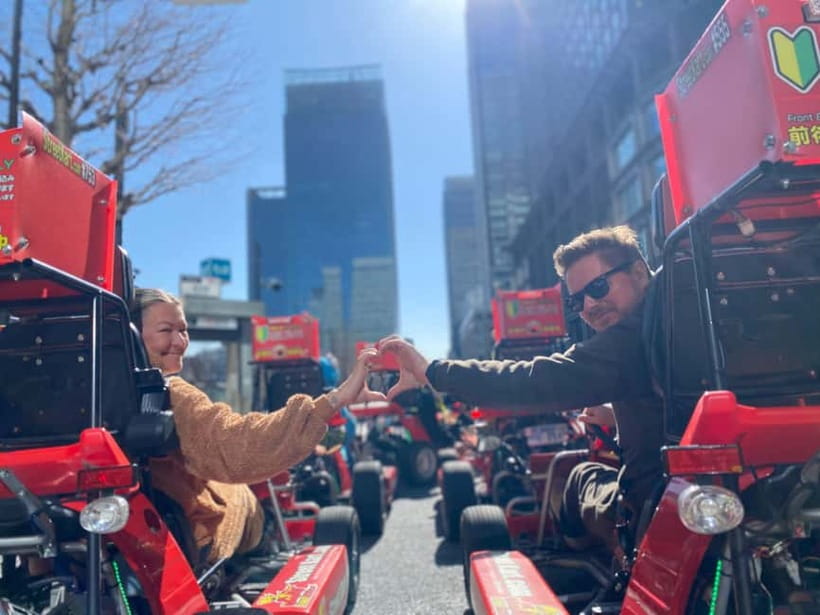
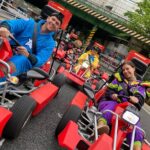
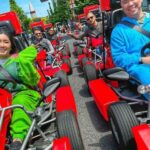
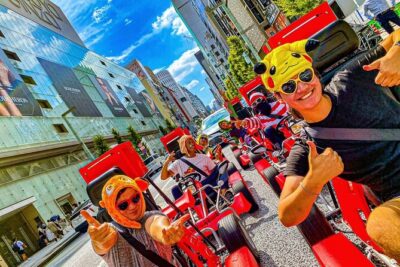
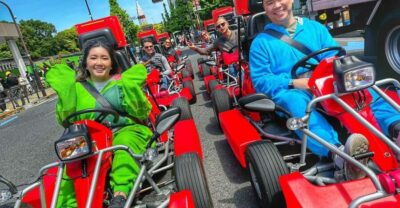
This is not a racing session. It is a guided drive through central Tokyo, with the added theater of wearing a costume while people on the sidewalks wave, smile, and take pictures.
You meet at Street Kart Akihabara 1, looking for the go-karts through the glass doors of the building. After check-in, you receive instructions and watch a safety video. Then you choose a costume, get settled in your kart, and follow the lead guide onto the road.
The group is kept small, with no more than six participants. That matters here. Driving in a line through city traffic requires attention, and a compact group makes it easier for the guide to see everyone and give clear signals. If other people booked your time slot do not arrive, you may end up with a private-feeling outing, as happened to one rider who received extra photo attention.
You should arrive ready to drive, not dressed for a fancy dinner. High heels, sandals, flip-flops, and slippers are not allowed. Cellphones are also listed as prohibited, so follow the operator’s instructions rather than expecting to use your phone during the drive.
A few more Tokyo tours and experiences worth a look

The paperwork can make or break your booking
This is the most important practical point. Every participant needs special documents to drive in Japan, and the operator sends guidance after booking.
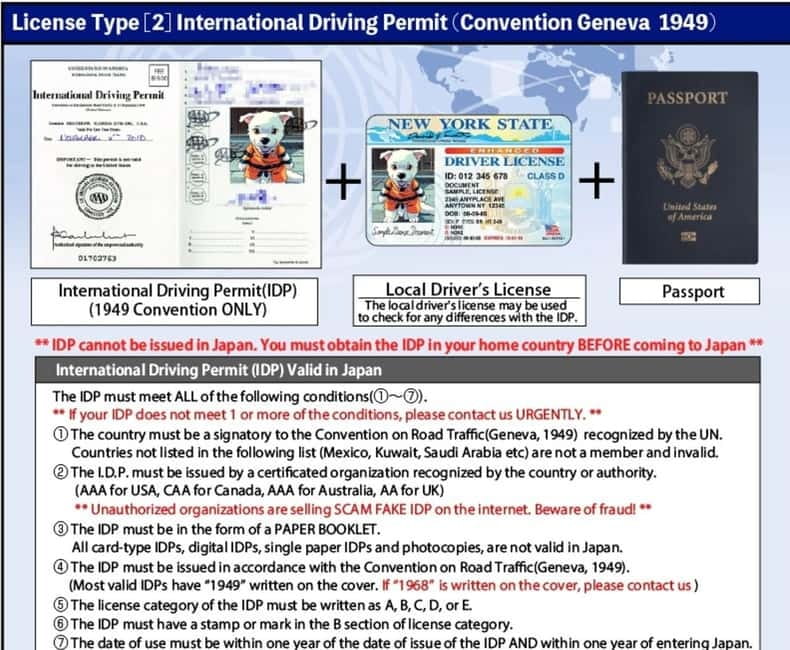
For most countries, you need a physical International Driving Permit issued in booklet form under the 1949 Geneva Convention. It must come from the same country that issued your domestic driving license. An online permit obtained while you are already abroad is not accepted.
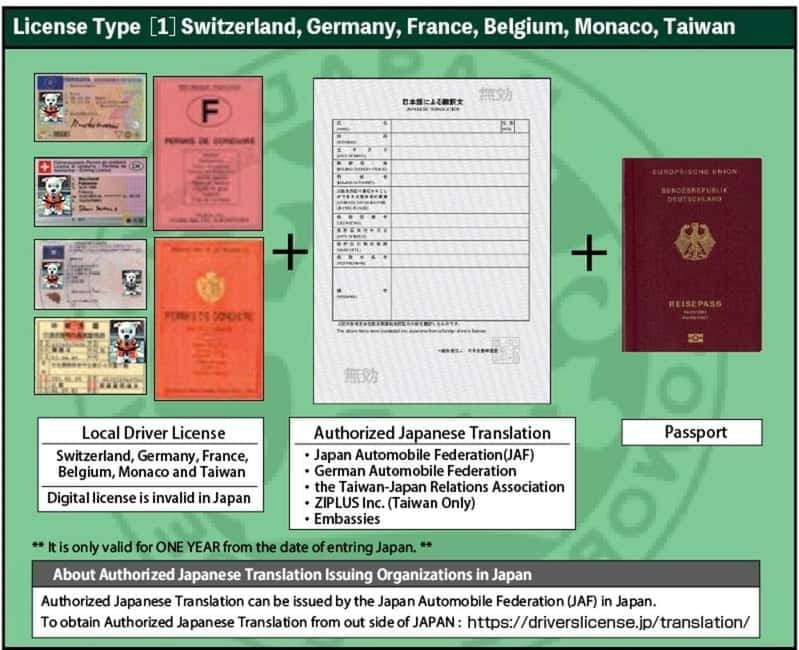
There are special rules for licenses from Switzerland, Germany, France, Taiwan, Belgium, and Monaco. Those drivers need a Japanese translation from the Japan Automobile Federation, not an International Driving Permit. You must carry the physical domestic license and the official translation.
Licenses from countries not covered by the 1949 Geneva Convention, including China, Indonesia, Mexico, Qatar, and Saudi Arabia, are not permitted for driving in Japan under the stated rules.
Bring your physical passport and the required driving document. Do not assume a phone image, digital copy, or ordinary domestic license will be enough. I would sort this out before paying for other Tokyo plans, since missing paperwork can prevent you from driving.
Leaving Akihabara in costume
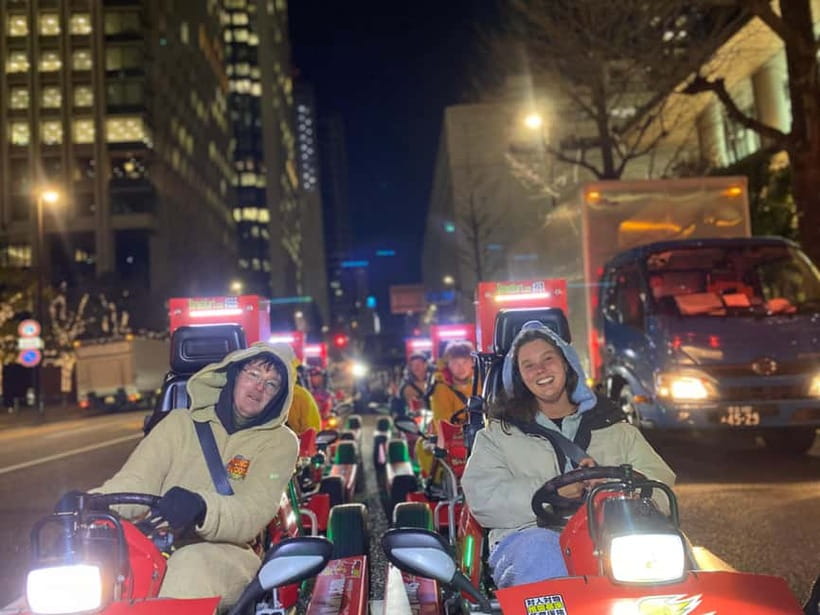
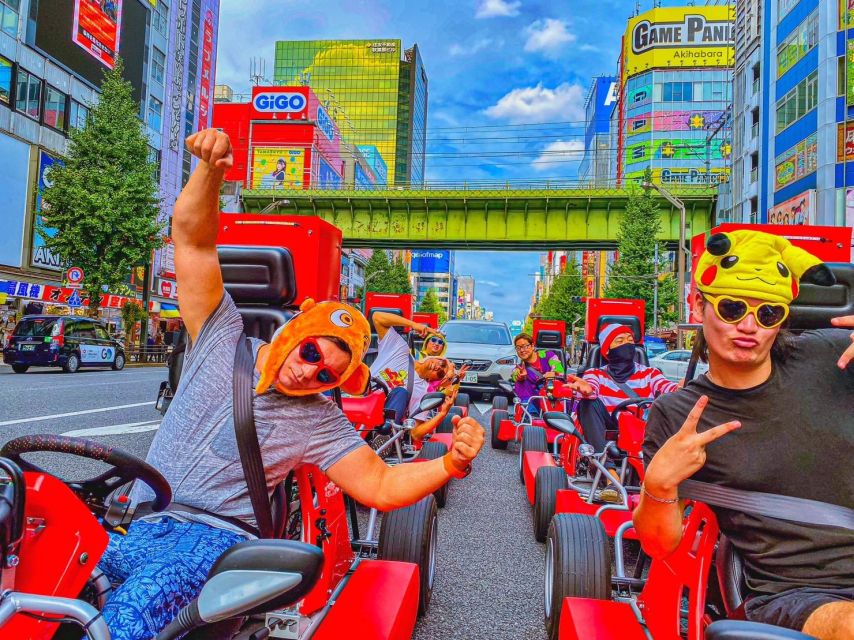
Akihabara is a natural starting point for this experience. The district is closely linked with anime, games, electronics, and character culture, so the costumes feel less out of place here than they would in many other parts of the city.
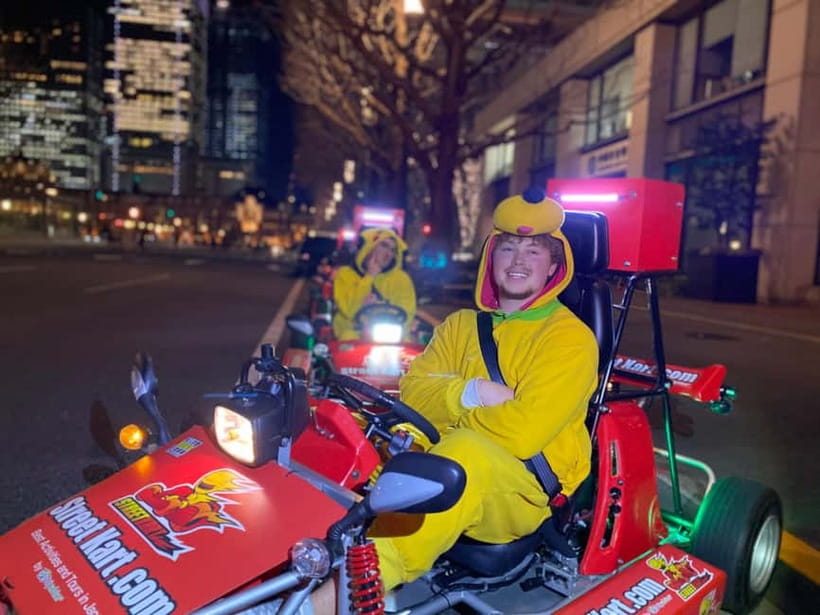
The costume choice adds much of the fun. You are not simply sitting in a kart. You become part of the passing scene, and pedestrians often wave or take photos. One rider specifically described driving in a Pikachu onesie at sunset, which gives you a good sense of the playful mood.
The costume is included in the price, so you do not need to buy or pack anything special. The practical tradeoff is that costumes can be warm or awkward, and your clothing still needs to work with the safety rules. Wear comfortable, closed shoes and simple clothes that allow you to sit and steer easily.
Akihabara also helps set the tone. You are not being shown Tokyo in the quiet, polished way of a standard coach tour. You are visible, noisy, and moving at street level. That creates memorable moments, though anyone who dislikes attention should think twice.
Marunouchi gives the ride a grander view
From the Akihabara area, the route heads toward the historic business district of Marunouchi. The change in mood is part of the appeal. Akihabara’s signs and pop culture give way to a more formal central business district, with broad avenues and imposing office buildings.
You pass near the Imperial Palace, with a glimpse of it in the background. This is not a palace visit, and you should not expect time to stop and explore the grounds. The value is the quick visual contrast: a major modern business center, an important imperial site, and a costumed kart group sharing the same road.
The guides add context at stoplights and point out landmarks as the group waits. Mark was praised for using those pauses to explain what the group was seeing, while other guides were noted for offering local recommendations and fun facts about Japan.
Do not expect a full history lesson. The commentary is light and practical, which suits the pace. The guide’s main task is to lead safely, not deliver a long lecture.
Tokyo Station is the photo stop to watch for
The grand presence of Tokyo Station is one of the strongest visual moments on the route. The station is a major transport hub with 28 train platforms, and its historic facade gives the ride a memorable backdrop.
Several guides make a point of taking photos here. Usama was singled out for stopping in front of Tokyo Station, and many riders appreciated the number of pictures taken during the outing. The photo service is useful because you cannot easily photograph yourself while steering, and your cellphone is not allowed during the activity.
The station area also shows why this experience works better as a moving city encounter than as a race. You are seeing Tokyo’s public face, not just testing the kart’s speed. You get a sense of the streets, buildings, signals, and traffic from a low seat close to the road.
The downside is that traffic and stoplights control the rhythm. You may spend part of the hour waiting or moving at the group’s pace. That is normal for a guided road tour, but it may disappoint anyone expecting nonstop acceleration.
A few more Tokyo tours and experiences worth a look

Ginza adds polished shopping streets
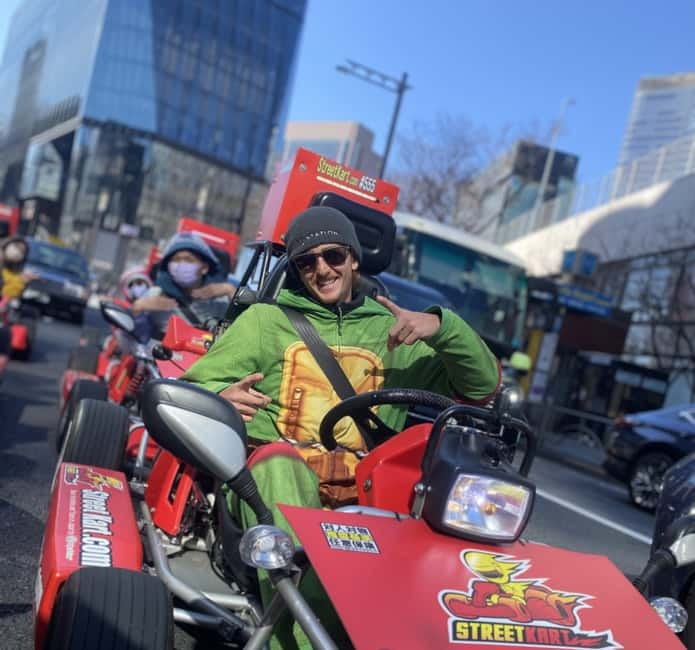
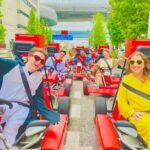
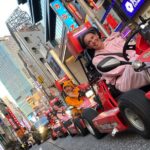
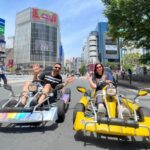
The route continues toward Ginza, Tokyo’s luxury shopping district. This is where the scenery becomes more polished and commercial, with a different feel from both Akihabara and Marunouchi.
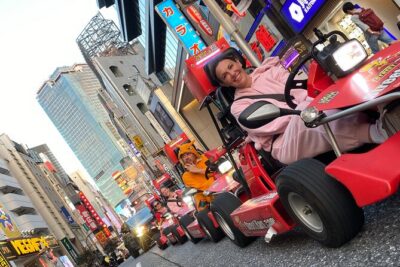
You can imagine your next shopping stop as you roll through the district in costume. That contrast is the joke and the attraction. A line of cartoon-inspired karts passing through one of Tokyo’s most refined shopping areas is bound to draw attention.
Night rides are especially appealing here and around the central city. City lights make the photographs more dramatic, and one rider described the evening ride as a favorite part of the experience. Sunset can also work well, giving you a shift from daylight to illuminated streets.
Still, the one-hour limit matters. One rider wished for more time in the brighter downtown areas, even suggesting a few extra blocks would improve the route. If Ginza is your main reason for booking, keep your expectations measured. You see it from the road rather than stopping to shop or explore.
The guide makes the difference
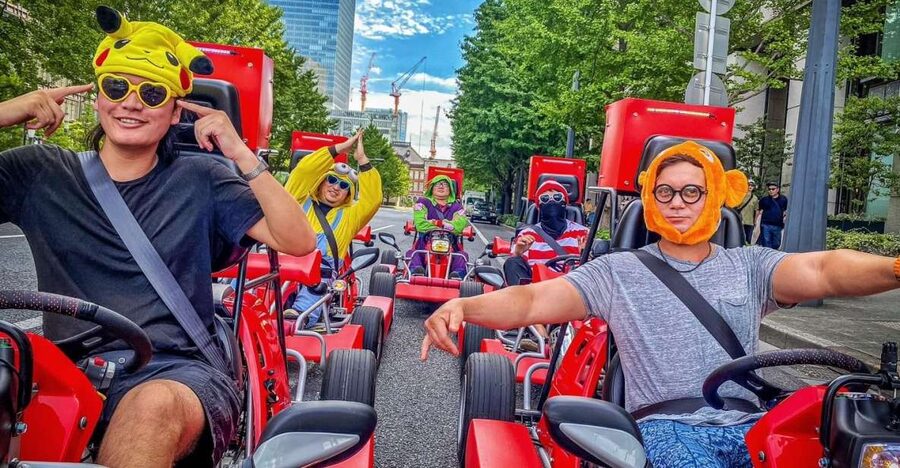
The guide is not just there to point the way. You rely on that person for route control, hand signals, spacing, and reassurance when driving beside taller vehicles.
The strongest pattern in the feedback is consistent praise for the guides’ friendliness and care. Usama is noted for clear hand signals, photos, conversation, and Japan tips. Mike is praised for making riders comfortable and taking many pictures. Mike and Khan worked together on one outing, with Mike leading most of the drive.
Mark and Marky also receive special mention. Marky helped keep the group together, took photos, and pointed out landmarks at red lights. Adam, John, Julian, Billy, and Sam are also named positively for organization, humor, or careful leading.
Names may vary by departure, so you cannot guarantee a particular guide. What you can reasonably expect is an English-speaking guide and a small group. The repeated emphasis on clear communication is especially useful for first-time visitors who feel nervous about driving in Tokyo.
You should still be comfortable driving. The activity is described as safe and straightforward, but you are sharing roads with larger cars. If city driving makes you tense, the costume and photos will not remove that concern.
What is included, and what costs extra
The $63 price includes the custom-made go-kart, an English-speaking guide, costume rental, and photo data afterward. The photos make the price easier to justify because they preserve the part of the experience you cannot capture while driving.
Additional camera costs are separate. Action camera rental, a micro-SD card for saving video, and a mount for attaching the camera to your head or chest are not included. One rider also noted that personal mounts and action cameras cannot be used on the kart, so do not arrive assuming your own setup will be allowed.
For one hour, $63 is not a bargain in the ordinary sightseeing sense. You could spend less on a neighborhood walk or train ride. But this is a rare type of activity: you drive a kart on Tokyo’s real road network, wear a character costume, receive guide-led photos, and see several central districts in one compact route.
I would call it good value for a special memory, especially if you enjoy anime, games, photography, or unusual city experiences. I would call it weaker value if your priority is maximum driving time, speed, or detailed sightseeing.
Who will enjoy this most
This suits adults who want an active, playful way to see Tokyo. It is particularly good for friends, couples, solo visitors who enjoy being photographed, and anyone looking for a trip highlight rather than a quiet cultural stop.
It also works well for a first visit because the route gives you a quick look at several central districts. You will not learn everything about Akihabara, Ginza, or the Imperial Palace area, but you will see how their streets differ.
The experience is not suitable for children under 18, pregnant women, people with back problems, people with mobility impairments, wheelchair users, or people with visual or hearing impairments. If any of those apply, choose another Tokyo activity.
You should also skip it if you dislike costumes, public attention, or driving beside larger vehicles. People may wave and take pictures, which is part of the fun for some and an unwanted spotlight for others.
Timing, cancellation, and what to wear
The activity lasts one hour, with starting times shown when you check availability. Since the route is short, a night or sunset departure may give you the most striking city views, though daylight offers clearer views of the buildings and streets.
Wear flat, enclosed, comfortable shoes. High heels, sandals, flip-flops, and slippers are prohibited. Keep your belongings simple, and follow the operator’s rules about phones and cameras.
The activity ends back at the Akihabara meeting point, which makes it easy to continue sightseeing in the district afterward. You can shop, eat, or visit another attraction without arranging a separate return transfer.
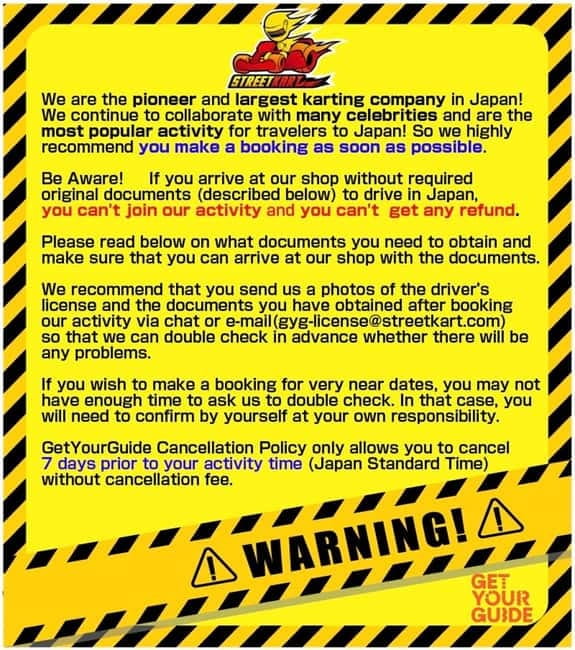
Cancellation is free up to seven days in advance for a full refund. That policy gives you some flexibility, but the driving-document rules do not. Check your permit or translation requirements well before the cancellation deadline.
Should you book the Akihabara Street Kart experience?
I would book it if you want a memorable, photo-friendly Tokyo activity with a strong sense of occasion. The combination of costumes, real city roads, a small group, and guides such as Usama, Mike, Mark, and Khan gives the ride more personality than a simple kart rental.
Choose a night departure if city lights and dramatic photos matter most. Choose it only after confirming your driving documents, and do not expect a long race or a full tour of every district.
For a one-hour activity priced at $63, the best reason to go is not speed. It is the unusual view of Tokyo from a low kart, with Akihabara, Marunouchi, Tokyo Station, and Ginza passing around you while pedestrians react to the spectacle. If that sounds like your kind of travel story, this is a strong pick.
FAQ
How long does the Tokyo Street Kart experience last?
The experience lasts one hour. Starting times depend on availability.
Where does the tour start?
It starts at Street Kart Akihabara 1. Look for the go-karts through the glass doors of the building.
Where does the activity end?
The activity ends back at the meeting point in Akihabara.
Is a guide included?
Yes. An English-speaking live guide leads the group through the streets and helps participants stay together.
How many people can join the group?
The group is limited to six participants.
What driving documents do I need?
Most participants need a physical International Driving Permit in booklet form that follows the 1949 Geneva Convention. Drivers from Switzerland, Germany, France, Taiwan, Belgium, and Monaco need their physical domestic license plus an official Japanese translation from the Japan Automobile Federation. You must also carry a physical passport.
Are costumes and photos included?
Yes. Costume rental and photo data are included. Action camera rental, a micro-SD card, and a camera mount cost extra.
What footwear is not allowed?
High heels, sandals, flip-flops, and slippers are not allowed.
More Go-Kart Tours in Tokyo
More Akihabara & Anime Tours in Tokyo

More tours in Tokyo we've reviewed












Go-Kart Tours, compared.
 ★ 5.0Flagship 2-Hours Official Street Go-Kart Tour – Tokyo Bay ShopFrom $642 hours to 2 hours 30 minutes (approx.)
 ★ 5.0Official Street Go-Kart in ShibuyaFrom $76
 ★ 5.0Official Street Go-Kart Tour – AkihabaraFrom $61
 ★ 4.9Tokyo: Street Kart Experience in ShibuyaFrom $99
 ★ 5.0Tokyo Go Kart: Asakusa, Skytree, and Akihabara **IDP MUST**From $99
 ★ 5.0Shibuya Official Street Go-Kart in Shibuya AnnexFrom $69