Reviewed · BREWERIES
Discover Japanese Coffee Brewing Experience at Tokyo
Japanese coffee is not just a morning drink here. It is a careful craft, shaped by patient pouring, precise water temperature, and brewing methods that feel almost ceremonial. At Tasse Coffee Roastery, you spend two hours learning how beans change from farm to cup, then put that knowledge to work with cupping, siphon brewing, Kyūsu, and hand drip.
In This Article
- Key points for coffee lovers
- Starting with Japan’s careful coffee culture
- Cupping teaches you to taste before you brew
- Siphon brewing brings theater to the table
- Kyūsu brewing adds a distinctly Japanese tool
- Hand drip is the most useful skill to take home
- What the two-hour schedule feels like
- Is $116 a fair price in Tokyo?
- Who will get the most from this workshop?
- Booking details worth knowing before you choose
- Should you book the Tasse Coffee Roastery workshop?
- FAQ
- Where does the coffee workshop take place?
- How long is the experience?
- What brewing methods will I practice?
- Is coffee tasting included?
- Is the class offered in English?
- Can children attend the workshop?
- What is included in the price?
I like the hands-on format, which moves beyond a talk and lets you compare several brewing styles yourself. I also like the calm wooden roastery setting and the private-group arrangement, which should give you room to ask questions instead of simply watching a demonstration.
The main drawback is the $116 price, a serious spend for a two-hour activity. It makes the most sense if coffee is a real interest, especially since children under 16 cannot join and the session is focused on learning rather than sightseeing.
Key points for coffee lovers
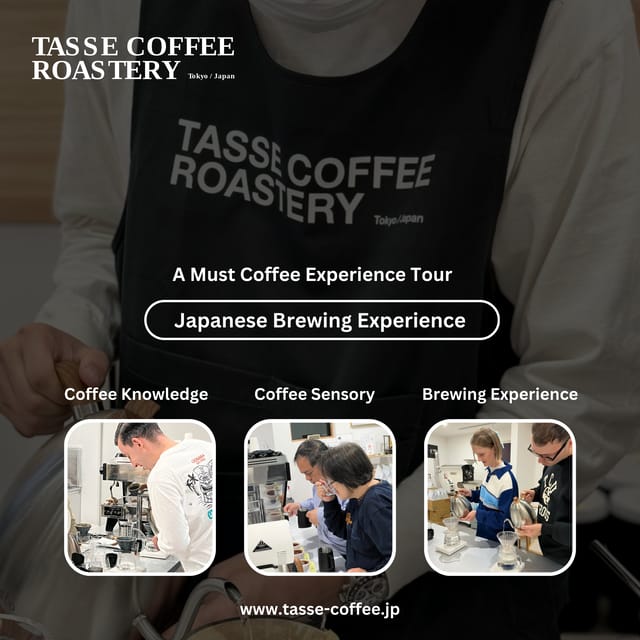
- Four ways to understand Japanese coffee: Compare cupping, siphon, Kyūsu, and hand-drip preparation in one session.
- A private two-hour workshop: Limited participation allows for direct instruction and practical exercises.
- Coffee tasting comes first: You learn aromas, acidity, body, and aftertaste before brewing.
- Kyūsu brings a Japanese touch: Use a traditional Japanese teapot adapted for coffee.
- English and Japanese instruction: The class works for international visitors and Japanese residents who want to learn in English.
- A premium-price experience: At $116 per person, it offers specialized instruction rather than a casual tasting.
Starting with Japan’s careful coffee culture
Tasse Coffee Roastery gives you a useful starting point: coffee in Japan has its own habits, tools, and sense of ceremony. The opening section covers coffee’s path from farm to cup, then moves through bean types, roast levels, and the basic choices that shape flavor.
That order matters. You are not asked to memorize technical terms before tasting anything. Instead, the class builds a simple base so you can understand why one coffee tastes bright and light while another feels fuller or more bitter.
I appreciate that the session treats coffee as both a product and a cultural subject. You learn about the drink itself, but also about the care that goes into serving it. The approach is especially helpful if you usually buy coffee by roast name or menu description without knowing what those labels mean.
The instructors speak English and Japanese. One verified participant who lives in Japan found the English-language format unusual and worthwhile, which points to an important benefit: this is not only for international visitors. Japanese residents, long-term visitors, and bilingual coffee drinkers can all get something different from the class.
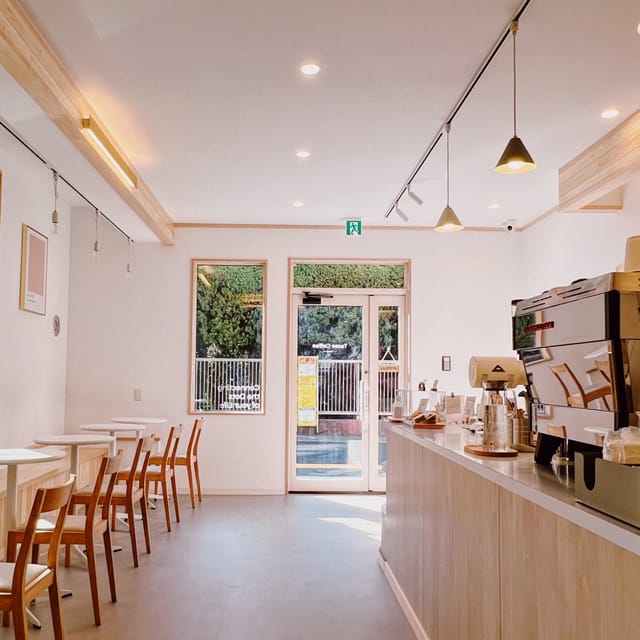
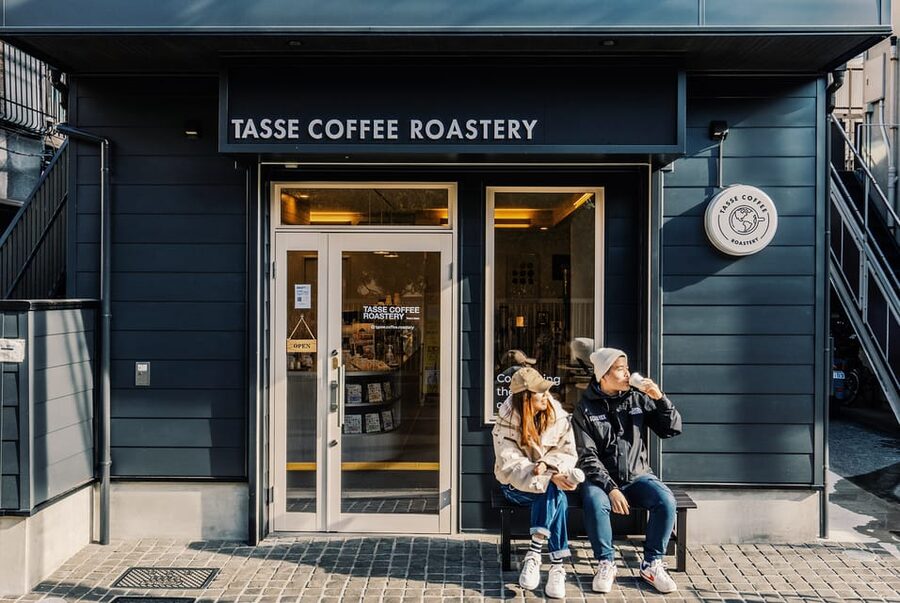
The venue is described as a comfortable roastery with soothing natural wood tones. That setting suits the pace of the workshop. You are working with hot water, glassware, coffee grounds, and delicate equipment, so a quiet room is more useful than a loud café atmosphere.
A few more Tokyo tours and experiences worth a look
Cupping teaches you to taste before you brew
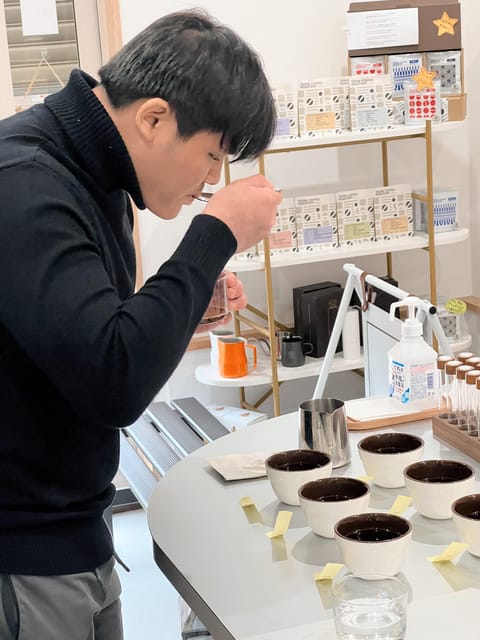
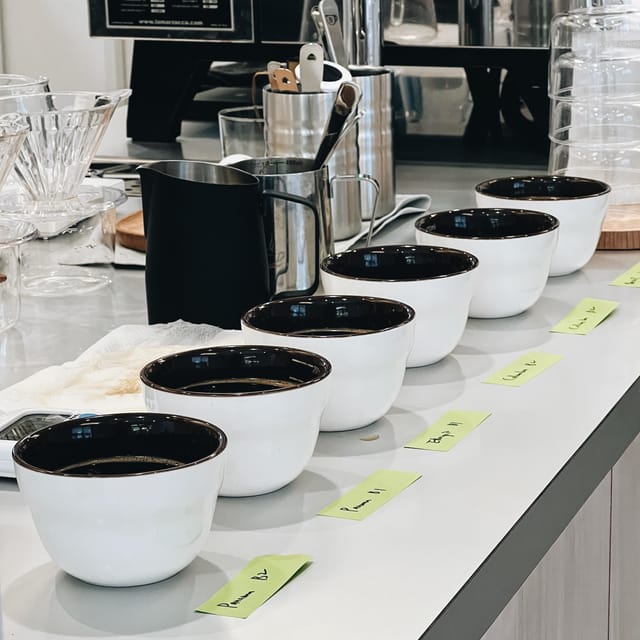
The cupping exercise is one of the most useful parts of the experience. Before you start choosing a brewing technique, you taste coffee in a guided way and learn to notice aroma, acidity, body, and aftertaste.
Cupping can seem intimidating if you have never done it. Here, the point is not to use fancy language or guess the exact origin of a bean. You are learning to pay attention. Does the coffee feel crisp or soft? Is the flavor light or heavy? Does it fade quickly or remain on your palate?
That skill helps you long after the workshop ends. Once you can separate aroma from bitterness and body from acidity, you can make better choices at cafés and roasteries. You may also become more aware of how the same bean changes when prepared with different equipment.
The class includes several quality coffee beans and tasting samples. The selection is meant for comparison, not simply for drinking a large amount of coffee. If you are sensitive to caffeine, keep that in mind before booking. The supplied details do not state whether decaffeinated options are available.
The cupping section also gives the rest of the workshop a clear purpose. You are not trying three brewing methods simply because they look different. You are comparing how each method brings out particular parts of the coffee.
Siphon brewing brings theater to the table
Siphon brewing is the most visually engaging method in the workshop. It uses a glass apparatus and controlled heat to move water between chambers, creating a brew that looks part science experiment and part café performance.
The method has a particular place in Japanese coffee culture, and the workshop explains its background before asking you to practice it. You will see how the equipment works, then learn how the process affects the final cup.
For many people, siphon coffee is valuable because it makes brewing feel tangible. You can watch water move, see the coffee mix, and follow the changes from one stage to the next. Compared with a simple machine brew, the process gives you more to observe.
The tradeoff is that siphon brewing needs more equipment and attention than hand drip. It is not the easiest method to repeat in a small kitchen, especially if you have limited storage or do not want to work with a heat source. I would treat this part as a way to understand extraction and Japanese coffee tradition, not necessarily as the method you will use every morning.
The tasting comparison helps you decide if the extra ceremony is worth it for your own taste. You can compare the siphon cup with coffee prepared in the other methods and notice what changes. That direct comparison is more useful than hearing a general claim that one method is better.
Kyūsu brewing adds a distinctly Japanese tool
The Kyūsu section is the workshop’s most distinctive feature. A Kyūsu is a traditional Japanese teapot, usually associated with tea, and here it is adapted for coffee brewing.
This method connects coffee to a familiar Japanese object without pretending that coffee and tea are the same. You learn how to use the teapot for coffee, then compare its flavor with the other brews.
The appeal is partly practical and partly cultural. A Kyūsu is compact, easy to hold, and closely linked to Japanese tea preparation. Seeing it used with coffee gives you a better feel for how Japanese coffee makers adapt tools and routines to suit local tastes.
The supplied information does not specify the exact style of Kyūsu used or the type of coffee paired with it. That means you should expect a technique lesson and tasting comparison rather than a full tea ceremony or a broad lesson in Japanese pottery.
I like the fact that this method is included alongside siphon and hand drip. Siphon is showy, hand drip is widely useful, and Kyūsu offers a local angle. Together, the three methods give the workshop a better range than a standard pour-over class.
Hand drip is the most useful skill to take home
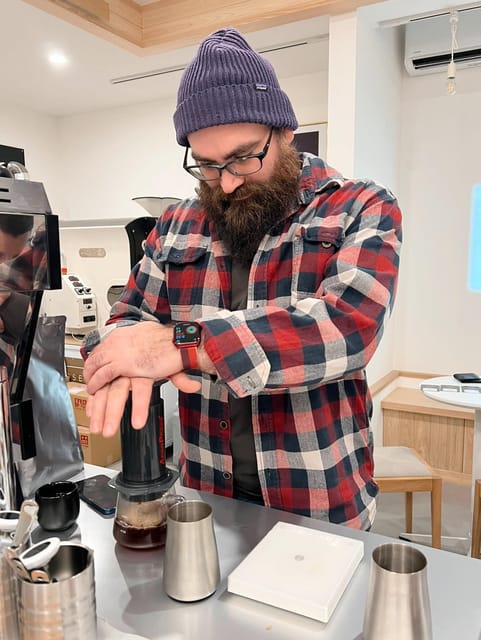
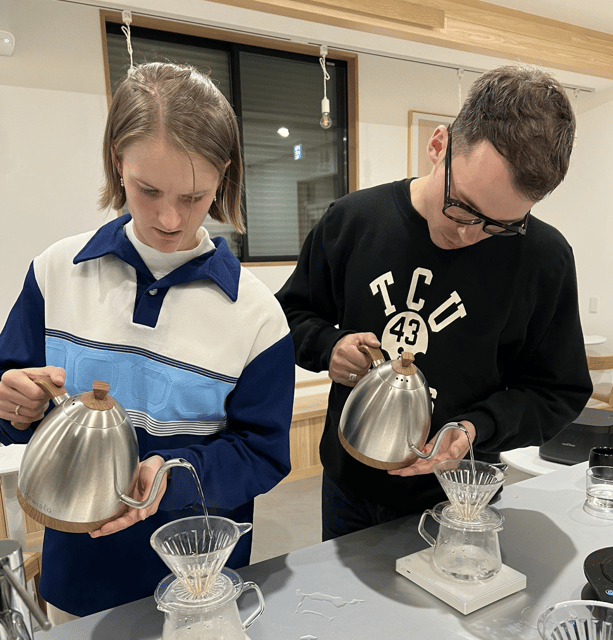
The hand-drip lesson is likely to be the most practical part for many people. You learn how to control water temperature and pouring technique, then prepare coffee yourself and taste the result.
Hand drip rewards small adjustments. The amount of water, the speed of the pour, and the way water reaches the grounds all affect the cup. The instructor guides you through those steps, so you are not left guessing why one attempt tastes different from the next.
One participant specifically valued the chance to practice hand-drip preparation, and that makes sense. This is the brewing method most likely to fit into your regular routine after the workshop. It does not require the large setup associated with siphon brewing, though you still need the proper brewer and kettle at home.
Do not expect a quick recipe that guarantees the same cup every time. Coffee beans vary, and the workshop focuses on understanding the process. You will leave with a better feel for the technique, but making consistently good hand-drip coffee still takes practice.
The taste comparison gives the lesson extra value. You can connect the physical action of pouring with the flavor in the cup. That is the moment when coffee preparation becomes less about following steps and more about making informed choices.
A few more Tokyo tours and experiences worth a look

What the two-hour schedule feels like
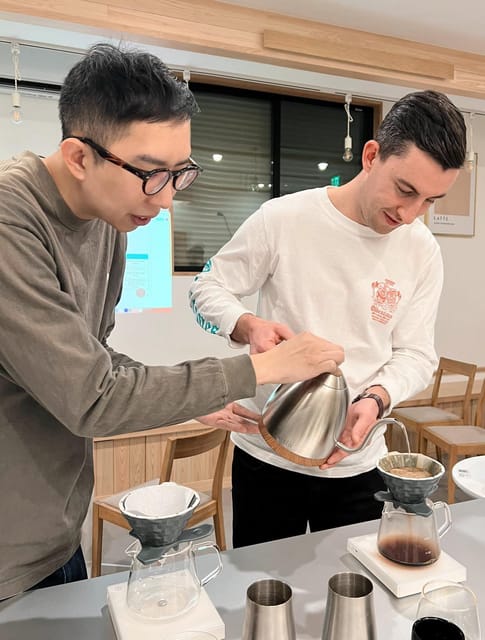
The workshop is compact, but the outline covers a lot: coffee background, bean and roast basics, farm-to-cup information, cupping, three brewing methods, and tasting comparisons.
That pace should suit you if you prefer a focused class. You get a broad look at Japanese coffee preparation without giving up half a day of sightseeing. The two-hour length also makes it easier to fit into a Tokyo itinerary.
The limitation is that each method receives only part of the session. You will get guided practice, but not an advanced barista course. If your main goal is to master one specific method, ask yourself if a shorter introduction to several styles is enough.
The private-group format helps balance the busy schedule. Limited participation should allow more direct contact with the instructors and more time for practical exercises. Still, the exact number of people is not provided, so I would not assume one-on-one teaching.
The class is offered in English and Japanese. That language choice is a real advantage for mixed-language groups and for Japanese residents who want technical instruction in English. The activity is not suitable for children under 16, so it is aimed at adults and older teenagers with a serious interest in coffee.
Is $116 a fair price in Tokyo?
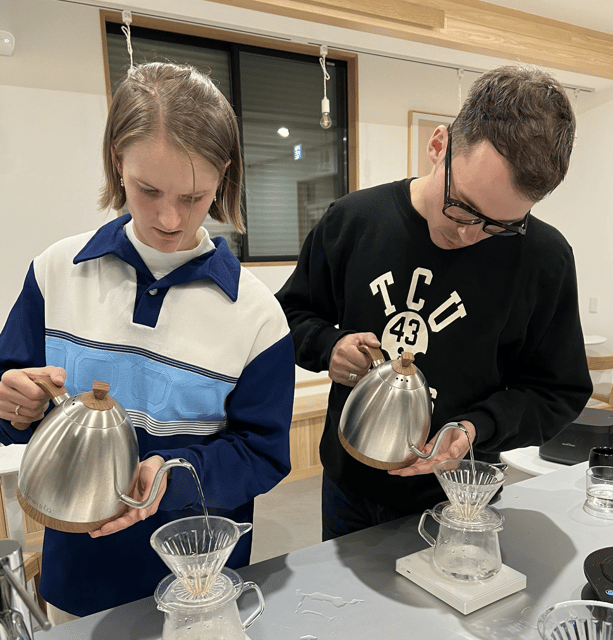
At $116 per person, this is not a casual café tasting. You are paying for expert instruction, premium beans, equipment, several tasting sessions, and practical time with three brewing methods.
The value is strongest if you would normally pay for a specialist workshop or if coffee is one of your main travel interests. You are not simply drinking samples. You are learning how to assess coffee, seeing how different tools change the brew, and practicing methods that you can continue at home.
The value is weaker if you want a broad introduction to Tokyo or a quick cultural activity between major sights. The workshop stays focused on coffee, and two hours is a long time if you are only mildly curious.
All equipment, tasting materials, coffee beans, and fees are included. An exclusive coffee tasting kit is available for separate purchase, but it is optional. I would wait until after the session before deciding on the kit. Once you understand which flavors and brewing method you prefer, you can make a more sensible choice.
The rating is 4.9 from eight verified bookings. That is a very positive result, but the sample is small. The written feedback consistently praises the amount of information, the hands-on tasting and preparation, and the kind instruction. One participant rated the experience four out of five rather than five, so the praise is strong but not perfectly uniform.
Who will get the most from this workshop?
I would recommend Tasse Coffee Roastery to:
- Coffee drinkers who want to understand brewing rather than just sample drinks
- People interested in Japanese food and drink traditions
- Home brewers who want to improve hand-drip technique
- Visitors looking for a small, focused activity in Tokyo
- Japanese residents who want coffee instruction in English
- Private groups that prefer direct teaching over a large public class
You may want to skip it if you are traveling with young children, dislike tasting several coffees, or want an activity with major Tokyo sights and movement through the city. The class is also less suitable if you want a formal qualification or advanced professional training.
Bring curiosity and a willingness to taste carefully. You do not need to arrive as a coffee expert. The early explanations are designed to give you the basic terms before the practical work begins.
Booking details worth knowing before you choose
The experience takes place in Honshu, Japan, in Tokyo, at Tasse Coffee Roastery. It lasts two hours, and you need to check available starting times when booking.
Instruction is available in English and Japanese. The group type is private, and participation is limited for a more personal format. The minimum age is 16.
You can cancel up to 24 hours before the activity for a full refund. A reserve-now, pay-later option is also available, which helps if your Tokyo schedule is still changing.
Should you book the Tasse Coffee Roastery workshop?
Book it if you want a serious, hands-on look at Japanese coffee and are happy to pay for specialist instruction. The mix of cupping, siphon, Kyūsu, and hand drip gives you more range than a basic coffee tasting, while the English-language teaching makes the session accessible to international visitors and local residents alike.
I would be most likely to recommend it to a coffee enthusiast, a home brewer, or anyone building a Tokyo itinerary around food and drink traditions. If you are simply looking for a low-cost break with a cup of coffee, $116 is too much. If you want to understand why Japanese coffee preparation is so careful, this workshop offers a focused and useful way to do it.
FAQ
Where does the coffee workshop take place?
The workshop takes place at Tasse Coffee Roastery in Tokyo, on Honshu, Japan.
How long is the experience?
The experience lasts two hours.
What brewing methods will I practice?
You will learn siphon brewing, the Kyūsu Japanese teapot method for coffee, and hand-drip brewing.
Is coffee tasting included?
Yes. The workshop includes cupping, tasting of various coffee blends, beverage samples, and comparisons between different brewing methods.
Is the class offered in English?
Yes. Instruction is available in English and Japanese.
Can children attend the workshop?
No. The activity is not suitable for children under 16.
What is included in the price?
The price includes expert instruction, coffee beans, tasting sessions, brewing and tasting equipment, hands-on practice, coffee culture information, and all fees and taxes. An exclusive coffee tasting kit is available for separate purchase.