Reviewed · DESSERT TOURS
Tokyo: Hama-rikyu Gardens tour with Japanese Tea & Sweets
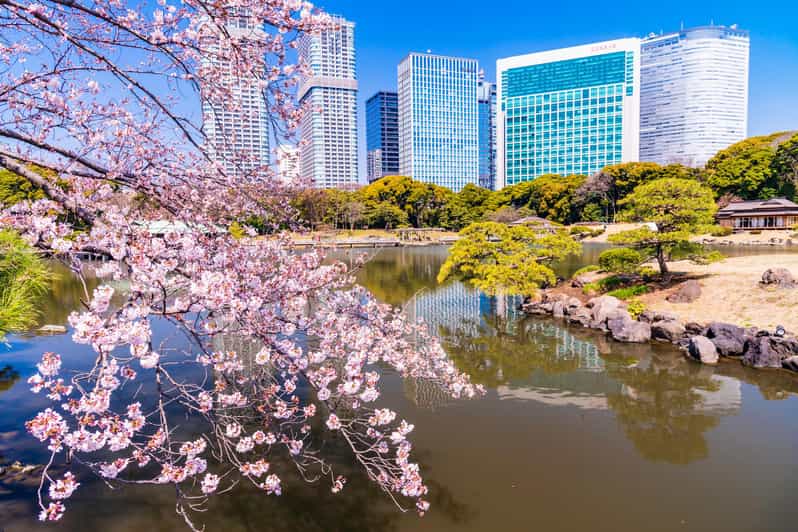
Hama-rikyu Gardens gives you a quiet look at old Tokyo, with Edo-period garden design and seasonal plants set against the modern city. The best part is not simply walking among trees and ponds, but learning why the garden is arranged as it is before sitting down for matcha and Japanese sweets.
In This Article
- Key points to know before booking
- Why Hama-rikyu works well for a short Tokyo outing
- Entering at Otemon Bridge
- Reading the dry garden and circular garden
- Seasonal plants and changing views
- One hour with matcha and Japanese sweets
- What the small group changes
- Is $85 a fair price?
- Who should book this experience?
- Timing, meeting points, and useful planning
- My call: book it for explanation and atmosphere
- FAQ
- Where does the tour start?
- Where does the tour finish?
- How long does the experience last?
- How is the time divided?
- Is matcha included in the price?
- Is the tour offered in English?
- How large is the group?
- Can I cancel for a full refund?
I like the small groups of no more than four, which should make it easier to ask questions and hear your guide. I also like the generous tea portion: the garden walk takes about 30 minutes, while the matcha and sweets experience lasts about an hour. The main consideration is pace. If you want a long, leisurely garden visit, 90 minutes may feel short, and much of the time is spent in the tea room.
Key points to know before booking
- Edo-era setting: Hama-rikyu Gardens offers a direct look at Japanese garden culture shaped during the Edo period.
- Two design traditions: Your guide explains the Karesansui dry garden and the Kaiyushiki circular garden.
- Small English-speaking group: The group is limited to four participants, with a live guide in English.
- More tea than sightseeing time: Expect about 30 minutes of guided garden touring and about one hour with matcha and sweets.
- Seasonal appeal: Flowers, trees, and other plants change the garden’s character throughout the year.
- Convenient finish: The tour ends at or near Shiodome Station, while the starting point is selected when you book.
Why Hama-rikyu works well for a short Tokyo outing
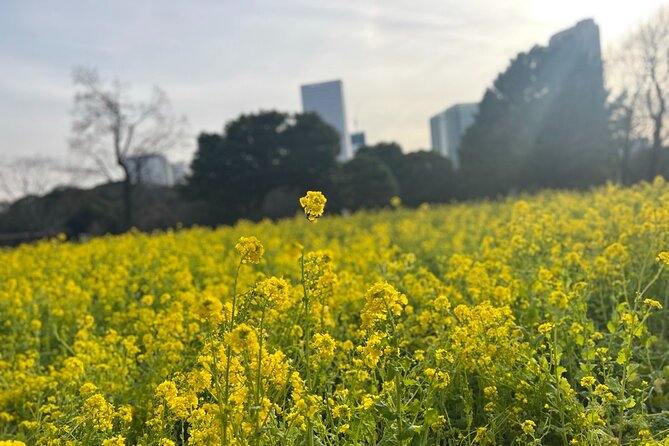
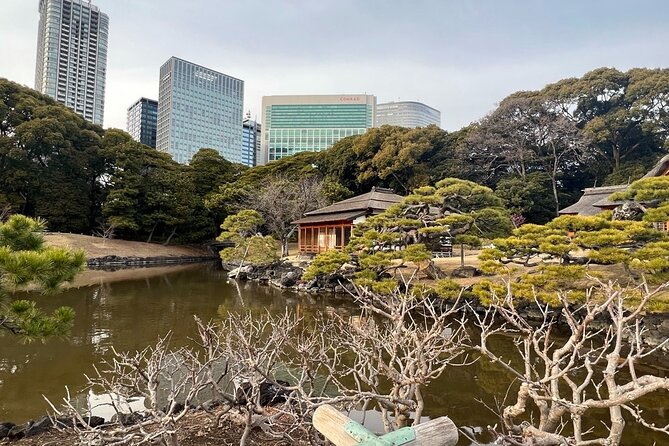
Tokyo can make old Japan hard to find. You move through tall buildings, busy stations, and broad roads, then suddenly enter a garden shaped by an earlier age. Hama-rikyu Gardens gives you that change of mood without requiring a full-day trip outside the city.
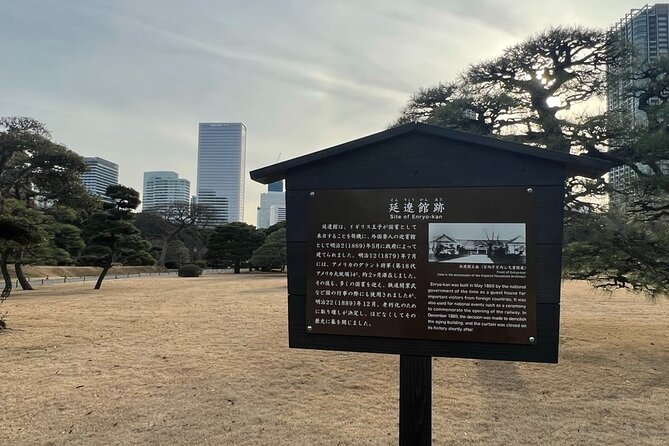
The garden began in the Edo period, a time when Japanese garden design developed careful rules about movement, views, water, plants, and borrowed scenery. You are not expected to know those rules before arriving. The guide’s job is to point out what you might otherwise walk past and explain the thinking behind it.
That guidance matters here. A garden can look pleasant on its own, but the experience becomes more rewarding when you understand why one area is dry and symbolic while another follows a circular route. You get a cultural explanation, not just a stroll with occasional photo stops.
The setting also gives you a useful contrast between old and new Tokyo. The supplied information does not promise a particular skyline view or a specific seasonal display, so you should not book this only for one famous photograph. Instead, think of Hama-rikyu as a calm historic setting where the garden itself is the main subject.
A few more Tokyo tours and experiences worth a look


Entering at Otemon Bridge
One possible starting point is Otemon Bridge, one of the listed meeting locations. Your exact meeting point can vary with the option you choose, so check the booking details carefully before setting out. This is worth doing in Tokyo, where a nearby station exit and the actual meeting place can be quite different in practice.
Once inside, the guide leads the garden portion of the tour. The walk lasts about 30 minutes, so this is an introduction rather than a full exploration of every corner. You will want comfortable walking shoes, especially if you plan to continue sightseeing afterward.
The short walk has a clear purpose. Rather than covering ground quickly, your guide explains the garden’s background and design. This is where a good guide can make a real difference. Ayaku is praised for explaining with care and enthusiasm, while Hiro is remembered for taking the group to several interesting spots and connecting them with Japanese history. Mr. Ito is also singled out for making the history easy and enjoyable to follow.
Guide assignments can vary, so you should not assume that one of these guides will lead your departure. Still, the repeated praise for clear explanations and friendly attention gives you a useful picture of the tour’s character.
Reading the dry garden and circular garden
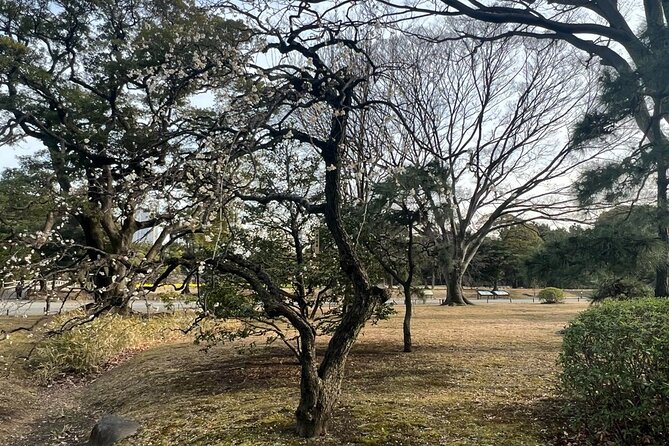
The Karesansui, or dry garden, uses stones, gravel, and limited planting to suggest natural forms without relying on flowing water. You will not simply be shown a pretty arrangement. The guide explains the role of this style within Japanese garden culture and helps you notice how a restrained design can suggest a larger scene.
The Kaiyushiki garden follows a circular or strolling design. This type of garden is meant to reveal different views as you move around it, rather than presenting everything from one fixed point. Your guide’s explanation helps you see the garden as a sequence of views and ideas, not just a collection of plants.
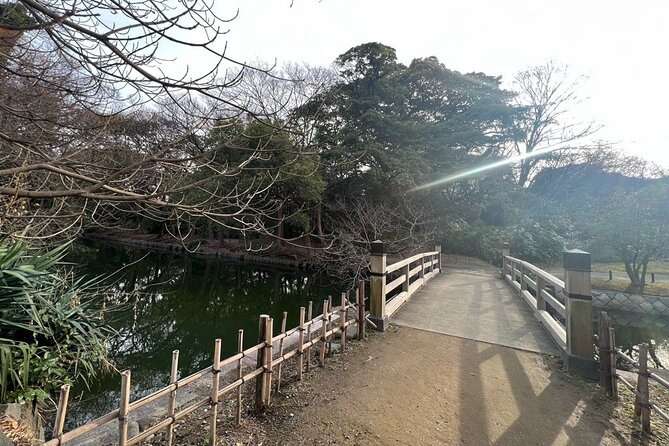
That distinction is useful if you have visited Japanese gardens before and found them beautiful but difficult to read. You may already recognize ponds, bridges, stones, and carefully placed trees. The tour adds the background that ties those elements together.
The timing also keeps the visit approachable. A 30-minute guided section suits you if you have a full Tokyo schedule or want to pair the tour with nearby sightseeing. On the other hand, it may not satisfy you if your main goal is quiet solo photography or a detailed botanical visit. The guide sets the rhythm, and the time is designed to lead into tea.
Seasonal plants and changing views
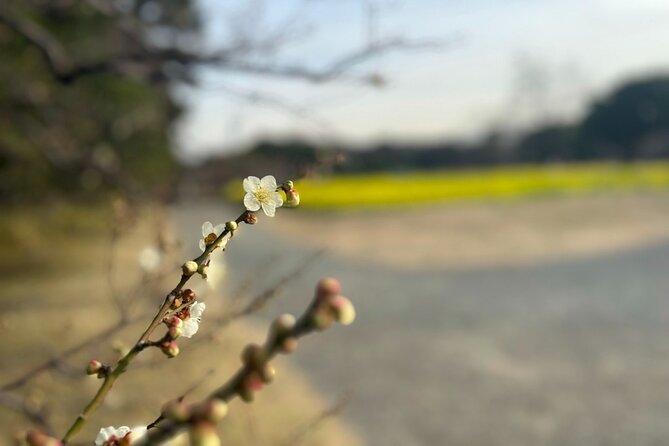
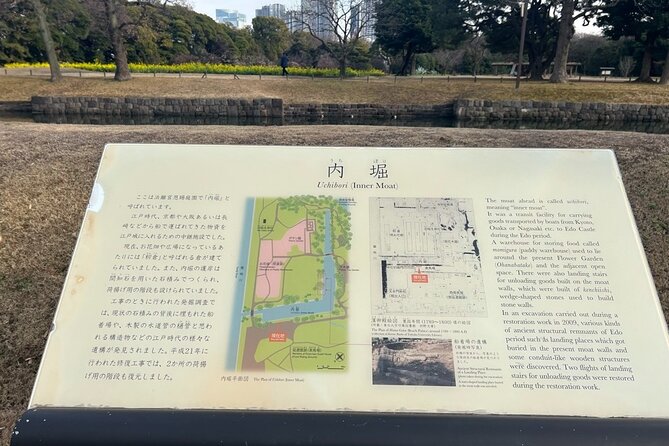
Hama-rikyu’s plants and trees change with the seasons. That gives the garden a different mood during spring, summer, autumn, and winter, although the available information does not specify which flowers will be in bloom on a particular date.
One guide specifically inspired hopes of returning in spring to see the flowers. That is a good reminder not to treat this as a fixed attraction. The structure of the garden remains, but the color and texture around it can shift during the year.
You should keep your expectations sensible. No season guarantees a particular display, and the tour does not promise a specialist flower guide. The value is in seeing how the planting works with the garden design, while your guide gives you context for the changes.
If you like nature, cultural explanation, and photography, the combination is strong. You can take pictures during the walk, but the short guided section means you may need to balance listening with stopping for photographs. If you want to spend several hours waiting for ideal light, visit separately or leave extra time before or after the experience.
One hour with matcha and Japanese sweets
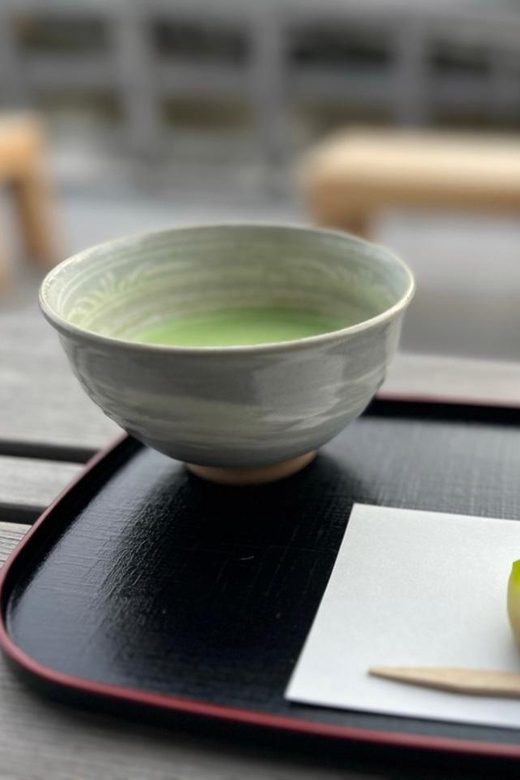
The tea portion takes place in a tea room inside the garden. Matcha green tea and Japanese sweets, known as wagashi, are included in the tour price. This is more than a quick drink handed to you on the way out. With about an hour set aside, the tea room is the main part of the experience.
The garden view gives the tea stop its setting. Instead of learning about garden design and then leaving for an unrelated café, you remain in the same cultural environment. The matcha and sweets become a natural second chapter to the walk.
The supplied feedback gives special emphasis to this part. Mei describes the matcha and wagashi as unforgettable, and another participant particularly enjoyed the matcha flavor. You should still keep in mind that taste is personal. Matcha can be earthy and bitter compared with sweetened tea or chocolate drinks, while wagashi are often delicate rather than large desserts.
The tour information does not say that you prepare the tea yourself, learn a formal tea procedure, or wear traditional clothing. Book it as a guided matcha and sweets experience in a tea room, not as a full hands-on tea school. That makes it easy to fit into a Tokyo itinerary, but it also means you should choose another activity if you want extended instruction in tea preparation.
The hour-long tea period may suit you especially well after walking. It gives you time to sit, look back toward the garden, and ask questions. It also slows the outing down. The drawback is that the overall experience is not mostly outdoor sightseeing. Of the 90 minutes, roughly two-thirds is devoted to tea.






What the small group changes
A maximum of four participants is one of the tour’s strongest practical features. In a large group, garden explanations can become hard to hear, and questions may be limited. With four people, you should have a better chance to follow the guide’s comments and ask about details that catch your attention.
Small groups also make the tea room portion feel more personal, although the information does not promise a private room. You should understand the group limit as a maximum, not a guarantee that you will be alone with the guide.
The live guide speaks English. That makes the experience useful if you want more than a self-guided walk but do not read Japanese garden explanations comfortably. The guide is not just there to lead you from the entrance to the tea room. The main value comes from the explanations of history and garden design.
The reported rating is 4.7 from 14 reviews, with praise centered on kind guides, clear explanations, the mix of history and nature, and the matcha experience. Those are the elements I would use to judge the tour. It is less about checking off a large number of sights and more about having a focused cultural visit with personal guidance.
Is $85 a fair price?
At $85 per person, this is not the cheapest way to enter a Tokyo garden. The value depends on what you want from the visit. You are paying for an English-speaking guide, a small group capped at four, matcha, Japanese sweets, and 90 minutes of structured time.
The tea and sweets alone do not explain the full price. The guide is the important part. Without guidance, you could walk through the garden and take photographs, but you might miss the meaning of the Karesansui and Kaiyushiki designs. If you want someone to connect what you see with Japanese garden culture, the price is easier to justify.
The value is also stronger for first-time visitors to Japanese gardens. You do not need to spend hours researching design terms before arriving. The tour gives you a compact introduction and pairs it with a cultural food experience.
It is less compelling if you already know Japanese garden design, prefer to explore independently, or plan to spend much longer at Hama-rikyu. You might get more from visiting on your own and using the extra money elsewhere. The 90-minute format is convenient, but it limits your freedom to linger.
Who should book this experience?
I would recommend it to you if you want a gentle, well-explained cultural activity in central Tokyo. It fits people who enjoy history, gardens, photography, Japanese sweets, and small groups. It also works well if you have only a short window and want a focused experience rather than a full-day excursion.
It is a good choice for first-time Japan visitors who want help understanding what they are seeing. The guides are praised for kindness and clear explanations, and that personal contact can turn a pleasant garden into a more meaningful stop.
Families and mixed-interest groups may also find the format useful, though the supplied information does not specify a minimum age or child policy. You should check those details before booking if you are traveling with children.
I would hesitate if your priority is a formal tea ceremony with hands-on practice. The experience includes matcha and Japanese sweets in a tea room, but no formal instruction or preparation steps are specified.
I would also hesitate if you dislike scheduled visits. The garden walk and tea period are arranged in advance, and the tea portion takes up most of the 90 minutes. You get a tidy cultural experience, not an open-ended garden afternoon.
Timing, meeting points, and useful planning
The duration is 90 minutes, with starting times available according to the date you select. One listed starting option is Otemon Bridge, and the listed finish is Shiodome Station. Since the meeting point can vary by booking option, confirm the exact location before you leave your hotel.
Wear comfortable walking shoes. The route is a walking tour, and even a short garden visit is more pleasant when you are not thinking about sore feet.
The tour includes a guide, matcha, and Japanese sweets. Other costs are not identified in the supplied information, so check the final booking details for anything not included. You can cancel up to 24 hours before the start for a full refund, and the reserve-now, pay-later option lets you hold a place without paying today.
Because the group is limited to four, available times may be fewer than for a large sightseeing tour. That small size is part of the appeal, so booking ahead makes sense if your schedule is fixed.
My call: book it for explanation and atmosphere
Book this tour if you want Hama-rikyu Gardens explained rather than simply visited. The strongest combination is the 30-minute garden walk, the clear focus on Edo-period design, and the hour of matcha and wagashi in the garden tea room.
Skip it if you want a long independent wander, a formal tea lesson, or a full-day garden outing. For everyone else, $85 is a reasonable price for a small English-speaking group and a well-defined cultural experience, especially if you value context as much as photographs.
FAQ
Where does the tour start?
One listed starting location is Otemon Bridge. The exact meeting point may vary depending on the option you book, so check your selected option carefully.
Where does the tour finish?
The listed drop-off location is Shiodome Station.
How long does the experience last?
The experience lasts 90 minutes.
How is the time divided?
The guided garden portion lasts about 30 minutes, followed by about one hour for the tea experience.
Is matcha included in the price?
Yes. Matcha green tea and Japanese sweets are included in the tour fee.
Is the tour offered in English?
Yes. It has a live English-speaking guide.
How large is the group?
The tour is a small-group experience limited to four participants.
Can I cancel for a full refund?
Yes. You can cancel up to 24 hours in advance for a full refund.
More Dessert Tours in Tokyo


More tours in Tokyo we've reviewed








Dessert Tours, compared.
 ★ 5.0Matcha Making Class in Tokyo with Authentic Japanese Sweets SetFrom $21
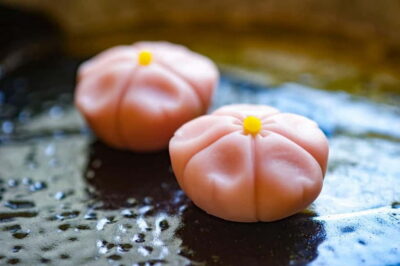 ★ 4.9Tokyo: Matcha Making Experience with Mochi Sweets in AsakusaFrom $221 hour
 ★ 5.0Make Traditional Nerikiri Sweets & Matcha experience in ShibuyaFrom $60
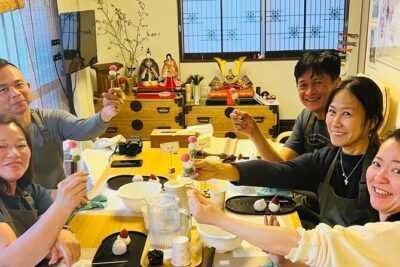 ★ 5.0Private Mochi Sweets Making class near Shibuya areaFrom $79
 ★ 5.0Sweets Making and Kimono Tea Ceremony at Tokyo MaikoyaFrom $112
 ★ 4.7Japanese Traditional Sweets making and Tea CeremonyFrom $181h 35m