Reviewed · SUSHI MAKING CLASSES
Sushi Making Tokyo with Traditional Rickshaw Ride Tour in Asakusa
The clever part of this Tokyo experience is its two-part design: you make your own sushi, then see Asakusa from a traditional rickshaw. One activity gives you something to do with your hands, the other lets you sit back and take in the streets.
In This Article
- Sushi first, then Asakusa from a rickshaw
- Making sushi with an English-speaking instructor
- Why the 1.5-hour rickshaw ride matters
- Asakusa feels different from central Tokyo
- What the $156.77 price really buys
- The strongest part is the staff
- Who should book this experience
- Booking details worth checking before you go
- Should you book the sushi and rickshaw combination?
- FAQ
- How long does the tour last?
- Where does the tour start?
- Where does the tour end?
- Is the tour conducted in English?
- Is the sushi meal included?
- Is hotel pickup provided?
- How long is the rickshaw ride?
- How many people can join the tour?
- Does the tour require good weather?
- Can I cancel for a full refund?
I like the English-speaking instruction, which makes the cooking class easier to follow, and I like the personal touch of the rickshaw ride. Guides named Shogo and Hero have been praised for their friendly manner, humor, and stories about Asakusa. The main consideration is time: the ride lasts about 1.5 hours, so this is not a quick photo stop.
- Sushi you prepare and eat yourself: Ingredients and the meal are included, turning the class into both a lesson and lunch.
- A long rickshaw circuit: About 1.5 hours gives you time to see more than the immediate area around Kaminarimon.
- English throughout: The instructor and local staff conduct the experience in English.
- Old Tokyo atmosphere: Asakusa offers streets and sights that recall the Edo period.
- Small enough to feel manageable: The maximum group size is 30 people, though the rickshaw portion may feel more personal.
- Weather matters: Poor conditions can lead to a new date or a full refund.
Sushi first, then Asakusa from a rickshaw
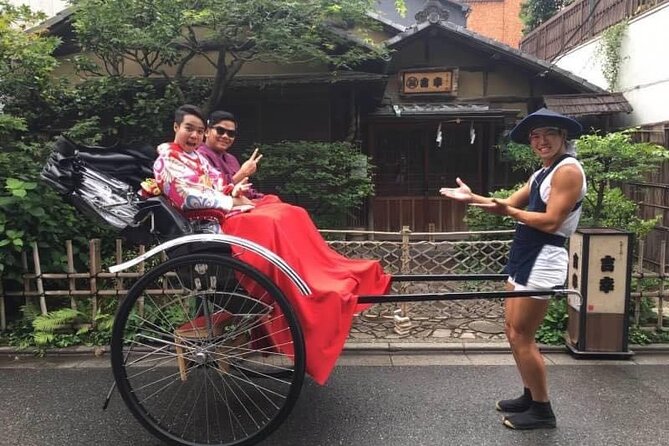
This tour takes about 3 hours and 30 minutes and starts at 2-chōme-17-9 Kaminarimon in Taito City. That puts you in the heart of Asakusa, close to one of Tokyo’s best-known traditional districts and near public transportation.
The exact order can be worth confirming when you arrive. The schedule describes the sushi class as about 1 hour and 50 minutes and the rickshaw ride as about 1 hour and 30 minutes. Together, those times fit the advertised total, though the stop descriptions repeat some details.
I like the rhythm of the experience. You begin with a practical cultural lesson, then head outside for a slower look at the neighborhood. After several days of Tokyo trains, department stores, and busy crossings, sitting in a rickshaw gives you a different pace.
The tour ends back at the meeting point, so you do not need to arrange a second pickup or work out where to finish. Hotel pickup and drop-off are not included, and you should plan your own route to Kaminarimon.
Making sushi with an English-speaking instructor
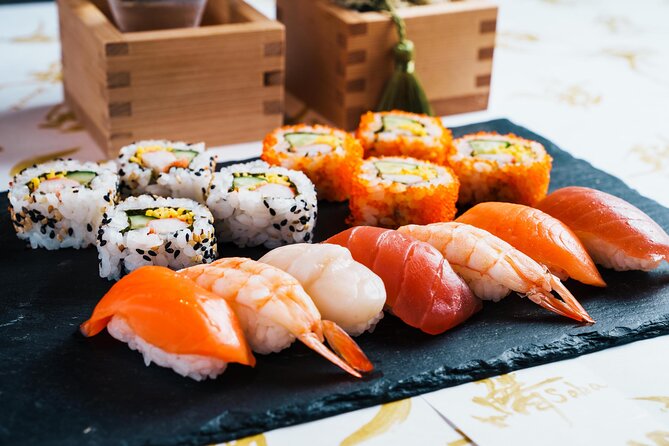
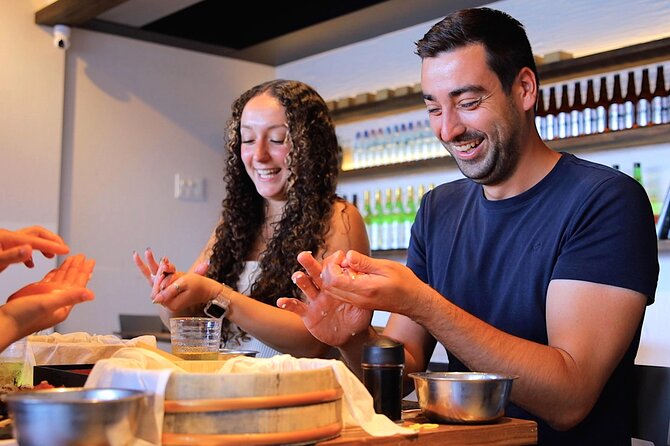
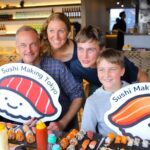
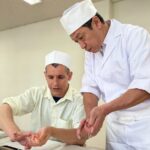
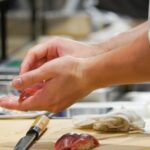
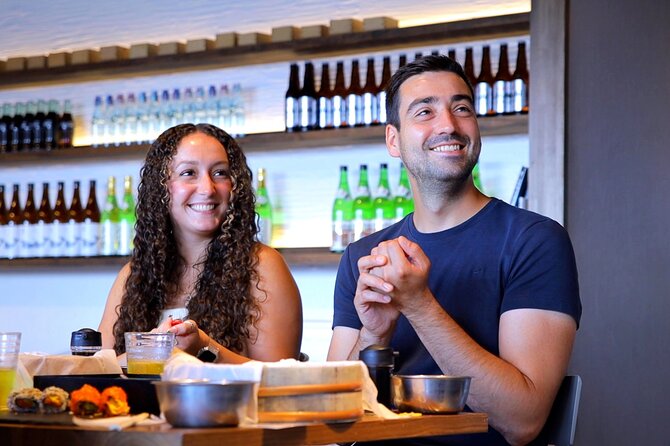
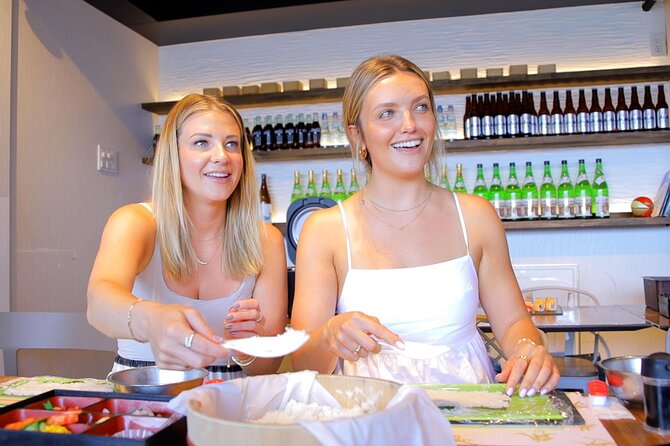
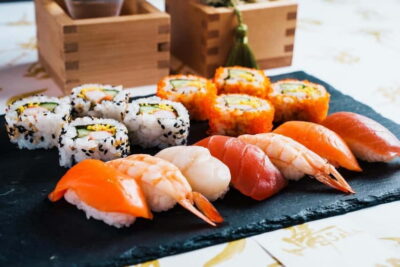
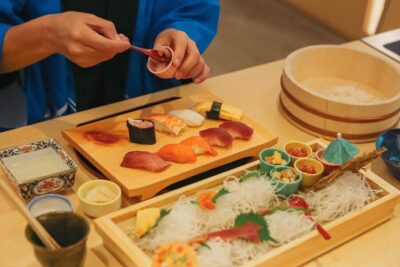
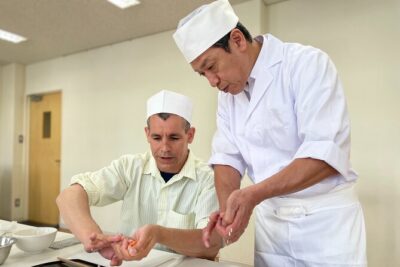
The cooking class is the hands-on part of the tour. You receive the ingredients and eat the meal you prepare, so the price covers more than a demonstration. You are not simply watching a chef work behind a counter.
The supplied information does not list the exact sushi styles, number of pieces, or techniques taught. I would not book this expecting an advanced professional course. Think of it as an approachable introduction to sushi preparation, with a meal at the end.
That distinction matters. If you want a serious knife-skills workshop or a long discussion of fish sourcing, this may feel light. If you want a social activity that helps you understand sushi by making it yourself, the format makes good sense.
The class is conducted entirely in English. That is especially useful if you are new to Japanese food customs or want clear guidance while handling unfamiliar ingredients. The local staff also have overseas experience, which should help them explain the process to people from different backgrounds.
The strongest praise for the class focuses on three things: the food is fresh, the staff are easy to talk with, and the finished sushi feels rewarding because you made it yourself. One person described the cooking as educational as well as enjoyable. That is the right way to view it: a simple food lesson with a meal attached.
You should also allow for some active participation. Sushi making can be neat and precise, but it is still a practical class. You will likely spend time preparing, shaping, and arranging food rather than sitting passively. The supplied details do not specify whether dietary requests can be handled, so ask before booking if allergies or restrictions matter.
A few more Tokyo tours and experiences worth a look

Why the 1.5-hour rickshaw ride matters
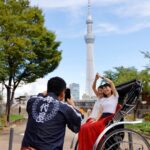
The rickshaw portion is longer than a standard short loop. At about 1 hour and 30 minutes, it gives the guide time to show you more of Asakusa and share stories about the district.
A local guide leads the ride through an area known for its Edo-period feel. You might find the contrast striking: modern Tokyo is close by, but Asakusa offers a slower visual rhythm, with traditional streets and historic character.
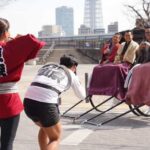
The rickshaw is also a good choice if you want an easy orientation at the start of your Tokyo visit. You can watch the neighborhood pass by while someone else handles the route. Since the ride is long, you have time to notice details that are easy to miss when walking from one major sight to another.
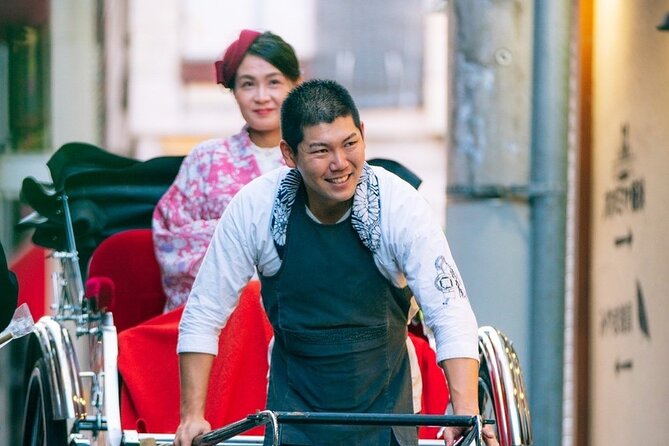
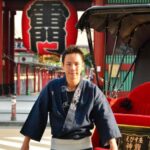
The experience depends heavily on the person guiding your rickshaw. Shogo is specifically praised for providing an excellent ride, while Hero is described as kind, informed, and genuinely pleased to meet people. Those guides may not be assigned to every departure, so treat their names as examples of the staff style rather than a guarantee.
You should also remember that the rickshaw ride is outdoors and requires decent weather. If conditions are poor, the operator offers another date or a full refund. That is reassuring, but it means you should avoid placing this tour on a day when a weather-related change would disrupt a tight schedule.
Asakusa feels different from central Tokyo
Asakusa is the setting that gives this tour its character. The area is presented as an atmospheric reminder of the Edo period, and the rickshaw lets you experience that mood without rushing between subway stops.
I would choose this tour for a first or second day in Tokyo if you want an introduction to the city’s traditional side. The combination of a local guide and a moving ride can help you get oriented before returning on your own to explore on foot.
The tour is not designed as a full Asakusa sightseeing day. You are not given a long list of independent stops, museum admissions, or free time. Instead, you receive a guided look at the area as part of a compact cultural outing.
That makes the experience a good fit for families, couples, first-time visitors, and anyone who prefers an organized activity. Most people can participate, and the maximum group size is 30. The cooking class may have a shared, social feel, while the rickshaw ride offers a more relaxed break.
If you dislike scheduled activities or want total control over your pace, the fixed format may feel restrictive. You will spend 3.5 hours following the planned experience, and there is no hotel transfer included.
What the $156.77 price really buys
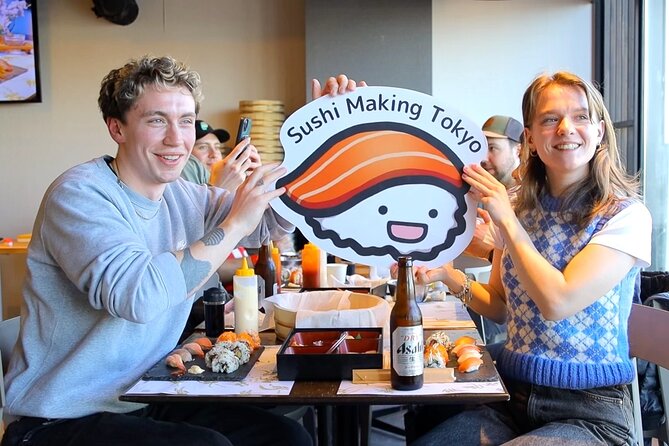
At $156.77 per person, this is not a budget sushi lunch. You are paying for an English-language class, ingredients, the meal, local staff, and a roughly 90-minute rickshaw ride in one package.
The value improves if you would otherwise pay separately for a sushi class and a rickshaw tour. You also save the trouble of arranging two bookings and finding your way between them. The tour begins and ends at the same location, which keeps the day simple.
The price makes less sense if your main goal is only to eat sushi. Tokyo offers cheaper meals, and this tour is not selling food alone. Its appeal comes from combining food preparation with a guided Asakusa experience.
I also see value in the English support. A cheaper class may not offer the same level of explanation, and a separate rickshaw ride may not include the same smooth connection between activities. Still, the available details do not state the exact menu, the number of sushi pieces, or the private cost of the rickshaw. Compare the price with your priorities, not with the cost of an ordinary restaurant meal.
The current rating is 5 out of 5 from 12 ratings, with a 100 percent recommendation figure. That is a small sample, so I would read it as a strong early signal rather than proof that every departure will be perfect.
The strongest part is the staff
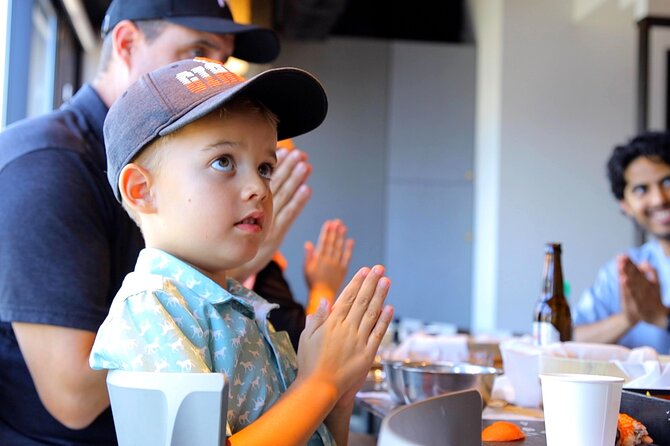
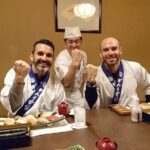
The clearest strength is the human side of the experience. Praise centers on friendly employees, warm hospitality, entertaining conversation, and guides who enjoy meeting people.
That matters in a class. Sushi preparation can become awkward if instructions are rushed or the mood is stiff. Here, the staff style appears to be relaxed and social. You should expect encouragement, conversation, and a fair amount of personality along with the food lesson.
The same is true of the rickshaw. A ride through Asakusa is pleasant on its own, but the guide’s stories turn it into a better introduction to the district. The comments about Shogo and Hero suggest that the staff can add local color without making the ride feel like a dry lecture.
The entire experience is in English, which removes one common worry for international visitors. You can ask questions during the class and follow the cultural explanations during the ride.
No specific guide assignment is promised, and no detailed route is provided. I would keep expectations flexible about exactly who you meet and which streets you cover. The reliable features are the English format, the Asakusa setting, the approximate duration, and the combined cooking and rickshaw structure.
A few more Tokyo tours and experiences worth a look
Who should book this experience
I would recommend this tour most strongly to:
- First-time visitors who want an easy introduction to Asakusa
- People who enjoy food classes more than formal sightseeing
- Families looking for an activity that works for several age groups
- Couples who want a shared meal and a scenic ride
- Visitors who prefer English instruction
- Anyone interested in Japanese culture but short on time
It may be less suitable if you want a serious culinary qualification, an entirely private tour, or a flexible day with no fixed schedule. The group limit of 30 is reasonable, but the experience is not described as private.
It is also not the best choice for a rainy-day backup plan. The weather requirement applies to the activity, and a change of date may not help if you are leaving Tokyo soon.
For the best fit, place it on a day when you can stay near Asakusa before or after the tour. Since the activity returns to its starting point, you can continue exploring the district afterward if your schedule allows. The tour itself does not include hotel transportation.
Booking details worth checking before you go
Confirmation is sent within 48 hours of booking, subject to availability. I would avoid booking at the last possible moment, especially since the experience is commonly reserved about 23 days ahead.
The mobile ticket is convenient. Keep the meeting address handy: 2-chōme-17-9 Kaminarimon, Taito City, Tokyo 111-0034, Japan. Since the tour starts and ends there, arriving with extra time is sensible, particularly if you are navigating Tokyo’s public transport for the first time.
Free cancellation is available until 24 hours before the start time for a full refund. Changes or cancellations made inside that 24-hour window are not accepted for a refund. The cut-off uses local Tokyo time, so check the clock carefully if you are arranging the tour from another country.
The poor-weather policy is straightforward. If the operator cancels because of weather, you can choose another date or receive a full refund.
Should you book the sushi and rickshaw combination?
Book it if you want more than a meal and less than a full day of sightseeing. The format gives you a useful taste of Japanese food culture, a guided ride through Asakusa, English support, and staff who appear to take hospitality seriously.
I especially like it for visitors who want a gentle first look at Tokyo’s traditional side. The 1.5-hour rickshaw ride is long enough to feel substantial, and making the sushi yourself gives the outing a clear purpose.
Skip it if $156.77 feels high for a food activity, if you want to choose every stop yourself, or if your Tokyo schedule cannot absorb a 3.5-hour commitment. Also check the weather and cancellation deadline before paying.
For the right person, this is a well-shaped Asakusa outing: make sushi, eat sushi, hear local stories, and let someone else guide you through one of Tokyo’s most traditional districts.
FAQ
How long does the tour last?
The experience lasts approximately 3 hours and 30 minutes.
Where does the tour start?
It starts at 2-chōme-17-9 Kaminarimon, Taito City, Tokyo 111-0034, Japan.
Where does the tour end?
The activity ends back at the meeting point.
Is the tour conducted in English?
Yes. The cooking class instructor and local staff conduct the entire experience in English.
Is the sushi meal included?
Yes. The ingredients used in the cooking class and the meal are included.
Is hotel pickup provided?
No. Hotel pickup and drop-off are not included.
How long is the rickshaw ride?
The rickshaw ride takes approximately 1 hour and 30 minutes.
How many people can join the tour?
The maximum group size is 30 people.
Does the tour require good weather?
Yes. The experience requires good weather. If poor weather causes cancellation, you can receive a different date or a full refund.
Can I cancel for a full refund?
Yes. You must cancel at least 24 hours before the experience start time. Cancellations made less than 24 hours before the start time are not refunded.
More Rickshaw Rides in Tokyo
More Sushi Making Classes in Tokyo
More Asakusa Tours in Tokyo
More tours in Tokyo we've reviewed




Sushi Making Classes, compared.
 ★ 5.0Sushi Making Tokyo Roll and Authentic Japanese Sushi ClassFrom $59
 ★ 4.9Tokyo: Roll and Authentic Sushi Making Class in AsakusaFrom $581h 40m
 ★ 4.9Tokyo: Sushi Making Class in a Happi Coat near a Famous SpotFrom $421h 30m
 ★ 5.0Sushi Making Tokyo! Popular Maki Sushi & Japanese Sushi(+Recipe!)From $63
 ★ 5.0Tokyo Sushi Making Class in Tsukiji with Professional ChefFrom $49
 ★ 5.0Tokyo Night Foodie Tour in Shinjuku – Seasonal Sushi, Wagyu BeefFrom $111