Reviewed · ASAKUSA TOURS
Ride a rickshaw wearing a kimono in Asakusa! Enjoy authentic traditional culture!
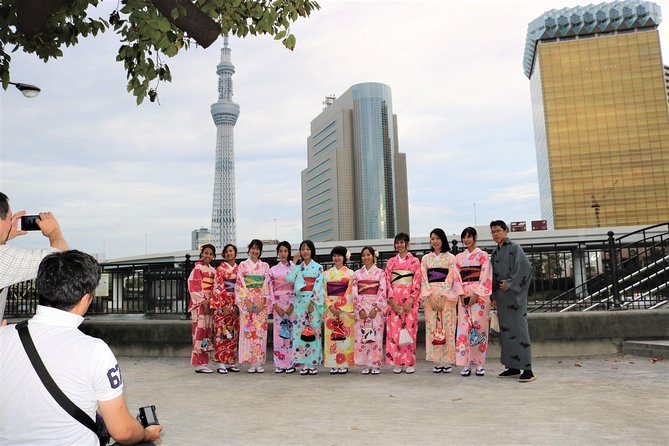
The best part of this Asakusa experience is the transformation from ordinary sightseeing clothes into a full kimono outfit, followed by a rickshaw ride through one of Tokyo’s most traditional districts. The dressing and hair styling are included, and you can spend the rest of the day taking photos, eating, and exploring near Kaminarimon and Sensoji Temple.
In This Article
- Key points to know before booking
- Changing into a kimono at HANAKA
- Choosing your outfit and checking the extra fees
- The rickshaw pickup and the short ride
- Exploring Asakusa near Kaminarimon and Sensoji
- What the dressing process is really like
- Who will enjoy this most
- Practical planning for the day
- Is the kimono and rickshaw experience worth booking?
- FAQ
- How long does the experience last?
- Where does the activity begin and end?
- What is included with the kimono rental?
- Is the rickshaw ride included?
- Are larger kimono sizes included in the price?
- Can I cancel for a full refund?
I like the small maximum group of five, which keeps the outing more personal, and I like the freedom after the ride. You are not locked into a long guided route. Kai, one rickshaw guide associated with the experience, is praised for taking memorable photos, and the drivers add useful local color during the ride.
The main caution is sizing. Japanese kimono rentals use standard sizes, and a larger kimono may cost an additional 1,000 to 2,000 yen, with some customers reporting a 2,200-yen charge. The shop can also be tricky to find, and dressing may feel rushed if you need extra time or English-language help.
Key points to know before booking
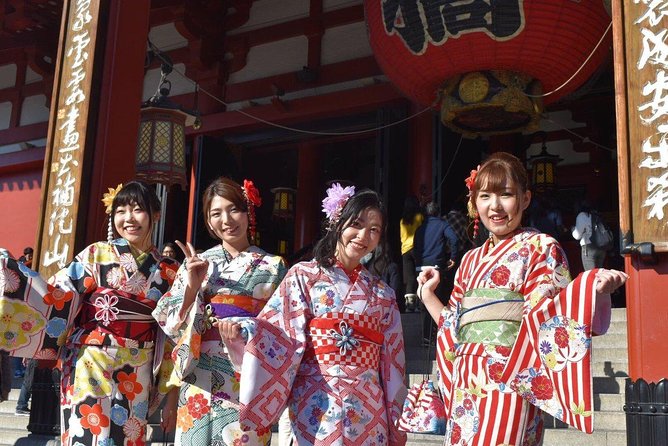
- A full traditional outfit is provided: Kimono or seasonal yukata, hair styling, accessories, sandals, and a drawstring bag are included.
- The rickshaw ride lasts about 12 minutes: It is a memorable introduction to Asakusa, not a long vehicle tour.
- You have free time afterward: Get off near Kaminarimon and Sensoji Temple, then explore until the 6pm return time.
- The group is capped at five people: This suits couples, families, and small groups better than a large bus-style outing.
- Body size can affect the final cost: Larger kimono sizes may require an extra payment on the day.
- The meeting point is near public transportation: HANAKA is on the fourth floor at Kaminarimon 2-chome, though the entrance can take some finding.
Changing into a kimono at HANAKA
Your day begins at Asakusa Kimono Rental HANAKA, at 2-37 Kaminarimon, Taito City. The shop is close to public transportation and visible from the Asakusa subway area, but the entrance is accessed through an alley beside a hotel. Give yourself a little extra time rather than arriving at the last second.
The address is listed as:
HANAKA Japan, Due Asakusa IV, 4th floor, Kaminarimon 2-37, Taito City, Tokyo 111-0034
This is a working rental shop rather than a grand cultural center. The space is small, with many kimono, accessories, bags, and sandals arranged for selection. You remove your shoes before entering the actual shop, so wear footwear that is easy to take off.
The staff help you choose a kimono and matching accessories. The selection process is part of the fun, but you should not expect unlimited time for careful styling decisions. The dressing itself takes about 30 minutes, and some people find the process brisk. That speed is useful if you have a full day planned, though it can feel abrupt if you hoped for a long lesson on every layer.
A kimono is not simply a robe tied around the waist. The outfit requires several layers, careful wrapping, an obi belt, and firm adjustments so the clothing stays in place. Watching the dresser work gives you a quick lesson in why Japanese formal clothing takes skill to wear correctly.
The shop uses professional kimono dressing instructors and a hairdresser with a national qualification. Hair styling ranges from a simple arrangement to a more decorative look with hair accessories. You also receive a drawstring bag and sandals, so you do not need to pack a separate handbag or special footwear.
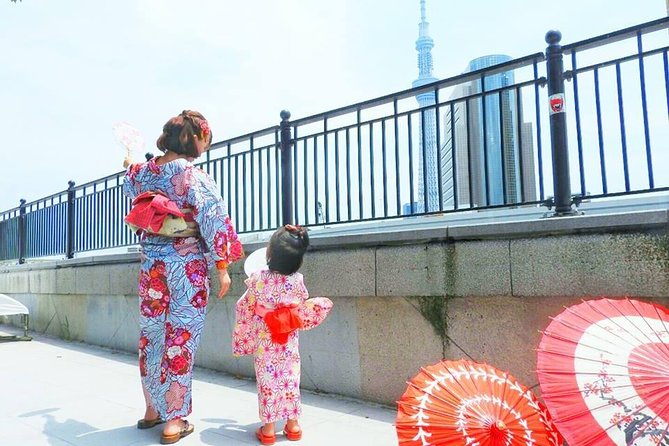
From June through September, the outfit changes to a yukata, the lighter summer garment. You still receive the basic accessories and summer clogs. This seasonal change makes sense for Tokyo’s heat, since a full kimono can be warm and restrictive during summer afternoons.
A few more Tokyo tours and experiences worth a look
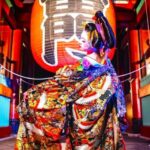


Choosing your outfit and checking the extra fees
The listed price is about $52.17 per person. For a kimono, hair styling, accessories, sandals, a drawstring bag, a commemorative photo stop, and a rickshaw ride, that is a reasonable price for a special half-day activity in central Tokyo.
The value depends on what you want from your Asakusa visit. If you only need a kimono rental for photographs, a basic rental elsewhere may cost less. Here, you are paying for the dressing service, the hair arrangement, the rickshaw pickup, and the freedom to continue exploring in costume after the ride.
Sizing deserves close attention. The listed terms say that larger kimono sizes may require an additional 1,000 to 2,000 yen, paid directly at the shop. Some people have been charged 2,200 yen, so I would budget for the upper end and confirm the fee before booking if you have a larger bust, waist, or overall frame.
The stated minimum height guidance is 168 centimeters for women and 175 centimeters for men when a larger kimono may be needed. Height alone does not decide the issue. Bust, waist, and body shape also matter, so do not assume that a particular height guarantees a standard-size outfit.
This is not necessarily a problem with the shop. Traditional kimono are cut in standard Japanese proportions, and larger garments may be custom-made or less commonly stocked. Still, the extra cost should be made clear before you arrive. If you are traveling on a strict budget, treat the advertised price as a starting point until your size is confirmed.
The rickshaw pickup and the short ride
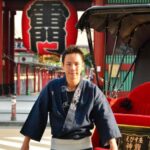
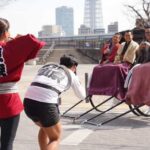
Once you are dressed, a rickshaw comes to collect you in front of the shop. You take a commemorative photograph before boarding, giving you a record of the complete outfit before the day’s walking begins.
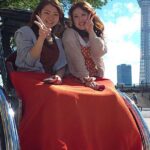
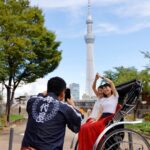
The ride itself lasts about 12 minutes. That may sound short, but it works well as an introduction to Asakusa. You sit above the street, dressed in traditional clothing, while the driver handles the route and points out sights along the way.
The rickshaw drivers are one of the strongest parts of the experience. They provide entertaining tourist information and add personality to what could otherwise be a simple transfer. One guide named Kai is specifically associated with excellent photos and a warm, memorable approach.
The vehicle operates with safety as a priority, but a rickshaw is still an unusual way to move through the district. You are exposed to the street and moving at a slower pace than a taxi, which makes the short route feel more like a performance and less like transportation.
You can discuss where to get off with the driver. The usual drop-off area is near Kaminarimon and Sensoji Temple, placing you close to Asakusa’s best-known sights. This flexible finish is useful because you can shape the rest of the afternoon around your own interests.
Do not book this expecting a long rickshaw circuit around all of Asakusa. The ride is a compact cultural extra, not the main six-hour portion of the day. Its real value is the combination of costume, street views, conversation, and photographs.
Exploring Asakusa near Kaminarimon and Sensoji
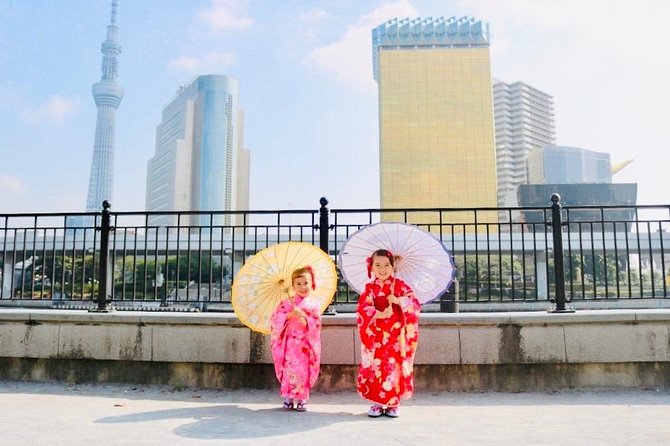
After getting off, you are free to explore Asakusa until the return time at 6pm. This is where the experience becomes more flexible than a standard guided tour.
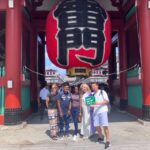
Kaminarimon, the great entrance gate associated with Sensoji Temple, gives you an obvious place to begin. From there, you can continue toward the temple area, stop for photographs, browse local shops, and find food in the surrounding streets.
Wearing a kimono changes the pace of sightseeing. You may walk more carefully in sandals, and the layers around your legs and waist make rushing less comfortable. Plan a relaxed afternoon rather than a fast list of attractions.
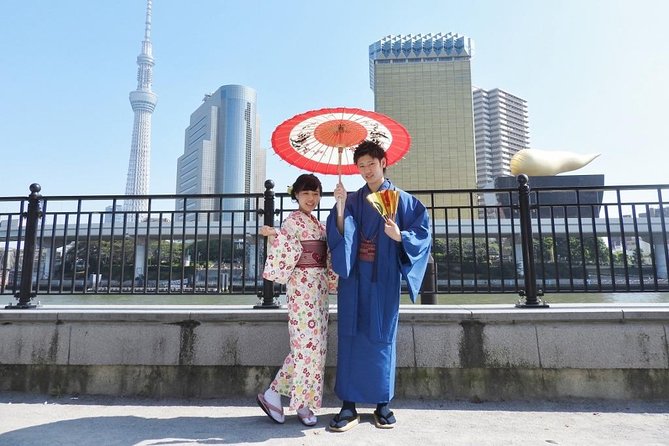
The outfit is especially useful for photographs. Asakusa’s gates, temple grounds, traditional shopfronts, and old-style streets provide a strong setting for a kimono portrait. Bring your own phone or camera if you want more than the commemorative photos taken during the outing.
Photography equipment is not included. The available information indicates that staff and the rickshaw guide take photographs, and several people have received photos by email. Still, you should not assume that a professional camera session or edited photo package is part of the price.
Food is not included either, but the free time lets you choose your own meal and snacks. That is a plus if you want control over cost and menu. It also means you need to manage your own time so you return to HANAKA by the stated end point.
You return to the original meeting point when the activity ends. The listing gives a six-hour approximate duration, but only about 30 minutes is assigned to dressing and about 12 minutes to the rickshaw segment. The balance is open exploration, making this more of a flexible cultural outing than a tightly scheduled tour.
What the dressing process is really like
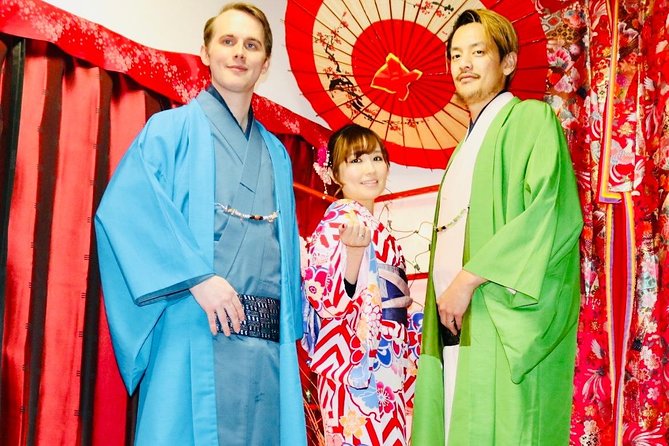
The dressing staff are described as professional, friendly, and accommodating, particularly with families and children. One five-year-old was successfully dressed, so families with young children can consider the experience, provided the child can manage the clothing and sandals.
The staff may not speak much English. Instructions are generally practical and direct, and the dressing process can move quickly. If you have questions about the layers, ask early and use translation support on your phone if needed.
You should also expect the dresser to make firm adjustments. Kimono must fit securely, and the process can feel tight compared with putting on everyday clothing. That is normal for the garment, but people who dislike restrictive clothing may not enjoy wearing it for several hours.
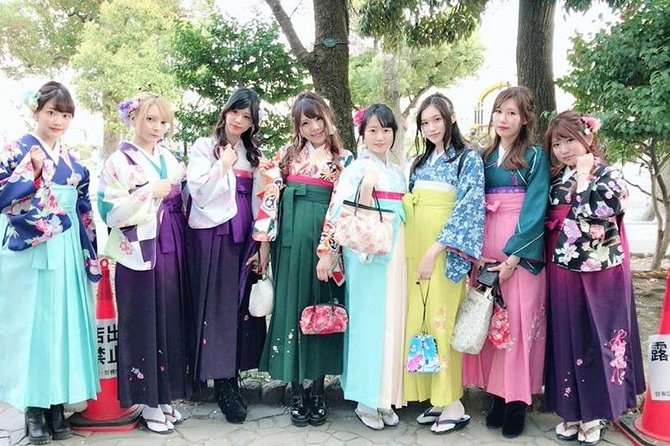
The hairstyle is included, along with accessories selected to complement the outfit. The result is more complete than renting a kimono alone. You receive the visual details that make the clothing feel suitable for photographs, not just a garment thrown over your regular outfit.
Comfort depends partly on the weather. Summer yukata are lighter, but Tokyo from June through September can still be hot. Rain gear and cold-weather protection are not included. Bring your own umbrella, coat, or other weather protection as appropriate, while remembering that bulky layers may affect the fit.
A few more Tokyo tours and experiences worth a look

Who will enjoy this most
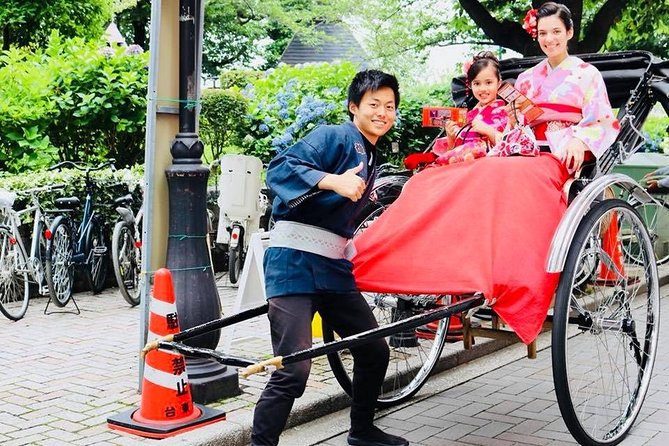
I would recommend this experience to couples, families, first-time visitors to Tokyo, and anyone who wants a cultural activity with a strong visual element. It is also a good choice if you want to see Asakusa without spending the entire day inside a guided group.
Families can benefit from the simple format. The staff have experience dressing children, and the rickshaw makes the day feel special without requiring a long walk at the beginning. Keep in mind that children may tire of the outfit before the 6pm return time, so plan breaks.
Photographers and social media users will find plenty to like. You get an outfit, hair styling, a rickshaw, a temple district, and open time for additional photos. Bring your own equipment because photography gear is not supplied.
This may be less suitable if you need a fully explained cultural lecture in English, dislike firm clothing, or want a long rickshaw tour. It is also not ideal if you want every cost fixed in advance and may require a larger kimono.
The small group limit of five is helpful for mixed-age parties and couples. You are less likely to wait for a large crowd, and the dressing staff can focus on each person’s outfit. The tradeoff is that the shop is compact, so the fitting area may not feel spacious.
Practical planning for the day
Book ahead if your schedule is fixed. The activity is often reserved about 33 days before the date, and the maximum group size is five. Confirmation is normally issued at booking, though reservations made within two hours of the start time are confirmed as soon as possible and depend on availability.
The listed opening window is 11am to 2pm, Monday through Sunday, for the 2025 and 2026 periods shown. Check your confirmed start time carefully, since the free exploration continues until the return time at 6pm.
Use a map to locate the building and allow time to find the alley entrance. The shop is near subway access, but the fourth-floor location is not always obvious from the main street.
Wear simple underclothes that will not create bulk beneath the kimono. You do not need to bring shoes, a bag, or hair accessories, since the rental provides those items. You should bring your phone, any weather protection you need, and a payment method for possible size charges.
The cancellation policy is generous if your plans change: cancel at least 24 hours before the local start time for a full refund. Cancellations or changes inside that period are not accepted for a refund.
Is the kimono and rickshaw experience worth booking?
I think it is worth booking if you want one memorable Asakusa activity rather than a basic clothing rental. The strongest combination is the professionally arranged outfit, the short but entertaining rickshaw ride, and the free afternoon near Kaminarimon and Sensoji.
The 93 percent recommendation rate and 4.8 rating from 14 ratings suggest a very good overall experience, but the drawbacks are clear. Finding the shop may take patience, English support may be limited, dressing can feel rushed, and larger sizes may cost extra.
Book it for the cultural setting, photographs, family appeal, and personal rickshaw ride. Skip it if you want a long vehicle tour, fully fixed pricing for every body type, or a slow dressing lesson. For most visitors who want to make one day in Asakusa feel different from ordinary sightseeing, this offers good value at about $52.17, provided you confirm sizing before arrival.
FAQ
How long does the experience last?
The total activity lasts approximately six hours. Dressing takes about 30 minutes, the rickshaw ride takes about 12 minutes, and you can explore Asakusa freely until the return time at 6pm.
Where does the activity begin and end?
It begins and ends at Asakusa Kimono Rental HANAKA, at Due Asakusa IV, 4th floor, Kaminarimon 2-37, Taito City, Tokyo 111-0034.
What is included with the kimono rental?
The rental includes kimono or seasonal yukata, hair styling, hair accessories, sandals or summer clogs, and a drawstring bag. A commemorative photo stop is also part of the experience.
Is the rickshaw ride included?
Yes. A rickshaw collects you in front of the shop after you change clothes. The ride takes approximately 12 minutes, and you can discuss the drop-off location with the driver.
Are larger kimono sizes included in the price?
Not always. A larger kimono may cost an additional 1,000 to 2,000 yen, paid directly on the day. Some customers have reported a 2,200-yen charge, so confirm the amount if sizing may affect you.
Can I cancel for a full refund?
Yes, if you cancel at least 24 hours before the experience start time in the local time zone. Cancellations or changes made less than 24 hours before the start are not accepted for a refund.
More Rickshaw Rides in Tokyo
More Asakusa Tours in Tokyo
More tours in Tokyo we've reviewed



Asakusa Tours, compared.
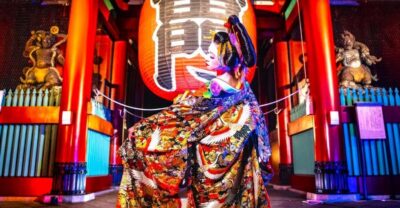 ★ 4.8Tokyo: Japanese Dance Cabaret Theater Asakusa-Kaguwa TicketFrom $492 hours
 ★ 4.7Tokyo: Meiji Shrine, Asakusa, Skytree Bus Tour and CruiseFrom $12210 hours
 ★ 4.9Tokyo: Roll and Authentic Sushi Making Class in AsakusaFrom $581h 40m
 ★ 4.8Tokyo: Asakusa Walking Tour with Sensoji Temple VisitFrom $222 hours
 ★ 5.0Tokyo Asakusa Rickshaw TourFrom $42
 ★ 4.5Tokyo Panoramic 1 Day: Meiji Shrine, Asakusa, Odaiba and SKYTREE®From $85


![[NEW]JPN CULTURE - Buy@Toyosu Market SUSHI Making +TEA +Maid Cafe - Starting at Toyosu Market](https://tokyoezine.com/wp-content/uploads/2026/08/new-jpn-culture-buy-toyosu-market-sushi-making-tea-maid-cafe.jpg)