Reviewed · PRIVATE
Private Customizable Car and Mini Van Tour in Tokyo
Tokyo is a city of huge distances, crowded trains, and sights scattered across many districts. This private car and minivan tour lets you connect the dots without spending half your day changing lines or walking between far-flung neighborhoods. You choose the priorities, then hop out for short visits before returning to your vehicle.
In This Article
- Key points to know
- Why a private car can make Tokyo easier
- Building a route that fits four to eight hours
- Shibuya, Harajuku, and Meiji Jingu
- Shinjuku neon and the Marunouchi skyline
- Asakusa and Senso-ji, Tokyo’s traditional center
- Akihabara for anime, manga, and electronics
- Imperial Palace gardens and Edo Castle remains
- Nihonbashi, Tsukiji, and a taste of everyday Tokyo
- Yanaka and the slower side of Tokyo
- Guides who shape the day
- Price, vehicles, and what you actually receive
- Who should book this Tokyo tour
- Should you book it?
- FAQ
- How long does the private Tokyo tour last?
- Is hotel pickup included?
- Is this a private tour?
- Can I customize the itinerary?
- Are children charged?
- Are entrance fees included?
- Is food included?
- Are service animals allowed?
- How much luggage can the vehicles carry?
I like the freedom to build a day around your own interests, and I like the human touch from guides such as Keiko, Miko, Yasu, and Paiva, who are praised for warmth, clear English, and easy adjustments for families. The main catch is price: at $513 per person, it makes the most sense for a group that values comfort, personal attention, and efficient sightseeing.
Key points to know
- Hotel pickup and drop-off make this useful on a first or last day in Tokyo.
- Your route is private and adjustable, so you can focus on temples, food, architecture, shopping, or anime.
- Short walking visits suit people who cannot comfortably cover Tokyo on foot.
- A realistic plan matters, since 4 to 8 hours is not enough for all 15 possible stops.
- Paid observation decks and other attractions cost extra, including Tokyo Skytree, Tokyo Tower, and Shibuya Sky.
- Vehicle capacity varies, with the Alphard carrying up to three people and four suitcases, and the HiAce carrying up to eight suitcases.
Why a private car can make Tokyo easier
Tokyo rewards curiosity, but it can punish poor planning. Shibuya, Asakusa, Tsukiji, and Tokyo Skytree are not next-door neighbors, and a day built around public transport can involve stairs, transfers, long station corridors, and more walking than expected.
Here, a professional driver handles the road while your guide manages the day. You can make a short stop at Hachikō, spend longer at Senso-ji, or skip a district that does not fit your interests. That flexibility is the central value of the experience.
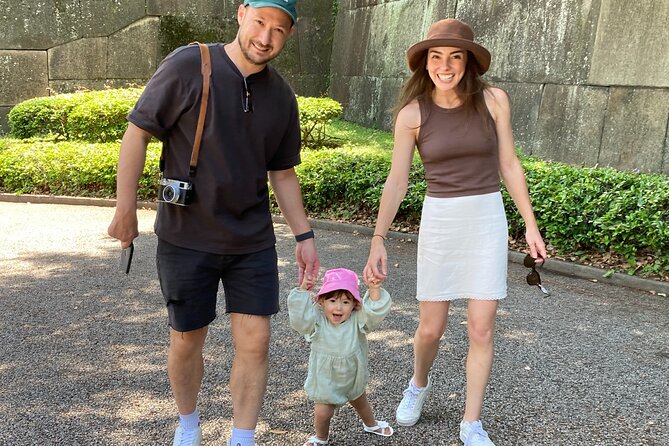
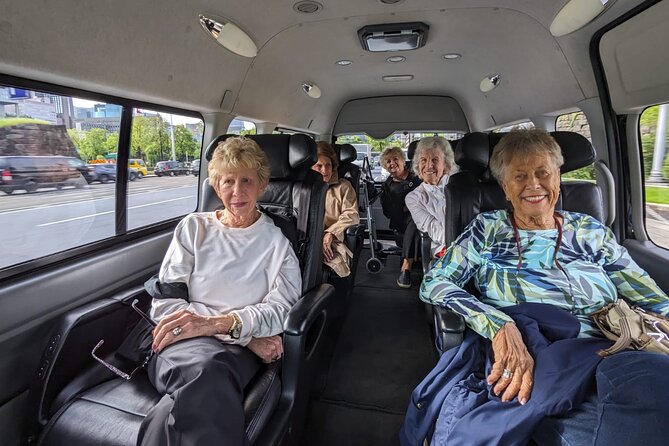
The tour is especially practical if you have children, older relatives, luggage, or limited stamina. It is not a substitute for walking altogether. You still need to get out of the vehicle and explore each place, but you can reduce the long stretches between sights.
The arrangement is private, so your group is not tied to strangers or a fixed group schedule. Guides have adjusted their approach for families with active children, for people wanting quieter neighborhoods, and for visitors who preferred less familiar areas such as Nezu Shrine, Yanaka, Gokokuji Temple, Kagurazaka, and Kyu Shiba Rikyu Garden.
Other private tours in Tokyo

Building a route that fits four to eight hours
The possible itinerary is broad, almost too broad. Fifteen stops are listed, but the suggested visits often run only 20 to 45 minutes, and Tokyo traffic can eat into your time. I would choose three to five main priorities rather than trying to collect every neighborhood like postage stamps.
Tell the operator what matters most before the day begins. You might ask for traditional Tokyo, modern architecture, food, Japanese pop culture, family-friendly sights, or a gentle route with fewer walking stretches. The guide can then create a more sensible order.
A six-hour day could reasonably combine Shinjuku, the Imperial Palace area, and Asakusa, with one or two smaller stops. A longer eight-hour outing gives you more room for Tsukiji, Harajuku, Akihabara, or a tower. The exact balance depends on traffic, opening conditions, and how long you stay out of the vehicle.
Your guide may be warm and conversational, but the driver and guide have different jobs. The guide explains what you are seeing and adjusts the plan. The driver keeps the vehicle moving through a complicated city. That two-person setup is one reason the cost is higher than a standard shared bus tour.
Shibuya, Harajuku, and Meiji Jingu
Shibuya is the natural opening act for a first look at modern Tokyo. You can cross the famous intersection, watch the flow from the edges, and see the bronze Hachikō statue nearby. The stop is listed at about 30 minutes, enough for photographs and a first taste of the district, but not enough for serious shopping.
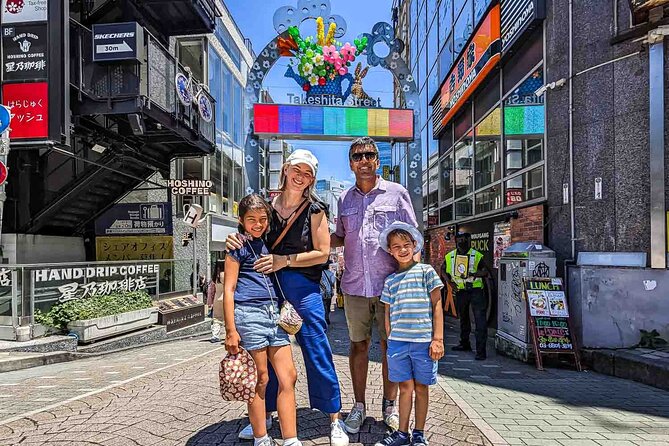
Harajuku shifts the mood. Its narrow backstreets are associated with youth fashion, unusual food, street art, and animal cafés. The area sits beside Meiji Jingu, making it easy to pair pop culture with one of Tokyo’s major Shinto sites.
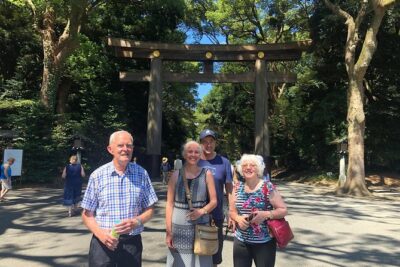
Meiji Jingu offers a needed pause from the city’s signs and traffic. The shrine sits within a large forested area, and your guide can explain Shinto customs and the shrine’s role. Expect some walking on the approach, even if the car brings you close to the district.
This trio works well for first-time visitors who want Tokyo’s modern face and a major religious site in one sweep. The drawback is time. Thirty minutes at each stop gives you an introduction, not a full visit, and Harajuku can tempt you into staying much longer.
Shinjuku neon and the Marunouchi skyline
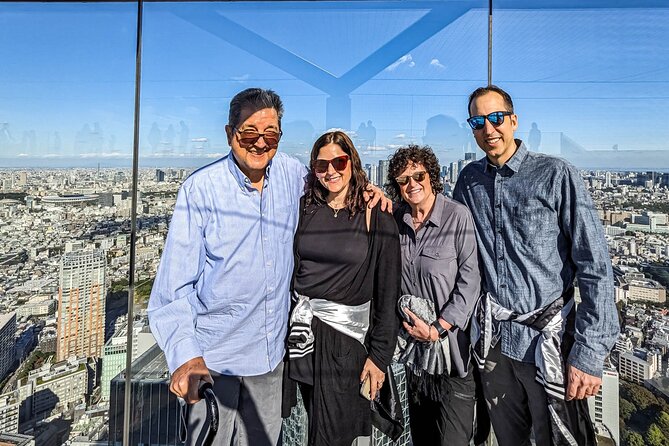
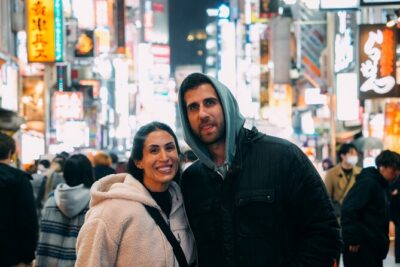
Shinjuku is Tokyo at full volume: tall buildings, entertainment streets, glowing signs, and a huge metropolitan view from the Tokyo Metropolitan Government Building observatory. The listed visit is around 30 minutes, so you will need to decide if the free city view is enough or if you prefer to spend your time at another attraction.
Marunouchi offers a cleaner architectural contrast. The district surrounds the Imperial Palace and includes Tokyo Station, the Tokyo International Forum, and the Kitte building. This is a good choice if you enjoy design, city planning, and the contrast between old palace grounds and modern office towers.
I would not combine every major viewpoint in one short tour. Tokyo Skytree, Tokyo Tower, and Shibuya Sky are all possible additions, but each requires extra admission and time. Choose one if a high view is a priority.
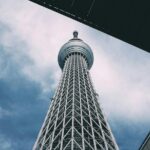
Shibuya Sky is particularly attractive for a 360-degree panorama, while Tokyo Tower carries postwar symbolism and Tokyo Skytree reaches 634 meters. Tickets for these paid attractions are not included, so confirm the added cost before you commit to a tower-based route.
Asakusa and Senso-ji, Tokyo’s traditional center
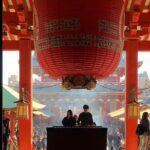
Asakusa is one of the best places to bring a first-time visitor who wants old Tokyo. Nakamise Shopping Street leads toward Senso-ji, with stalls selling snacks, crafts, and souvenirs along the 250-meter approach.
Senso-ji dates to 628 and is Tokyo’s oldest temple. Your guide can explain the Buddhist setting and help you read the space as more than a quick photo stop. The temple grounds can be crowded, so a private guide is useful when you want context without following a large group.
Allow at least 45 minutes here if you want to browse Nakamise and see the temple at a reasonable pace. A 30-minute temple visit works for a quick introduction, but it leaves little room for shopping or a slower look at the gates and grounds.
Asakusa is also a practical place to ask about food and traditional crafts. The tour does not include meals, but the guide can help shape the day around the kinds of food you want to seek out. One family particularly enjoyed a curry udon meal during its outing with Yasu, though your own food choices are separate from the tour price.
Akihabara for anime, manga, and electronics
Akihabara is a sharp turn from Asakusa. It is Tokyo’s center for anime, manga, video games, and electronics, with bright shop fronts and a sensory overload that can be thrilling or exhausting.
The listed stop is only about 20 minutes. That is enough to stroll through the main area and get a feel for it, but dedicated fans will want to request more time. Shops and themed cafés can easily absorb an afternoon, and the car cannot replace time spent browsing inside.
This stop suits families with older children, pop-culture fans, and anyone curious about a side of Tokyo that is not represented by temples and gardens. If anime is your main reason for booking, make it a central priority rather than a small add-on between other districts.
Imperial Palace gardens and Edo Castle remains
The East Gardens of the Imperial Palace provide a look at the remains of Edo Castle, including moat walls and other traces of the former stronghold. The setting gives useful context for Tokyo’s change from shogun-era capital to modern national center.
Pairing the gardens with Marunouchi makes geographic and historical sense. You can see Tokyo Station and the office district, then walk among the castle remnants a short distance away.
The exact amount of walking matters here. The tour is designed to reduce long walks between neighborhoods, not to eliminate walking inside every garden or temple. If mobility is a concern, tell the guide early so the stop can be shortened or replaced.
Nihonbashi, Tsukiji, and a taste of everyday Tokyo
Nihonbashi was the commercial heart of Edo from 1603 to 1868. Today, its traditional food and craft shops offer a useful link between historic commerce and modern Tokyo. This is a good stop for visitors who want more than famous landmarks.
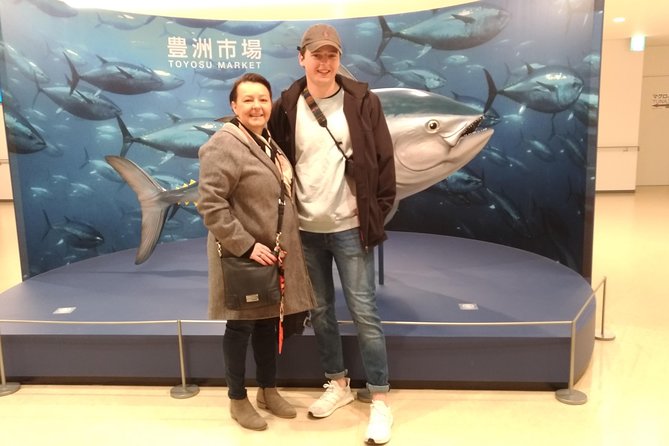
Tsukiji adds food appeal. The former inner market and tuna auction moved to Toyosu, but the outer market remains, with fresh seafood and small food businesses. Be clear about that distinction before booking: this is not a visit to the former inner auction site.
A 30-minute Tsukiji stop is best for a quick look and perhaps a snack. It is not enough for a slow market wander or a full meal. Food and drinks are not included, so budget separately.
These two areas can work well together for a history and food route. They also give your guide room to explain how Japanese cooking, trade, and neighborhood life connect. If you want a quieter day, they may be preferable to trying to fit both Akihabara and Shibuya into the same schedule.
Yanaka and the slower side of Tokyo
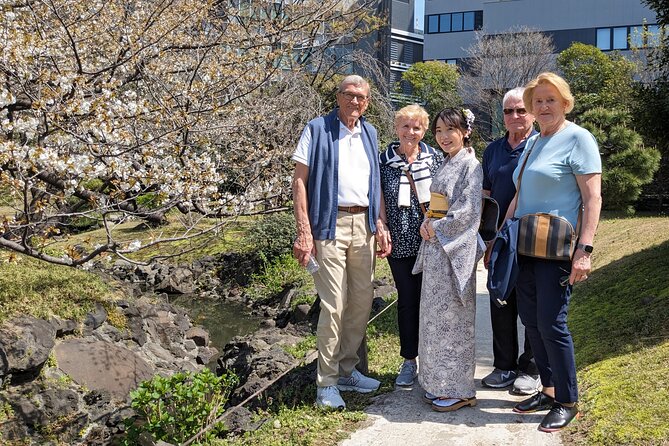
Yanaka offers a more nostalgic setting, with temples, sweets, a cemetery, and the possibility of a traditional tea ceremony. It is one of the better choices for a custom route if you have already seen Tokyo’s headline districts or want a calmer afternoon.
The neighborhood also gives your guide room to explain customs surrounding temples, cemeteries, tea, and local life. A visit here feels less like checking off a landmark and more like seeing how older traditions fit into the modern city.
You can also request nearby places such as Nezu Shrine, Gokokuji Temple, Kagurazaka, or Kyu Shiba Rikyu Garden. These are not guaranteed stops, so state your preferences clearly when arranging the tour.
Yanaka is less useful if your only goal is the biggest skyline view or the newest shopping district. It is a strong choice for repeat visitors, photographers, and people who prefer atmosphere over spectacle.
Guides who shape the day
The guide can make or break a private tour, and the strongest names associated with this service are Keiko and Miko. Keiko is praised for excellent English, warmth, and strong knowledge of Tokyo, while Miko has adapted well to families, active children, and two-day touring plans.
Yasu is described as courteous and considerate, including on a rainy day, and Paiva is praised for explaining each location clearly. These details matter because a custom tour depends on more than driving between addresses. You need someone who can listen, adjust the pace, and explain why a place matters.
The service has received a 5 rating from 12 reviews, with 100 percent recommending it. That is a small sample, so I would not treat it as a guarantee, but the repeated praise points to a clear strength: the guides are the heart of the experience.
Ask for your preferred interests rather than assuming the standard route is fixed. A guide may suggest a better combination, such as Asakusa with Yanaka for traditional Tokyo, or Shibuya with Harajuku and Meiji Jingu for a first-day overview.
Price, vehicles, and what you actually receive
The listed price is $513 per person. That is a serious expense, especially if you are traveling alone or as a couple. The value improves for a group that wants a private vehicle, hotel pickup, a dedicated guide, and a day adjusted to its pace.
Children aged 11 and under are free, provided you tell the operator they are coming. That can change the calculation for a family, although the vehicle’s seating and luggage limits still matter.
An Alphard can carry up to three people with up to four suitcases. A HiAce can carry up to eight suitcases. Confirm the vehicle and luggage arrangement if you are using the tour on arrival or departure day, particularly with a larger group.
The package includes hotel meet-up and drop-off, a professional guide, and a professional driver. Food, drinks, souvenirs, and admission to paid attractions are separate. Free temple grounds, neighborhoods, and public areas help keep the day focused, but observation decks can add noticeably to the final bill.
Cancellation terms need careful attention. Cancellation more than seven days ahead receives a full refund, cancellation seven to two days ahead receives 50 percent, and cancellation under 48 hours is nonrefundable. The supplied information also conflicts with a separate all-sales-final note, so I would confirm the current policy directly before paying.
Who should book this Tokyo tour
I would consider this tour for a family with children, a group with older adults, anyone carrying luggage, or a visitor who cannot manage Tokyo’s long station walks. It is also a good fit for a short stay when you want a broad orientation without learning the rail system on day one.
It works for repeat visitors too, provided you request a less familiar plan. Yanaka, Nezu Shrine, Kagurazaka, and smaller gardens can make a custom day feel more personal than a standard highlights run.
I would hesitate if you are a solo budget visitor, enjoy exploring by train, or prefer to spend hours in one museum, market, or shopping street. The private vehicle saves effort, but the price is high, and traffic can reduce the number of places you see.
Should you book it?
Book this experience if comfort, flexibility, and personal guiding matter more to you than finding the cheapest way around Tokyo. Choose a small set of priorities, ask about the vehicle, and decide in advance if you want to pay extra for a tower or observation deck.
Skip it if you are happy using trains and walking, or if your budget would be better spent on food, shopping, and admission tickets. For families and mobility-conscious visitors, though, a private guide such as Keiko or Miko can turn a complicated Tokyo day into a much calmer one.
FAQ
How long does the private Tokyo tour last?
The tour lasts approximately four to eight hours.
Is hotel pickup included?
Yes. Hotel meet-up and drop-off are included.
Is this a private tour?
Yes. Only your group participates.
Can I customize the itinerary?
Yes. The route is designed around your interests and pace. You can request areas focused on history, architecture, food, street art, Japanese pop culture, or other priorities.
Are children charged?
Children aged 11 and under are free of charge, but you must tell the operator they are coming.
Are entrance fees included?
No. Admission to paid attractions is not included. This applies to requested visits such as Tokyo Skytree, Tokyo Tower, and Shibuya Sky.
Is food included?
No. Food and drinks are not included in the tour price.
Are service animals allowed?
Yes. Service animals are welcome.
How much luggage can the vehicles carry?
The Alphard can carry up to four suitcases with up to three people. The HiAce can carry up to eight suitcases.
More Private Tours in Tokyo
More tours in Tokyo we've reviewed



Private, compared.
 ★ 5.0Tokyo 6hr Private Tour with Government-Licensed GuideFrom $155
 ★ 5.0Private Tour to Mt. Fuji and Hakone (Fully Licenced Operator)From $497
 ★ 5.0Tokyo Customized Private Tour (Must See Places in 1 Day)From $145
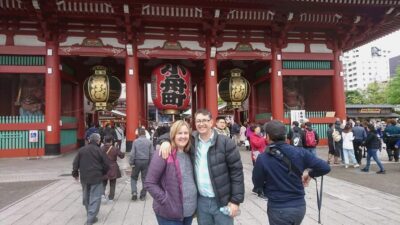 ★ 4.8Tokyo: Private City Highlights Tour with Local GuideFrom $1064 - 8 hours
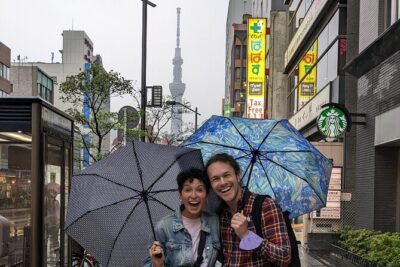 ★ 5.0Private Custom Tour: Tokyo in a DayFrom $159
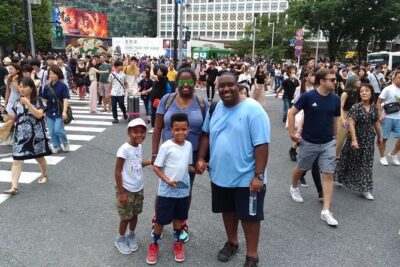 ★ 5.0Tokyo 4hr Private Tour with Government-Licensed GuideFrom $109


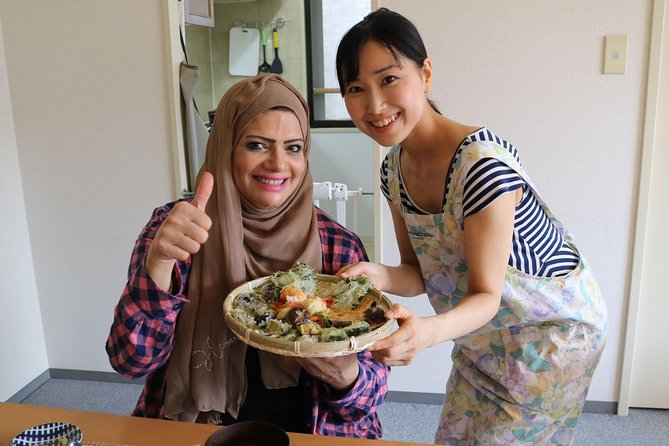
![[1 Group Only] Tokyo Shinjuku Food Tour for Family - Starting at Shinjuku 3 Chome with okonomiyaki](https://tokyoezine.com/wp-content/uploads/2026/08/1-group-only-tokyo-shinjuku-food-tour-for-family.jpg)