Reviewed · TEA CEREMONY & MATCHA
Authentic Japanese tea tasting: sencha, matcha and gyokuro
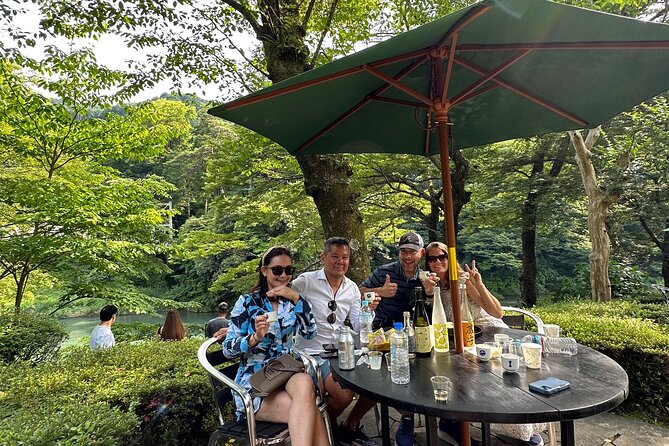
The surprise here is the range: in 90 minutes, you taste 12 Japanese teas, from everyday sencha to premium gyokuro. I like the side-by-side format, which makes differences in flavor, grade, and preparation much easier to notice than a single cup ever could.
In This Article
- Key points to know before booking
- Twelve teas, three very different experiences
- Starting with sencha and everyday Japanese tea
- Four matchas with Japanese confectionery
- The gyokuro moment
- A quiet lesson in Tokyo’s downtown core
- What the 90 minutes are really worth
- Who will enjoy this tea tasting most
- Practical details before you commit
- Should you book it?
- FAQ
- How long does the Japanese tea tasting last?
- How many teas will I taste?
- Is the tasting conducted in English?
- How many people are in the group?
- Are Japanese sweets included?
- Where does the activity take place?
- Can I cancel or pay later?
I also like the small group of four, the calm apartment setting, and the matcha pairing with Japanese confectionery. The main drawback is simple: $87 is a serious price for a short tasting, and green tea fans will get far more from it than casual tea drinkers. The experience is also limited to adults and is not suitable for pregnant women.
Key points to know before booking
- Seven senchas show everyday tea at several quality levels, so you can compare ordinary drinking tea with more carefully produced leaves.
- Four matchas reveal how powdered green tea can differ, with Japanese confectionery served alongside it.
- One premium gyokuro provides the grand finale, using a prized tea style known for its strong umami.
- A tea expert prepares each sample properly, helping you taste the tea rather than simply drink it.
- The downtown Tokyo apartment setting is quiet and personal, with space for no more than four participants.
- You need 90 minutes and an open mind, since green tea can range from grassy and light to intensely savory.
Twelve teas, three very different experiences
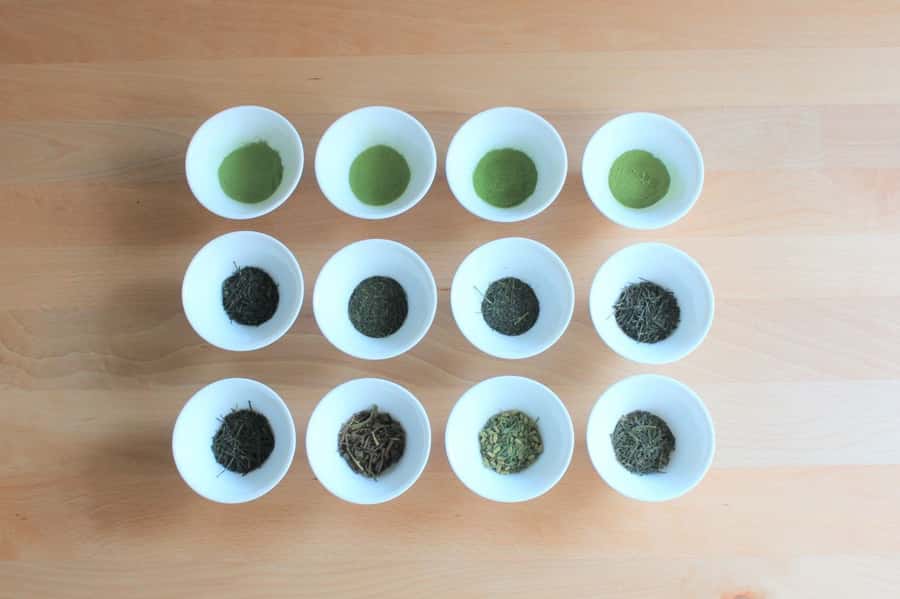
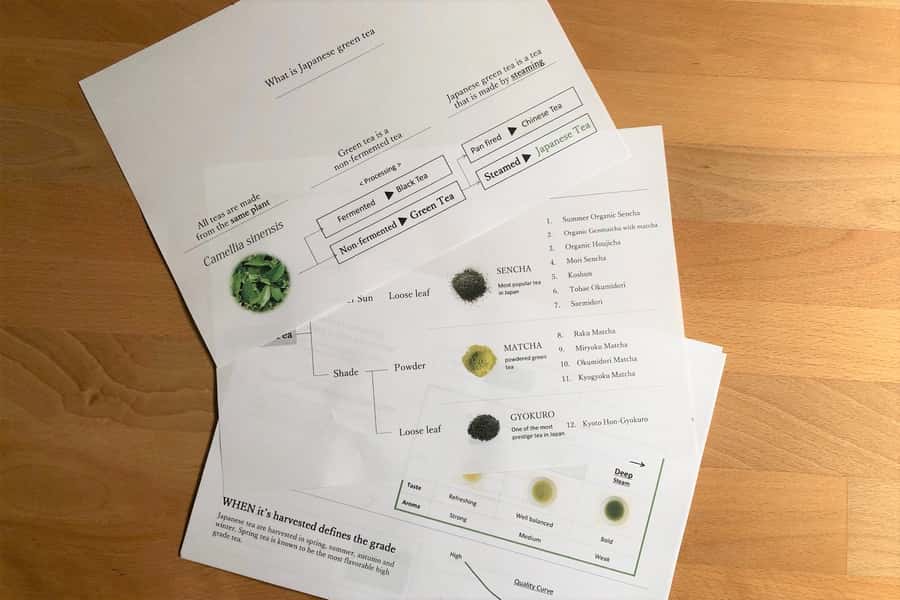
This tasting is built around three main Japanese tea families: sencha, matcha, and gyokuro. That structure matters because these teas are not simply different brands of the same drink. They look different, are made differently, and are prepared in different ways.
You taste seven senchas, four matchas, and one premium gyokuro. The broadest section is sencha, Japan’s familiar loose-leaf green tea. Seven samples let you compare teas intended for daily drinking with hand-picked premium grades. That comparison is one of the best reasons to book this experience. It gives you a reference point for the tea you may encounter in shops, restaurants, and homes across Japan.
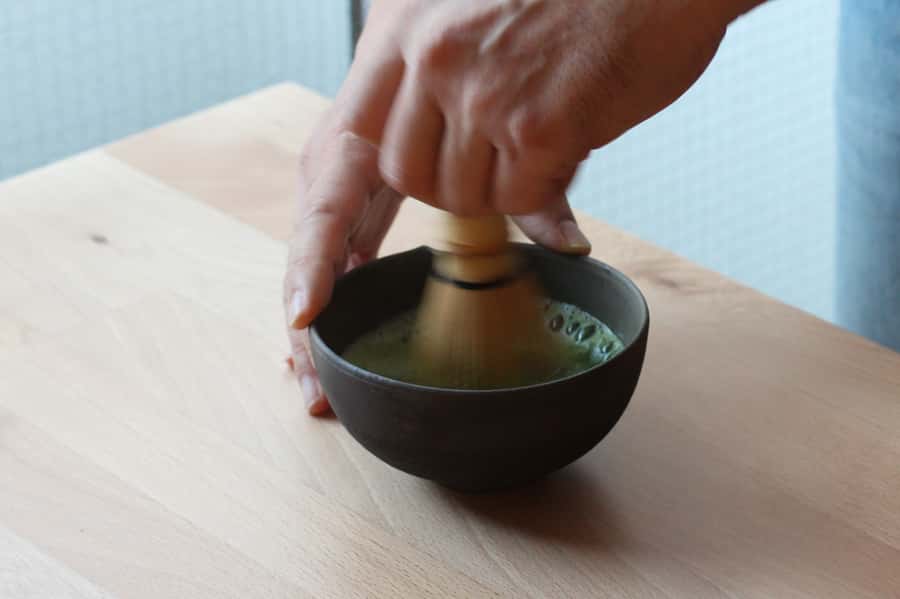
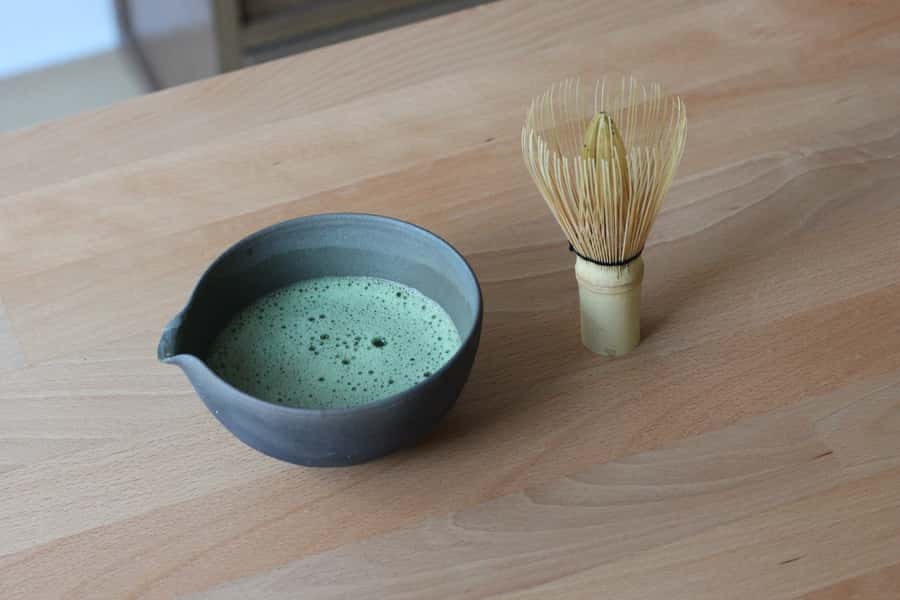
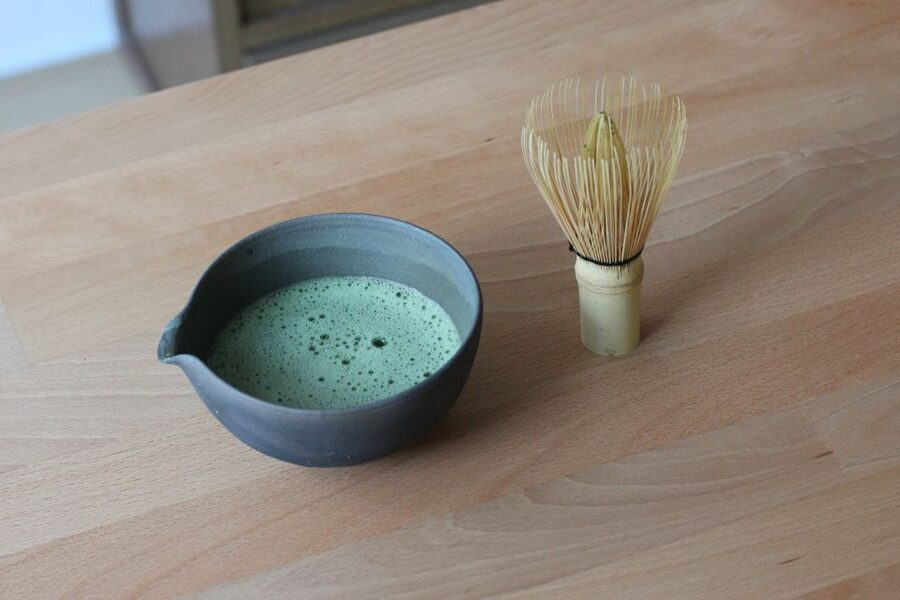
The four matchas shift the experience from steeped leaves to powdered tea. Matcha is whisked into water, so you consume the whole leaf rather than drinking only the liquid that passes over it. The result can be more direct and forceful, with the preparation method playing a large role in how the tea tastes.
Gyokuro arrives as the single premium tea in the tasting. It is a useful contrast to sencha because it is treated as a special-occasion tea, not simply a stronger everyday cup. Expect the tasting to place more attention on its concentrated savory character and the careful way it is prepared.
You are not expected to identify every tea like a professional. The point is to train your palate through comparison. A tea that seems mild on its own may taste delicate beside a stronger cup. A sencha that first seems sharp may appear clean and refreshing after a rich matcha.
A few more Tokyo tours and experiences worth a look

Starting with sencha and everyday Japanese tea
Sencha makes a sensible starting point because it is the most familiar style in this experience. The seven samples create a scale, moving from daily tea toward higher grades and hand-picked leaves.
That range gives you something practical to take home. Japan has no shortage of attractive tea packaging, and it is easy to buy a tea simply because the label looks appealing. Tasting several grades side by side helps you decide what you actually enjoy. You may prefer a modest sencha for regular drinking rather than paying premium prices for a tea whose extra detail is lost on your palate.
The tea expert explains where the tea comes from and how it is made. The teas are sourced from family farms, which adds a human and agricultural side to the session. You hear the story behind the leaves instead of receiving only a tasting chart.
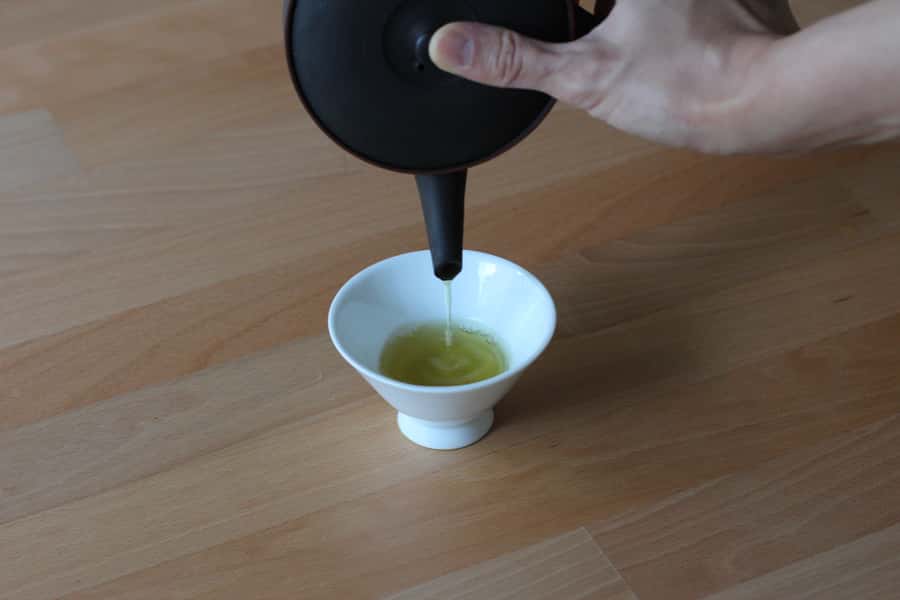
Preparation is important here. Water temperature, steeping time, and the amount of leaf can change the cup. Since each sample is infused in an appropriate way, you get a fair chance to taste what the producer intended. This is especially helpful for anyone who has brewed green tea with boiling water and ended up with a harsh, bitter drink.
The sencha portion is also the most useful for daily life. Once you understand how much preparation affects the taste, you can improve the tea you make in your own kitchen. The session is not only about identifying flavors. It shows you why two cups made from similar-looking leaves can taste so different.
Four matchas with Japanese confectionery
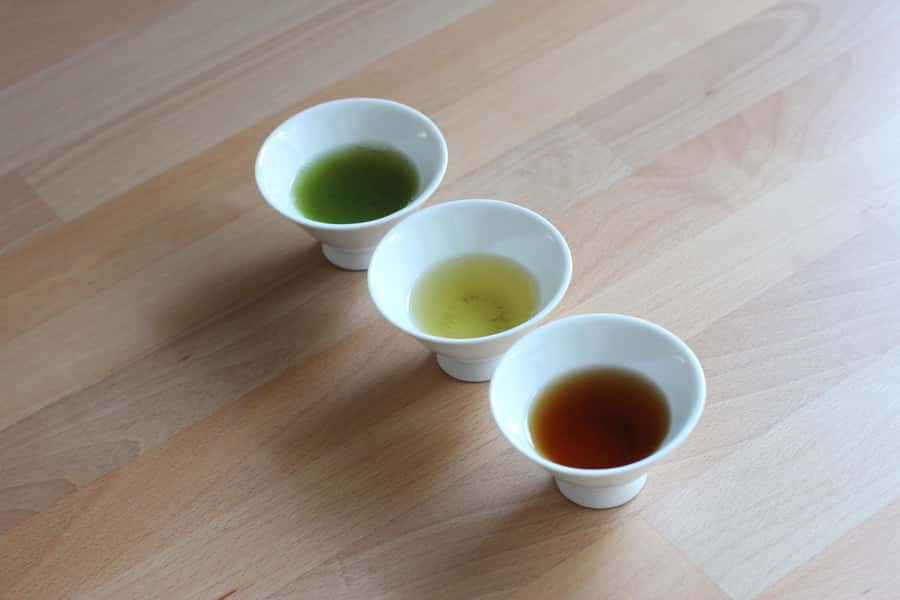
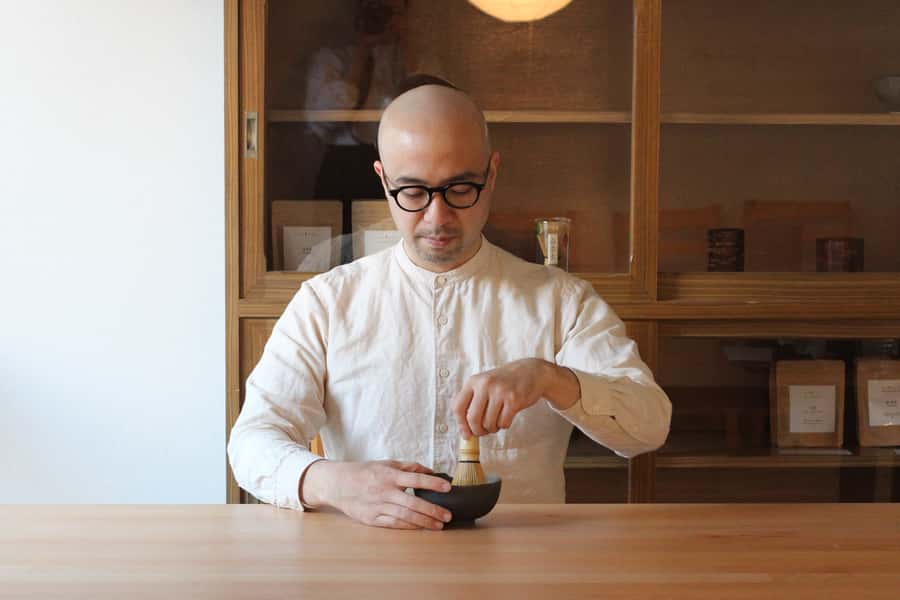
The matcha section changes the pace. Instead of watching leaves unfurl in water, you taste powdered tea that has been mixed directly into the cup. The preparation feels more focused, and it offers a clear introduction to the kind of careful whisking associated with Japanese tea culture.
Four matchas allow you to compare grades and flavor profiles. Some may seem smooth and rounded, while others can feel more intense or grassy. The exact impression will depend on your palate, but the important point is that matcha is not one single taste or quality level.
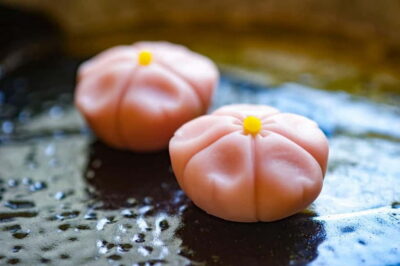
Small portions of traditional Japanese confectionery are paired with the matcha. This is more than a decorative extra. Sweets can soften the stronger edges of powdered tea and show how Japanese food traditions balance bitterness with sweetness.
The portions are small, so do not book this expecting a meal or a full dessert course. Think of the confectionery as part of the tasting lesson. It gives your palate a reset and helps you understand why sweet foods are often served with matcha.
If you already drink matcha at home, this section can help you judge what you like. If you are new to it, keep in mind that matcha may be more intense than the green tea served in a typical restaurant. The tasting format lets you try several kinds without committing to a full tin of one style.
The gyokuro moment
Gyokuro is the lone premium tea in the session, and its role is to show how far Japanese tea can move beyond everyday sencha. It is often prized for its strong umami and refined flavor, so it gives the tasting a clear high point.
The value of including one gyokuro is not that you will suddenly prefer it to every other tea. Premium tea is personal. Some people enjoy its concentrated savory taste, while others prefer the lighter, cleaner feel of sencha. The useful lesson is that price and quality do not always translate into personal preference.
Because the gyokuro is prepared by a tea expert, you can taste it in a way that respects the tea’s character. That matters more with a premium leaf, where poor preparation can waste much of what you are paying for.
This is also the tea most likely to prompt a discussion about farming, picking, and production. The session covers the background and development of Japanese tea, so you gain context for why certain leaves are treated as luxury products.
A quiet lesson in Tokyo’s downtown core
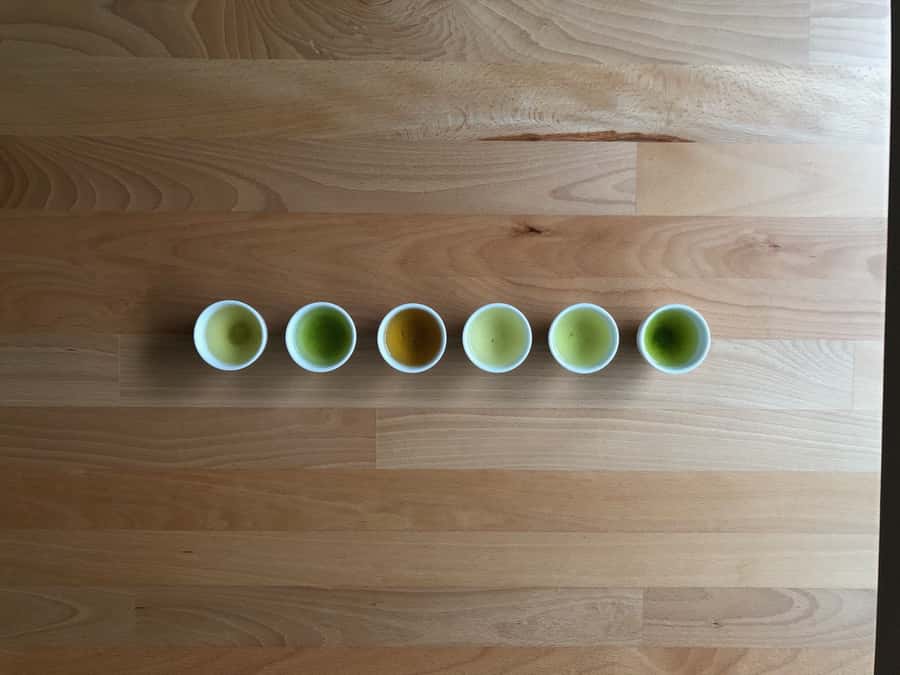
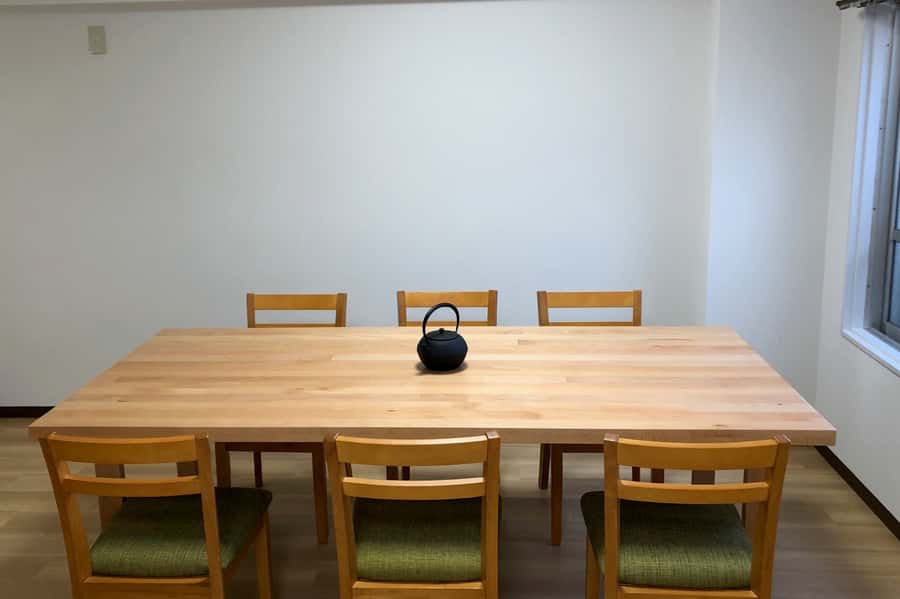
The setting is a cozy apartment room in downtown Tokyo. That makes this experience feel different from a formal attraction or a large demonstration. The small space supports a personal lesson, with no more than four participants in the group.
The size is a real benefit. You have a better chance to follow the explanations, ask questions, and watch the preparation closely. It also keeps the session calm, which fits the subject. Tea tasting works best when you can slow down and pay attention to aroma, texture, aftertaste, and temperature.
The meeting point is at the apartment entrance. You are instructed to push 202 and then press the bottom-right button. Read those directions carefully before you arrive, since this is a private apartment setting rather than a clearly marked public venue.
The activity is conducted in English. That makes it a practical choice for visitors who want detailed explanations of Japanese tea without relying on gestures or a translated handout. No guide’s personal name is provided, but the host is described as an English-speaking tea expert who prepares the teas and explains their background.





What the 90 minutes are really worth
At $87 per person, this is not a budget cup of tea. You are paying for an organized tasting of 12 teas, expert preparation, historical context, Japanese confectionery, and a very small group.
The value depends on how seriously you take tea. If you simply want a quick matcha in Tokyo, you can find cheaper options. If you want to understand why Japanese teas taste different and how quality changes across grades, this format gives you much more information in a short period.
I see the price as easier to justify for tea drinkers, food-focused visitors, and anyone considering buying Japanese tea during the rest of the trip. Tasting before buying is especially useful. One person received tea to take home as an added bonus, though this should not be treated as a guaranteed part of the booking.
The format also saves time. You do not need to visit several tea shops or research different brewing methods on your own. In 90 minutes, the tasting gives you a foundation for making better choices later.
Still, the experience is not designed for everyone. If you dislike bitter, grassy, or savory flavors, several samples may feel challenging. The activity includes a wide range of tea, not 12 sweet or mild drinks. You should book it because you want to learn and compare, not because you expect every cup to be immediately familiar.
Who will enjoy this tea tasting most
I would recommend it to anyone who already enjoys green tea and wants to understand the differences among Japanese styles. It is also a good choice if you are interested in food traditions, careful preparation, or the agricultural side of Japanese products.
The small group makes it appealing for solo visitors and couples who prefer quiet activities. It can also fit well into a Tokyo day when you want a break from sightseeing and crowds. The setting is relaxing, and the subject encourages you to slow down.
The session is less suitable for young families because participants must be at least 18. It is also listed as unsuitable for pregnant women. Since the activity focuses entirely on tea, it may not suit someone looking for a broad Japanese cooking class or a full meal.
You should also allow yourself enough attention for the full 90 minutes. This is not a drop-in tasting where you rush through a sample and leave. The explanations are part of the value.
Practical details before you commit
The experience lasts 90 minutes, with starting times available according to the date you select. It is led in English, and the group is limited to four people.
Cancellation is free up to 24 hours in advance for a full refund. You can also reserve now and pay later, which is useful when your Tokyo plans are still shifting.
The activity is in Honshu, in downtown Tokyo, at an apartment room. At the entrance, push 202 and press the bottom-right button. Keep the meeting instructions available on your phone so you do not have to search for them at the door.
The strongest praise goes to the host’s clear teaching, warm welcome, high-quality tea, and small-group format. Those are exactly the parts that determine whether a tea tasting feels special or merely expensive.
Should you book it?
Book this experience if you want a focused, educational look at Japanese tea and you are happy to pay for expert preparation. The seven senchas, four matchas, and premium gyokuro give you a useful range, while the Japanese confectionery adds a traditional food pairing.
Skip it if you only want a cheap drink, dislike green tea, or prefer a large cultural show with more activities. For tea lovers, though, the chance to compare everyday leaves, premium grades, matcha, and gyokuro in one quiet downtown session makes the $87 easier to defend.
FAQ
How long does the Japanese tea tasting last?
The experience lasts 90 minutes.
How many teas will I taste?
You will taste 12 Japanese teas: seven types of sencha, four types of matcha powder, and one premium-grade gyokuro.
Is the tasting conducted in English?
Yes. The instructor and activity language are English.
How many people are in the group?
The group is limited to four participants.
Are Japanese sweets included?
Yes. Small portions of traditional Japanese confectionery are paired with the matcha.
Where does the activity take place?
The tasting takes place in a cozy apartment room in downtown Tokyo. At the apartment entrance, push 202 and then the bottom-right button.
Can I cancel or pay later?
You can cancel up to 24 hours in advance for a full refund. Reserve-now, pay-later booking is also available.
More Tea Ceremony & Matcha in Tokyo


More tours in Tokyo we've reviewed






Tea Ceremony & Matcha, compared.
 ★ 5.0Matcha Making Class in Tokyo with Authentic Japanese Sweets SetFrom $21
 ★ 5.0Kimono Tea Ceremony at Tokyo, Asakusa MaikoyaFrom $55
 ★ 5.0Tokyo: Traditional Tea Ceremony with a Tea MasterFrom $381 hour
 ★ 4.5Dynamic Tokyo: Tokyo Tower, Tea Experience, Bay Cruise Day TourFrom $99
 ★ 4.9Tokyo: Matcha Making Experience with Mochi Sweets in AsakusaFrom $221 hour
 ★ 4.7Tokyo: Matcha and Kimono ExperienceFrom $57