Reviewed · SUSHI MAKING CLASSES
Cozy Tokyo Class: Ramen, Sushi, Sake Pairing & Cultural Exchange
The best part of this Tokyo class is the small-group cooking table, where you learn by doing instead of watching a chef work from across a crowded room. Over about three hours, you prepare ramen and sushi, or possibly gyoza depending on the class setup, then sit down to eat what you made.
In This Article
- Key points
- Cooking ramen and sushi in a four-person setting
- What you make during the three-hour class
- Ramen: from cooking lesson to full meal
- Sushi: hands-on practice, not just a tasting
- Gyoza: confirm the menu before you arrive
- Stories, questions, and the human side of the meal
- Sake, beer, and non-alcoholic choices
- Why the $79 price can make sense
- Who will get the most from this Tokyo class
- Planning your visit to HAUS Tsukishima
- What the class does especially well
- Limits to keep in mind before booking
- Should you book Ramen and Sushi Cooking Tokyo?
- FAQ
- How long does the cooking class last?
- Where does the activity meet?
- Where does the activity end?
- What dishes will I make?
- Are drinks included?
- Can beginners and children take part?
- Can I cancel for a full refund?
I like the warm cultural exchange with hosts such as Umi, Namiko, Risa, Kou, Komi, and Alissa, and I like that recipes are provided so the class has a life beyond your Japan trip. The main point to check before booking is the group size: the experience is promoted as capped at four, while the additional information allows up to eight people.
Key points
- Cook two Japanese favorites: Learn to make ramen and sushi, with gyoza also described as an option in the class details.
- Friendly English-speaking hosts: Umi, Namiko, Risa, Kou, Komi, and Alissa are among the instructors named in the experience information.
- A real cultural exchange: Stories about Japanese food traditions are woven into the cooking rather than added as a formal lecture.
- Drinks are part of the value: Unlimited sake pairings, Japanese beer, and non-alcoholic drinks are included.
- Recipes go home with you: You receive written recipes for another attempt in your own kitchen.
- Convenient central Tokyo setting: The class meets at HAUS Tsukishima in Chuo City and ends at the same place.
Cooking ramen and sushi in a four-person setting
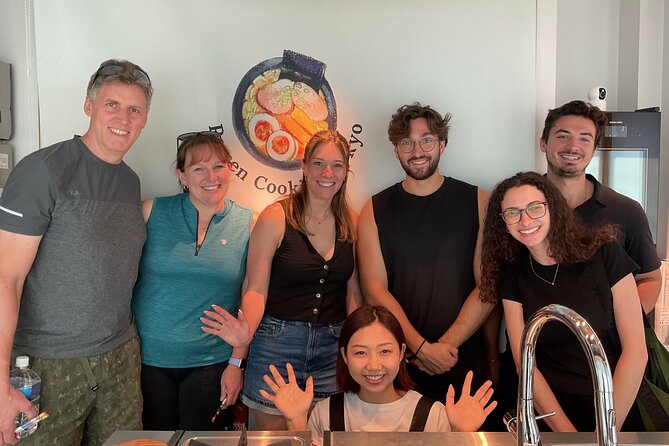
This experience is built around conversation. You are not simply handed a bowl of noodles and told where the soy sauce is. The plan is to work through Japanese dishes with an English-friendly host, ask questions as you go, and learn enough technique to repeat the meal later.
The advertised small-group cap of four is a major reason to consider this class. With only a few people at the table, you should have a better chance to hear instructions, get help with hands-on tasks, and chat with the hosts. That matters in a cooking class, where a missed step can affect the finished dish.
There is one practical wrinkle. The additional information lists a maximum of eight people, while the main description says the group is capped at four. I would ask for the expected group size when booking if an especially intimate class is important to you.
The setting is in Tsukuda, in Tokyo’s Chuo City, at HAUS Tsukishima. The meeting point is also the end point, so you do not need to arrange a separate ride after the meal. Public transportation is nearby, but private transportation is not included.
A few more Tokyo tours and experiences worth a look

What you make during the three-hour class
The class focuses on ramen and sushi, with gyoza also listed in the main highlights. Because the information describes the menu in two slightly different ways, check the current combination when you reserve. The core promise is clear: you will prepare two well-known Japanese dishes from scratch, with the exact second dish worth confirming.
Ramen: from cooking lesson to full meal
Ramen is an excellent dish for a class because it involves more than one isolated skill. You get to see how separate parts come together in a bowl, from the noodles and broth to the toppings and final assembly.
The hosts explain the process at a relaxed pace, and the class is designed for both first-time cooks and people who already spend time in the kitchen. You should not need advanced knife skills or a long list of Japanese cooking terms to take part.
The useful measure here is not only how the ramen tastes at the table. It is how clearly you understand the process well enough to try it at home. The supplied recipe helps, though you should expect the home version to depend on ingredients available where you live.
Sushi: hands-on practice, not just a tasting
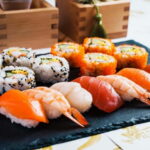
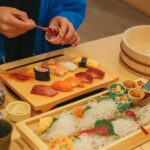
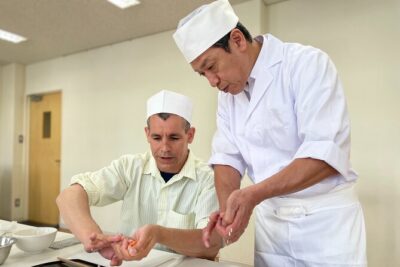
The sushi portion gives the class a second style of Japanese cooking. Ramen is built in a bowl, while sushi asks you to pay attention to shaping, portioning, and presentation.
The class information does not specify the exact sushi varieties or fish used, so I would not book it expecting a particular type of roll or topping. What you can count on is guided preparation and time to eat the sushi you make.
This is a good fit if you want to understand the basic work behind a dish that can seem simple when it arrives at a restaurant. You get to handle the ingredients and see why careful preparation matters.
Gyoza: confirm the menu before you arrive
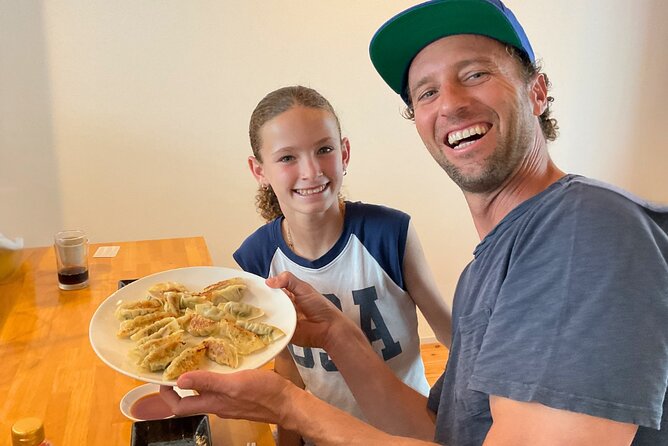
Gyoza appears in the highlights as one of the two iconic dishes, while the longer description says you will make ramen and sushi, or optional gyoza. That wording suggests the menu may vary by session or booking choice.
Gyoza would be a nice alternative for anyone who prefers a dumpling-making activity to sushi. Still, do not assume all three dishes are included in every class. Ask which menu is scheduled, especially if gyoza is the main reason you are interested.
A few more Tokyo tours and experiences worth a look



Stories, questions, and the human side of the meal
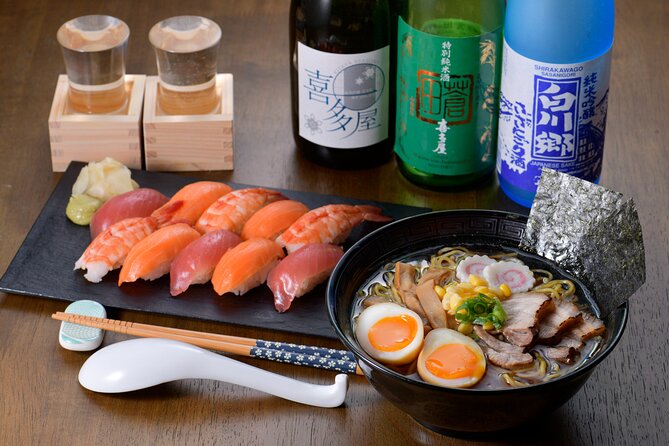
The class theme is Beyond Cooking, Feel the Connection. That is more than a slogan here, since the format leaves room for conversation about Japanese food customs and daily life.
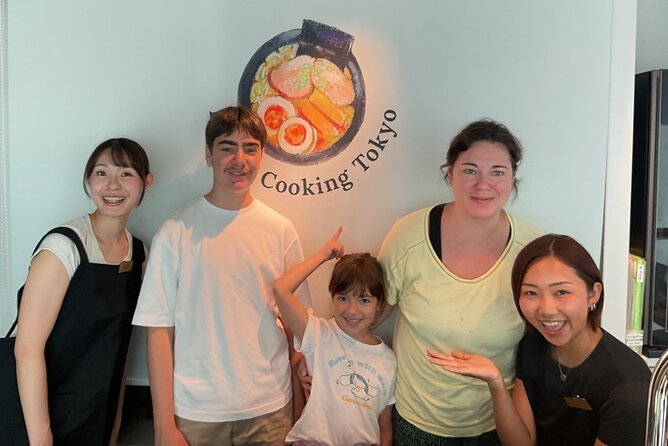
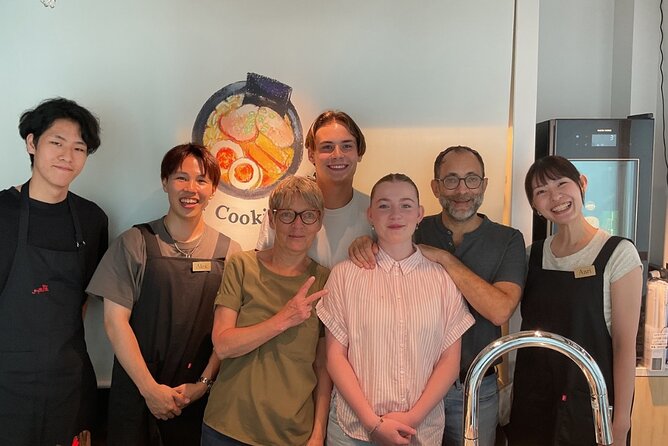
Hosts named in the experience information include Umi, Kou, Komi, Alissa, Risa, and Namiko. The teaching team may vary, but the repeated descriptions of the hosts point to an approach built on patience, humor, and questions. English is supported, and the class is meant to be easy to follow.
I especially like this part for people who want more than a restaurant meal. A bowl of ramen tells you something about Japanese food, but a conversation about how and why it is prepared gives you a better sense of the culture around it.
The cultural exchange also works both ways. You can ask about ingredients, cooking habits, or traditions, while the hosts may be interested in food customs from your home country. Families and groups of friends can enjoy this naturally, since the meal gives everyone an easy subject to talk about.
The tone is social rather than formal. If you want a quiet, technical master class with little conversation, this may not be your best choice. If you enjoy meeting people while learning a useful skill, the format should suit you well.
Sake, beer, and non-alcoholic choices
Unlimited sake pairings are included, along with Japanese beer and non-alcoholic drinks. That makes the class feel more like a shared meal than a short demonstration followed by a quick taste.
Sake is a natural match for sushi and other Japanese dishes, but you do not have to drink alcohol to take part. The non-alcoholic option is important for children, anyone avoiding alcohol, and people who still have a full afternoon of sightseeing ahead.
The wording unlimited deserves a little judgment. It is a pleasant inclusion at this price, but you should still pace yourself during a three-hour cooking session. You are there to learn and eat, not turn a midday class into a drinking contest.
For couples celebrating a birthday or honeymoon, the drinks help mark the occasion without requiring a separate restaurant booking. Families can use the soft drinks and focus on the food and conversation.
Why the $79 price can make sense
At $79, this is not the cheapest way to eat ramen in Tokyo. A restaurant meal will cost less, and you can buy prepared sushi without spending three hours at a cooking table.
The value comes from the combination of food, instruction, drinks, cultural conversation, and recipes to take home. You are paying for an activity as well as a meal. If you would otherwise book a cooking class and then visit a restaurant for dinner, this experience may compare well.
All fees and taxes are included, which keeps the advertised price easy to understand. Private transportation is not included, but the activity begins and ends at the same Tsukishima address near public transportation. That helps keep extra costs down.
The recipes add practical value. You can try the dishes again after returning home, though the ingredients and results may differ outside Japan. For someone who wants a lasting cooking skill rather than a one-time photo opportunity, that take-home detail matters.
I would consider the price fair for couples, families, and small groups who want a social activity. It is less appealing if you only want to eat excellent ramen or sushi and have no interest in preparing it yourself.
Who will get the most from this Tokyo class
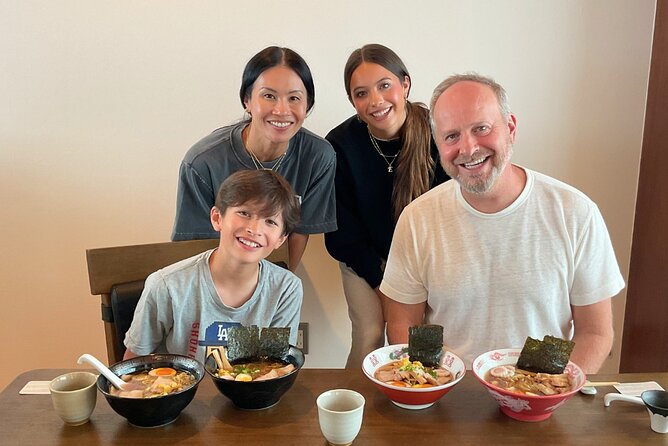
This class is designed for all ages and skill levels. Beginners can follow the instructions, while more experienced home cooks can ask about methods and ingredients.
It is particularly well suited to:
- Couples looking for a relaxed shared activity
- Families wanting something children and adults can do together
- Friends who enjoy food and conversation
- First-time visitors who want a guided introduction to Japanese cooking
- Home cooks who want recipes they can try after the trip
- People marking a birthday, honeymoon, or another special occasion
The class may be less suitable for anyone with a strict dietary requirement, since the provided information does not explain ingredient substitutions or allergy procedures. Contact the provider before booking if you need changes to the menu.
You should also think about your schedule. Three hours is not a rushed stop between major sights. It is a substantial part of your day, but that slower pace is the point. You cook, talk, eat, and share drinks rather than racing through a checklist.
Planning your visit to HAUS Tsukishima
The meeting point is Japan, 104-0051 Tokyo, Chuo City, Tsukuda, 2-chōme 135, HAUS Tsukishima. The activity ends back at this location.
Give yourself time to reach the address, since Tokyo’s train stations and streets can take longer to navigate than a map suggests. Public transportation is nearby, but the experience does not include a pickup or private transfer.
The booking confirmation is issued at the time of reservation. Free cancellation is available if you cancel at least 24 hours before the local start time. Inside that window, the payment is not refunded, and changes are not accepted, so avoid booking before your sightseeing plans are firm.
The class is a good choice on a rainy day or when you need a break from Tokyo’s busy streets. It also works well near the start of a trip, since you can learn dishes and food customs that may help you understand later meals.
What the class does especially well
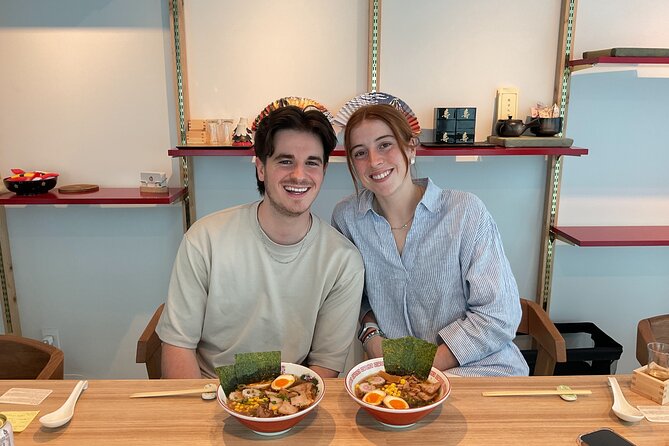
The strongest feature is the personal teaching style. The hosts are described as friendly, supportive, funny, and easy to understand, with instructions given at a comfortable pace. That combination matters more than fancy surroundings in a cooking class.
The second strength is the food itself. The preparation is hands-on, but the reward comes quickly when you sit down to eat ramen and sushi made by your own group. The class keeps the balance between learning and enjoyment.
The third is the atmosphere. The small format encourages cultural exchange and makes it easier to ask questions. You are not just collecting a recipe. You are sharing a meal with people who can explain some of the customs behind it.
The class also works for mixed groups. A confident cook can take on more precise tasks, while a beginner can get direct help. Children can join, and non-drinkers have beverage choices.
Limits to keep in mind before booking
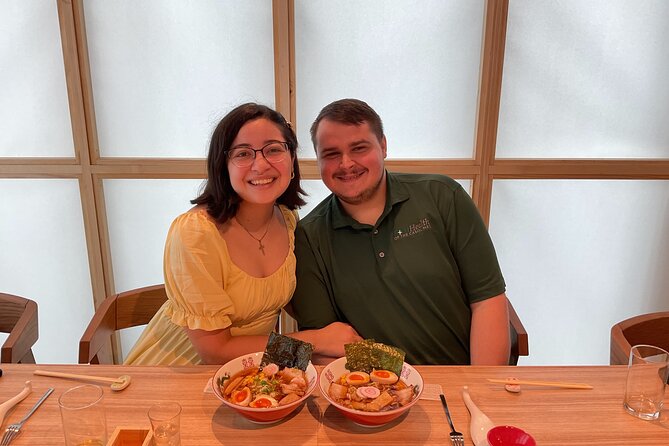
The menu needs clarification. The experience title and description focus on ramen, sushi, and sake, while the highlights also mention ramen and gyoza. Confirm whether your session includes sushi, gyoza, or both.
The group-size information also needs checking. A cap of four suggests a very intimate class, but the general maximum is listed as eight. If you are booking for a special occasion or want close individual guidance, ask which limit applies to your date.
The class is not a sightseeing tour. You will not be moving through Tokyo landmarks or receiving a broad city history lesson. Its value is local conversation, cooking practice, and a shared meal in one fixed location.
Finally, the $79 price is best judged as an activity fee, not a food bargain. If your priority is the lowest-cost meal, choose a restaurant. If you want skills, stories, drinks, and a social memory, the cost is easier to justify.
Should you book Ramen and Sushi Cooking Tokyo?
I would book this class if you want a friendly, hands-on Tokyo activity and like the idea of turning a meal into a conversation. The small setting, English-friendly hosts, included drinks, and take-home recipes give it more substance than a basic cooking demonstration.
Families, couples, and food-focused friends are the best match. Beginners should feel comfortable, and experienced cooks can still enjoy the cultural side and ask detailed questions.
Before paying, confirm the exact menu and expected group size. Once those points suit your plans, $79 is a reasonable price for three hours of cooking, eating, sake or other drinks, and personal contact with Japanese hosts.
FAQ
How long does the cooking class last?
The class lasts approximately three hours.
Where does the activity meet?
It meets at HAUS Tsukishima, Japan, 104-0051 Tokyo, Chuo City, Tsukuda, 2-chōme 135.
Where does the activity end?
The class ends back at the meeting point.
What dishes will I make?
The class description says you will make ramen and sushi, with gyoza also listed as an optional or alternate dish. Confirm the exact menu for your session before booking.
Are drinks included?
Yes. Unlimited sake pairings, Japanese beer, and non-alcoholic beverages are included.
Can beginners and children take part?
Yes. The class is described as suitable for all ages and skill levels, including beginners.
Can I cancel for a full refund?
Yes, if you cancel at least 24 hours before the experience start time. Cancellations or changes made within 24 hours are not accepted for a refund.
More Workshops & Classes in Tokyo
More Sushi Making Classes in Tokyo
More tours in Tokyo we've reviewed












Sushi Making Classes, compared.
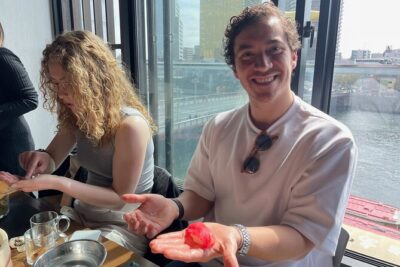 ★ 5.0Sushi Making Tokyo Roll and Authentic Japanese Sushi ClassFrom $59
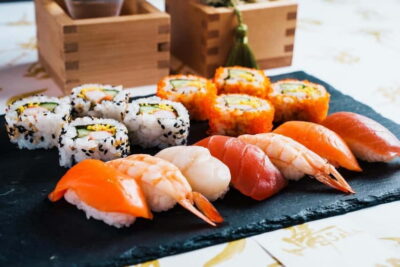 ★ 4.9Tokyo: Roll and Authentic Sushi Making Class in AsakusaFrom $581h 40m
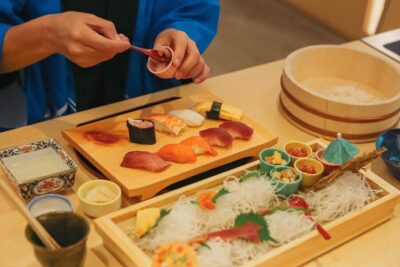 ★ 4.9Tokyo: Sushi Making Class in a Happi Coat near a Famous SpotFrom $421h 30m
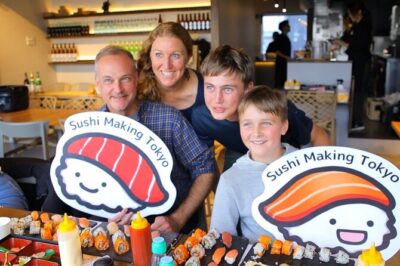 ★ 5.0Sushi Making Tokyo! Popular Maki Sushi & Japanese Sushi(+Recipe!)From $63
 ★ 5.0Tokyo Sushi Making Class in Tsukiji with Professional ChefFrom $49
 ★ 5.0Tokyo Night Foodie Tour in Shinjuku – Seasonal Sushi, Wagyu BeefFrom $111