Reviewed · SUMO EXPERIENCES
Tokyo: Grand Sumo Tournament Tour
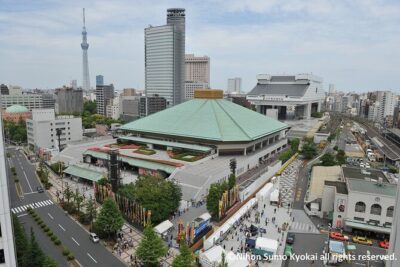
Tokyo’s Grand Sumo Tournament is far more than a ticket to a wrestling match. You begin in Ryogoku, Tokyo’s sumo district, then enter Kokugikan to watch the bouts with a local guide explaining rituals, wrestlers, rankings, and the action as it happens. The live commentary turns a sport that can seem mysterious into something you can follow.
In This Article
- Key points to know before you book
- Why live commentary changes the sumo experience
- Starting at Kokugikan in Tokyo’s sumo neighborhood
- The Ryogoku walk: useful context, not just a warm-up
- Inside Kokugikan: what the three-hour viewing period is like
- Headsets help, but they are not perfect
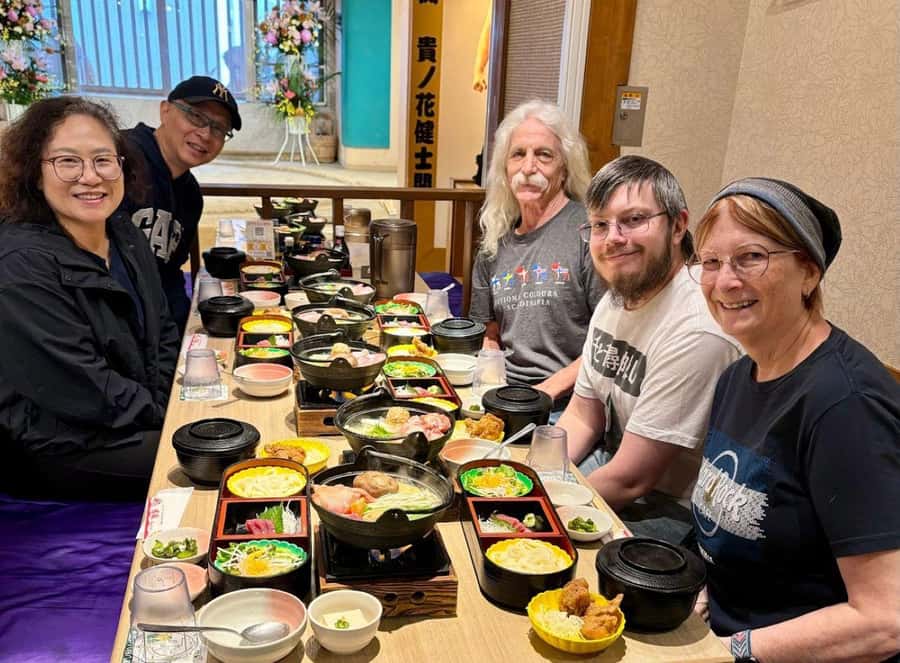
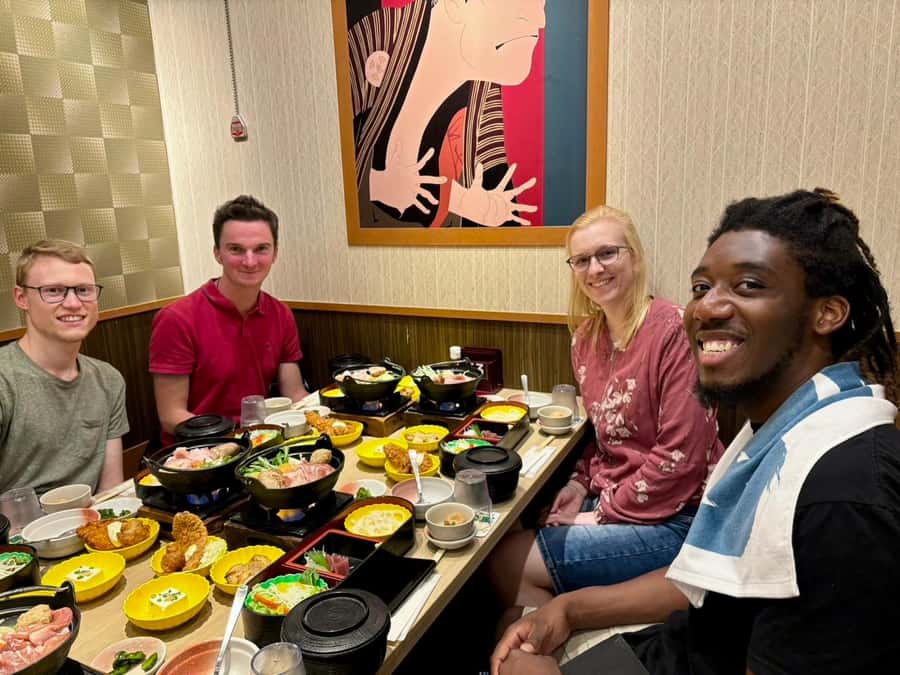
- Chanko-nabe adds a taste of wrestler life
- Is $195 a fair price?
- Who will enjoy this tour most?
- Practical details for a smoother afternoon
- Should you book the Grand Sumo Tournament Tour?
- FAQ
- Where does the tour meet?
- Does the tour include transportation from my hotel?
- How many people can join the tour?
- What time does the sumo-only option run?
- What does the optional walking tour include?
- Is the chanko-nabe dinner included?
- Can infants join the tour?
I like the small group size, capped at 10, and the way the guide stays with you inside the arena. I also like the option to add a walking tour and chanko-nabe meal, so you can choose between a fuller cultural outing and a shorter sumo-only visit.
The main drawback is price. At $195 per person, this costs more than buying a tournament ticket alone, and some seats are high in the arena. The guide adds real value, but budget-minded visitors should decide how much instruction and support they want.
Key points to know before you book
- Ryogoku walking tour: Visit sumo-related landmarks and see sumo stables from outside before the tournament.
- Live English commentary: A certified local guide explains the action through a headset during the bouts.
- Small group format: The tour accepts no more than 10 people, making questions and personal help easier.
- Top-division atmosphere: The most exciting matches and strongest crowd energy build after 4 p.m.
- Optional chanko-nabe: Add the filling hot-pot dish associated with sumo wrestlers’ training diets.
- Two viewing choices: Choose chair B or chair C seating, with some seats located near the top.
Why live commentary changes the sumo experience
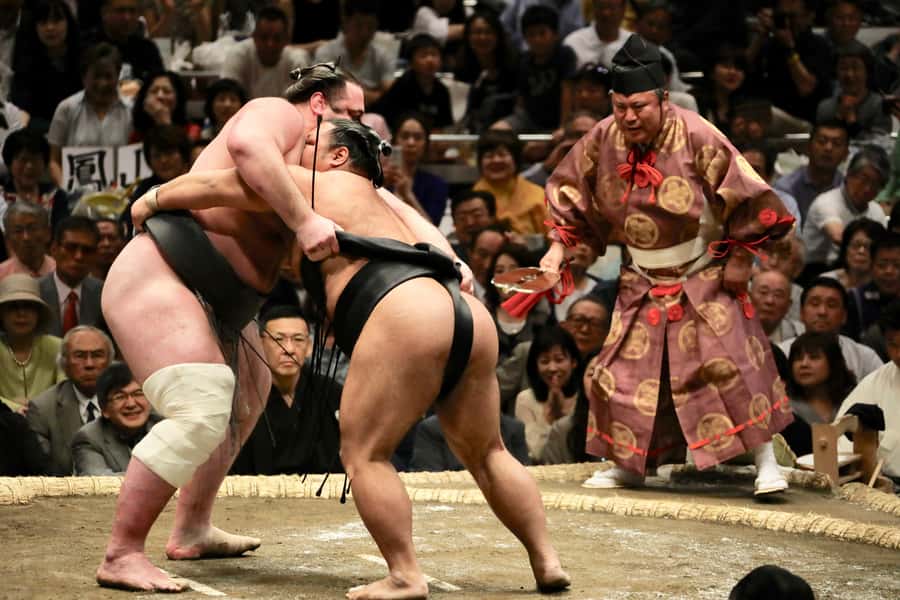
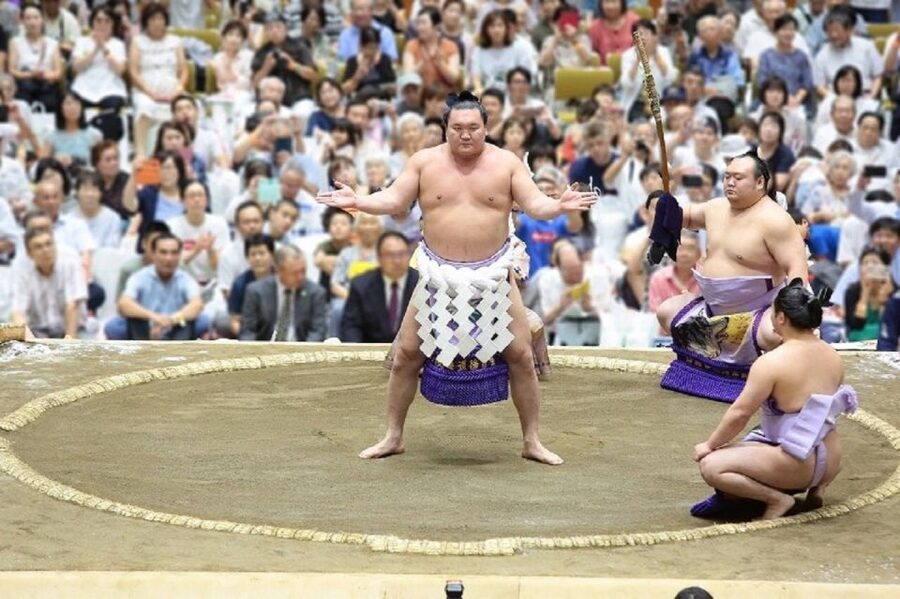
Sumo looks simple at first: two large wrestlers face each other, clash, and try to force the other out of the ring. The details are where the sport becomes fascinating. The pre-match rituals, the wrestlers’ ranks, the referee’s role, and the tactics all carry meaning.
This tour gives you help at the moment you need it. Instead of waiting until later to read a pamphlet, you can hear an explanation while the bout is unfolding. Your guide may point out a wrestler’s background, explain why a match matters, or clarify what happened during a quick exchange.
That matters because sumo bouts can end in seconds. If you are new to the sport, it is easy to miss the technique and see only a blur of movement. The commentary helps you understand why one wrestler won, not just who won.
The guides also add personality. Jeff has been praised for being lively and informative, while Dawn has explained sumo customs and facts in clear English. Yoko, Taka, Yosh, Yuki, and Bruce have also led tours, with Taka in particular earning strong marks for answering questions and keeping the afternoon moving.
Guide assignments can change, so you should not book based on one specific person. The important point is that the experience is built around a guide who follows the matches with you, rather than a simple escorted entry to the arena.
A few more Tokyo tours and experiences worth a look
Starting at Kokugikan in Tokyo’s sumo neighborhood
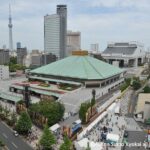
The meeting point is at the left side of the front gate of the Kokugikan arena. You need to make your own way there because hotel pickup and drop-off are not included.
The optional walking portion runs from 1 p.m. to 3 p.m. It takes place around Ryogoku, a district closely tied to sumo. Your guide introduces landmarks connected with the sport and points out sumo stables from the outside. These stables are where wrestlers live and train, but the tour does not advertise interior access, so treat this as an exterior look at the neighborhood’s sumo life.
I like this opening because it gives you a sense of place before you sit down. You are not simply entering an arena with no context. You are walking through a district where sumo is part of the local identity.
The walking tour is optional, though the experience is designed around both parts: the Ryogoku introduction and the tournament viewing. If you have limited time or mainly want the matches, the 3 p.m. to 6 p.m. sumo-only option is the cleaner choice.
There is one timing issue to consider. The full outing can feel long, particularly if you include the walk, a meal, and several hours at the arena. One practical approach is to treat the early portion as a cultural tour and the later portion as the main event. The crowd excitement and major bouts generally build after 4 p.m., so the first matches may feel less urgent to someone focused only on the top division.
The Ryogoku walk: useful context, not just a warm-up
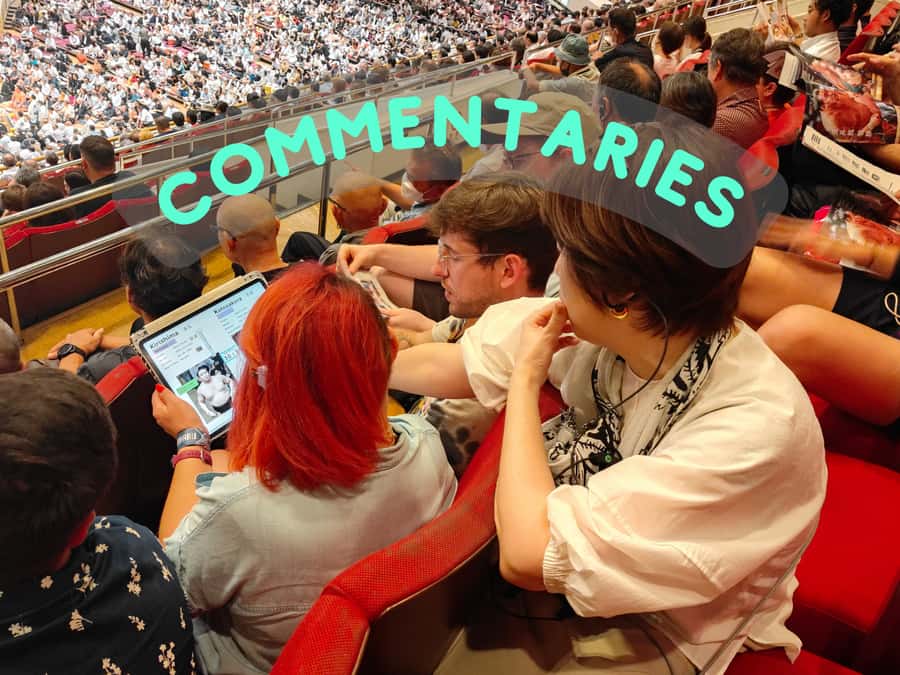
The neighborhood portion is most valuable for first-time sumo watchers. Your guide explains the origin and development of sumo, then connects those ideas to the places around you. This gives you a framework for the rituals and customs you will see inside Kokugikan.
You may also get a chance to see wrestlers in the area. One outing included an encounter with sumo wrestlers who were happy to pose for photos. That kind of moment cannot be promised, but Ryogoku gives you a better chance of seeing the sport in its natural setting than a museum-only introduction would.
The walking pace and length may not suit everyone. One detailed assessment found that the two-hour walk could have been shorter. If you prefer a relaxed afternoon with more time for food or rest, choose the sumo-only option. If you enjoy local context and want to ask questions before the match, the walk earns its place.
Comfortable shoes are sensible. The tour is not suitable for wheelchair users, and the walking portion adds physical effort before you reach your seat. Infants from birth through age three are free, but they must sit on an adult’s lap, and you need to report how many infants are joining.
Inside Kokugikan: what the three-hour viewing period is like
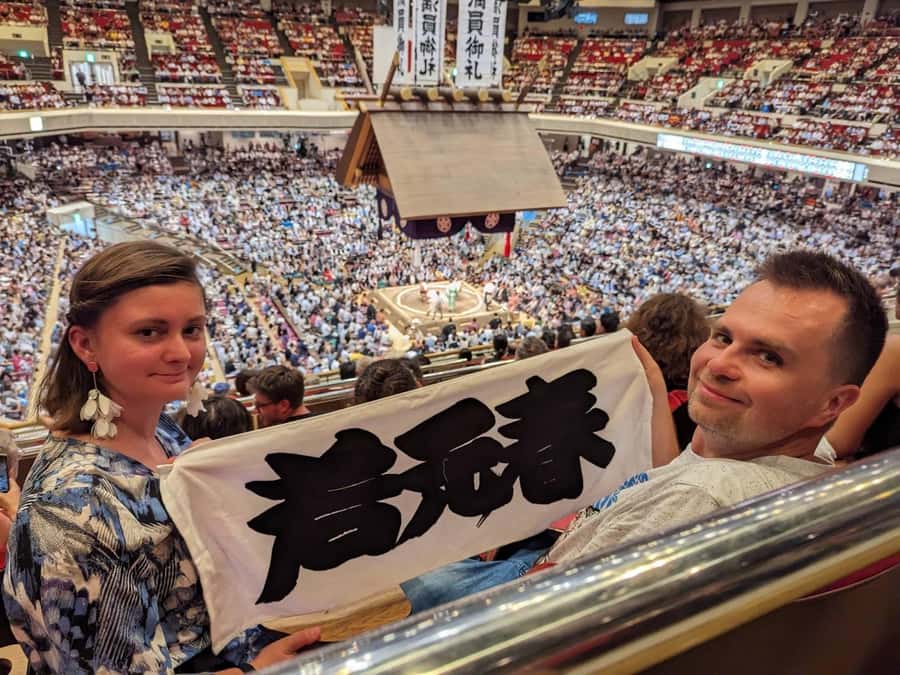
The arena viewing portion is scheduled for 3 p.m. to 6 p.m. You sit in chair B or chair C seating. Some seats are high in the building, but the dohyō, the raised sumo ring, should still be visible. You should keep your expectations realistic: these are not premium ringside seats.
The atmosphere grows as the day moves toward the major bouts. Early matches help you learn the basic rhythm, but the strongest crowd response comes later, when higher-ranked wrestlers appear. If you arrive expecting nonstop headline matches from the opening minute, you may find the early part quiet. If you enjoy watching the energy build, the gradual pace works well.
Your guide uses a special English pamphlet to help you track the tournament. This is especially useful when several wrestlers are unfamiliar to you. You can follow names, rankings, and facts while listening to the live explanation.
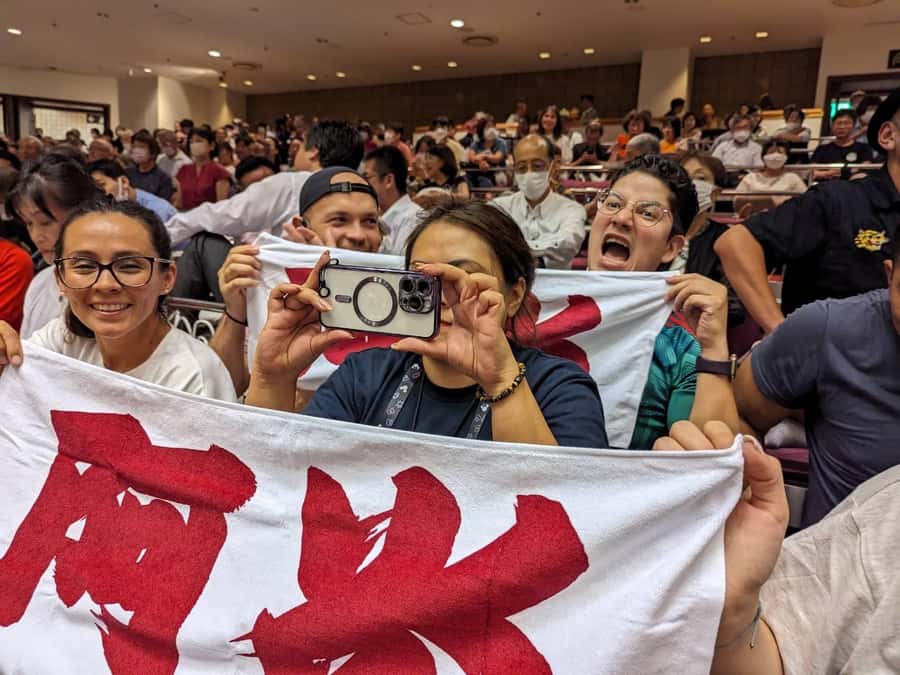
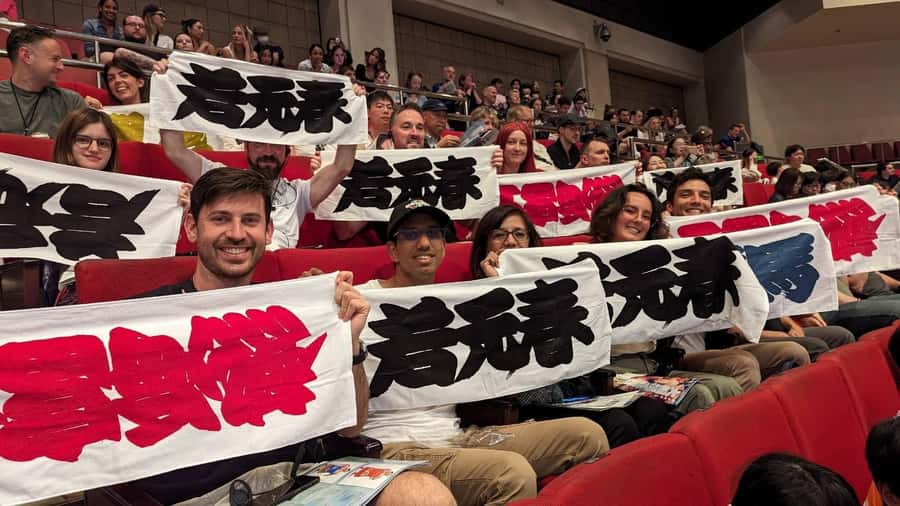
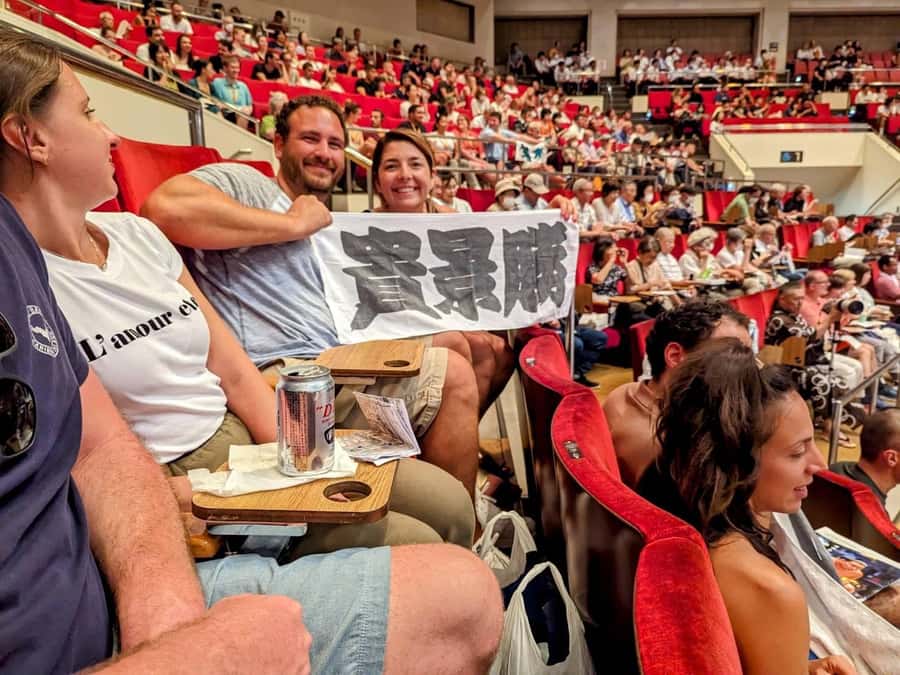
The supplied cheering towel adds a small but fun touch. Your guide may encourage the group to cheer for a wrestler, helping you take part in the arena rather than sitting as a silent observer. That shared support is a simple way to connect with the local crowd.
Headsets help, but they are not perfect
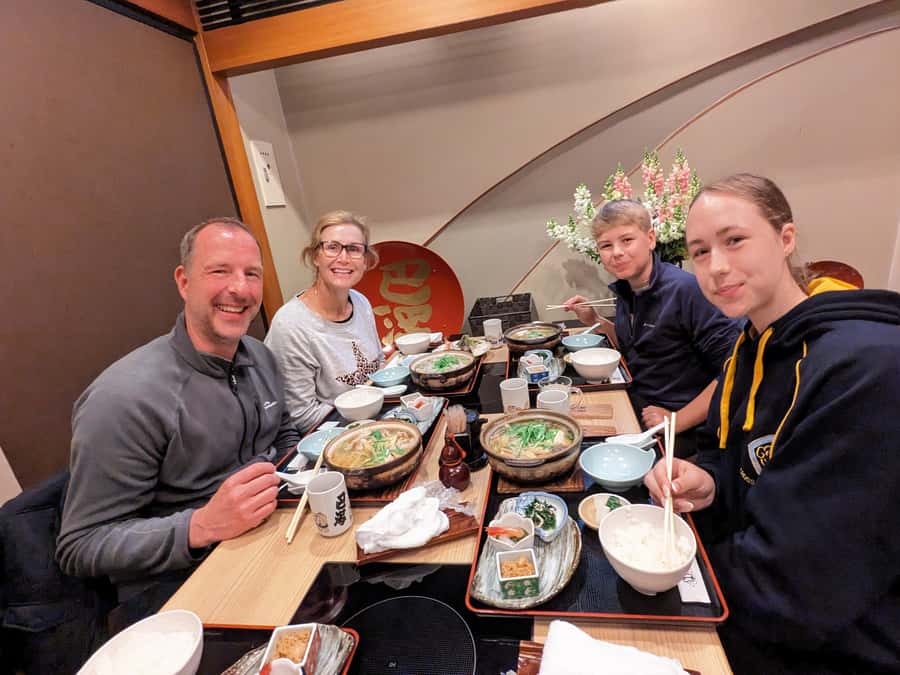
The tour supplies headsets so you can hear the guide from a distance. This is a smart idea in a large arena, where the guide cannot stand beside every person during every bout.
In practice, the audio can be uneven. Some people have found the guide hard to hear at times, especially with arena noise. Others removed the headset after extended use because it became uncomfortable or produced background noise when the guide was silent.
The best solution is to stay reasonably close to your guide when possible and treat the headset as a backup rather than a guarantee. Guides such as Taka have been able to answer questions directly, and a nearby guide can often make the headset problem less serious.
This is also a reason the small group matters. With no more than 10 people, you have a better chance of getting the guide’s attention than you would in a large coach group. It does not eliminate crowd noise, but it makes personal questions practical.
Chanko-nabe adds a taste of wrestler life
You can select an optional chanko-nabe dinner. This is the hearty hot-pot dish commonly associated with sumo wrestlers, who eat it as part of a diet aimed at building size and muscle.
The meal gives the day a useful food connection. You are not simply hearing about how wrestlers train and eat, you are sampling one of the dishes linked with their daily routine. It also breaks up a long afternoon at the arena.
Drinks are not included with the chanko-nabe option and must be ordered separately. Check the option carefully when booking so you know if you are selecting the meal, the viewing, or the full combination of walking tour, tournament, and dinner.
The meal is best for someone who wants a fuller cultural outing. If you only want to watch the tournament, skip the dinner and use the shorter sumo-only format.
Is $195 a fair price?
The value depends on what you compare it with. A tournament ticket by itself can cost considerably less, and one estimate puts a basic ticket around 8,000 yen. If you already understand sumo and are comfortable arranging your own seat, this tour will feel expensive.
The extra cost pays for more than admission. You receive the guided Ryogoku walk if selected, an English-speaking sumo guide, real-time commentary, a headset, an information package, a pamphlet, and a cheering towel. You also avoid having to work out the rules and tournament structure alone.
For a first visit, that support can be worth paying for. Sumo has its own vocabulary, ranks, rituals, and pace. A guide gives you a way into all of it without requiring hours of preparation.
The price is harder to justify for repeat visitors, independent sports fans, or anyone who mainly wants a seat in the arena. You can also face a less satisfying value if you receive a high chair B or C seat and do not care much about commentary.
My view is simple: buy this for interpretation and ease, not for luxury seating. The tour does not promise ringside access. It promises a better understanding of what you are watching.
Who will enjoy this tour most?
This experience suits first-time sumo spectators, visitors who want cultural context, and families with older children who can follow a three-hour arena visit. It also works well for solo visitors because the small group and guide create an easy structure for the afternoon.
You will get the most from it if you enjoy asking questions. The guides explain facts, answer questions, and help you read the tournament pamphlet. A person who only wants to sit quietly and watch may not need the walking tour or commentary.
The sumo-only option suits people with tight schedules or limited energy. The full option is better if you want to understand Ryogoku before entering Kokugikan. Add chanko-nabe if food and daily sumo culture matter to you.
The tour is not suitable for wheelchair users. Infants can join free of charge, but they must sit on a lap. That may make a long arena session difficult for some families.
Practical details for a smoother afternoon
Meet at the left side of the Kokugikan front gate. Plan your route in advance because transportation to and from your hotel is not included.
Choose your option with care:
- History and landmarks, 1 p.m. to 3 p.m.: Best for cultural context and a longer day.
- Arena viewing, 3 p.m. to 6 p.m.: Best for visitors focused on the tournament.
- Chanko-nabe add-on: Best for a food connection to sumo life, with drinks extra.
- Chair B or C: Expect standard arena seating, potentially high in the building.
The tour is conducted in English. It offers reserve-and-pay-later booking, and cancellation is allowed up to 24 hours before the start for a full refund. Those flexible terms are useful if your Tokyo schedule is still shifting.
Should you book the Grand Sumo Tournament Tour?
Book it if this is your first sumo tournament and you want the sport explained as you watch it. The guides bring energy and useful detail, and the Ryogoku walk gives the event a stronger connection to Tokyo. The small group, pamphlet, cheering towel, and live commentary make this much more than a basic ticket purchase.
Skip it if you already know sumo well, want the least expensive admission, or care most about premium seating. For everyone else, the $195 price is defensible when you value clear English guidance and a ready-made plan. Choose the shorter viewing option if the walking tour feels like too much, and stay near the guide to get the best from the headset.
FAQ
Where does the tour meet?
The meeting point is at the left side of the Kokugikan arena’s front gate.
Does the tour include transportation from my hotel?
No. Hotel pickup and drop-off are not included.
How many people can join the tour?
The small group tour accepts a maximum of 10 participants.
What time does the sumo-only option run?
The sumo viewing option runs from 3 p.m. to 6 p.m.
What does the optional walking tour include?
The walking tour runs from 1 p.m. to 3 p.m. and visits sumo-related historical landmarks in Ryogoku, including views of sumo stables from outside.
Is the chanko-nabe dinner included?
Chanko-nabe is included only if you choose the dinner option. Drinks are not included and must be ordered separately.
Can infants join the tour?
Infants from 0 to 3 years old are free, but they must sit on an adult’s lap. You must also notify the tour provider of the number of infants joining.
More Sumo Experiences in Tokyo
More tours in Tokyo we've reviewed



Sumo Experiences, compared.
 ★ 4.8Tokyo: Sumo Show Experience with Chicken Hot Pot and a PhotoFrom $1032 hours
 ★ 4.8Tokyo: Sumo Show and Dining ExperienceFrom $7990 minutes - 2 hours
 ★ 5.0the SUMO showFrom $89
 ★ 5.0Tokyo Sumo Entertainment Show with Chicken Hot Pot and PhotoFrom $106
 ★ 4.6Tokyo: Sumo Tournament Tour with Chair Seat TicketsFrom $141
 ★ 5.0Tokyo Grand Sumo Tournament Viewing Tour with TicketsFrom $124