Reviewed · TOKYO FOOD TOURS
Tokyo: Classic Tsukiji Food Tour
Tsukiji is at its best in the morning, when seafood stalls, grill smoke, tamagoyaki counters, and tiny food shops are all getting to work. This three-hour food tour gives you a useful introduction to Japanese eating habits while guiding you through the narrow market lanes with a clear purpose: taste widely, ask questions, and leave full.
In This Article
- Key points to know before booking
- Why Tsukiji makes such a good first food stop
- Meeting at Turret Coffee Shop
- A Japanese breakfast with grilled fish and miso soup
- Following the market lanes with a local guide
- Sashimi, oysters, wasabi, and seasonal tastes
- Japanese sweets and foods from around the country
- Why the guide makes the difference
- How much food do you actually get?
- Timing, walking, and practical limits
- Who should book this Tsukiji food tour?
- Should you book the Classic Tsukiji Food Tour?
- FAQ
- Where does the tour meet?
- How long does the tour last?
- What language is the tour offered in?
- How large is the group?
- Is breakfast included?
- What other food is included?
- Is hotel pickup included?
- What should I bring?
- Are children allowed?
- Can I cancel the booking?
I like the traditional breakfast and the chance to sample foods you might pass by on your own. I also like the small-group format, since guides such as Yappy, Kay, Sandra, and Shigeki have been praised for explaining what to buy, how to eat it, and why it matters. The main drawback is the advanced walking level. You will be on your feet in crowded, narrow spaces, and the $181 price is a serious splurge for a three-hour outing.
Key points to know before booking
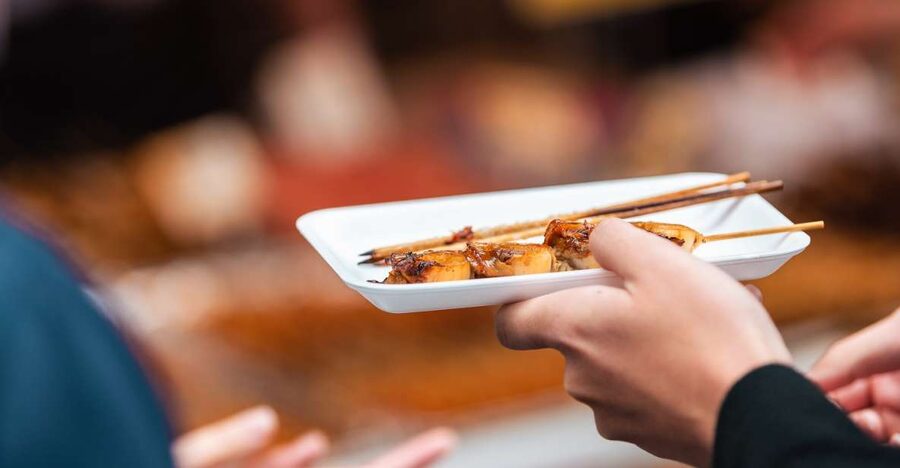
- A traditional breakfast starts the morning: Expect dishes such as grilled fish, rice, and miso soup at a local restaurant.
- Tsukiji Outer Market is the main stage: You will taste seafood, seasonal produce, Japanese sweets, pickles, and specialties from different parts of Japan.
- Fresh wasabi is part of the lesson: One guide showed how to grate fresh wasabi, a small detail that helps you understand the difference between real wasabi and the common paste.
- Food is plentiful: The tour includes breakfast and many tastings, so arrive hungry and avoid planning a large lunch immediately afterward.
- The group is limited to 10: That makes it easier to hear the guide and ask about unfamiliar ingredients.
- The walk is demanding: Comfortable shoes are essential, and strollers are not allowed.
Why Tsukiji makes such a good first food stop
Tsukiji is not the wholesale fish market it once was. The famous inner market moved to Toyosu, but the Tsukiji Outer Market continues to operate as a dense collection of seafood shops, produce stalls, restaurants, knife stores, cookware shops, and food counters.
That distinction matters. You are not entering a silent museum of old Tokyo. You are walking through a working commercial district where food is still bought, prepared, sold, and eaten. The setting is compact and lively, with narrow lanes and displays that reward a guide who knows where to pause.
I like this tour because it gives structure to a place that can otherwise feel confusing. Tsukiji is easy to reach, but its many counters and side streets can be hard to read if you do not speak Japanese or know what the foods are called. A guide can point out the difference between everyday market food and a seasonal item worth trying.
The experience also works well for repeat visitors to Japan. A first-time visitor gets an introduction to breakfast customs and Japanese ingredients. Someone who already knows sushi may still learn about regional foods, traditional sweets, fresh wasabi, pickles, or the way certain fish are selected and served.
A few more Tokyo tours and experiences worth a look
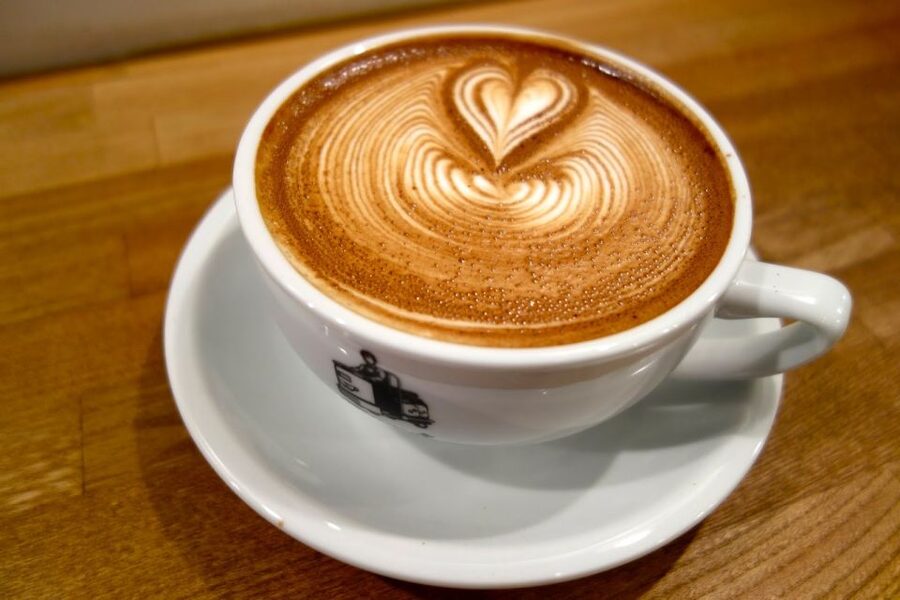
Meeting at Turret Coffee Shop
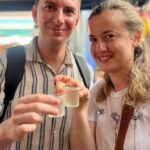
The meeting point is Turret Coffee Shop in Tsukiji. You should take Exit 2 and look for the guide holding an Arigato Travel sign.
This is a practical place to begin. Starting with coffee gives you a few minutes to find the group before the food stops begin, and the location puts you near the market. Hotel pickup is not included, though it can be arranged for an extra charge. You are responsible for getting to the meeting point and paying your own transportation costs.
The tour requires at least two people per booking. The group can include up to 10 participants, which is small enough for a personal feel without making this a private tour.
I would arrive a little early. Tsukiji has several nearby exits and plenty of signs, but the surrounding streets can feel busy in the morning. Have your passport with you, wear shoes suitable for several hours of walking, and do not begin the tour after a large breakfast.
A Japanese breakfast with grilled fish and miso soup
The first substantial food stop is breakfast at a local restaurant. The exact menu can vary, but the experience is built around familiar Japanese breakfast elements such as rice, miso soup, and grilled fish.
Past menus have included grilled mackerel and black cod. That is a useful introduction because Japanese breakfast is not simply a smaller Western breakfast. Savory fish, warm rice, soup, and carefully prepared side dishes show how Japanese meals balance flavor, texture, and temperature from the start of the day.
Your guide explains what is on the table and how to enjoy it. That help is valuable if you are not used to eating fish in the morning or are unsure how to combine the dishes. You can also ask questions in the moment instead of trying to identify everything later.
The restaurant meal gives the tour a comfortable start, but it also takes up part of the three-hour schedule. If you are hoping to spend a long time browsing kitchenware or comparing every seafood stall, you may find the food focus leaves less free time. One past participant wanted more time in the streets and at the kitchen shops, and that is a fair tradeoff to understand before booking.
Following the market lanes with a local guide
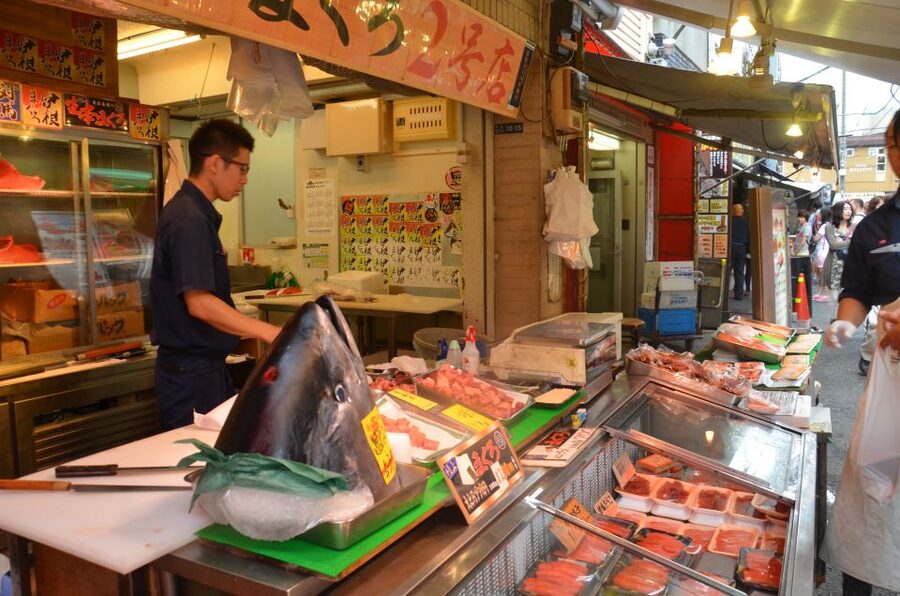
After breakfast, the group moves through the Outer Market. This is where the tour earns much of its value.
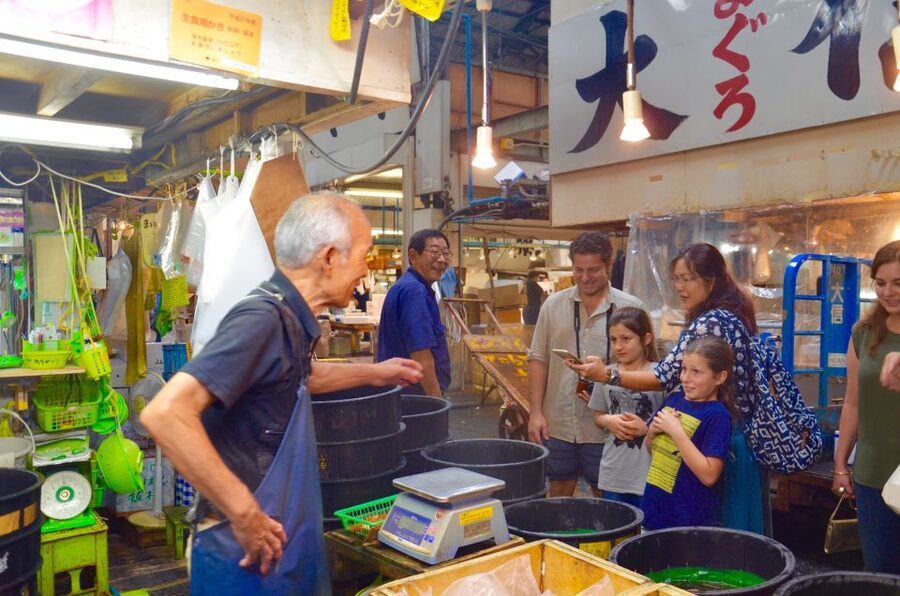
Tsukiji can be visually overwhelming. You may see fish, shellfish, dried goods, pickles, spices, sweets, cooking tools, and prepared food within a short walk. A guide helps turn that stream of sights into a story about Japanese food and daily life.
Guides have been praised for navigating narrow lanes, crowded periods, and busy holiday mornings. Shigeki, for example, guided a group through heavy New Year crowds while still keeping the food stops moving. Yappy has been singled out for knowing many of the vendors and for selecting items that worked well together for a later picnic-style meal.
Do not expect a private shopping expedition. The group moves at the guide’s pace, and the emphasis is on tasting and explanation rather than free time. Still, you should have opportunities to ask about ingredients, market customs, and places worth returning to after the tour.
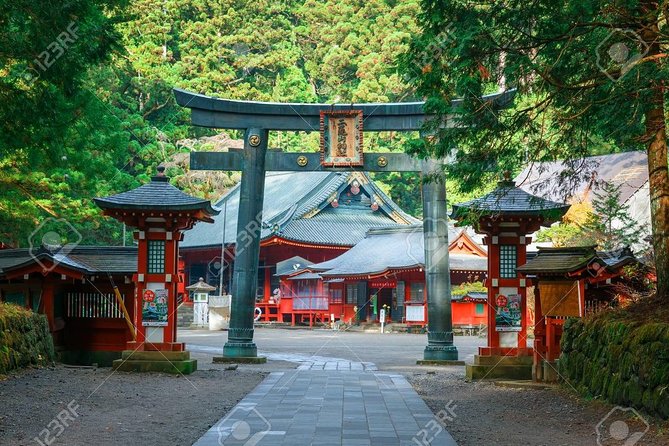
The historic element adds another layer. The route includes a shrine with more than 300 years of history, giving you a short cultural pause amid the food stalls. The shrine is not treated as a separate sightseeing visit, but it helps connect the modern market to the older neighborhood around it.
Sashimi, oysters, wasabi, and seasonal tastes
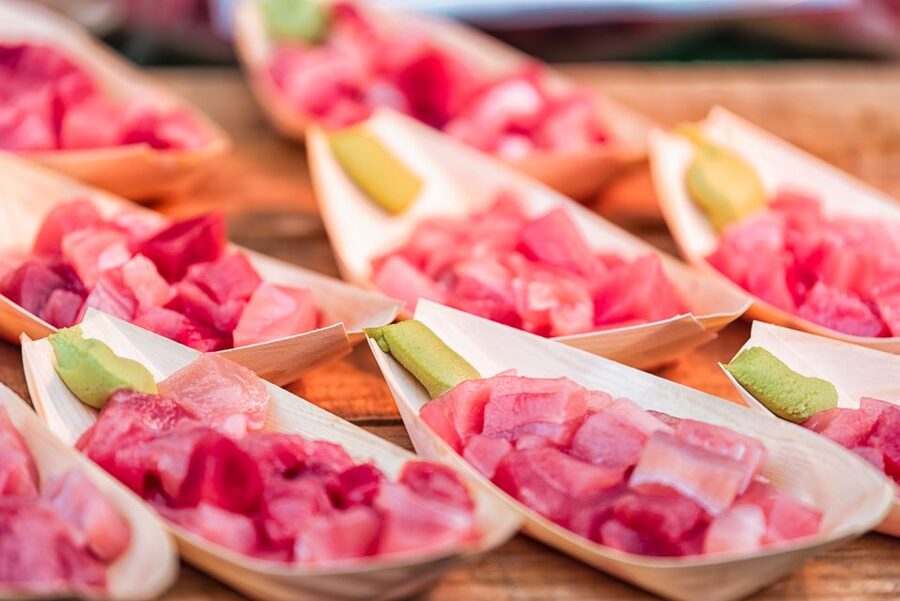
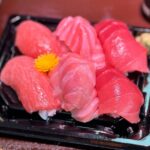
Seafood is central to the experience, and you should be comfortable eating fish. Tastings can include sashimi and oysters, along with other market specialties. One participant described the sashimi as among the best they had eaten, while another particularly enjoyed oysters fresh enough to taste the sea.
The point is not just quantity. The guide explains what you are tasting and may help select items based on freshness, season, and local custom. That makes a difference when you are facing a counter filled with unfamiliar fish and do not know which choice is the best use of your money.
One especially memorable detail is fresh wasabi. A guide demonstrated how to grate it, which gives you a better sense of its texture and clean heat than the standard green paste found with many restaurant sushi meals. It is a small lesson, but the sort of detail you are unlikely to pick up by wandering without help.
The seafood focus has a clear limit. If you dislike fish, shellfish, or raw seafood, this is not the right food tour. The breakfast may include grilled fish, and the tastings are built around the market’s seafood identity. You can ask questions, but the experience is not designed for someone who wants to avoid seafood.
A few more Tokyo tours and experiences worth a look



Japanese sweets and foods from around the country
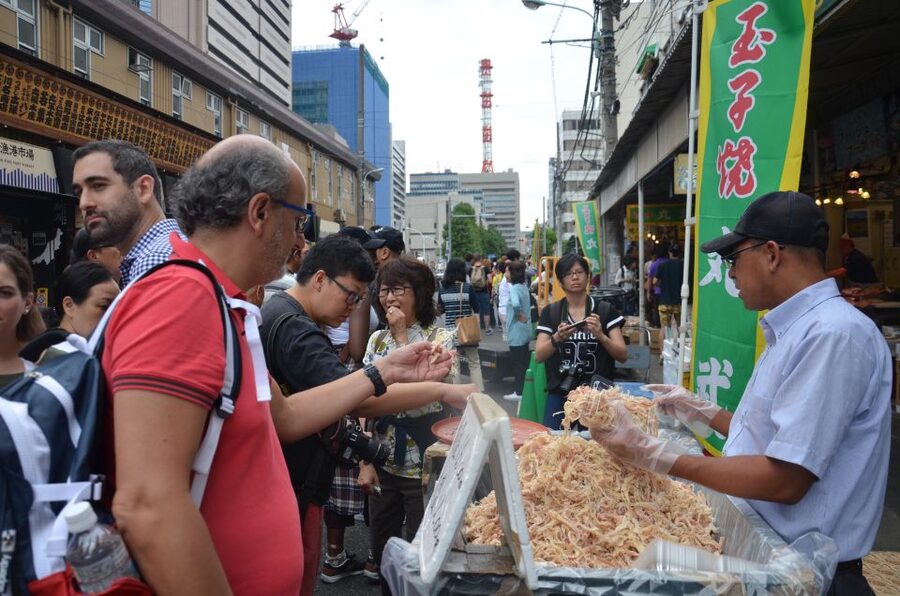
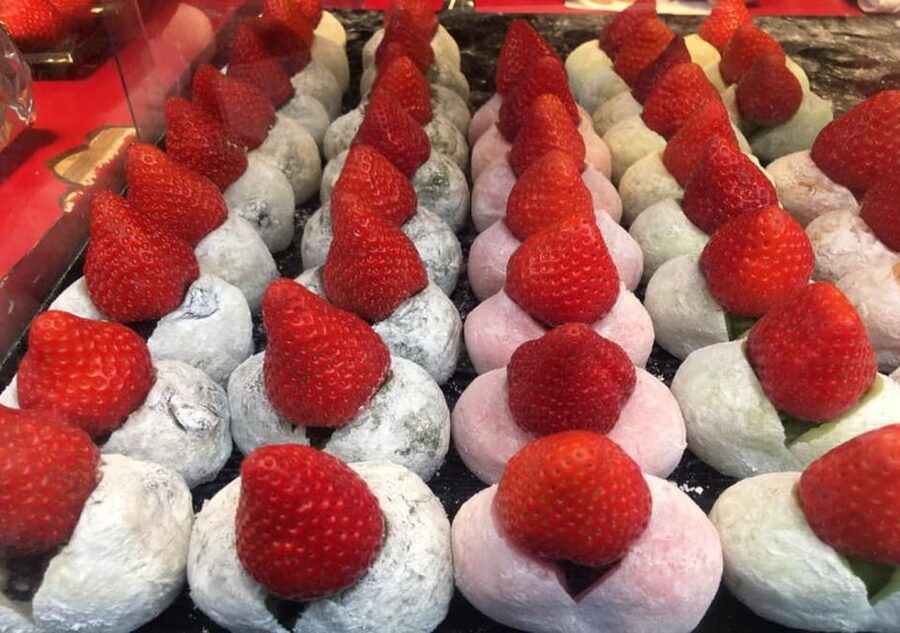
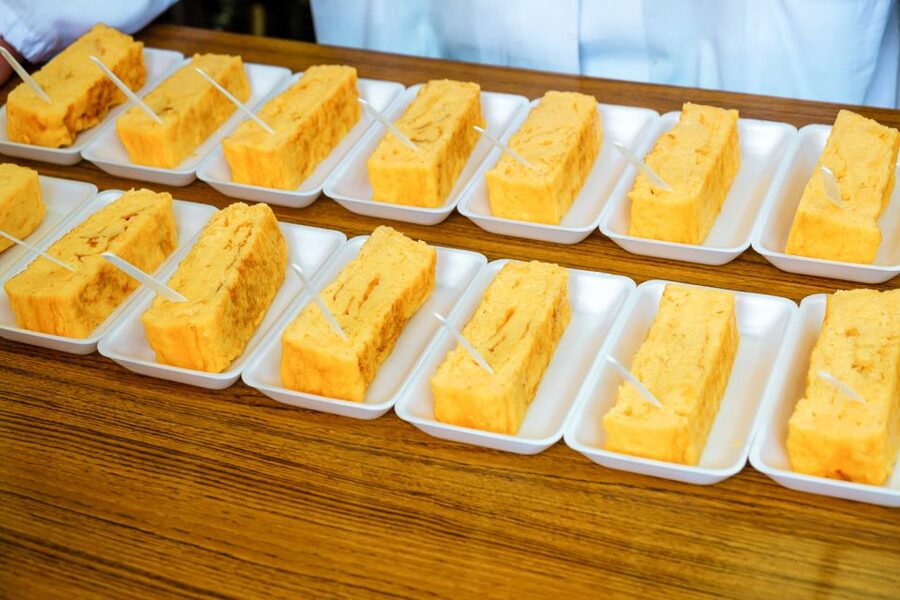
The tour is not only about fish. Traditional Japanese sweets are included, and the route introduces regional food from around Japan.
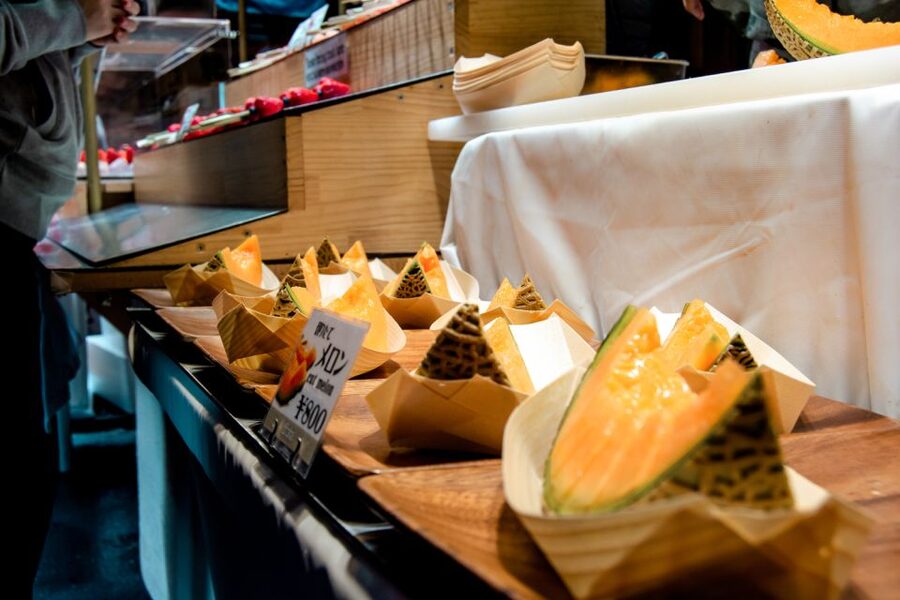
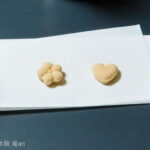
You might try a fish-shaped custard dessert, a playful sweet that looks like a fish but tastes nothing like the seafood counters nearby. Other tastings may include seasonal treats, pickles, or foods that are difficult to identify without help. The precise selection changes, which is part of the appeal of a market tour.
Regional food matters because Japanese cuisine is not one single national menu. Ingredients and flavors vary from one part of the country to another, and the market brings many of those products together in Tokyo. A guide can explain where an item comes from and how it is normally eaten.
This part of the tour helps prevent the experience from becoming a simple sushi crawl. You will still taste seafood, but you also get a wider view of Japanese eating habits. For many people, the unusual bites become the stories they remember most.
Food allergies and dietary restrictions are not described in the supplied tour details, so you should ask the provider before booking if you have a serious restriction. Do not assume that a market food tour can easily accommodate every diet.
Why the guide makes the difference
The strongest part of this experience is the guide’s role. The tour depends less on formal sightseeing and more on knowing which counter to approach, what to order, and how to explain it in English.
Several guides have received especially warm praise. Yappy has been described as funny, personable, and good at choosing food for a shared meal. Kay has been praised for fluent English and for showing people how the market works. Sandra has been noted for clear explanations, while Shigeki handled a difficult crowd with confidence. Other guides, including Asami, Lauren, Josh, Michie, Norma, and Marie, have also led highly regarded tours connected with the company.
You cannot select a particular guide from the information provided, so book for the format rather than one individual. Guide quality can shape the day, and the repeated emphasis on humor, clear English, food advice, and cultural explanation is encouraging. A good guide turns a purchase into a lesson and an unfamiliar ingredient into something you can confidently try.
The small group helps. With no more than 10 people, you should be able to hear the explanations and ask about food, neighborhoods, or later plans in Tokyo. Past guides have also offered practical suggestions, including places to eat afterward, nearby shopping, and even a historic knife shop.
How much food do you actually get?
You should arrive hungry. The tour includes a full breakfast, several market tastings, traditional sweets, and regional foods. Some groups have had enough food to create a sashimi-style picnic after the formal tour, though extra purchases are at your own expense.
The generous portions are a strength for anyone who wants a food-centered morning. At $181 per person, you are not paying only for a walk through the market. You are paying for a guided route, a restaurant breakfast, food tastings, cultural explanation, and the confidence to order items you might otherwise skip.
The price is still high. It does not include transportation, gratuity, extra drinks or food, or hotel pickup. For four people, the total becomes a significant part of a Tokyo budget. I would judge the value by your priorities: if you want a casual market stroll, spend less and explore independently. If you want a guided introduction with substantial food and personal explanations, the cost is easier to justify.
Because food is included, you may also save money on breakfast and an early lunch. That does not erase the price, but it makes the comparison fairer.
Timing, walking, and practical limits
The tour lasts three hours, with starting times based on availability. Morning is the right time for Tsukiji because breakfast and market activity are central to the experience.
The walking level is listed as advanced. Expect to remain on your feet and move through narrow, crowded areas. Comfortable shoes are not a casual suggestion here. Strollers are not allowed, and unaccompanied minors cannot join.
Children must be accompanied by an adult. A copy of a passport is required for children aged 10 and above, and all participants should bring a passport. The information does not specify a minimum age below that requirement, so confirm details with the provider before booking for younger children.
The tour is offered in English with a live guide. If you need hotel pickup, it may be arranged for an added fee, but standard transportation to and from Tsukiji is your responsibility.
You can cancel up to 24 hours before the start time for a full refund, and the reserve-now, pay-later option keeps you from paying at the time of booking. Check the available starting times before you commit, since the schedule is not fixed in the supplied details.
Who should book this Tsukiji food tour?
I would recommend it to you if you want a strong first look at Japanese food and prefer learning by tasting. It also suits repeat visitors who have already seen the main Tokyo sights and want more context around everyday ingredients and regional specialties.
It is especially useful for people who feel uncertain about market etiquette or ordering unfamiliar food. The guide can show you where to go, what to try, and how to understand the food in front of you.
Families with older children may enjoy the sweets and unusual snacks, but the walking demands and seafood focus deserve attention. The tour is less suitable for anyone with limited mobility, anyone who needs a stroller, or anyone who does not eat fish and shellfish.
You should also skip it if you mainly want free time for shopping. The schedule is built around breakfast, tastings, and guided interpretation, not leisurely browsing through every knife and cookware shop.
Should you book the Classic Tsukiji Food Tour?
Book this tour if you want a food-heavy morning with guidance, not just a quick look at Tsukiji. The combination of breakfast, sashimi, sweets, seasonal items, regional foods, and market stories gives you a much clearer sense of how Japanese food connects to place and tradition.
The price is the sticking point. At $181, it is a premium experience, and extra purchases, drinks, transportation, and gratuity add to the total. Still, the amount of food and the guide’s role make it reasonable for a special morning, especially if you value access to unfamiliar dishes and do not want to guess your way through the market.
My practical call: book it early in your Tokyo stay. You can use the guide’s food and neighborhood suggestions for the rest of your visit. Arrive hungry, wear sturdy shoes, and leave room for a few surprises.
FAQ
Where does the tour meet?
Meet at Turret Coffee Shop in Tsukiji. Take Exit 2 and look for the guide holding an Arigato Travel sign.
How long does the tour last?
The tour lasts three hours. Starting times vary, so check availability when booking.
What language is the tour offered in?
The tour is offered in English with a live tour guide.
How large is the group?
The group is limited to 10 participants.
Is breakfast included?
Yes. Breakfast at a local restaurant is included, with dishes such as traditional Japanese breakfast foods, rice, miso soup, and grilled fish.
What other food is included?
The tour includes tastings from Tsukiji Outer Market, traditional Japanese sweets, and regional food from around Japan. Additional food and drinks cost extra.
Is hotel pickup included?
No. Hotel pickup is not included, but it can be arranged for an additional charge.
What should I bring?
Bring your passport and wear comfortable shoes.
Are children allowed?
Children must be accompanied by an adult. A copy of a passport is required for children aged 10 and above. Unaccompanied minors are not allowed.
Can I cancel the booking?
Yes. You can cancel up to 24 hours in advance for a full refund. The reserve-now, pay-later option lets you book without paying immediately.
More Food Experiences in Tokyo
More Tokyo Food Tours in Tokyo
More Tsukiji Market Tours in Tokyo
More tours in Tokyo we've reviewed





Tokyo Food Tours, compared.
 ★ 5.0Tokyo: Shinjuku Food Tour (13 Dishes at 4 Local Eateries)From $86
 ★ 4.9Tokyo: Shinjuku Food Tour (13 Dishes and 4 Eateries)From $97
 ★ 5.0Tokyo Night Foodie Tour in Shinjuku – Seasonal Sushi, Wagyu BeefFrom $111
 ★ 5.0Eat and Drink Like a Local: Tokyo Ueno Food Tour-Taverns&RamenFrom $95
 ★ 5.0Tokyo: Shibuya Food Tour (13 dishes and 4 Eateries)From $77
Tokyo: Shinjuku Food Tour – 15 Dishes, 3 Drinks, 4 EateriesFrom $723 hours
★ 5.0Tokyo: Shibuya Food Tour (13 dishes and 4 Eateries)From $77
Tokyo: Shinjuku Food Tour – 15 Dishes, 3 Drinks, 4 EateriesFrom $723 hours