Reviewed · MT FUJI DAY TRIPS
Mount Fuji & Lake Kawaguchiko Private Tour: Beyond the Ordinary
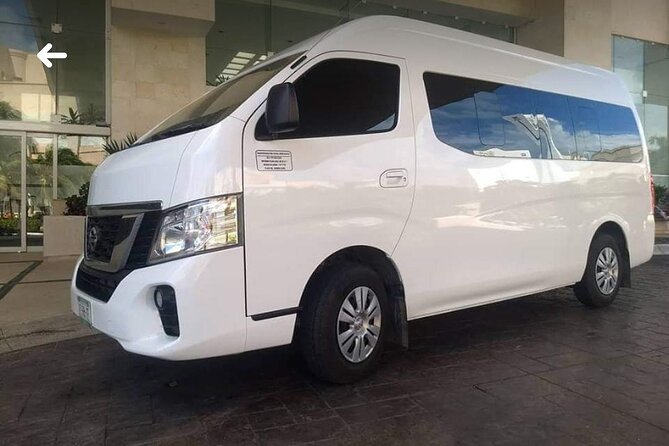
The best part of this private Mount Fuji day trip is the freedom to shape it around your group. You are picked up at your Tokyo accommodation, ride in an air-conditioned vehicle, and avoid collecting strangers at several hotels. That matters when the drive can take much of the day.
In This Article
- Key points to know
- A private route from Tokyo to Mount Fuji
- Why an early start matters
- Mount Fuji 5th Station at 2,400 meters
- Oshino Hakkai and its clear spring water
- Lake Kawaguchiko, the day’s practical center
- Chureito Pagoda and the 398 steps
- Oishi Park for lake and mountain views
- Saiko Iyashi no Sato Nenba and old-style Japan
- Kitaguchi Hongu Fuji Sengen Shrine
- The lava caves near Aokigahara
- Adding Hakone, Lake Ashi, and Owakudani
- What the driver can and cannot do
- Weather, seasons, and the Fuji gamble
- Who gets the best value
- How I would plan the day
- Should you book this Mount Fuji tour?
- FAQ
- How long does the Mount Fuji private tour last?
- How many people can join the private tour?
- Is pickup from my Tokyo accommodation included?
- Can I visit Mount Fuji 5th Station?
- Can I visit Hakone on this tour?
- Are meals included?
- What happens if the weather is too poor for the tour?
I like the easy door-to-door transport, and I like the choice between famous photo stops and quieter places such as Kitaguchi Hongu Fuji Sengen Shrine. Drivers including Ahmad, Rafay, Busal, Ali, and Sandhu have been praised for being punctual and flexible. The main catch is that you cannot see every listed stop in nine or ten hours, especially if traffic or Hakone is added.
Key points to know
- Private pickup from Tokyo: Your group of up to three has the vehicle to itself, with fuel, highway tolls, parking, and drop-off included.
- Flexible sightseeing plan: Pick the places that matter most to you instead of trying to rush through every possible stop.
- Best start time: A pickup between 6:30 and 7:00 a.m. gives you a better chance of avoiding heavy highway traffic.
- Fuji views depend on weather: Clouds, rain, or snow can hide the mountain even when the rest of the day goes well.
- Five or six stops is realistic: The long list of possible places is a menu, not a promise that you will visit them all.
- Hakone requires planning: Lake Ashi, Owakudani, and the ropeway are optional and should be requested ahead of time.
A private route from Tokyo to Mount Fuji
This is a long day, usually about nine to ten hours, beginning and ending at your Tokyo accommodation. The price is $480.63 per group of up to three, not per person. For three people, that works out to about $160 each before meals and optional admission fees.
That price buys convenience more than luxury. You are paying to avoid arranging several train connections, finding local buses, and worrying about the return trip after a full day outside Tokyo. A private vehicle also lets you skip a stop that does not interest you and spend more time at one that does.
The driver speaks English and can explain the places you visit, but this is not a formal guided tour with detailed commentary at every site. In practice, you should expect short introductions, transport between stops, and time to explore independently.
Communication before the day is important. The operator recommends WhatsApp, and the driver is expected to confirm the pickup time and location within 24 hours of departure. Several strong experiences involved drivers contacting the group the day before, arriving early, and helping shape the day around personal interests.
A few more Tokyo tours and experiences worth a look
Why an early start matters
Tokyo to the Mount Fuji area is not a quick hop. Weekend and holiday traffic can be severe, turning a well-planned day into a string of slow highway sections. Starting between 6:30 and 7:00 a.m. is one of the most useful pieces of advice for this trip.
An early departure can also help you reach the popular viewpoints before they become crowded. It does not guarantee clear roads or an empty shrine, but it gives your driver more room to adjust the day.
Tell the driver your top two or three priorities before setting off. If seeing Mount Fuji itself is the main goal, say so clearly. If you care more about old villages, shrines, or caves, say that instead. A short list makes the private format work much better.
Mount Fuji 5th Station at 2,400 meters
The Fujinomiya 5th Station is described as the highest of Mount Fuji’s 5th stations, at about 2,400 meters above sea level. It offers a close look at the upper mountain and can feel very different from the broad lake views lower down.
Admission is not included. The stated fee is ¥2,100 per group. More important, private vehicles cannot always reach the station. During periods of restriction, the stop may be unavailable, so you should ask about access before booking if this is your main reason for going.
The mountain can also disappear behind cloud from this height. A clear forecast gives you the best chance, but conditions can change quickly. Do not treat the 5th Station as a guaranteed Fuji viewpoint.
Oshino Hakkai and its clear spring water
Oshino Hakkai is a village known for eight springs fed by water from Mount Fuji’s underground aquifer. The stop is free and usually receives about 30 minutes.
This is a good choice if you want a small village setting rather than only large viewpoints. The springs give the place a strong connection to the mountain’s natural systems, while the surrounding area provides another chance for Fuji photographs.
Thirty minutes is enough for a quick look, but not for a slow visit. If you want time for food or shopping here, you will need to give up another stop.
Lake Kawaguchiko, the day’s practical center
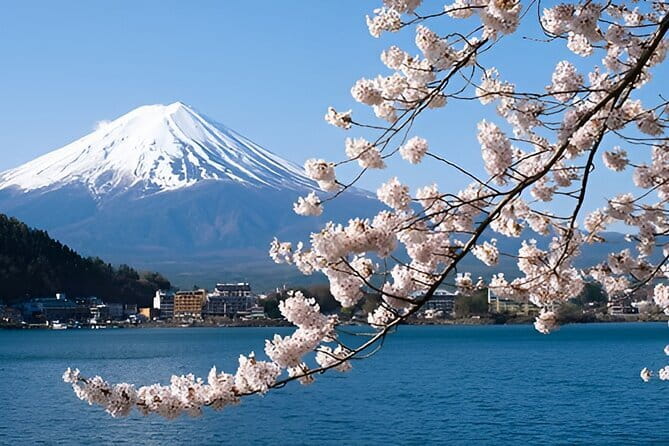
Lake Kawaguchiko is the second-largest of the Fuji Five Lakes and one of the most useful places to build your day around. You can look across the water toward Mount Fuji, take a speedboat, or ride a ropeway or cable car toward a hilltop viewpoint. Lunch is also practical here.
The lake is a sensible place to pause because it combines scenery, food, and optional activities. Give yourself about an hour, then decide if you want to use that time for a meal, a ride, or simply the view.
Do not try to fit every activity into that hour. The private vehicle makes the day flexible, but it does not remove waiting times, crowds, or the distance between places.
Other private tours in Tokyo


Chureito Pagoda and the 398 steps
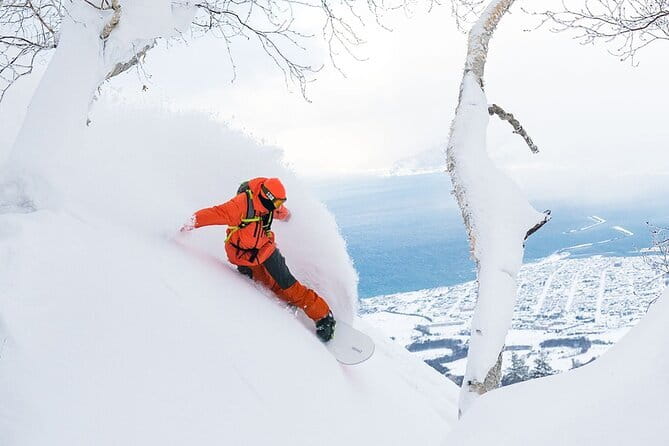
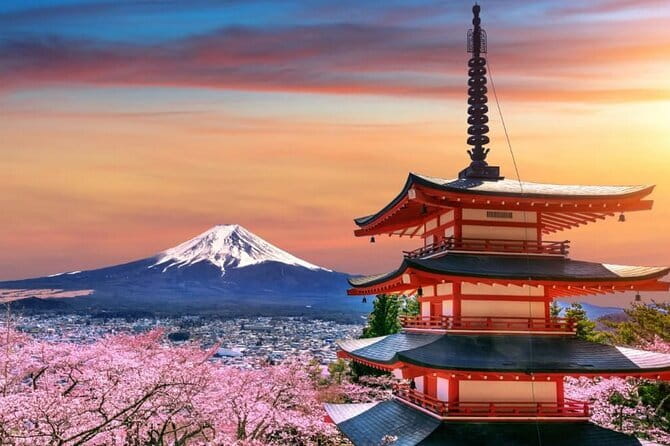
Chureito Pagoda is one of the most recognizable Fuji photo locations. The five-story pagoda sits in Arakurayama Sengen Park, above a stairway of 398 steps.
The climb is short enough for many people, but it is still a real climb, especially after several hours on the road. Allowing only 30 minutes can feel tight if you need rest, want photographs, or are traveling with children or older family members.
The reward is a layered view of the pagoda, surrounding town, and Mount Fuji when the sky is clear. If this is one of your must-see stops, tell the driver early so it does not get squeezed out by lunch or traffic.
Oishi Park for lake and mountain views
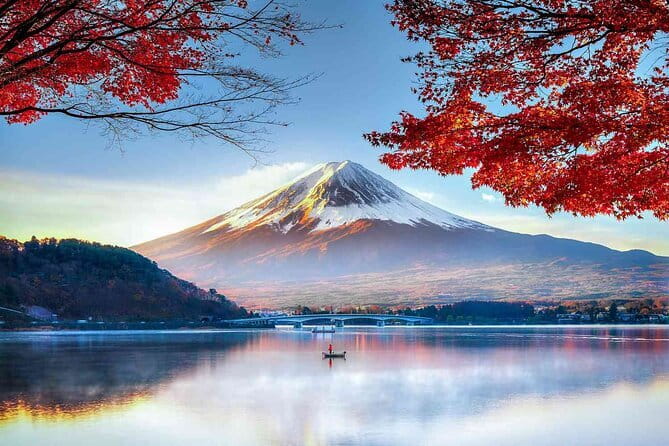
Oishi Park sits on the north shore of Lake Kawaguchiko. Its appeal is simple: you can frame the lake and Mount Fuji in the same view.
The stop takes about 30 minutes and is easy to combine with a Kawaguchiko visit. It is particularly useful for photographs because the water and mountain create a broad, open setting rather than the tighter view at Chureito Pagoda.
The obvious limitation is weather. On a cloudy day, you may get a pleasant lake view without seeing the summit. That is still a worthwhile stop, but you should set your expectations before the drive from Tokyo.
Saiko Iyashi no Sato Nenba and old-style Japan
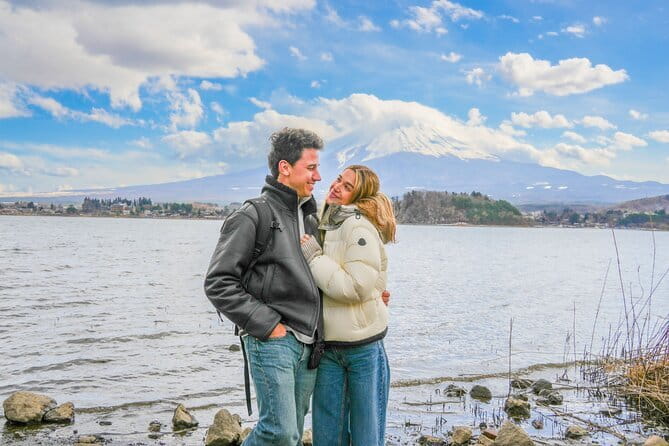
Saiko Iyashi no Sato Nenba is a reconstructed-style village of traditional thatched-roof houses beside Lake Saiko. It offers a slower, more cultural change of pace after the main Fuji viewpoints.
Admission is not included, with a stated fee of ¥500 per person. Plan about an hour if you want to walk around without rushing.
This is one of the better alternatives when Mount Fuji is hidden by cloud. You still get mountain-area scenery and a strong sense of old rural Japan, even if the famous peak refuses to appear.
Kitaguchi Hongu Fuji Sengen Shrine
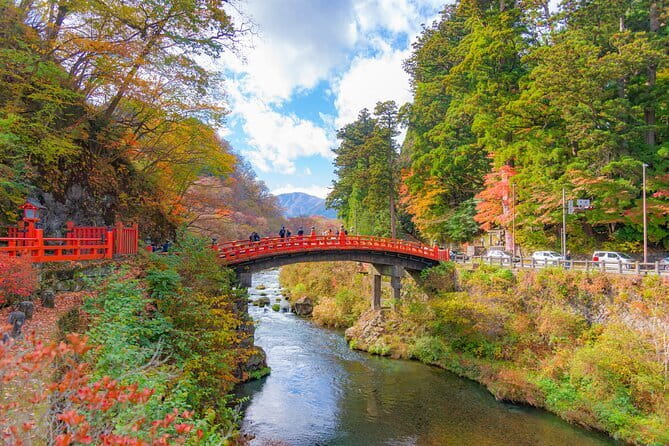
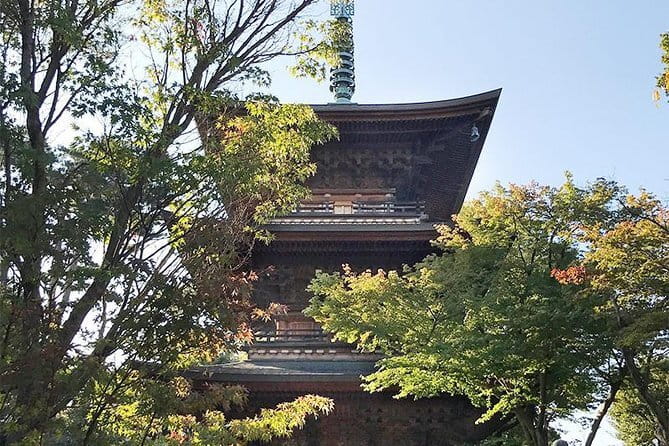
Kitaguchi Hongu Fuji Sengen Jinja is set in a dense old-growth forest and is one of Japan’s many Asama shrines dedicated to volcano deities, including Mount Fuji. The forest setting gives it a quieter feel than the open lake parks.
Allow about 30 minutes. That is enough for a first visit and a walk through the grounds, though you may want longer if shrine architecture and forest paths are high on your list.
This stop has received especially warm praise from people who preferred a cultural site to another lookout. It is also a good reminder that the Fuji area is more than a collection of photo points.
The lava caves near Aokigahara
The Saiko Bat Cave and Narusawa Ice Cave are optional-fee stops near the Aokigahara forest. Each is planned for about 30 minutes, and admission is not included.
The Saiko Bat Cave is described as the largest of several nearby lava tubes. It is associated with bats that live there, although seeing them is not something you should assume. Narusawa Ice Cave is another lava tube, formed by volcanic activity near Mount Fuji.
Cave visits require more care than a quick lakeside walk. Surfaces can be uneven, and the short time allowance means you will not have room for a long pause elsewhere. If caves interest you, choose them instead of trying to add them to an already full day.
Aokigahara also carries a painful association with suicide. It is better approached with respect, without turning that subject into a tourist attraction. Stay on marked paths and follow local guidance.
Adding Hakone, Lake Ashi, and Owakudani
Hakone is not automatically part of the main route. If you want to visit the Hakone region, request it in advance.
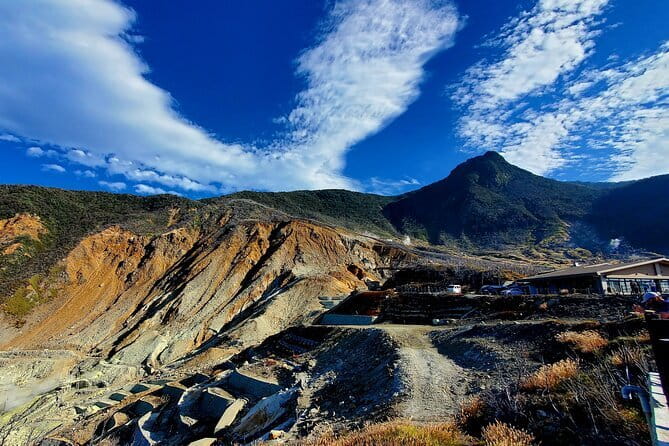
The possible stops include Lake Ashi, also called Lake Ashinoko, Owakudani Valley, and the Hakone Ropeway. Lake Ashi offers a scenic water setting. Owakudani is known for steaming sulfur vents and black eggs cooked in volcanic hot springs. On clear days, the ropeway can provide views toward Mount Fuji.
These are appealing additions, but they make an already long day more ambitious. Hakone and the Kawaguchiko area are separate sightseeing zones, and traffic can make the connection slow. I would choose Hakone instead of several Kawaguchiko stops, not tack it onto everything else.
What the driver can and cannot do
The strongest feature of this experience is the driver’s flexibility. Ahmad, Rafay, Busal, Ali, and Sandhu are among the drivers praised for timely pickup, friendly service, safe driving, and adapting the plan to the group. Rafay was also praised for providing family photographs, though that should not be treated as a standard inclusion.
A good driver can suggest a better order when clouds cover the mountain or a stop is closed. One particularly useful pattern is to switch toward shrines, villages, or other sights when the main Fuji view is lost.
Still, the service is not a full private guide in the traditional sense. You may receive a brief explanation before exploring on your own. If you want detailed history at every site, you may need to arrange a separate guide.
There is also one serious service concern to keep in mind. One poor account described a dirty car, difficulty reaching agreed stops, and an extended restaurant break during rainy weather. That is not consistent with the many positive accounts of clean vehicles and professional drivers, but it shows why you should confirm the day’s priorities and timing in advance.
Weather, seasons, and the Fuji gamble
Mount Fuji is often hidden by clouds, rain, or snow. A private tour cannot change the weather, so check the forecast yourself before choosing the date. If the mountain is your central goal, flexibility is more valuable than a tightly fixed schedule.
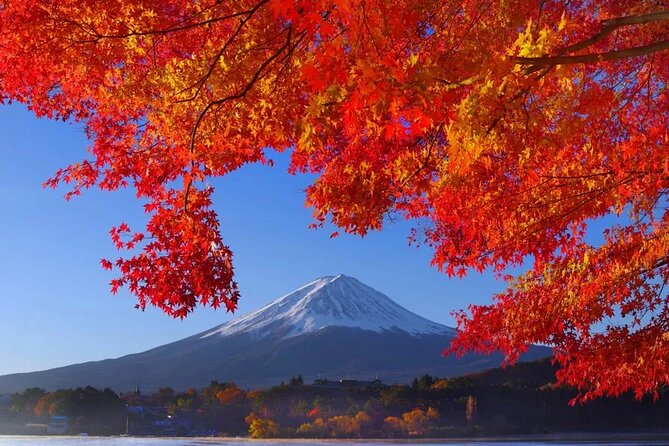
Clear days can bring spectacular views from Chureito Pagoda, Oishi Park, Lake Kawaguchiko, and the 5th Station. Cloudy days can still work if you shift attention to Oshino Hakkai, the shrine, thatched-roof village, or caves.
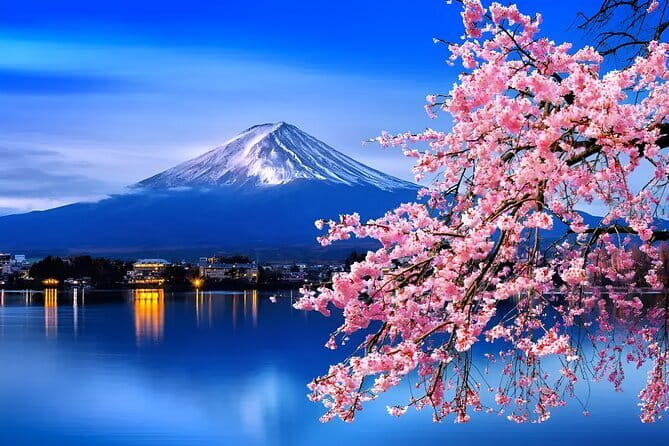
Cherry blossom timing adds another reason to plan carefully. Kawazu cherry blossoms may be possible from late February to early March, while Lake Kawaguchiko blossoms are generally a late-March to mid-April possibility. These are seasonal opportunities, not guarantees.
If poor weather causes the operator to cancel the experience, you can choose another date or receive a full refund. If you cancel yourself, free cancellation applies up to 24 hours before the start time. Changes or cancellations inside that window are not accepted for a refund.
Who gets the best value
I would consider this tour for a couple, a family, or a small group of friends who value comfort and control more than the lowest possible price. It is also useful if you are staying in Tokyo and do not want to manage a long public-transport day.
The price makes more sense when three people share it. For one or two people, compare the cost with train and bus options before booking. The private vehicle is the value here, not a long list of included admissions.
Families may appreciate pickup at the accommodation and the driver’s stated willingness to assist older participants and children. Service animals are allowed, and the experience is near public transportation, though the tour itself is conducted by private vehicle.
How I would plan the day
I would start early, identify three essential stops, and keep two backup choices for poor weather. For a first visit, I might choose Chureito Pagoda, Lake Kawaguchiko, Oishi Park, Oshino Hakkai, and Kitaguchi Hongu Fuji Sengen Shrine.
If the mountain were hidden, I would replace one or two viewpoints with Saiko Iyashi no Sato Nenba and the shrine. If Hakone were the priority, I would request it ahead of time and accept fewer stops around Kawaguchiko.
Bring layers, water, comfortable shoes, and protection from rain or sun. The 5th Station is high, the pagoda involves 398 steps, and the caves may require careful footing. Keep your phone available for pickup communication, and use WhatsApp if possible.
Should you book this Mount Fuji tour?
Book it if you want a private ride, hotel pickup, and the ability to adjust the day around weather and personal interests. It is a practical way to see several Fuji-area highlights without navigating the region on your own.
Do not book it expecting to visit all 12 possible stops, receive a full historical lecture at every site, or guarantee a clear view of Mount Fuji. The best plan is selective: choose five or six places, start early, confirm the driver and pickup details, and treat the mountain view as weather-dependent.
At $480.63 for up to three people, it is a fair convenience-focused option. The tour is at its best with a proactive driver such as Ahmad, Rafay, Busal, Ali, or Sandhu, but the exact driver is not guaranteed. If private transport and flexibility are your priorities, this is a strong choice. If your priority is the cheapest route or a formal guided lesson, look elsewhere.
FAQ
How long does the Mount Fuji private tour last?
The experience lasts approximately nine to ten hours, including transport from Tokyo and the sightseeing stops you choose.
How many people can join the private tour?
The listed price covers one private group of up to three people.
Is pickup from my Tokyo accommodation included?
Yes. Pickup and drop-off are included, along with private transportation in an air-conditioned vehicle.
Can I visit Mount Fuji 5th Station?
You can request the 5th Station, but private vehicles may be restricted during certain periods. Ask in advance if this stop is essential. The stated entrance fee is ¥2,100 per group.
Can I visit Hakone on this tour?
Yes, but the Hakone stops are optional and should be requested in advance. Possible stops include Lake Ashi, Owakudani Valley, and the Hakone Ropeway.
Are meals included?
No. Lunch is not included. Lake Kawaguchiko is suggested as a practical place to stop for lunch.
What happens if the weather is too poor for the tour?
If the operator cancels because of poor weather, you will be offered another date or a full refund. Mount Fuji may still be hidden by rain, snow, or cloud even when the tour operates.
More Private Tours in Tokyo
More Mt Fuji Day Trips in Tokyo

More tours in Tokyo we've reviewed












Mt Fuji Day Trips, compared.
 ★ 5.0Mt Fuji and Hakone 1-Day Bus Tour Return by Bullet TrainFrom $163
 ★ 4.0Mt Fuji & Hakone Cruise, Drum Show Bullet Train 1 Day from TokyoFrom $149
 ★ 4.4Tokyo Mt Fuji 5th St & Hakone Cruise Bus Tour w/Bullet TrainFrom $15410 hours
 ★ 4.5From Tokyo: Mount Fuji Full-Day Sightseeing TripFrom $6810 hours
 ★ 4.7Tokyo: Mt. Fuji Tour, Hakone Ropeway, Owakudani, Lake AshiFrom $5410 hours
 ★ 4.4Tokyo:Mt.Fuji,Kawaguchiko Oishi Park,Arakurayama Sengen ParkFrom $5410 hours