Reviewed · PRIVATE
Tokyo Private Welcome Tour with a Local
Tokyo can feel like several cities stitched together by train lines. This private welcome tour helps you make sense of it early, with a local guide meeting you at your hotel or Airbnb and showing you how to get around, eat well, and choose what to see next. The subway lesson may be the most useful part, especially on your first day.
In This Article
- Key points to know before booking
- Why a Tokyo orientation can save you time
- Meeting your guide in Shinjuku or another Tokyo neighborhood
- What you can fit into three hours
- Using six to eight hours for a fuller introduction
- The subway lesson may be the tour’s best feature
- Traditional Tokyo, temples, gardens, and markets
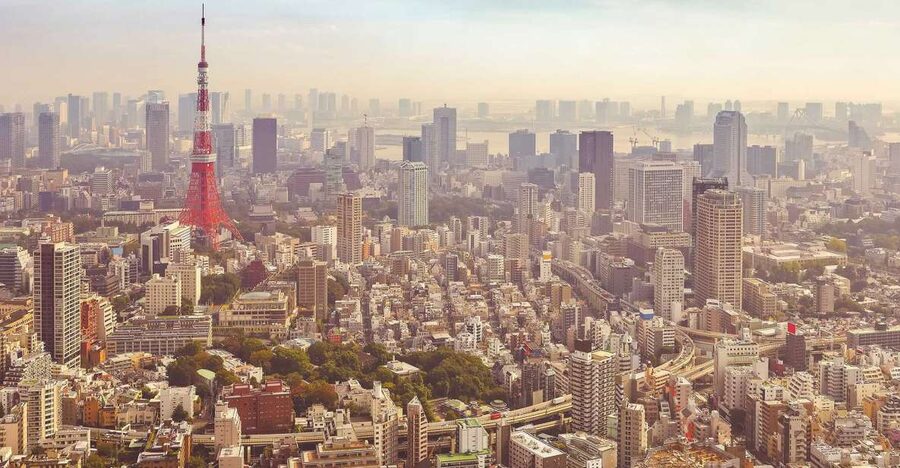
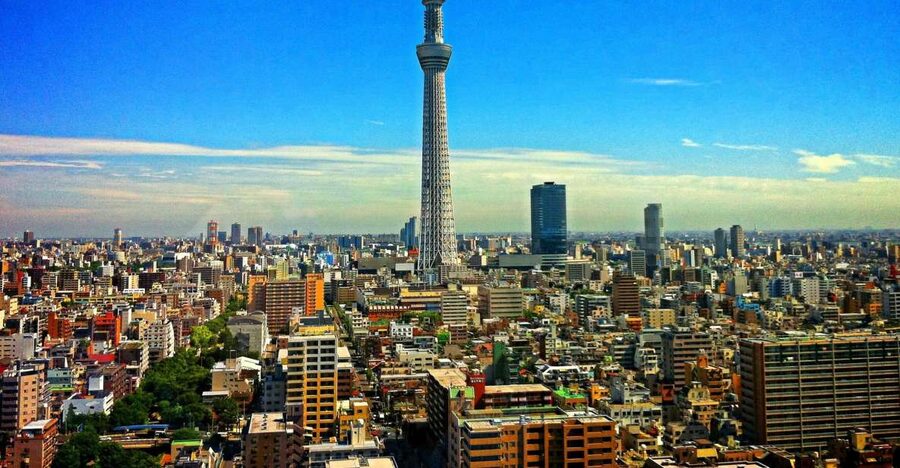
- Modern Tokyo, views, shopping, and food
- The personal style depends on the guide
- Walking, weather, and physical effort
- Is $83 a good value?
- Booking details that matter
- Who should book this Tokyo tour?
- FAQ
- Where does the Tokyo private welcome tour begin?
- How long does the tour last?
- Is transportation included?
- Are entrance fees and meals included?
- Which languages are available?
- Can children join the tour?
I like the personal format and the freedom to set priorities. You can ask for temples, gardens, shopping, food, markets, high-rise views, or simply a practical tour of your own neighborhood. I also like that guides such as Eduardo, David, Lily, and Elizabeth have helped visitors with specific tasks, from buying train tickets to finding a sushi restaurant and locating a Pokémon Center.
The main catch is that this is not a fixed sightseeing route with guaranteed attractions. Transportation, meals, entrance fees, and taxis cost extra, and the amount you see depends on your chosen duration, walking pace, guide, and interests.
Key points to know before booking
- Learn Tokyo’s train system early: Guides can explain tickets, subway routes, and station navigation at the start of your trip.
- Start at your own accommodation: Pickup is available at a Tokyo hotel lobby or outside your Airbnb.
- Shape the day around your interests: Combine temples, markets, gardens, shopping, food, modern districts, or quiet streets.
- Expect a private experience: Your group has the guide’s attention, with no strangers added.
- Plan for walking and extra costs: Wear comfortable shoes, and budget for transport, meals, taxis, and attraction admission.
- Choose from three guide languages: English, Spanish, and French are available.
Why a Tokyo orientation can save you time
Tokyo rewards a little preparation. Its train network is fast and useful, but the stations can be large, ticket machines can seem fussy, and several rail and subway operators share the same city. A guide who walks you through the process can turn a stressful first outing into a skill you use for the rest of your stay.
That practical value comes through clearly in the way this tour works. You meet at your accommodation, then begin close to home. Instead of spending the first hour crossing Tokyo to reach a famous sight, you can learn how your own neighborhood fits into the city.
Guides have helped with train and subway tickets, explained the route from Shinjuku Station, and shown how to reach later destinations independently. That is a useful distinction. You are not only being led from one sight to another. You are learning how to repeat the trip on your own.
The tour is private, so you can stop to ask basic questions without holding up a larger group. If you need a slower pace, a guide can adjust the plan. One guide, Eduardo, was specifically praised for keeping a comfortable pace and adding rest stops for older visitors. That matters in Tokyo, where a short distance on the map can involve long station corridors, stairs, and plenty of pavement.
Other private tours in Tokyo


Meeting your guide in Shinjuku or another Tokyo neighborhood
Pickup at your accommodation keeps the first steps simple. Your guide meets you in the hotel lobby or outside your Airbnb, then discusses what you want to see and how you would like to spend the time.
This opening conversation is important. Tell the guide if your priority is food, shopping, Japanese culture, photography, train travel, gardens, anime, or major landmarks. You can also explain what you already have planned so the tour fills gaps rather than repeating your itinerary.
The location of your accommodation shapes the starting point. A stay in Shinjuku may lead naturally to a lesson at Shinjuku Station and an introduction to nearby neighborhoods. A stay elsewhere may begin with local shops, restaurants, and transport options in that district.
You can request a particular starting time. The available booking options cover three to eight hours, while the detailed tour description refers to a two to six-hour walking portion. Check the exact duration shown for your date before paying, since this affects how far you can reasonably go.
What you can fit into three hours
A shorter tour works best as an orientation rather than a full day of sightseeing. Use it for the neighborhood around your accommodation, a basic train lesson, one or two cultural sights, and a food or shopping recommendation.
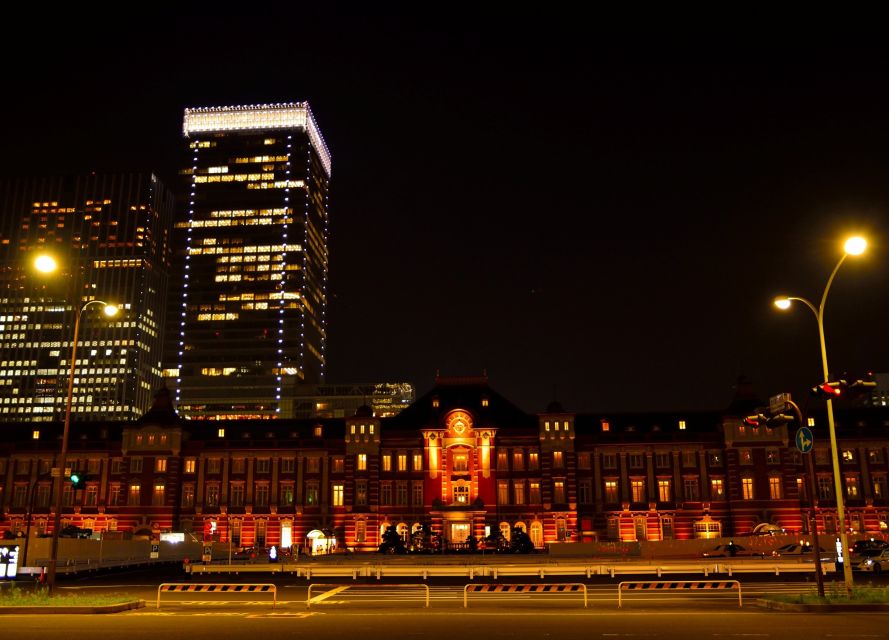
A three-hour outing can still cover a surprising amount if you use public transport between areas. Eduardo, for example, helped one group move from its accommodation in Shinjuku to Ikebukuro and Asakusa, including a temple and transport guidance, within three hours. That kind of route is efficient, but it also leaves little room for long meals or extended visits inside attractions.
Another short-tour plan included a high-rise view, a Pokémon Center, cherry blossoms, cultural sights, and transport advice. That is possible when your guide knows your priorities in advance and you accept a brisk schedule.
If you want a gentle pace, choose fewer stops. Tokyo is more enjoyable when you have time to notice the small details, ask questions, and pause for a drink. A short booking is best for getting oriented, not for checking every famous sight off a list.
Using six to eight hours for a fuller introduction
A longer booking gives you room to connect several sides of Tokyo. You might begin with your local area, use the train to reach a traditional district, stop at a market or temple, then continue to a modern shopping or entertainment neighborhood.
One reported route combined an old Tokyo market and temple with a park for cherry blossoms. The group used walking, trains, and a taxi. A longer day also makes it easier to adapt when weather changes or when a particular place takes more time than expected.
A full-day plan could include a main temple, traditional streets, modern Tokyo, a garden, and a meal recommendation. Still, do not treat the eight-hour maximum as a promise that every major district will fit comfortably. Tokyo is huge, and each transfer takes time.
Tell the guide your top two or three goals. If you list ten, you may spend the day moving between them rather than enjoying them. I would rank your wishes as must see, nice to see, and only if nearby.
The subway lesson may be the tour’s best feature
The Tokyo rail system is not impossible, but it is easy to lose time if you do not understand the basic layout. A guide can show you how to approach the ticket process, identify the right platform, and follow a route from your accommodation.
David helped visitors learn to navigate the subway, then added a garden visit at their request. Lily explained the Metro and later gave detailed instructions for getting back to the hotel when the walk to Meiji Jingu Shrine proved longer than expected.
That last point is worth noting. A guide can make the city feel less intimidating, but you still need to pay attention to distances. A walk that looks modest on a map may take longer than expected, especially around large stations or shrine grounds.
You have the option of using public transportation or taxis during the tour. Neither is included in the price. If you want a private car, you must contact the supplier to ask about adding one. For most visitors, public transport makes the tour more useful because you learn the system you will use afterward.



Traditional Tokyo, temples, gardens, and markets
The experience is not limited to train instruction. Depending on your interests and starting point, your guide may take you to a major temple, an old market, a traditional area, or a garden.
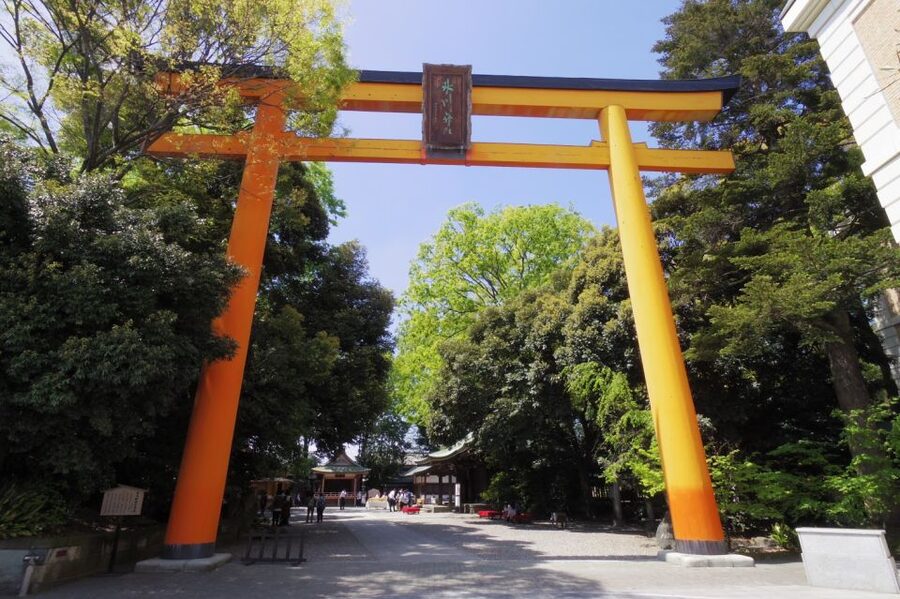
Asakusa is one example that fits the tour well. A temple visit gives you a cultural anchor, while the surrounding streets offer a chance to discuss food, shopping, and everyday customs. The tour does not include admission fees, so ask before entering any paid attraction. You also need to cover the guide’s entrance fee if you choose to visit an attraction together.
Gardens and parks can provide a welcome change from station corridors and city streets. Cherry blossom timing influenced several itineraries, and guides helped visitors reach parks when flowers were in season. Since seasonal conditions change, do not book this tour expecting a guaranteed blossom display or a specific garden unless your guide confirms it.
Quiet backstreets and smaller markets may be more useful than another landmark. One guide took visitors to less familiar streets and markets, giving them a look at parts of Tokyo they might not have selected alone. These areas can also help you find lunch away from the most obvious tourist spots.
Modern Tokyo, views, shopping, and food
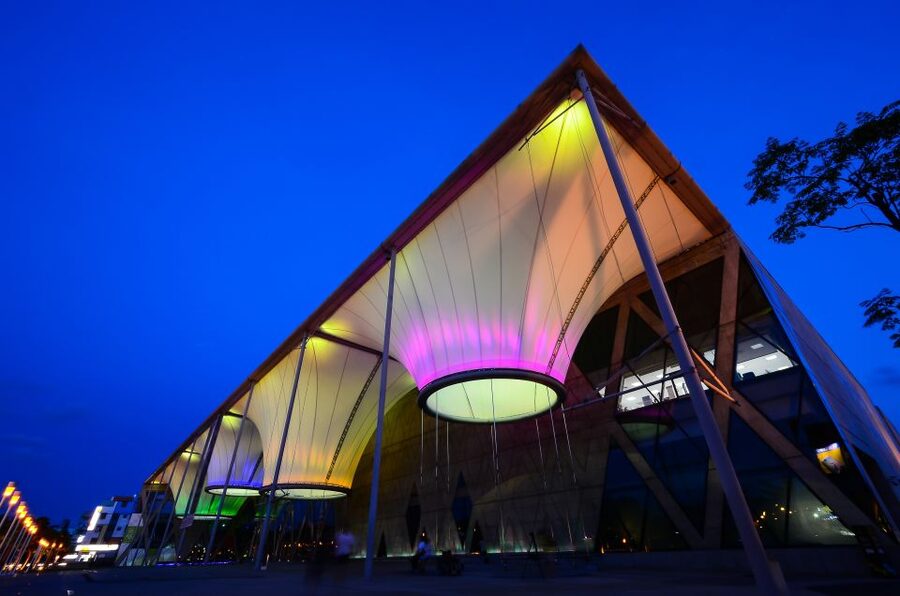
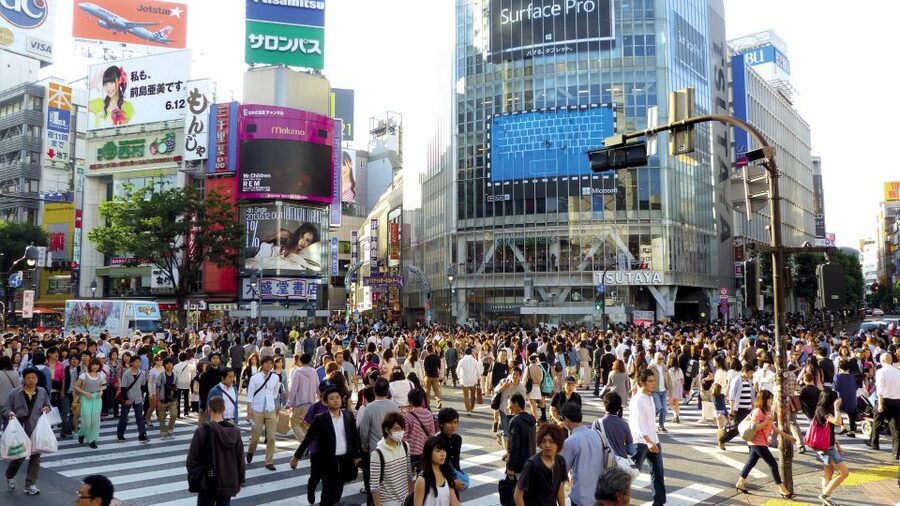
You can ask to include modern Tokyo as well. Routes have included Shibuya Crossing views from a tower, Ikebukuro, Shinjuku, Pokémon shopping, and high-rise viewpoints.
A guide can help you decide which modern district fits your interests. Shibuya suits visitors who want a major city scene and a famous crossing. Shinjuku is useful for transport, department stores, food, and city views. Ikebukuro may appeal if Pokémon or anime-related shopping is high on your list.
Food advice is one of the tour’s most practical extras. Guides have suggested lunch spots, introduced visitors to cafés, and helped locate a sushi restaurant near Shibuya. In one case, the guide even checked the wait and helped secure a place in line.
Meals and drinks are not included, so you pay for your own food. That is a drawback if you expect a food tour with tastings, but it gives you control over the menu and budget. Ask your guide for recommendations based on what you actually eat and what you want to spend.
The personal style depends on the guide
The guide is the heart of this experience, and the names that appear most often in the feedback include Eduardo, David, Lily, Gonul, Elizabeth, Faustine, Romana, Antonina, Johan, Océane, and Rolento. Their backgrounds and styles may differ, so it is wise to share your interests clearly when booking.
Eduardo helped with transport, cultural stops, food, shopping, and quiet local places. David was especially useful for subway instruction and independent navigation. Lily combined Metro advice with a city view, café stop, and Meiji Jingu visit.
Elizabeth provided practical advice on rail travel and kept a rainy-day route moving with umbrellas. Faustine adapted when plans changed and combined trains, walking, and a taxi. Antonina helped with train tickets and found a sushi restaurant near Shibuya.
These examples show what the tour can do well: respond to your needs in real time. They also show why you should not assume every guide will deliver the same sightseeing style. One disappointing experience involved a guide who mainly provided translation and photography help, without the requested schedule or historical information.
If history is important to you, say so before the tour. If you mainly want practical help, say that instead. The more precise your request, the better chance you have of getting the right kind of introduction.
Walking, weather, and physical effort
This is a walking tour, not a seated city drive. Comfortable shoes are essential. Even with train rides and possible taxi use, you may walk between stations, shrines, markets, shops, cafés, and viewpoints.
The pace can be adjusted, but not every route is equally easy. The walk to Meiji Jingu Shrine was longer than one couple expected, and one person struggled to keep up. Ask for a slower plan if you have mobility concerns, and consider using taxis between distant areas.
Rain does not automatically ruin the outing. One guide arranged umbrellas and continued with a useful city route. Still, the activity remains outdoors and on foot, so bring suitable clothing and avoid planning too many stops in poor weather.
Children under three join free, and children aged three to twelve receive a 50 percent discount. The private format may be easier for families because you do not need to match another group’s pace.
Is $83 a good value?
At $83 per person, the tour is most useful when you treat it as an investment in the rest of your Tokyo visit. The price covers a private local guide and a custom walking plan, but not transport, meals, drinks, personal expenses, optional activities, or admission fees.
For a solo visitor or a small group, the per-person price can be reasonable if the guide helps you avoid wrong trains, poor restaurant choices, and wasted time. A private guide also lets you focus on exactly what interests you, rather than following a standard route.
The value is lower if you already understand Tokyo’s rail system and have a detailed itinerary. It is also lower if you want a formal history tour with guaranteed monument visits. This experience is strongest as a flexible first-day introduction and practical city lesson.
Book the shortest duration if you mainly need subway help and neighborhood advice. Choose more time if you want to connect traditional and modern districts or add gardens, markets, shopping, and food.
Booking details that matter
You can cancel up to 24 hours in advance for a full refund, and the reserve-now, pay-later option keeps your plans flexible. Request a specific tour time if you have a flight, dinner, or attraction reservation later in the day.
The tour is private, with English, Spanish, and French guide options. Entrance fees are extra, and if you ask the guide to enter an attraction with you, you also cover the guide’s admission.
Tell the supplier if you want a private car, since transportation is not included by default. For most itineraries, I would use the tour to learn public transport rather than pay for a car, unless your group needs a slower or more direct ride.
Who should book this Tokyo tour?
I would recommend it most strongly for first-time visitors, families, older visitors, solo guests, and anyone uneasy about Tokyo’s train network. It also suits people who prefer neighborhood food, markets, and local advice over a fixed list of landmarks.
You should consider another type of tour if you want a specialist guide focused on Japanese history, architecture, food tastings, or a single attraction. You may also find better value elsewhere if you only want a quick transfer between sights.
For most visitors, the best plan is to schedule this near the beginning of your stay. Ask for transport instruction, your local neighborhood, one traditional stop, one modern area, and a food recommendation. That gives you both a pleasant outing and tools you can use after the guide leaves.
FAQ
Where does the Tokyo private welcome tour begin?
The guide can meet you at your Tokyo accommodation. Pickup is arranged in the hotel lobby or outside your Airbnb accommodation.
How long does the tour last?
The available tour duration is listed as three to eight hours, with starting times shown when you check availability. The detailed walking description refers to a two to six-hour walking tour, so confirm the exact option for your date.
Is transportation included?
No. Transportation is not included. You can use public transportation or a taxi during the tour, and you pay those costs yourself. A private car can be requested from the supplier.
Are entrance fees and meals included?
No. Entrance fees, meals, drinks, personal expenses, and optional activity costs are excluded. If you visit an attraction, you also need to cover the local guide’s entrance fee.
Which languages are available?
Live guides are available in English, Spanish, and French.
Can children join the tour?
Children under three years old can join free of charge. Children aged three to twelve receive a 50 percent discount.
More Private Tours in Tokyo

More tours in Tokyo we've reviewed












Private, compared.
 ★ 5.0Tokyo 6hr Private Tour with Government-Licensed GuideFrom $155
 ★ 5.0Private Tour to Mt. Fuji and Hakone (Fully Licenced Operator)From $497
 ★ 5.0Tokyo Customized Private Tour (Must See Places in 1 Day)From $145
 ★ 4.8Tokyo: Private City Highlights Tour with Local GuideFrom $1064 - 8 hours
 ★ 5.0Private Custom Tour: Tokyo in a DayFrom $159
 ★ 5.0Tokyo 4hr Private Tour with Government-Licensed GuideFrom $109