Reviewed · TSUKIJI MARKET TOURS
10 kinds Sake Tasting Experience in Tsukiji with local!!
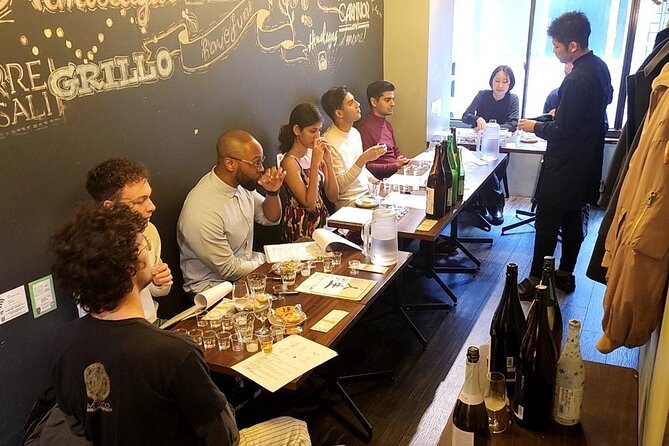
The main attraction here is the tasting itself: about 10 different sakes served in a private, informal session near Tsukiji. You move from basic information to actual comparison, which makes Japanese sake far easier to understand than a single glass ordered with dinner.
In This Article
- Key points to know before booking
- A sake lesson you can actually taste
- Meeting at Nomuno near Tsukiji
- The first glasses: basic sake and drinking etiquette
- Comparing Junmai, Daiginjo, and other styles
- Regional differences in one sitting
- Handouts, snacks, and conversation with your host
- How the 90 minutes are likely to feel
- What the $62.40 price buys you
- Who will get the most from this tasting
- Booking details that matter
- Should you book the Tsukiji sake tasting?
- FAQ
- How many kinds of sake will I taste?
- How long does the sake tasting last?
- Where does the experience begin?
- Where does the activity end?
- Is this a private activity?
- Will I learn about sake classifications?
- Will I learn about sake from different parts of Japan?
- Are snacks included?
- Is the experience suitable for most people?
- Can I cancel for a full refund?
I like the personal guide format, especially since Matsu, one of the hosts, is also a chef at Nomuno. I also like the handouts, snacks such as nuts and soybeans, and the chance to ask questions about Japan without worrying about language barriers. The main drawback is that the meeting spot can be tricky to find, and ten or eleven samples in 90 minutes calls for a sensible pace.
Key points to know before booking
- Around 10 sake samples: Taste a broad range, from simpler bottles to higher-grade styles such as Junmai and Daiginjo.
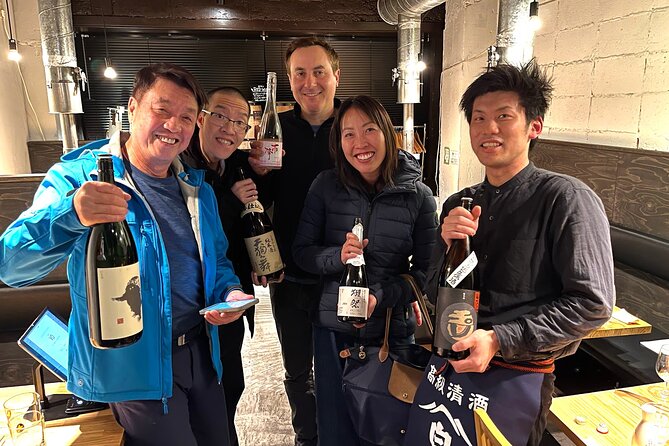
- Private group setting: Only your own party takes part, so the conversation can follow your interests.
- Matsu may lead the session: He is an English-speaking host and chef at Nomuno, with handouts to support the tasting.
- Small snacks are included: Nuts and soybeans help break up the tasting and give you something to eat between samples.
- A short, focused experience: The session lasts about 90 minutes and ends where it begins.
- Find the venue carefully: The meeting point is Nomuno, at 2-13-2 Shintomi, Chuo City, near public transportation.
A sake lesson you can actually taste
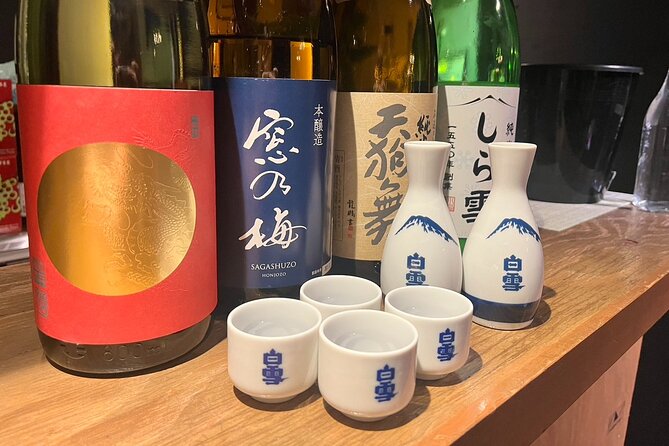
Many sake introductions stop at a quick explanation of rice, water, and fermentation. This one gives you a useful side-by-side test. You taste several styles in one sitting, then compare how they differ in aroma, sweetness, body, finish, and overall feel.
That comparison is the real value. A label such as Junmai or Daiginjo can seem like a piece of Japanese vocabulary until you taste the difference. Here, the terms have a practical purpose. You can connect the explanation to the glass in front of you instead of trying to remember a lecture after the fact.
The advertised format includes around ten varieties. One session included eleven, so the exact number may vary. Either way, this is not a one-glass introduction. It is a broad tasting, and you should expect to spend much of the 90 minutes sampling, discussing, and comparing.
The setting is private, which changes the mood. You are not trying to hear a guide over a large group, and you can ask basic questions without feeling self-conscious. If you already know a little about sake, you can ask about regional styles or quality categories. If you are starting from zero, you can simply ask what you are supposed to notice.
A few more Tokyo tours and experiences worth a look

Meeting at Nomuno near Tsukiji
The experience starts at Wagyu Yakiniku and Sake all-you-can-drink Nomuno, at 2-13-2 Shintomi in Chuo City. The venue is near public transportation, but allow extra time to locate the entrance. The address is specific, yet the place has proved a little hard to find, so checking the location before you set off is a wise move.
This is not a walking tour of the Tsukiji market. The activity takes place at the venue, and it ends back at the same meeting point. That makes the plan simple, especially if you are fitting the tasting between other Tokyo activities.
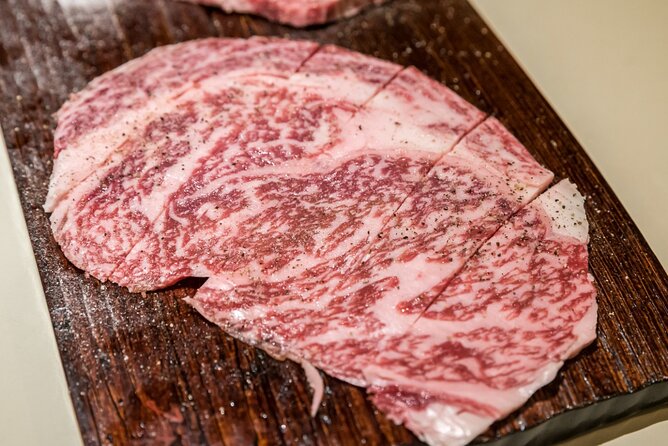
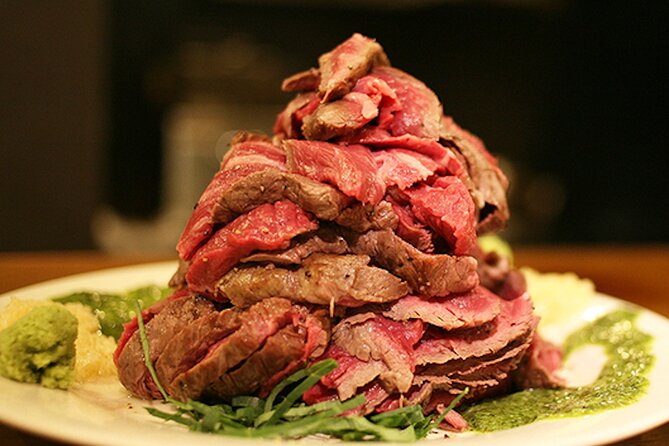
The connection with Nomuno matters. This is a restaurant known for wagyu yakiniku and sake, and one host, Matsu, works there as a chef. That gives the tasting a food-friendly angle. You are not just discussing sake as a drink in isolation. You can ask how different styles might work with Japanese food, even though a full meal is not the main promise of this 90-minute activity.
The first glasses: basic sake and drinking etiquette
The opening part covers sake in general and explains basic ways to drink it. You can expect an introduction to drinking customs and the main points to notice before the samples begin.
For a first-time drinker, this part is useful because sake does not fit neatly into the same categories as wine or beer. The session gives you a starting vocabulary without making you study. You learn what you are tasting, how sake is classified, and how to approach each glass.
The informal tone helps here. You are not being tested, and you do not need to know the difference between polished rice and fermentation methods before arriving. Your host can explain the terms as they become relevant.
Etiquette is also worth covering in Japan. Small details around pouring, receiving a drink, and drinking with others can feel uncertain if you have never encountered them. The session gives you a chance to ask about these customs in a relaxed setting rather than learning by making a mistake at a formal dinner.
Comparing Junmai, Daiginjo, and other styles
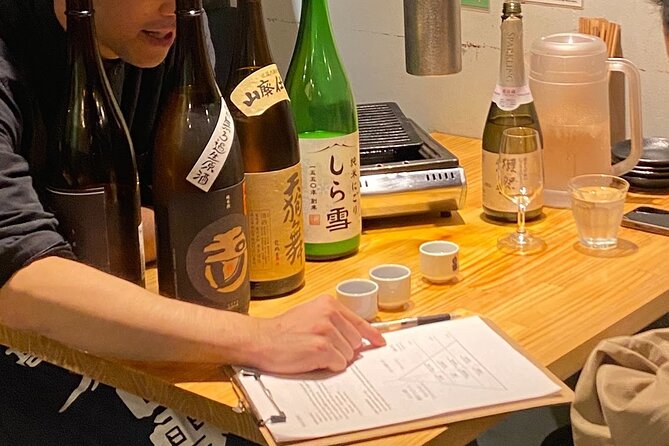
The most useful teaching point is the difference between quality classifications. The session covers categories including Junmai and Daiginjo, then lets you taste examples that help separate one from another.
You should not treat these labels as a simple good, better, best ladder. They describe how the sake is made and what ingredients or polishing methods are involved. The samples help you understand that a higher classification does not automatically mean you will prefer the flavor.
Some people like a clean, delicate sake. Others prefer something with more weight or a stronger rice character. A tasting of roughly ten styles gives you enough range to discover your own preference, which is more useful than being told which bottle is supposedly superior.
One particularly helpful format moves from lower to higher quality sake. That creates a clear progression, although you should remember that price and classification are not the same as personal taste. If you find an earlier sample more appealing, that is a perfectly good result.
Regional differences in one sitting
Japan produces sake in many parts of the country, and the session explains how sake from different regions can vary. You taste regional examples rather than studying a map alone.
The available information does not identify every prefecture or brewery included, so you should not expect a fixed regional lineup. What you can expect is a chance to compare bottles from different parts of Japan and hear why their character may differ.
This is a helpful lesson for the rest of your trip. If you visit a department-store food hall, a specialty shop, or a restaurant with a large sake menu, you will have a better idea of what to look for. You may also recognize that a bottle from one area has a different feel from one produced elsewhere.
I like this aspect because it turns sake into a sense of place. You are not only learning production terms. You are beginning to see how Japanese food and drink can reflect local ingredients, methods, and tastes.


Handouts, snacks, and conversation with your host
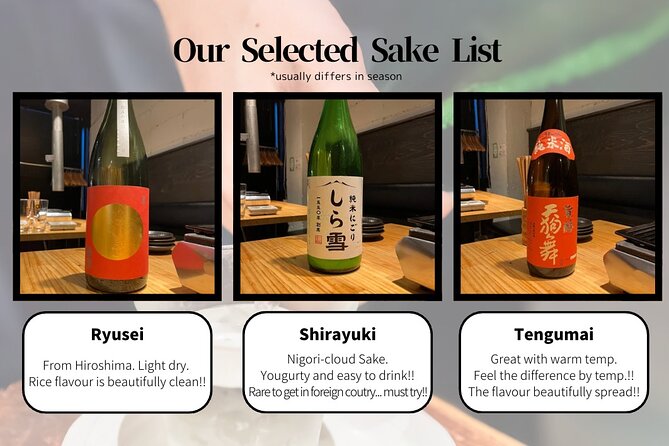
The session includes information sheets or a small booklet. That is a practical touch. You can follow the explanations more easily, and you have something to refer to later when you encounter sake on your own.
Matsu has been described as an English-speaking host who explains sake clearly and talks about Japan as well as the drink itself. His role as a chef at Nomuno adds useful food knowledge. If he is leading your session, you can ask questions in English and use the conversation to connect sake with Japanese dining.
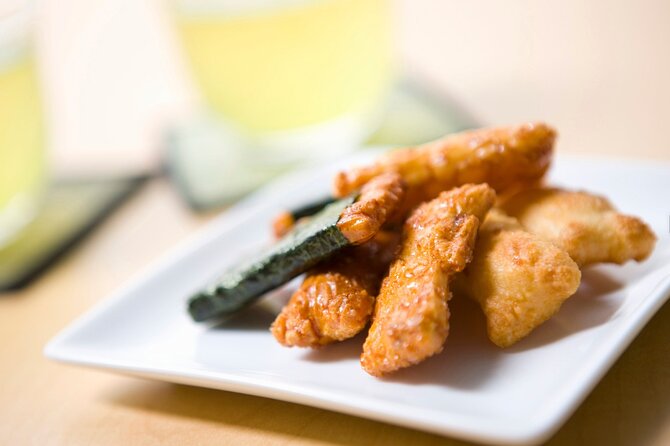
Small snacks, including nuts and soybeans, are included during the tasting. They are not a substitute for lunch or dinner, but they give you something savory between samples and make the session more comfortable.
The conversation is an important part of the experience. Because this is a private activity, your host can spend more time on the subjects that interest you. You might focus on brewing, regional differences, restaurant customs, or the basics of ordering sake. You can also ask for help with language and local drinking etiquette.
How the 90 minutes are likely to feel
The stated duration is about one hour and 30 minutes. That is long enough for a proper comparison but short enough to fit into a busy Tokyo day.
A typical flow should include:
- An introduction to sake and basic drinking practices.
- An explanation of classifications such as Junmai and Daiginjo.
- A series of tastings covering different styles and regions.
- Discussion of how the samples are made and how they differ.
- Snacks between pours and time for questions.
- A return to the original meeting point at the end.
Do not expect a rushed shot-by-shot drinking contest. The best use of the time is to taste slowly and listen for the distinctions between glasses. With ten samples, the pace can become lively even if each pour is small.
One session included eleven sakes, which is a reminder to pace yourself. Sake can seem gentle, especially when you are concentrating on flavor, but the alcohol adds up. Eat a proper meal before or after the activity, and use the snacks as a pause rather than a reason to drink faster.
The daytime schedule can also be unusual. A Wednesday noon booking once resulted in a one-person session. That could be a drawback if you prefer a lively group atmosphere, but it can also give you more direct time with the host. Since the activity is private, your group already has that personal format built in.
What the $62.40 price buys you
At $62.40 per person, this is not the cheapest way to drink sake in Tokyo. You could order one or two glasses at a restaurant for much less. The comparison changes when you count the number of samples, the guide’s explanations, the handouts, the snacks, and the private format.
The experience is strongest value for you if you want to understand sake rather than simply consume it. Ten or so samples would cost money on their own, especially if the selection includes higher-quality bottles. The guided comparison also helps you avoid spending the rest of your trip ordering at random.
The price is less compelling if you already know sake well and only want a casual drink. In that case, a sake bar may offer more freedom and a longer evening. This experience is built around learning and tasting within a set 90-minute period.
I would also treat the private format as part of the value. You are paying for attention, not just liquid. A small group or solo booking lets you ask questions that might not fit into a large public tasting.
Who will get the most from this tasting
This is a strong choice for first-time sake drinkers, food-focused visitors, and anyone who wants an easy cultural activity in Tokyo. You do not need prior knowledge, and the English support makes the subject approachable.
It also suits couples, families with adult children, and small groups of friends who want to do something more focused than another restaurant meal. The private format means you can keep the conversation informal and set your own level of interest.
You should think twice if you dislike alcohol, want a full meal, or prefer an open-ended bar experience. Snacks are included, but this is a tasting session, not a yakiniku dinner. The venue is connected with wagyu barbecue, yet the activity itself centers on sake education and sampling.
If you have a tight schedule, the 90-minute length works well. If you are planning to visit Tsukiji, Shintomi, or nearby parts of central Tokyo, the location can fit neatly into the day. Just make sure you know exactly where to go before departure.
Booking details that matter
Confirmation arrives within 48 hours, subject to availability. The experience is booked about 27 days ahead on average, so I would not leave it until the last minute if your Tokyo dates are fixed.
A mobile ticket is provided, which keeps the booking simple. The activity is private, and only your own group takes part. Most people can participate, and the venue is near public transportation.
You can cancel for a full refund up to 24 hours before the start time. Cancellations or changes inside that 24-hour window are not accepted for a refund, with cut-off times based on local Tokyo time.
Should you book the Tsukiji sake tasting?
Book it if you want a clear, friendly introduction to Japanese sake with enough samples to make real comparisons. The handouts, snacks, private setting, and English conversation with a host such as Matsu make the session more useful than simply ordering a random bottle at dinner.
The best reason to go is the range. Tasting around ten styles, including examples connected with Junmai, Daiginjo, and different regions, gives you a better sense of your own preferences. The main cautions are the hard-to-find meeting point, the lack of a full meal, and the need to pace yourself.
For a short cultural activity with direct guidance and plenty of tasting, I would book it. If your goal is only to drink sake cheaply or spend several hours at a bar, choose a different plan.
FAQ
How many kinds of sake will I taste?
The experience is described as tasting around 10 varieties. One session included 11, so the exact number may vary.
How long does the sake tasting last?
The activity lasts approximately one hour and 30 minutes.
Where does the experience begin?
It begins at Wagyu Yakiniku and Sake all-you-can-drink Niku-no-Himalaya to nomuno, at 2-13-2 Shintomi, Chuo City, Tokyo 104-0041, Japan.
Where does the activity end?
It ends back at the meeting point.
Is this a private activity?
Yes. Only your own group participates.
Will I learn about sake classifications?
Yes. The session explains classifications including Junmai and Daiginjo, along with general sake information.
Will I learn about sake from different parts of Japan?
Yes. The tasting includes discussion of differences between sake from various regions of Japan.
Are snacks included?
Yes. Snacks such as nuts and soybeans are included during the tasting.
Is the experience suitable for most people?
The provided information says most people can participate, and the venue is near public transportation.
Can I cancel for a full refund?
Yes. You can cancel at least 24 hours before the start time for a full refund. Cancellations or changes made less than 24 hours before the start time are not accepted for a refund.
More Tsukiji Market Tours in Tokyo
More tours in Tokyo we've reviewed












Tsukiji Market Tours, compared.
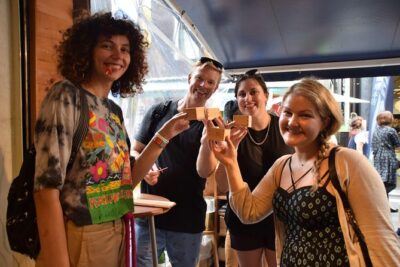 ★ 5.0Tokyo Tsukiji Fish Market Food and Culture Walking TourFrom $99
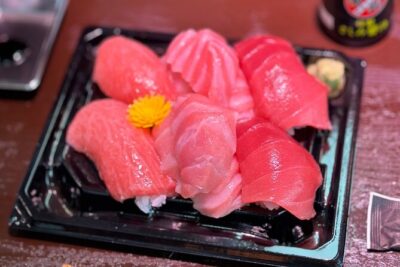 ★ 5.0Tokyo: Tsukiji Fish Market Food and Walking tourFrom $30
 ★ 4.9Tokyo: Tsukiji Fish Market Guided Walking TourFrom $222 hours
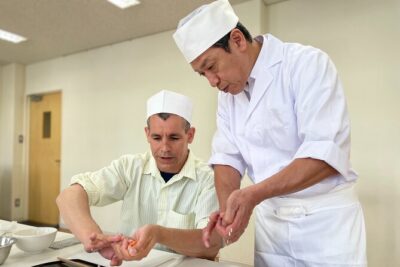 ★ 5.0Tokyo Sushi Making Class in Tsukiji with Professional ChefFrom $49
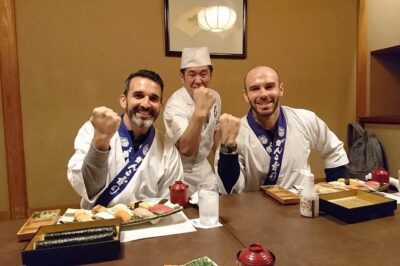 ★ 5.0Tsukiji Fish Market Guided Tour and Sushi Making with Pro ChefFrom $104
★ 4.7Tokyo: Tsukiji Fish Market Food and Culture Walking TourFrom $963 hours
★ 5.0Tsukiji Fish Market Guided Tour and Sushi Making with Pro ChefFrom $104
★ 4.7Tokyo: Tsukiji Fish Market Food and Culture Walking TourFrom $963 hours