Reviewed · TEA CEREMONY & MATCHA
Making Japanese desserts Nerikiri & drinking matcha in Tokyo
Japanese sweets can look too perfect to touch. In this 90-minute nerikiri class, you get past the polished display and shape three seasonal confections with your own hands, then eat them with freshly prepared matcha. The work is beginner-friendly, and all ingredients and tools are supplied.
In This Article
- Key points at a glance
- Why making nerikiri is worth your Tokyo time
- Three seasonal sweets, shaped by hand
- The matcha finish gives the class a proper ending
- A small class makes a difference
- Shimokitazawa gives you an easy after-class plan
- Is $65.69 a fair price?
- What the 90-minute schedule feels like
- Who should book this class?
- Booking, confirmation, and cancellation tips
- Should you book the nerikiri and matcha class?
- FAQ
- How long does the nerikiri and matcha class last?
- How many people can join the class?
- What will I make during the class?
- Are ingredients and tools included?
- Is matcha included?
- Can I take the sweets home?
- Where does the class meet?
- Can I cancel for a refund?
I like the small maximum of eight people, which leaves room for personal help. I also like the take-home packets, since you can save your sweets instead of eating everything at once. The main caution is that the class location can change from Shimokitazawa to Toritsu Daigaku Station, so check the instructor’s email carefully.
Key points at a glance

- Make three seasonal nerikiri sweets: The designs change with the season, giving the class a clear connection to the time of year.
- Work in a group of up to eight: The small size allows the instructor to show you each stage and help with shaping.
- Finish with authentic matcha: Your handmade sweets are paired with powdered green tea after the practical work.
- Take your sweets home: Packets are provided if you do not want to eat all three during the class.
- Meet near Shimokitazawa: The usual kitchen is in Kitazawa, with Toritsu Daigaku Station used if the main space is unavailable.
- Ask early about special designs: Owl and needle mouse shapes may be possible, but seasonal designs are the default and requests are not guaranteed.
Why making nerikiri is worth your Tokyo time

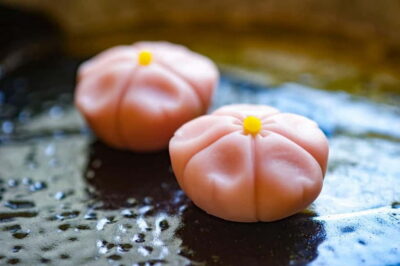
Nerikiri is a Japanese confection made from kneaded dough, shaped into seasonal forms. The appeal is not only its sweetness. Each piece is designed to suggest something from nature or the calendar, and the shape changes depending on the season of your visit.
That gives this activity more substance than a quick food sample. You are not simply handed a pretty dessert. You see how the dough is prepared, work it with your fingers, and learn how the confection is formed. The process makes the finished sweet easier to appreciate, especially if you have seen similar treats in a shop but never understood how they were made.
I also like the pace. At about an hour and a half, this is long enough to feel like a real activity but short enough to fit beside sightseeing in Tokyo. You will not lose an entire afternoon, and you can continue exploring Setagaya City afterward.
The class is built for beginners. You do not need previous cooking experience, and the tools and ingredients are included. The instructor explains the method before you begin, then lets you repeat it yourself. That balance matters: you get guidance without simply watching someone else do the interesting part.
A few more Tokyo tours and experiences worth a look

Three seasonal sweets, shaped by hand
The central part of the class is making three types of seasonal kneaded dough. The exact designs depend on the time of year, so you should not book this expecting one fixed set of characters or flowers.
The seasonal approach is one of the best reasons to choose this class. A spring booking and an autumn booking should not feel identical, since the forms change with the season. That gives the activity a small but meaningful connection to Japanese food culture, where appearance and timing matter alongside taste.
The instructor first explains how to make the nerikiri. You then handle the dough and form the sweets yourself. The description does not promise a formal demonstration of every traditional confectionery technique, so you should expect a practical introduction rather than professional pastry training. That is a fair trade for most visitors. You leave having made something with your own hands, not merely having watched a specialist work.
The designs may require patience. These are shaped sweets, and part of the fun is trying to produce a neat result. Your finished pieces may not look exactly like the instructor’s. That is normal for a hands-on class, and the small group gives you a better chance to ask for help when the form starts to go wrong.
If you have a favorite design in mind, you can ask about making an owl or a needle mouse by email. The request must be made in advance, and it may not be possible depending on when you apply. If you do not request a special form, you will make the seasonal sweets planned for the class.
The matcha finish gives the class a proper ending
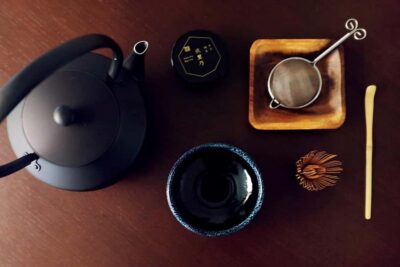
After the sweets are made, the instructor prepares popular matcha, or powdered green tea. You can eat the nerikiri on the spot with the tea, which creates a natural finish to the class.
This pairing is useful because the matcha is not treated as a separate tasting. It gives you a chance to understand how the sweet and tea work together. Nerikiri is delicate and carefully shaped, while matcha brings a strong tea flavor. The contrast makes the final tasting feel more complete than simply taking a box of sweets home.
You can also take the nerikiri with you. Packets are provided, so you have a practical choice at the end. Eat them while they are fresh, or save them for later if you have just had lunch or want to share them with someone else.
The activity information does not promise a full tea ceremony, nor should you book it expecting one. The matcha is prepared after the cooking portion as part of the experience. The focus remains on making and tasting nerikiri.
A small class makes a difference

The maximum group size is eight people. That is small enough to make this feel personal without turning it into a private lesson.
For a craft that depends on shaping, personal attention matters. You might understand the broad instructions but struggle with the final folds or details. In a large class, you could spend too much time waiting for help. Here, the instructor has a more realistic chance to check your work and guide you through the stages.
The small format also suits families and friends. One published comment describes the activity as very fun, cultural, and beginner-friendly, with a recommendation for friends and family. That fits the design of the class: you learn a new skill, work at your own station, and have something to talk about while making the sweets.
Still, a small group is not the same as a private class. The maximum is eight, not one-on-one. If you want every minute focused only on your technique, you may prefer a private lesson, but that is not what this experience offers.
Shimokitazawa gives you an easy after-class plan

The usual meeting point is 3-chome-20-4 Kitazawa, in Setagaya City. The class is held in a kitchen in Shimokitazawa when that space is available.
The location works well for a half-day plan. After the class, you can explore the nearby Setagaya-ku district instead of crossing Tokyo immediately for your next activity. The experience information specifically points to the ease of exploring the area afterward, so leave a little free time rather than scheduling a distant attraction at once.
There is one important logistical wrinkle. Because the kitchen is a rental space, the class may instead be held near Toritsu Daigaku Station. The instructor sends the location details by email after you reserve, and you should treat that message as essential rather than routine paperwork.
The location change is not a flaw in the class itself, but it can affect your travel time and plans. Do not rely only on the address shown when you first book. Check the confirmation and any later message before setting out.
The meeting point is also the end point. You return there after the activity, rather than being dropped at another Tokyo sight. Public transportation is nearby, which makes the class practical without a car.





Is $65.69 a fair price?

At $65.69 per person, this is not the cheapest snack stop in Tokyo. You are paying for instruction, ingredients, tools, a small group, three handmade sweets, matcha, and the use of a kitchen space.
The value comes from the participation. If you only want to taste nerikiri, a shop will cost less and take less time. If you want an activity that teaches you something and gives you a food memory connected to your visit, the price is easier to justify.
The three-sweet format also helps. You are not paying for a single quick item before moving on. You get several chances to practice the dough and compare the finished shapes. The take-home packets add a little more value, since you may carry part of the experience with you.
Group discounts are available, though the exact discount is not stated. If you are booking for friends or family, check the price before payment rather than assuming a fixed saving. The activity is also commonly booked about 34 days ahead, so it is sensible to reserve early if your Tokyo dates are firm.
The best value goes to someone who enjoys making food, learning through practice, and taking part in a quieter cultural activity. It is less useful for someone who wants a fast tasting, a major sightseeing stop, or a full meal.
What the 90-minute schedule feels like

The class has a simple flow:
- You arrive at the confirmed kitchen location and meet the instructor.
- The instructor explains nerikiri and the process of making it.
- You make three seasonal kneaded sweets with the supplied ingredients and tools.
- The instructor prepares matcha.
- You eat the sweets with the tea or pack them to take home.
- You finish back at the meeting point.
That outline leaves little wasted time. The practical portion is the heart of the experience, and the matcha comes at the end rather than interrupting the work.
The 90-minute length is especially useful in Tokyo, where long travel times can complicate a packed schedule. You can place this class between neighborhood visits, though you should allow extra time for finding the correct meeting point. The possible change to Toritsu Daigaku Station is the one detail that makes careful planning important.
Since the seasonal designs are not fixed in the information provided, the class has an element of surprise. You can ask about the planned sweets when you receive the details, but you should not assume that a particular flower, animal, or color will be available.
Who should book this class?

I would choose this for first-time visitors who want something more hands-on than a food tour. It also suits repeat visitors who have already seen the major sights and want a small activity tied to Japanese food.
Families can benefit from the beginner-friendly format, though very young children may need help with the fine shaping work. Friends can book together, especially if they like comparing their finished sweets. Solo visitors can also fit in easily, since the group is small and the instructor provides the structure.
This may not suit you if you dislike sweet foods, have no interest in matcha, or want a class with a detailed meal rather than confectionery. It is also not a professional pastry course. The focus is a friendly introduction to seasonal nerikiri, not advanced certification or restaurant training.
The activity is not described as wheelchair accessible, and no special dietary information is provided. If those points matter to you, contact the provider before booking rather than guessing.
Booking, confirmation, and cancellation tips
Confirmation is sent within 48 hours, subject to availability. After booking, watch for the instructor’s email with the final location. This is particularly important because the class may move from the usual Shimokitazawa kitchen to a site near Toritsu Daigaku Station.
You can cancel for a full refund up to 24 hours before the local start time. Cancellations made less than 24 hours ahead are not refunded, and changes inside that period are not accepted. If your Tokyo schedule is uncertain, keep that deadline in mind.
The provider is Shuminavi Inc. Mobile tickets are supported, which makes it easy to keep the booking on your phone. Even so, save the location email where you can find it quickly on the day.
Should you book the nerikiri and matcha class?
Book it if you want a short, personal food activity that teaches you a real Japanese confectionery skill. The small group, seasonal designs, included equipment, matcha, and take-home packets make the $65.69 price reasonable for an experience rather than a simple dessert purchase.
I would be especially happy to recommend it for couples, families, friends, and solo visitors who like creative activities. The main reasons to hesitate are the possible location change, the fixed 90-minute format, and the fact that this is a sweets class, not a full cooking lesson or tea ceremony.
Reserve ahead if your dates are fixed, ask early about any special animal design, and confirm the final address before leaving. If those details fit your plans, this is a pleasant way to spend part of a Tokyo day and leave with three small reminders of the season.
FAQ
How long does the nerikiri and matcha class last?
The class lasts approximately 1 hour and 30 minutes.
How many people can join the class?
The activity has a maximum of eight participants.
What will I make during the class?
You will make three types of seasonal kneaded dough used for nerikiri sweets.
Are ingredients and tools included?
Yes. The ingredients and tools needed for the class are included.
Is matcha included?
Yes. After you make the sweets, the instructor prepares matcha, or powdered green tea, for you to drink with the nerikiri.
Can I take the sweets home?
Yes. Packets are provided, so you can take the sweets home instead of eating them all during the class.
Where does the class meet?
The usual meeting point is 3-chome-20-4 Kitazawa, Setagaya City, Tokyo. The class may instead be held near Toritsu Daigaku Station if the Shimokitazawa kitchen is unavailable. The instructor sends the final location by email.
Can I cancel for a refund?
Yes. You can cancel at least 24 hours before the local start time for a full refund. Cancellations or changes made less than 24 hours before the start are not accepted or refunded.
More Tea Ceremony & Matcha in Tokyo


More tours in Tokyo we've reviewed












Tea Ceremony & Matcha, compared.
 ★ 5.0Matcha Making Class in Tokyo with Authentic Japanese Sweets SetFrom $21
 ★ 5.0Kimono Tea Ceremony at Tokyo, Asakusa MaikoyaFrom $55
 ★ 5.0Tokyo: Traditional Tea Ceremony with a Tea MasterFrom $381 hour
 ★ 4.5Dynamic Tokyo: Tokyo Tower, Tea Experience, Bay Cruise Day TourFrom $99
 ★ 4.9Tokyo: Matcha Making Experience with Mochi Sweets in AsakusaFrom $221 hour
 ★ 4.7Tokyo: Matcha and Kimono ExperienceFrom $57