Reviewed · TOKYO
Furoshiki Cloth Wrapping
Furoshiki turns one square of cloth into a gift wrap, shopping bag, hat, cover, or handy carrier, using folds and knots instead of tape and disposable paper. In this Tokyo workshop, a nationally accredited instructor guides you through seven techniques and explains how this small craft fits Japanese daily life and modern concerns about waste.
In This Article
- Key points to know before booking
- Why furoshiki makes a useful Tokyo souvenir
- Beginning with folds and knots
- Seven techniques, seven practical uses
- The instructor and the cultural context
- What you take home from Kikai Shinkō Kaikan
- Is $77.26 a good value?
- Who will enjoy this workshop most?
- A smart way to fit it into your Tokyo day
- My final take on the furoshiki class
- FAQ
- How long does the furoshiki wrapping workshop last?
- Where does the workshop meet?
- Where does the activity end?
- How many furoshiki techniques will I learn?
- Is a furoshiki cloth included?
- Is transportation or food included?
- Can I cancel for a full refund?
I like two things right away: you learn by making useful objects, not just watching a demonstration, and you receive a keepsake furoshiki to keep practicing at home. The 90-minute format also fits neatly into a Tokyo sightseeing day, with no meal or long transfer built into the schedule.
The main consideration is the price, $77.26 per person. That is a fairer deal if you value instruction, cultural context, and a take-home cloth, but it is more than a casual craft class. The group can reach 28 people, so anyone seeking highly personal coaching should keep that limit in mind.
Key points to know before booking
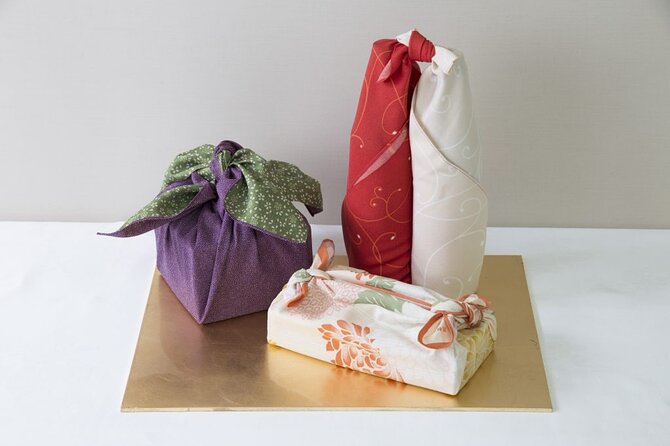
- Seven techniques in 90 minutes: The class moves from basic folds and knots to useful wraps for gifts, bags, hats, and covers.
- A practical souvenir: Your furoshiki cloth gives you a way to repeat the skills at home rather than leaving with a decorative item you never use.
- Japanese culture through making: The instructor connects the craft to its history and its current value as a reusable alternative to household wrapping materials.
- Convenient central Tokyo setting: The meeting point is Kikai Shinkō Kaikan, 3-chōme-5-8 Shibakōen, Minato City, near public transportation.
- Short enough for families: The activity lasts about 1 hour and 30 minutes, and most people can participate.
- Plan ahead: It is commonly reserved about 40 days ahead, and confirmation arrives within 48 hours of booking if space is available.
Why furoshiki makes a useful Tokyo souvenir
Furoshiki is not simply a pretty way to wrap a present. Its appeal is that the same square of cloth can serve several purposes, then fold away for later use. That gives the craft a practical edge over many souvenirs that sit on a shelf.
The workshop presents furoshiki as a sustainable choice. You learn reusable methods that can replace some paper, plastic bags, and other single-use household items. The class does not ask you to admire an old custom from a distance. You handle the cloth, tie the knots, and see how a few changes in technique produce a different result.
That hands-on quality matters. A cultural talk can give you facts, but making a bag or cover gives you a small physical connection to the idea. You leave with something you can show friends and family, along with a skill that can become part of your routine.
The craft also offers a quiet contrast to Tokyo’s faster attractions. There is no rush between temples, observation decks, and train platforms. For 90 minutes, your attention goes to the cloth in your hands and to the small decisions that make a wrap hold its shape.
If you're still narrowing it down, here are other tours in Tokyo we've reviewed.



Beginning with folds and knots
The class starts with the basics. You learn how to handle the square cloth, form the key knots, and understand how folds change the way the fabric carries an object. Those first steps are important because furoshiki depends on simple construction rather than special equipment.
The instructor teaches the process in a practical order, beginning with easier methods before moving to more advanced ones. This should help you build confidence as the class progresses. If you are new to crafts, the early exercises give you a chance to understand the logic before the wraps become more involved.
The knot work is one of the most useful parts of the lesson. Once you understand how the knots hold the fabric, the cloth stops feeling like a puzzle. You begin to see how the same basic actions can create different forms.
You should expect to practice rather than merely watch. The value of the session rests in repeating the folds yourself, correcting the shape, and learning how much tension to use. If you rush through the movements, the technique may not stay with you. Give yourself permission to make an untidy first attempt.
Seven techniques, seven practical uses
The workshop covers seven furoshiki techniques in one sitting. The exact order and detail of each method are not specified, but the program includes ways to make bags, hats, covers, and gift wraps.
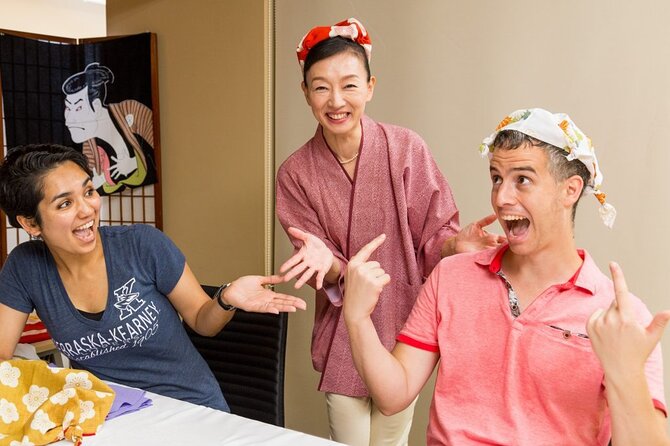
That range is a strong point. Gift wrapping gives you a reason to use the craft during holidays and birthdays, while bags and covers make it relevant to ordinary life. The hat adds a playful, wearable side that can appeal to families and younger participants.
The workshop also teaches methods you can use for friends and family. You might repeat a favorite wrap when giving a present, show a child how to create a simple bag, or use the cloth to cover an item instead of reaching for disposable packaging.
Do not judge the class only by how many finished objects you carry away. The point is to learn a small system of folds and knots. Once you understand that system, you can apply it to different objects and situations.
A 90-minute class cannot cover every possible furoshiki design. It gives you a strong introduction instead. You will likely leave with several techniques you remember clearly and others that need another practice session at home. That is where the included cloth becomes valuable.
The instructor and the cultural context
The session is led by a nationally accredited furoshiki instructor. That credential matters because you are not simply receiving a quick demonstration from someone who happens to know a few folds. The teacher is there to explain both the method and the meaning behind it.
The cultural portion covers the craft’s history and its modern environmental role in Japan. The balance is useful. You learn why furoshiki matters as a traditional art, but you also see why it remains relevant today.
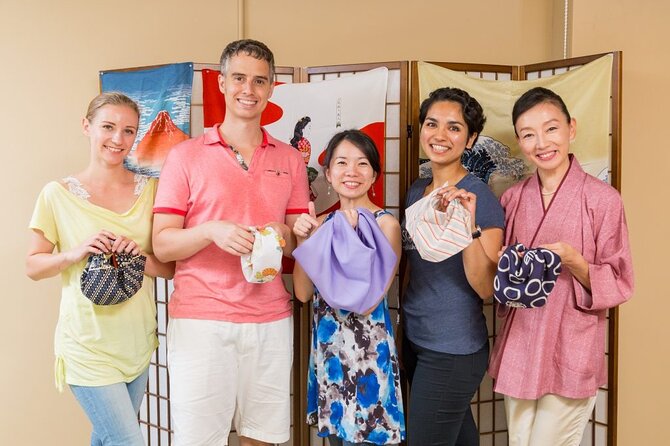
The teaching team has been described as friendly and well informed, which suits a class that depends on asking questions and trying movements more than once. The atmosphere should feel accessible rather than formal. A family group can take part together, and a teenager can find the hands-on tasks more engaging than a long museum explanation.
The maximum group size is 28 people. That is not a tiny private lesson, and the amount of individual help may vary depending on attendance. On the other hand, a group setting can make the activity feel social, particularly if you attend with family or friends.
If you want one-on-one correction for every fold, this may not be the best format. If you are comfortable learning in a shared class, the group size remains manageable for a short introduction.
What you take home from Kikai Shinkō Kaikan
The meeting point is Kikai Shinkō Kaikan at 3-chōme-5-8 Shibakōen, Minato City, Tokyo 105-0011. The venue is near public transportation, but transportation to the site is not included, so you need to make your own way there.
The activity ends at the same meeting point. That makes planning simple. You do not need to arrange a pickup or work out how to return from a separate neighborhood at the end.
A mobile ticket is available, which can reduce the need to print booking material. Confirmation is sent within 48 hours of booking, subject to availability. Since the activity is often booked about 40 days ahead, I would reserve it early if the date matters to you.
Arrive with enough time to locate the building and settle in. The supplied details do not give a required arrival time, so follow the instructions supplied with your confirmation rather than guessing.
You receive a souvenir furoshiki cloth as part of the activity. Food and drinks are not included, but the short duration makes that easy to handle before or after class.




Is $77.26 a good value?
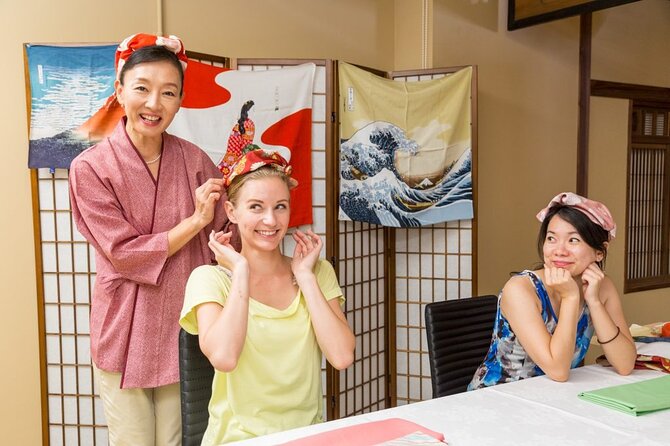
At $77.26 per person, this is not a bargain-priced craft demonstration. The cost includes the instructor, the cultural explanation, the guided practice, and the cloth you take home. You are paying for a structured lesson rather than only for an object.
The value improves if you plan to use the skill after your visit. A reusable wrapping method can become a practical habit, especially if you enjoy giving gifts, carrying small items in cloth bags, or finding alternatives to disposable packaging.
The price also makes more sense for someone who wants cultural context. You could read about furoshiki or watch a short demonstration for less, but the class gives you direct practice and a chance to ask questions while your hands are learning.
Group discounts may be available, so families or friends should check the booking terms. A group can also make the cost feel more worthwhile because you share the activity and can keep practicing together after the class.
Still, you should be honest about your interests. If you want a large souvenir, a food tasting, or a full-day cultural program, this class may feel expensive for 90 minutes. If you like small, useful crafts and prefer an activity that leaves you with a skill, the price is easier to justify.
Who will enjoy this workshop most?
This is a good match for craft-minded visitors, families, and anyone interested in Japanese customs beyond the usual sightseeing stops. A parent and teenager can work together, and the activity gives children something concrete to do with their hands.
It also suits repeat visitors to Tokyo. If you have already seen major temples and neighborhoods, a short workshop can add a different layer to your time in the city. You are not just looking at an object in a shop. You are learning one way people use cloth and knots in daily life.
The class may appeal to environmentally conscious visitors, too. Its reuse message is not an extra slogan attached to the activity. It is built into the craft itself, since one cloth can serve many purposes.
Most people can participate, according to the supplied information. No special fitness requirement is listed, though the activity involves folding and tying cloth with your hands. If you have a concern about participation, ask the provider before booking.
It is less suited to someone who dislikes guided instruction or wants complete freedom to work at their own pace. The class has a set duration and a planned progression through seven methods.
A smart way to fit it into your Tokyo day
The 90-minute length gives you room to place the class between other plans. Since it begins and ends at Kikai Shinkō Kaikan in Shibakōen, you can build your schedule around the meeting point without arranging a long cross-city transfer afterward.
Keep the rest of that part of the day reasonable. Seven techniques require attention, and you will get more from the class if you are not watching the clock every few minutes. A calm meal or a nearby sightseeing plan may work better than a tightly packed sequence of distant attractions.
The cloth should be easy to carry after the workshop because it folds flat. You may also want to leave a little space in your luggage for it, especially if you hope to use it for gifts or household purposes after returning home.
Because the activity is commonly booked 40 days in advance, do not treat it as a last-minute filler. Confirmation can take up to 48 hours and depends on availability. The free cancellation policy gives you some flexibility: cancel at least 24 hours before the start time for a full refund. Cancellations or changes made within 24 hours are not refunded or accepted.
My final take on the furoshiki class
I would book this workshop if you want a short Tokyo activity with a real skill at its center. The strongest reasons are the seven techniques, the reusable cloth, and the chance to connect Japanese culture with something you make yourself.
I would think twice if $77.26 feels high for a 90-minute class or if you want an intimate lesson with constant individual attention. The possible 28-person group means the experience is structured and social rather than private.
For families, craft lovers, and visitors who prefer useful souvenirs, this is an appealing choice. Book it early, allow time to reach Kikai Shinkō Kaikan, and plan to practice the folds again at home. That final step is what turns the workshop from a pleasant hour and a half into a skill you can keep using.
FAQ
How long does the furoshiki wrapping workshop last?
The activity lasts approximately 1 hour and 30 minutes.
Where does the workshop meet?
It starts at Kikai Shinkō Kaikan, 3-chōme-5-8 Shibakōen, Minato City, Tokyo 105-0011, Japan.
Where does the activity end?
The workshop ends back at the meeting point.
How many furoshiki techniques will I learn?
The program teaches seven different wrapping techniques, including methods for making gifts, bags, hats, and covers.
Is a furoshiki cloth included?
Yes. Each participant receives a souvenir furoshiki cloth to take home and use for practice.
Is transportation or food included?
No. Transportation to the venue, food, and beverages are not included.
Can I cancel for a full refund?
Yes, if you cancel at least 24 hours before the experience start time. Cancellations and changes made less than 24 hours before the start time are not accepted, and the amount paid is not refunded.
More tours in Tokyo we've reviewed












Tokyo, compared.
 ★ 5.0Mt Fuji and Hakone 1-Day Bus Tour Return by Bullet TrainFrom $163
 ★ 5.01-Day Tokyo Bus TourFrom $129
 ★ 4.6Tokyo: teamLab Planets TOKYO Digital Art Museum Entry TicketFrom $251 day
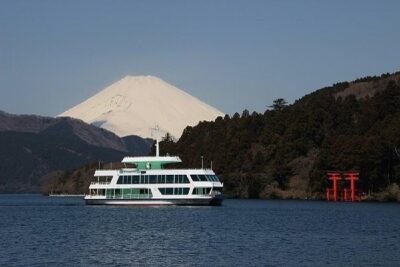 ★ 4.0Mt Fuji & Hakone Cruise, Drum Show Bullet Train 1 Day from TokyoFrom $149
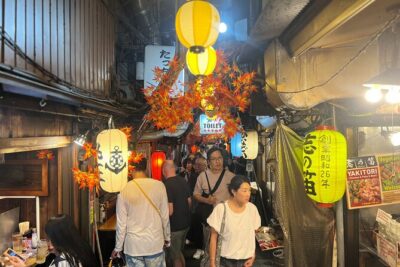 ★ 5.0Tokyo: Shinjuku Food Tour (13 Dishes at 4 Local Eateries)From $86
 ★ 4.4Tokyo Mt Fuji 5th St & Hakone Cruise Bus Tour w/Bullet TrainFrom $15410 hours