Reviewed · PRIVATE
Tokyo Private Otaku Tour with a Local – 100% Personalized
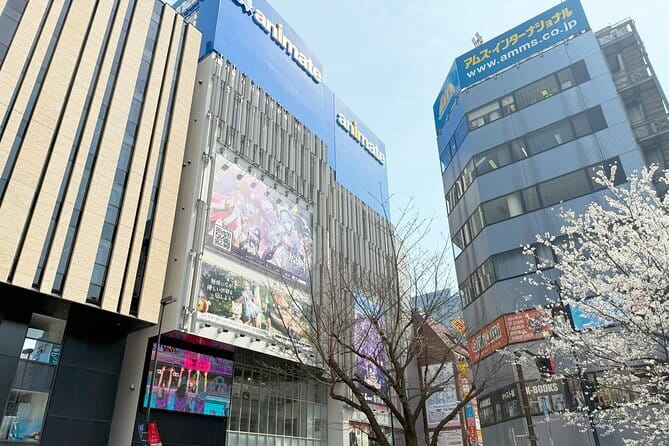
Tokyo’s otaku culture is far bigger than a few anime shops. This private four-hour outing takes you into Akihabara’s electric streets, the hobby shops of Sotokanda, and collector-packed Nakano Broadway, with a local host shaping the route around what you actually care about. You might focus on Gundam, manga, trading cards, maid cafés, gaming, or the small details of Japanese fan culture.
In This Article
- Key points to know before booking
- Why a private otaku tour can be worth four hours
- Starting near Maidreamin in Akihabara
- Radio Kaikan and the art of finding the right floor
- Sotokanda’s side streets and smaller shops
- Nakano Broadway and the vintage collector’s hunt
- How the custom planning works
- Walking, rail costs, and the four-hour limit
- What is included, and what is not
- Who will get the most from this experience
- How the feedback shapes my view
- Should you book the Tokyo Otaku Tour?
- FAQ
- How long is the Tokyo Private Otaku Tour?
- What areas does the tour visit?
- Is the tour private?
- Can the itinerary be customized?
- Is hotel pickup available?
- Is transportation included in the price?
- Are food, drinks, and attraction tickets included?
- What is the cancellation policy?
I like two things right away: you help design the itinerary, and you get a private guide rather than a fixed group tour. The host can also help you sort out shops that look similar from the outside but serve very different interests. The main drawback is the price, $180.11 per person for about four hours, before food, tickets, and transport.
Key points to know before booking
- Akihabara begins the story: Start near the Maidreamin Akihabara Electric Town-exit Store, then move into Tokyo’s best-known pop-culture district.
- Radio Kaikan packs in the collectibles: Expect model kits, trading cards, electronics, figurines, and anime goods across several floors.
- Sotokanda offers a quieter side of otaku culture: Small hobby shops and fan-made goods can make this stop more personal than the main avenue.
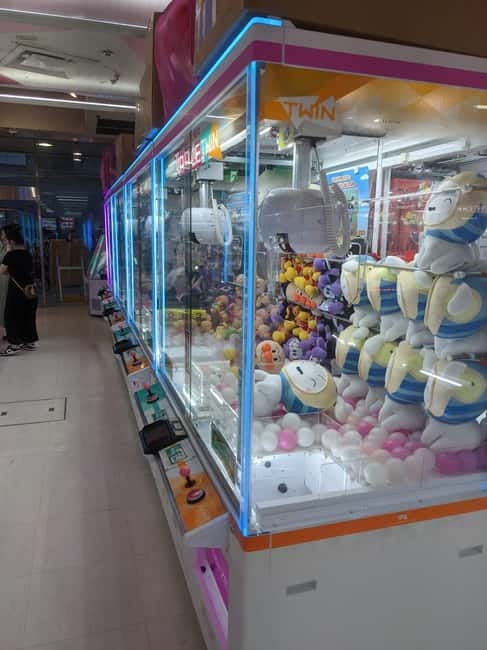
- Nakano Broadway is the collector’s finale: The maze of stores is especially useful if you want vintage manga, rare figures, capsule machines, or older anime items.
- Your interests shape the route: A questionnaire after booking lets you share must-sees, and your host contacts you about the plan.
- The tour is mainly on foot: Public transport or taxis may be used between areas, with those costs paid separately.
Why a private otaku tour can be worth four hours
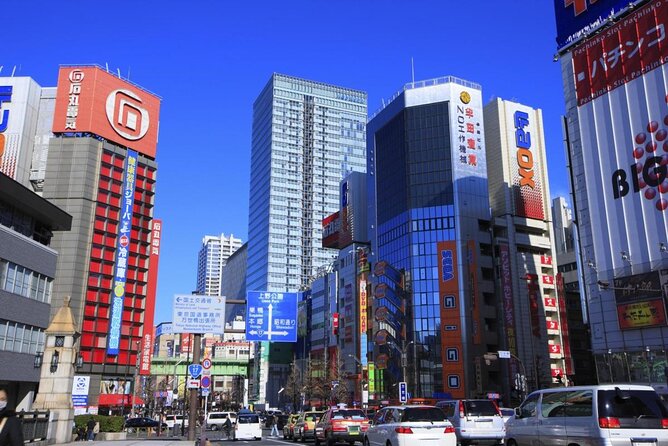
A first visit to Akihabara can feel simple: walk down the main street, enter a few bright shops, and take photographs of the signs. The harder part is knowing where to go next. The best stores are often spread across side streets, upper floors, and buildings that appear ordinary from the outside.
That is where this format earns its keep. You are not paying only for directions. You are paying for someone to listen to your interests, cut down wasted time, and explain what you are seeing. If you already know the difference between a Gunpla grade, a shonen title, and a vintage cel, you can ask for a specialist route. If you are new to the scene, your host can give you a useful introduction without assuming you know the vocabulary.
The private setup also helps families. One teenager can look for Gundam, another can hunt for manga, and adults can ask about local customs or the history of the districts. The host can adjust the pace instead of dragging a whole group through every stop.
The price deserves a clear look. At $180.11 per person, this is not a bargain walking tour, particularly for a couple or solo visitor. It becomes easier to justify if your group has very specific interests, if you are short on time, or if you want help navigating Tokyo’s rail system and shop-filled districts. A family discount may be available for groups, but the exact saving is not provided, so check before booking.
Other private tours in Tokyo


Starting near Maidreamin in Akihabara
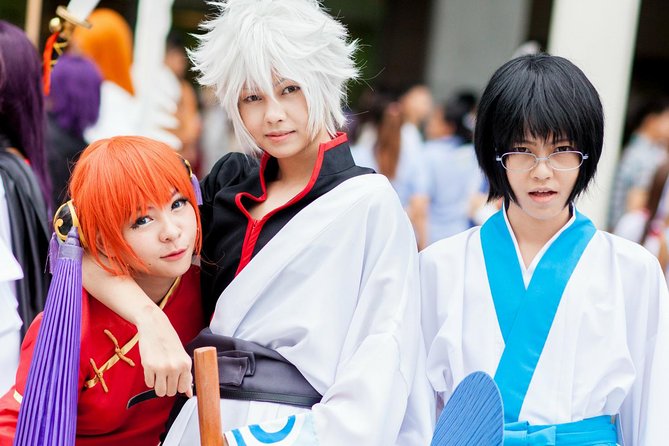
The listed meeting point is Maidreamin Akihabara Electric Town-exit Store, at 1-chome 14-1 Sotokanda, Chiyoda City, on the third floor of the Takarada Chuo-dori Building. This puts you close to the main action and gives the tour a clear starting point.
A central hotel pickup on foot may be available if your accommodation qualifies. That can be handy, but it is not a private vehicle transfer. Confirm the pickup arrangement with your host after booking, especially if you are staying outside central Tokyo.
Akihabara is the right opening district because it gives you the broad picture. Here, anime, manga, gaming, electronics, figurines, cosplay, and maid cafés sit close together. The experience is not limited to shopping. Your host can explain how the area functions as a meeting point for several parts of Japanese pop culture.
The district can also be a sensory workout. Bright signs, narrow stairways, crowded displays, and densely packed shelves are part of the experience. You may love the energy, but four hours can pass quickly, so tell your host early if you want serious shopping time rather than a general orientation.
Radio Kaikan and the art of finding the right floor
Radio Kaikan is one of the most useful stops for a first-time collector. The building spreads its shops over multiple floors, with model kits, trading cards, electronics, anime collectibles, and hobby supplies competing for your attention.
The value of a guide here is practical. You can easily spend an hour browsing without knowing if you have missed the one shop that best matches your interests. A host can point you toward the sections that fit your list and help you understand the difference between a casual souvenir and a serious collector’s purchase.
This is also where you should be precise about what you want. Tell your host if you are looking for Gundam, older manga, character figures, trading cards, or model kits. The itinerary is meant to be personal, and vague requests can lead to a broad tour rather than a targeted one.
Do not assume every item is included in the tour price. Purchases are your responsibility, and the experience does not include tickets, food, or drinks. If your plan includes a paid attraction or another ticketed venue, ask about the extra cost before you go.
Sotokanda’s side streets and smaller shops
After the main Akihabara sights, the route can move into Sotokanda. This area gives you a chance to see a less polished side of otaku shopping, with independent merchandise, fan-made goods, and smaller hobby shops.
I like this part because it can feel more tailored than walking through the biggest retail buildings. The selection may be less obvious, and that is exactly why local guidance matters. You might find items connected to a particular series, niche hobby, or older corner of anime culture that is easy to miss on the main avenue.
The tradeoff is that smaller shops can be less predictable. The information provided does not promise a particular store, brand, or item, and stock changes. Treat Sotokanda as a flexible section of the route rather than a guaranteed shopping list.
This is a good place to ask cultural questions, too. One Portuguese-speaking booking described a host who explained local customs and traditions alongside the pop-culture stops. That detail matters because otaku culture is not just a collection of products. The social rules, fan practices, and ways people use these spaces add meaning to what you see.
Nakano Broadway and the vintage collector’s hunt
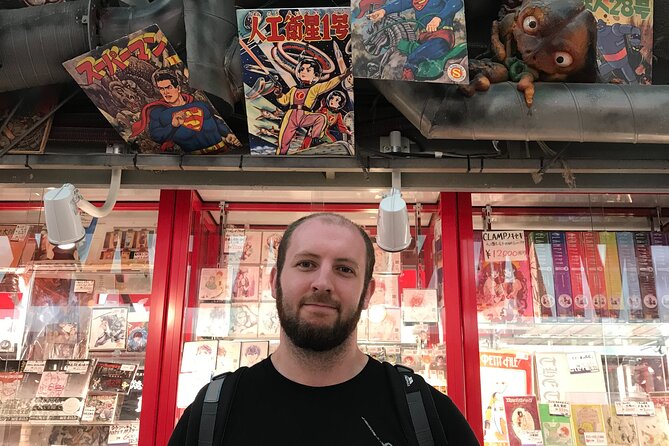
The planned ending is Nakano Broadway, a collector’s center filled with rare manga, figurines, capsule machines, and vintage anime memorabilia. It offers a different mood from Akihabara. Instead of one large district built around bright electronics and visible pop culture, Nakano Broadway is known for a maze of individual stores and tightly packed displays.
You will want a guide here if you have a particular target. Tell your host in advance if you collect figures, search for older manga, want capsule machines, or hope to browse vintage items. The stores can be overwhelming, and a personalized route helps you spend time in the sections that matter.
Nakano is also a useful final stop because it can show how wide Japan’s collector market is. New releases are only one part of the picture. Older characters, discontinued goods, and unusual memorabilia can carry just as much interest for fans.
There is one practical point to clarify. The listed end information says the activity ends back at the meeting point, while the planned route describes Nakano Broadway as the final stop. Since Akihabara and Nakano are separate areas, ask your host to confirm the exact ending location and transport plan before the day begins.


How the custom planning works
After booking, you receive a short online questionnaire. Use it carefully. This is your chance to list favorite series, preferred shopping areas, mobility needs, must-see stores, and topics you do not care about.
The provider then matches you with a local host and gives you a way to communicate directly. Flexible start times are offered, so you can choose a time that fits your day. I would use the message exchange to settle three points:
- Are you mainly shopping, sightseeing, or learning about the culture?
- Which titles, characters, hobbies, or collectibles matter most?
- Do you want to spend most of the four hours in Akihabara, or travel to Nakano Broadway as well?
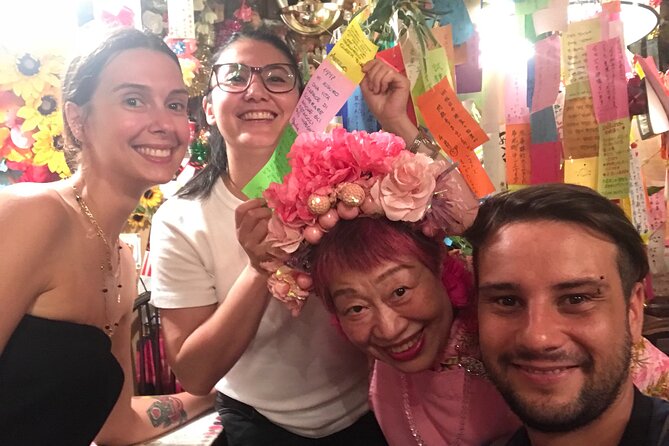
The host names connected with past bookings include Leon, Leo, and Shoko. Leon has been praised for building a route around detailed interests, while Shoko guided a family with two teenagers focused on anime, manga, and Gundam. Your assigned host may be someone else, so do not book on the assumption that a particular person is guaranteed.
English ability has also been a strong point in the available feedback. One booking specifically noted clear English and strong answers to questions. That is useful if you want more than a shopping escort, but keep in mind that guide experience and interests can differ from one host to another.
Walking, rail costs, and the four-hour limit

This is primarily a walking experience. The tour does not include a private car, and transportation is not included in the listed price. Your host may use public transit or a local taxi to connect the districts, with the exact cost discussed after your reservation.
Wear comfortable shoes and leave room in your schedule. Four hours is enough for a focused route through selected stores and districts. It is not enough to inspect every floor in Radio Kaikan, browse all of Akihabara, and shop Nakano Broadway at a relaxed pace.
If you are traveling with children or have limited stamina, say so in the questionnaire. The supplied information says most people can participate, and service animals are allowed. It does not provide a detailed accessibility plan, so ask about stairs, walking distance, and station transfers if those details affect your choice.
The mobile ticket is convenient, and confirmation is sent at booking. Still, save the meeting point and your host’s contact information on your phone before leaving your accommodation.
What is included, and what is not

The fee covers a private, personalized walking experience with insider tips, itinerary planning, flexible timing, and direct communication with your host. Only your group participates, which gives you control over questions, stops, and pace.
The fee does not cover:
- Food or drinks
- Admission tickets
- Public transportation
- Local taxis
- Gratuities
That list can change your final cost. Akihabara offers plenty of places to eat and drink, but those purchases are separate. If you plan to buy collectibles, set a budget before you arrive. Tokyo’s hobby shops make it remarkably easy to spend more than planned on one small box.
Gratuities are optional. If your host spends extra time solving a shopping problem, helping with transport, or reshaping the route around your family, you can decide afterward if you want to leave something.
Who will get the most from this experience
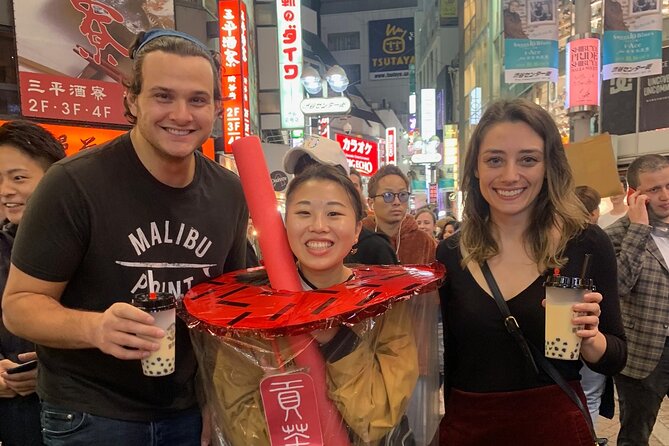
This tour makes the most sense for fans with a clear goal. You may be searching for a certain Gundam kit, trying to understand Japan’s manga shops, looking for older anime goods, or hoping to see cosplay and maid-café culture with context.
It also suits first-time visitors who feel unsure about Tokyo’s train system. A private host can help you connect the districts, though any rail fare is extra. Families with teenagers may find the format particularly useful because the route can balance different interests.
You should think twice if you prefer to browse alone. Akihabara and Nakano Broadway are easy places to spend several hours wandering at your own pace. Paying $180.11 per person for a guide may not make sense if you already know the shops you want and do not need explanations.
The same is true if your main goal is a long shopping session. A guide can save time, but conversation, walking, and transfers take part of the four-hour window. Send a focused wish list so the tour does not become a general tour of signs and storefronts.
How the feedback shapes my view
The strongest praise centers on the hosts rather than on a single attraction. Leon is described as patient, kind, professional, and able to tailor a route far beyond a standard list of nerd stops. Another host earned praise for clear English and strong answers to questions.
That pattern is important. The value of this booking depends heavily on the match between you and your host. The questionnaire and direct messages are not minor extras. They are the tools that determine if you receive a useful specialist route or a more general walk through famous districts.
The family booking is especially revealing. With two teenagers interested in anime, manga, and Gundam, the host met the group at Akihabara Station and helped them on their second day in Japan, when the public transport system was still unfamiliar. That is the sort of practical help that can justify a private booking.
The available score is 4.6 from 11 reviews, with 91 percent recommending the experience. That is encouraging, but the sample is small. I would focus less on the number and more on the service details: host communication, English ability, customization, and the fit between your interests and the route.
Should you book the Tokyo Otaku Tour?
Book it if you want a private introduction to Akihabara and Nakano Broadway, have specific anime or manga interests, or are traveling with a mixed-interest family. Send a detailed questionnaire, ask for a shopping-focused plan, and confirm the ending point and transport costs before you commit.
Skip it if you mainly want unstructured browsing or if $180.11 per person feels high before shopping and rail fares. You can explore these districts independently, but you will spend more time finding the right buildings and less time asking a local why a particular shop or subculture matters.
For the right fan, this is not simply a walk through colorful stores. It is a way to turn Tokyo’s huge otaku scene into a manageable, personal half-day. Just keep the route focused, budget for extras, and make sure your host knows exactly what you came to find.
FAQ
How long is the Tokyo Private Otaku Tour?
The experience lasts approximately four hours.
What areas does the tour visit?
The planned route begins in Akihabara, includes Radio Kaikan and the side streets of Sotokanda, and ends at Nakano Broadway. The exact itinerary is personalized with your host.
Is the tour private?
Yes. Only your group participates in this private activity.
Can the itinerary be customized?
Yes. After booking, you receive an online questionnaire to share your interests, preferences, and must-sees. Your host then contacts you to plan the route.
Is hotel pickup available?
Pickup on foot may be available from accommodation in a central location. A private vehicle is not included.
Is transportation included in the price?
No. The tour is mainly on foot. Public transportation or local taxis may be used between sites, and those costs are additional.
Are food, drinks, and attraction tickets included?
No. Food, drinks, and tickets to attractions are not included.
What is the cancellation policy?
You can cancel at least 24 hours before the local start time for a full refund. Cancellations or changes made less than 24 hours before the start are not accepted for a refund.
More Private Tours in Tokyo

More tours in Tokyo we've reviewed





Private, compared.
 ★ 5.0Tokyo 6hr Private Tour with Government-Licensed GuideFrom $155
 ★ 5.0Private Tour to Mt. Fuji and Hakone (Fully Licenced Operator)From $497
 ★ 5.0Tokyo Customized Private Tour (Must See Places in 1 Day)From $145
 ★ 4.8Tokyo: Private City Highlights Tour with Local GuideFrom $1064 - 8 hours
 ★ 5.0Private Custom Tour: Tokyo in a DayFrom $159
 ★ 5.0Tokyo 4hr Private Tour with Government-Licensed GuideFrom $109