Reviewed · SHINJUKU TOURS
Tokyo: Easy Ramen Cooking Experience in Kabukicho, Shinjuku
Ramen cooking in Kabukicho is less about mastering a long recipe and more about understanding what goes into a great bowl. In one hour, you learn the story behind ramen, boil your noodles, choose your soup, add toppings, and sit down to eat your own creation.
In This Article
- Key points to know before booking
- Making ramen in the heart of Kabukicho
- What happens during the one-hour class
- The broth is the main limitation
- Friendly guides make the class work
- What you actually eat
- Is the $29 price good value?
- Who should book this ramen class?
- Practical tips for finding the venue
- Should you book it?
- FAQ
- How long does the ramen cooking experience last?
- Where does the class take place?
- Is the ramen broth made during the class?
- What parts of the ramen do I prepare?
- Is a meal included?
- Does the soup contain meat?
- Is the class suitable for vegetarians or vegans?
- Can children join the class?
- Is the venue accessible by elevator?
- What should I bring?
- Can I cancel my booking?
I like the small-group setting, with groups sometimes limited to six people, and I like how friendly guides such as Tak, Hinata, Kai, and Mikhail make the class feel personal. The main drawback is important: the broth and noodles are prepared in advance, so you do not make ramen completely from scratch.
Key points to know before booking
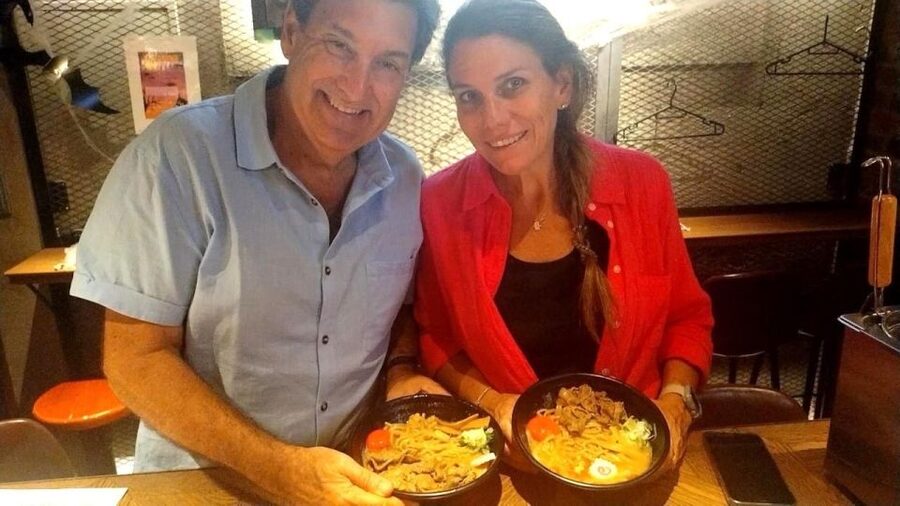
- A one-hour hands-on class: You cook the noodles, prepare the ingredients, choose your soup, and assemble your bowl.
- The broth is made ahead: Ramen soup can take many hours or days to prepare, so this class uses a shortened recipe.
- A meal is included: Your finished ramen is part of the experience, not just a demonstration.
- Located beside Kabukicho sights: Shinjuku Ale is near the Godzilla statue and the busy entertainment district.
- Best for beginners and families with older children: The steps are simple, but children under four are not accepted.
- Check the food restrictions carefully: The soup contains pork, chicken, and beef, and the dish includes gluten.
Making ramen in the heart of Kabukicho
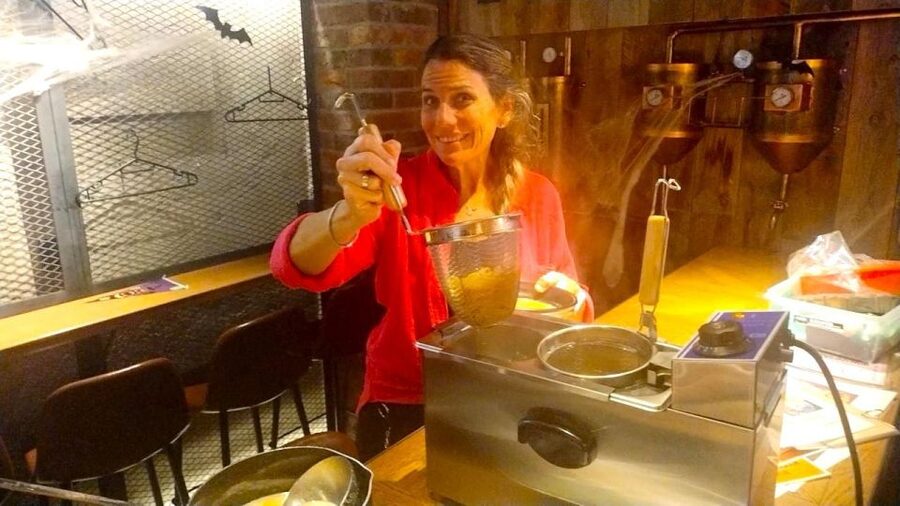
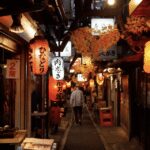
This class takes place at Shinjuku Ale, an upstairs venue in the Kabukicho area of Shinjuku. The location gives the activity a distinctly Tokyo setting. You are not cooking in an isolated studio or a large culinary school. You are in a quirky bar near the Godzilla statue, with the neon-heavy streets of Kabukicho close outside.
That location works well for a short class. You can fit it between visits to Shinjuku sights, shopping, dinner, or an evening walk through the entertainment district. I would allow extra time to reach the building, especially if you are coming through Shinjuku Station. The station is famously complicated, and one participant arrived late after leaving early simply because finding the right route took longer than expected.
The meeting point is Shinjuku Ale. At the venue, tell the staff you are there for the trial reservation. The class takes place on the second floor, and there is no elevator, so this is worth noting before you book.
The overall score is 4.6 from 321 ratings, and the strongest pattern is clear: people value the friendly instructors, easy instructions, and the taste of the final bowl. That is useful context. You are paying for a relaxed food activity in central Tokyo, not a full professional ramen apprenticeship.
A few more Tokyo tours and experiences worth a look
What happens during the one-hour class
The session begins with an explanation of ramen and its place in Japanese food culture. You learn that a bowl is built from several parts: noodles, soup, meat, eggs, vegetables, and other toppings. The introduction also explains why a proper ramen recipe cannot be completed in an hour.
The real soup and noodle process can take many hours or several days. The class shortens that process so you can take part in the practical steps and eat your meal during the same visit. This explanation helps set fair expectations. You are learning the structure and techniques of ramen, but you are not spending a day making stock or waiting for dough to develop.
Next comes the hands-on cooking. You choose your soup, boil the noodles, and prepare the ingredients for your bowl. The guides walk you through each stage, so you do not need previous cooking experience. Instructions are designed to be easy to follow, and beginners are given close help.
The final stage is assembly. You add the ingredients to your bowl, adjust the balance to suit your taste, and then eat what you have made. That last step gives the class its reward. Instead of watching someone else cook and receiving a sample, you get a proper meal connected to your own work.
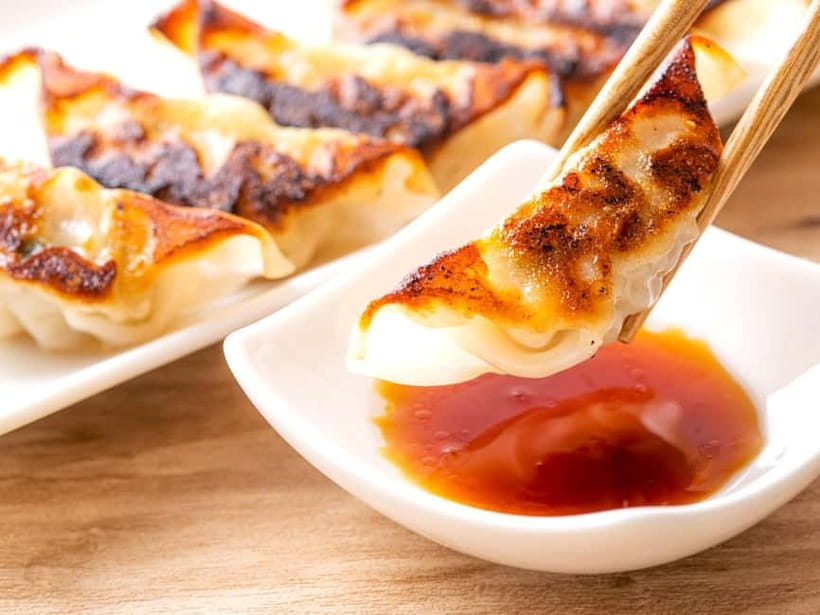
Some sessions may include extra choices at an additional cost, such as gyozas or an alcoholic drink. One booking option included five gyozas per person and a choice of alcoholic drinks. Since extras can affect the final price, check the selected package before paying if you are keeping to a strict budget.
The broth is the main limitation
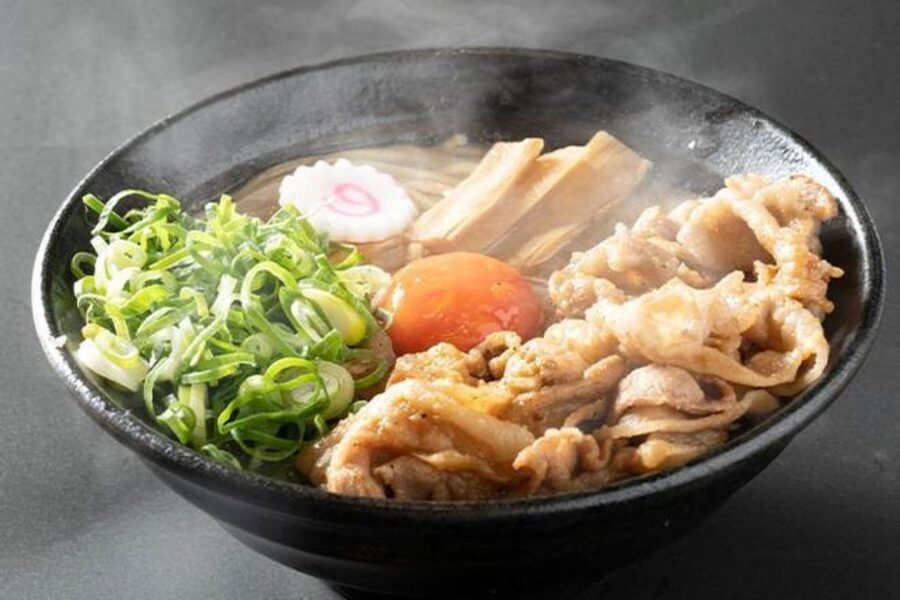
The most important thing to understand is that you do not make the ramen broth from its raw ingredients during this one-hour class. The broth is prepared beforehand because a full stock takes too long for a short activity.
That may disappoint you if your main goal is to learn a complete broth recipe. One participant enjoyed the rest of the class but wished the stock-making stage had been included. Another noted that the ramen preparation was a shortened version because the real process can take around 14 hours.
Still, the explanation of the full process gives the class useful context. You learn what the soup contributes to the bowl and how the components work together. You also handle the stages that fit the time available, including noodles, toppings, and final assembly.
The soup contains pork, chicken, and beef, and the recipe is secret. The available information does not identify every ingredient or allow staff to provide the full formula. If you have allergies or strict dietary needs, contact the provider before booking rather than relying on the class to adjust the soup.
A few people found the broth salty. That is a matter of taste, but it is worth bearing in mind if you prefer mild food. On the positive side, you can choose your soup and customize the bowl with your preferred toppings, and one participant particularly enjoyed making a spicy version.
Friendly guides make the class work
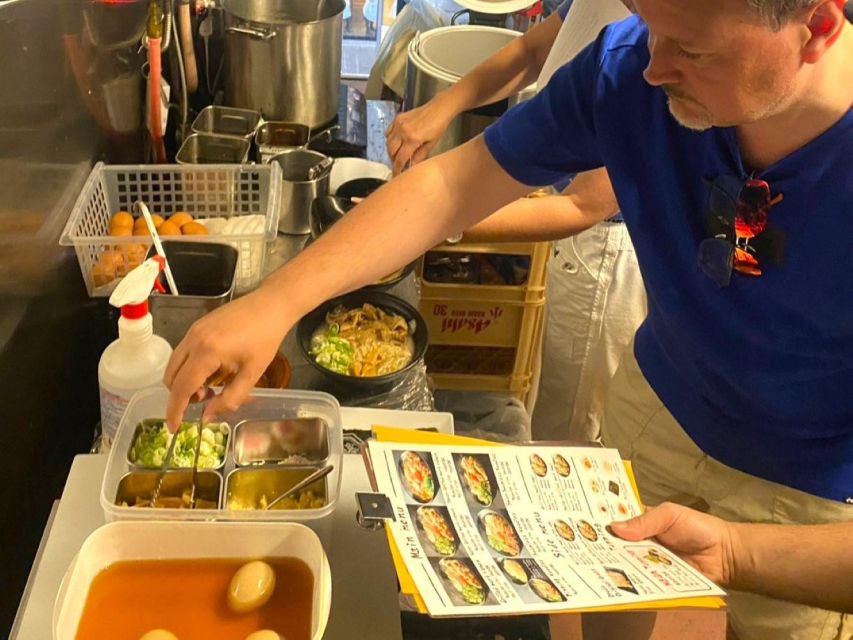
The instructors are central to this experience. Names that come up include Tak, Kai, Hinata, Mikhail, Nina, Chihiro, Shuma, and Michail. The teaching style appears to vary by guide, but the common thread is patient, personal help.
Tak has helped individual participants and families, including a 10-year-old who needed assistance. Hinata has explained the difference between the complete ramen process and the shorter class version while chatting with participants. Mikhail has been praised for explaining techniques and tips in a lively, easy-to-follow way.
English ability may vary. Some staff speak very good English, while others may use a translation machine. You should not expect every explanation to be delivered in polished English, but the practical nature of the class makes the steps fairly easy to follow. Demonstration, simple instructions, and hands-on guidance do much of the work.
The small group size is a real advantage. Groups can be limited to six, and some sessions have had only one or four participants. That gives you more chances to ask questions about ramen, Japanese food, or places to visit in Tokyo. Several guides also offer sightseeing and food suggestions during the class.
I would choose this over a large demonstration if you want conversation and personal attention. The tradeoff is that the experience can depend somewhat on who leads your session and how comfortable the group is with English.
What you actually eat
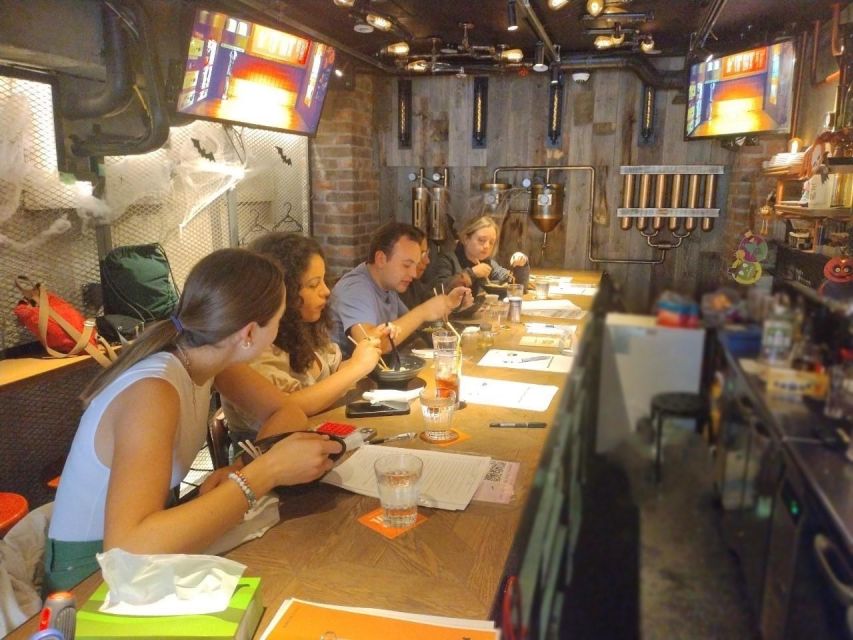
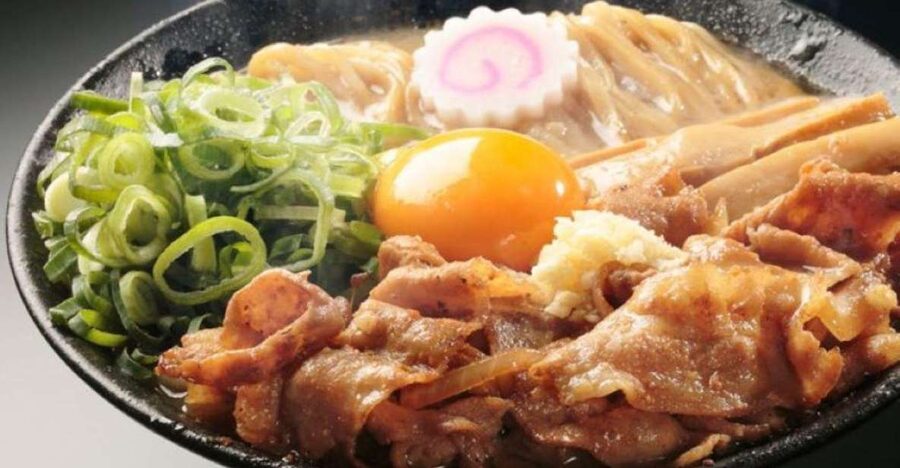
Your finished bowl includes ramen noodles, soup, and selected ingredients such as meat and vegetables. The exact choices can vary, but the class lets you decide how to assemble the dish rather than handing you an identical bowl.
That customization matters. Ramen is not one fixed recipe. The soup, noodles, toppings, seasoning, and cooking time all affect the result. By choosing your soup and building the bowl yourself, you get a clearer sense of how these parts shape the finished dish.
The meal is also filling. One participant described the ramen as delicious and substantial, while others said the bowl was among the best ramen they had eaten in Tokyo. Those are personal judgments, of course, but the consistent point is that the food is more than a token sample.
Water is available, and takeaway containers may be offered for food. Bottled drinks are not included, and additional food or drinks cost extra. Alcoholic drinks are available only to people aged 20 or older under Japanese law.
If you have a very specific idea of ideal ramen, keep an open mind. The broth may be saltier than you prefer, and you cannot inspect the secret recipe. The value here is the combination of a good meal and the chance to assemble it yourself.






Is the $29 price good value?
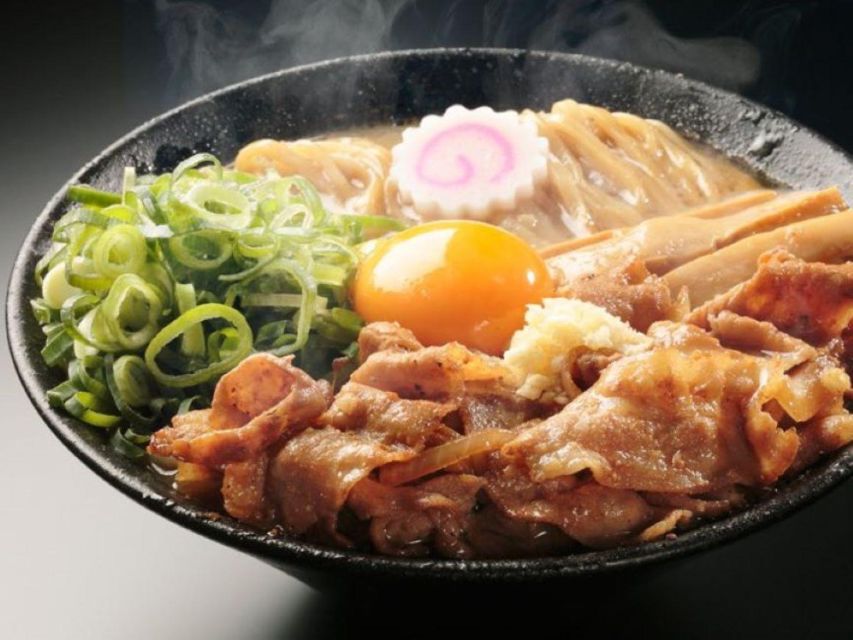
At $29 per person, the experience is reasonably priced for central Tokyo, especially because it includes a meal and guided instruction. You are not only paying for a bowl of ramen. You are also paying for the venue, the preparation work done in advance, the ingredients, the guide’s time, and a short cultural lesson.
The price makes the most sense if you enjoy food activities and want something more active than visiting another restaurant. It is also useful for a family or couple looking for a compact activity that does not consume half a day.
The value is weaker if you only want the cheapest bowl of ramen in Shinjuku. You can eat ramen elsewhere for less than the full activity price, and this class does not teach every stage from raw ingredients to finished broth.
Possible extras need attention. Gyozas, alcohol, and other add-ons may not be part of the basic price. One participant wished the extra costs had been made clearer, so check the package details before booking.
Free cancellation is available up to 24 hours in advance for a full refund, and you can reserve now and pay later. Those policies help if your Tokyo schedule is still shifting, but late changes remain subject to the stated cancellation rules.
Who should book this ramen class?

This is a good match for first-time cooks. The method is broken into manageable steps, and you receive help as you work. You do not need to know Japanese cooking techniques or have experience making noodles.
It also suits food-focused visitors who want to understand ramen beyond the usual restaurant meal. The class explains why the broth takes so long, how the bowl is put together, and how toppings affect the finished dish.
Families with school-age children and teenagers can enjoy it, provided the child meets the age rules and has adult supervision. Children under four are not accepted. Anyone under 20 must be accompanied by a parent or guardian, and underage drinking is prohibited.
The class is not suitable for vegans, vegetarians, or people with gluten intolerance. The soup contains pork, chicken, and beef, and the ramen uses wheat-based noodles. People with other dietary restrictions should ask about ingredients before making a reservation.
I also like this as a rainy-day or early-evening plan. The one-hour duration is short enough to fit around other Shinjuku plans, and the location puts you close to more food and entertainment afterward.
Practical tips for finding the venue
Shinjuku Station has many exits and underground passages, so do not cut your arrival time too close. Give yourself room to get oriented and find Shinjuku Ale without rushing.
The class is upstairs, with no elevator. Keep that in mind if anyone in your group has trouble with stairs or is carrying bulky luggage.
Bring an ID card. A copy is accepted. This requirement is easy to overlook, particularly if you are carrying only a phone and hotel key.
At the entrance, explain that you are making a trial reservation. If you arrive late, contact the provider as soon as possible. Staff have sometimes been flexible, but you should not assume that a delayed arrival can always be accommodated.
After the class, you can continue around Kabukicho and the Godzilla statue area. Some sessions even coincide with the sounds and colorful activity of the surrounding entertainment district, which adds a memorable Tokyo touch without requiring another organized tour.
Should you book it?
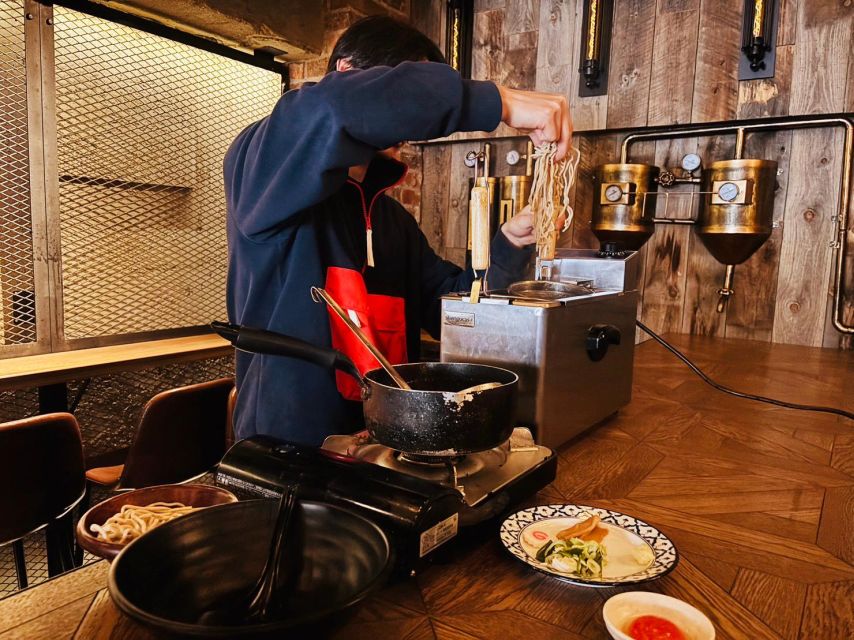
Book this ramen class if you want a short, social, hands-on food activity with a meal at the end. The guides provide patient instruction, the groups can be intimate, and the central Shinjuku location makes it easy to add to a sightseeing day.
Do not book it expecting to make ramen completely from scratch. The broth and noodles are partly prepared ahead, and the soup contains pork, chicken, and beef. If you accept that this is a practical one-hour introduction rather than a full culinary course, the $29 price is fair and the experience offers more than simply eating at a ramen shop.
FAQ
How long does the ramen cooking experience last?
The experience lasts one hour, including the introduction, cooking steps, assembly, and eating your finished ramen.
Where does the class take place?
The class takes place at Shinjuku Ale in Kabukicho, Shinjuku, Tokyo. The meeting point uses the Google Plus Code provided with the booking information.
Is the ramen broth made during the class?
No. The broth is prepared in advance because making a full ramen soup can take many hours or days. The class uses a shortened recipe so you can cook and eat within about an hour.
What parts of the ramen do I prepare?
You choose your soup, boil your noodles, and add the ingredients and toppings to your bowl. The guides explain the process step by step.
Is a meal included?
Yes. The ramen you prepare and eat is included. Bottled drinks, additional meals, and extra drinks are not included.
Does the soup contain meat?
Yes. The soup contains pork, chicken, and beef. The recipe is secret, so the full list of soup ingredients is not provided.
Is the class suitable for vegetarians or vegans?
No. The experience is not suitable for vegans or vegetarians. It is also not suitable for people with gluten intolerance.
Can children join the class?
Children under four are not suitable for this experience. Participants under 20 must be accompanied by a parent or guardian. A 10-year-old has taken part with help from a guide.
Is the venue accessible by elevator?
No. The class is on the second floor, and there is no elevator.
What should I bring?
Bring an ID card. A copy of the ID is accepted.
Can I cancel my booking?
You can cancel up to 24 hours in advance for a full refund. Reserve-now, pay-later booking is also available.
More Shinjuku Tours in Tokyo
More tours in Tokyo we've reviewed












Shinjuku Tours, compared.
 ★ 5.0Tokyo: Shinjuku Food Tour (13 Dishes at 4 Local Eateries)From $86
 ★ 5.0Tokyo Bar Hopping Tour in Shinjuku (All-You-Can-Drink + Dinner)From $106
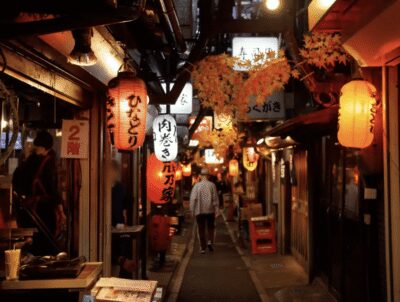 ★ 4.9Tokyo: Shinjuku Local Bar and Izakaya Guided Walking TourFrom $343 hours
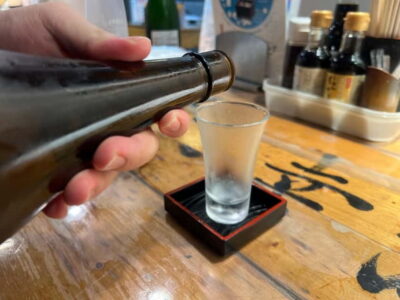 ★ 4.9Tokyo: Shinjuku Food Tour (13 Dishes and 4 Eateries)From $97
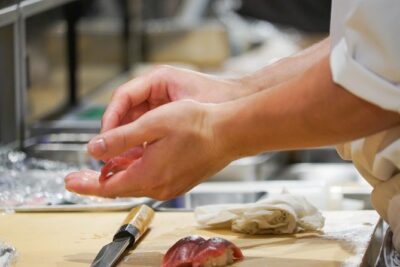 ★ 5.0Tokyo Night Foodie Tour in Shinjuku – Seasonal Sushi, Wagyu BeefFrom $111
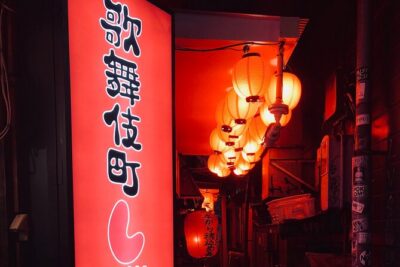 ★ 5.0Tokyo: Shinjuku Local Bar & Izakaya Crawl TourFrom $39