Reviewed · TEA CEREMONY & MATCHA
Privately visit local home for relax tea ceremony &music, Tokyo
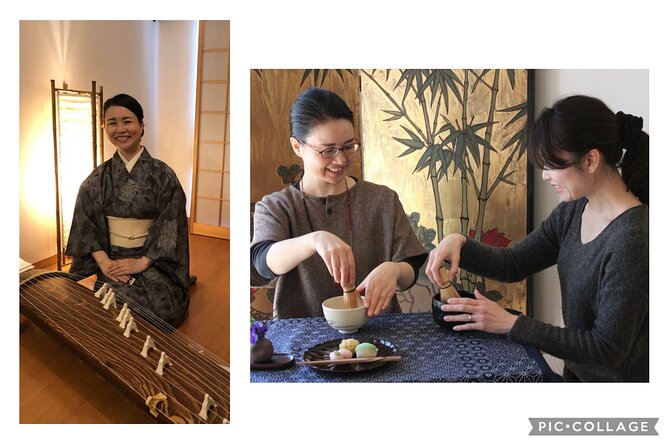
The most special part of this experience is its setting: you enter Noriko’s private home rather than a formal cultural center. She explains the tea ceremony in plain terms, lets you make your own matcha, answers questions about Japan, and then plays the koto before handing you the picks. I like the friendly, no-strict-rules approach and the chance to try an instrument most visitors only see behind glass. The small seasonal sweets also give the tea portion a thoughtful Japanese touch.
In This Article
- Key points to know before booking
- A private home visit near Tokyo Station
- Tea ceremony without stiff rules
- Two koto pieces, then your turn
- The optional yukata adds a visual memory
- What the two-hour format really gives you
- Is $81 a fair price?
- Who will enjoy this home experience most?
- Practical details that shape the visit
- How I would plan the day
- Should you book this tea and koto visit?
- FAQ
- Where does the experience begin?
- How far is Shin-Urayasu Station from Tokyo Station?
- How do I get from the station to Noriko’s home?
- How long does the standard experience last?
- Is this a private activity?
- What happens during the tea ceremony?
- Will I get to play the koto?
- Can I wear a yukata?
- What is the cancellation policy?
I also like the short trip from central Tokyo, with Shin-Urayasu Station about 20 minutes from Tokyo Station and the home a three-minute walk away. The main consideration is location: Shin-Urayasu is in Urayasu, Chiba, not central Tokyo, and the optional yukata adds 3,500 yen and extra time. This is a home visit, so it suits you best if you prefer conversation and hands-on culture over a large, polished show.
Key points to know before booking
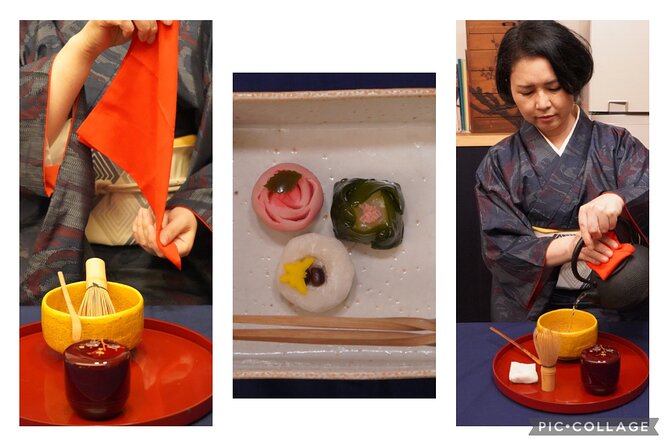
- Noriko hosts the entire visit: You meet at Shin-Urayasu Station and walk together to her cozy Japanese home.
- You make your own matcha: Noriko prepares the first bowl, then guides you through the second.
- Three sweets accompany the tea: You receive two small sweets and one seasonal sweet.
- The koto is both a concert and an activity: Noriko performs two pieces, then helps you play a melody.
- A yukata is optional: Pay 3,500 yen by cash, card, or PayPal for dressing, a simple women’s hairstyle, and photos.
- Your group has the home to itself: This is a private activity, with free cancellation up to 24 hours before the start time.
A private home visit near Tokyo Station
This experience begins at Shin-Urayasu Station, marked JE08, in Urayasu, Chiba. From Tokyo Station, the trip takes about 20 minutes, followed by a three-minute walk to Noriko’s home.
That short journey matters. You get out of central Tokyo without committing to a full-day excursion, yet the experience feels separate from the city’s busy sightseeing circuit. You do need to allow time for the train and meeting point, so this is best planned as part of a morning or afternoon in the Tokyo Bay area rather than squeezed between two attractions on opposite sides of the city.
Noriko meets you at the station and walks with you. This is useful for a first-time visitor because you do not need to search for a private residence on your own. The activity ends back at the meeting point, giving you a clear place to continue your day.
The home setting changes the tone right away. You are not watching a large demonstration from several rows back. You sit in a small, personal setting where you can ask questions about tea, music, history, and everyday Japanese culture. That flexibility is the real value of a private visit.
A few more Tokyo tours and experiences worth a look

Tea ceremony without stiff rules
Noriko begins with a relaxed introduction to the tea ceremony. She explains some of its history, then prepares the first bowl of matcha for you.
The emphasis here is not on testing your manners or making you memorize a long set of movements. You can focus on seeing how the tea is prepared, learning why the steps matter, and tasting the matcha in a comfortable setting. For many people, this is a better first introduction than a strict ceremony where you worry more about making a mistake than enjoying the moment.
You then prepare the second bowl yourself. Noriko guides you step by step, so you do not need previous experience. The hands-on portion is important: preparing matcha gives you a feel for the care and rhythm behind the ritual, rather than leaving you with only a photograph and a short explanation.
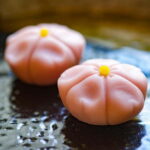
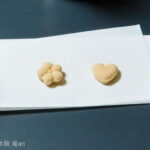
Expect the tea to be accompanied by two small sweets and one seasonal sweet. These are not described as a full meal, so eat beforehand if you arrive hungry. Their purpose is to balance the matcha and introduce a small seasonal detail to the visit.
I like the order of the tea session. You first watch Noriko, then try it yourself. That makes the activity suitable for curious adults, families, and anyone who wants participation without a formal performance. If you already know Japanese tea traditions well, you may find the introductory level basic, but the private format gives you room to ask more specific questions.
Two koto pieces, then your turn
After the tea, Noriko introduces the koto, a traditional Japanese string instrument. She performs two pieces before inviting you to try it yourself.
This is one of the strongest reasons to choose this activity over a standard tea presentation. The music is not just something placed in the background. It has its own section, and you get a direct chance to handle the instrument and attempt a melody.
The experience description notes that you may be surprised by how quickly you can play a melody. That does not mean you should expect a full music lesson. It means Noriko gives you a simple, approachable way to take part after hearing her perform.
For you, the contrast between the tea and the koto is useful. The tea portion shows a quiet, measured practice. The instrument session adds sound, movement, and a small challenge. Together, they create a wider picture of Japanese culture than either activity would offer alone.
A guest previously described Noriko as someone with plenty to share about tea, music, history, and questions about Japan. That matches the format: the best use of this visit is to arrive with things you genuinely want to ask. You might ask about the tea ceremony, the koto, seasonal customs, or differences between formal and informal Japanese settings. The activity is private, so your questions do not need to fit a fixed group script.
The optional yukata adds a visual memory
You can add a cotton yukata experience for 3,500 yen. The price is separate from the main booking, and you should request it when you reserve.
For men, dressing takes about 10 minutes. For women, the process takes about 20 to 30 minutes, including fabric selection, and includes a simple hairstyle. Noriko then helps you take photos.
This option adds time, but it can make the visit feel more complete if you want a traditional outfit for the tea and music portion. It also gives you a clear souvenir in the form of photographs, rather than only a memory of the activities.
The important distinction is that a yukata is cotton and generally more casual than a formal kimono. That makes it a sensible match for this relaxed home visit. You are not being prepared for a formal ceremony or a staged photo session in a major sightseeing venue. You are adding a traditional look to a personal cultural activity.
The extra cost is reasonable if dressing and photos are a priority, but it is not required for the tea and koto experience. I would choose it for a special occasion, a family photo, or a first visit to Japan. If you mainly want to learn about matcha and play the instrument, skip it and keep the two-hour visit simpler.
Because dressing takes extra time, do not assume the experience will remain exactly two hours with the yukata included. Request the option in advance rather than asking at the last minute.
What the two-hour format really gives you
The standard experience lasts about two hours. That is long enough to cover the welcome, walk to the home, tea introduction, two matcha bowls, sweets, koto performance, and your attempt at playing.
The schedule is full but not packed with sightseeing stops. You are spending the time on conversation and participation, which is why the private format matters more here than a long list of attractions.
A two-hour home visit also fits neatly into a Tokyo plan. Since Shin-Urayasu is around 20 minutes from Tokyo Station, you can set aside a half day without giving up an entire day of sightseeing. Still, the meeting point is not in the center of Tokyo, so check your day’s route before booking. The activity ends where it begins, at Shin-Urayasu Station.
The average booking lead time is about 20 days. That suggests you should reserve ahead if your schedule is fixed, especially if you want the yukata option. The experience is recommended for private groups, and group discounts are available, though the exact discount is not specified.





Is $81 a fair price?
At $81 per person, this is not a bargain activity in the narrow sense. You are paying more than you would for a cup of matcha or a short public demonstration.
The value comes from the combination of four things: a private home, direct time with Noriko, instruction rather than observation, and two different cultural activities. You receive a tea explanation, two bowls of matcha preparation, three small sweets, two koto performances, and a chance to play the instrument yourself.
The private setting is especially important. With only your group taking part, you can ask questions that might not suit a large class. You also avoid the impersonal feel of a staged cultural show. For a first visit to Japan, that personal contact can make the price worthwhile.
The value is weaker if you only want a quick photo in traditional clothing, a full meal, or a formal tea ceremony with elaborate procedures. This is not presented as a meal, and the tea ceremony is intentionally informal. The yukata also costs an additional 3,500 yen.
Group discounts may improve the price for several people, but ask for the exact terms before you count on savings. The base price is listed per person.
Who will enjoy this home experience most?
I would recommend this to you if you want to ask questions and take part. It suits visitors who find large group tours tiring, families looking for a manageable cultural activity, and couples who want something quieter than another city landmark.
It is also a good choice if you are curious about more than tea. The koto performance and playing session give the visit a second focus, and Noriko can talk about both music and Japanese customs.
The activity may be less suitable if you want a grand setting, a rigorous ceremony, or a broad tour of Tokyo. You will not be visiting several landmarks. You will be walking from a station to one private home and spending the bulk of your time there.
The informal format should not be mistaken for a lack of structure. Noriko has a clear sequence: welcome, tea history, first bowl, your bowl, sweets, koto performance, and your turn with the instrument. The difference is that you can engage at your own level.
Practical details that shape the visit
You receive booking confirmation at the time of reservation, and a mobile ticket is available. The meeting point is Shin-Urayasu Station at 1 Chome-1 Irifune, Urayasu, Chiba 279-0012, Japan.
Service animals are allowed, and the meeting point is near public transportation. Since the activity takes place in a private home, check any personal mobility or access questions with the provider before booking if you need details beyond the information provided.
The activity is private, meaning only your group participates. That is a major advantage for anyone who wants to control the pace or ask personal questions about Japanese culture.
Free cancellation is available if you cancel at least 24 hours before the local start time. Cancellations or changes made less than 24 hours ahead are not accepted for a refund. Keep that deadline in mind when planning around weather, train schedules, or a changing Tokyo itinerary.
How I would plan the day
I would place this experience on a day when I already have plans near Tokyo Station or the Tokyo Bay side of the city. The 20-minute trip to Shin-Urayasu is easy to fit into a larger plan, but I would not book a distant morning attraction immediately afterward. The home visit has a set duration, and the yukata option makes it longer.
Arrive with a few questions ready. Noriko’s strengths include tea, music, history, and Japanese culture, so you will get more from the private format if you treat it as a conversation rather than a passive show.
Wear something comfortable for the standard visit. If you choose the yukata, request it when booking and allow extra time for dressing, hairstyle, and photos. The option can be paid in cash, by card, or through PayPal.
You should also decide what you want from the visit before paying the added yukata fee. If your goal is an outfit and photos, add it. If your goal is matcha and music, the standard two-hour activity already contains the main experience.
Should you book this tea and koto visit?
Book it if you want a personal introduction to Japanese culture with real conversation, a simple matcha lesson, seasonal sweets, live koto music, and a chance to play. Noriko’s warm hosting and broad range of subjects give the visit more depth than a short demonstration.
Skip it if your priority is a formal tea ceremony, a large cultural venue, or a full meal. Also remember that the meeting point is in Shin-Urayasu, Chiba, rather than central Tokyo.
For most visitors who value a private setting and hands-on activities, $81 is a fair price. Add the yukata only if dressing and photos are central to your plans. The strongest version of this experience is simple: take the train, walk to Noriko’s home, make the tea, listen to the koto, and ask the questions you would not have time to ask in a crowded tour.
FAQ
Where does the experience begin?
It begins at Shin-Urayasu Station, JE08, at 1 Chome-1 Irifune, Urayasu, Chiba 279-0012, Japan.
How far is Shin-Urayasu Station from Tokyo Station?
Shin-Urayasu Station is about 20 minutes from Tokyo Station.
How do I get from the station to Noriko’s home?
Noriko meets you at Shin-Urayasu Station and walks with you for about three minutes to her home.
How long does the standard experience last?
The standard experience lasts approximately two hours.
Is this a private activity?
Yes. Only your group participates.
What happens during the tea ceremony?
Noriko explains some tea ceremony history, prepares the first bowl of matcha, and guides you as you prepare the second bowl. You also receive two small sweets and one seasonal sweet.
Will I get to play the koto?
Yes. Noriko performs two pieces and then gives you the chance to try playing the koto yourself.
Can I wear a yukata?
Yes. The optional yukata experience costs 3,500 yen and includes dressing, a simple hairstyle for women, and help taking photos. Request it when booking.
What is the cancellation policy?
You can cancel at least 24 hours before the local start time for a full refund. Cancellations or changes made less than 24 hours before the start time are not accepted.
More Tea Ceremony & Matcha in Tokyo


More tours in Tokyo we've reviewed






Tea Ceremony & Matcha, compared.
 ★ 5.0Matcha Making Class in Tokyo with Authentic Japanese Sweets SetFrom $21
 ★ 5.0Kimono Tea Ceremony at Tokyo, Asakusa MaikoyaFrom $55
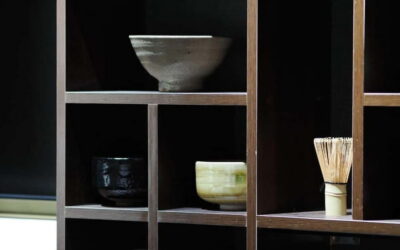 ★ 5.0Tokyo: Traditional Tea Ceremony with a Tea MasterFrom $381 hour
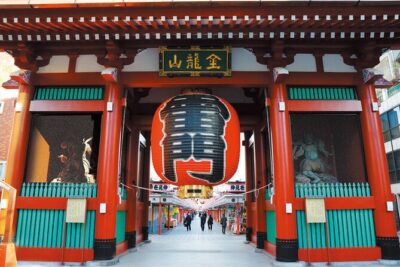 ★ 4.5Dynamic Tokyo: Tokyo Tower, Tea Experience, Bay Cruise Day TourFrom $99
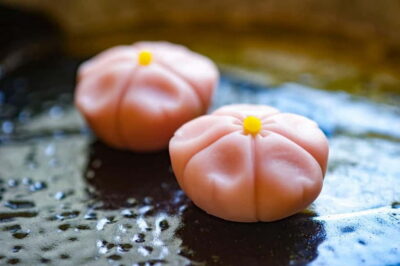 ★ 4.9Tokyo: Matcha Making Experience with Mochi Sweets in AsakusaFrom $221 hour
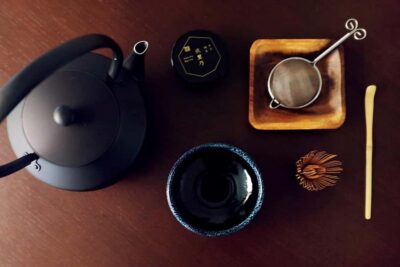 ★ 4.7Tokyo: Matcha and Kimono ExperienceFrom $57