Reviewed · DINNER EXPERIENCES
Authentic Geisha Performance with Dinner in Tokyo
The heart of this evening is not simply watching a geisha perform. You sit down to a Japanese dinner, then share the room with a woman trained in dance, music, hosting, and conversation. There may be games, questions, photographs, and a closer look at a tradition that is rarely easy for visitors to access.
In This Article
- Meeting Geisha in Asakusa
- What Dinner at Sansyūya Is Like
- Dance, Music, and Geisha Games
- How Much Conversation Can You Expect?
- How Authentic Is the Experience?
- Is $239.83 a Fair Price?
- Planning Around the Booking Rules
- Who Will Enjoy This Evening?
- Should You Book the Sansyūya Geisha Dinner?
- FAQ
- Where does the geisha dinner take place?
- What time does the experience begin?
- How long does the dinner and performance last?
- What is included in the price?
- Is transportation included?
- How many people attend?
- Can children attend?
- Is chair seating available?
- Can I request an all-you-can-drink option?
I like the small-group format, which can turn into a surprisingly personal meeting, and I like that the evening combines food with live cultural contact rather than treating the performance as a quick stage show. The main caution is the price, $239.83 per person, especially since the venue, number of geisha, and amount of interpretation can vary.
- A two-hour evening at Sansyūya: The event takes place in a traditional restaurant in Asakusa and begins at 6:00 pm.
- One or more geisha may attend: Availability and group size determine the lineup. Smaller events may have only one geisha.
- Dinner is part of the experience: You receive an elegant multi-course Japanese meal, described as kaiseki, with chair seating by default.
- Conversation is encouraged: An English interpreter helps you ask questions and understand the food, etiquette, performances, and games.
- The address takes care: The venue can be difficult to find, and some people report several flights of stairs.
- Book early and plan carefully: The group may need 6 to 8 people, and the strict cancellation policy makes last-minute changes costly.
Meeting Geisha in Asakusa
This experience takes place at Sansyūya, a traditional Japanese restaurant in Tokyo’s Asakusa area. Asakusa is one of the city’s best places for historic atmosphere, but the restaurant itself may not be obvious from the street. Directions are provided, yet the entrance can still take some hunting.
Google Maps may bring you to the correct building, but you may need to approach from the side and go upstairs. The restaurant entrance is reported to be on the second floor, with the event space reached by another staircase. Give yourself extra time. Arriving at 6:00 pm flustered and late is not the best way to begin a formal Japanese dinner.
The organizer does not provide hotel pickup or transportation. You make your own way there, so check the route before the day of the event. If you do arrive late, call promptly. The host may be able to help, but that should not be your plan.
The event lasts about two hours. That makes it a useful evening booking if you want to keep your daytime open for temples, museums, or shopping. It also means the schedule is fairly compact. You should expect a focused cultural dinner, not a long banquet lasting deep into the night.
What Dinner at Sansyūya Is Like
The meal is an elegant Japanese dining course, described as kaiseki. That usually means a series of carefully presented dishes rather than one large plate, and the dinner is intended to be part of the cultural setting, not just fuel between performances.
Food accounts are mostly positive. Some people found the portions generous, while one person said the meal was not filling enough. This difference may reflect personal appetite, menu variation, or the number and style of dishes served that evening. I would not book this as a bargain dinner. You are paying for the setting, service, performance, interpreter, and access to the geisha as much as for the food.
The menu may include sashimi and other traditional preparations. If you have dietary restrictions, state them clearly in the required Geisha Form and contact the operator well before the date. One serious complaint involved a pregnant diner who requested fully cooked seafood but did not receive food prepared as requested. That is a useful warning: do not assume a special request has been handled simply because you submitted it.
Japanese multi-course food can also challenge unfamiliar palates. You may encounter dishes, textures, or serving styles that are new to you. Keep an open mind, but be realistic about your needs. If you cannot eat raw seafood or have medical dietary requirements, confirm the arrangements directly before committing to the booking.
Chair seating is the default, which is helpful if you are not comfortable sitting on the floor. All seats are non-smoking, with designated outdoor smoking areas. The event is intended for people age 10 and older, and children must attend with an adult.
A few more Tokyo tours and experiences worth a look
Dance, Music, and Geisha Games
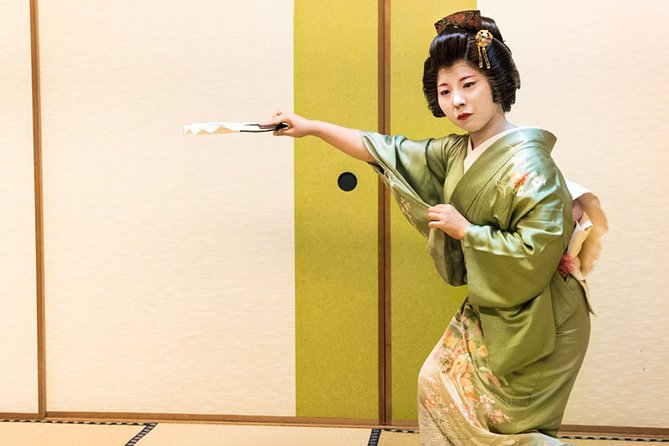
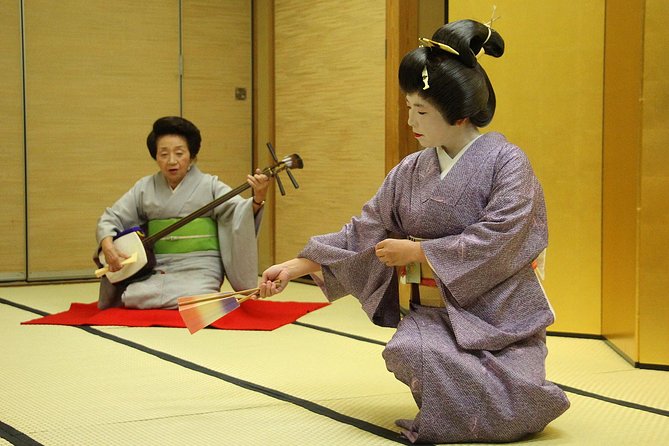
The performance can include traditional dance, shamisen or other musical elements, fan work, and drum songs, depending on the geisha attending. The exact program is not fixed in the information provided, so you should think of this as a hosted cultural evening rather than a guaranteed theater production with a printed running order.
The performance is often only part of the appeal. The geisha may invite you to play traditional drinking or dexterity games. These are light, social moments that help break the formality of the evening. You might lose every round, as one participant cheerfully did, but that is part of the fun.
The games also show why a geisha is more than a dancer in costume. The role involves entertaining, reading a room, managing conversation, and keeping a group involved. The strongest part of the evening may be the transition from watching to participating.
You may also have time for questions about training, modern geisha life, customs, and the role of traditional arts. The interpreter is important here. Several interpreters have been praised for explaining etiquette, menu items, and the purpose of each activity. Names connected with particularly well-regarded evenings include Mami H, Musuko Igarashi, and guides working with geisha Yukimi, Kodemari, and Ponco. Staff assignments are not guaranteed, so treat these as examples rather than promises.
How Much Conversation Can You Expect?
An English interpreter is included, and that changes the experience considerably. Without help, conversation with the geisha would be limited. With a good interpreter, you can ask about training, performance, daily life, and the customs behind the games.
The quality of interpretation may vary. Some people describe energetic, clear explanations, while one unhappy account says that little was translated and meaningful conversation was difficult. That matters because the personal exchange is a major reason to pay this price.
Group size plays a role. The event is generally designed for about 6 to 20 people, with a maximum of 15 listed for this activity. A smaller gathering may give you more time to ask questions. In fact, some bookings have ended up with only two diners, one interpreter, and one geisha. That can be wonderfully personal, although it may also mean the evening feels less like a full performance.
For events with fewer participants, only one geisha may attend. During busy periods, availability can also limit the lineup. If you want a private event, that option may be available, and booking two geisha is recommended for private groups larger than five people. Ask what is confirmed for your date instead of assuming the photographs or general description show the exact arrangement you will receive.
How Authentic Is the Experience?
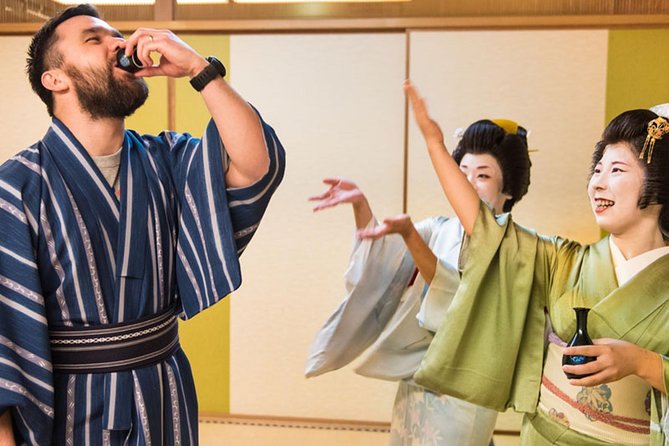
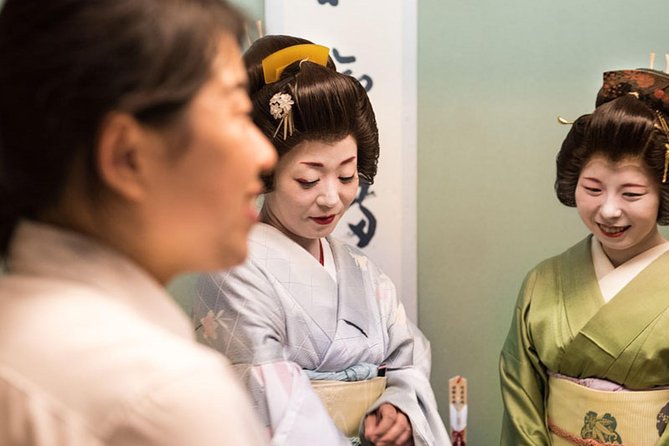
You will meet a real geisha trained in traditional arts, and the dance, music, etiquette, and hosting are genuine elements of the culture. The experience offers access that is hard to arrange independently, especially if you do not speak Japanese or have a personal connection to a traditional restaurant.
Still, authenticity has layers. This is a packaged cultural evening arranged for international visitors. It is not the same as being invited into a private ozashiki gathering through local connections. One dissatisfied diner felt that the event did not explain enough about geisha history, training, or modern practice, and found the presentation and food poor for the price.
I think your expectations should be precise. Book this to meet a geisha, enjoy a traditional dinner, see live arts, and take part in friendly games. Do not book it expecting a full academic lecture on the geisha world or a lavish luxury banquet. If you want historical background, pair this evening with a museum visit or a guided walk focused on Japanese performing arts.
The experience is most meaningful when you treat the geisha as a working artist and host, not as a costume prop. Ask thoughtful questions, follow the interpreter’s etiquette advice, and remember that the social exchange is part of the performance.
Is $239.83 a Fair Price?
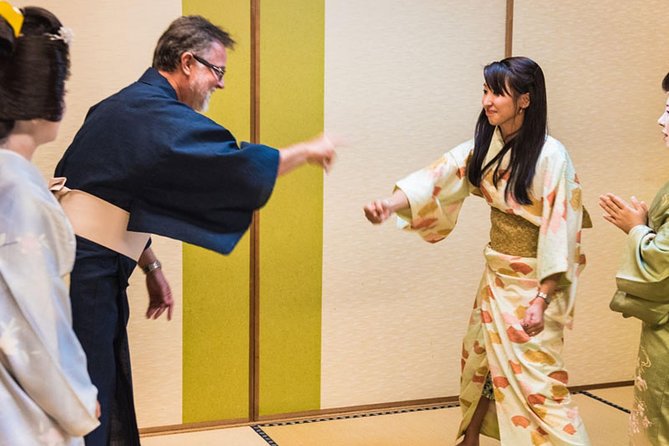
At $239.83 per person, this is one of the more expensive evening activities you can book in Tokyo. The price includes the dining course, geisha entertainment, English interpretation, photographs, and commemorative moments. It does not include transportation or gratuities.
I see the value if access is your priority. A standard dinner and a dance performance can cost much less, but they do not give you the same chance to talk with a geisha or join traditional games. The fee covers coordination, a licensed Japanese tour operator, restaurant arrangements, interpretation, and performers.
The value is weaker if you mainly want a filling meal or a polished stage show. Food quality and portions may not satisfy every diner, and the number of performers can change. If your evening includes only one geisha and limited interpretation, the cost may feel high.
Group discounts are available, though the amount is not specified. Groups of 10 or more can request nomihodai, or all-you-can-drink service, for 2,900 JPY per person in cash at the venue. This option is not available for groups of nine or fewer. Ask for it when booking if your group qualifies.
A few more Tokyo tours and experiences worth a look

Planning Around the Booking Rules
Book early. The operator recommends about three months ahead, or at least one month before your trip. The company may need time to arrange the restaurant, performers, interpreter, and group size.
Your reservation is not fully secure until availability is confirmed. The dinner may require six to eight people, and you can initially be placed on a waiting list until enough people confirm the same date. You may instead be asked to choose another day. Confirmation about this issue is expected at least five days before the activity.
After booking, you receive a Geisha Form within 24 hours. Complete it accurately at least 10 days before the event. This is especially important for names, dietary needs, seating requests, and other details needed to arrange the evening.
The cancellation terms are strict. A cancellation 30 days or less before the event may incur a 25 percent fee, 21 days or less may incur 50 percent, and 14 days or less may incur 100 percent. The separate cancellation statement says the experience is non-refundable and cannot be changed for any reason, so read the exact terms at checkout and do not book until your date is firm.
The event is not described as fully accessible. Stairs may be required, and chair seating does not remove the need to reach the room. Contact the operator before paying if stairs or mobility are a concern.
Who Will Enjoy This Evening?
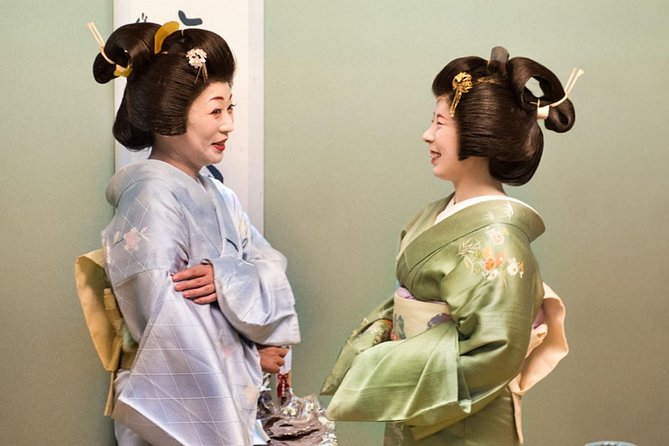
I would recommend this to someone who wants a rare cultural meeting and is willing to pay for access, hosting, and interpretation. It suits couples looking for an unusual date night, families with children age 10 or older, and first-time visitors who want a guided introduction to geisha arts.
It is also a good choice if you have a free evening in Tokyo and do not want to spend another night in a crowded entertainment district. The Asakusa location and traditional meal give the night a clear Japanese setting.
I would be cautious if your main concern is dietary control, accessibility, or strict value for money. I would also hesitate if you expect two or more geisha, a large-scale music program, or a detailed history lesson. Those elements may be present in some forms, but they are not guaranteed for every date.
Should You Book the Sansyūya Geisha Dinner?
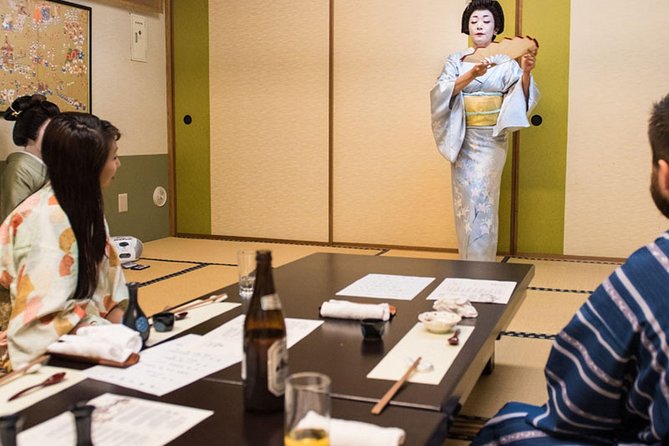
Book it if you want personal contact with a geisha, a traditional meal, live dance and music, and a chance to ask questions through an interpreter. The strongest evenings seem to come when the group is small, the interpreter is active, and the geisha has time to talk as well as perform.
Before booking, confirm the likely number of geisha, venue access, dietary arrangements, and whether your date has enough people to proceed. If those details work for you, this can be one of Tokyo’s most unusual nights. If you want a lower-cost cultural show or have strict food and mobility requirements, choose a different activity.
FAQ
Where does the geisha dinner take place?
The event takes place at Sansyūya, a traditional restaurant in Tokyo’s Asakusa area.
What time does the experience begin?
The listed start time is 6:00 pm.
How long does the dinner and performance last?
The experience lasts approximately two hours.
What is included in the price?
The price includes an elegant Japanese dining course, geisha performance and entertainment, an English interpreter, photo opportunities, and commemorative moments.
Is transportation included?
No. Transportation to and from the restaurant, hotel pickup, and hotel drop-off are not included.
How many people attend?
The event is designed for about 6 to 20 people, with a maximum of 15 listed for this activity. Smaller events may have only one geisha.
Can children attend?
Yes. Children must be at least 10 years old and accompanied by an adult.
Is chair seating available?
Yes. Chair seating is the default unless another arrangement is specified.
Can I request an all-you-can-drink option?
Groups of 10 or more can request nomihodai for 2,900 JPY per person, payable in cash at the venue. It is not available for groups of nine or fewer.
More Dinner Experiences in Tokyo
More Dining Experiences in Tokyo
More Shows & Performances in Tokyo

More tours in Tokyo we've reviewed












Dinner Experiences, compared.
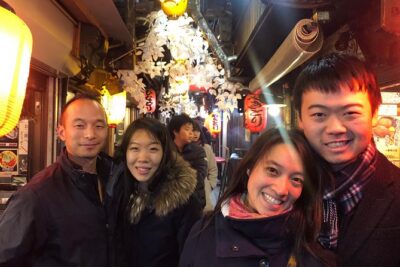 ★ 5.0Tokyo Bar Hopping Tour in Shinjuku (All-You-Can-Drink + Dinner)From $106
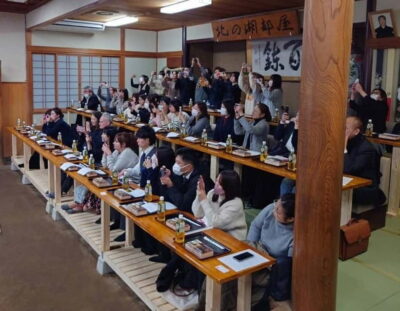 ★ 4.8Tokyo: Sumo Show and Dining ExperienceFrom $7990 minutes - 2 hours
 ★ 4.6Sumida River: Japanese Traditional Yakatabune Dinner CruiseFrom $1032h 30m
 ★ 4.7Tokyo: Yakatabune Dinner Cruise with Japanese Show & DrinksFrom $104
 ★ 4.5Tokyo Bay Yakatabune Dinner/Day Cruise with Japan Show and DrinksFrom $65
 ★ 4.7Tokyo Bay: Traditional Japanese Yakatabune Dinner CruiseFrom $1083 hours