Reviewed · NIKKO DAY TRIPS
Nikko Heritage & Nature Day Trip from Tokyo
Nikko gives you Japan in two strong strokes: ornate Toshogu Shrine in a cedar forest, then Kegon Falls and Lake Chuzenji high in the mountains. The private vehicle makes it possible to connect these spread-out sights in one long day without wrestling with several trains and buses.
In This Article
- Key points to know
- Why Nikko works as a day away from Tokyo
- Tokyo pickup and the long road to Nikko
- Toshogu Shrine and the cedar-lined approach
- Shinkyo Bridge and the Daiya River
- Irohazaka Road and the climb into the mountains
- Kegon Falls from the forested gorge
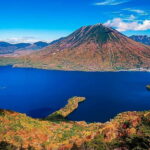
- Lake Chuzenji at the foot of Mount Nantai
- Lunch near the lake, with one important request
- Kanmangafuchi Abyss if time remains
- What the private format does well
- Price, timing, and the real value
- Who should book this Nikko day trip
- Final call: a smart choice for a full Nikko day
- FAQ
- How much does the Nikko Heritage and Nature Day Trip cost?
- Where is pickup available?
- How long does the day trip take?
- Is this a guided tour?
- What sights are included in the route?
- Are entrance tickets included?
- Is lunch included?
- What languages are available?
- Can the itinerary be adjusted?
- Can I cancel the booking?
I like the door-to-door service and the freedom to set your own pace. Drivers such as Asif, Adeel, Junaid, Waheed, and Mohsin have helped with photos, tickets, meal choices, and route changes. The main drawback is the distance: allow about 2.5 hours each way in average traffic, with winding mountain roads and possible delays.
Key points to know
- Toshogu Shrine sets the cultural tone: Expect elaborate buildings, cedar trees, and an important Tokugawa-era site.
- Kegon Falls is the dramatic nature stop: Water drops nearly 100 meters into a forested gorge.
- The private van saves valuable time: Your driver can drop you near busy sights and return for pickup.
- Lake Chuzenji offers a quiet change of pace: Plan a calm lakeside break after the waterfall.
- Lunch and admission cost extra: Ask ahead for Japanese, vegetarian, or halal food, and budget for shrine and attraction tickets.
- The day is long but flexible: This works best for families and small groups who value comfort over a low-cost rail itinerary.
Why Nikko works as a day away from Tokyo
Tokyo is exciting, but it can also leave you craving trees, open air, and a slower rhythm. Nikko provides all three without requiring an overnight stay. The town and mountain area combine major religious sites with steep forested valleys, a lake, and one of Japan’s most famous waterfalls.
This is not a simple shrine visit. The sights are spread across different parts of Nikko, so the private vehicle matters. You can move from central Nikko to the higher Lake Chuzenji area without changing trains or waiting for a local bus. For a group of up to six, the $391 price works out to about $65 per person if the vehicle is full, before admission and meals.
For two people, the price feels much less like a bargain. Still, you are paying for a private car, fuel, parking, hotel pickup and drop-off, Wi-Fi, and the ability to adjust the day. That can be useful during crowded periods, when parking and public transport take extra time.
The service is transportation with an English-speaking driver, not a formal guided tour with a dedicated cultural guide. Some drivers provide useful background and practical help, but the amount of historical explanation may vary. If you want detailed interpretation of every building, read about Toshogu before you go or arrange a separate guide.
A few more Nikko tours and experiences worth a look


Tokyo pickup and the long road to Nikko
Pickup is available from accommodations, including Airbnb addresses, within Tokyo’s 23 wards. Airports and ports are not included, so you need to begin from a hotel or other accommodation in the eligible city area.
The vehicle is air-conditioned and private. That makes a real difference when you are traveling with children, older adults, or a mixed-age group. You can leave bags in the vehicle, avoid station stairs, and return to a known driver after each stop. Wi-Fi is also included.
Several drivers have been praised for arriving on time and confirming the pickup details in advance. That small bit of communication matters when you are leaving Tokyo early and facing a full schedule. Drivers have included Harry, Junaid, Adeel, Asif, Waheed, Mohsin, Manjeet, Rashid, Surfi, Honey, and others, so the exact person depends on assignment.
The drive takes about 2.5 hours each way with average traffic. That means roughly five hours can disappear before you count sightseeing. Golden Week and other busy periods may add more time, so an early start is wise. This is a full-day outing, not a relaxed two-stop excursion.
Toshogu Shrine and the cedar-lined approach
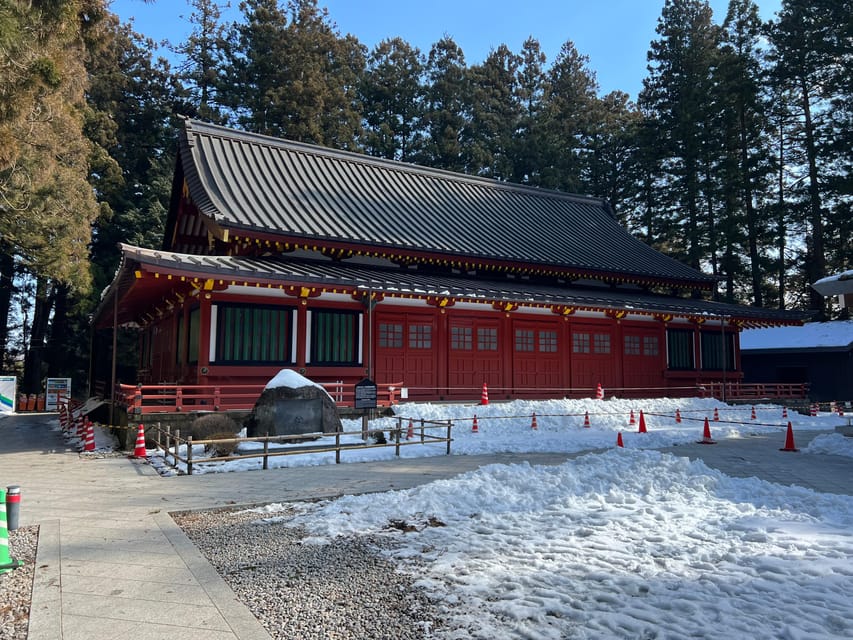
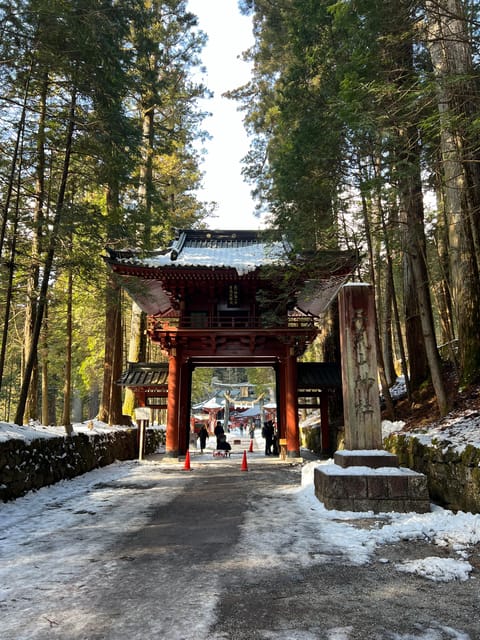
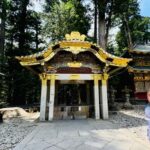
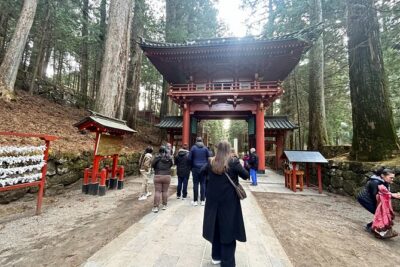
Toshogu Shrine is the cultural heart of the day. It honors Tokugawa Ieyasu, the founder of the Tokugawa shogunate, and forms part of Nikko’s UNESCO-listed heritage area. The setting is as important as the buildings: tall cedar trees frame the approach and give the complex a solemn, shaded feel.
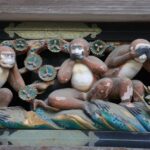
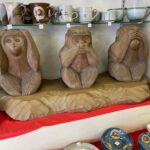
Inside, expect highly decorated gates, carvings, and layered shrine buildings rather than the spare simplicity found at some Japanese religious sites. The famous animal carvings, including the three wise monkeys, are among the details people look for, but the larger impression comes from the sheer concentration of decoration.
Your driver will take you to the area, but Toshogu entry is not included. Admission charges also apply at other attractions, so carry a little time and money for ticket lines. During Golden Week, one visitor reported a ticket queue stretching around 200 meters. That is a useful warning: the shrine can be crowded, and the schedule may need to bend around admission lines.
Give yourself enough time here. A quick walk through the gate area will not do justice to the site, but lingering too long can squeeze the mountain stops later. This is where the driver’s flexibility helps. You can tell your driver if the shrine is your main priority, then shorten another stop if needed.
The historical information may be fairly light because the included service is not a formal guide. One visitor found the driver helpful but sometimes difficult to understand in English, especially when discussing a long and complicated history. A little reading beforehand will help you make sense of what you see.
Shinkyo Bridge and the Daiya River
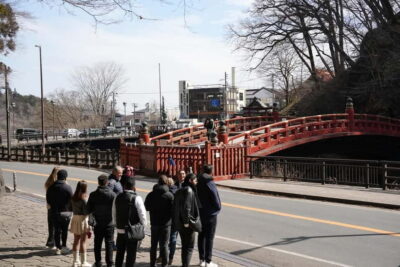
Shinkyo Bridge is a compact stop with strong visual appeal. Its red lacquered structure crosses the Daiya River at the edge of the historic area, backed by trees and mountain scenery. It is one of those places where a few minutes can produce a memorable photograph.
The bridge is close to Toshogu, so it fits naturally before or after the shrine. Your driver can point out the stopping area and help with photographs. Several drivers have been praised for taking pictures at different spots, which is especially useful when your group wants a photo together.
Do not expect a long activity here. Shinkyo is mainly a scenic and historic photo stop, and the surrounding road can be busy. Treat it as a short pause rather than a major chapter of the day.
Irohazaka Road and the climb into the mountains
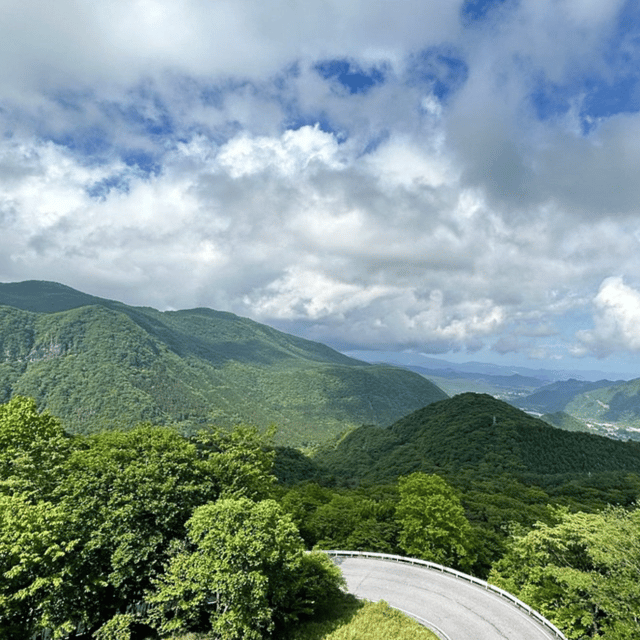
After the central sights, the route follows Irohazaka Road toward the upper Nikko area. This mountain road is known for its bends and forest views as it climbs toward Lake Chuzenji.
The drive itself is part of the outing, but it is also where motion-sensitive passengers may feel the trip. The road is winding, and the full route includes a long ride back to Tokyo. If you are prone to carsickness, sit where you usually feel best, keep water close, and tell the driver if you need a brief pause.
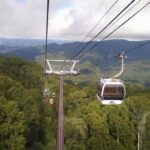
Some groups add the Akechidaira Ropeway near the mountain road. It is not listed as an included attraction, and any ropeway ticket costs extra, but one group used the cabin for mountain views and found it a memorable addition. Treat this as an optional choice that depends on traffic, weather, and the time left in your schedule.
The private setup is especially useful here. A driver can manage the road while you watch the forest and valleys, rather than trying to work out a bus connection in an unfamiliar mountain area.
Other historical tours in Nikko

Kegon Falls from the forested gorge
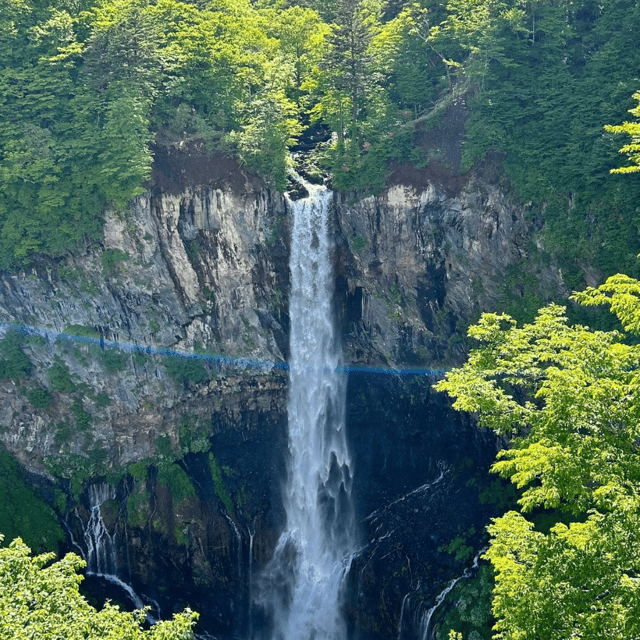
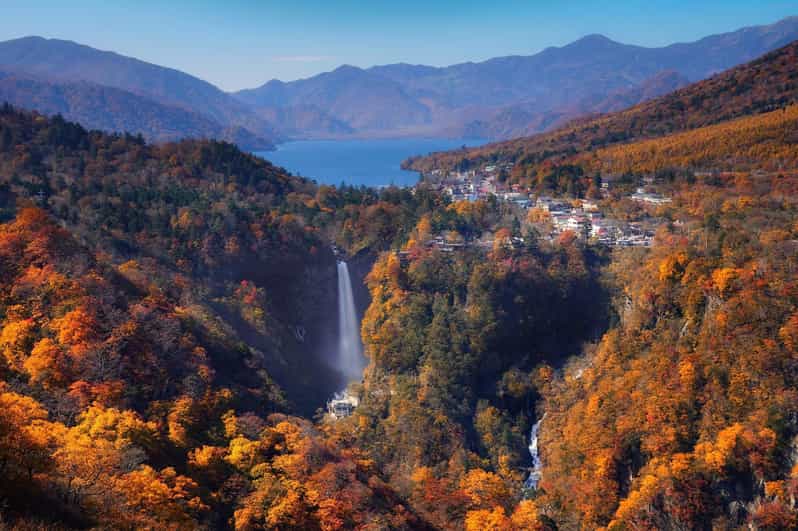
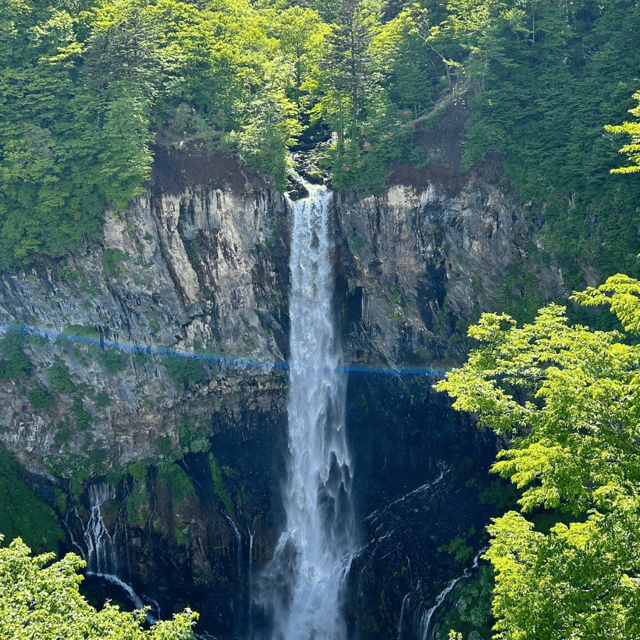
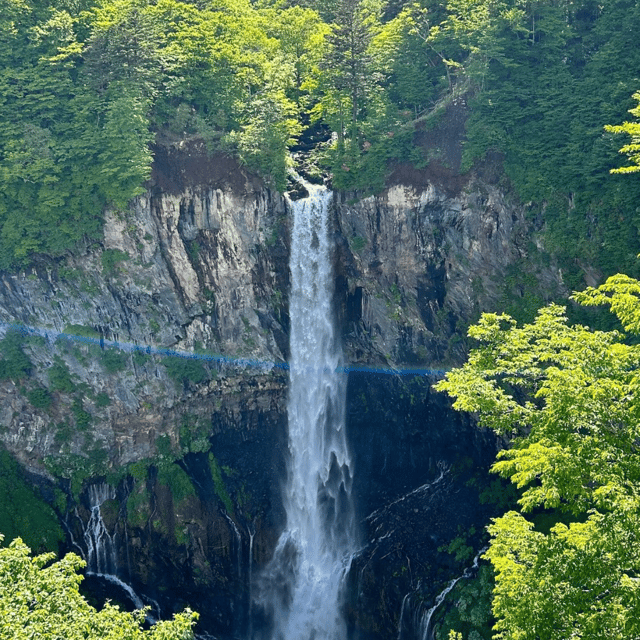
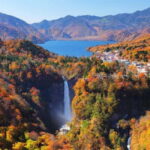
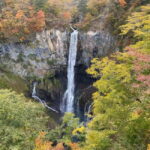
Kegon Falls is the day’s most forceful natural sight. Water from Lake Chuzenji plunges nearly 100 meters into the gorge below, creating a sharp contrast with the quiet shrine grounds.
The waterfall stop is usually fairly direct. You walk from the parking area toward the viewing point, take in the drop, and photograph the falls from above. One group spent about 20 minutes here, while another driver walked with the group to help them find good photo angles.
The falls can be especially impressive when the water is strong and the air is clear, but the view depends on weather. Clouds, rain, or mist may soften the distant scenery. Even so, the scale of the gorge gives the stop weight.
Admission to any viewing facility is not included. Check the amount of time you want to spend before buying extra tickets, since the day already contains several paid options. If the waterfall is a priority, tell your driver early so it does not get squeezed by a long shrine visit or lunch.
Lake Chuzenji at the foot of Mount Nantai
Lake Chuzenji provides the day’s quietest pause. It sits at the foot of Mount Nantai, surrounded by mountain scenery and cooler air than central Tokyo. After Toshogu’s carved surfaces and Kegon Falls’ loud drop, the lake gives you room to slow down.
You can use this stop for a short walk, photographs, or simply a break by the water. Some visitors also take a boat ride, with tickets purchased separately. A private driver can help you find the correct place to buy tickets and return to the vehicle when you are done.
The lake is not a major activity in itself, and the amount of time here depends on your interests. Families may prefer a short lakeside visit before lunch. Photographers or anyone wanting a calmer hour may want to stay longer and reduce one of the optional stops.
The mountain setting also makes weather planning important. Clear skies can open up broad views, while low cloud can make the lake feel more enclosed. The day remains worthwhile in either case, but do not expect identical scenery in every season or forecast.
Lunch near the lake, with one important request
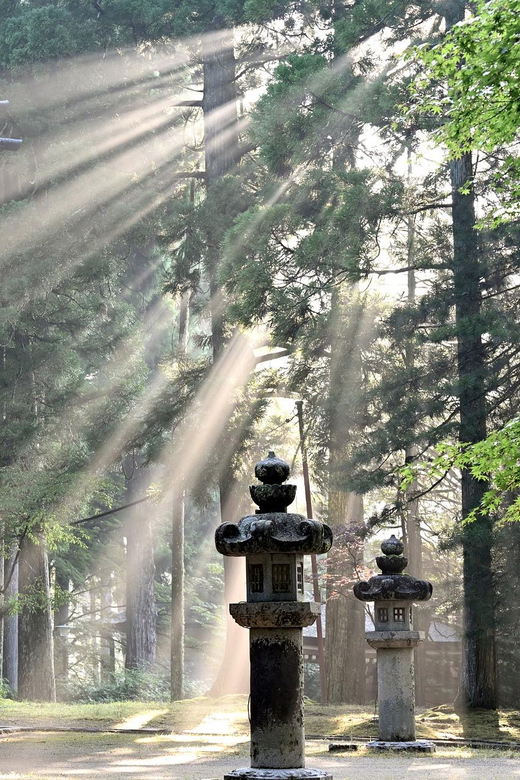
Lunch is not included, but the driver can take you to a restaurant near Lake Chuzenji. Japanese food is available, and vegetarian or halal options can be requested.
Make your preference clear before the day, and repeat it at lunchtime. One group specifically wanted Japanese food but was taken to an Indian restaurant instead. That does not make the meal unusable, but it shows why direct communication matters. If cuisine is important to you, ask the operator to confirm the restaurant choice in advance.
A lakeside lunch is practical because it breaks up the long route. Still, keep an eye on the clock. A leisurely meal can reduce the time available for the ropeway, Kanmangafuchi Abyss, or a longer visit at Toshogu.
Kanmangafuchi Abyss if time remains
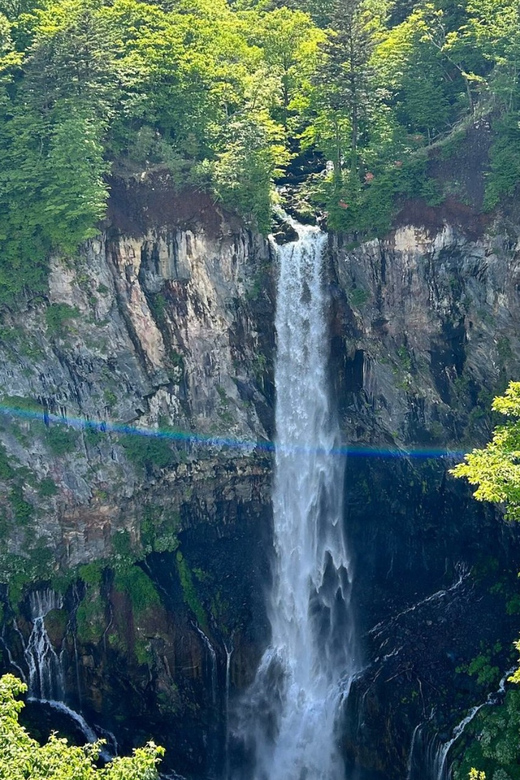
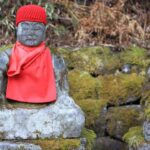
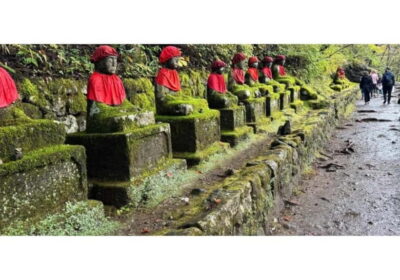
Kanmangafuchi Abyss is the optional stop for a quieter side of Nikko. The riverside path is lined with stone Jizo statues, creating a peaceful walk away from the main shrine crowds.
Because it comes only if time allows, you should not count on it as a guaranteed part of the day. Traffic, ticket queues, lunch, and your own priorities all affect the schedule. It is best for a group that would rather take a calm walk than add another paid attraction.
Ask your driver about the timing early in the day. If Toshogu and the waterfall are your must-sees, Kanmangafuchi may need to go. If you finish the main sights quickly, it can provide a gentler final stop before the return drive.
What the private format does well
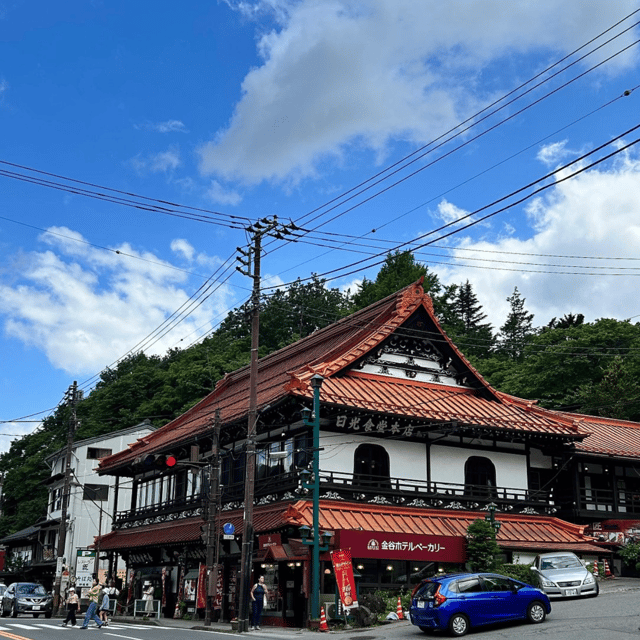
The strongest feature is control. You can spend more time at the places that matter to you and less time at those that do not. Drivers have adjusted stop lengths, helped with tickets, taken photos, stopped for coffee, and dropped groups close to busy sights when parking was limited.
That flexibility is valuable in Nikko because the sights are not all in one walkable cluster. One group found the vehicle especially useful when crowds created long lines and limited parking. Instead of circling for a space or waiting for a bus, they could get out, visit the sight, and arrange a pickup.
The vehicle also gives families and older adults a place to rest between stops. A group of two seniors, one adult, and two children found the pace comfortable. For a group of six, the cost becomes more attractive because everyone shares the private transport.
The service is not perfect for every language need. English ability varies by driver, and one person found some explanations hard to follow. Drivers are generally there to drive and assist, not to give a full lecture on Japanese history. Keep your expectations clear.
Price, timing, and the real value
At $391 per group of up to six, this is a convenience purchase. It is not the cheapest way to reach Nikko, especially for one or two people. But the calculation changes if you are splitting the fare among five or six passengers and would otherwise need several train and bus connections, local fares, taxis, and time spent navigating.
The included items cover the practical costs: air-conditioned transportation, fuel surcharges, parking, Wi-Fi, and hotel pickup and drop-off. You still need to pay for food, drinks, Toshogu, and any other attraction such as a ropeway, viewing facility, or boat ride.
The ten-hour shape of the day makes the tour efficient but demanding. You will see a lot, yet you should not expect deep time at every site. If you want slow shrine study, a long lake walk, and several optional attractions, staying overnight in Nikko would be more comfortable.
The rating of 4.8 from 94 reviews fits the main pattern of the service: punctual drivers, clean vehicles, kind assistance, safe driving, and flexible timing. The repeated praise is practical rather than flashy. People value having someone manage the road, parking, tickets, photos, and return journey.
Who should book this Nikko day trip
I would choose this tour for a family, small group, or mixed-age party that wants to see both the cultural and mountain sides of Nikko in one day. It is also a strong option if you are short on time in Japan and do not want to spend a night outside Tokyo.
You are likely to appreciate it if:
- You want pickup at your Tokyo accommodation.
- You prefer a private vehicle to trains and buses.
- You need a flexible pace for children or older adults.
- You want Toshogu, Kegon Falls, and Lake Chuzenji in one outing.
- You are comfortable paying extra for convenience.
- You can handle a long return drive and winding roads.
I would think twice if you are traveling alone, watching every yen, or want detailed historical guiding in fluent English. The day is also a poor fit if long drives make you uncomfortable. Public transport may cost less, though it requires more planning and does not offer the same door-to-door ease.
Final call: a smart choice for a full Nikko day
Book this tour if your priority is seeing Nikko’s major sights without managing the connections yourself. The private van turns a spread-out day into a practical route, and the driver’s help can be worth a great deal when the roads are crowded.
Before you go, confirm your pickup address, ask for Japanese food if that is your preference, request vegetarian or halal arrangements in advance, and decide which stops matter most. Start early, budget for admission and lunch, and leave room for traffic.
I would not call it a cheap day out. I would call it a useful one, especially for four to six people. For the right group, the comfort, flexibility, and access to both Toshogu and the high mountain sights make the $391 price reasonable.
FAQ
How much does the Nikko Heritage and Nature Day Trip cost?
The price is $391 per private group of up to six people. Food, drinks, Toshogu Shrine admission, and entrance fees at other attractions are not included.
Where is pickup available?
Pickup and drop-off are available at accommodations, including Airbnb addresses, within Tokyo’s 23 wards. Airport and port pickup is not provided.
How long does the day trip take?
The experience is planned as a full day. With average traffic, the drive from Tokyo to Nikko takes about 2.5 hours each way, and one review described the overall schedule as about 10 hours.
Is this a guided tour?
The package includes an English-speaking driver, not a separate guide. Drivers may provide information and practical help, but the level of historical explanation can vary.
What sights are included in the route?
The main route includes Toshogu Shrine, Shinkyo Bridge, Irohazaka Road, Kegon Falls, and Lake Chuzenji. Kanmangafuchi Abyss may be added if time allows.
Are entrance tickets included?
No. Toshogu Shrine admission and entrance fees for any attraction are paid separately. Ropeway and boat tickets, if you choose them, also cost extra.
Is lunch included?
No. Lunch is not included. A restaurant near Lake Chuzenji can be used, and vegetarian or halal options are available on request.
What languages are available?
The listed language options are English, Urdu, and Hindi. The included driver speaks one of the available languages according to the assignment.
Can the itinerary be adjusted?
The private format allows flexibility in how long you spend at each stop, subject to traffic and the full-day schedule. Kanmangafuchi Abyss is visited only if time allows.
Can I cancel the booking?
You can cancel up to 24 hours in advance for a full refund. The reserve and pay later option allows you to book without paying today.
More 1-Day Tours in Nikko
More Historical Tours in Nikko
More Nikko Day Trips in Nikko
More tours in Nikko we've reviewed
Nikko Day Trips, compared.
 ★ 4.5Tokyo: Nikko Toshogu Shrine and Kegon Waterfall TourFrom $8410h 30m
 ★ 5.0Nikko, Kegon Waterfall & Chuzenji Lake from TokyoFrom $89
 ★ 4.4From Tokyo: Nikko, Toshogu Shrine, Waterfall & Chūzenji LakeFrom $54
 ★ 4.3Nikko: Edo Wonderland Edomura Cultural Theme Park TicketFrom $351 day
 ★ 4.8Tokyo: Nikko World Heritage Private Day Trip Hotel Pick-upFrom $39011 hours - 1 day
From Tokyo: Nikko World Heritage Sight Full Day Private TourFrom $36210 hours
★ 4.8Tokyo: Nikko World Heritage Private Day Trip Hotel Pick-upFrom $39011 hours - 1 day
From Tokyo: Nikko World Heritage Sight Full Day Private TourFrom $36210 hours