Reviewed · MT FUJI DAY TRIPS
From Tokyo/Hakone/Fuji: Hakone & Mt. Fuji Day Trip w/Pickup
Mt. Fuji is the star, but this private day trip gives you much more than a quick mountain photo. You move from Lake Ashi and Hakone Shrine to thatched farmhouses, clear spring ponds, and old village lanes, all without wrestling with Tokyo train connections.
In This Article
- Key points to know before booking
- Why this private Mt. Fuji day trip works
- Leaving Tokyo for Hakone
- Saiko Iyashi-no-Sato Nenba and old farm life
- Oshino Hakkai and the eight clear ponds
- Lake Ashi, Hakone Shrine, and the red torii
- Riding the Komagatake Ropeway
- The Mt. Fuji promise and the weather problem
- What the $580 price really buys you
- Who should book this experience
- Practical details for a smoother day
- Should you book the Hakone and Mt. Fuji day trip?
- FAQ
- How long does the Hakone and Mt. Fuji day trip last?
- How many people can join the private tour?
- Is hotel pickup included?
- What languages does the driver speak?
- Are food, drinks, and entry tickets included?
- Can I cancel the booking for a refund?
I like the hotel pickup and private car, especially for a long day with several spread-out stops. I also like the freedom to adjust the plan. Driver Bear, whose full name is listed as Aizjayshi Aizjay, is praised for friendly English, humor, and willingness to reshape the day. The main drawback is simple: Mt. Fuji depends on the weather, and the $580 group price does not include meals or entry tickets.
Key points to know before booking
- Private transport for up to two people: The $580 price covers a private group of up to two, with hotel pickup and drop-off included.
- A full 10-hour day: You get time for several sites, but this is not a slow, single-town outing.
- Lake Ashi by ropeway and possibly cruise: The plan can include the Komagatake Ropeway, a Lake Ashi sightseeing cruise, and a short walk to Hakone Shrine’s red torii gates.
- Three different sides of rural Japan: See the reconstructed thatched village at Saiko Iyashi-no-Sato Nenba, Oshino Hakkai’s eight ponds, and Hakone’s mountain setting.
- Flexible, driver-led service: This is car service rather than a formal guided tour, so clear requests matter.
- Weather shapes the day: The tour runs rain or shine, but clouds may hide Mt. Fuji and limit distant views.
Why this private Mt. Fuji day trip works
This experience is best understood as a private sightseeing day with a driver, not a lecture-filled guided tour. You get a clean, air-conditioned vehicle, hotel transfers, and a driver who can take you between places that are awkward to combine by public transport in one day.
That distinction matters. You will not necessarily receive a long historical explanation at every stop. Instead, you gain time, comfort, and control. One previous booking used the flexibility to fit in every desired stop, something that would have been difficult on a fixed group excursion.
The schedule is ambitious. Tokyo to the Hakone and Fuji areas takes time, and the day lasts about 10 hours. Still, private transport keeps the pace practical. You can spend longer at a favorite stop or modify the order when conditions call for it.
The price is $580 for a group of up to two. For one person, that is expensive. For two people splitting the cost, it becomes $290 each before food and admissions. You are paying for privacy, door-to-door service, and the ability to cover several distant areas in one day. A larger public tour may cost less per person, but it will usually give you less control over stops and timing.
A few more Tokyo tours and experiences worth a look
Leaving Tokyo for Hakone
The day begins with pickup at your hotel. You should wait in the lobby 10 minutes before the scheduled time, and the driver will look for a sign with your last name. The vehicle is air-conditioned, an important comfort on a long outing with multiple stops.
As Tokyo gives way to the countryside, the ride itself becomes part of the experience. On a clear day, you may catch views of Mt. Fuji along the route. On a cloudy day, the drive still gets you out of the city, but you should not book this solely for a guaranteed mountain photograph.
The driver speaks English or Tagalog. That makes it easier to discuss timing, food, and the order of stops. English ability varies by driver, but Bear is specifically noted for strong English, friendliness, humor, and careful attention to comfort.
The private format also helps families, couples, and small groups that dislike rigid schedules. You are not waiting for a coach full of strangers, and you do not need to return to a fixed meeting point after every stop. The tradeoff is that you need to speak up. Tell the driver what matters most, especially if Mt. Fuji views, Hakone Shrine, village life, or food are your priorities.
Saiko Iyashi-no-Sato Nenba and old farm life
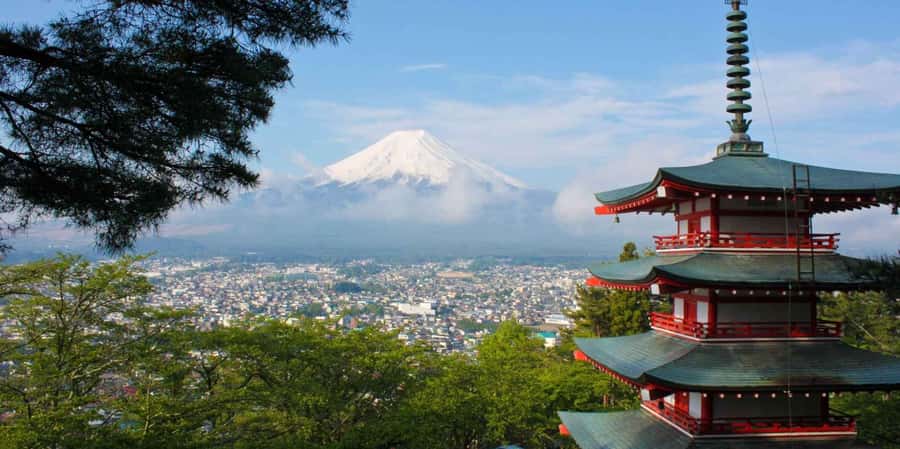
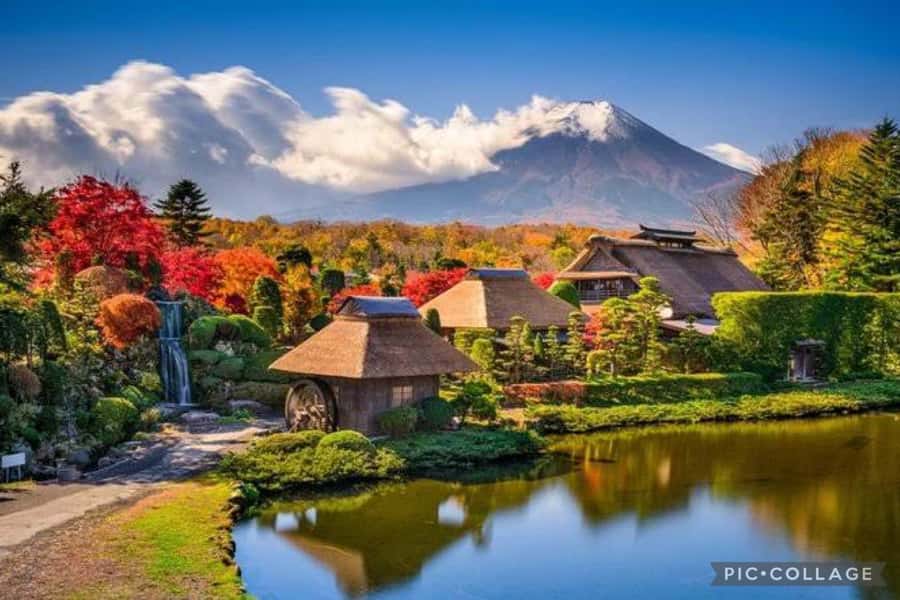
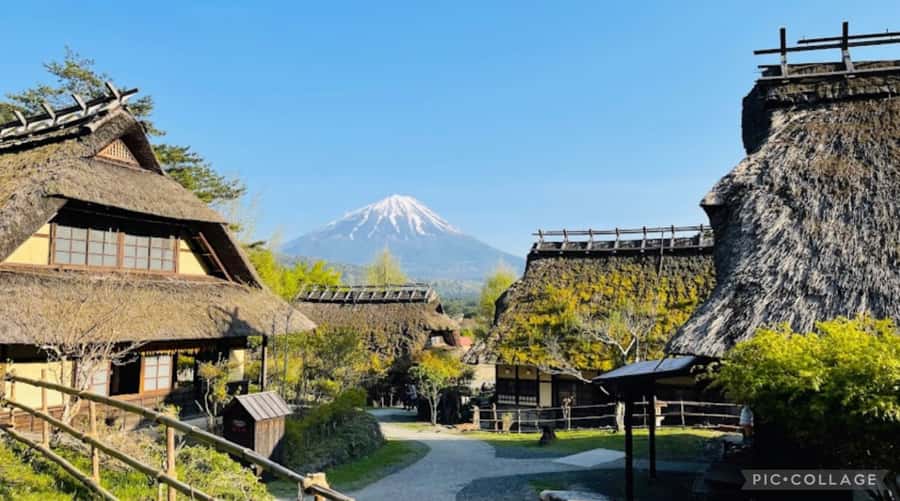
Saiko Iyashi-no-Sato Nenba is a reconstructed Japanese village near the Fuji area. Its thatched-roof houses give you a visual sense of rural life that is very different from Tokyo’s towers and neon streets.
You can walk between the houses, look at traditional crafts, and purchase handicrafts. The setting is designed to recall older farming traditions and everyday village life. That makes it more than a quick viewpoint. You get a chance to see how architecture, work, and local customs once fit together.
The village is also a good place for slower photographs. The thatched roofs, wooden buildings, and nearby natural setting create a calm change of pace after the drive. I would treat this as a cultural stop rather than a major museum visit. The emphasis is on the buildings, atmosphere, and crafts, not on an elaborate indoor collection.
Because entry tickets are not included, check the cost when planning your day. You should also allow time for browsing if traditional handicrafts interest you. If you only want a mountain viewpoint, this stop may feel less essential. If you want a stronger sense of rural Japan, it adds useful depth to the day.
Oshino Hakkai and the eight clear ponds
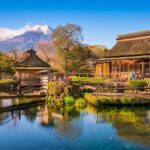
Oshino Hakkai is one of the most distinctive stops. The village is known for a set of eight ponds in the Mt. Fuji area, with clear water, wooden houses, and water wheels. The ponds are connected with the natural spring water of the Fuji Five Lakes region.
The appeal here is close-up and tangible. Instead of viewing Mt. Fuji only from far away, you see water, village structures, and traditional details at ground level. The ponds give the stop a peaceful rhythm, while the wooden buildings and water wheels make it feel rooted in local life.
Oshino Hakkai can also be a practical food stop. A driver suggested a wonderful udon lunch to one couple, and that kind of local recommendation is one of the useful benefits of a private car service. Food and drinks are not included, so you should budget separately. The exact restaurant is not fixed, and your choices may depend on the day’s timing.
The village can be busy, especially when several groups arrive at once. A private vehicle gets you there and away without the hassle of arranging separate transport, but it cannot remove crowds from a popular site. I would focus on the ponds, traditional houses, and short walk rather than expect a quiet, untouched village.
Lake Ashi, Hakone Shrine, and the red torii
Hakone is an old mountain town known for hot springs and views toward Mt. Fuji. The main natural attraction here is Lake Ashi, a forest-fringed body of water with changing views depending on cloud, light, and your position along the shore.
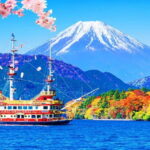
The experience may include a sightseeing cruise across Lake Ashi. From the water, you get a different angle on Hakone’s wooded slopes and a chance to relax after time in the car. A cruise ticket is not included, so confirm the cost and availability on the day.
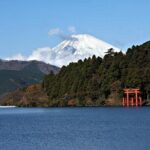
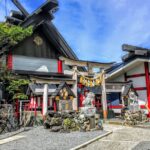
The short walk from Moto-Hakone to Hakone Shrine is another worthwhile part of the visit. The shrine’s red torii gates mark the entrance near the lake and make one of the area’s most recognizable photo scenes. The walk is short, but you should wear shoes suitable for uneven paths and a full day on your feet.
Hakone Shrine gives the day a spiritual and historical note without requiring a long temple visit. You can pause at the lakeside gate, walk toward the shrine, and then return to the vehicle. If weather is poor, the lake may lose much of its visual drama, but the shrine remains a useful stop.
Hakone is also known for hot springs. This day trip is not presented as a dedicated bathing visit, so do not assume you will have time for a full onsen experience. The town’s hot spring tradition adds context, but the scheduled focus is sightseeing.
A few more Tokyo tours and experiences worth a look
Riding the Komagatake Ropeway
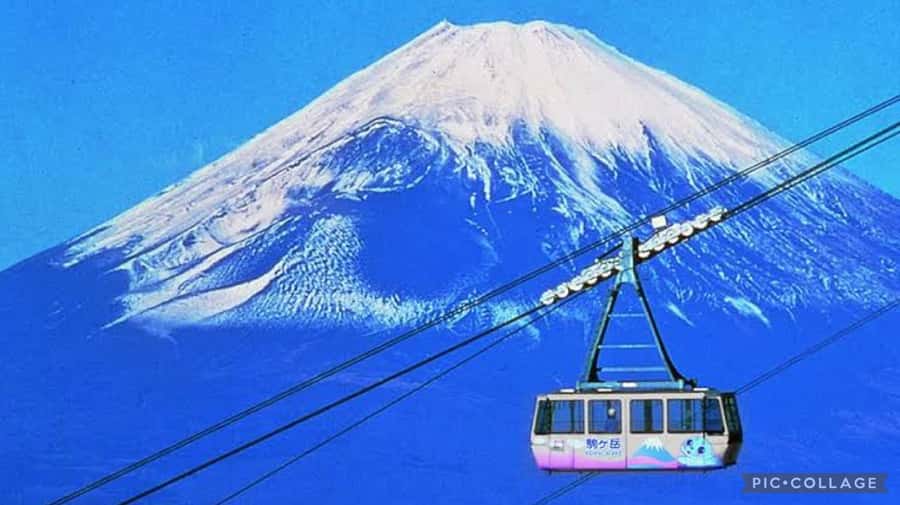
The Komagatake Ropeway runs from the shores of Lake Ashi toward Hakone’s highest peak. The ride gives you a change from road travel and, on a clear day, wider views across the region.
At the top, you may see the Pacific Ocean and even Tokyo in very clear conditions. Mt. Fuji is the hoped-for reward, but mountain weather is unpredictable. Clouds can cover the peak or reduce visibility to nearby slopes.
This is one of the day’s more memorable elements because you are not simply looking at a mountain from a roadside stop. You are gaining height and seeing Hakone from above. The ropeway can also be a drawback for anyone uneasy with aerial rides, though the supplied information does not describe specific restrictions or operating conditions.
Tickets are not included, and the day takes place rain or shine. If ropeway access or distant views are central to your plans, confirm current operation and ticket details before setting out. A private driver can adjust the order, but cannot control weather or closures.
The Mt. Fuji promise and the weather problem
The tour makes a strong case for visiting the Fuji area, but no responsible plan can promise a clear view. One January booking had a pleasant day around Hakone, Lake Ashi, Owakudani, and the Fuji region without seeing Mt. Fuji because of the weather.
That is not a failure of transport. It is simply how the mountain works. Clouds can gather quickly, and the tour runs in rain or shine. You should see the listed villages, ponds, lake, and shrine as worthwhile stops in their own right, with Mt. Fuji as the bonus.
If the mountain is your only goal, a private day trip still cannot guarantee success. If you want a broad day through Hakone and the Fuji area, the format makes more sense. You can enjoy the countryside, traditional buildings, spring ponds, and lake even when the famous peak is hidden.
A private driver can also respond to conditions. If one viewpoint is cloudy, you may be able to spend more time at another stop or change the order. That flexibility is one of the clearest reasons to choose this over a fixed coach excursion.
What the $580 price really buys you
At $580 for up to two people, this is a premium day out. The value comes from the vehicle and the time saved, not from included admissions or meals.
Included are hotel pickup and drop-off, private air-conditioned transport, and a driver. Not included are food, drinks, and entry tickets. You should set aside extra money for the ropeway, any Lake Ashi cruise, and other paid sites you choose to enter.
The price makes the most sense for two people who value privacy and want to combine Hakone, the Fuji area, Saiko Iyashi-no-Sato Nenba, and Oshino Hakkai in one day. It is also useful if you have limited time in Tokyo and do not want to spend the day changing trains and buses.
For solo visitors, the cost is harder to justify unless convenience is your main concern. A fixed group tour may be cheaper, but it will not offer the same control. You also need to remember that this is a long day. The value drops if you dislike road time or prefer to spend an entire day in one place.
Who should book this experience
I would recommend it most strongly to couples, families, and small private groups who want a flexible day outside Tokyo. It suits people who care about comfort, hotel transfers, and seeing several different places without planning every connection themselves.
It is also a good match for visitors who do not speak Japanese and want help with basic communication. The available driver languages are English and Tagalog, and Bear is specifically praised for excellent English and a friendly manner.
This may not be right for you if you want a formal guide explaining every site in detail. The service is described as a car service rather than a traditional guided tour. You should also reconsider if your main goal is a guaranteed Mt. Fuji view, a long hot spring visit, or a relaxed day with very little time in the vehicle.
Wheelchair accessibility is listed, which broadens the options for some visitors. Still, ask about the exact route and access at each stop before booking, since the tour includes villages, lakeside areas, a ropeway, and walking sections.
Practical details for a smoother day
Wear comfortable shoes. The day combines village paths, lakeside walking, shrine access, and sightseeing areas, so even short walks add up.
Leave room in your budget for admissions and food. Udon is one possible meal choice, and a driver may suggest places, but meals are not part of the price.
Keep your expectations flexible. The tour takes place in all weather, and Mt. Fuji may disappear behind clouds. The best approach is to enjoy Hakone, Oshino Hakkai, and Saiko Iyashi-no-Sato Nenba as the main day, then welcome a clear mountain view if nature provides one.
The cancellation policy is generous enough for changing plans: you can cancel up to 24 hours before departure for a full refund. You can also reserve now and pay later, which helps if your Japan schedule is still taking shape.
Should you book the Hakone and Mt. Fuji day trip?
Book it if you want a private, door-to-door day with several major stops and the freedom to adjust the schedule. The clean vehicle, hotel transfers, English or Tagalog service, and flexible planning are the strongest reasons to choose it.
Think twice if you are traveling alone on a tight budget, want meals and admissions included, or need a guaranteed Mt. Fuji view. For two people who would otherwise struggle to connect Hakone, Lake Ashi, the Fuji villages, and Oshino Hakkai in one day, the $580 cost can be fair value.
The most realistic mindset is simple: book a countryside day centered on Hakone and the Fuji area, not a guaranteed mountain photograph. That way, clear skies feel like a wonderful bonus rather than the measure of the whole experience.
FAQ
How long does the Hakone and Mt. Fuji day trip last?
The tour lasts 10 hours, including hotel pickup and drop-off.
How many people can join the private tour?
The $580 price covers a private group of up to two people.
Is hotel pickup included?
Yes. Hotel pickup and drop-off are included. You should wait in the hotel lobby 10 minutes before the scheduled pickup, and the driver will hold a sign with your last name.
What languages does the driver speak?
The available driver languages are English and Tagalog.
Are food, drinks, and entry tickets included?
No. Food, drinks, and entry tickets are not included in the tour price.
Can I cancel the booking for a refund?
Yes. You can cancel up to 24 hours in advance for a full refund. You can also reserve now and pay later.
More 1-Day Tours in Tokyo



More Hakone Day Trips in Tokyo
More Mt Fuji Day Trips in Tokyo

More tours in Tokyo we've reviewed












Mt Fuji Day Trips, compared.
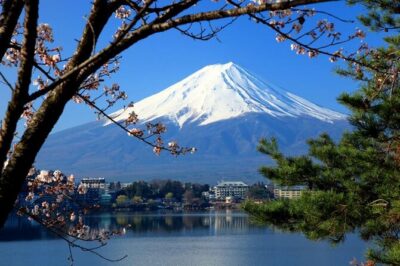 ★ 5.0Mt Fuji and Hakone 1-Day Bus Tour Return by Bullet TrainFrom $163
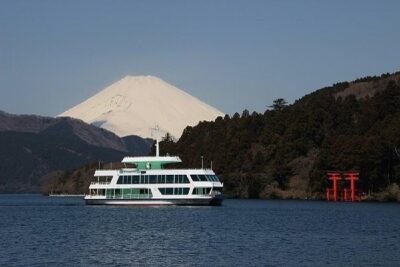 ★ 4.0Mt Fuji & Hakone Cruise, Drum Show Bullet Train 1 Day from TokyoFrom $149
 ★ 4.4Tokyo Mt Fuji 5th St & Hakone Cruise Bus Tour w/Bullet TrainFrom $15410 hours
 ★ 4.5From Tokyo: Mount Fuji Full-Day Sightseeing TripFrom $6810 hours
 ★ 4.7Tokyo: Mt. Fuji Tour, Hakone Ropeway, Owakudani, Lake AshiFrom $5410 hours
 ★ 4.4Tokyo:Mt.Fuji,Kawaguchiko Oishi Park,Arakurayama Sengen ParkFrom $5410 hours