Reviewed · SHINJUKU TOURS
Tokyo: Shinjuku Walking Tour with Godzilla Head
Godzilla watches over Kabukicho from a rooftop, then lets out a roar each hour. That is the headline moment, but this two-hour Shinjuku walk also takes you through tiny bars, a giant 3D cat, a chaotic discount store, and old-style yakitori lanes.
In This Article
- Key points to know before you book
- Why this two-hour Shinjuku route works
- Starting beneath the giant Shinjuku East Exit Cat
- Don Quijote Shinjuku Kabukicho Store, Tokyo shopping at full volume
- Golden Gai and its 200 tiny bars
- Godzilla Head, the tour’s biggest photo moment
- Tokyu Kabukicho Tower and the new face of the district
- Omoide Yokocho, ending among yakitori stalls
- What the $32 price really buys you
- Who should book this walk
- Timing, meeting point, and simple planning tips
- Is the guide the main reason to choose it?
- Should you book the Shinjuku Godzilla Head tour?
- FAQ
- How long does the Shinjuku walking tour last?
- How much does the tour cost?
- Which languages are available?
- Where does the tour meet?
- Are entrance fees included?
- Are food and drinks included?
- Is the tour wheelchair accessible?
- Can I cancel the booking for a refund?
I like the route’s variety. You get modern Tokyo, comic-book Tokyo, shopping-crazy Tokyo, and nostalgic Tokyo without paying separate entry fees. I also like the guide-led format, especially if you book with Tak, who speaks English and Japanese and can tailor the experience. The drawback is that two hours goes quickly, so this is an introduction rather than a deep look at every district.
Key points to know before you book
- Hear Godzilla roar from above Kabukicho: The famous Godzilla Head watches over the area from a rooftop and roars every hour.
- Walk through Golden Gai by daylight: More than 200 tiny bars fill narrow lanes that once attracted writers and rebels.
- See Tokyo’s giant 3D cat: The Shinjuku East Exit Cat appears to sit above the street.
- Shop inside Don Quijote: Expect shelves packed with snacks, souvenirs, and odd little finds from floor to ceiling.
- Finish at Omoide Yokocho: The tour ends among yakitori stalls and post-war Tokyo atmosphere.
- Pay for guidance, not admission: The $32 fee covers the walking tour, while all listed stops have no entrance charge.
Why this two-hour Shinjuku route works
Shinjuku can feel like several cities stacked together. One block is bright and futuristic, the next is a maze of old drinking lanes, and a few steps later you are facing a giant monster on a hotel roof.
This tour gives you a clear path through that mix. All the stops are within walking distance, so you do not lose time boarding trains or figuring out which exit to use. That matters in Shinjuku, where the station area can be confusing even when you know where you want to go.
The route is best for a first look. You will see the district’s most recognizable sights and finish near places worth returning to later. You will not have much time for long shopping sessions, a full meal, or detailed exploration of Golden Gai’s bars. Think of it as a lively orientation with local context, not a slow neighborhood stroll.
The guide is the main reason to choose this over walking the same route alone. Tak is identified as one of the guides, and the tour is offered in English and Japanese. The available feedback points to the useful qualities you want here: punctuality, friendliness, helpful explanations, strong English, and the ability to customize the walk.
A few more Tokyo tours and experiences worth a look
Starting beneath the giant Shinjuku East Exit Cat
The tour begins at the Shinjuku East Exit Cat, a large 3D feline displayed above the East Exit area. It is designed to look as though the cat is sitting on the edge of the building, peering down at the crowds below.
This is a quick stop, but it sets the tone. Tokyo’s public screens are not just advertising boards here. They become part of the city’s visual theater, and the cat is an easy, fun example of that style.
Your guide can help you get oriented before the route heads farther into Shinjuku. That is useful because the East Exit area is a major meeting point and can feel noisy and crowded. The meeting point is specific: look for the guide holding a blue A4-sized board.
Do not expect a long attraction visit. The cat is viewed from outside, and the tour does not list an entrance or reserved viewing area. It is a photo stop and a brief introduction to the district’s high-tech side.
Don Quijote Shinjuku Kabukicho Store, Tokyo shopping at full volume
Next comes Don Quijote Shinjuku Kabukicho Store, a useful stop for seeing the practical and slightly mad side of Japanese retail.
Don Quijote stores are famous for tightly packed displays, long opening hours, low-priced goods, and an enormous mix of products. Here, you can expect snacks, souvenirs, and surprises stacked from floor to ceiling. The experience is less about a calm browse and more about trying to understand how so many things fit into one building.
I like including this stop because it gives you something to do, not just something to photograph. You might find packaged snacks to take home, small gifts, or items you did not expect to see in a discount shop. The store can also be useful if you want a quick look at popular Japanese consumer goods without visiting several separate shops.
The tradeoff is time. Two hours covers many stops, so you should not plan on doing serious souvenir shopping during the guided walk. You might laugh at the clutter, pick up a few items, and get a short explanation from the guide, but save a return visit for shopping at your own pace.
Golden Gai and its 200 tiny bars
Shinjuku Golden Gai changes the mood completely. Its narrow alleys hold more than 200 tiny bars, many with only a handful of seats. By day, the area offers a close look at an older side of Tokyo nightlife before the doors open and the evening begins.
The appeal is the scale. Wide city streets and giant signs give way to lanes where the buildings and bars sit close together. You can see why the district has long attracted writers, artists, and people looking for a less polished place to drink and talk.
A daytime walk is also a sensible way to visit if you are not ready to enter a tiny bar. The tour lets you see the lanes without turning the stop into a late-night drinking session. Food and drinks are not included, and the tour does not promise bar entry, so you should treat Golden Gai as a cultural and visual stop.
You may want to return at night, but keep in mind that each bar is small and individual businesses set their own atmosphere and rules. The tour gives you the layout and the background. A later visit lets you decide if you want to sit down.
Godzilla Head, the tour’s biggest photo moment
The Godzilla Head is the route’s signature stop. The giant monster looks down from a rooftop over Kabukicho, a fitting sight in a district known for oversized signs and bright entertainment venues.
The head roars every hour, so the timing of your walk may determine if you hear it. That is worth asking the guide about at the start. If the schedule lines up, the sound adds a little theater to an already memorable view.
The tour description says you will see Godzilla from a rooftop, but it does not list a separate entrance fee or a ticketed attraction. You should expect a guided visit and viewing opportunity rather than a long indoor exhibit.
This stop works because it is both playful and tied to Tokyo’s pop culture image. You do not need to be a serious Godzilla fan to enjoy it. The scale is amusing, and the rooftop setting gives you a strong sense of how the monster has been worked into the city around it.
For photos, listen to the guide’s directions and be ready when you reach the viewing area. Since the tour includes several stops, the group will not linger forever.
Other walking tours we've reviewed in Tokyo

Tokyu Kabukicho Tower and the new face of the district
Tokyu Kabukicho Tower brings the route back to present-day Tokyo. This ultra-modern building rises from the center of Kabukicho and represents the district’s newer development.
The tour includes a chance to step inside and take a look. That makes the stop different from the outdoor views at the cat and Godzilla Head. You get a brief sense of the building’s interior and its role as a new focal point in the area.
The value here is comparison. Golden Gai and Omoide Yokocho show compact, older Tokyo, while Tokyu Kabukicho Tower shows the city’s newer, polished direction. Seeing both during one short walk helps you understand why Shinjuku can feel so hard to sum up.
Do not expect a full tour of the tower or time to explore every part of it. The activity lists a peek inside, not an extended visit or paid attraction. If modern architecture is your main interest, you may want to return separately after the walk.
Omoide Yokocho, ending among yakitori stalls
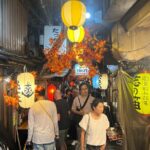
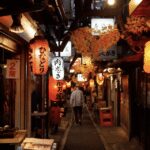
The tour ends at Omoide Yokocho, a maze of small yakitori stalls with a smoky, post-war atmosphere. It is a strong final stop because it shifts the focus from giant screens and rooftop characters to food, narrow lanes, and old Tokyo memories.
The name means Memory Lane, and the setting is built around compact eateries rather than grand monuments. You can see cooks working in small spaces and get a feel for the kind of place many people return to for a quick meal and a drink.
Food and drinks are not included, so budget separately if you want to eat here. That is not a flaw, but it is important. The tour ends at a place designed to tempt you, and you may want more time than the guided schedule allows.
I would treat Omoide Yokocho as a useful handoff. After the tour, you can decide if you want to stay for yakitori or come back later. The guide gives you the location and setting, while your own evening plan determines how long you remain.
What the $32 price really buys you
At $32 per person, the fee is reasonable if you want help making sense of Shinjuku’s contrasts. None of the listed locations requires an entrance fee, so you are paying for the guide, route planning, explanations, and the ease of moving between several sights.
The value is strongest for a first visit. You can find the cat, Don Quijote, Golden Gai, Godzilla Head, Kabukicho Tower, and Omoide Yokocho on your own, but doing so means working out the route and deciding what each place means. A good guide turns a collection of famous photo stops into a connected story about entertainment, shopping, old drinking lanes, and new construction.
The price is less compelling if you only want photographs or already know Shinjuku well. You could walk through the public areas independently and spend the money on food instead. The tour makes more sense if you want context, a clear route, and a local person who can answer questions.
Because the experience lasts only two hours, you also get a compact use of time. That suits a first afternoon or an early part of an evening. It does not replace a full night in Golden Gai or Omoide Yokocho.
Who should book this walk
I would recommend it to first-time visitors who want a fast introduction to Shinjuku without committing to a long food tour or a full-day city tour.
It also suits:
- Visitors who enjoy pop culture sights such as Godzilla and the 3D cat
- Shoppers looking for Japanese snacks and small souvenirs
- People curious about Golden Gai but unsure how to approach it
- Couples, families, and small groups who prefer a guide-led route
- Anyone who wants to compare older lanes with new Kabukicho development
- English-speaking visitors who want a guide who can explain the area clearly
The walk may be less suitable if you want substantial time inside Don Quijote, a long meal, or a late-night bar experience. You should also be comfortable walking between all the stops, since the route is entirely on foot.
The tour is listed as wheelchair accessible, which is useful information for planning. Still, Shinjuku’s streets and compact entertainment areas can feel busy, so ask the provider about your specific needs before booking if you require detailed route assistance.
Timing, meeting point, and simple planning tips
The meeting point is the Shinjuku East Exit Cat. Find the guide holding a blue A4-sized board. Give yourself enough time to reach the East Exit area, since Shinjuku station has many exits and a large flow of people.
Starting times vary, so check availability for the date you want. If hearing Godzilla roar matters to you, ask whether the planned route should reach the head near the hourly roar.
Wear comfortable shoes. The tour lasts two hours and connects several locations by foot. You should also carry a little extra money for food or shopping, since neither is included.
The tour offers free cancellation up to 24 hours before departure and a reserve-now, pay-later option. Those policies are helpful if your Tokyo schedule is still shifting.
Is the guide the main reason to choose it?
Yes. The sights are easy to recognize, but the guide determines how much you get from them.
The strongest direct feedback points to a guide who arrives on time, treats people kindly, helps with the route, explains the neighborhood, speaks strong English, and can adjust the experience. Tak is specifically identified by name in the available feedback, so you can look for that guide when the booking details allow it. The activity is also offered in Japanese.
That combination matters in Golden Gai and Omoide Yokocho, where a quick explanation can add useful context. It also helps at Don Quijote, where the store can overwhelm you, and around Shinjuku station, where finding the correct direction is not always simple.
The group size is not provided, so you should not assume a private tour or a small group. If that matters to you, confirm it before booking.
Should you book the Shinjuku Godzilla Head tour?
Book it if you want a short, well-rounded introduction to Shinjuku with a guide who can connect its odd mix of old lanes, giant screens, shopping, pop culture, and new architecture.
The best reason to go is not just Godzilla. It is the contrast between all six stops. You begin with a giant digital cat, move through an overloaded discount store, enter the tiny lanes of Golden Gai, look up at a roaring monster, step into a modern tower, and finish beside yakitori stalls.
Skip it if you already know Shinjuku well or want to spend your time eating and shopping rather than walking between highlights. For most first-time visitors, though, $32 is a fair charge for a focused route, no extra entrance fees, and local guidance in English or Japanese.
FAQ
How long does the Shinjuku walking tour last?
The tour lasts two hours.
How much does the tour cost?
The price is $32 per person.
Which languages are available?
The tour is offered in English and Japanese.
Where does the tour meet?
The meeting point is the Shinjuku East Exit Cat. The guide will be holding a blue A4-sized board.
Are entrance fees included?
No entrance fees are needed for any of the listed locations, and no separate admission is required for the stops included in the walk.
Are food and drinks included?
No. Food and drinks are not included, so plan to pay separately if you shop at Don Quijote or eat at Omoide Yokocho.
Is the tour wheelchair accessible?
Yes, the activity is listed as wheelchair accessible.
Can I cancel the booking for a refund?
Yes. You can cancel up to 24 hours in advance for a full refund. A reserve-now, pay-later option is also available.
More Walking Tours in Tokyo
More Shinjuku Tours in Tokyo

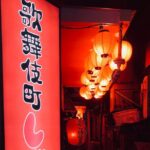
More tours in Tokyo we've reviewed












Shinjuku Tours, compared.
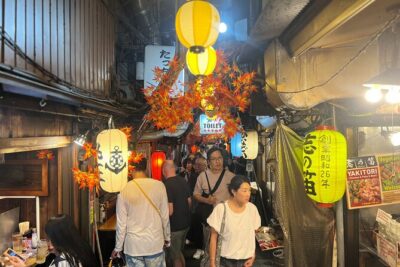 ★ 5.0Tokyo: Shinjuku Food Tour (13 Dishes at 4 Local Eateries)From $86
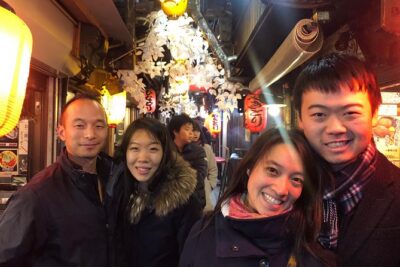 ★ 5.0Tokyo Bar Hopping Tour in Shinjuku (All-You-Can-Drink + Dinner)From $106
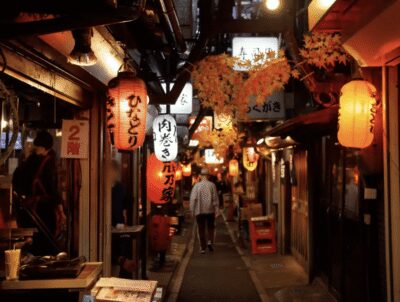 ★ 4.9Tokyo: Shinjuku Local Bar and Izakaya Guided Walking TourFrom $343 hours
 ★ 4.9Tokyo: Shinjuku Food Tour (13 Dishes and 4 Eateries)From $97
 ★ 5.0Tokyo Night Foodie Tour in Shinjuku – Seasonal Sushi, Wagyu BeefFrom $111
 ★ 5.0Tokyo: Shinjuku Local Bar & Izakaya Crawl TourFrom $39