Reviewed · MT FUJI DAY TRIPS
Tokyo Day Tour in Mt. Fuji, Lake Ashi Cruise and Owakudani Cable
The best thing about this day trip is how much ground you cover without having to piece together several trains and buses. From a lakeside shrine and a pirate ship to steaming volcanic vents and clear ponds fed by Fuji snowmelt, you get a broad taste of the region in one long day. Mount Fuji is the star, but not the only attraction.
In This Article
- Key points to know before booking
- What this Tokyo to Fuji day really covers
- Hakone Shrine and the red torii on Lake Ashi
- The 25-minute Lake Ashi pirate ship cruise
- Riding the Hakone Ropeway over volcanic Owakudani
- Owakudani Valley and its sulfur-black eggs
- Lake Yamanaka, or Swan Lake
- Oshino Hakkai and Fuji’s snowmelt ponds
- Fuji views are wonderful, but never guaranteed
- The long ride from Tokyo and the real pace of the day
- Guides, languages, and group size
- Value, limitations, and who should book
- Should you book this Fuji and Hakone tour?
- FAQ
- Is Mount Fuji guaranteed to be visible?
- Is the Lake Ashi pirate ship included?
- How long is the tour?
- What languages can the guides speak?
- How large can the group be?
- What happens if the Hakone Ropeway is suspended?
I like the included Hakone Ropeway ticket, which removes one bit of queueing and expense. I also like the mix of nature, culture, and easy sightseeing: you can pray at a torii gate, cruise Lake Ashi, eat a sulfur-boiled egg, and photograph Fuji from several angles.
The catch is the schedule. Tokyo traffic can consume five hours or more of the day, and weekend congestion may push your return beyond 8 p.m. The cruise costs an extra $12, lunch is on you, and Fuji may hide behind clouds.
Key points to know before booking
- Six very different stops: Visit Hakone Shrine, cruise Lake Ashi, ride the ropeway, explore Owakudani, see Lake Yamanaka, and walk around Oshino Hakkai.
- Fuji views depend on weather: Clear days can bring excellent views from several points, but no mountain sighting is guaranteed.
- The ropeway ticket is included: If service is suspended, the operator says it will refund 1,000 yen per person for that ticket.
- The pirate ship costs extra: The Lake Ashi cruise is not included in the $67.39 tour price and costs $12 per person.
- Expect a full shared coach: Groups can reach 45 people, with explanations given in English, Japanese, and Chinese.
- Bring yen and comfortable shoes: Some places do not accept cards, and the day involves moderate walking and plenty of standing.
What this Tokyo to Fuji day really covers
This is not a climb up Mount Fuji, nor does the coach take you to a trailhead on the mountain. It is a sightseeing loop through Hakone and the Mount Fuji area, with repeated chances to see the peak when the sky cooperates.
The tour lasts about 10 hours and includes pickup and drop-off at a designated point in central Tokyo. You ride in an air-conditioned vehicle, with a driver and a guide who can speak English, Japanese, and Chinese. The group may include up to 45 people, so this is a practical shared excursion rather than a small, quiet outing.
At $67.39 per person, the base price is reasonable for a long day that includes transport, a guide, and the ropeway. Add the $12 cruise fare and your food, and the actual cost rises, but it remains useful if you want to see several places without learning the complicated connections between Tokyo, Hakone, and the Fuji Five Lakes.
I would choose this tour for a first visit or a short stay in Tokyo. If you have several days and want long walks, museums, or time at each lake, use public transport or book a smaller private outing instead.
A few more Tokyo tours and experiences worth a look
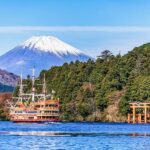
Hakone Shrine and the red torii on Lake Ashi
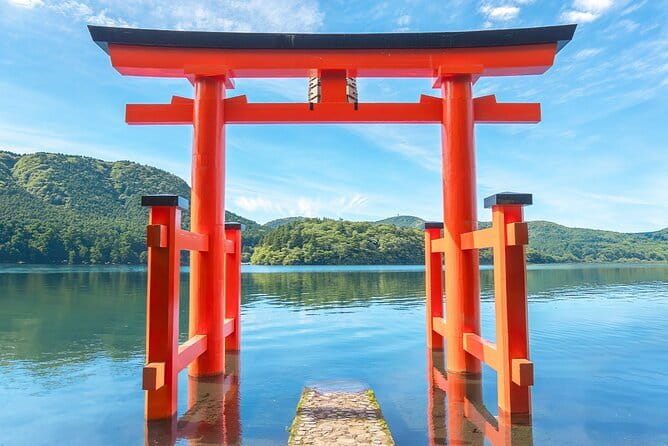
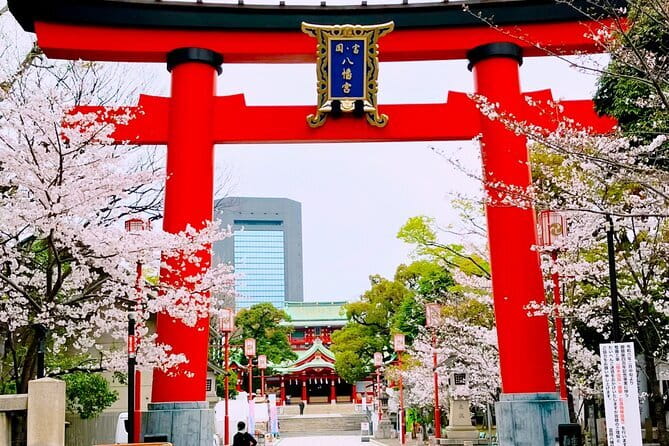
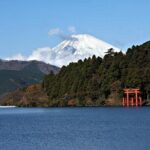
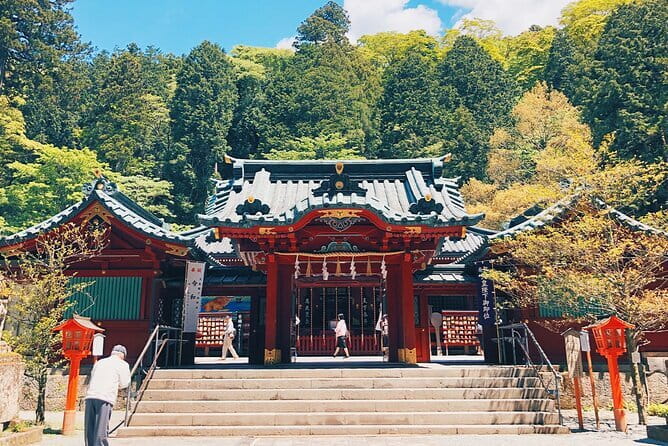
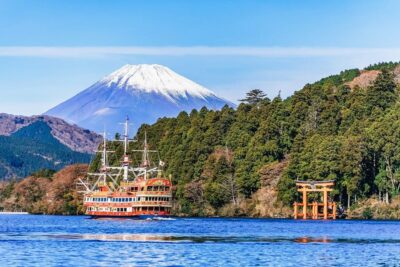
The first stop is Hakone Shrine, with about 50 minutes to look around. Its most famous photo point is the red torii standing at the edge of Lake Ashi. The gate gives you one of the region’s most recognizable views: red-painted shrine architecture, dark water, forested slopes, and the suggestion of a sacred boundary between land and lake.
You get free time here rather than a separate admission charge. That is useful because you can choose your pace. You might spend your visit taking photos at the lakeside torii, walking toward the shrine, or simply enjoying the setting before the group moves on.
This stop is also a good reminder that the day is not just about Fuji photographs. Hakone has long been associated with pilgrimage routes and shrine worship, and the torii gives the morning a cultural start before the tour turns toward volcanic scenery.
Fifty minutes is enough for the main sights, but not enough for a slow visit. The lakeside photo area can be crowded, especially during holidays and peak travel periods. Listen carefully for the meeting time. A late return here can make the rest of the day even tighter.
The 25-minute Lake Ashi pirate ship cruise
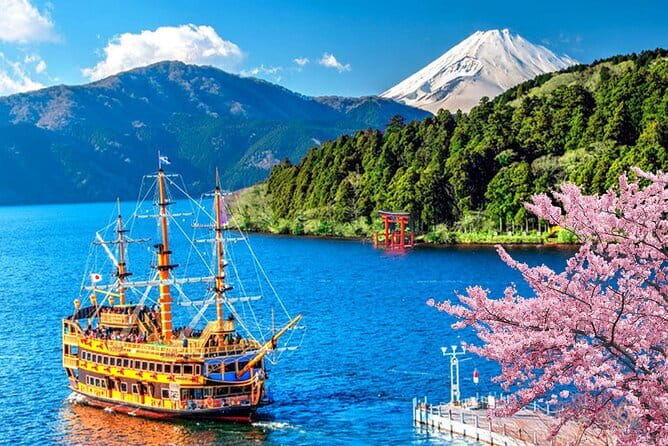
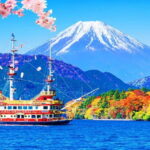
From Tōgendai Port, you board the Hakone Pirate Ship for a roughly 25-minute crossing of Lake Ashi. The ship is designed as a playful tourist attraction, but the ride still provides a useful change of pace after the coach and a fresh view of the lake.
From the water, you can look back toward the torii gate and surrounding hills. On a clear day, Fuji may appear beyond the lake, though the mountain is not always visible from this part of the route. The cruise works best as a short scenic ride, not as a long boat excursion.
The $12 fare is not included, so budget for it before you book. The tour information also notes that the cruise ticket itself is separate from the ropeway ticket. Bring some cash because card acceptance is not consistent in the Fuji and Hakone areas.
A practical warning: weather matters here. If it is raining, you may spend part of the boarding wait exposed on the dock, and wet conditions can make the stop feel less pleasant. Still, when the sky is clear, the boat is one of the more memorable parts of the day and gives you a view you cannot get from the road.
Riding the Hakone Ropeway over volcanic Owakudani
At Togendai Station, the tour includes a ride on the Hakone Ropeway, with about 30 minutes assigned to the experience. This is one of the strongest parts of the package because the ticket is already covered and the ropeway connects directly with the volcanic area.
As the cabin moves above Hakone, you look down toward Owakudani’s steaming vents and pale, scarred volcanic ground. On a clear day, the elevated view can also open toward Mount Fuji. The contrast is striking: a calm lake below, then a harsh volcanic basin, with Fuji rising beyond it if clouds stay away.
The ropeway may be suspended because of weather or other conditions. If that happens, the operator says you can receive a 1,000-yen refund for the ropeway ticket by email. That refund does not replace the ride itself, but it is a fair detail to know before departure.
Because the ropeway links several parts of Hakone, service interruptions can affect the timing of the whole day. Your guide may need to adjust the order or shorten a stop. This is one reason the schedule should be treated as a plan rather than a promise of equal time everywhere.
Owakudani Valley and its sulfur-black eggs
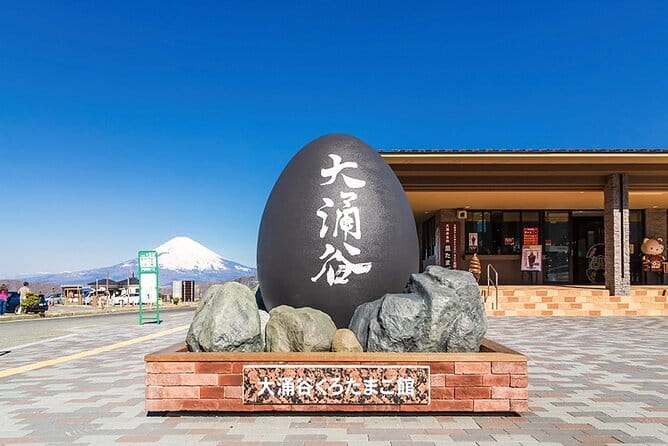
Owakudani gets about 50 minutes, giving you time to walk through the viewing area and see the volcanic activity up close. Steam rises from vents in the valley, and the smell of sulfur can be strong. This is nature in a rougher mood, far removed from the polished streets of central Tokyo.
The local specialty is the black egg, cooked in sulfurous hot-spring water. The shell turns dark during cooking, while the inside remains a familiar hard-boiled egg. It is an easy snack and a fun bit of local folklore, though you should not feel obliged to buy one.
This stop has clear visual value even if Fuji is hidden. You can see the volcanic basin, steam, and exposed rock, and the ropeway ride gives you a second angle on the area. The time is short, though, so stay aware of where the guide and coach are located.
Some travelers find Owakudani difficult if they are sensitive to sulfur smells. The tour notes that most people can participate, but you should still expect moderate walking and time outdoors. Take a layer, especially in cooler months, as volcanic viewing areas can feel chilly and windy.
A few more Tokyo tours and experiences worth a look
Lake Yamanaka, or Swan Lake
The coach then travels to Lake Yamanaka, one of the Five Lakes of Mount Fuji. The stop lasts around 20 minutes, so think of it as a quick photo break rather than a full lakeside visit.
The lake is also called Swan Lake, and the setting may include swans with Fuji behind them. When the mountain is clear, this can produce a softer, more peaceful photograph than the rough volcanic views at Owakudani. When Fuji is covered, the lake still gives you a short break from the vehicle.
Twenty minutes goes quickly. Have your camera ready and follow the guide’s instructions about where to meet. This stop is especially dependent on the weather and the light, so its value can vary more than that of the shrine or Owakudani.
The timing also shows the nature of this excursion. You are collecting viewpoints around a large region, not settling into one place for a long afternoon. That tradeoff suits you if your goal is to see the main sights in one day.
Oshino Hakkai and Fuji’s snowmelt ponds
The final stop is Oshino Hakkai, a village known for eight clear ponds fed by Mount Fuji’s snowmelt. You get about 40 minutes to look at the water, village buildings, and mountain reflections.
The ponds offer a different kind of Fuji experience. At Owakudani, you see heat and volcanic force. Here, the focus is cold, clear water and the quiet rural setting around it. If Fuji is visible, reflections in the ponds can make excellent photographs.
Oshino Hakkai can be crowded, and the narrow viewing areas may feel busy at popular times. Keep track of the group and allow time to return to the meeting point. You may also find small food stalls and shops, but carry yen because some areas do not accept credit cards.
This is a fitting final stop because it brings the tour back to the mountain’s water. You have seen Fuji from roads, lakes, and elevated cable cars, and now you see the streams and ponds associated with its snowmelt.
Fuji views are wonderful, but never guaranteed

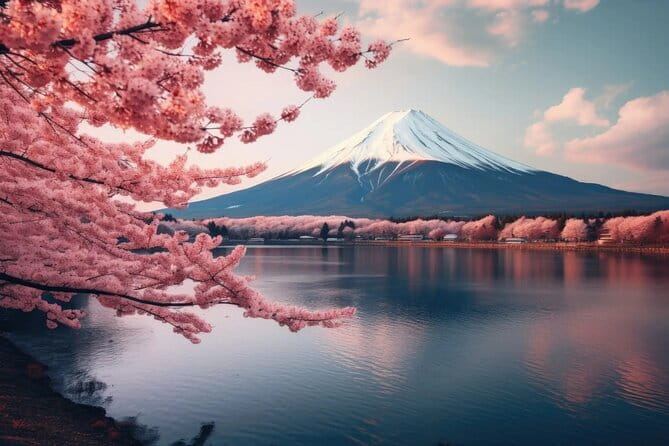
The tour is built around Mount Fuji, yet the mountain is often hidden by cloud. One day can give you a clear summit from several stops, while another day may offer only a brief glimpse or none at all.
The timing can also work against you. One common pattern is a clear morning followed by clouds in the afternoon, which means Fuji may be visible near Owakudani but blocked by the time you reach a lake. You cannot control the weather, but you can choose a tour that still has worthwhile stops when the peak disappears.
This one does. The shrine, cruise, ropeway, volcanic vents, lake, and ponds are not dependent on a perfect Fuji view. Still, if your only goal is a close look at the mountain, this is a gamble. You are paying for access to the region, not a guaranteed photograph.
The long ride from Tokyo and the real pace of the day
The biggest practical issue is road time. Tokyo traffic and weekend holiday congestion can delay the return beyond 8 p.m., and total bus time may reach five hours or more. The operator may shorten, rearrange, or cancel some visits when traffic causes trouble.
That sounds severe, but it is the price of visiting this wide area in one day. A coach lets you reach places that would require several transfers by train and bus. You can rest between stops instead of navigating unfamiliar transport, but you give up flexibility and quiet time.
The stop lengths range from 20 to 50 minutes. That is enough for photos and a quick look, but not enough for a long meal, a detailed shrine visit, or a relaxed walk around each location. I would bring water and snacks. Lunch is not included, and at least one meal stop may feel rushed, especially when traffic has already cut into the schedule.
If you buy a larger meal, watch the clock. A quick bento or snack may be more practical than sitting down to something elaborate. Food quality and choice can vary by the stop, and you do not want to spend your whole Owakudani or Oshino Hakkai visit watching the time.
Wear comfortable shoes. The amount of walking is moderate, but the day includes docks, stations, viewing paths, and village areas. You will also spend long stretches sitting on the coach, so a small bag with water, a snack, cash, and a light layer is sensible.
Guides, languages, and group size
The guide is an important part of this experience because the sightseeing time is short. Guides assigned to this route have included Jack, Kousei, Andrew, Tom, Jake, Peter, Sato, Mizuki, and Miskito. Assignments vary, so you should not book on the assumption that one particular guide will lead your group.
The strongest guide style on this tour is clear and practical. A good guide explains the order of the day, gives firm meeting times, points out photo locations, helps with group photos, and keeps slower walkers from being left behind. Guides such as Jack and Kousei have been praised for humor, clear English, useful explanations, and help with photographs. Andrew has also been singled out for attentive care and a friendly manner.
Explanations may be given in several languages, so commentary can be brief. If you want a long lecture at every site, this may feel light. If you prefer short instructions followed by free time, it should suit you well.
With up to 45 people, organization matters. The meeting point can be confusing when several buses and guides gather in the same area. Look for the guide holding a yellow Gogoday Travel flag, and have the name and phone number used for the booking ready. Late arrivals and no-shows are not refunded.
The night before, you are supposed to receive the guide’s contact number, driver details, and vehicle license plate by email. Give the operator an email address after booking because the booking platform may not reveal it to the tour company. Keep your phone accessible on the morning of the tour.
Value, limitations, and who should book
At $67.39, the tour gives you an efficient way to combine Hakone and the Fuji area from Tokyo. The included ropeway ticket adds real value, and the air-conditioned vehicle saves you from managing several connections. Add $12 for the pirate ship and pay separately for lunch, and you still have a fairly economical full-day outing.
The value is strongest when you have limited time. You can see six places, get several Fuji viewpoints, and rely on a multilingual guide. It is also a sensible choice if the thought of planning Hakone transport feels like work.
The value is weaker if you dislike fixed schedules, large groups, or long coach rides. You may feel rushed at lunch and at the shorter stops. A clear day can make the entire trip feel exceptional, while a cloudy day leaves you with a scenic but less dramatic tour.
You should also keep your expectations accurate. This is a Mount Fuji viewing trip, not a visit to the mountain itself. It does not include a climb, a high-elevation Fuji station, or a guaranteed summit view.
Cancellation is free if you cancel at least 24 hours before the start time. Changes or cancellations inside that window are not refunded. That policy is worth noting if your Tokyo plans depend on weather, since Fuji visibility can change quickly.
Should you book this Fuji and Hakone tour?
Book it if you want a high-value sampler of the Fuji region and have only one open day from Tokyo. The combination of Lake Ashi, Hakone Shrine, the ropeway, Owakudani, Lake Yamanaka, and Oshino Hakkai gives you more variety than a simple viewpoint excursion.
Skip it if you want a slow cultural visit, a private guide, or a guaranteed close view of Mount Fuji. For everyone else, I would book with three conditions: choose a day with the best available weather forecast, bring yen and food, and leave your evening free in case traffic delays the return.
FAQ
Is Mount Fuji guaranteed to be visible?
No. Weather conditions are unpredictable, and the tour cannot guarantee views of Mount Fuji. Fuji may be clear from one stop and hidden by clouds later in the day.
Is the Lake Ashi pirate ship included?
No. The cruise costs $12 per person and is paid separately. The Hakone Ropeway ticket is included, but the pirate ship ticket is not.
How long is the tour?
The tour lasts approximately 10 hours. Weekend and holiday traffic may delay the return beyond 8 p.m., so you should not schedule another activity or transport immediately afterward.
What languages can the guides speak?
The guides can provide service in English, Japanese, and Chinese. Since this is a shared group tour, explanations may be given in multiple languages.
How large can the group be?
The shared tour can have a maximum of 45 travelers. Pickup and drop-off are provided at a designated point in central Tokyo.
What happens if the Hakone Ropeway is suspended?
If the ropeway is suspended because of weather or another factor, the operator says you can email to request a refund of the 1,000-yen ropeway ticket fee per person.
More Bay & River Cruises in Tokyo


More Hakone Day Trips in Tokyo
More Mt Fuji Day Trips in Tokyo

More tours in Tokyo we've reviewed












Mt Fuji Day Trips, compared.
 ★ 5.0Mt Fuji and Hakone 1-Day Bus Tour Return by Bullet TrainFrom $163
 ★ 4.0Mt Fuji & Hakone Cruise, Drum Show Bullet Train 1 Day from TokyoFrom $149
 ★ 4.4Tokyo Mt Fuji 5th St & Hakone Cruise Bus Tour w/Bullet TrainFrom $15410 hours
 ★ 4.5From Tokyo: Mount Fuji Full-Day Sightseeing TripFrom $6810 hours
 ★ 4.7Tokyo: Mt. Fuji Tour, Hakone Ropeway, Owakudani, Lake AshiFrom $5410 hours
 ★ 4.4Tokyo:Mt.Fuji,Kawaguchiko Oishi Park,Arakurayama Sengen ParkFrom $5410 hours