Reviewed · TOURS
Highlights of Japan Tour: 10-day Small Group
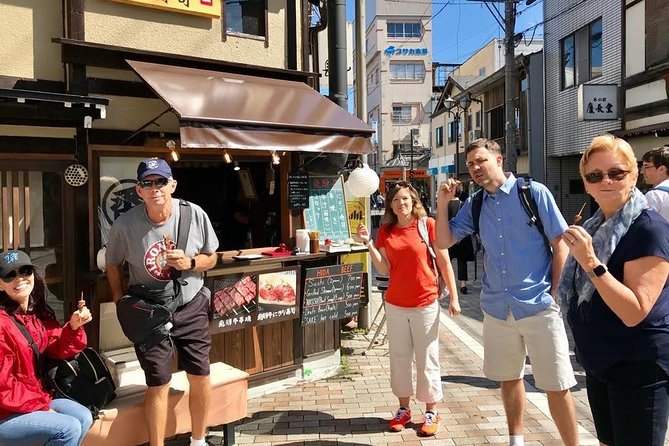
Japan and More’s 10-day route does something many first visits fail to do: it moves beyond Tokyo and Kyoto without turning the trip into a rushed checklist. You’ll see Shibuya Crossing and Senso-ji, then head into the mountains for Mount Fuji, a ryokan stay, an onsen, and kaiseki dinner. I like the small group of no more than eight and the personal, culture-focused approach led by Becki and Shawn. The main catch is the price, $7,048 per person, with airfare and travel insurance extra.
In This Article
- Key points at a glance
- Why this route gives you more than Tokyo and Kyoto
- Days 1 and 2: Tokyo’s famous crossing, temple, and market
- Day 3: Mount Fuji, a ryokan, and the pleasure of slowing down
- Day 4: Matsumoto Castle and an old merchant district
- Day 5: Zenko-ji, a Buddhist service, and Kanazawa’s refined old quarters
- Day 6: Tsumago and the old Nakasendo road
- Days 7 and 8: Kyoto’s wooden lanes and famous temples
- Day 9: The Tokyo National Museum before departure
- Day 10: Narita Airport and the practical finish
- Who will get the most from this Japan tour?
- Should you book Highlights of Japan?
- FAQ
- Where does the tour begin?
- Where does the tour end?
- How long is the tour?
- What is the maximum group size?
- Who leads the tour?
- Is Mount Fuji included?
- Does the tour include a ryokan stay?
- Is an onsen included?
- What meals are included?
- Is travel insurance included?
- Is airfare included?
- How physically active is the tour?
- Is the tour refundable?
I also like the mix of famous sights and quieter historic towns. Matsumoto Castle, Tsumago, Zenko-ji, and Kanazawa give you a fuller picture of Japan than a Tokyo-Kyoto express trip. Still, this is an active journey with several long transfer days, temple visits, and time on public transportation, so you should be comfortable walking and keeping a steady pace.
Key points at a glance
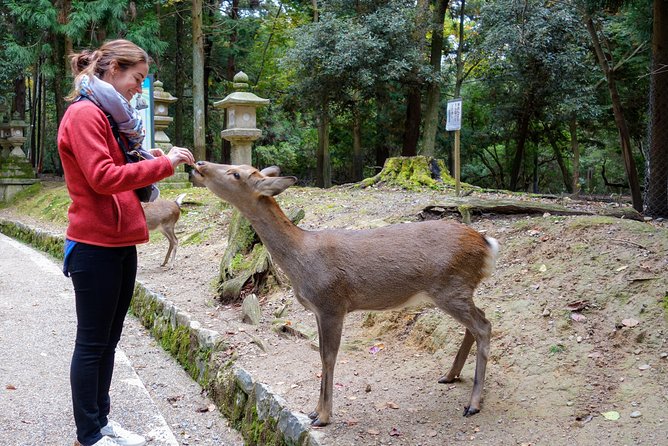
- A maximum of eight people: The tiny group makes it easier to ask questions, adjust the pace, and get help with trains, etiquette, and daily travel.
- A ryokan and onsen near Mount Fuji: The Lake Kawaguchiko stop includes a traditional inn, hot spring bathing, and kaiseki dinner.
- Japan beyond the standard circuit: Tsumago, Matsumoto, Nagano, and Kanazawa add mountain scenery, castle towns, samurai streets, and old post roads.
- A useful first-trip safety net: Becki and Shawn provide guidance with customs, food, transport, and the many small steps that can make independent travel feel daunting.
- A serious price commitment: The $7,048 rate includes nine breakfasts, four dinners, and admission tickets listed in the itinerary, but airfare and insurance are not included.
- A moderate physical level: Expect frequent walking, sightseeing on foot, and a schedule that covers a lot of ground in ten days.
Why this route gives you more than Tokyo and Kyoto
Japan is easy to admire from its headline sights. It is harder to understand how the country fits together: modern city life, Buddhist tradition, mountain towns, samurai districts, formal gardens, hot spring customs, and careful food rituals.
This route makes a good attempt at that wider picture. You begin in Tokyo, then travel west and north through Lake Kawaguchiko, Matsumoto, Nagano, Kanazawa, the Kiso Valley, and Kyoto before returning to Tokyo. The route is ambitious, but it gives you several different Japans in one trip.
The small-group format matters here. Japan’s train system is efficient, but station signs, transfers, ticket gates, luggage, and local etiquette can still wear you down. The tour uses public transportation, and the guidance from Becki and Shawn is meant to make those moments manageable rather than mysterious.
The pre-trip preparation is another useful feature. The company has provided detailed information and a Zoom call before departure for past departures, helping people prepare for customs, food, etiquette, and basic travel procedures. That is particularly useful if you do not read Japanese, have never used Japan’s rail system, or feel uneasy about navigating alone.
If you're still narrowing it down, here are other tours in Tokyo we've reviewed.

Days 1 and 2: Tokyo’s famous crossing, temple, and market
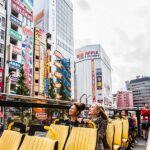
Your first day starts with free time around Shibuya Crossing. One hour is not enough to explore the whole district, but it is enough to see the crossing, get your bearings, and take in Tokyo’s sheer scale.
Shibuya is modern, loud, and crowded. That is part of the point. You get an immediate introduction to the city’s polished commercial side before the schedule turns toward older Tokyo.
The second day moves to Asakusa and Senso-ji, Tokyo’s oldest Buddhist temple, founded in 645. Allow two hours here. The temple grounds and surrounding streets offer a much slower view of the city, with traditional architecture, religious customs, and shops aimed at both local visitors and sightseers.
The Old Tsukiji Market follows, with an hour to explore. Tsukiji is no longer Tokyo’s wholesale fish market, but the outer market remains a useful place to see food stalls and specialty shops. The schedule calls it the most famous fish market in the world, but you should treat this stop as a food-and-shopping area rather than a behind-the-scenes auction visit.
I like this opening because it puts old and new Tokyo side by side. The limitation is that both days are short on paper, so your free time will be limited compared with a longer Tokyo stay.
Day 3: Mount Fuji, a ryokan, and the pleasure of slowing down
Lake Kawaguchiko is one of the most appealing parts of the trip. The eight-hour day is built around views of Mount Fuji, followed by a stay in a traditional Japanese ryokan.
Fuji views depend on weather, and no itinerary can promise a clear mountain. On a good day, Lake Kawaguchiko gives you the classic combination of water, mountain, and open sky. Even when clouds interfere, the area provides a welcome break from Tokyo’s hard urban edges.
The ryokan stay is the cultural heart of the day. You can expect a more formal style of hospitality than in a standard hotel, with attention to bathing, meals, and room customs. The included mineral-rich hot spring onsen and kaiseki dinner make this more than a photo stop.
Kaiseki is a sequence of carefully prepared dishes rather than one large meal. It is a chance to notice presentation, seasonality, texture, and restraint. If you are nervous about Japanese food or bathing customs, having Becki and Shawn nearby should make the experience easier.
This is also one of the days where a small group earns its keep. A ryokan and onsen can feel confusing if you are handling every custom alone. You should still be ready for a traditional setting rather than familiar hotel routines.
Day 4: Matsumoto Castle and an old merchant district
Matsumoto Castle is one of only five original castles in Japan and is designated a National Treasure. The three-hour stop includes the castle and the preserved streets of the Nakamachi District.
The castle is especially valuable because it is an original structure, not a modern reconstruction. Its dark exterior gives it a strong presence, while the interior helps you understand how defensive Japanese castles worked.
Castle visits often involve steep stairs and uneven surfaces. The itinerary does not promise an easy route, so wear shoes that can handle a full day of walking and take care on stairways.
Nakamachi adds a different note. Its historic streets and preserved buildings offer a calmer setting after the castle crowds. This is the kind of stop that helps connect Japan’s national history with ordinary commercial life.
Three hours is enough for a useful visit, though not enough for a slow, independent exploration of every corner. The tour’s value here comes from making the transfer and context easier, not from giving you unlimited free time.
Day 5: Zenko-ji, a Buddhist service, and Kanazawa’s refined old quarters
The morning begins at Zenko-ji Temple, founded in the seventh century. You will attend a Buddhist morning service, making this more than a quick look at a temple roof and gate.
A service requires quiet attention and respect. The experience may feel unfamiliar, but that is exactly why it has value. You are not simply looking at a religious building. You are seeing how the site functions as a living place of worship.
The day then moves toward Kanazawa, with a long eight-hour schedule. The listed stops include the Higashi Chaya geisha entertainment district, the Nagamachi Samurai district, Onomichi Market, and Kenrokuen Garden.
Higashi Chaya is known for its traditional wooden teahouses. Nagamachi offers another historical angle, with streets linked to samurai households. Together, the two districts show different sides of the old social order.
Kenrokuen is one of Japan’s three most beautiful gardens. Give yourself time to notice the careful arrangement of water, trees, paths, and seasonal details. It is not a garden you rush through while looking only for one famous viewpoint.
There is a planning issue worth noting: the itinerary places several Kanazawa sights into a long day and names Onomichi Market, which is not in Kanazawa. Ask the operator to confirm the exact market and day plan before booking. The route itself is attractive, but the schedule looks demanding.


Day 6: Tsumago and the old Nakasendo road
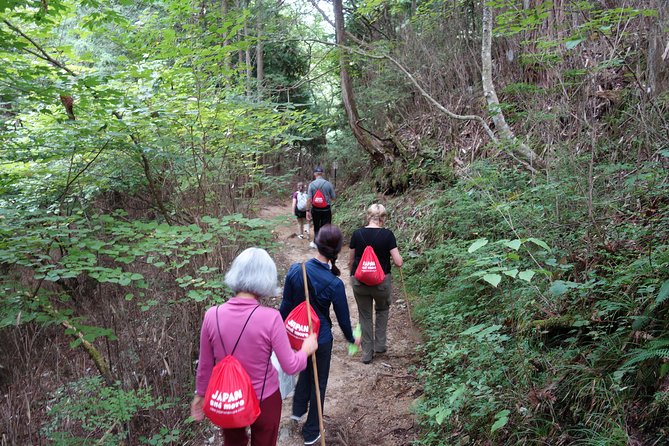
Tsumagojuku, usually called Tsumago, is a beautifully preserved post town in the Kiso Valley. The two-hour stop takes you back to the Edo Period, when the Nakasendo connected Tokyo and Kyoto through the mountains.
This is one of the most distinctive places on the route. Instead of another major temple or city center, you get a traditional settlement shaped by travelers who once stopped there during a long journey.
You may find the two-hour visit brief, especially if you want to walk more of the old Nakasendo Trail. Still, the stop gives the tour a welcome change of pace and shows how people moved between Japan’s great cities before modern rail travel.
The mountain setting also helps break up the succession of urban sights. It is a good reminder that Japan is not only neon signs, temples, and fast trains.
Days 7 and 8: Kyoto’s wooden lanes and famous temples
Kyoto receives four hours on Day 7, beginning at Kiyomizu-dera Temple. The World Heritage Site is one of Kyoto’s best-known religious landmarks, and the surrounding Higashiyama District is nearly as important as the temple itself.
You will walk through streets lined with old wooden houses and small shops. The area can be crowded, especially around popular viewing points, but walking is the best way to experience its scale and detail.
Kiyomizu-dera is built on a hillside, so this is another day for sturdy shoes and a moderate level of fitness. Four hours gives you enough time to see the temple and stroll the district, though not enough to cover all of eastern Kyoto.
Day 8 visits Kinkaku-ji, the Golden Temple, followed by Ryoan-ji. Each stop receives an hour. Kinkaku-ji is a quick, visual visit, with the gold-covered pavilion reflected in its pond. It is one of Japan’s most photographed sights, and the short stop suits its compact viewing route.
Ryoan-ji offers a quieter contrast. Its famous Zen rock garden is simple in appearance but rewards patience. You may not find an hour long enough for extended contemplation, yet pairing it with Kinkaku-ji gives the day a useful contrast between spectacle and restraint.
Kyoto can easily fill a week on its own. This itinerary gives you a strong first look, but you will not have much room for side streets, extra museums, or unplanned discoveries.
Day 9: The Tokyo National Museum before departure
The final sightseeing day returns you to Tokyo and the Tokyo National Museum, Japan’s oldest national museum. It holds more than 110,000 items, including 87 Japanese National Treasures.
Two hours is a sensible introduction, but it is not enough to see everything. The collection is large, and you will need to choose your focus. The museum provides useful context after a trip filled with temples, castles, gardens, and historic districts.
I like ending with a museum because it gives you a chance to connect the sights you have seen with Japanese art, objects, and history. The timing also means you return to Tokyo before flying home rather than trying to reach Narita from a distant city on departure morning.
Day 10: Narita Airport and the practical finish
The tour ends with hotel checkout and the journey to Narita International Airport. The airport transfer is listed as taking two hours, though you should confirm the exact departure timing with the operator.
Nine breakfasts and four dinners are included. Lunches and other meals are not listed, which gives you some freedom to choose local food along the way, but you should budget for those costs separately.
The $7,048 price is high for ten days, but it covers more than sightseeing tickets. You are paying for a small group, trip planning, guides, cultural explanation, transport help, and a route that would take real work to arrange independently.
That value depends on what you want. If you enjoy building your own rail itinerary and booking every hotel and meal, the price may feel steep. If you want a carefully managed first visit, help with Japanese customs, and access to a tiny group rather than a coach, the cost becomes easier to defend.
Airfare and travel insurance are extra. The booking terms are strict: the experience is non-refundable and cannot be changed for any reason, so you should be certain of your dates before paying.
Who will get the most from this Japan tour?
I would recommend this trip to a first-time visitor who wants more than Tokyo and Kyoto but does not want to manage every train, hotel, temple, and cultural detail alone.
It should also suit you if you prefer a small social group. With no more than eight people, the experience is likely to feel more personal than a standard package tour. The company’s style is designed to feel closer to exploring with friends than following a large flag through Japan.
You should be comfortable walking, using public transportation, changing locations often, and spending long days on the move. This is not a relaxed resort holiday, and it is not a deep stay in any one city.
The tour may also suit independent-minded people who normally plan their own trips but feel held back by the Japanese language, writing system, driving customs, or rail network. The preparation and hands-on support can remove a lot of stress without reducing the cultural focus.
Should you book Highlights of Japan?
Book it if you want a broad, active introduction to Japan with a maximum of eight people, a traditional ryokan stay, an onsen, a kaiseki meal, major temples, a castle, historic towns, and help with daily customs.
Think twice if you want lots of free time, dislike changing hotels, or need a flexible cancellation policy. Also confirm the exact departure schedule, transport arrangements, accommodations, and the Kanazawa market reference before committing.
For the right person, this is a strong first trip: varied, personal, and designed to show Japan as more than a string of famous photo stops.
FAQ
Where does the tour begin?
The tour begins in Tokyo, Japan.
Where does the tour end?
The activity ends back at the meeting point, followed by the Day 10 transfer to Narita International Airport.
How long is the tour?
The tour lasts approximately 10 days.
What is the maximum group size?
The group is limited to a maximum of eight people.
Who leads the tour?
The experience is provided by Japan and More. The guides named in the supplied information are Becki and Shawn.
Is Mount Fuji included?
Yes. Day 3 includes travel to Lake Kawaguchiko for views of Mount Fuji.
Does the tour include a ryokan stay?
Yes. The Lake Kawaguchiko portion includes a stay at a traditional Japanese ryokan.
Is an onsen included?
Yes. Day 3 includes time to soak in a mineral-rich hot spring onsen.
What meals are included?
Nine breakfasts and four dinners are included. Airfare and travel insurance are not included.
Is travel insurance included?
No. Travel insurance is not included.
Is airfare included?
No. Airfare is not included.
How physically active is the tour?
The tour requires a moderate level of physical fitness. It includes walking through city districts, temple grounds, gardens, historic towns, and transportation stations.
Is the tour refundable?
No. The experience is non-refundable and cannot be changed for any reason.
More tours in Tokyo we've reviewed




Tours, compared.
 ★ 5.0Mt Fuji and Hakone 1-Day Bus Tour Return by Bullet TrainFrom $163
 ★ 5.01-Day Tokyo Bus TourFrom $129
 ★ 5.0Tokyo: Shinjuku Food Tour (13 Dishes at 4 Local Eateries)From $86
 ★ 4.4Tokyo Mt Fuji 5th St & Hakone Cruise Bus Tour w/Bullet TrainFrom $15410 hours
 ★ 5.0Flagship 2-Hours Official Street Go-Kart Tour – Tokyo Bay ShopFrom $642 hours to 2 hours 30 minutes (approx.)
 ★ 4.7Tokyo: Mt. Fuji Tour, Hakone Ropeway, Owakudani, Lake AshiFrom $5410 hours