Reviewed · HALF-DAY
Tokyo: Half-Day Morning Small Group Tour
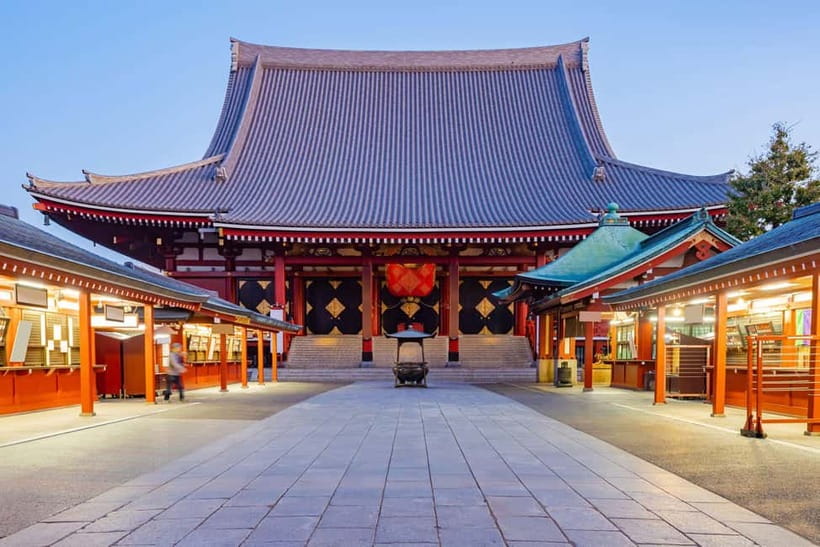
Tokyo reveals two very different faces on this morning tour: the polished modern center around Tokyo Station and the old Tokyo atmosphere of Asakusa. In a few hours, you’ll see palace gardens, the famous Nijubashi Bridge, Nakamise-dori, and Senso-ji Temple.
In This Article
- Key points to know before booking
- A useful morning route from Tokyo Station to Asakusa
- Imperial Palace Gardens: a calm opening in central Tokyo
- Nijubashi Bridge and the classic palace view
- The transfer to Asakusa changes the mood
- Asakusa: Tokyo’s traditional street scene
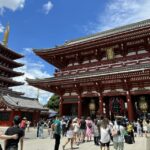
- Senso-ji: the strongest stop on the schedule
- What $59 includes, and what it does not
- Walking, accessibility, and practical comfort
- Who will get the most from this tour
- Should you book this Tokyo morning tour?
- FAQ
- How long is the Tokyo Half-Day Morning Small Group Tour?
- Where does the tour begin?
- Where does the tour finish?
- What language is the tour offered in?
- What sights are included?
- Is hotel pickup included?
- Are food and drinks included?
- Is the tour suitable for wheelchair users?
I like the easy first-timer route and the fact that the tour finishes at Senso-ji, so you can keep exploring Asakusa afterward. I also like having an English-speaking local guide to explain what you’re seeing instead of simply rushing from photo stop to photo stop.
The main caution is reliability. The published score is 3 out of 5 from eight bookings, with one report of a cancellation and another of a guide who did not appear. Also, the listed stop times add up to about three and a half hours, although the advertised duration is three hours.
Key points to know before booking
- Two sides of Tokyo in one morning: Begin near Tokyo Station and end among Asakusa’s temples and traditional shopping streets.
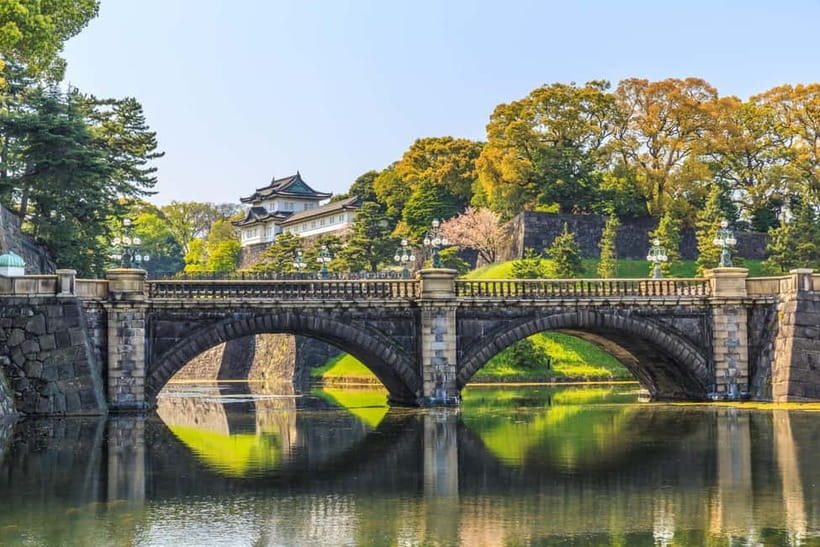
- Nijubashi Bridge is the visual highlight: You’ll get one of the best-known views associated with the Imperial Palace grounds.
- Senso-ji receives a full hour: This is not just a quick temple photo stop.
- The $59 price buys guidance, not meals or transport: Hotel pickup, drop-off, food, and insurance are not included.
- Plan for walking: Comfortable shoes and water are essential, and the tour is not suitable for wheelchair users.
- Check the timing carefully: The advertised duration and the individual stop lengths do not match perfectly.
A useful morning route from Tokyo Station to Asakusa
This is a smart route on paper because it links two places that feel quite different. Around Tokyo Station, you get broad avenues, formal palace grounds, and the city’s business-center polish. In Asakusa, the pace shifts toward temple gates, souvenir stalls, and old-fashioned street scenes.
The tour begins at Starbucks Coffee in Kokyo Gaien Wadakura Fountain Park. That meeting point is beside the Imperial Palace area, not at the main Starbucks inside Tokyo Station. You’ll want to arrive 15 minutes early, with enough time to find the fountain park and identify your guide.
The activity is a small-group tour, though no maximum group size is given. That matters because a compact group is easier to keep together around Senso-ji and Nakamise-dori, while a larger group can make explanations harder to hear and photos harder to arrange.
No guide names are provided in the booking information. Your guide is described as a local, English-speaking expert, and the most favorable comment specifically praised the guide’s kindness and good command of the sights. That is the sort of help that matters most on a short introductory tour: clear directions, useful context, and a good pace.
A few more Tokyo tours and experiences worth a look


Imperial Palace Gardens: a calm opening in central Tokyo
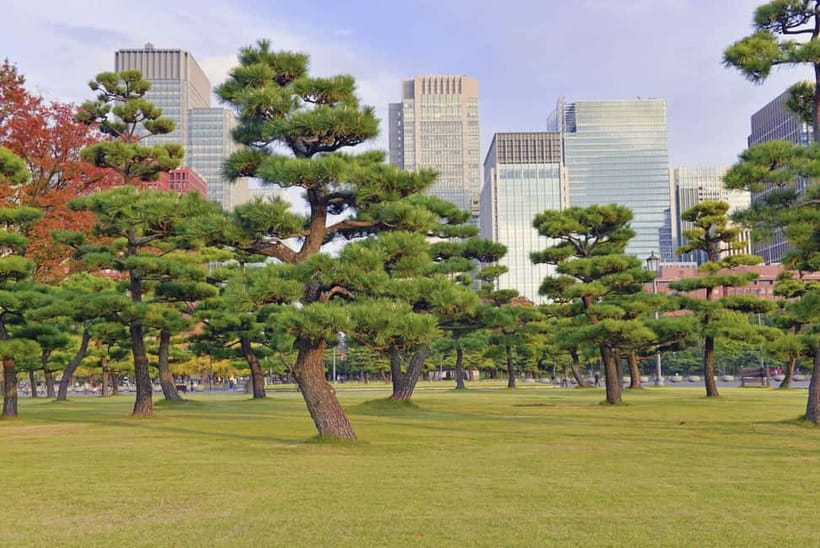
The first guided stop is the Tokyo Imperial Palace, with about 30 minutes in the gardens. This gives you a peaceful start before the tour moves into Asakusa’s busier streets.
The palace grounds offer a useful lesson in Tokyo’s character. The city is intensely built up, yet this central area has open space, trees, stone walls, and formal views. You are not getting a long palace tour or access to every part of the imperial compound. Instead, expect an outdoor visit focused on the grounds and their setting.
Thirty minutes is enough for an introduction and some photographs, but it is not enough for a slow garden visit. If you love Japanese gardens and want time to study details, you may find this stop brief. If your priority is seeing several major Tokyo sights in one morning, the short visit works in your favor.
Dress for the weather. The information provided does not promise much indoor shelter, and the tour is primarily on foot. A water bottle is a simple but useful addition, especially on a warm or humid morning.
Nijubashi Bridge and the classic palace view
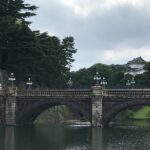
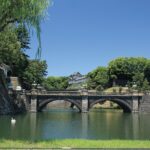
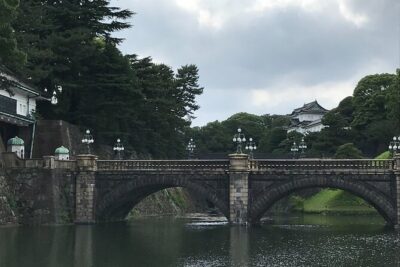
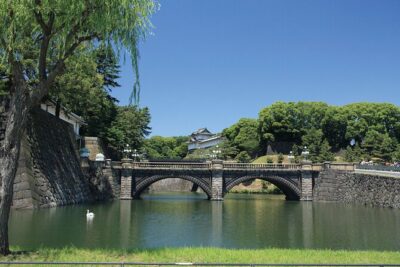
Next comes Nijubashi Bridge, also scheduled for about 30 minutes. The bridge is one of the most recognizable views near the Imperial Palace, with the stone bridge, palace setting, and carefully composed sightlines that make it a natural photo stop.
I like the way this stop adds a clear visual payoff after the quieter garden walk. You do not need to know much about Tokyo before arriving to appreciate the view, and your guide can give the scene some context rather than leaving you to guess what you are looking at.
The drawback is that a bridge visit can be affected by crowding, weather, and the group’s pace. The tour description promises views from Nijubashi Bridge, but it does not specify how much time is spent crossing it or whether every part of the palace area is accessible. Treat it as a focused stop, not an extended palace exploration.
This is also a good place to take photographs early in the day. Your guide may point out the best angle, but you should still be ready to move when the group does. A short tour works best when you keep personal photo sessions fairly quick.
The transfer to Asakusa changes the mood
The itinerary allows 30 minutes for the transfer to Asakusa, but it does not state whether this is by train, bus, or another form of transport. Hotel pickup and drop-off are not included, so you are responsible for reaching the meeting point and making your own arrangements after the tour ends.
That missing transport detail is worth checking before you pay. Tokyo is easy to navigate in many places, but the practical experience changes depending on the vehicle, the meeting instructions, and whether the group travels together. Ask for the exact transfer plan if it is not clear at booking.
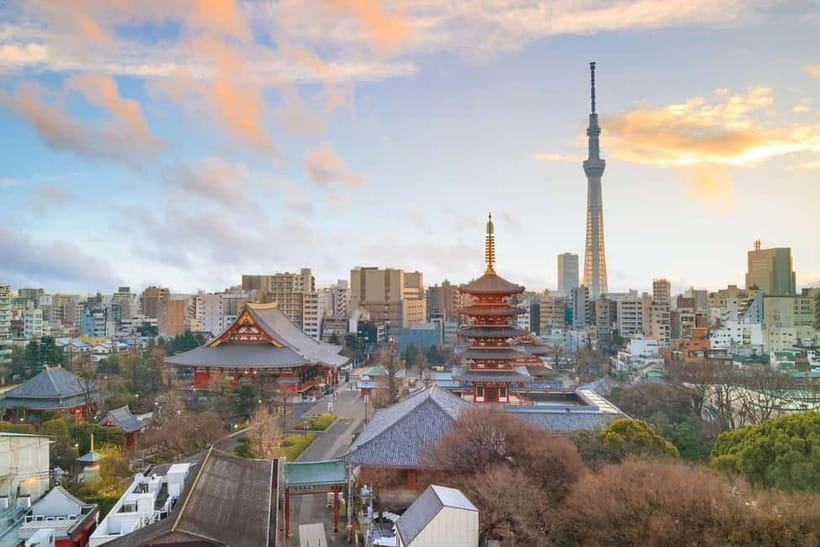
The move from the Imperial Palace area to Asakusa is valuable because the tour is not simply repeating one kind of city view. You start with government and palace surroundings, then move to a neighborhood where temple architecture and traditional retail streets shape the experience.
Because the total advertised duration is three hours, you should watch the clock. The listed sections include 30 minutes at the palace, 30 minutes at Nijubashi, 30 minutes for transfer, one hour in Asakusa, and one hour at Senso-ji. That totals three and a half hours. The schedule may be rounded, or the stop times may be approximate, but I would confirm the expected finish time before arranging another activity.
Asakusa: Tokyo’s traditional street scene
The tour spends about an hour in Asakusa. This is where the experience becomes more street-based and social, with the guide leading you through one of Tokyo’s best-known cultural districts.
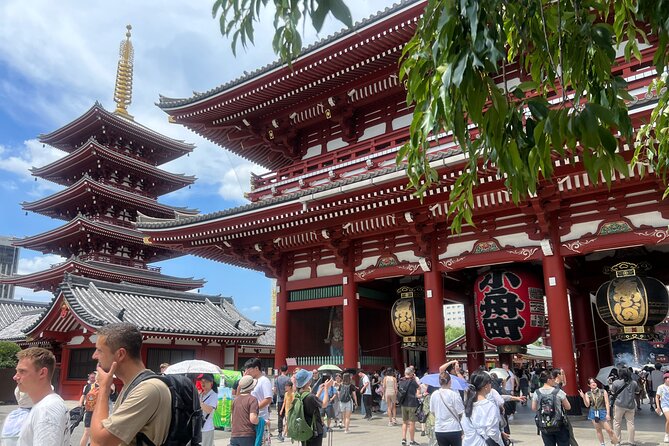
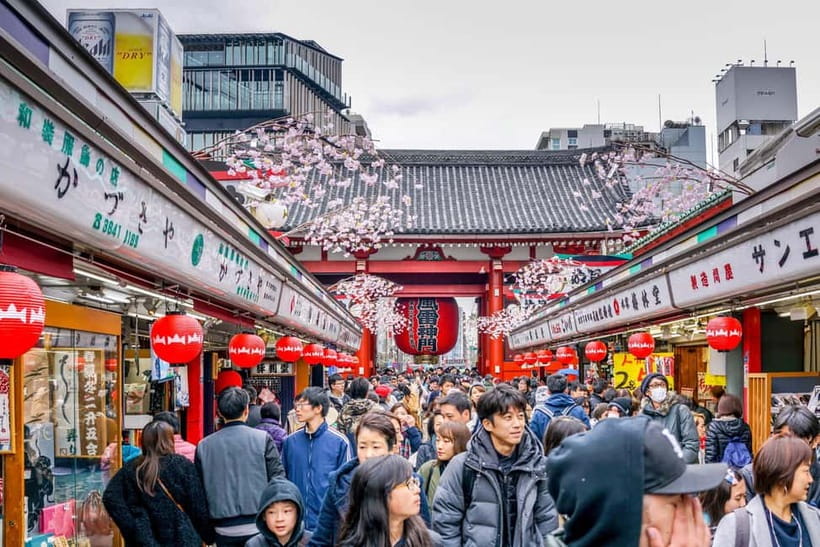
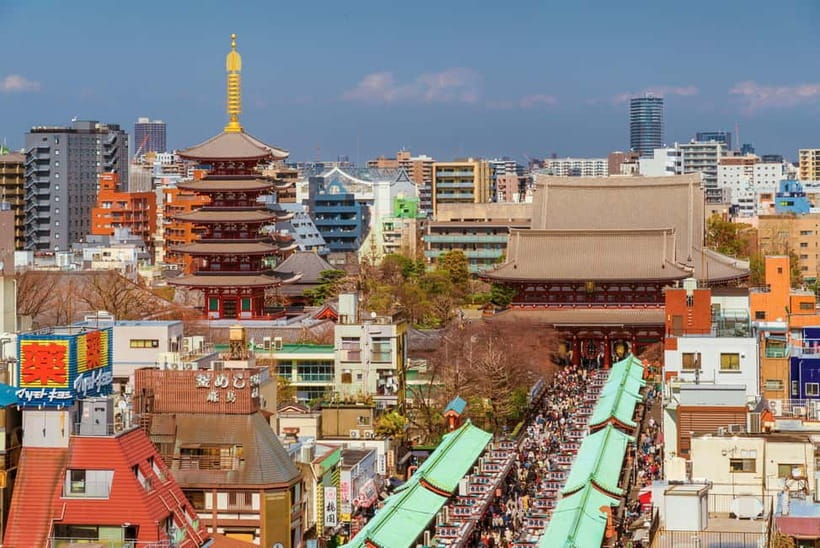
The route includes Nakamise-dori Street, the approach to Senso-ji. This shopping street leads toward the temple and is lined with stalls and shops selling souvenirs, snacks, and traditional-looking goods. It can be a fun place to browse, but do not expect a quiet stroll. The street is a major sight in its own right, and its appeal comes from the combination of shopping, architecture, movement, and the temple gate ahead.
An hour gives you time to walk, listen, and take in the setting. It may not give you much freedom to shop at length, particularly if the group is also making its way to the temple. If you spot something you want to buy, remember that the tour continues on a schedule.
I like Asakusa as the second half of this tour because it supplies something the Imperial Palace area cannot: a closer look at Tokyo’s public, commercial, and religious life. The guide can help explain what is appropriate around the temple and point out details you might otherwise pass without noticing.
Still, expectations matter. This is a guided introduction, not a neighborhood food tour or a long shopping excursion. Meals are not included, and there is no promise of tastings. Save time and money for anything you want to eat or purchase after the guided portion.
A few more Tokyo tours and experiences worth a look


Senso-ji: the strongest stop on the schedule
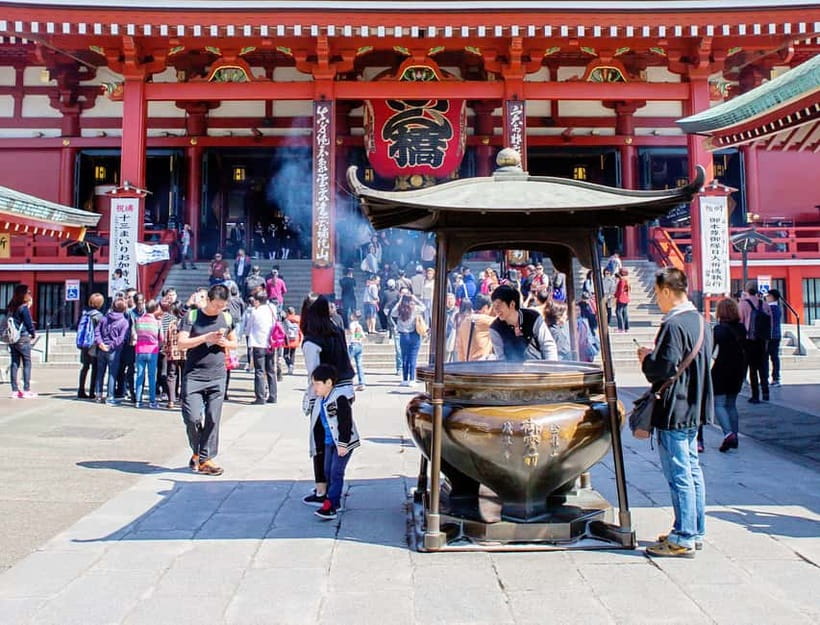
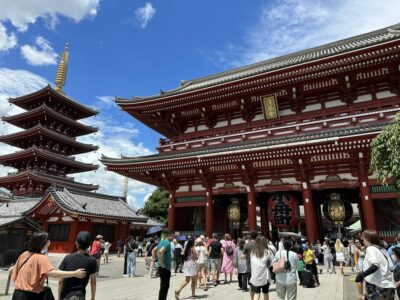
The tour finishes at Senso-ji, with about one hour devoted to the temple. This is the most substantial stop and likely the centerpiece for many first-time visitors.
Senso-ji is one of Tokyo’s best-known Buddhist temples, and the approach through Nakamise-dori gives the visit a strong sense of arrival. You’ll have time to see the temple area, hear an explanation from the guide, and take photographs. Since the tour ends here, you are not forced to return to Tokyo Station with the group.
That ending is a real practical advantage. After the guide finishes, you can continue exploring Asakusa, find a meal, or make your way elsewhere in Tokyo. It also means you should plan your day from Senso-ji, not from the original meeting point.
The temple grounds are active and can feel crowded. Keep personal belongings close, follow any posted rules, and allow space for people who are there to worship. A guided visit is most useful when it helps you understand the setting without treating it as only a photo backdrop.
One hour is a reasonable amount of time for a first visit, though temple enthusiasts may want much longer. If Senso-ji is your top priority, you could also return independently after the tour and explore at your own pace.
What $59 includes, and what it does not
The price is $59 per person. The included service is an expert tour guide. That makes the value depend on what you want from your morning.
You are paying for a planned route, live English explanations, and help connecting four major sights. For a first visit, that can save you the work of deciding how to combine the Imperial Palace area and Asakusa. It is also useful if you enjoy asking questions or prefer not to manage every transition alone.
The price does not include hotel pickup or drop-off, meals, or personal travel insurance. You should also treat transport during the transfer as something to clarify, since the exact method is not stated.
I would consider $59 fair for a short guided introduction if the group runs on time and the guide is attentive. It is less attractive if you mainly want photographs, already understand Tokyo’s temples and palace area, or prefer to explore independently. One booking described the experience as suitable for beginners but suggested that the sights can also be visited alone. That is a fair assessment.
The strongest reason to book is convenience and orientation. The weakest reason is expecting a deep, unhurried visit at every stop.
Walking, accessibility, and practical comfort
Bring comfortable walking shoes. The route includes gardens, a bridge, a shopping street, and temple grounds, so you should expect regular walking and time on your feet.
Bring water and check the forecast before leaving. The instructions specifically advise dressing for the weather, and that is good advice for any outdoor morning in Tokyo. Light rain or heat can change how enjoyable the palace and Asakusa sections feel.
The tour is not suitable for wheelchair users. No further accessibility details are supplied, so anyone with mobility concerns should ask the provider for exact information before booking.
Arrive at the Starbucks meeting point 15 minutes before the start. This is especially important because the tour does not include hotel pickup. Save your confirmation details and the provider’s contact information, and make sure you know how to reach the meeting point before the morning begins.
The reliability reports deserve attention. One scheduled departure was canceled, while another booking recorded a guide no-show despite four people waiting at the stated location and trying to reach the guide and emergency number. These are serious concerns for anyone working with a tight schedule. The activity allows free cancellation up to 24 hours in advance and offers reserve-now, pay-later booking, but those policies do not remove the need to confirm the tour close to departure.
Who will get the most from this tour
I would recommend this experience most strongly to a first-time Tokyo visitor with only one morning available. You’ll see major sights, get a basic sense of how central Tokyo fits together, and finish in a neighborhood worth more exploration.
It also suits solo visitors who want company and an English-speaking guide, as well as couples or families who prefer a fixed route. The short format can help you get your bearings early in a longer Tokyo stay.
You may want to skip it if you dislike group pacing, need wheelchair access, or want extensive time at the Imperial Palace Gardens. Independent visitors can reach the same areas without paying for a guide, and the published schedule leaves some uncertainty about the exact duration and transfer arrangements.
If you book, keep the rest of your morning flexible. The tour is advertised as three hours, but the detailed timing suggests it could run longer. Since it finishes at Senso-ji, avoid scheduling a nonrefundable activity immediately afterward.
Should you book this Tokyo morning tour?
Book it if you want a straightforward introduction to Tokyo’s palace district and Asakusa, value live English guidance, and have limited time. The route is well chosen, the Senso-ji visit is generous for a short tour, and finishing in Asakusa gives you room to continue on your own.
I would book with caution rather than blind confidence. Confirm the meeting point, transfer method, guide contact, and expected finish time. The kind and informed guide described in the positive booking can make the morning worthwhile, but the cancellation and no-show reports mean reliability is the deciding factor.
For $59, this is best viewed as an orientation tour, not a full cultural study. If you want a friendly introduction and a useful first look at several essential Tokyo sights, it is a reasonable choice. If you prefer independence or need a guaranteed, tightly timed schedule, plan the same route yourself.
FAQ
How long is the Tokyo Half-Day Morning Small Group Tour?
The advertised duration is 3 hours. The listed stop times add up to about 3 and a half hours, so confirm the expected schedule before booking another activity.
Where does the tour begin?
You meet the guide in front of Starbucks Coffee at Kokyo Gaien Wadakura Fountain Park, near the Imperial Palace area.
Where does the tour finish?
The tour finishes at Senso-ji Temple in Asakusa.
What language is the tour offered in?
The live tour guide speaks English.
What sights are included?
The route includes the Tokyo Imperial Palace Gardens, Nijubashi Bridge, Asakusa, Nakamise-dori Street, and Senso-ji Temple.
Is hotel pickup included?
No. Hotel pickup and drop-off are not included, so you need to reach the meeting point yourself.
Are food and drinks included?
No. Meals are not included. You should bring water and plan separately for any food or drinks.
Is the tour suitable for wheelchair users?
No. The activity is listed as not suitable for wheelchair users.
More Half-Day in Tokyo
More Morning in Tokyo


More tours in Tokyo we've reviewed












Half-Day, compared.
 ★ 4.0Half-day Tokyo Afternoon Tour by Hato BusFrom $41
 ★ 4.6Tokyo: A Half-Day Trip Bus Tour in the MorningFrom $404 hours - 270 minutes
 ★ 4.0Half-day Tokyo Morning Tour by Hato BusFrom $41
 ★ 5.0Tokyo Private Half-Day Tour with a Local – Secrets & HighlightsFrom $143
 ★ 4.9Old and Nostalgic Tokyo: Half-Day Yanaka Walking TourFrom $833h 30m
 ★ 5.0Tokyo Half-Day Canyoning AdventureFrom $60