Reviewed · TEMPLES & MEDITATION
Tokyo: Meiji Jingu, Yoyogi Park & Takeshita Street Tour
Tokyo rarely changes character as quickly as Harajuku. In one three-hour walk, you move from a forested Shinto shrine and quiet park paths to neon-colored youth fashion, street snacks, galleries, and polished design shops. Meiji Jingu and Takeshita Street make an especially sharp contrast.
In This Article
- Key points at a glance
- Why Harajuku is such a good Tokyo introduction
- Entering the forest of Meiji Jingu
- A 30-minute green pause in Yoyogi Park
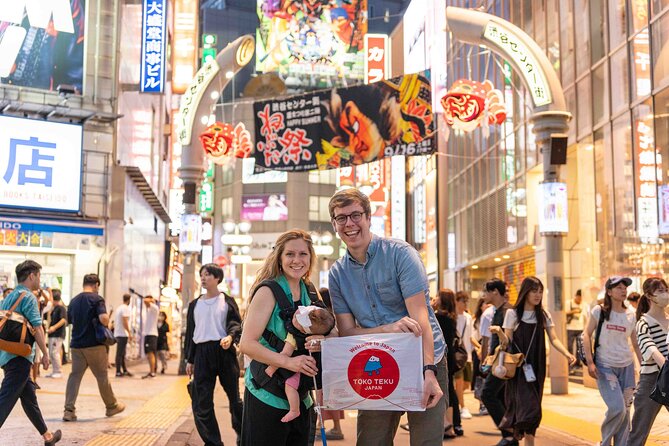
- The sensory jolt of Takeshita Street
- Finishing on Omotesando’s polished avenue
- What the guides add to the walk
- Is $36 a fair price?
- Who should book this Harajuku walk?
- My verdict on the three-hour route
- FAQ
- Where does the tour meet?
- How long does the tour last?
- What language is the tour offered in?
- Which places does the tour visit?
- Is the Meiji Jingu museum ticket included?
- Are meals and drinks included?
- Can I book a private tour or small-group experience?
- What happens if I am late?
I like the clear mix of old and new, and I like that the guide does more than point out sights. Guides such as Ritsuko and Aska are praised for explaining rituals, culture, and local shops in an easy, engaging way. The drawback is simple: this is a walking tour with no hotel pickup, and the pace may not suit anyone with mobility or respiratory concerns.
Key points at a glance
- Meiji Jingu takes up the largest share of the tour: Expect about 90 minutes for the shrine area, its forest setting, and an optional museum visit.
- Yoyogi Park provides a calm pause: The 30-minute walk offers greenery and seasonal scenery between the shrine and Harajuku’s shopping streets.
- Takeshita Street is the high-energy section: You get about an hour for youth fashion, unusual shops, street food, and people-watching.
- Omotesando brings a polished finish: The final 30 minutes focus on modern architecture, boutiques, cafes, and lifestyle shopping.
- The guide shapes the experience: Small groups and private bookings allow some freedom, while guides such as Aska and Ritsuko are noted for strong cultural storytelling.
- The price is reasonable for a guided introduction: At $36 per person, the tour covers three hours of guiding, but food, drinks, personal purchases, and the 1,000-yen Meiji Jingu museum ticket cost extra.
Why Harajuku is such a good Tokyo introduction
Harajuku gives you a useful first lesson in Tokyo. The area is not one single mood. It shifts from sacred woodland to open parkland, then to crowded youth retail and high-end city design within a short distance.
That makes this tour a good choice if you have only an afternoon or want help making sense of a neighborhood that can feel scattered on your own. You are not simply checking off four locations. You are seeing how religion, recreation, fashion, art, and commerce share the same small part of the city.
The tour begins at JR Harajuku Station West Exit. Plan to arrive at least 10 minutes early. The guide waits only up to 10 minutes after the stated meeting time, so this is not the moment to test Tokyo’s train system at the last second. Look for a guide wearing a TripGuru shirt or holding a TripGuru sign.
A few more Tokyo tours and experiences worth a look


Entering the forest of Meiji Jingu
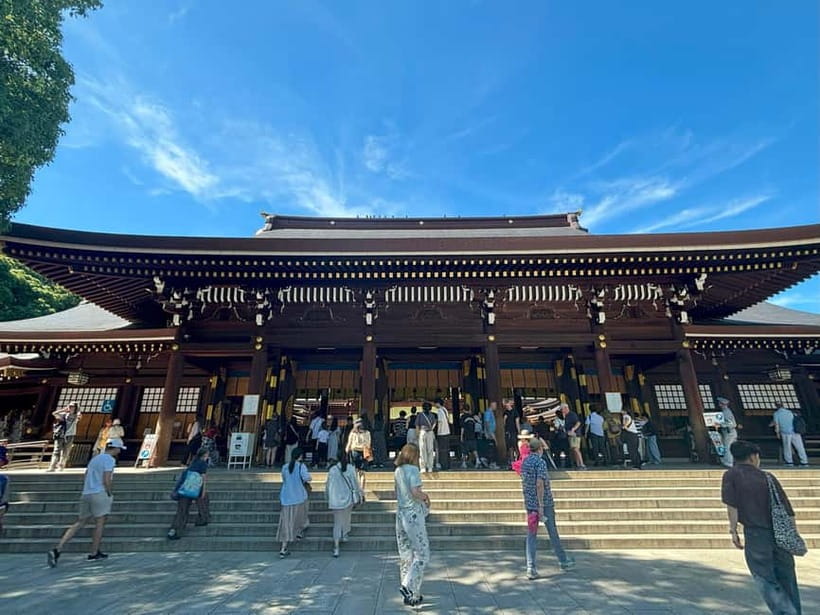
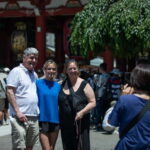
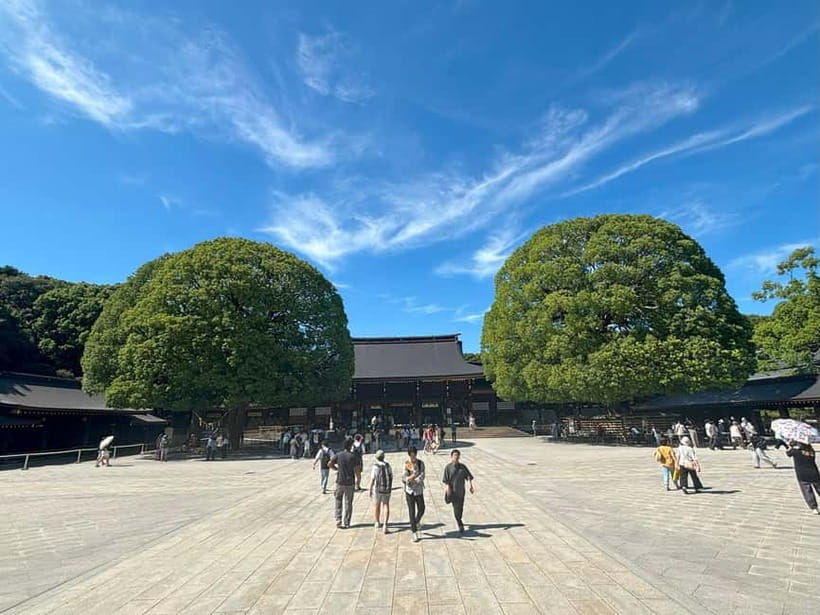
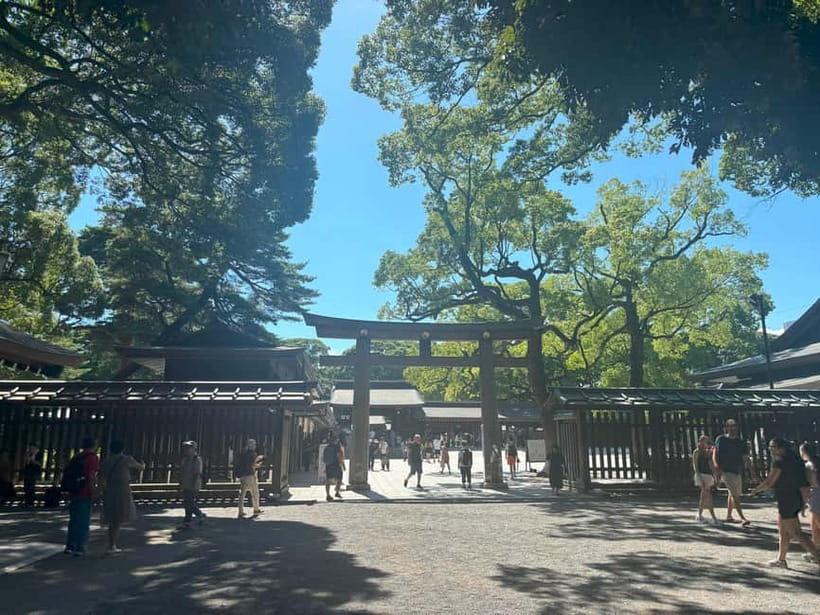
Meiji Jingu receives the largest block of time, about 1.5 hours, and that is the right call. The shrine is one of Tokyo’s best places to understand Shinto practice, especially because its wooded setting gives you a break from the city almost at once.
Your guide explains the shrine’s cultural meaning and the customs connected with visiting. That context matters. Without it, the gates, paths, offerings, and quiet rituals can look attractive but confusing. With a guide, you can better understand how to behave respectfully and why each part of the visit matters.
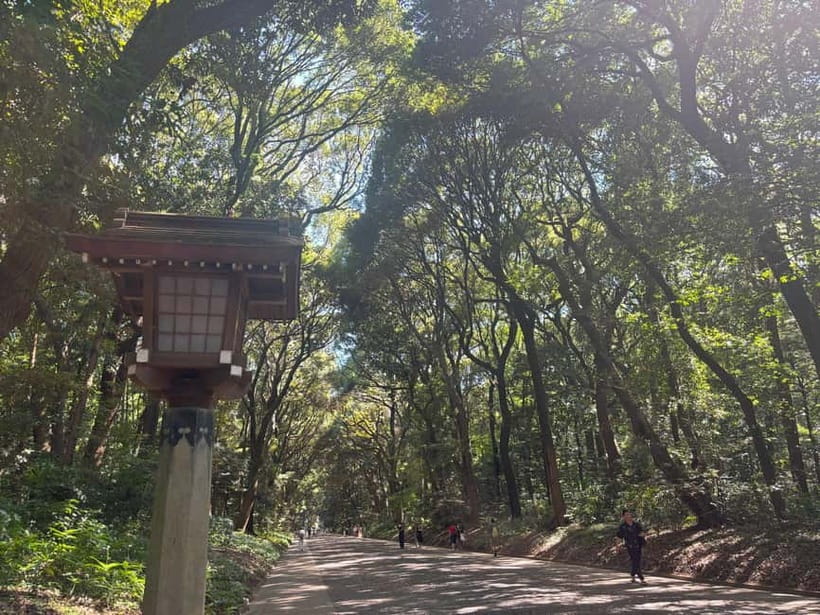
The forest is the main visual surprise. Harajuku Station is close by, yet Meiji Jingu feels removed from traffic and shopping. I like this part of the route because it gives you time to slow down before the louder sections arrive.
The supplied experience details describe a possible visit to the Meiji Jingu museum. Admission is not included and costs 1,000 yen per person. Treat it as an optional extra rather than part of the basic $36 price, and carry some flexibility in your schedule if you want to see it.
A guide’s value is especially clear here. Ritsuko is praised for making Japanese culture easy to understand and for explaining shrine traditions with care. Chit Ng Li is also singled out for a friendly, professional approach. The names may vary by departure, but the experience is designed around live English guidance rather than an audio device or printed route.
A 30-minute green pause in Yoyogi Park
Yoyogi Park follows the shrine with roughly 30 minutes of guided sightseeing. It is a shorter stop, but it helps the tour breathe.
The park is a local green escape in the middle of Tokyo, with room for a walk and seasonal scenery. You should not expect a long nature outing. Half an hour is enough for a pleasant stroll and a change of pace, not enough for a full exploration of the park.
This is also where the route’s structure makes sense. Meiji Jingu introduces sacred tradition. Yoyogi Park shows how Tokyo residents use open space for rest and leisure. Then Takeshita Street brings you into the city’s youth culture. The sequence feels more useful than visiting four unrelated points.
Wear comfortable shoes. The tour lasts three hours, and the route is on foot. Sunglasses, sunscreen, an umbrella, and a reusable water bottle are sensible additions, especially since the activity runs outdoors for most of its duration.
The sensory jolt of Takeshita Street
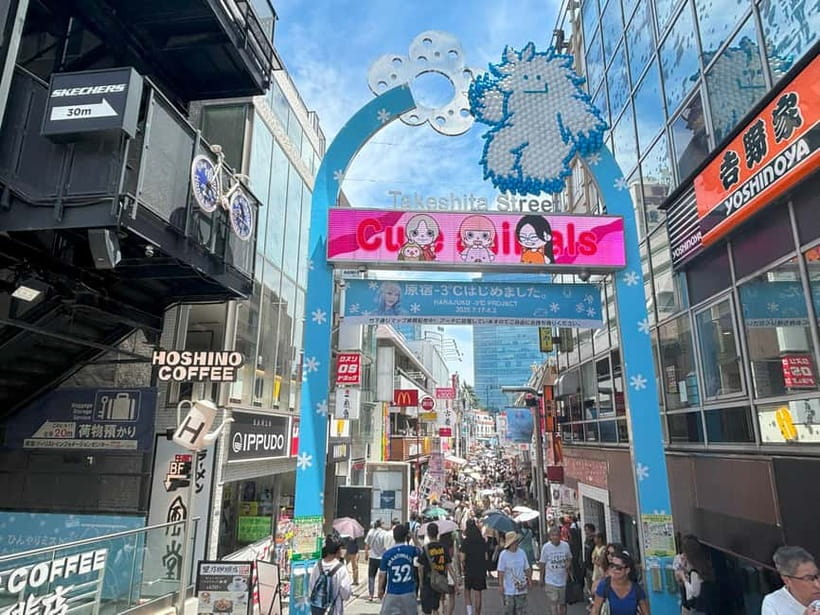
After the quiet of Meiji Jingu and Yoyogi Park, Takeshita Street feels like a different city. The tour allows about an hour here for shopping and sightseeing.
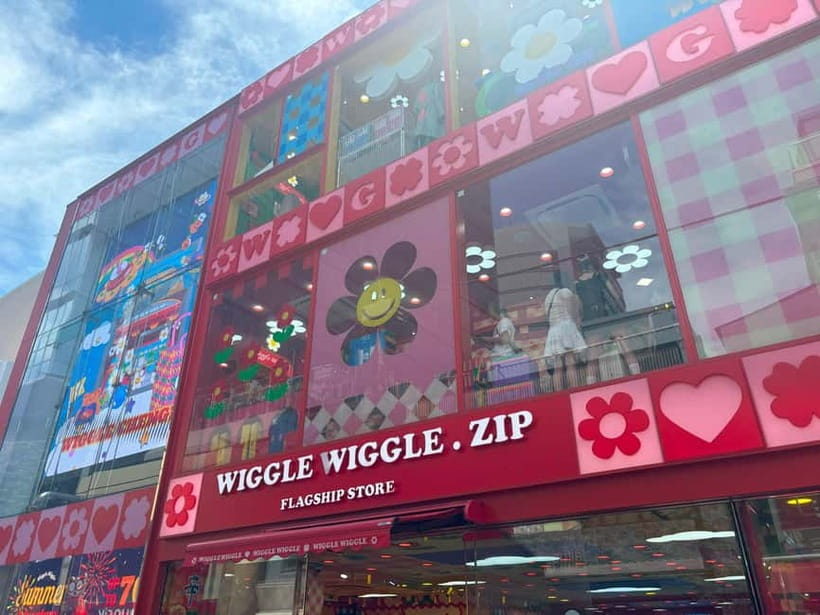
Takeshita Street is known for quirky shops, unusual fashion, street food, and the youth culture that has made Harajuku famous. You get a chance to browse, but the guide adds the local frame that can be hard to find when you simply follow the crowds.
Do not treat this as a dedicated shopping trip. The time is better used to look around, ask questions, and notice the styles and businesses that define the street. Personal purchases, meals, and drinks are not included, so budget separately if you want to snack or shop.
One of the more useful details from the guide feedback is that Aska brought a family group to streets and shops they would not have found alone, including a gallery promoting local artists. That points to the tour’s best possible advantage: a good guide can turn a famous street into a more personal neighborhood walk.
Still, Takeshita Street may be the least restful part of the afternoon. It is a popular shopping area, and the contrast with the shrine is intentional. If you dislike retail streets or prefer long, quiet visits at cultural sites, this hour may feel too busy and compressed.
Finishing on Omotesando’s polished avenue
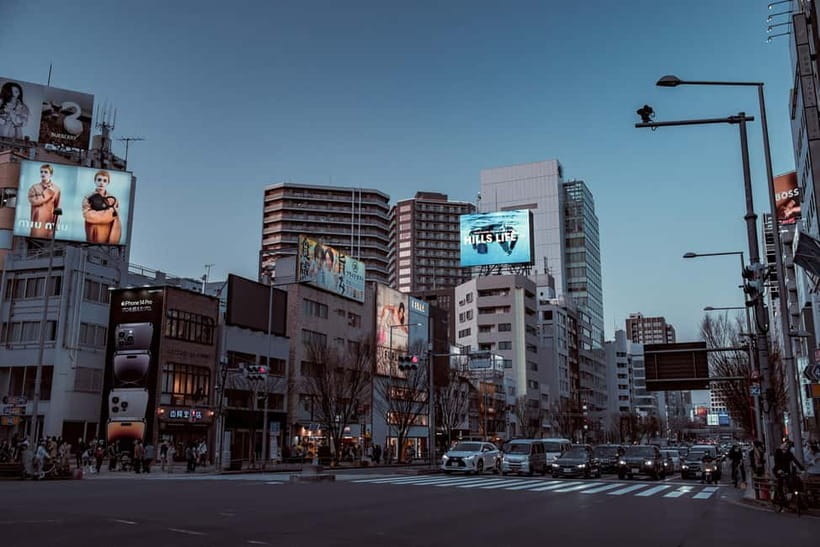
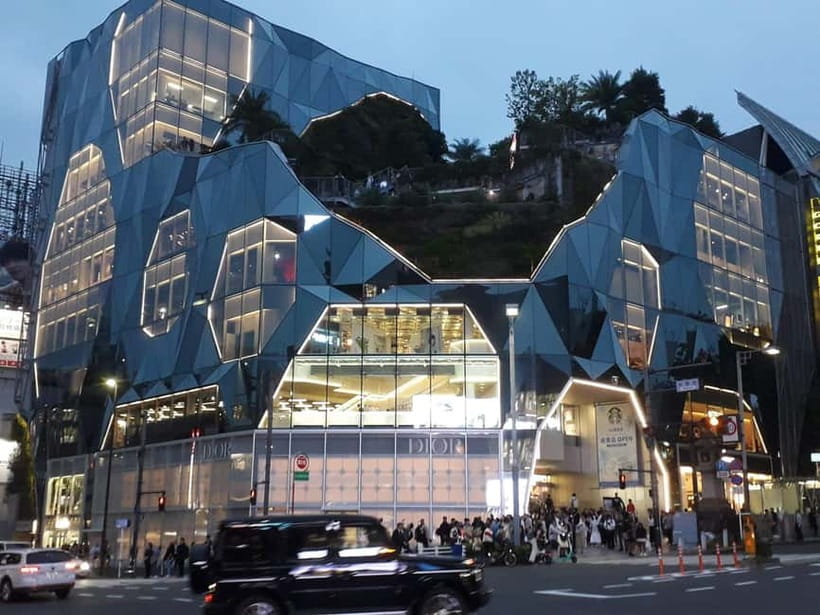
The last section takes about 30 minutes in Omotesando, known for modern architecture, boutique stores, upscale cafes, and lifestyle shopping. It is sometimes compared with the Champs-Élysées, though the experience here is distinctly Tokyo in its design focus and compact urban setting.
Omotesando helps complete the tour’s story. Takeshita Street shows playful, youthful fashion. Omotesando presents a more polished side of Harajuku, with careful storefronts, design-led buildings, and higher-end shopping.
You should think of this as an introduction rather than a full retail tour. Thirty minutes lets you see the character of the avenue and receive recommendations from your guide, but it does not allow much time for serious shopping. The tour ends in this area, giving you the option to continue exploring on your own, though the supplied details do not specify an exact final meeting point.


What the guides add to the walk
The strongest part of this experience is the human element. The tour is not built around a fixed script alone. The guide explains what you are seeing, answers questions, and may adjust the walk to the interests of a private or small group.
Aska is praised for combining good humor with detailed explanations of Japanese history and for connecting well with a family group. Ritsuko receives similar praise for her stories, kindness, and clear explanation of shrine customs. One booking also describes a guide who offered plenty of freedom about what the group wanted to visit.
That flexibility matters in Harajuku. One person may want more time on ritual and architecture. Another may care more about local art, fashion, or food. A small group gives the guide a better chance to respond, while a private booking offers the most control.
The listing does not guarantee a particular guide, so you should not book solely because you want Aska or Ritsuko. Their feedback does show the kind of guiding the operator aims to provide: English explanations, cultural context, and a friendly style rather than a rushed march between photo stops.
Is $36 a fair price?
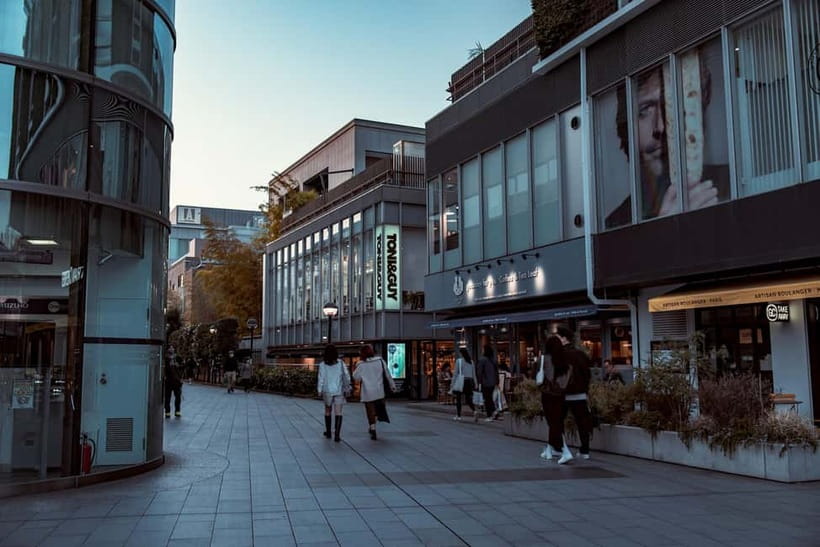
At $36 per person, the tour offers three hours of live English guiding across four very different settings. For a first visit to Tokyo, that is a fair price if you value explanation and structure.
You are paying for the guide’s time, route planning, and local context. You are not paying for meals, shopping, hotel pickup, or the Meiji Jingu museum. The museum costs an extra 1,000 yen per person, and personal spending on Takeshita Street or Omotesando can quickly exceed the tour price.
The value is strongest for first-time visitors, families, and anyone who wants a reliable orientation to Harajuku. If you are already comfortable navigating Tokyo and mainly want to wander at your own pace, you can visit these areas independently and keep the full schedule flexible.
The free cancellation policy also reduces the risk. You can cancel up to 24 hours in advance for a full refund, and the reserve-now, pay-later option lets you hold a place without paying at the time of booking. Check the available start times before committing, since the exact departure schedule is not fixed in the supplied details.
Who should book this Harajuku walk?
I would recommend this tour to a first-time Tokyo visitor who wants a compact introduction to the city’s traditional and modern sides. It is also a good fit for families, since the route changes character often and the guides can answer questions in an approachable way.
You will get the most from it if you enjoy walking, asking questions, and seeing several places rather than spending a full afternoon at one museum or shrine. The route also suits people who want help finding independent shops, local art, and cultural details they might miss alone.
This is less suitable for anyone with mobility impairments, respiratory issues, high blood pressure, or a pregnancy, since the experience is a three-hour guided walk and the operator specifically lists those groups as unsuitable. The supplied information does not give a detailed distance or step count, so you should ask before booking if walking tolerance is a concern.
Bring water and wear shoes you can use comfortably for three hours. An umbrella is useful in uncertain weather, and sunscreen and sunglasses will help during the outdoor portions.
My verdict on the three-hour route
This tour works because its contrasts are genuine, not forced. Meiji Jingu offers a quiet look at Shinto practice. Yoyogi Park gives you a brief green pause. Takeshita Street brings fashion and street life, while Omotesando shows Tokyo’s more refined design and shopping side.
The main compromise is time. Ninety minutes at Meiji Jingu, 30 minutes in Yoyogi Park, one hour on Takeshita Street, and 30 minutes around Omotesando give you a strong overview, but not a deep visit to every stop. You may want to return later to the place that catches your interest.
Book it if you want cultural explanation, a clear route, and a guide who can make Tokyo’s customs and neighborhoods easier to understand. Skip it if you prefer unplanned wandering, dislike shopping districts, or need a slower, less physical outing. For $36, it is a practical way to get your bearings in Harajuku while still leaving room for your own Tokyo discoveries.
FAQ
Where does the tour meet?
Meet at the West Exit of JR Harajuku Station. Look for a guide wearing a TripGuru shirt or holding a TripGuru sign.
How long does the tour last?
The guided walking tour lasts three hours.
What language is the tour offered in?
The live tour guide speaks English.
Which places does the tour visit?
The route includes Meiji Jingu, Yoyogi Park, Takeshita Street, and Omotesando.
Is the Meiji Jingu museum ticket included?
No. Entrance to the Meiji Jingu museum costs 1,000 yen per person and is not included.
Are meals and drinks included?
No. Meals, beverages, and personal expenses are not included.
Can I book a private tour or small-group experience?
Yes. Private and small-group options are available.
What happens if I am late?
You should arrive at least 10 minutes before the stated meeting time. The guide waits a maximum of 10 minutes before continuing with the tour.
More Temples & Meditation in Tokyo
More tours in Tokyo we've reviewed












Temples & Meditation, compared.
 ★ 4.7Tokyo: Meiji Shrine, Asakusa, Skytree Bus Tour and CruiseFrom $12210 hours
 ★ 4.8Tokyo: Asakusa Walking Tour with Sensoji Temple VisitFrom $222 hours
 ★ 4.5Tokyo: Kamakura & Enoshima Day Trip including Temple TicketsFrom $589 hours - 570 minutes
 ★ 4.5Tokyo: Nikko Toshogu Shrine and Kegon Waterfall TourFrom $8410h 30m
 ★ 4.5Tokyo Panoramic 1 Day: Meiji Shrine, Asakusa, Odaiba and SKYTREE®From $85
 ★ 5.0Asakusa Senso-ji Temple and Old Tokyo Walking TourFrom $20