
Reviewed · TOKYO FOOD TOURS
Tokyo: Shibuya Food Tour (13 dishes and 4 Eateries)
Shibuya is more than neon, crowds, and the famous crossing. This three-hour evening walk takes you into local food spots around Center Gai and Dogenzaka, where you can try 13 Japanese dishes across four eateries, including yakitori, sushi, street food, and dessert.
In This Article
- Key points at a glance
- Why this Shibuya food walk works
- Meeting at Tokyu Plaza and entering Shibuya
- First hour around Shibuya City
- Center Gai, where food and street life meet
- Shibuya Scramble Crossing in ten minutes
- Dogenzaka and the final 50 minutes
- What the $77 price really buys you
- The guides make the biggest difference
- Who should book this experience
- Timing, cancellation, and practical planning
- Should you book the Shibuya food tour?
- FAQ
- How long is the Shibuya food tour?
- How many dishes are included?
- How many food stops are there?
- Are drinks included?
- Is food included in the $77 price?
- What language is the tour conducted in?
- Where does the tour meet?
- Does the tour include Shibuya Crossing?
- Where does the tour finish?
- Can I cancel for a refund?
I like the useful mix of food and sightseeing, especially the chance to cross Shibuya Scramble Crossing between meals. I also like the guides’ practical help. Hoshi, Kei, Naruto, Will, Rio, Yota, and others have helped people understand unfamiliar dishes, find subway routes, choose restaurants, and plan the rest of a Tokyo stay.
The main point to check before booking is the food wording. The package details say food and two drinks are included, while one description says the dishes are not included. Confirm the final inclusions at checkout, especially if the $77 price is central to your budget.
Key points at a glance
- Thirteen dishes across four food stops: The route covers an izakaya, street food stall, traditional eatery, and dessert stop.
- A real Shibuya walk: You pass through Center Gai and Dogenzaka, with time at the famous crossing.
- Two drinks included: The package lists both alcoholic and non-alcoholic options.
- Guides make unfamiliar food easier: Hoshi, Kei, Naruto, Will, Rio, Yota, and other guides are noted for explaining customs, garnishes, ordering, and local dishes.
- Useful for a first night in Tokyo: You can ask for food, shopping, language, and transport suggestions during the walk.
- Good solo-trip option: The relaxed group setting can make a first evening in Shibuya feel less awkward and less risky.
Why this Shibuya food walk works
Shibuya can be hard to read on your first visit. The streets are full of signs, narrow restaurant entrances, loud music, and places that look either too busy or too obscure to enter. A guide gives you a simple way in: walk, stop, taste, and ask questions as the evening unfolds.
The route is not built around one grand meal. Instead, you sample a broad spread over four eateries. That matters in Japan, where one restaurant may focus on grilled chicken, another on sushi, and another on traditional comfort food. You get a first look at how different places serve food, not just a plate chosen for tourists.
The 13-dish format should also help you test your limits. You can try foods you might skip when ordering alone, then decide what deserves a return visit. Several people who took the tour enjoyed being guided toward dishes they would not have selected by themselves, including tuna served both as sushi and cooked food.
You should think of this as a social food walk with cultural explanation, not a formal cooking class. The strongest part is the combination of small tastings, neighborhood context, and a guide who can explain how a dish is eaten or garnished.
A few more Tokyo tours and experiences worth a look


Meeting at Tokyu Plaza and entering Shibuya
The meeting point is in front of the 7-Eleven at Tokyu Plaza in Shibuya, near Kusumoto Bld. That detail is important because Shibuya has several large buildings, busy exits, and confusing pedestrian flows. Give yourself enough time to identify Tokyu Plaza rather than arriving at the last minute and searching through the crowd.
The tour finishes in Shibuya, so you are not being taken out to a distant suburb or left at an unfamiliar part of Tokyo. You can continue your evening in the same general area, subject to your own plans.
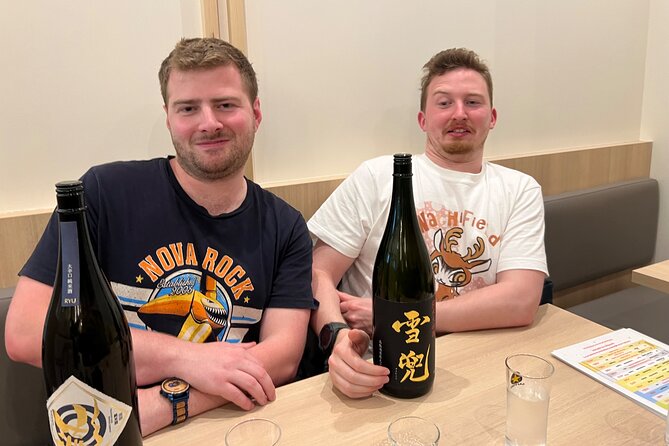
An English-speaking guide leads the walk. The guide assigned to you may vary. Names associated with the experience include Hoshi, Kei, Naruto, Will, Rio, Yota, Doren, Haydn, Nicolas, Matt, Osato, Taiga, Shingo, and others.
That variety is worth noting. The most praised part of the experience is not a single fixed personality, but the guide’s role in making the food understandable and the evening easy to follow. Hoshi, for example, has been especially appreciated for explaining food, language, and customs. Taiga even helped one person reach the meeting point and later walked them to the correct subway for their hotel.
First hour around Shibuya City
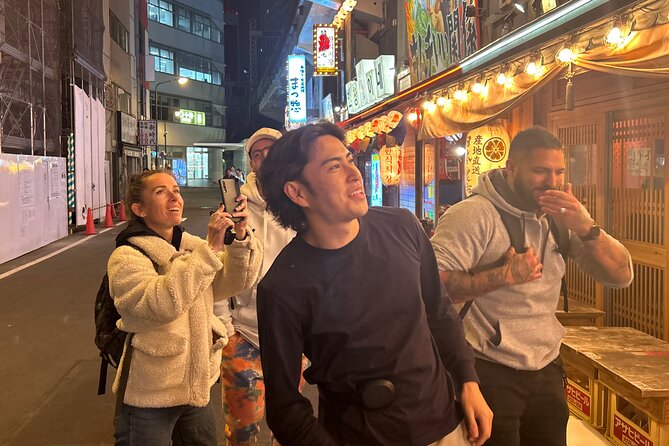
The first main section takes about an hour around Shibuya City and includes dinner and a guided walk. This is where the food side of the tour gets moving, although the exact order and dishes can vary.
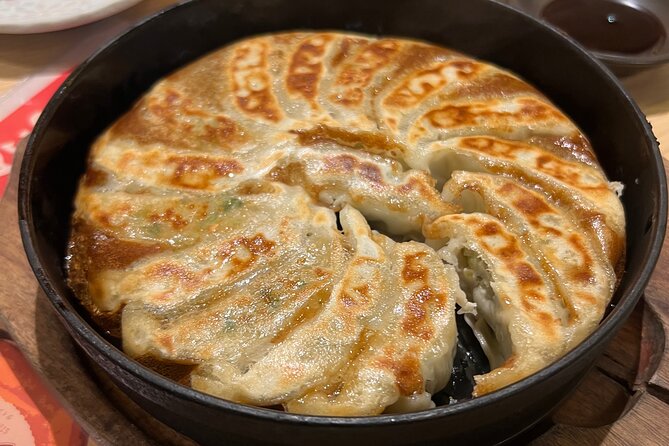
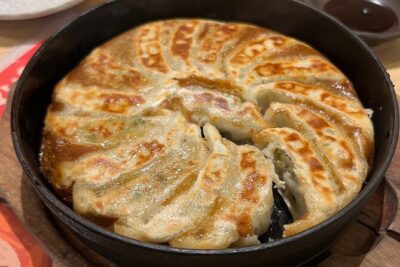
The food selection is designed to show range. You might encounter sizzling yakitori, fresh sushi, tuna, traditional Japanese dishes, and other small portions that add up across the evening. The available information does not promise a fixed menu for every departure, so do not book expecting one exact list of 13 named dishes.
That flexibility can be useful. The guides have sometimes adjusted selections for returning participants or chosen different dishes when someone had already taken the tour. It also means the experience may respond to the day’s restaurant availability rather than follow a rigid tasting script.
I particularly like the way the guide can explain the small details that are easy to miss. Food in Japan often comes with its own habits: how to add a garnish, what to eat first, and how a dish is normally served. One person valued being shown how food is typically eaten and dressed, which made the meal feel less like a random sampling.
Do not expect a quiet, slow restaurant dinner during this hour. You are fitting several stops and a neighborhood walk into three hours. That pace is part of the appeal, but it may feel quick if you prefer to linger over one carefully chosen meal.
Center Gai, where food and street life meet
The walk continues through Center Gai for about an hour, again combining food with a guided tour. Center Gai is one of Shibuya’s best-known pedestrian areas, and it gives you the street-level energy that many people come to this district to see.
The value here is the contrast between the food stops and the city outside. You may move from a loud, crowded street into a small eatery, then back into the flow of signs, shops, and people. The guide helps connect those pieces so the evening does not feel like four unrelated restaurant visits.
This is also a useful place to ask questions about what you are seeing. The tour includes advice about plans for the rest of your stay in Japan, and people have used that time to ask about shopping and places to eat. If you are new to Tokyo, arrive with a short list of questions. A food walk is a good setting for practical advice because your guide can respond to what you like and what you have already tried.
The street portions require ordinary city walking. Shibuya is crowded and the crossing area can be chaotic, even though the flow is organized. Stay close enough to keep the group in sight, wear comfortable shoes, and avoid bringing a large piece of luggage.
Shibuya Scramble Crossing in ten minutes
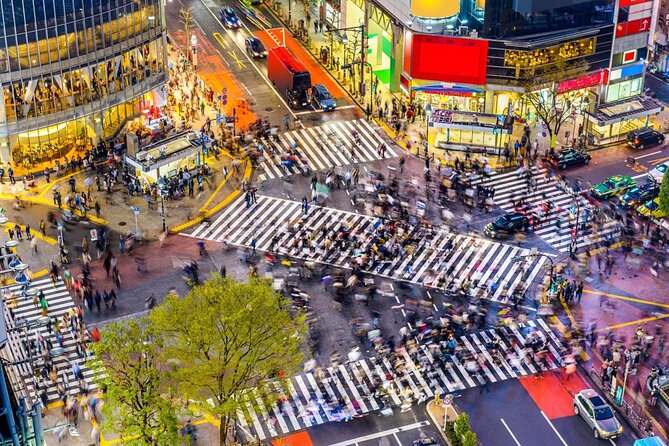
The crossing is scheduled as a 10-minute photo stop and guided walk. It is not a separate sightseeing tour of Shibuya, but it breaks up the eating and gives you time at the district’s best-known landmark.
The crossing is famous because several streams of pedestrians move through the intersection at once. From the ground, the experience is quick and very urban. Your guide can help you understand where you are going and keep the stop from turning into a confusing pause in the middle of the crowd.
Keep your expectations in check. Ten minutes is enough to cross and take photos, not enough for a long history talk or extended viewing session. The food remains the main event, with the crossing serving as a well-timed dose of Shibuya spectacle.
This stop also makes the tour attractive to people who want both sightseeing and dinner. You do not have to choose between a food activity and a basic orientation walk. In one evening, you get a taste of the district and a look at its most recognizable public space.
A few more Tokyo tours and experiences worth a look



Dogenzaka and the final 50 minutes
The last major section covers Dogenzaka for about 50 minutes, with another dinner stop and guided walking. Dogenzaka is known for its steep streets and dense concentration of restaurants and nightlife, so it is a fitting place to finish a Shibuya food route.
The included food plan lists one izakaya, one street food stall, one traditional eatery, and dessert. The Dogenzaka portion may include one of the later savory stops or the sweet finish, depending on the running order. Again, the exact restaurant names and dishes are not specified, so treat the route as a food style rather than a guaranteed restaurant list.
The izakaya stop is one of the most appealing pieces for many people. An izakaya is a Japanese eating and drinking place built around shared dishes, conversation, and drinks. It can be awkward to enter one alone if you are not sure how ordering works, so having a guide handle the introduction has real value.
Yakitori has been a favorite part of the experience, and tuna has also received special attention. One participant singled out tuna served as both sushi and a cooked dish, while another especially liked smoked tuna. Those details suggest that the food is not limited to the most basic tourist choices.
Dessert is the least certain crowd-pleaser. One person enjoyed nearly every dish but did not care for the sweet course. That is a fair warning: 13 dishes create variety, but not every flavor will match your taste. If you have allergies, strong dislikes, or dietary restrictions, ask about them before booking because the supplied details do not explain how substitutions are handled.
What the $77 price really buys you
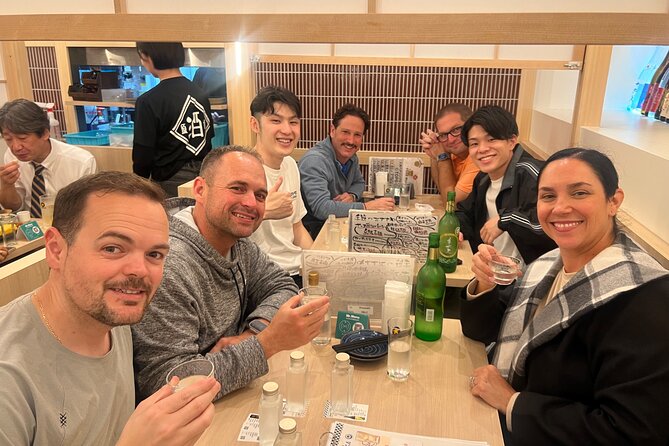
At $77 per person, the tour is not simply charging for a walk through Shibuya. You are paying for three hours of guiding, food at four types of venue, 13 dishes, two drinks, and the convenience of having someone choose and explain the stops.
The value is strongest if you are new to Japanese food. Ordering 13 small dishes across several places on your own could be difficult, particularly when menus are unfamiliar or restaurants are crowded. The guide reduces that friction and lets you sample widely without committing to a full meal at each venue.
The price is less compelling if you already know Shibuya well and are comfortable choosing izakayas, street food, sushi, and traditional restaurants on your own. In that case, the tour’s practical benefit comes mainly from the explanations, company, and access to a planned route.
The package details list food and two drinks as included, with both alcoholic and non-alcoholic choices. Another description says the dishes are not included, which is a direct inconsistency. Before paying, check the current booking terms and confirm whether the $77 covers the food and drinks or only the guided experience.
The high rating, listed as 5 from 178 reviews, fits the pattern of praise for food quality, guide warmth, and overall value. Still, ratings do not remove the need to check the menu policy, drink details, and handling of dietary needs.
The guides make the biggest difference
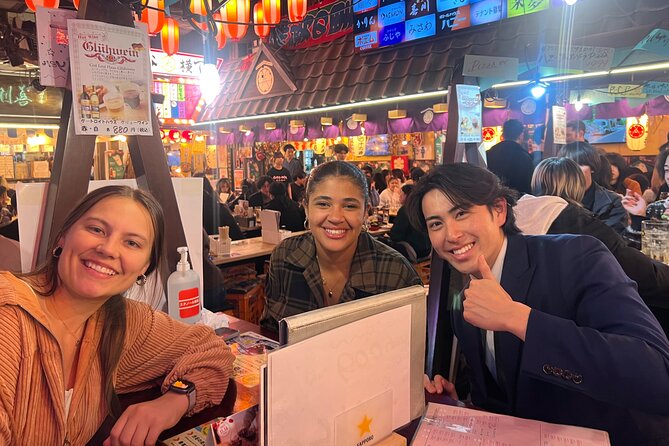
The guide is the bridge between a good meal and a useful food experience. A dish can taste fine, but an explanation of its ingredients, customs, or proper garnish gives you a reason to remember it and perhaps order it again.
Hoshi is repeatedly singled out for humor, clear English, food explanations, and practical suggestions for shopping and eating. Kei is associated with introducing foods people might not try alone, while Naruto has been praised for adapting the selection and offering tips for the rest of a Tokyo visit.
Will has led repeat participants who enjoyed both the food and the conversation. Rio and Yota are described as entertaining and friendly, with useful information about Japanese culture. Other guide names include Nicolas, Haydn, Doren, Matt, Osato, and Taiga.
You cannot necessarily request a particular guide, and the supplied details do not promise that you can. If a specific guide is important to you, ask the operator before booking rather than assuming the name listed in a description will lead your departure.
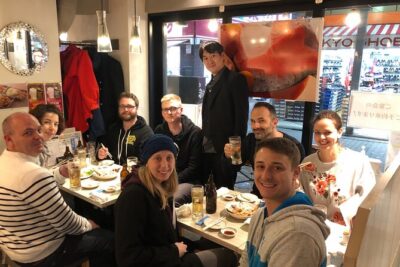
The social side is another strength. Solo visitors can share a meal without having to plan every stop alone, and the relaxed atmosphere can make it easier to meet people from different countries. If you prefer private dining or a quiet evening, this group format may not suit you as well.
Who should book this experience
I would recommend this tour most strongly for:
- First-time visitors to Tokyo who want a gentle introduction to Japanese food
- Solo visitors who want company during an evening in Shibuya
- People who enjoy trying many small portions instead of one large meal
- Anyone uneasy about entering an izakaya or ordering unfamiliar dishes
- Visitors who want food, street scenes, and Shibuya Crossing in one activity
- Travelers who value local advice for later meals, shopping, and transport
You should consider another plan if you need a fully fixed menu, a private group, a long sit-down dinner, or detailed dietary assurances. The three-hour schedule involves walking and several stops, so it is better for people who like movement and variety than for anyone seeking a slow meal.
The activity is listed as wheelchair accessible. Since the route passes through crowded central streets and multiple food venues, confirm the practical arrangements for your needs before booking.
Timing, cancellation, and practical planning
The duration is three hours, and starting times depend on availability. Since the experience includes dinner, an evening departure is likely, but the supplied details do not name a fixed start time. Check the date and time carefully before you plan other reservations.
Meet in front of the 7-Eleven at Tokyu Plaza in Shibuya. Bring comfortable shoes and arrive ready for city walking. The route includes Center Gai, Shibuya Crossing, and Dogenzaka, all areas where staying alert helps.
You can cancel up to 24 hours in advance for a full refund. The reserve-now, pay-later option lets you hold a place without paying on the day you book, which is useful when your Tokyo schedule is still shifting.
The tour is conducted in English. If you want help after the activity, use the final part of the conversation to ask about your next meal or route. Several guides have helped people with subway directions and local suggestions, so that practical advice can be as useful as the food itself.
Should you book the Shibuya food tour?
Book it if you want a friendly first evening in Shibuya, a broad taste of Japanese food, and a guide to handle the awkward parts of ordering and choosing. The mix of 13 dishes, four food settings, two drinks, neighborhood walking, and Shibuya Crossing gives you a lot in three hours.
I would place this high on the list for a first or second day in Tokyo. You will leave with a better sense of what you like, several ideas for later meals, and a clearer feel for Shibuya’s streets.
Before booking, confirm the food inclusion and share any dietary concerns. If those details work for you, the $77 price can be solid value, especially when you would otherwise spend the evening guessing which restaurants to enter.
FAQ
How long is the Shibuya food tour?
The tour lasts three hours.
How many dishes are included?
The experience is described as including 13 Japanese dishes across four eateries.
How many food stops are there?
There are four food settings: one izakaya, one street food stall, one traditional eatery, and a dessert stop.
Are drinks included?
The included items list two drinks, with alcoholic and non-alcoholic options.
Is food included in the $77 price?
The included items say food is provided at the four stops, but another activity description says the dishes are not included. Confirm the current food policy before booking.
What language is the tour conducted in?
The tour is conducted in English with a live English-speaking guide.
Where does the tour meet?
Meet in front of the 7-Eleven at Tokyu Plaza in Shibuya.
Does the tour include Shibuya Crossing?
Yes. The route includes a guided walk and photo stop at Shibuya Scramble Crossing.
Where does the tour finish?
The tour finishes in Shibuya.
Can I cancel for a refund?
Yes. You can cancel up to 24 hours in advance for a full refund.
More Food Experiences in Tokyo
More Tokyo Food Tours in Tokyo
More Shibuya Tours in Tokyo
More tours in Tokyo we've reviewed












Tokyo Food Tours, compared.
 ★ 5.0Tokyo: Shinjuku Food Tour (13 Dishes at 4 Local Eateries)From $86
 ★ 4.9Tokyo: Shinjuku Food Tour (13 Dishes and 4 Eateries)From $97
 ★ 5.0Tokyo Night Foodie Tour in Shinjuku – Seasonal Sushi, Wagyu BeefFrom $111
 ★ 5.0Eat and Drink Like a Local: Tokyo Ueno Food Tour-Taverns&RamenFrom $95
 ★ 5.0Tokyo: Shibuya Food Tour (13 dishes and 4 Eateries)From $77
Tokyo: Shinjuku Food Tour – 15 Dishes, 3 Drinks, 4 EateriesFrom $723 hours
★ 5.0Tokyo: Shibuya Food Tour (13 dishes and 4 Eateries)From $77
Tokyo: Shinjuku Food Tour – 15 Dishes, 3 Drinks, 4 EateriesFrom $723 hours

![[Private]Shinjuku Golden Gai Bar Hopping w/ Japanese Local Guide - Walking through Kabukicho after dark](https://tokyoezine.com/wp-content/uploads/2026/08/private-shinjuku-golden-gai-bar-hopping-w-japanese-local-guide.jpg)
