Reviewed · SUMO EXPERIENCES
Ryogoku: Sumo Town Guided Walking Tour with Lunch
Ryogoku is the place to make sense of sumo. This 3.5-hour walk takes you past stables, the national arena, a Buddhist temple, and other sumo landmarks before sitting you down to eat chanko-nabe, the hot-pot meal tied to wrestlers’ training.
In This Article
- Key points to know before booking
- Why Ryogoku is the right place to learn sumo
- Starting outside Ryogoku Station
- Hakkaku-beya and the life inside a stable
- The Kokugikan: sumo’s grand stage
- Ryogoku Edo NOREN and the town’s wider culture
- Ekō-in, a Buddhist stop with a different mood
- Kasugano-beya and the working side of sumo
- Chanko-nabe lunch at Hana no Mai
- What Sue and Jeff bring to the walk
- Is $133 good value?
- Who should book this Ryogoku tour?
- FAQ
- Does the tour include watching an actual sumo bout?
- How long does the Ryogoku walking tour last?
- Where does the tour start and end?
- Is lunch included?
- What language is the tour conducted in?
- How many people are in the group?
- Should you book it?
I like the small group limit of eight, which gives you room to ask questions. I also like the way the tour connects sumo with wider Japanese culture, including Shinto, Buddhism, woodblock prints, gardens, swords, and cuisine. The main drawback is clear: you do not watch an actual bout, and much of the stable viewing is from outside.
Key points to know before booking
- Chanko-nabe is the centerpiece: Share the hot pot used by sumo wrestlers to build weight and muscle, with lunch included in the price.
- Ryogoku comes alive through its landmarks: See the Kokugikan, sumo stables, Ekō-in, Ryogoku Edo NOREN, and a sumo-related shrine area.
- Your guide shapes the experience: English-speaking guides such as Sue and Jeff explain history, rituals, careers, and stable life.
- The group stays small: With no more than eight people, you can ask practical questions instead of simply following a crowd.
- Expect a walking lesson, not a match: The tour gives you the background to watch sumo later, but tickets and bout viewing are not included.
Why Ryogoku is the right place to learn sumo
Sumo can look simple at first: two wrestlers, a circular ring, and a match that may last only seconds. The rules are not simple, and neither is the world around the ring. Sumo grew from religious ritual and developed across roughly 1,600 years into a professional sport with its own ranks, training houses, food, clothing, ceremonies, and strict daily routines.
That is why a walk through Ryogoku works so well. You are not studying sumo in a distant museum. You are moving through the part of Tokyo where wrestlers train, live, compete, and eat. The setting gives the explanations a physical anchor.
Your guide fills in the parts you would likely miss on your own. You learn about how sumo began, how it changed, and what daily life is like inside a stable. You can also ask the questions that come up while walking, such as how wrestlers advance, why the training houses matter, and how food supports their demanding lifestyle.
The tour is especially useful if you plan to attend a tournament later in your trip. You will better understand the ceremony, the wrestlers’ ranks, and the importance of the stable system. If you never make it to a match, the walk still gives you a solid way to understand the sport from home.
A few more Tokyo tours and experiences worth a look
Starting outside Ryogoku Station
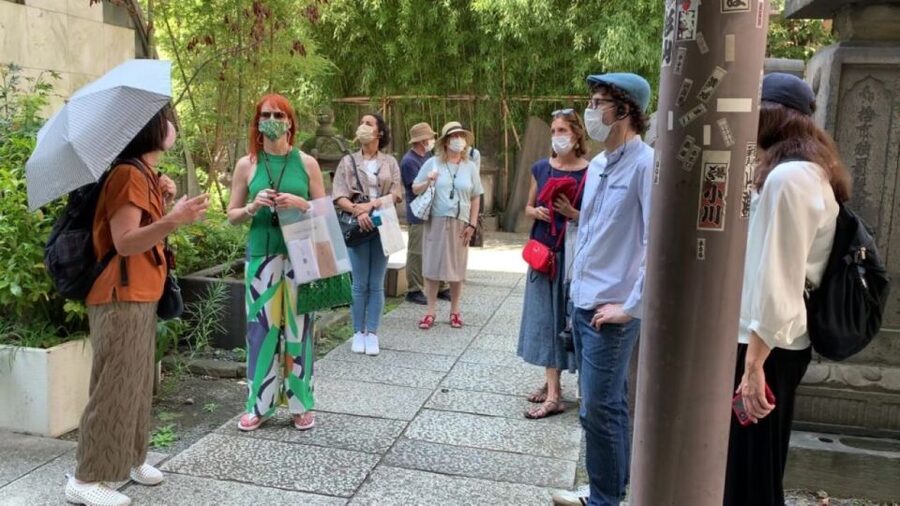
The meeting point is outside Ryogoku Station, at the Yokoami area near 1-chōme-4-29. Starting here is practical because the station puts you directly in Sumo Town rather than requiring a long ride into a separate sightseeing district.
Wear comfortable shoes. The route takes about three and a half hours and includes several walks of 15 to 30 minutes, plus time standing at outdoor sites. The tour is not suitable for people with mobility impairments, so consider the walking pace and repeated stops before booking.
A group of up to eight is a good fit for this kind of subject. Sumo raises plenty of specific questions, and a small group makes it easier to hear the guide and ask about details that interest you. The tradeoff is that the tour may feel less private than a one-to-one experience.
Hakkaku-beya and the life inside a stable
One of the first major stops is Hakkaku-beya Sumo Stable. The visit is guided and lasts about 15 minutes, but you should understand what the stop means before you arrive: this is a look at a working sumo stable from the outside, not a public training visit.
Stable life is central to sumo. Wrestlers live and train under the stable system, and the place where they practice is also tied to their careers, ranks, meals, and daily schedule. Your guide explains those connections and helps you picture the structure behind the sport.
You may get a glimpse of ordinary stable life rather than a staged display. On one occasion, visitors saw sumo wrestlers relaxing in a back alley behind a stable, with their loincloths airing in the sun after practice. That kind of sight is not guaranteed, but it shows why this walk can feel more personal than a standard sports attraction.
Please keep expectations sensible. The tour does not promise access inside a stable, a training session, or contact with wrestlers. The value is in seeing the places and learning how they function.
The Kokugikan: sumo’s grand stage
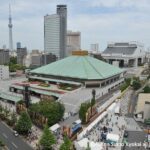
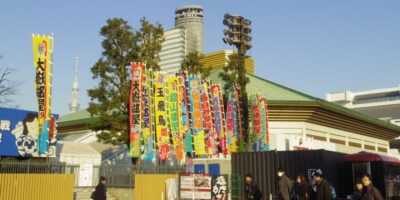
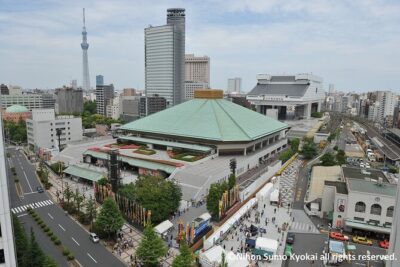
The walk then reaches Ryogoku Kokugikan, Japan’s best-known sumo arena. The guided sightseeing stop lasts about 30 minutes. Even from outside, the building gives you a useful sense of sumo’s importance in modern Japan.
This is the place to connect the neighborhood with the public side of the sport. Inside, bouts draw large crowds during tournament periods, but this activity does not include a ticket or actual match viewing. If you want to attend a tournament, you will need to arrange that separately.
I like this stop because the guide can explain what you are looking at before you sit down for a bout somewhere else. Without that context, the ceremony, rankings, and formal behavior around a match can be easy to overlook. With it, even a short contest becomes easier to follow.
The timing also matters. Thirty minutes is long enough for explanation and questions, but not so long that the tour turns into a lecture outside a building. You continue through the neighborhood instead of spending the whole morning at one site.
Ryogoku Edo NOREN and the town’s wider culture
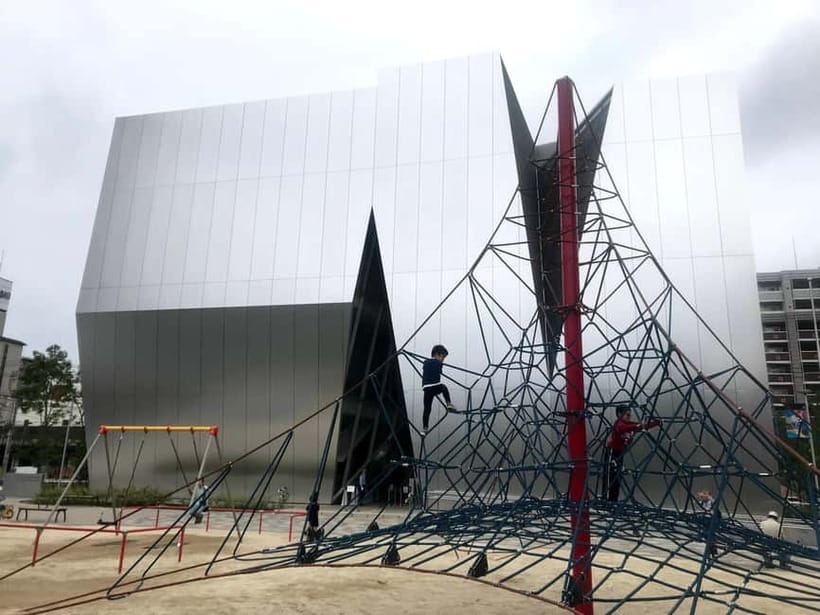
Ryogoku Edo NOREN is another guided stop, with about 30 minutes set aside for sightseeing. The tour uses this part of the route to connect sumo with everyday Japanese culture rather than treating it as an isolated sport.
That wider view is one of the tour’s strongest features. The discussion can touch on Shinto shrines, Buddhist temples, woodblock prints, gardens, swords, and food. These subjects help explain why sumo carries so much ceremony and symbolism.
You should not expect a full museum visit devoted only to each of these topics. Instead, the guide uses the neighborhood and its landmarks to show how different parts of Japanese life meet in Ryogoku. For a first visit to Japan, that connection is useful. Sumo becomes a doorway into customs that you will notice in other cities and temples.
The stop also breaks up the walking route. You get a change of pace before continuing to the older religious sites and the sumo stables farther along.
Other walking tours we've reviewed in Tokyo


Ekō-in, a Buddhist stop with a different mood
The visit to Ekō-in lasts about 15 minutes. This Buddhist temple adds a quieter, more reflective note to a tour otherwise centered on sport, strength, and competition.
The temple helps place sumo within Japan’s religious setting. Your guide can explain how Buddhist and Shinto traditions relate to the sport and to the ceremonies surrounding it. That matters because sumo is not only about winning a match. Ritual, purification, symbolic gestures, and respect are all part of the experience.
Fifteen minutes is a short visit, so do not expect a long temple tour. Think of it as a focused stop that adds context to the day. It is particularly helpful if you have seen sumo clips online but have not understood why the pre-match movements and formal customs matter.
Kasugano-beya and the working side of sumo
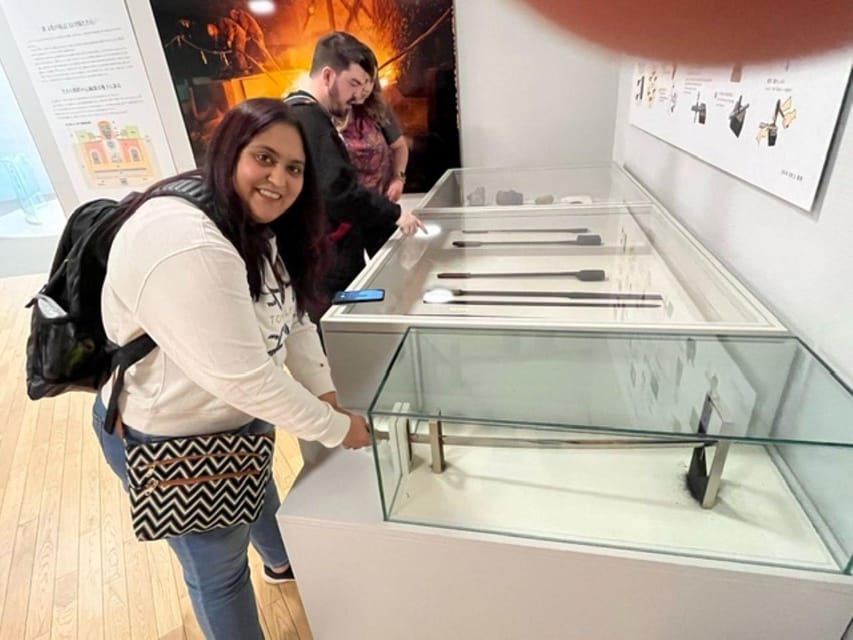
Kasugano-beya Sumo Stable is another 15-minute guided sightseeing stop. Like Hakkaku-beya, it is viewed from outside, and the guide discusses the lives and careers of the wrestlers connected with these training houses.
Seeing more than one stable helps you understand that Ryogoku is not built around a single attraction. Sumo is part of the neighborhood’s daily identity. The stables are working places, so the experience depends partly on what is happening that day.
You might see signs of activity, or you might simply gain a better sense of the streets where wrestlers train and live. The tour’s commentary is important here. Without an expert explanation, an ordinary-looking building may not tell you much.
This is also where respectful behavior matters. You are visiting places connected to people’s homes and workplaces, not entering a theme park. Stay with the group, follow the guide’s instructions, and avoid treating wrestlers as photo props if you happen to see them.
Chanko-nabe lunch at Hana no Mai
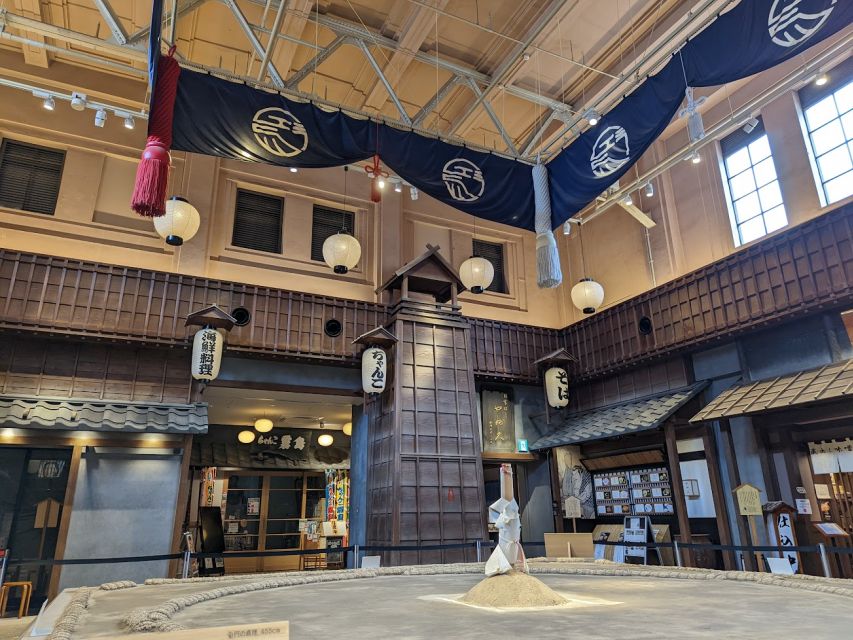
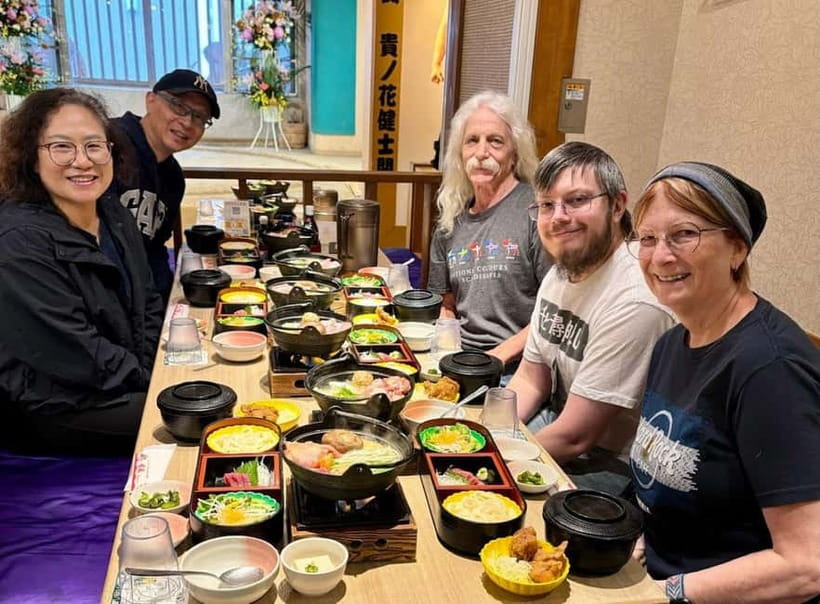
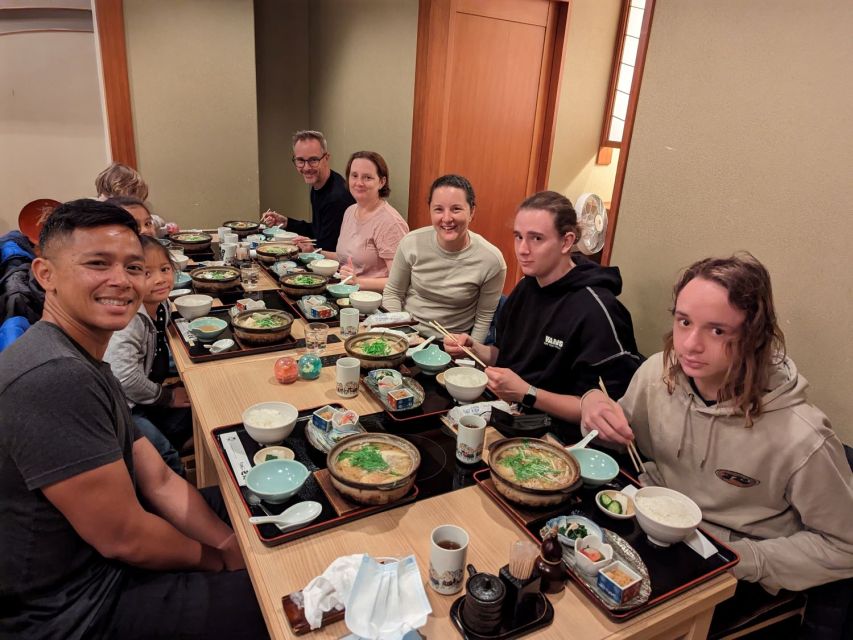
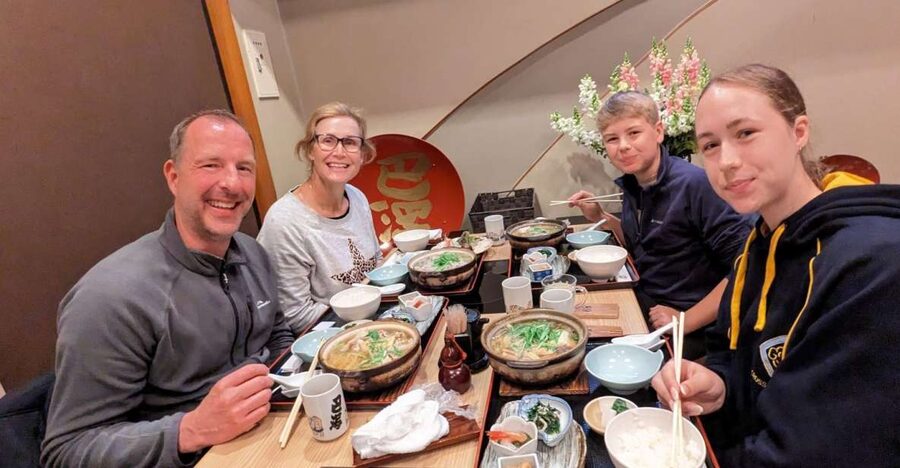
The final major part of the tour is lunch at Hana no Mai, the Edo-Tokyo Museum front seafood pub. You spend about an hour here with the guide and eat chanko-nabe, the hot-pot dish closely linked with sumo wrestlers.
The meal is included, which makes the $133 price easier to assess. You are paying not only for lunch, but also for a three-and-a-half-hour guided walk, a small group, and a specialist explanation of a subject that can be hard to understand on your own.
Chanko-nabe makes practical sense as a stable meal. Wrestlers prepare it themselves, so it needs to be quick and straightforward rather than dependent on professional cooks. It is heated during preparation, which helps with cleanliness, and the shared pot supports the group spirit of eating together.
The dish is also nutritionally balanced and suited to wrestlers who need calories and muscle-building food. You get to taste the cultural idea behind the meal rather than simply hearing about it. That makes lunch more than a convenient stop between landmarks.
Do keep the food restriction policy in mind. The activity is not suitable for people with food allergies. The supplied information does not provide ingredient substitutions or a special menu, so you should not book expecting the restaurant to adapt the meal.
The lunch portion is also a good time to ask follow-up questions. By then, you have seen the arena, stables, temple, and neighborhood, so the food becomes a natural way to discuss training, communal life, and the physical demands placed on wrestlers.
What Sue and Jeff bring to the walk
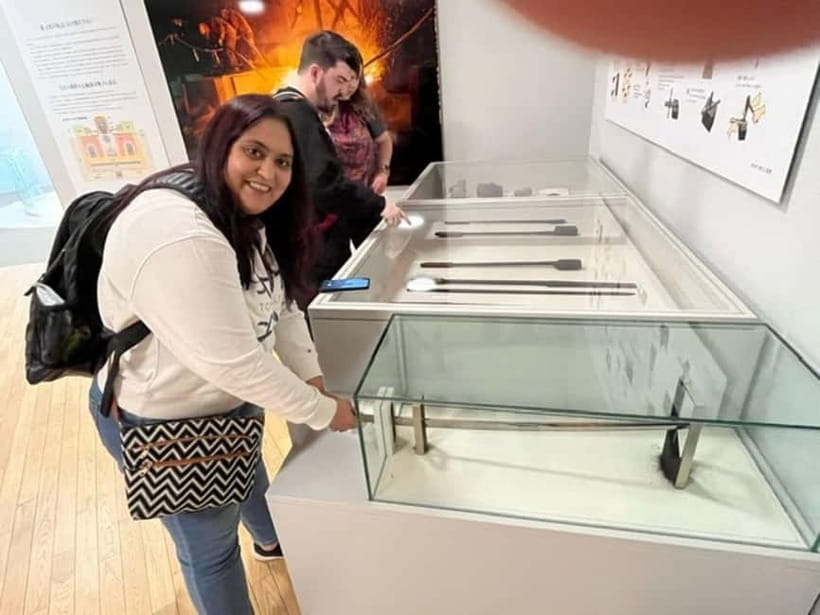
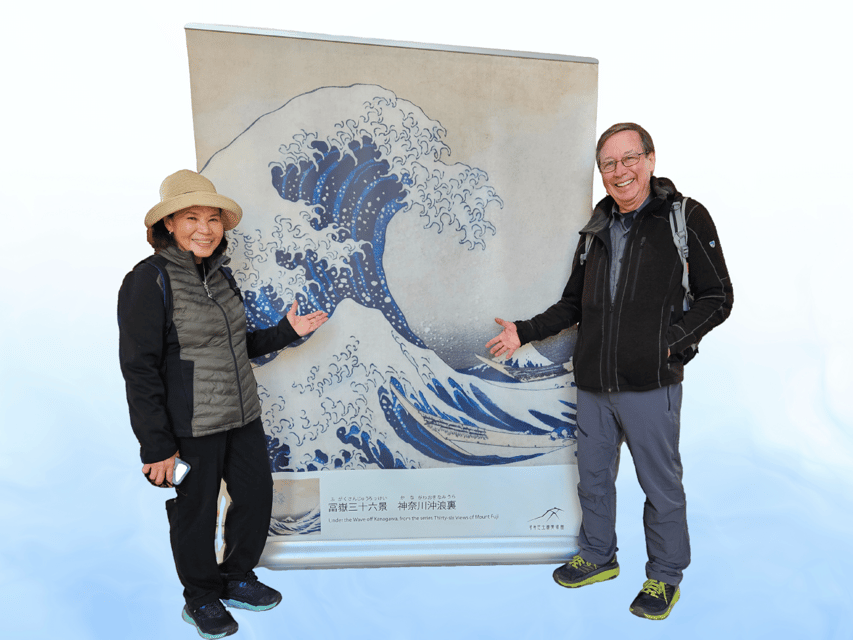
The guide makes a large difference on this experience. Sue has been praised for making the tour informative, interesting, and fun, while Jeff is noted for his strong command of sumo and his ability to explain wrestlers’ lives.
The most useful quality is not simply knowing facts. It is being able to connect a place with a larger idea. A stable becomes a window into the career system. A temple helps explain ritual. Lunch shows how food supports both physical training and group identity.
The tour also remains worthwhile during a tournament period when many wrestlers are away. One visitor took the walk while the sumo wrestlers were in Nagoya for a tournament and still learned a great deal about stable life and Japanese history. That is important: you should not book this expecting to see wrestlers in the street, because their schedules change.
The rating is very strong at 4.8 from five reviews, with particular praise for Sue and Jeff. That is a small sample, so I would treat it as a useful sign rather than a guarantee that every departure will feel identical. The tour’s design, however, gives the guide plenty of material to work with.
Is $133 good value?
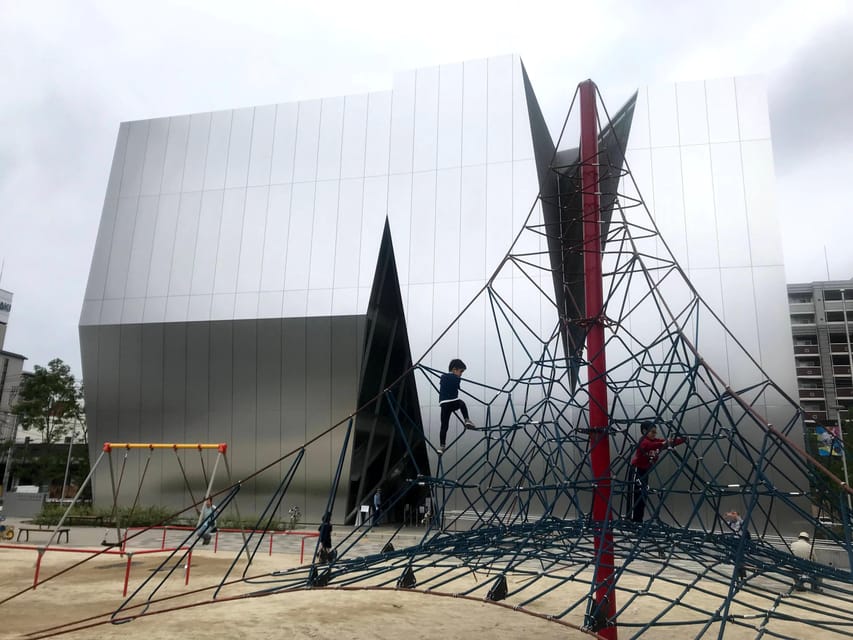
At $133 per person, this is not a bargain walking tour. The price includes the English-speaking guide, the small group, and chanko-nabe lunch, but not a sumo bout. You are paying for specialist interpretation and a focused introduction to a part of Tokyo that can be difficult to read without help.
I think the cost is reasonable if sumo is high on your list, especially if you are new to Japan and want a clear introduction before attending a tournament. The small group is valuable because the subject invites questions, and the included meal gives the tour a memorable finish.
The price is harder to justify if you only want to see the Kokugikan from outside or hope to watch live wrestling. In that case, you would be better served by buying a match ticket separately and exploring Ryogoku at your own pace.
The free cancellation option up to 24 hours before the tour and the reserve-now, pay-later choice also reduce the risk of fitting this into a changing Tokyo schedule. Those booking terms do not add sightseeing value, but they are useful when your plans include weather, train changes, or a tournament timetable.
Who should book this Ryogoku tour?
I would choose this experience if you want cultural context, not just photographs. It suits first-time visitors who are curious about Japanese customs, sports fans who want to understand sumo beyond the ring, and anyone who enjoys walking through a real neighborhood with a guide.
Families with older children may also find the food and physical setting easier to remember than a long museum visit, though the walking requirement still matters. The activity is conducted in English, so it works best if you can follow extended explanations and ask questions in English.
You should think twice if you have limited mobility, food allergies, or little interest in sumo. The tour includes several walking sections and outside stable visits, and it cannot promise a bout or a close encounter with wrestlers.
FAQ
Does the tour include watching an actual sumo bout?
No. The activity does not include watching sumo bouts. It visits sumo-related landmarks and gives you background that can help you enjoy a match later.
How long does the Ryogoku walking tour last?
The tour lasts 3.5 hours. Starting times vary, so you need to check availability for the date you want.
Where does the tour start and end?
You meet the guide outside Ryogoku Station. The activity ends back at the meeting point, at 2-chōme-17-17 Ryōgoku, Sumida City, Tokyo.
Is lunch included?
Yes. Lunch at a chanko-nabe restaurant in Ryogoku is included in the activity.
What language is the tour conducted in?
The tour is conducted in English by a live English-speaking guide.
How many people are in the group?
The tour is limited to eight participants. This keeps the group small enough for questions and conversation with the guide.
Should you book it?
Book this tour if you want to understand why sumo matters, not simply see where matches take place. The combination of working stables, the Kokugikan, Ekō-in, local landmarks, and chanko-nabe gives you a useful three-part picture: ritual, daily life, and food.
Skip it if your main goal is live wrestling, or if the walking and meal restrictions make the format uncomfortable. For everyone else, this is a focused way to get under the surface of Ryogoku, with Sue or Jeff helping turn a short Tokyo walk into a better education in Japan’s oldest major sport.
More Guided Tours in Tokyo


More Walking Tours in Tokyo
More Sumo Experiences in Tokyo

More tours in Tokyo we've reviewed












Sumo Experiences, compared.
 ★ 4.8Tokyo: Sumo Show Experience with Chicken Hot Pot and a PhotoFrom $1032 hours
 ★ 4.8Tokyo: Sumo Show and Dining ExperienceFrom $7990 minutes - 2 hours
 ★ 5.0the SUMO showFrom $89
 ★ 5.0Tokyo Sumo Entertainment Show with Chicken Hot Pot and PhotoFrom $106
 ★ 4.6Tokyo: Sumo Tournament Tour with Chair Seat TicketsFrom $141
 ★ 5.0Tokyo Grand Sumo Tournament Viewing Tour with TicketsFrom $124