Reviewed · KAMAKURA & ENOSHIMA DAY TRIPS
Exciting Kamakura – One Day Tour from Tokyo
Kamakura packs a former shogun capital, a giant bronze Buddha, ocean views, quiet gardens, and a bamboo grove into one rewarding day from Tokyo. I like the private guide format and the help with trains and buses, especially if Tokyo transit still feels like a puzzle. I also like the smart mix of famous sights and smaller temple details.
In This Article
- Key points to know before booking
- Why Kamakura makes such a good Tokyo side trip
- Kotoku-in and Kamakura’s Great Buddha
- Hase-dera’s garden, cave, and ocean view
- Hokoku-ji and the small bamboo forest
- Tsurugaoka Hachimangu and the warrior past
- The real attraction is the guide’s help
- Lunch, local streets, and time limits
- Cost, transport, and physical effort
- Who should choose this Kamakura day trip?
- Should you book Exciting Kamakura?
- FAQ
- How long does the Kamakura tour last?
- Is hotel pickup included?
- Is this a private tour?
- Are transportation costs included?
- Are temple entrance fees included?
- How much are the entrance fees?
- Which Kamakura sights are included?
- Is the tour suitable for children?
- Can I cancel for a full refund?
The drawback is the pace. You will walk a lot, ride several trains and buses, and pay transportation and entrance fees on top of the tour price. Guide quality can vary, too, so clear English and a comfortable walking speed matter.
Key points to know before booking

- The Great Buddha is only the opening act: Kotoku-in gives you Kamakura’s most famous sight, but Hase-dera, Hokoku-ji, and Tsurugaoka Hachimangu add gardens, views, bamboo, and history.
- Your guide handles the confusing part: Guides such as Akira, Yumi, Yoshi, and Kono-san have helped visitors navigate Tokyo stations, Kamakura trains, local buses, and temple entrances.
- Budget beyond the $145.31 tour price: Transportation is listed at about ¥2,720 per person, with separate admission fees for three sights.
- Expect a full day on your feet: The tour lasts about 8 hours and 30 minutes, and the route includes hills, temple grounds, stations, and local streets.
- Season changes the scenery: Hase-dera is especially attractive in June and July, when its hydrangeas bloom.
- Private means flexible, not luxurious: Only your group joins, giving you direct access to the guide, but this remains a public-transport sightseeing day.
Why Kamakura makes such a good Tokyo side trip

Kamakura was Japan’s political center from the 12th through the 14th century. That past is still easy to feel, but the town does not come across as a museum. It has temples, shrines, small shops, local restaurants, wooded hills, and the Pacific close by.
I like the contrast with Tokyo. After the city’s towers and crowds, Kamakura offers a slower rhythm and a more intimate sense of place. The route also gives you several different kinds of Japanese religious architecture instead of sending you from one similar temple to another.
The tour begins at 9:00 a.m. with a meeting in your hotel lobby. The guide then helps your group make the journey from Tokyo, generally using trains and local buses. Several people have found this especially useful on a first Japan visit, when changing lines, charging a Pasmo card, or finding the right bus can take more energy than expected.
This is a private activity, so you will not be folded into a large group. You can ask questions as you go, and the guide can respond to your interests more easily. The day is still planned around four major stops, so do not expect an entirely free-form outing.
A few more Kamakura tours and experiences worth a look

Kotoku-in and Kamakura’s Great Buddha
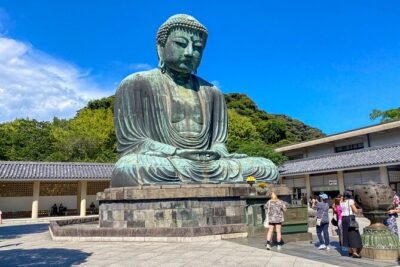
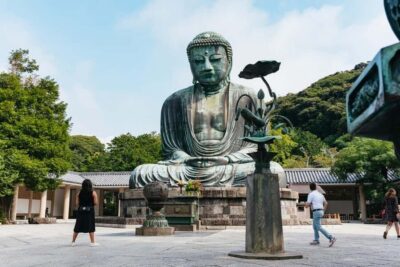
The Great Buddha at Kotoku-in is the visual anchor of the day. This huge bronze image dates to the 13th century and is Kamakura’s best-known landmark.
You get about an hour here. That is enough time to view the statue, walk around it, and take photographs without turning the visit into a rushed stop. One unusual detail is that you can pay a small additional fee to enter the Buddha itself. That enclosed space may not suit anyone who dislikes tight quarters.
The Buddha is impressive because of its setting as much as its size. It gives you a clear introduction to Kamakura’s religious past before the tour moves into more layered temple grounds. I would not treat this stop as the whole reason to book the day. It is famous, but the later gardens and hillside views often provide more variety.
Admission is not included. The supplied pricing information gives different figures for the temple, listing ¥300 in the stop description and ¥1,100 in the cost section. Check the current amount when booking or before the visit, and keep extra yen available.
Hase-dera’s garden, cave, and ocean view
Hase-dera is the most varied stop on the route. The temple dates to the 8th century and combines statues, a Japanese garden, a hillside setting, a cave shrine, and views toward the Pacific.
You have about an hour here, though I would gladly spend longer if the schedule allowed. The grounds give you more than a single building to admire. You can move from garden paths to religious statues, then pause for a broad view over Kamakura and the coast.
The cave shrine is a distinctive feature. It adds a darker, more enclosed element to a visit that otherwise opens onto gardens and sea views. If you have mobility concerns, ask your guide about the route before setting out. The tour requires moderate physical fitness, and Hase-dera includes hillside walking.
June and July are prime months for hydrangeas at Hase-dera. The flowers can transform the temple grounds into one of the day’s most memorable scenes. Other seasons still bring the temple’s garden and views, but the hydrangea display is a clear reason to time your visit carefully.
Admission is listed separately at ¥400. One useful benefit of having a guide here is context. Without explanation, you might see a pleasant garden and a collection of statues. With a good guide, the religious purpose and historical setting become easier to understand.
Hokoku-ji and the small bamboo forest

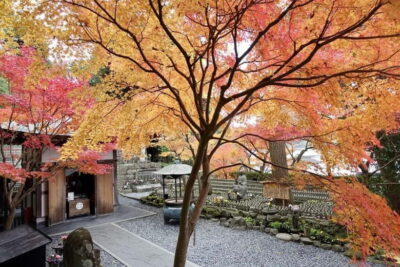
Hokoku-ji offers a change of mood. Its main draw is a compact bamboo grove, and the temple feels different from the larger and more famous stops.
The tour allows about an hour. That makes sense for a place where the appeal is quiet atmosphere rather than a long checklist of buildings. Walk among the bamboo, take in the narrow green corridors, and consider stopping at the tea house if time and availability permit. A tea visit appears in one account of the day, but it should not be treated as guaranteed.
This is the stop I would especially value after Kotoku-in and Hase-dera. The Great Buddha is monumental, Hase-dera is broad and varied, and Hokoku-ji is intimate. Together, they give the day a good visual rhythm.
The listed entrance information is inconsistent here as well, showing ¥400 in the stop description and ¥300 in the cost section. Plan for a separate admission charge and confirm the current price locally.
The bamboo grove is not enormous, so expectations matter. If you are hoping for a vast forest, this may feel brief. If you want a peaceful pause and a setting unlike the other Kamakura temples, it earns its place.
Tsurugaoka Hachimangu and the warrior past

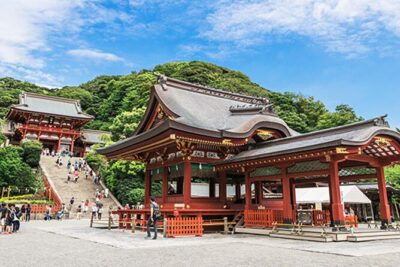
Tsurugaoka Hachimangu is Kamakura’s major Shinto shrine and the final scheduled sight. It served as the official guardian shrine of the Kamakura shogunate and was tied to the warrior culture of the period.
The hour here gives your guide time to explain the shrine’s role rather than simply point out its gates and buildings. This is also a useful contrast with the Buddhist temples earlier in the day. You see how different religious traditions shaped Kamakura’s public and private life.
The grounds include peaceful natural details, including lotus and carp according to the supplied descriptions. Those small touches can make the shrine feel less like a monument and more like a living place of worship.
Admission is free. Since this is a major shrine, it can feel busier than Hokoku-ji, but the broad grounds help spread people out. Your guide can help you follow the layout and understand what you are seeing.
A few more Kamakura tours and experiences worth a look
The real attraction is the guide’s help

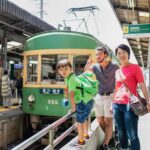
The strongest reason to choose this tour is not simply admission to four sights. You could visit Kamakura independently. The value comes from having someone meet you at your hotel, explain the route, and keep the day moving.
Akira receives repeated praise for punctuality, organization, clear explanations, and careful attention to the group. He has prepared written plans, helped with train navigation, suggested lunch places, and handled questions about Kamakura’s history and culture. Yumi is described as attentive and flexible, with strong explanations of Japan’s emperors, shoguns, and religious sites.
Yoshi has been especially helpful for families. He has guided groups through a busy day without making them feel hurried, helped with goshuincho books, and recommended local food. Kono-san has also helped with transportation, Pasmo cards, and finding food for a person with celiac disease.
These details matter because Kamakura’s sights are spread out. You may use trains, local buses, and plenty of pavement between stops. A guide who keeps checking that everyone is together can turn a tiring day into a smooth one.
Do not assume every guide will have the same English level or pace. One account describes a guide who walked too fast and followed a fixed script. If you need slower walking, frequent pauses, or detailed English discussion, say so at the start. The private format gives you a better chance to shape the day, but only if you speak up.
Lunch, local streets, and time limits

Lunch is not included, and the exact restaurant is not fixed in the information provided. Several guides have helped groups find good local meals, including noodles, okonomiyaki, and a vegetarian meal with a view near Hase-dera.
That flexibility is useful for dietary needs. A guide has helped arrange gluten-free food and has looked for a suitable restaurant for someone with allergies. Still, you should explain restrictions clearly before ordering, and remember that restaurant choice depends on the day’s timing and availability.
The schedule gives roughly one hour at each named stop, but travel time uses part of the 8.5-hour day. You will not see every temple, shop, beach, or side street in Kamakura. One person wished for more time in town, which is a fair warning for curious visitors.
You might also find appealing extras along the route, such as small shops, music boxes, or opportunities to collect temple and shrine stamps. These are not promised parts of the tour, so treat them as pleasant possibilities rather than planned stops.
Cost, transport, and physical effort

The tour costs $145.31 per person. That is a serious price for a day using public transportation, especially because the listed amount excludes about ¥2,720 per person for transportation and admission fees.
You should also allow for:
- Kotoku-in admission
- Hase-dera admission of ¥400
- Hokoku-ji admission, listed as ¥300 or ¥400 in the supplied details
- Lunch and any optional purchases
The value depends on your comfort with independent travel. If you are already good at Tokyo trains, local buses, and Japanese temple visits, you may spend less by planning Kamakura yourself. If you want a private guide, hotel meeting, historical explanation, and help with food and directions, the extra cost can make sense.
I would not book this as a low-effort sightseeing day. You need moderate fitness, and the route includes train stations, bus stops, temple grounds, and hills. Wear practical shoes and keep your schedule free after the tour in case the return trip takes longer than expected.
Children must be accompanied by an adult. Group discounts are available, and mobile tickets are supported.
Who should choose this Kamakura day trip?
I think this tour suits first-time Japan visitors, families, and small groups that want Kamakura’s main sights without spending hours planning connections. It is also a good match if you want historical explanation rather than simply taking photos and moving on.
The tour works well for people interested in temples, shrines, gardens, religious art, and the Kamakura shogunate. Nature lovers will appreciate Hase-dera’s flowers and ocean view, plus the bamboo at Hokoku-ji.
I would hesitate if you dislike public transportation, cannot walk for much of the day, or want a slow visit with long meals and unplanned wandering. I would also ask about guide language ability and walking pace before booking if those points are important to you.
The experience has a 4.9 rating from 40 ratings, with 98 percent recommending it. That is a strong record, though the occasional complaint about language and pace is worth taking seriously.
Should you book Exciting Kamakura?
Book it if you want a private guide to remove the stress from Tokyo to Kamakura transport and give meaning to the Great Buddha, Hase-dera, Hokoku-ji, and Tsurugaoka Hachimangu. The guides who receive the strongest praise, including Akira, Yumi, Yoshi, and Kono-san, add real value through local routing, history, restaurant help, and attention to family needs.
Before paying, confirm the guide’s language, the current entrance fees, and the extra transportation cost. Request a slower pace if needed, and plan for a full day of walking.
You can cancel for a full refund up to 24 hours before the 9:00 a.m. start time. If you want Kamakura’s headline sights with a human guide and do not mind the added cost, this is a solid Tokyo side trip. If you prefer freedom, lower expenses, or a leisurely pace, go independently instead.
FAQ
How long does the Kamakura tour last?
The experience lasts approximately 8 hours and 30 minutes, beginning at 9:00 a.m.
Is hotel pickup included?
Yes. The tour includes meeting your professional guide in your hotel lobby, and hotel pickup and drop-off are offered.
Is this a private tour?
Yes. Only your group participates in the activity.
Are transportation costs included?
No. Transportation is listed separately at about ¥2,720 per person.
Are temple entrance fees included?
No. Entrance fees for Kotoku-in, Hase-dera, and Hokoku-ji are not included.
How much are the entrance fees?
Hase-dera is listed at ¥400. Kotoku-in is shown as ¥300 in one section and ¥1,100 in another, while Hokoku-ji is shown as ¥300 or ¥400. Confirm current prices before visiting.
Which Kamakura sights are included?
The scheduled stops are Kotoku-in and the Great Buddha, Hase-dera Temple, Hokoku-ji Temple, and Tsurugaoka Hachimangu Shrine.
Is the tour suitable for children?
Children must be accompanied by an adult.
Can I cancel for a full refund?
Yes. You can cancel at least 24 hours before the experience start time for a full refund. Cancellations or changes made less than 24 hours in advance are not accepted for a refund.
More 1-Day Tours in Kamakura
More Kamakura & Enoshima Day Trips in Kamakura

More tours in Kamakura we've reviewed
Kamakura & Enoshima Day Trips, compared.
 ★ 4.5Tokyo: Kamakura & Enoshima Day Trip including Temple TicketsFrom $589 hours - 570 minutes
 ★ 5.0Mount Fuji, Kamakura, Big Buddha, & Lake Ashi Day TripFrom $109
 ★ 4.7Tokyo: Mt Fuji, Kamakura, Lake Ashi & Big Buddha Guided TourFrom $50
 ★ 4.5From Tokyo: Kamakura & Enoshima 1-Day Bus TourFrom $66
 ★ 4.9Tokyo:Sea of Mount Fuji, Hakone Ropeway, Ōwakudani, EnoshimaFrom $5010 hours
 ★ 5.0Kamakura 8 hr Private Walking Tour with Licensed Guide from TokyoFrom $201