Reviewed · KAMAKURA & ENOSHIMA DAY TRIPS
Tokyo to Kamakura: Coastal Day Trip Experience
Kamakura gives you a very different Japan from Tokyo’s towers and crowds. In one day, you can see the bronze Great Buddha, pass through bright torii gates, walk among bamboo, and finish near the Pacific with black kites circling overhead. The train ride south takes about an hour, and the change of pace begins well before you reach the coast.
In This Article
- Key points to know before you book
- Why Kamakura makes a strong day trip from Tokyo
- A private day that changes with your interests
- The Great Buddha and Kamakura’s Buddhist heart
- Torii gates, temple roofs, and Shinto traditions
- Hokokuji Bamboo Forest and the green side of town
- Kamakura’s coast, surf shacks, and black kites
- What eight hours really gives you
- The guide can make or break the experience
- Is $375 per person a fair price?
- Weather, walking, and practical comfort
- Who should book this Kamakura day trip?
- Should you book it?
- FAQ
- How long does the Tokyo to Kamakura experience last?
- Where do I meet the guide?
- Where does the experience end?
- Is transportation included?
- Are attraction tickets and food included?
- Can the itinerary be personalized?
- Is the experience wheelchair accessible?
I like the private format, since your host can shape the day around temples, nature, surf culture, or local history. I also like the human touch: hosts such as Gabriel, Camila, and Patrick bring their own interests to the walk, with Patrick’s day including local food and a memorable look at black kites by the sea. The main consideration is cost. At $375 per person, you also pay for food, attraction tickets, and transport unless those costs are covered by your JR Pass or added to the quote.
Key points to know before you book
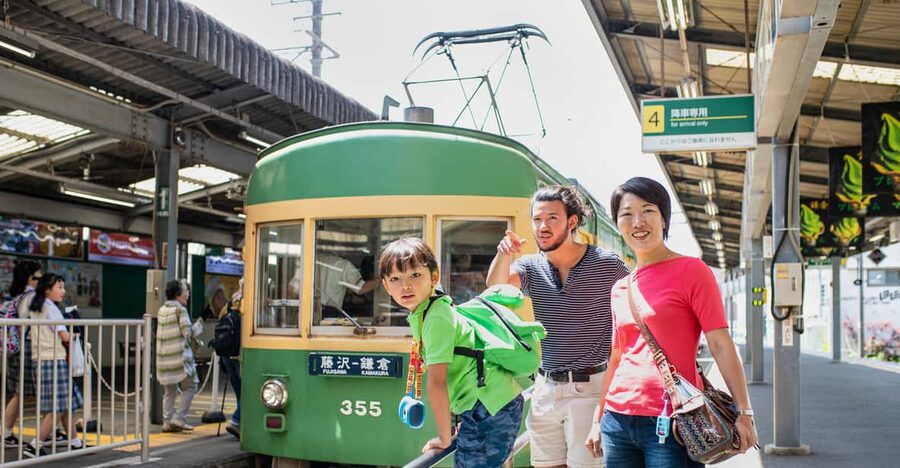
- The Great Buddha anchors the day: See Kamakura’s famous bronze Amida Buddha at Kotoku-in.
- Your route is private and flexible: Your host chooses the exact stops around your interests and requests.
- Kamakura mixes several worlds: Expect Buddhist temples, Shinto shrines, bamboo, forest paths, beaches, and surf shacks.
- The day begins and ends at Tokyo Station: Meet in front of the Travel Service Center before taking the train south.
- Eight hours allows a broad introduction: You can cover major sights, nature, and the coast, though a focused temple day may suit some people better.
- Extra costs need planning: Food, drinks, attraction tickets, and transport are not included in the listed price.
Why Kamakura makes a strong day trip from Tokyo
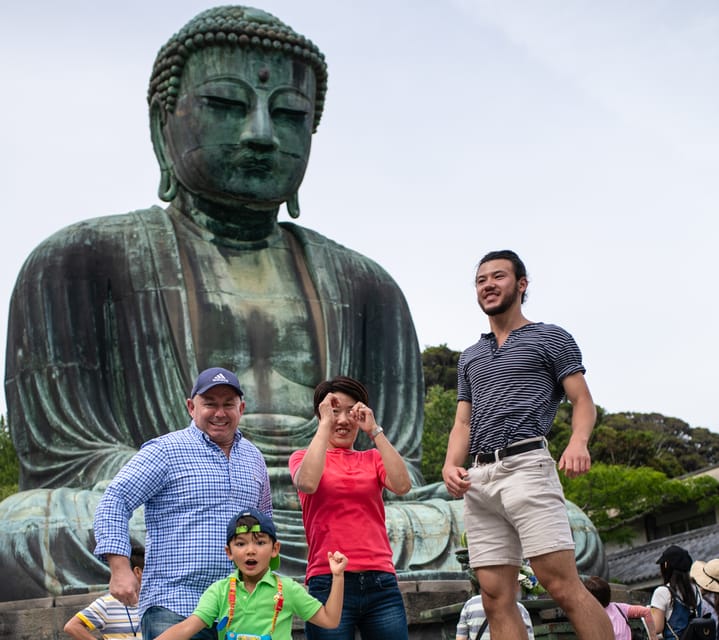
Kamakura was once Japan’s feudal capital and played an important part in the spread of Buddhism across the country. You do not need to be a specialist in Japanese history to feel the difference here. Tokyo is modern, fast, and vertical. Kamakura is smaller in scale, with temple roofs, wooded hills, narrow streets, and the ocean close by.
The appeal of this outing is its mix. A standard sightseeing trip might focus only on temples. This experience gives you room to see the religious center of Kamakura, the seaside town it became, and the forest trails that frame it.
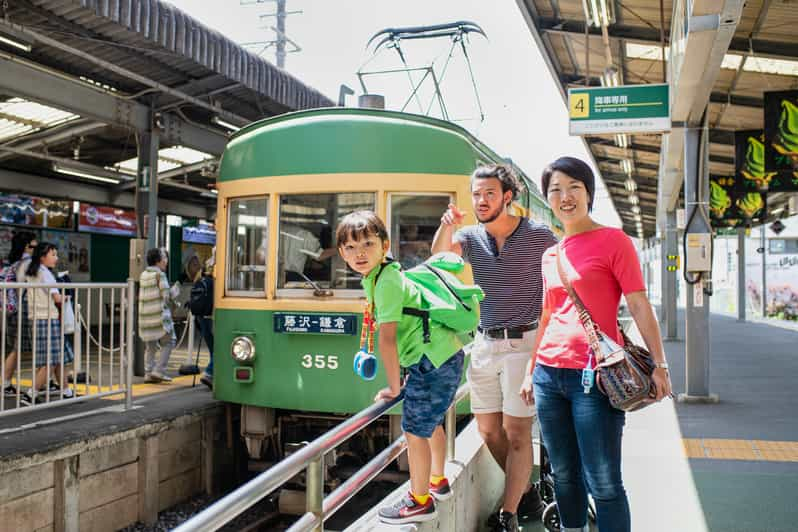
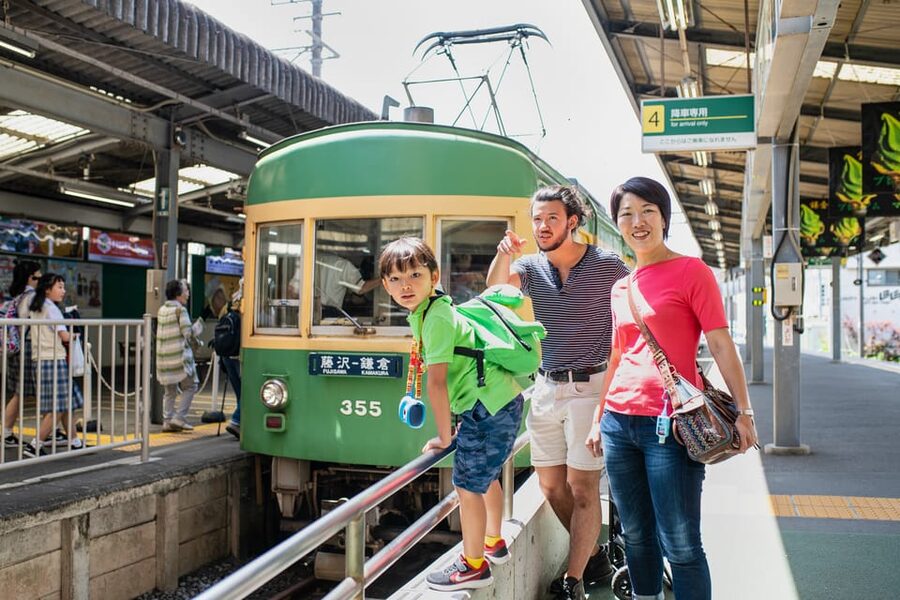
You meet your host in front of the Travel Service Center at Tokyo Station. That is a sensible meeting point, especially if Tokyo’s huge station feels confusing. From there, you take the train to Kamakura. The trip takes about an hour, making the journey easy enough for a full day without requiring an overnight stay.
The return is to the same meeting point in Tokyo. That makes the day simple to fit into a larger Japan itinerary, though you should allow the full eight hours and avoid scheduling an evening activity that cannot be moved.
A few more Kamakura tours and experiences worth a look

A private day that changes with your interests
The exact route is not fixed. Your host chooses the places you visit based on your preferences and requests. That flexibility is the main reason to choose this experience over a large group excursion with a set schedule.
You might ask for more time at Buddhist temples and shrines. You might prefer the Great Buddha, bamboo, and forest trails. Or you might want to see how Kamakura functions as a beach town, with surf spots and local seaside life included in the walk.
This flexibility works best when you tell the provider what you want before the day begins. If you care about photography, religious architecture, nature, local food, or Kamakura’s feudal past, say so. A private host can respond to those interests in a way a fixed itinerary cannot.
There is a tradeoff. Since the route can change, you should not assume every named attraction will be included. The Great Buddha and Hokokuji Bamboo Forest are highlighted possibilities, but the final plan depends on your host and your requests. If one place is essential, make that clear in advance.
The Great Buddha and Kamakura’s Buddhist heart
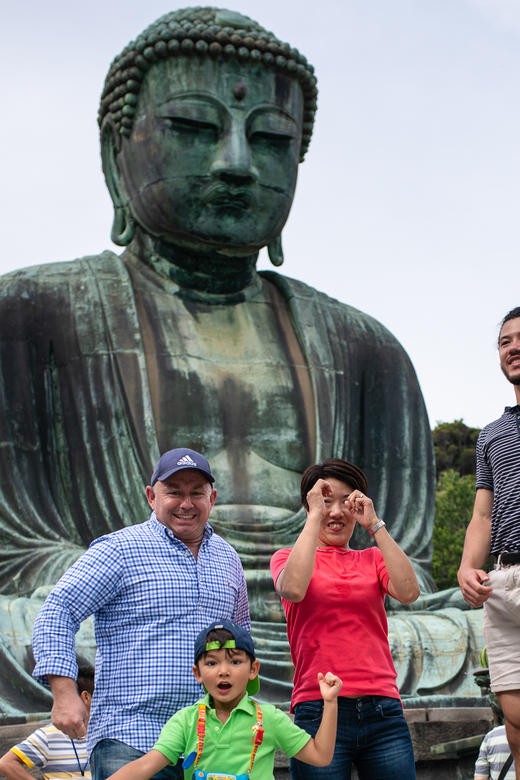
The Great Buddha at Kotoku-in is the centerpiece for many first visits. This bronze Amida Buddha is Kamakura’s best-known sight, and its scale gives the visit a clear sense of occasion without requiring a long museum stop.
The value of seeing it with a host is not only the photograph. Kamakura’s Buddhist sites can be visually impressive but hard to understand if you move from gate to hall without context. Your host can help connect the architecture, religious practices, and role of Buddhism in Kamakura’s past.
The Great Buddha is also a useful anchor for the day. After seeing this major attraction, you can decide how much energy to give the rest of the route. A temple-focused day may continue with more religious sites. A mixed day may shift toward the bamboo forest, the coast, or a forest walk.
Tickets to attractions are not included, so budget for admission separately. The price of entry may be modest compared with the total cost of the experience, but the important point is that $375 does not cover every expense once you arrive.
Torii gates, temple roofs, and Shinto traditions
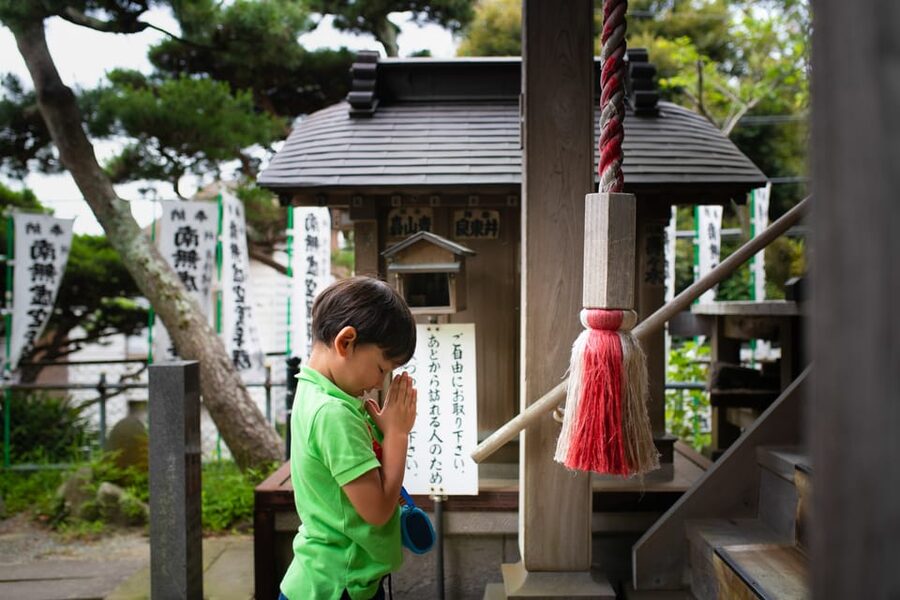
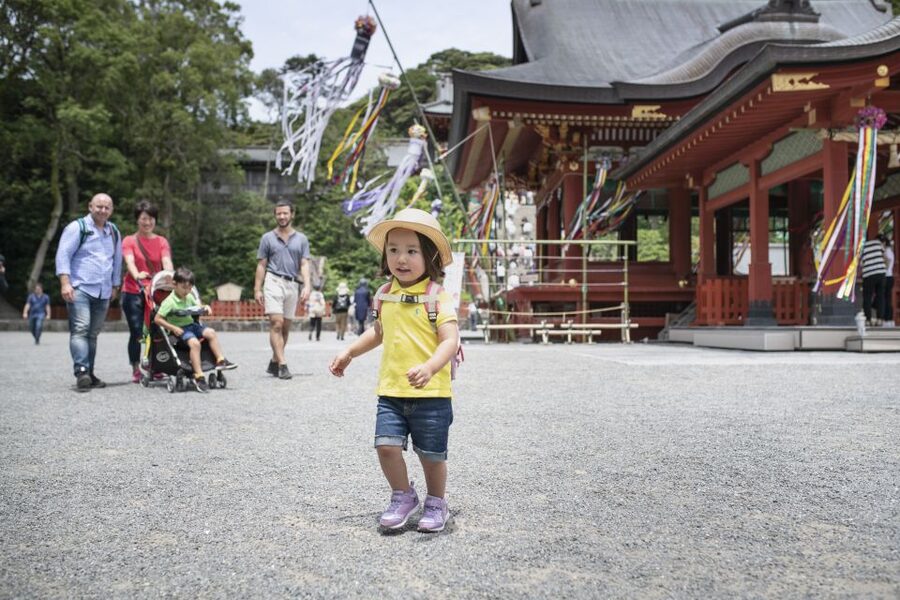
Kamakura’s shrines and temples offer different ways to understand Japanese religious culture. Shinto shrines are marked by torii gates, while Buddhist temples have their own forms, grounds, and worship traditions. Seeing both in one day helps you notice the differences rather than treating every sacred site as simply another old building.
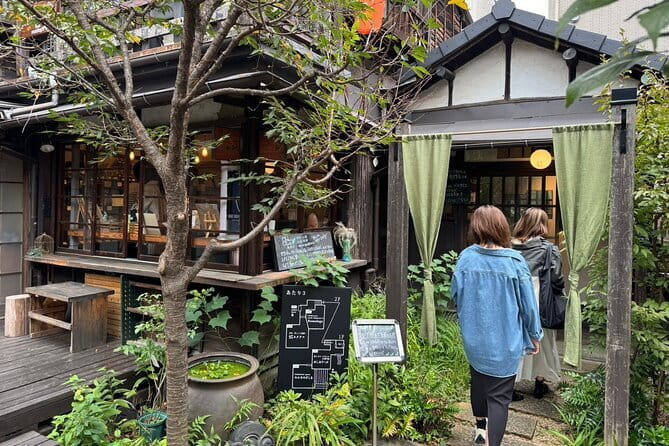
The route may lead you past flame-colored torii gates and through temple grounds with detailed architecture. Your host can explain what you are seeing and help you move at a comfortable pace. That personal guidance matters here because the meaning of a gate, statue, hall, or quiet courtyard is not always obvious at first glance.
I would encourage you to resist packing in every possible shrine. The private format gives you permission to pause. A slower visit to a few places may be more rewarding than a hurried checklist of famous names.
You should also remember that these are active religious places, not only tourist attractions. Quiet behavior and respect for local customs will make the experience better for you and for the people who come to worship.
Hokokuji Bamboo Forest and the green side of town
Hokokuji Bamboo Forest brings a different mood. After the scale of the Great Buddha and the formal architecture of shrines and temples, the bamboo offers a narrow, leafy setting where the focus shifts to sound, shade, and vertical lines.
The forest is one of the clearest reasons to keep the itinerary flexible. It gives the day a natural pause and pairs well with a guide who can explain how Kamakura’s wooded setting shapes the town. The surrounding forest trails also offer a chance to get away from the most obvious sightseeing stops.
You should clarify how much walking is planned. The activity is described as a walking experience, and the day may include a hike up to a peaceful local forest. That can be a fine finish for an active visitor, but it may feel demanding after several hours on foot.
The activity is listed as wheelchair accessible, though the exact route can vary. If you need a smoother route or want to limit hills and forest paths, tell your host ahead of time so the private plan can reflect that.
A few more Kamakura tours and experiences worth a look

Kamakura’s coast, surf shacks, and black kites
Kamakura is not only a former capital of temples. It is also a beach town with local surf spots and a more relaxed modern side. A stop near the surf shacks lets you see how the town’s identity extends beyond its historic buildings.
This part of the day gives useful balance. You can spend the morning thinking about Buddhism and feudal Japan, then watch surfers and look toward the water. The coast helps explain why Kamakura feels like a break from Tokyo even though it is close enough for a day trip.
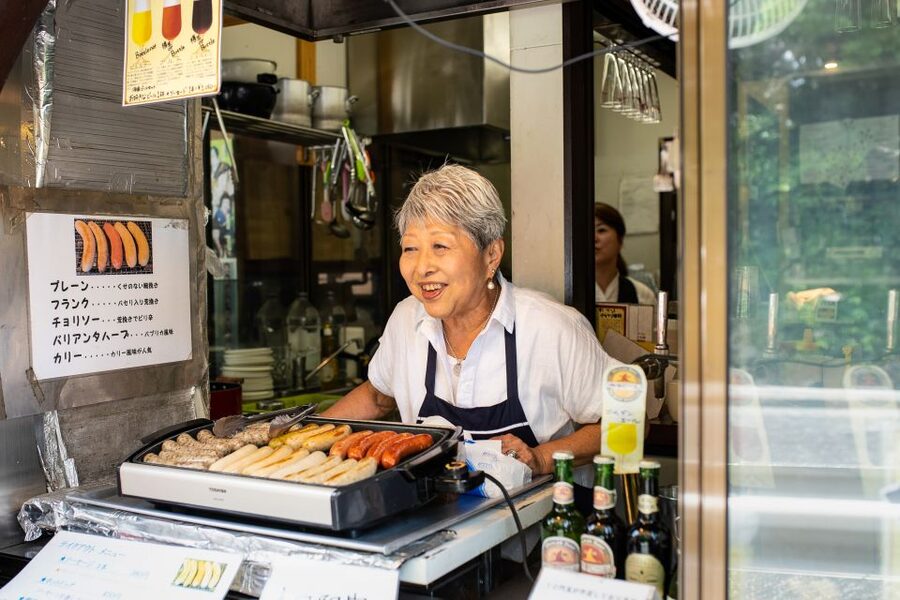
The seaside also brings small details that make the outing feel less scripted. One day with Patrick included local food and black kites behaving like seagulls. The birds are a particularly memorable coastal touch, and they show how an attentive host can add observations that are easy to miss when you are rushing between major sights.
Food is not included, so you should plan to pay for anything you eat or drink. This is not necessarily a weakness. It gives you freedom to choose what suits you, but the overall cost rises if you add a full meal, snacks, and several admission fees.
What eight hours really gives you
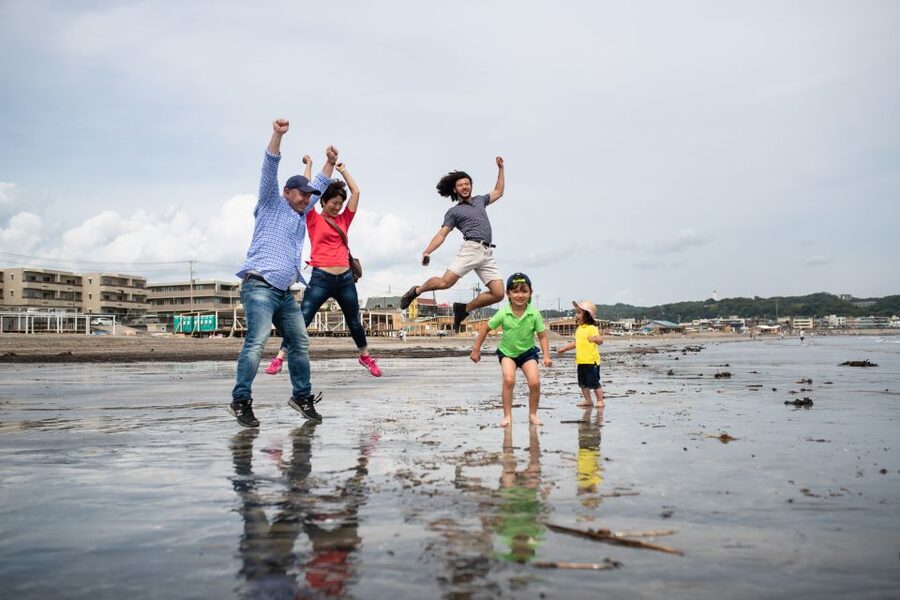
Eight hours is enough for a broad introduction to Kamakura, especially with a direct train ride and a private guide. You can combine major religious sights with bamboo, forest, and the coast instead of spending the whole day in one district.
The challenge is pace. Kamakura has more temples, shrines, and walking routes than you can comfortably cover in one outing. If you want detailed visits at many religious sites, you may need to reduce the time spent at the beach or forest.
I would choose three priorities before you go. For example:
- The Great Buddha and Buddhist history
- Hokokuji Bamboo Forest and a forest walk
- The coast, surf culture, and local food
Your host can then build around those choices. This approach makes the private format useful rather than simply expensive. You are paying for a day shaped to your interests, not just for transportation to a famous town.
The guide can make or break the experience
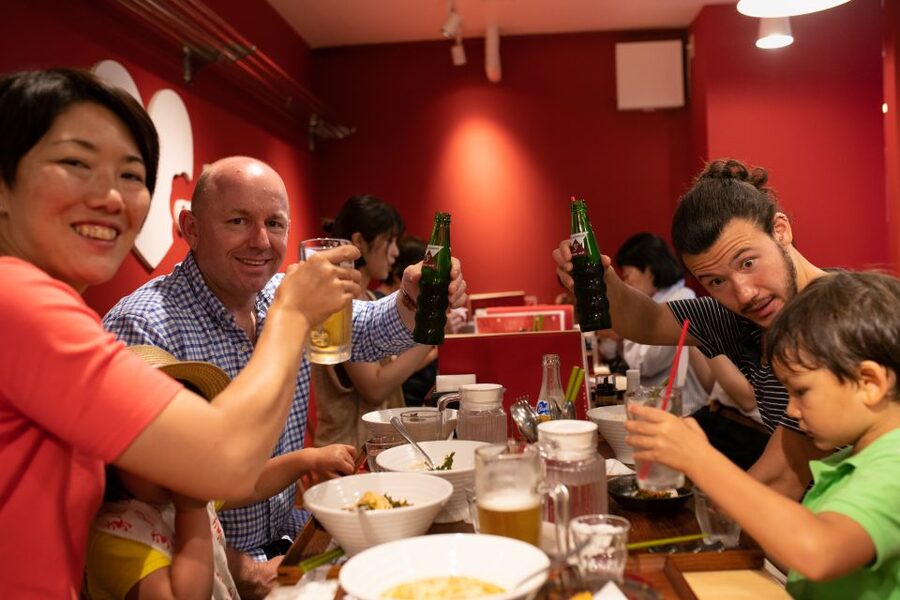
The hosts are central to the value. Gabriel is described as fun, engaging, and a true gentleman. Camila brings a sensitive approach to explaining the culture, country, and people. Patrick combines the seaside with temples, shrines, local food, and the black kites.
Those details suggest three different kinds of guiding. You may get lively conversation, careful cultural explanation, or a more local and food-focused view of Kamakura. Because the host is matched to your interests, it is worth being specific about what kind of day you want.
Do not expect a formal lecture from a fixed-route historian. This is a personal walking day with a local host. That can feel more natural and responsive, but the depth of historical detail may depend on your host and your questions.
The stated languages are English and Japanese. The experience is private, so you do not share the host’s attention with a large group.
Is $375 per person a fair price?
The price is high for a day trip to Kamakura, particularly because food, drinks, admission tickets, and transportation are separate. If you are traveling alone, the per-person cost may feel difficult to justify.
The value improves for a private group that wants a custom day. You receive eight hours with a host, a personalized itinerary, help navigating the train journey, and the chance to combine several sides of Kamakura. A standard group tour may cost less, but it usually gives you less control and less direct time with the guide.
Transportation deserves special attention. Walking is included, while other transport can be arranged at an additional cost. The information also notes that people without a JR Pass should contact the provider so the quote can be adjusted. Confirm the transport arrangement before booking, especially if you do not hold a JR Pass.
For the right group, the price can be reasonable if you care about convenience and personal attention. For budget-conscious visitors who are happy using trains and planning their own temple route, an independent day in Kamakura will likely cost less.
Weather, walking, and practical comfort
The activity runs in all weather. That matters in a coastal town, where rain, wind, heat, or bright sun can change the feel of the day. Wear shoes suitable for extended walking and bring clothing that works for the forecast.
A forest hike and temple grounds may include uneven surfaces or slopes, depending on the route. Because the itinerary is personalized, ask for the walking level you want. The activity is listed as wheelchair accessible, but a specific forest or hill route may not suit every mobility need.
You should also keep your schedule open. The day ends back at the Tokyo meeting point, but the experience lasts eight hours and includes train travel. It is best treated as a full-day outing rather than a quick side trip squeezed between Tokyo reservations.
Free cancellation is available up to 24 hours in advance, and you can reserve now and pay later. Those terms help if your Tokyo plans are still changing, but they do not remove the need to check transport and extra admission costs.
Who should book this Kamakura day trip?
I would recommend it to couples, families, and small private groups who want a local guide and do not want to plan every train, temple, and walking route themselves. It is also a good match if you want more than a greatest-hits visit and would like to connect Kamakura’s religious sites with its coast and forests.
It suits you especially well if you have clear interests and will share them before the day. Ask for Buddhist history, Shinto shrines, bamboo, surf culture, local food, or a forest hike, then let the host shape the details.
I would hesitate if your main goal is the lowest possible price, or if you want a fixed list of every famous attraction. You may also prefer another option if you dislike walking or want all tickets, meals, and transport included in one fee.
Should you book it?
Book this experience if you want a private, flexible introduction to Kamakura and value conversation, local context, and a day that can shift with your interests. The strongest version combines the Great Buddha, one or two important shrines or temples, Hokokuji Bamboo Forest, and time by the ocean.
Before paying, confirm your must-see stops, walking needs, transport costs, and whether your JR Pass affects the quote. If those details work for you, this is a thoughtful way to trade Tokyo’s speed for Kamakura’s temples, woods, and sea in a single day.
FAQ
How long does the Tokyo to Kamakura experience last?
The experience lasts eight hours. Check availability for the possible starting times.
Where do I meet the guide?
You meet your host in front of the Travel Service Center at Tokyo Station.
Where does the experience end?
The activity ends back at the meeting point in Tokyo Station.
Is transportation included?
The walking experience is included, but transportation costs are not included. Other transport can be arranged for an additional cost. If you do not have a JR Pass, contact the provider so the quote can be adjusted.
Are attraction tickets and food included?
No. Food, drinks, and tickets to attractions are not included in the listed price.
Can the itinerary be personalized?
Yes. This is a private experience, and the places you visit can change according to your interests and requests.
Is the experience wheelchair accessible?
Yes, the activity is listed as wheelchair accessible. Since the route can include walking and a possible forest hike, discuss your access needs when arranging the itinerary.
More 1-Day Tours in Kamakura
More Kamakura & Enoshima Day Trips in Kamakura

More tours in Kamakura we've reviewed
Kamakura & Enoshima Day Trips, compared.
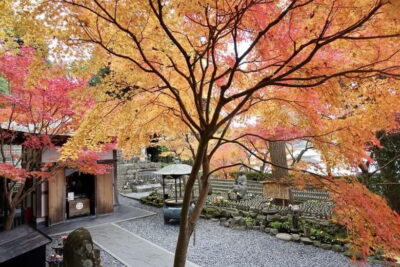 ★ 4.5Tokyo: Kamakura & Enoshima Day Trip including Temple TicketsFrom $589 hours - 570 minutes
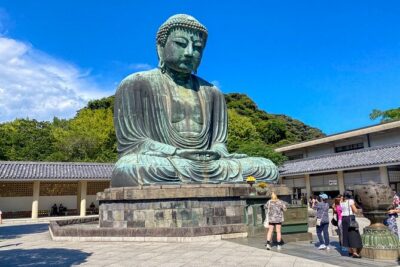 ★ 5.0Mount Fuji, Kamakura, Big Buddha, & Lake Ashi Day TripFrom $109
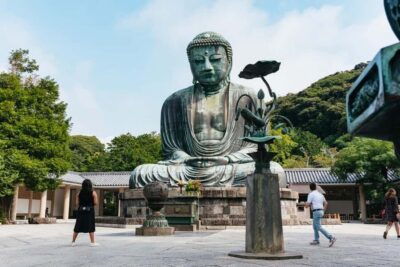 ★ 4.7Tokyo: Mt Fuji, Kamakura, Lake Ashi & Big Buddha Guided TourFrom $50
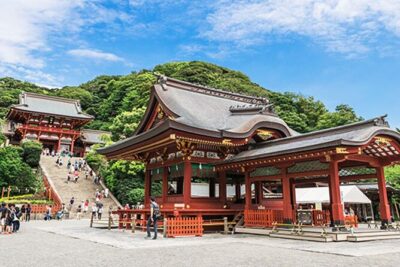 ★ 4.5From Tokyo: Kamakura & Enoshima 1-Day Bus TourFrom $66
 ★ 4.9Tokyo:Sea of Mount Fuji, Hakone Ropeway, Ōwakudani, EnoshimaFrom $5010 hours
 ★ 5.0Kamakura 8 hr Private Walking Tour with Licensed Guide from TokyoFrom $201