Reviewed · MT FUJI DAY TRIPS
Tokyo:Cherry Blossom Mt Fuji & Shibazakura Festival Day Trip
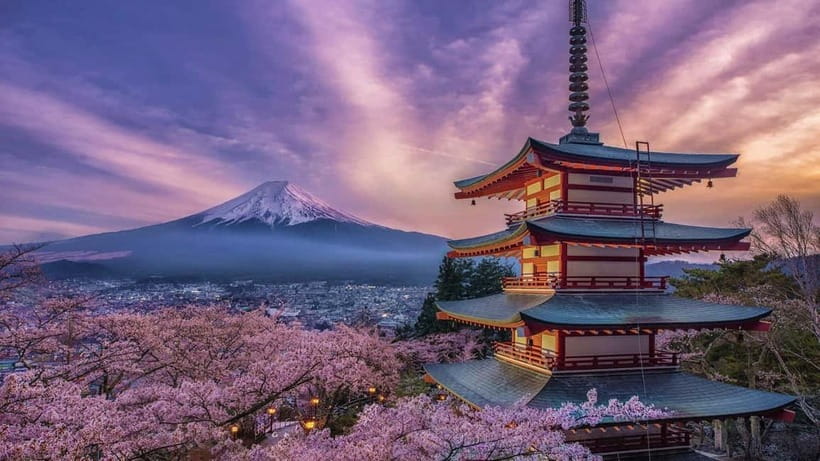
The main reason to book this outing is the Shibazakura Festival at Lake Motosuko, where about 800,000 moss phlox flowers form a pink carpet below snow-capped Mt Fuji. Add Oishi Park, the Lawson Fuji photo stop, Hikawa Clock Shop, and clear spring ponds at Oshino Hakkai, and you get a busy day built around Japan’s most famous mountain.
In This Article
- Key points to know before booking
- Why the Shibazakura Festival is the star of the day
- Oishi Park gives you a wider view of Fuji
- Two quick stops built for iconic photographs
- Oshino Hakkai adds water, ponds, and village scenery
- A 10-hour day from Tokyo, with traffic as the wild card
- Pickup choices and the Tokyo Station meeting point
- What the driver-guide service means in practice
- Is $77 a fair price?
- Who will enjoy this Fuji day trip most?
- Small details that can save your day
- Should you book this Mt Fuji tour?
- FAQ
- When does the Shibazakura Festival usually take place?
- Is admission to the Shibazakura Festival included?
- Where can I meet the tour if I do not use hotel pickup?
- What languages are available?
- Are meals included?
- Can I cancel or pay later?
I like the covered festival admission and the choice between central hotel pickup and meeting at Tokyo Station. I also like the range of views: flowers, lake scenery, village ponds, and classic street photographs. The drawback is the schedule. Ten hours on the road can feel long, traffic can change the plan, and the company’s one detailed account includes serious concerns about the driver’s English, guiding, and driving.
Key points to know before booking
- 800,000 moss phlox flowers: The main stop runs from mid-April to late May, with Mt Fuji behind the flower fields when the weather cooperates.
- Four Fuji photo settings: You visit Oishi Park, the Lawson near Kawaguchiko Station, Hikawa Clock Shop, and Oshino Hakkai.
- Two hours at the festival: This is enough time to walk the grounds and buy lunch from food stalls, but meals are not included.
- Central Tokyo transport: Hotel pickup is available in designated central wards, or you can meet at Tokyo Station Marunouchi North Exit.
- Weather matters: Fuji may disappear behind clouds, and the famous convenience-store and clock-shop photos depend heavily on visibility.
- Practical caution: The bus leaves on time, luggage space is limited, and one detailed report raises concerns about communication and road safety.
Why the Shibazakura Festival is the star of the day
If you are visiting Japan in spring and want a strong Mt Fuji photograph, this tour is timed around one of the region’s most colorful events. Shibazakura means moss phlox, a low-growing flower that spreads across the ground like a painted rug. At Lake Motosuko, the flowers are arranged in broad fields, with Mt Fuji as the backdrop when the air is clear.
The festival normally runs from mid-April through late May. Bloom timing can vary, so you should not treat the date range as a guarantee of peak color. The tour includes the entrance ticket, which removes one small expense and saves you from handling admission when you arrive.
You get about 120 minutes inside the festival grounds. I consider that a useful amount of time for the main paths, photographs, and a look at the food stalls. Lunch is not included, but the free time lets you choose what you want to eat rather than tying you to a set restaurant.
The setting is popular for good reason, but it will not be quiet or empty. This is a seasonal event built around one of Japan’s most recognizable views. Go expecting a festive stop with many people, not a private flower garden.
A few more Tokyo tours and experiences worth a look
Oishi Park gives you a wider view of Fuji
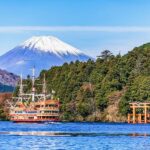
After the festival, the van continues to Oishi Park on Lake Kawaguchiko. This is a more open stop, with a lakeside garden and a broad view toward Mt Fuji across the water. You have about 50 minutes to walk, take photographs, and enjoy the mountain air.
Oishi Park changes with the seasons. Lavender is associated with summer, while cosmos appear in autumn. On this spring outing, the main appeal is the combination of flowers, lake, and mountain rather than one single plant display.
This stop helps balance the morning. At Lake Motosuko, your attention is on the flower fields and the framed view. At Oishi Park, you get more room to look across the lake and see Fuji in a wider setting.
The catch is the same one that applies to the whole day: clouds can erase the peak. The park is still a pleasant lakeside stop, but the famous view is not guaranteed. Bring patience, and take photographs when the mountain appears rather than waiting until the final minute.
Two quick stops built for iconic photographs

The Lawson Kawaguchiko stop lasts about 20 minutes. The convenience store is ordinary in itself, but its blue sign and street position create a familiar composition with Mt Fuji behind it. This is a quick photograph, not a shopping visit or a full town tour.
You should follow the guide’s instructions carefully at this stop. The attraction is the view across the street, and the area can be active with vehicles and other people taking photographs. The tour description itself warns that weather affects the result.
Hikawa Clock Shop is another 20-minute stop. The nearby street is often called Ladder Town because the road appears to rise toward Mt Fuji, creating a strong line from the local buildings to the mountain peak. It gives you a different kind of picture from Oishi Park: less open nature, more everyday town scenery with Fuji at the end of the view.
These stops are useful if you enjoy collecting classic Japan photographs. They are less satisfying if you want long walks or time to explore each neighborhood. Twenty minutes passes quickly, especially when you need to get out, find the view, take pictures, and return to the van.
Oshino Hakkai adds water, ponds, and village scenery

The final major stop is Oshino Hakkai, a group of eight clear ponds supplied by Mt Fuji snowmelt. You have about 40 minutes to walk through the traditional village setting, look at koi, and taste the cold spring water.
This stop changes the rhythm again. After flower fields, lake views, and roadside photographs, Oshino Hakkai offers a quieter look at water and rural scenery. The ponds are the focus, but the appeal also comes from the village atmosphere around them.
Forty minutes is enough for a short walk and photographs. It is not a long visit, so you will need to keep moving if you want to see several ponds. If you prefer a slow visit with time for shops and extended wandering, the schedule may feel tight.
The stop is also a reminder that this is not only a Mt Fuji photo trip. The mountain draws you here, but the springs and village add some variety. You get a brief look at how Fuji’s snow and water shape the area beyond the postcard view.
A 10-hour day from Tokyo, with traffic as the wild card

The day begins between 7:30 and 8:30 in the morning, depending on your pickup location. The exact sequence is arranged by the driver-guide to make the pickup route work efficiently. You return to Tokyo at about 6:00pm.
That timing makes this a full-day commitment. You may appreciate being driven instead of figuring out regional trains, buses, transfers, parking, and festival access. The van also handles highway tolls, parking fees, and vehicle costs, so you do not have to manage those details yourself.
The road to the Fuji area is where the schedule can become less predictable. Peak-season traffic may change the departure time and itinerary. The listed stop lengths are useful targets, but they should not be treated as promises carved in stone.
I would avoid booking this on a day when you have an evening reservation that cannot move. A return around 6:00pm is planned, but traffic around Tokyo and the Fuji area can affect the actual arrival time.
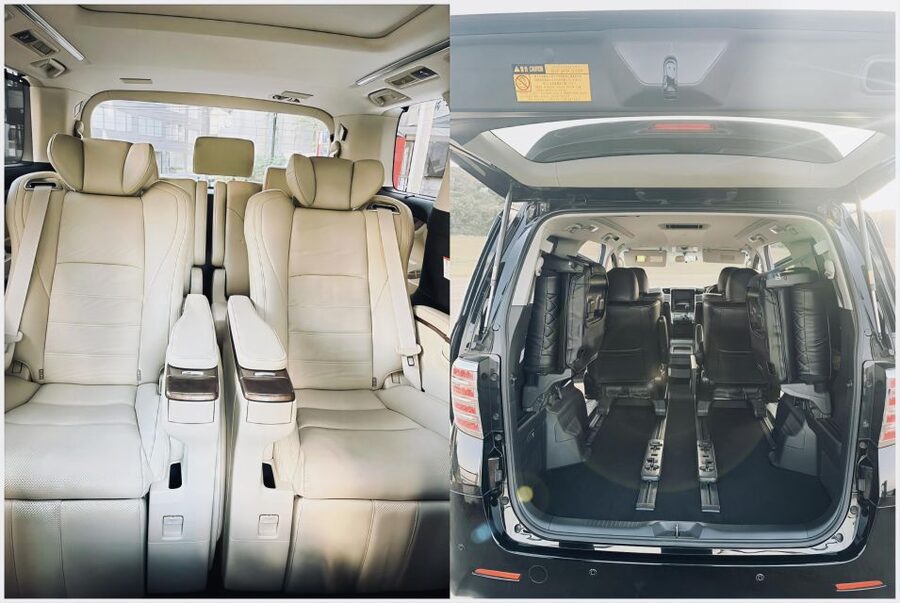
The vehicle is described as comfortable, though space for luggage is limited. Bring a small day bag rather than a large suitcase. You will want room for water, a phone, a light layer, and anything you buy at the festival.
A few more Tokyo tours and experiences worth a look



Pickup choices and the Tokyo Station meeting point
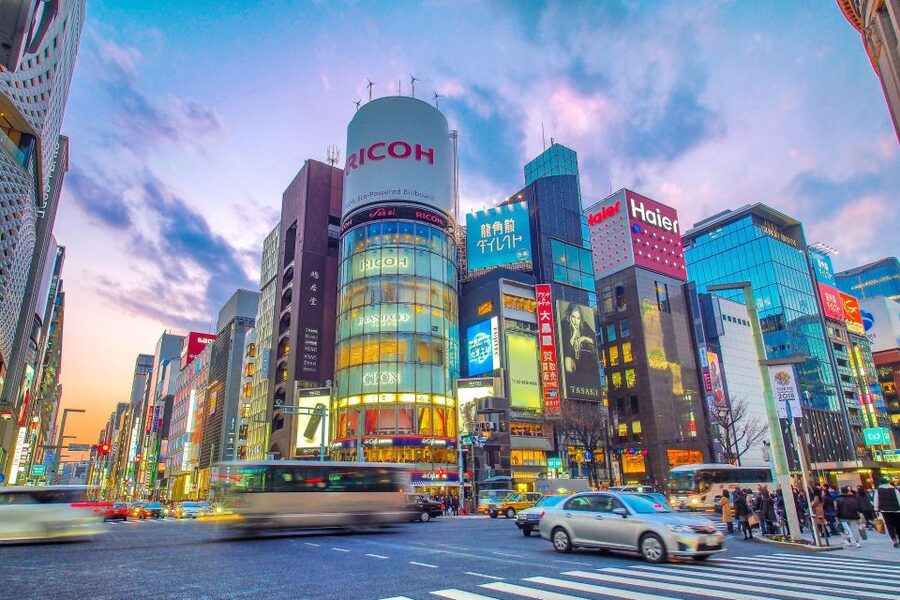
You can request pickup from a hotel in one of 12 central Tokyo wards. The company confirms your hotel name and address, since hotels outside the service area do not qualify for standard pickup.
If your hotel is outside the pickup zone, you may still join by meeting at Tokyo Station, with a partial refund mentioned for the unused pickup service. Contact the company before booking if your location is close to, but not clearly inside, the designated area.
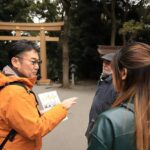
The meeting point is Tokyo Station’s Marunouchi North Exit, at 1-chōme-9-1 Marunouchi, Chiyoda City. The guide sends a photograph of the exact gathering place through WhatsApp, and contact is made the night before the trip.
Install WhatsApp before the day of departure. This is not a minor suggestion. The guide uses it for the meeting details, and the vehicle leaves on time with no exception. Arriving at the wrong part of Tokyo Station or showing up late can mean missing the van without a refund.
Tokyo Station is large, so allow extra time to reach the Marunouchi North Exit. Do not rely on a last-minute platform arrival. You need to be at the right exit, with your phone working and the meeting photograph easy to open.
What the driver-guide service means in practice
The service is offered in English, Japanese, and Chinese. It is important to understand the format: this is a driver-guide day trip in a van, not necessarily a full guided tour with long explanations at every sight.
No guide name is supplied ahead of time. You should expect the person handling the route, driving, timing, and basic assistance to be your main contact for the day. The quality of the experience will depend heavily on communication and driving.
The available rating is 4.4 from three reviews, but the one detailed account is sharply negative. It describes the driver as honest while also raising concerns about limited English, a lack of guiding, and frightening driving. One unusual detail in that account is a request involving what to say if police stopped the vehicle. I cannot verify the incident, but it is serious enough that I would keep the concern in mind before paying.
That does not prove every departure will be the same. It does mean you should book with realistic expectations. If you need polished commentary, calm driving, and strong support at every stop, a larger established operator or private tour with clearly identified guide credentials may suit you better.
Is $77 a fair price?

At $77 per person, the price covers round-trip transportation from designated parts of Tokyo, the driver-guide, highway tolls, parking, vehicle costs, and admission to the Shibazakura Festival. You also get several Fuji-area stops in one day.
That can be good value if your priority is convenience. Organizing the same route independently would require checking seasonal festival transport, reaching Lake Motosuko, arranging the Kawaguchiko stops, and finding a way to Oshino Hakkai. The van lets you cover a lot of ground without changing trains and buses.
The value is weaker if Mt Fuji is hidden all day or traffic reduces your time at the sights. It is also weaker if you expect a traditional guided tour with detailed history and constant interpretation. Your payment mainly buys transport, access, and an efficient route.
Bring extra money for food, drinks, and personal purchases. Lunch is available during free time at the festival stalls, but it is not part of the price.
Who will enjoy this Fuji day trip most?
I would consider it for a first visit to Tokyo when you want to see the Fuji area without renting a car or planning several connections. It suits people who like photographs, seasonal flowers, and a packed sightseeing day.
It also works for families with young children because children under three can join free without occupying a seat. The activity is listed as wheelchair accessible, though the tight stop schedule means you should confirm any specific mobility needs before booking.
You may find it less suitable if you are over 70, as the tour is specifically marked as unsuitable for people over that age. The long day, vehicle time, and repeated stops may also be tiring for anyone who prefers a slow pace.
It is not a good match for large luggage, long meals, or deep exploration of any one place. The tour gives you a taste of several Fuji-area highlights, not an unhurried stay at Lake Kawaguchiko or Oshino Hakkai.
Small details that can save your day
Wear shoes you can walk in comfortably. The tour involves flower-field paths, lakeside walking, village paths, and quick movement between the van and photo spots.
Keep your phone charged and WhatsApp ready. You need it for the night-before message and meeting instructions. A portable charger would be sensible, though it is not listed as a required item.
Check the weather before you go, but do not assume a clear forecast guarantees a clear summit. The Lawson and Hikawa Clock Shop stops are especially dependent on visibility. If Fuji is covered, enjoy the flower festival, ponds, and village views rather than judging the whole day by one photograph.
Do not bring alcohol or drugs, and do not bring pets. Assistance dogs are allowed. If you are carrying luggage, keep it small because storage space in the van is limited.
The booking terms allow free cancellation up to 24 hours before departure, and you can reserve now and pay later. Those options help if your spring schedule is still changing, but they do not remove the need to arrive on time.
Should you book this Mt Fuji tour?
Book it if you want the Shibazakura Festival to be the center of a convenient Fuji day trip and you value covering several photo stops without handling the transport yourself. At $77, the package is reasonably priced for the included admission, tolls, parking, and van service.
I would pause if your standards for guiding and driving are high. The detailed account of poor English, limited guiding, and unsafe-feeling driving cannot be ignored, even though the overall score is 4.4 and the driver was described as honest.
My practical advice is to confirm the pickup area, install WhatsApp, pack light, and ask the operator to confirm the guide language and vehicle arrangements before you pay. Choose this trip for seasonal flowers and convenience, not for guaranteed Fuji weather or an in-depth cultural tour.
FAQ
When does the Shibazakura Festival usually take place?
The festival runs from mid-April to late May. The exact condition of the flowers can vary during that period.
Is admission to the Shibazakura Festival included?
Yes. The entrance fee to the festival grounds at Lake Motosuko is included.
Where can I meet the tour if I do not use hotel pickup?
Meet at Tokyo Station Marunouchi North Exit, 1-chōme-9-1 Marunouchi, Chiyoda City, Tokyo. The guide sends a photograph of the exact gathering location through WhatsApp.
What languages are available?
The driver-guide service is offered in English, Japanese, and Chinese. No individual guide name is provided in advance.
Are meals included?
No. You have free time to buy lunch and drinks at the festival food stalls, but food and beverages are paid separately.
Can I cancel or pay later?
You can cancel up to 24 hours in advance for a full refund. The reserve-now, pay-later option lets you hold a place without paying immediately.
More 1-Day Tours in Tokyo
More Mt Fuji Day Trips in Tokyo


More tours in Tokyo we've reviewed






Mt Fuji Day Trips, compared.
 ★ 5.0Mt Fuji and Hakone 1-Day Bus Tour Return by Bullet TrainFrom $163
 ★ 4.0Mt Fuji & Hakone Cruise, Drum Show Bullet Train 1 Day from TokyoFrom $149
 ★ 4.4Tokyo Mt Fuji 5th St & Hakone Cruise Bus Tour w/Bullet TrainFrom $15410 hours
 ★ 4.5From Tokyo: Mount Fuji Full-Day Sightseeing TripFrom $6810 hours
 ★ 4.7Tokyo: Mt. Fuji Tour, Hakone Ropeway, Owakudani, Lake AshiFrom $5410 hours
 ★ 4.4Tokyo:Mt.Fuji,Kawaguchiko Oishi Park,Arakurayama Sengen ParkFrom $5410 hours