Reviewed · TOURS
Best of Tokyo Small Group Tour
Tokyo can feel like five cities stitched together, and this seven-hour small-group tour gives you a useful first look at the whole puzzle. You move from imperial grounds to old Asakusa, then on to shrine paths, Harajuku fashion streets, and the flashing tide of Shibuya Crossing.
In This Article
- Key things to know before you book
- Starting at Tokyo Station and the Imperial Palace
- Taking the metro to Asakusa
- Asakusa, Senso-ji, and Nakamise-dori
- Lunch in Asakusa, with your own budget
- Meiji Jingu, a quiet turn in the day
- Harajuku’s colorful streets
- Finishing at Shibuya Crossing
- What the $99 price really buys you
- The guide can shape the whole day
- Walking, weather, and the pace
- Who should book this Tokyo day tour
- Should you book the Best of Tokyo Small Group Tour?
- FAQ
- How long does the Best of Tokyo Small Group Tour last?
- Where does the tour begin?
- Where does the tour finish?
- Which Tokyo sights are included?
- Is lunch included?
- Is public transportation used?
- What language is the tour offered in?
- What should I bring?
- Is the tour wheelchair accessible?
I like two things right away: the metro-based route teaches you how Tokyo works, and the mix of sights is unusually broad for one day. Guides including Aki, Helena, and Shish have been praised for answering questions and explaining the city clearly. The catch is the pace. You will walk a lot, and one hour at several stops leaves little time to linger.
Key things to know before you book
- Five very different Tokyo districts: See the Imperial Palace area, Asakusa, Meiji Jingu, Harajuku, and Shibuya in one day.
- A practical metro lesson: Transfers are part of the experience, so you learn to move around Tokyo rather than simply follow a coach.
- A strong first-day route: The schedule covers major sights without spending the whole day in one neighborhood.
- Lunch is on your own: You get a one-hour lunch stop in Asakusa, but food is not included.
- Expect plenty of walking: Comfortable shoes are essential, and the tour is not suitable for wheelchair users.
- English guidance in a small group: The guide can explain customs, history, and transport while leaving room for questions.
Starting at Tokyo Station and the Imperial Palace
Meet your guide in front of the Starbucks Coffee at Kokyo Gaien Wadakura Fountain Park. This is a sensible starting point because Tokyo Station is one of the city’s major transport hubs, though you should allow time to find the exact meeting spot.
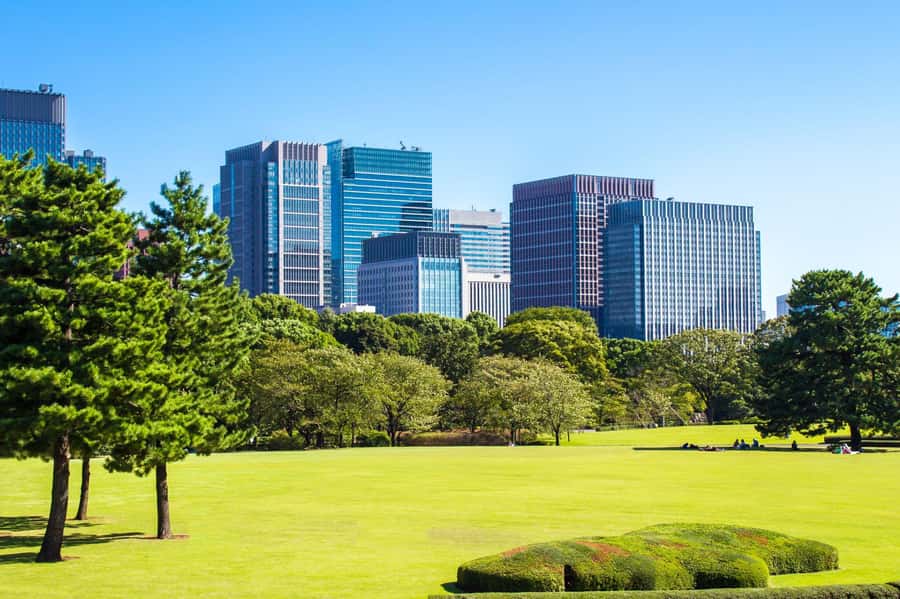
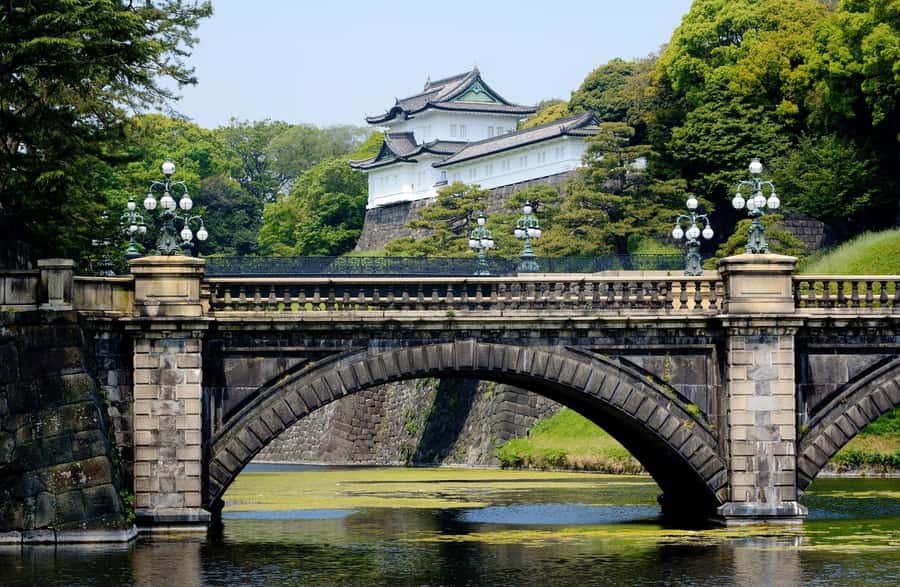
The first visit focuses on the Tokyo Imperial Palace and its gardens, followed by Nijubashi Bridge. The palace is associated with Japan’s imperial family, but the public experience here is less about ornate rooms and more about broad grounds, formal scenery, stone walls, and a calm pause in the middle of central Tokyo.
The schedule gives about 30 minutes for the palace visit and another 30 minutes for Nijubashi Bridge. That is enough for orientation and photographs, but not for a slow garden stroll. If you enjoy taking your time with gardens, you may feel hurried here.
Nijubashi Bridge is one of the familiar views connected with the palace grounds. Your guide can give the setting meaning instead of leaving you with a quick photo and a name. This opening also provides a useful contrast: Tokyo’s first face on the tour is quiet, spacious, and formal.
If you're still narrowing it down, here are other tours in Tokyo we've reviewed.

Taking the metro to Asakusa
The transfer to Asakusa takes about 30 minutes. This is not dead time. You use Tokyo’s metro system, which is one of the most useful skills you can gain on a first visit.
The route is aimed at helping you feel more like a local. You will need to keep up with the group, pay attention to stations, and stay aware of your belongings. Crowded trains and stations are part of city life here, so keep your wallet and phone secure.
The tour description says metro passes are included, while the formal inclusion details identify the expert guide as included. I would confirm exactly how the metro fare is handled before booking. Either way, using public transport is a better fit for Tokyo than sitting in a vehicle and watching the city pass by.
Asakusa, Senso-ji, and Nakamise-dori
Asakusa brings a sharp change of mood. This is where you encounter Tokyo’s older temple district, centered on Senso-ji Temple, the city’s famous Buddhist landmark.
The approach runs along Nakamise-dori Street, a busy shopping lane leading toward the temple. You may find snacks, souvenirs, small gifts, and traditional-style goods here. It is lively and commercial, so do not expect a silent approach to a sacred site. That mix is part of Asakusa’s appeal.
The temple visit receives about an hour, with another hour set aside for exploring Asakusa and lunch. Your guide can explain the basic customs and help you understand what you are seeing rather than treating Senso-ji as a backdrop for photographs.
Senso-ji is one of the tour’s strongest stops because it gives you a clear sense of Tokyo’s older cultural character. The grounds can be crowded, especially in a popular district, and the route may feel packed if you want to browse every shop. Still, this is an efficient way to see a major temple without giving up the rest of the day.
Lunch in Asakusa, with your own budget
Lunch is scheduled for one hour in Asakusa, but food is not included. That gives you freedom to choose what suits you, though it also means the final cost will be higher than the advertised $99 if you eat during the break.
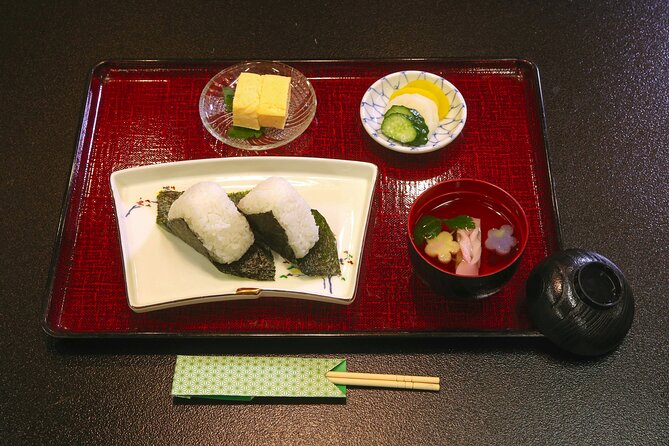
An hour is a practical amount of time for a meal, but you should not treat it as a long food tour. The tour information points to Tokyo’s flavors and specifically mentions enjoyable food as part of the day, but it does not promise a particular restaurant or menu.
If you have dietary needs, ask the guide for help once the group reaches Asakusa. Do not assume a meal is arranged in advance. The best use of this stop is to eat promptly, keep the group schedule in mind, and save longer food exploration for another part of your Tokyo visit.
Meiji Jingu, a quiet turn in the day
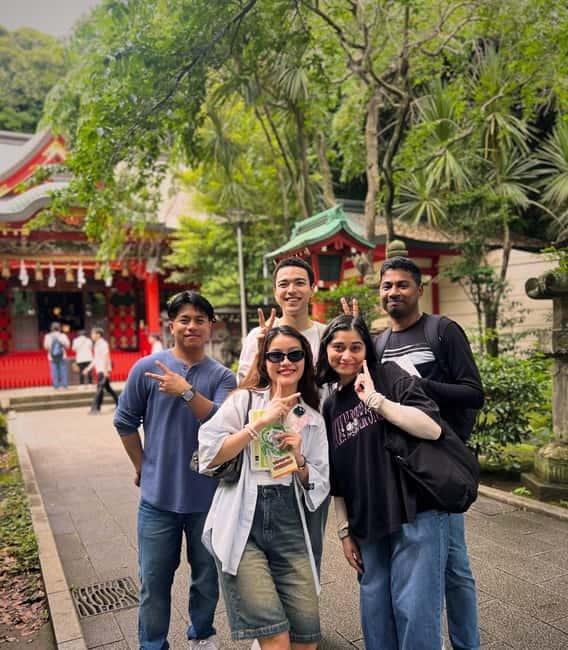
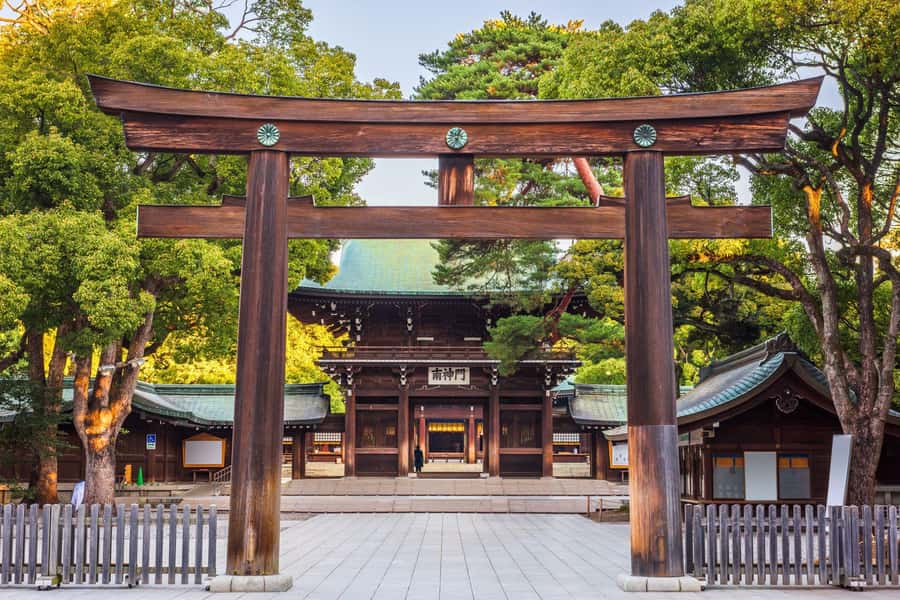
After lunch, another 30-minute transfer takes you to Meiji Jingu Shrine. The shrine is described as one of Tokyo’s most famous Shinto shrines, and it offers a very different setting from Senso-ji.
Here, the focus is on peaceful paths and shrine grounds. The change is welcome after crowded shopping lanes and city transport. Your guide can introduce the customs and meaning of a Shinto shrine while pointing out details you might otherwise pass without noticing.
The visit is scheduled for about an hour. That should give you time to walk through the grounds and pause at the shrine, but the tour is not designed as a long, solitary forest walk. You remain part of a set route, so keep the timetable in mind.
Meiji Jingu is especially valuable for first-time visitors because it shows how Tokyo holds quiet religious spaces beside major shopping and entertainment districts. Bring an umbrella or raincoat if the forecast is uncertain. The tour runs in varied weather, and much of this day takes place outside.


Harajuku’s colorful streets
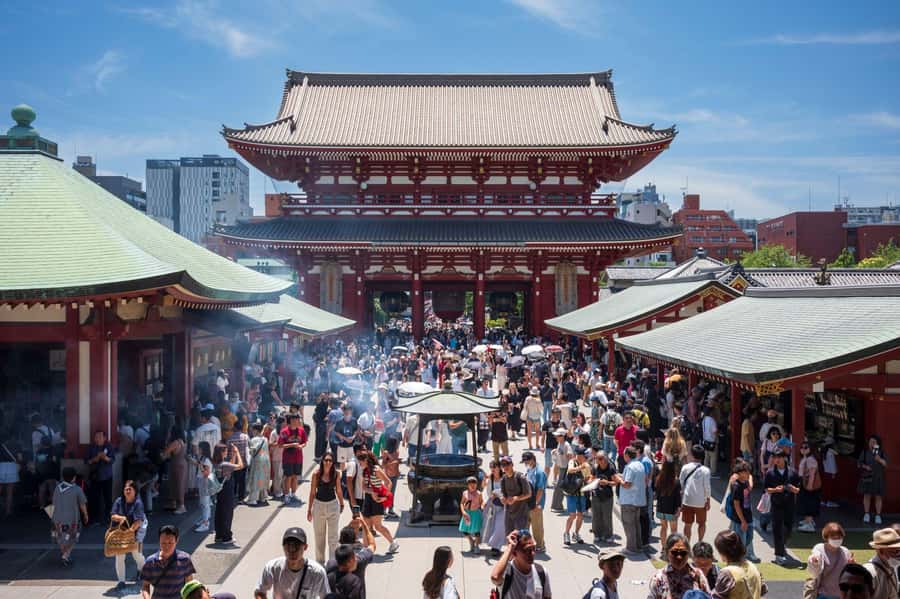
From Meiji Jingu, the tour moves into Harajuku for roughly 30 minutes. The district is known for its colorful youth culture, fashion, and distinctive street life.
This is a short visit, so think of it as an introduction rather than a full shopping session. You can get a feel for the area and see how quickly Tokyo shifts from shrine grounds to playful, highly styled city streets.
I like this pairing with Meiji Jingu. The two areas sit close together but offer nearly opposite experiences. One is restrained and ceremonial; the other is expressive and energetic. The contrast helps you understand Tokyo better than a day spent seeing only temples or only modern shopping districts.
The drawback is simple: half an hour is not enough if Harajuku is high on your personal list. If you want to browse shops, sample more local treats, or spend time in the district’s side streets, plan to return on your own.
Finishing at Shibuya Crossing
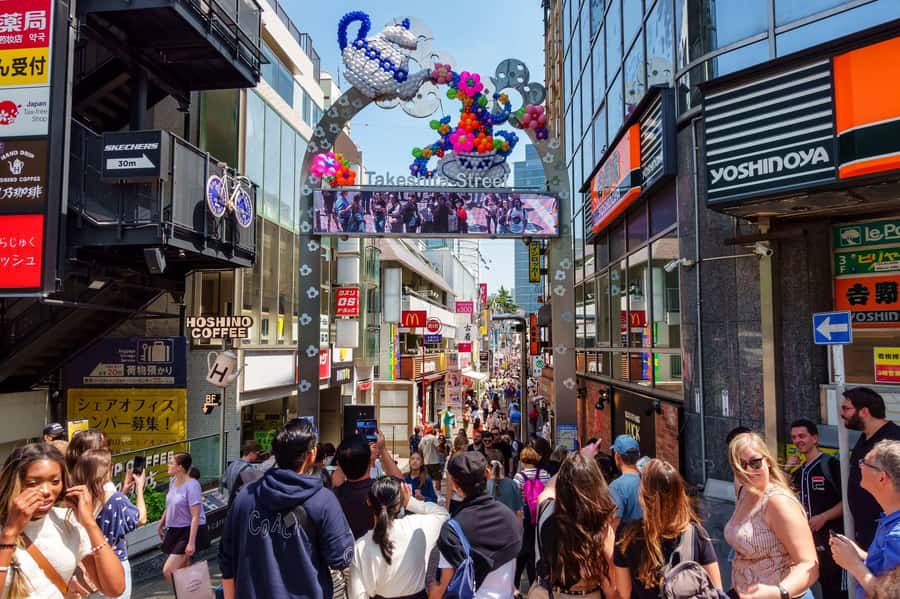
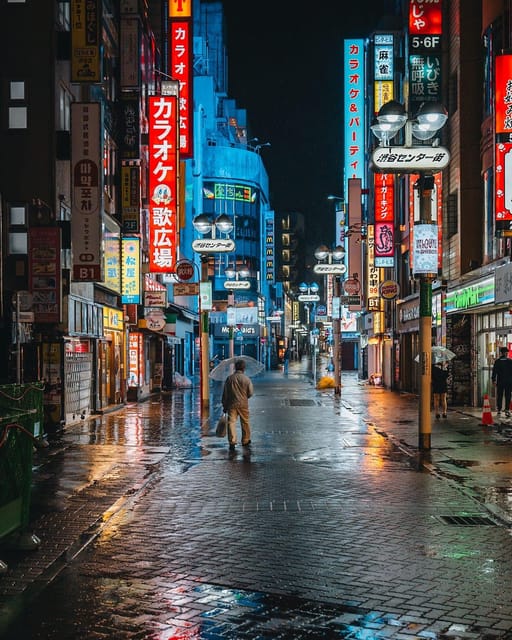
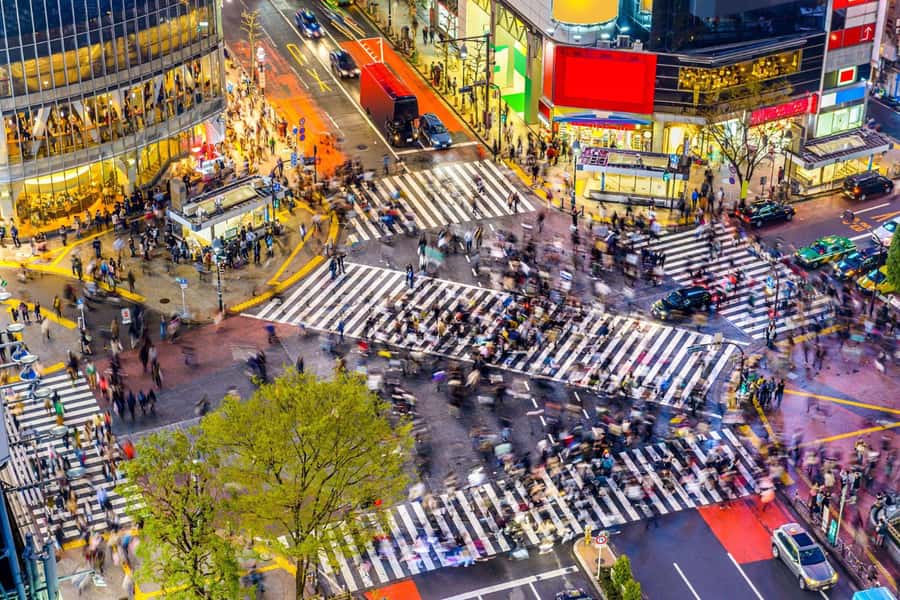
The final stop is Shibuya Crossing, with about 30 minutes for a visit and photographs. This is the big modern-Tokyo finale: a famous intersection where people move across the road from several directions when the signals change.
Your guide helps you understand the setting and points out the best way to experience the crossing within the available time. The stop is brief, but that is probably wise. Shibuya is easy to revisit after the tour, while the guided route gives you a clear first look without letting one famous intersection consume the day.
The tour ends at Shibuya Station. That is convenient if you want to continue exploring, shop in the area, or return to your hotel by train. It also means the tour does not bring you back to the starting point, so plan your evening from Shibuya rather than Tokyo Station.
What the $99 price really buys you
At $99 per person, the value depends on how much help you want during your first Tokyo day. You are paying for a full seven-hour route, an English-speaking guide, group coordination, and explanations at five major areas. The metro-based format also saves you the work of planning a complicated day across several districts.
The tour is not an all-inclusive food experience. Lunch is extra, and personal travel insurance is not included. You should also confirm the metro pass details before booking, since the tour description presents metro passes as included while the listed inclusions focus on the guide.
For someone arriving in Tokyo for the first time, the price can make sense because the route covers sights that would take planning, navigation, and careful timing to connect independently. If you already know Tokyo’s metro system and have a strong personal list, you may prefer separate visits with more time at each stop.
The small-group format is important here. It gives you a better chance to ask questions than a large coach tour, and several highly positive ratings specifically praise the guides’ help with Tokyo and the train system. A score of 4.7 from 16 ratings is encouraging, though it is still a modest sample.
The guide can shape the whole day
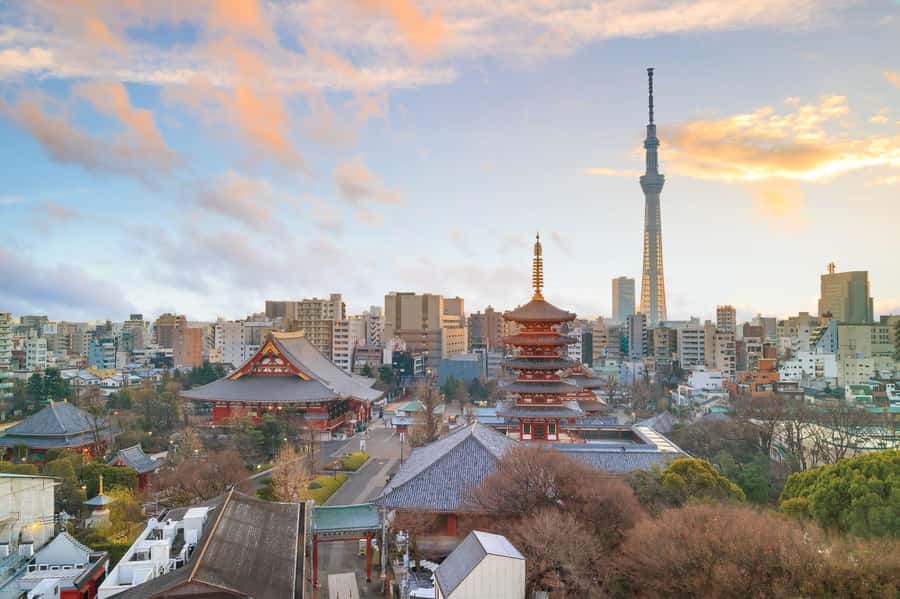
The experience depends heavily on the person leading it. The strongest praise is aimed at the guides, not just the sights.
Shish is described as helpful with questions about Tokyo and good at introducing the train system. Helena is praised for making the small-group format useful for questions and for explaining the city and its past. Aki is credited with providing helpful, interesting information, while another guide was appreciated for showing Tokyo through the eyes of someone who clearly loves the city.
That pattern matters. The route itself is easy to find on a map, but a good guide gives you context, keeps the transfers organized, and helps you make sense of customs at the temples and shrine. Since guides can vary, you should treat the named guides as examples of the people who have led the experience, not as a promise that one specific person will be assigned to your departure.
Walking, weather, and the pace
This is an active day. You walk through palace grounds, temple areas, shopping streets, shrine paths, and major stations. Wear comfortable shoes with good support.
The tour does not suit wheelchair users, and it is not intended for people over 95. The supplied information does not give a detailed accessibility assessment beyond those limits, so anyone with mobility concerns should ask the provider for more details before booking.
Tokyo weather can change, and the schedule includes outdoor stops. Carry an umbrella or raincoat when needed. In crowded areas, keep bags closed and stay alert with phones, wallets, and passports.
The seven-hour length sounds generous, but the schedule is full. The palace, bridge, Asakusa, Senso-ji, lunch, Meiji Jingu, Harajuku, and Shibuya all appear in one day, with two half-hour transfers. You get range rather than depth.
Who should book this Tokyo day tour
I would recommend it most strongly to a first-time Tokyo visitor who wants a guided introduction and does not yet feel comfortable with the metro. It is also a good fit if you have only one full day for sightseeing and want to cover both traditional and modern Tokyo.
Families with older children may appreciate the variety, though the walking and station transfers require stamina. Solo visitors can also benefit from the company and structure of a small group.
I would think twice if you dislike fixed schedules, need long meal breaks, or want to study one temple or neighborhood in detail. Harajuku and Shibuya receive short visits, and Senso-ji is seen within a broader route rather than as a stand-alone cultural tour.
Free cancellation up to 24 hours before the start and a reserve-now, pay-later option add useful flexibility. Those terms are helpful when weather or arrival plans remain uncertain, but they do not change the central decision: this is a fast, guided overview, not a slow local wandering day.
Should you book the Best of Tokyo Small Group Tour?
Book it if you want Tokyo’s major contrasts in one organized day: imperial grounds, an old temple district, a major Shinto shrine, Harajuku style, and Shibuya’s famous crossing. The expert guide and metro practice are the strongest reasons to choose it over simply visiting the sights on your own.
Skip it if you already know Tokyo, dislike walking, or want long, unhurried visits. At $99, it offers solid value for a first orientation, especially when you place a premium on local explanations and easy navigation. Just budget separately for lunch, confirm the metro pass arrangement, wear proper shoes, and expect a brisk pace.
FAQ
How long does the Best of Tokyo Small Group Tour last?
The tour lasts seven hours. Starting times vary, so you need to check availability for the date you want.
Where does the tour begin?
You meet the guide in front of Starbucks Coffee at Kokyo Gaien Wadakura Fountain Park, near the Imperial Palace area.
Where does the tour finish?
The tour ends at Shibuya Station.
Which Tokyo sights are included?
The route includes the Tokyo Imperial Palace gardens, Nijubashi Bridge, Asakusa, Senso-ji Temple, Meiji Jingu Shrine, Harajuku, and Shibuya Crossing.
Is lunch included?
No. The tour includes a one-hour lunch stop in Asakusa, but you pay for your own meal.
Is public transportation used?
Yes. The tour uses Tokyo’s metro system for transfers. The activity details describe metro passes as included, but you should confirm the exact arrangement before booking.
What language is the tour offered in?
The live tour guide provides the experience in English.
What should I bring?
Bring comfortable shoes because the day includes substantial walking. An umbrella or raincoat is also useful when rain is possible.
Is the tour wheelchair accessible?
No. The activity is not suitable for wheelchair users. It is also not suitable for people over 95 years old.
More tours in Tokyo we've reviewed





Tours, compared.
 ★ 5.0Mt Fuji and Hakone 1-Day Bus Tour Return by Bullet TrainFrom $163
 ★ 5.01-Day Tokyo Bus TourFrom $129
 ★ 5.0Tokyo: Shinjuku Food Tour (13 Dishes at 4 Local Eateries)From $86
 ★ 4.4Tokyo Mt Fuji 5th St & Hakone Cruise Bus Tour w/Bullet TrainFrom $15410 hours
 ★ 5.0Flagship 2-Hours Official Street Go-Kart Tour – Tokyo Bay ShopFrom $642 hours to 2 hours 30 minutes (approx.)
 ★ 4.7Tokyo: Mt. Fuji Tour, Hakone Ropeway, Owakudani, Lake AshiFrom $5410 hours